
Xishuangbanna from Luoyang: Botanical Garden, Dai Villages and Gaozhuang, 5 Days
While the north is already in padded coats, Xishuangbanna still sits above twenty degrees by day. Five days give two to rainforest and botanical garden, one to the canopy walkway at Wild Elephant Valley, and the rest to Dai villages and the night market at Gaozhuang.
Highlights
Day 1: Land at Gasa, evening at Gaozhuang
Land at Gasa airport around midday and the heat hits you at the terminal door, so the jacket goes straight into the suitcase. Drive into Jinghong, drop the bags and wash up. Toward evening head to Gaozhuang, where the great golden pagoda turns amber in the low sun and the night market is just putting up its awnings, charcoal smoke mixing with lemongrass. Sit down for grilled tilapia, pineapple rice and a bowl of sour bamboo soup, then walk over to the floating market on the Mekong.
Attraction introduction: Gaozhuang sits east of Jinghong on the Lancang River and was rebuilt in the traditional Dai layout, with the great golden pagoda at its centre. The starlight market runs along the street with everything from handicrafts to skewers. Next door, the floating market sells food and goods from the countries the Lancang becomes the Mekong, trading from boat-shaped stalls.
Tips: Bargaining is normal at the stalls, and asking first never hurts. Guests generally find grilled fish sold by weight, so check the price per unit before ordering. In practice, keep day one free of sights, rest after the flight, and save the energy for the rainforest tomorrow.
Day 2: Menglun botanical garden, west zone then east
Leave at eight for Menglun, a little over an hour on the expressway. The garden occupies a peninsula with the Luosuo River curling around three sides. Walk the west zone first, all flat paths, past the palm collection, the flower garden and the banyan section, where a strangler fig has wrapped its host into a hollow shell and giant lily pads float with their rims turned up like trays. Lunch inside the garden, then take the shuttle into the east zone, where the rainforest is original: buttress roots, stranglers, flowers sprouting straight from old trunks, and a narrow boardwalk under a ceiling of leaves.
Attraction introduction: The Xishuangbanna Tropical Botanical Garden of the Chinese Academy of Sciences occupies a peninsula at Menglun and is one of the largest botanical gardens in the country, holding thousands of tropical species. The west zone is laid out in themed collections by family and use, while the east zone preserves a large tract of primary rainforest where humidity stays high and vines climb from the forest floor to the canopy. The bend of the Luosuo River gives the site its own pocket climate.
Tips: The east zone boardwalk is wet and slippery, so wear shoes with tread rather than smooth leather. Guests generally find the garden enormous and twenty thousand steps a day quite normal, so ride in the west and walk in the east. In practice, afternoons in November still reach thirty degrees, so carry water and sun cream and do not count on shade everywhere.
Day 3: Wild Elephant Valley, walking at canopy height
Head north in the morning, forty minutes on the expressway. The valley opens with an elevated walkway on timber piers, and you move at the height of the treetops with the elephant trail directly below, a line of round prints in the mud beside dung that has not dried. The walkway runs in sections through the ravine forest, vines hanging loose and macaques occasionally crashing through overhead. Lunch at the valley mouth, then the elephant demonstration, or simply sit at the observation platform and wait for a wild herd to step out of the trees.
Attraction introduction: Wild Elephant Valley lies around Sanchahe and is one of the most important corridors for Asian elephants in Xishuangbanna. The ravine sides hold well preserved valley rainforest, and the walkway was built above it so that people pass overhead while the elephants keep the ground. The valley also runs an observation platform and a rescue station that has taken in injured wild animals. Wild Asian elephants are few in China and this area is their main stronghold.
Tips: Seeing elephants is luck and should not be the whole point of the day. Guests generally find the odds better in the morning and near dusk, since the herd rests inside the forest at midday. In practice, wild elephants can be aggressive, so stay behind the railings, never feed them, and follow the staff without argument.
Day 4: Dai villages at Ganlanba, Manting Park in the evening
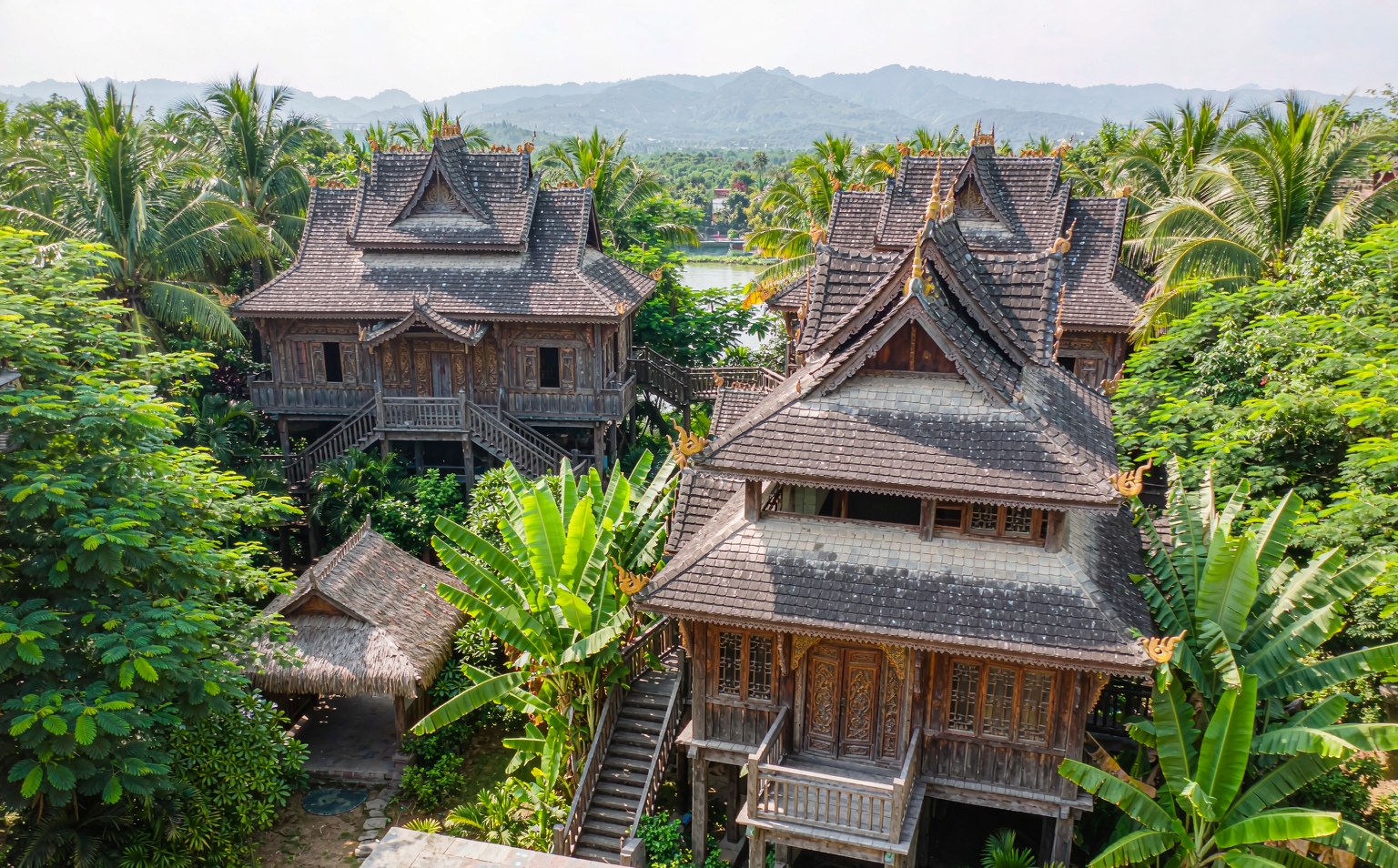
Drive to Ganlanba in the morning, a little over half an hour. The Dai Park is five villages joined together, and there is no need to hunt for specific sights: walk the lanes between them, past stilted houses on timber posts with motorbikes parked underneath and sticky rice drying in the sun, an old man on the stair whittling bamboo. The roofs of Man Chunman temple stack tier upon tier, ornaments at the eaves glinting. Lunch is Dai food in the village, lemongrass fish, banana leaf wraps and pineapple rice. Back in Jinghong in the afternoon, walk Manting Park, once the royal garden, with the general Buddhist temple inside, and sit by the lake at dusk.
Attraction introduction: The Dai Park at Ganlanba occupies a bend of the Lancang River where five villages run together, one of the better preserved Dai settlements in the prefecture. Stilt houses, the village centre, temples and wells form the basic layout, and Man Chunman is the oldest temple among them. Manting Park in southeast Jinghong was historically the royal garden, and the general temple inside is a centre of Theravada Buddhism for the region.
Tips: Shoes come off and clothing should cover the knees inside temples, and women should avoid sleeveless tops. Guests generally find handwoven textiles and silver in the villages better value than in town, though it pays to check whether a piece is machine made. In practice, the water splashing runs in fixed sessions on the square and soaks you through, so bring a change of clothes if you join in.
Day 5: Fruit at the morning market, afternoon flight
Nothing rushed on the last day. Sleep in, then walk the city wet market where jackfruit sells by the fruit, mangoes by the pile, and there are wild fruits with no name in the north. The stallholder will pick and peel for you, and you eat sitting on a low stool before moving on. Lunch is a bowl of rice noodles in a sour and hot broth with a dish of pickles. Then to the airport according to the flight, with rubber plantations sliding past the window on the way.
Attraction introduction: Jinghong is the seat of Xishuangbanna prefecture, set on the Lancang River at around five hundred metres, and it has no winter. The wet market is the best place to watch ordinary life, with tropical fruit, dried beef, pickles and spices piled on the stalls, many of them unknown to northerners. Rubber and banana plantations make up most of the landscape around the city.
Tips: Tropical fruit travels badly, and jackfruit or durian cannot go in the cabin, so ask before checking a box. Guests generally find peeled fruit in the market half the price of the scenic areas, but watch the scale. In practice, keep the last day to half a day and leave plenty of time for the airport, with at least two hours for any connection.
Related Tours
Zhangjiajie from Luoyang: Wulingyuan, Tianmen Mountain and Fenghuang, 7 Days
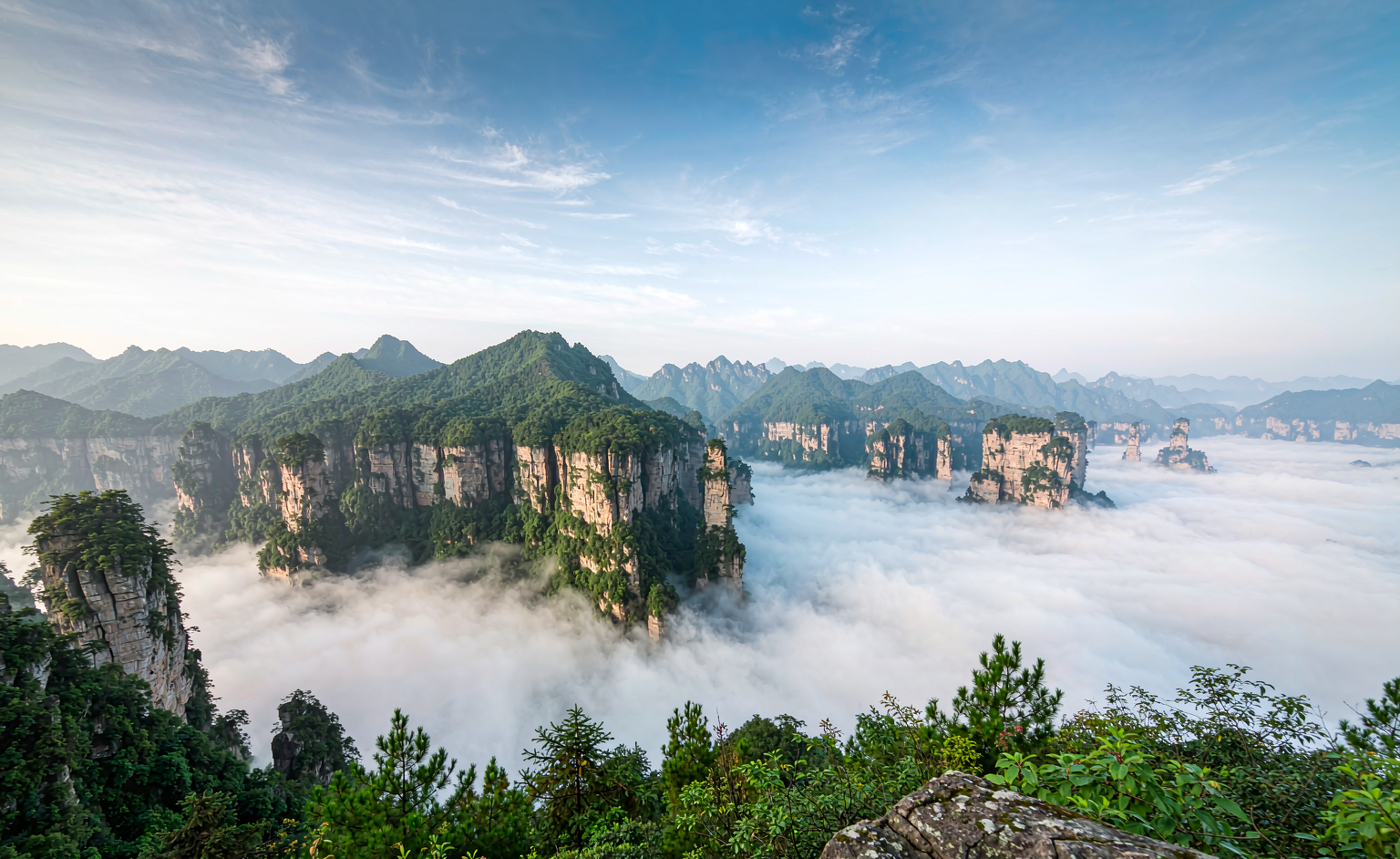
Seven days give Zhangjiajie four, and Fenghuang a day and a half. November mist lifts slowly, so the stone pillars at Tianzi and Yuanjiajie sit half buried in cloud until the wind moves, and that is better than a clear blue sky.
Xian from Luoyang: Terracotta Warriors, Famen Temple, Qianling and the City Wall, 6 Days
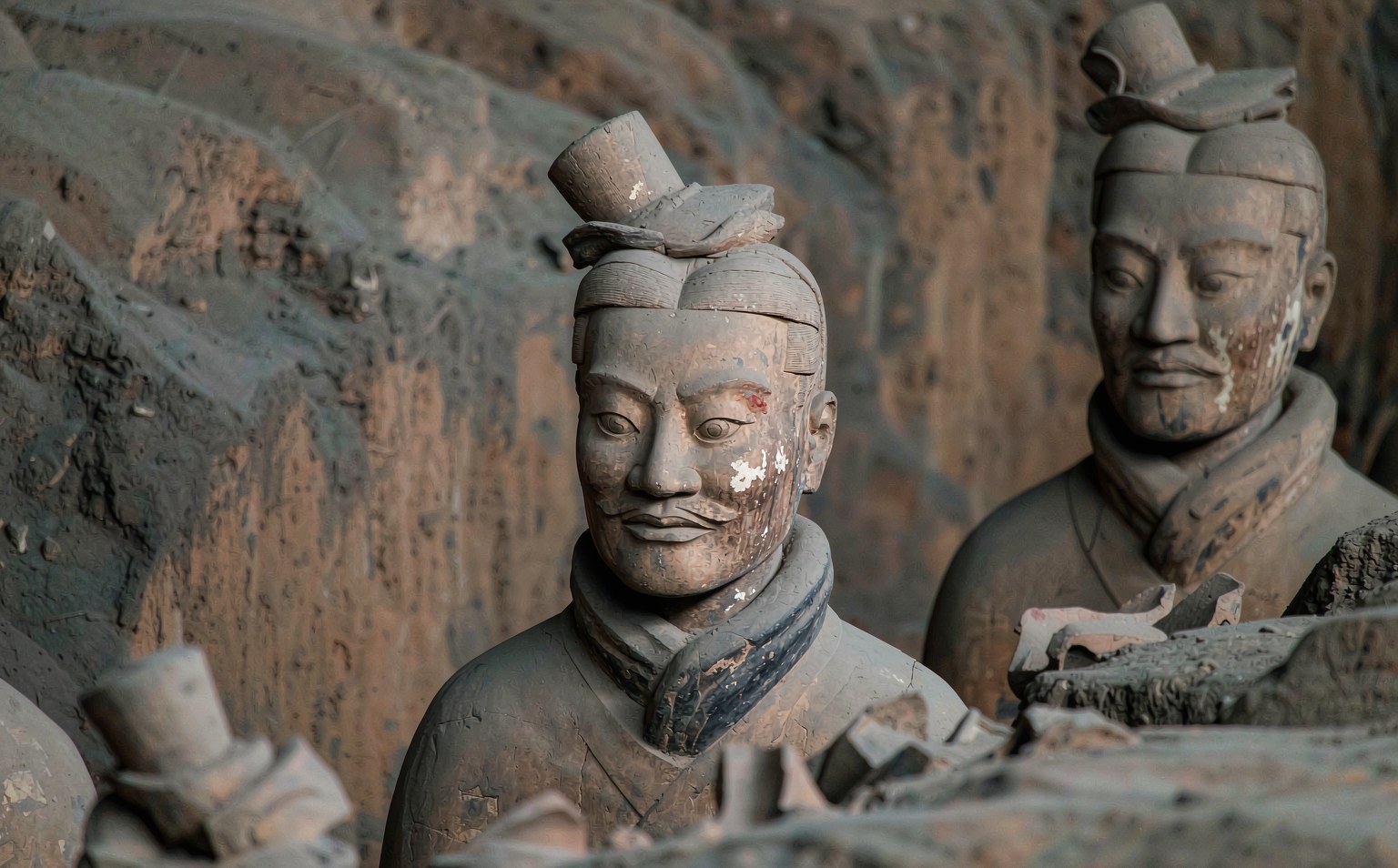
Six days split Xian into three parts: the east for Qin and Tang, the west for imperial tombs and a Buddha relic, and the old city for museums, the wall and steles. Ninety minutes by rail from Luoyang, no airport involved.
Qinghai from Luoyang: Qinghai Lake, Chaka, Guide and Kumbum, 6 Days
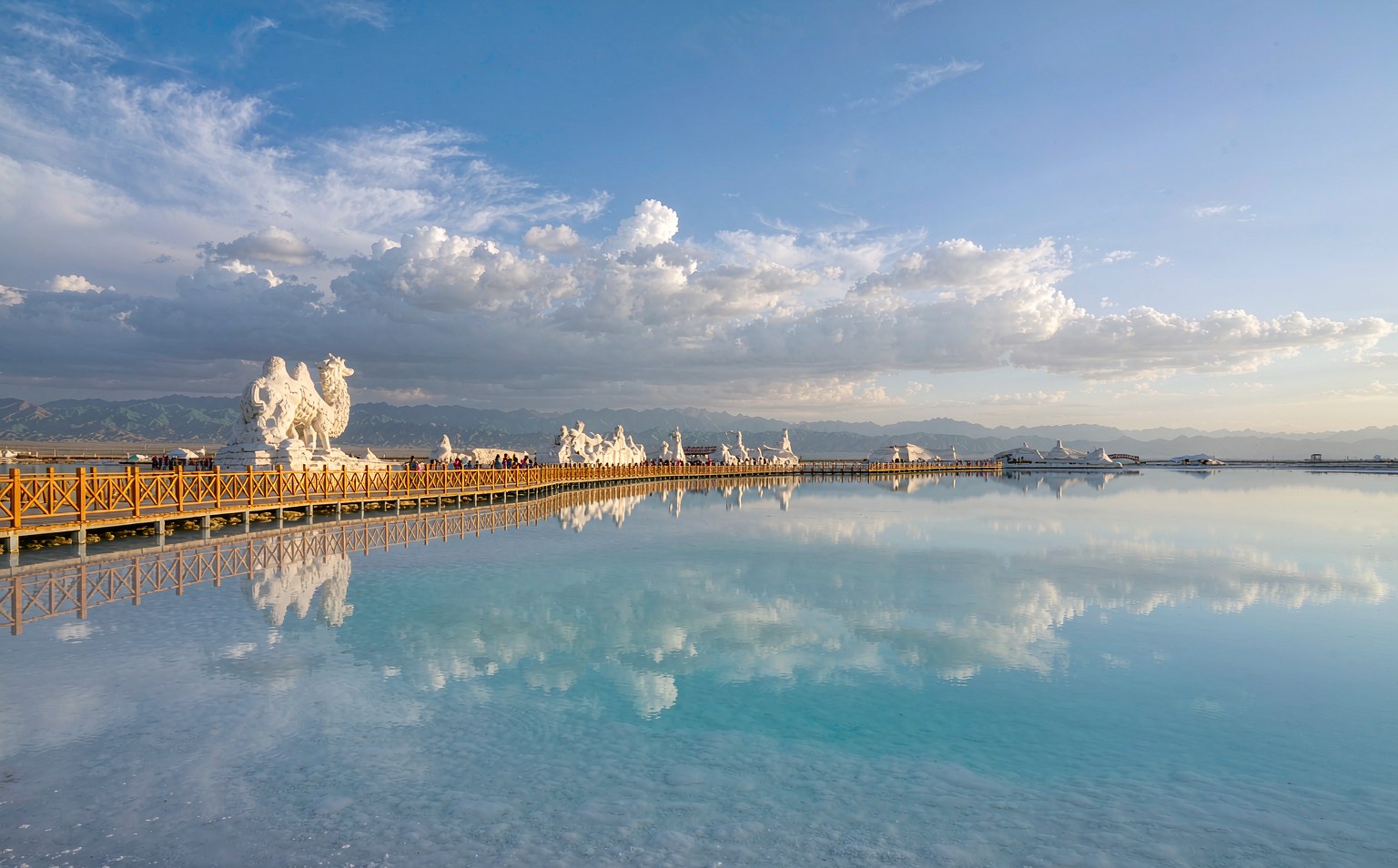
November is the quietest month in Qinghai. The butter sculptures still glow at Kumbum Monastery, the Yellow River runs clear at Guide, the lake shore is empty, and the little train at Chaka carries only a handful of people.
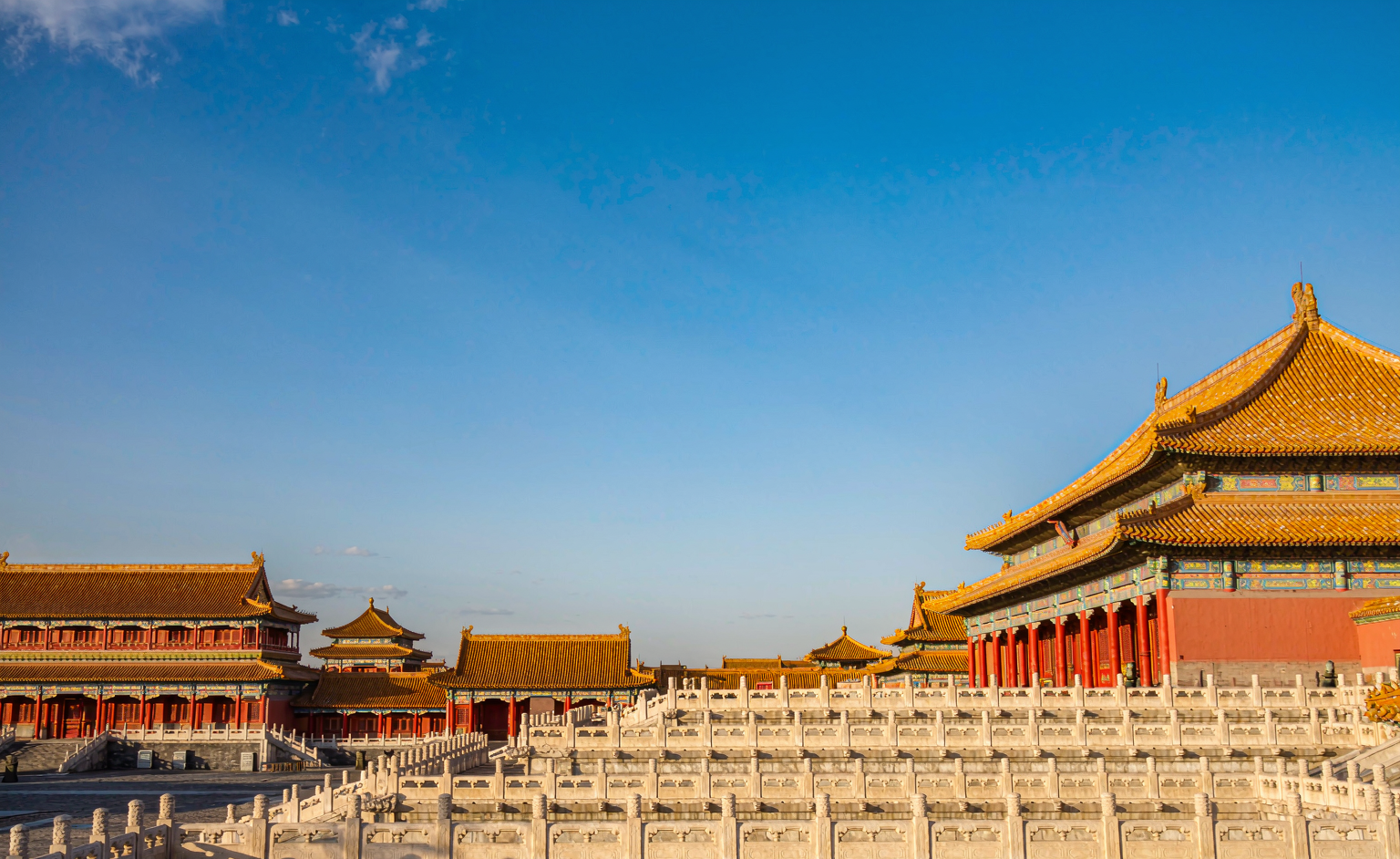
Beijing from Luoyang: Forbidden City, Temple of Heaven and Summer Palace, 4 Days
Four days in Beijing with the Forbidden City given a whole morning: in at Meridian Gate, out at the Gate of Divine Prowess, the three great halls on one straight line. From November the city moves to low-season tickets, and the gardens finally have room to breathe.