
Xian from Luoyang: Terracotta Warriors, Famen Temple, Qianling and the City Wall, 6 Days
Six days split Xian into three parts: the east for Qin and Tang, the west for imperial tombs and a Buddha relic, and the old city for museums, the wall and steles. Ninety minutes by rail from Luoyang, no airport involved.
Highlights
Day 1: Rail into Xian, the city wall by bicycle at dusk
Board at Luoyang Longmen in the morning and reach Xian North in ninety minutes. Lunch is a bowl of paomo, torn by hand into pieces the size of beans so the broth soaks in. Check in, sleep an hour, then head for the South Gate around four. The top of the wall is wide enough to drive on, so rent a bicycle and ride from the South Gate to the West Gate in forty minutes, with the sun dropping right onto the eaves of the gate tower. Come down and find a small restaurant off Fenxiang for dinner.
Attraction introduction: The Xian city wall was extended in the early Ming on the foundations of the Tang imperial city, runs thirteen point seven kilometres and is the largest and most complete ancient city wall in the country. It stands twelve metres high with a top width of twelve to fourteen metres, corner towers at the four angles, ninety-eight bastions along the outer face, and a moat all the way round. Yongning Gate at the south is the most formal of the gates.
Tips: Bicycles on the wall are charged by the hour with a separate deposit, and the return has to be at the same gate. Guests generally find the ride best after six in the evening, since there is no shade up there by day. In practice, keep day one light and ride only half the circuit, leaving the rest of the evening for dinner and rest.
Day 2: The Terracotta Warriors in the morning, Huaqing in the afternoon
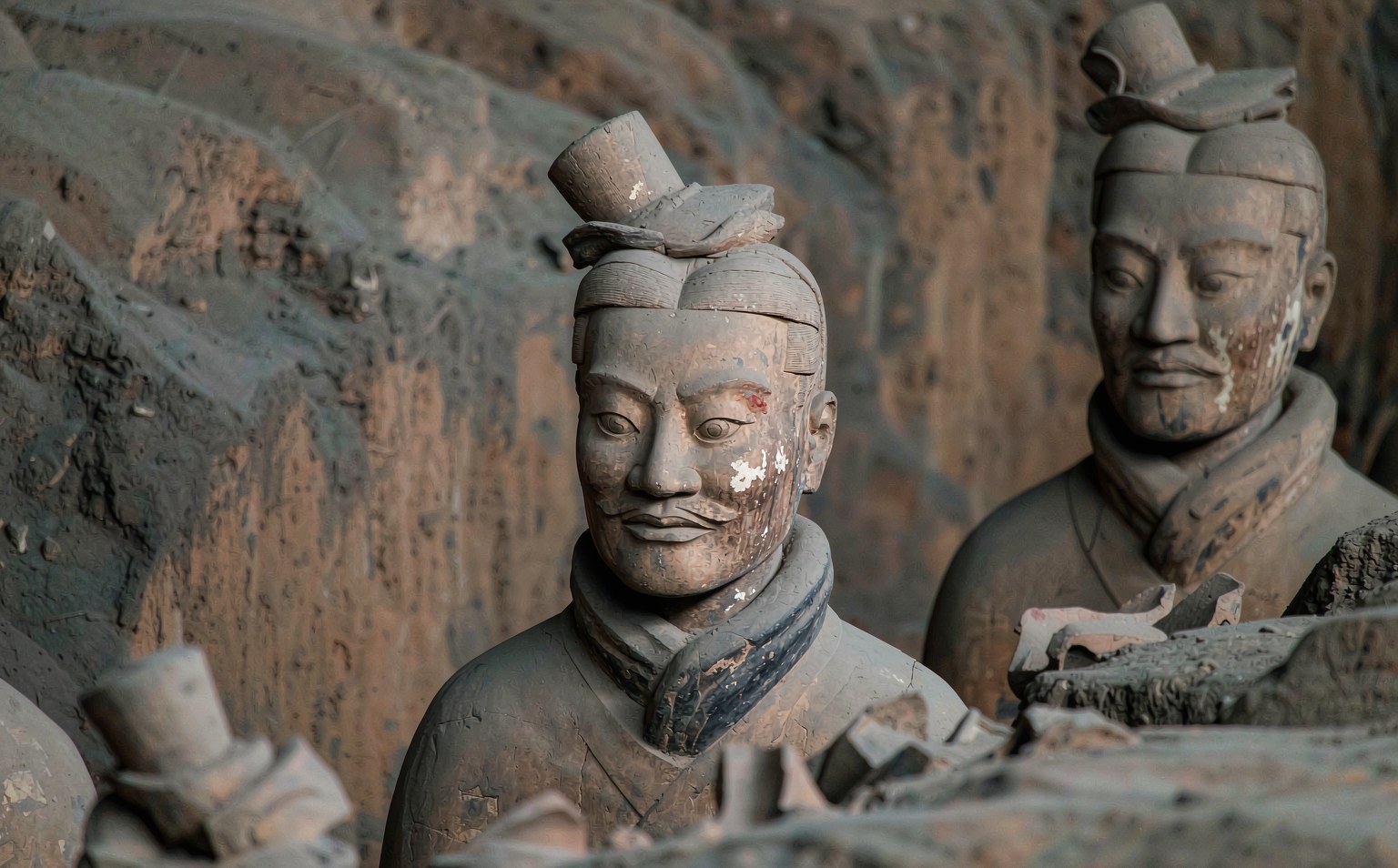
Leave at eight for Lintong, an hour on the road. Start at Pit One and walk it from the east end to the west, ranks of figures opening out below the railing, six hundred of them with no two faces alike, hair styles and the lacing of armour all different. Pit Two shows how the formations were composed and Pit Three is the command post. Lunch outside the site, then Huaqing Palace in the afternoon, where the Tang bathing pools survive with lotus patterns still legible on the floor, Mount Li rising behind and the beacon tower on top a later reconstruction.
Attraction introduction: The museum opened on the spot where farmers digging a well struck the figures in 1974, and Pit One covers some fourteen thousand square metres, a long rectangular formation mixing infantry and chariots. The figures were originally painted overall and the pigment flaked after excavation, so what you see now is mostly bare clay. Huaqing Palace was the Tang imperial hot spring retreat, its pool foundations well preserved, and the 1936 Xian Incident also took place here.
Tips: The route through the warriors runs one way, and once out of Pit One there is no going back, so take the photographs when you have the chance. Guests generally find the crowd heaviest between nine and ten, so entering at opening is actually calmer. In practice, last entry moves to 16:30 from mid November, and the whole afternoon has to be pulled forward to match.
Day 3: West to Qianling and Famen Temple
Leave at half past seven for Qianxian, ninety minutes. Qianling sits on Mount Liang, the spirit road climbing, stone figures and horses lining both sides, the wordless stele on the right with not one character carved by its makers but later visitors adding their own. The sixty-one foreign envoys stand on the left, most of them headless, only the bodies and the names on their backs. Lunch in Qianxian, a flatbread with tofu pudding, then fifty minutes to Famen in the afternoon. The old pagoda courtyard holds the Tang underground palace, the lotus pagoda is new, and the two sit across a plaza from each other with entirely different atmospheres.
Attraction introduction: Qianling is the joint tomb of Emperor Gaozong and Empress Wu Zetian, using Mount Liang itself as the tumulus and the only one of the eighteen Tang imperial tombs never robbed. The spirit road carries columns, winged horses, stone officials and envoy figures, with the wordless stele facing the stele recording Gaozong deeds. Famen Temple at Famen town in Fufeng is known for the Buddha finger relic; the underground palace was opened in 1987 and yielded Tang court gold and silver, secret colour porcelain and silk.
Tips: The western line covers three hundred kilometres, more time in the car than at the sites, so do not add stops along the way. Guests generally find the wind on Mount Liang strong with no shelter at the top, so hold onto your hat. In practice, the old courtyard and the lotus pagoda ticket separately, and if time is short go straight to the palace exhibition hall.
Day 4: Shaanxi History Museum, then the Big Wild Goose Pagoda
Into the Shaanxi History Museum in the morning on the booked slot, working through the Zhou, Qin, Han and Tang galleries, with the Hejiacun hoard at the far end, where a gilded silver ewer with a dancing horse repays two circuits of looking. Lunch near Xiaozhai, then back to the hotel to rest. Around four, head to the Temple of Great Benevolence, where the seven storeys of the Big Wild Goose Pagoda rise from the courtyard, weeds growing out of the brick joints. At dusk wait by the north square for the fountain, and after dark walk a stretch of the Great Tang All Day Mall, where the street fills up the moment the lights come on.
Attraction introduction: The Shaanxi History Museum was the first large modern national museum in the country, strong in Zhou, Qin, Han and Tang material, with the Tang hoard from Hejiacun as its signature. The Temple of Great Benevolence was built by Emperor Gaozong in memory of his mother, and Xuanzang directed translations there and had the pagoda raised to hold the sutras and images he brought back from India.
Tips: Entry is free but booked ahead, and slots go the day they open, so reserve as soon as the dates are fixed. Guests generally find the galleries crowded and recommend the key halls first rather than losing the morning on the ground floor. In practice, climbing the pagoda costs extra and the stair is narrow with queues at busy times, though skipping it costs nothing in terms of the view from outside.
Day 5: Steles in the morning, the Muslim quarter in the afternoon
The Forest of Steles in the morning, starting with the Kaicheng stone classics, a whole hall of upright slabs covered in characters, then separate rooms for Yan Zhenqing, Liu Gongquan and Ouyang Xun. You do not need to read the texts to enjoy them: stand close and watch how each stroke begins and ends, and the strength in the writer hand becomes obvious. Out through Shuyuanmen, where the shops still sell brushes and paper, and stop for a bowl of hulutou. The Muslim quarter in the afternoon for cured beef to take home, and toward evening stand below the Bell Tower watching traffic circle it.
Attraction introduction: The Forest of Steles was founded in the Northern Song and holds more than a thousand stones, the earliest and largest collection of its kind in the country. The Kaicheng classics are twelve Confucian texts carved in the Tang as the authorised standard edition. Shuyuanmen alongside is an old street of stationers, paper, ink and mounting workshops, still trading today.
Tips: The halls are dim and rely on daylight, so the east side reads best in the morning. Guests generally find rubbing prices vary widely and machine copies are not hand rubbings, so ask before buying. In practice, the last two days slow down deliberately: keep the shopping and wandering for today, because tomorrow is a travel day.
Day 6: Peppery soup for breakfast, afternoon train
Up early on the last day for a bowl of peppery soup at a street stall with a pork sandwich, the pepper hitting the back of the throat and leaving a sweat on the forehead. A slow morning near the hotel, or a sit in the courtyard of the Small Wild Goose Pagoda, its brick turning red in the early light. Noodles for lunch, then to Xian North for the train and ninety minutes back to Luoyang.
Attraction introduction: The Small Wild Goose Pagoda stands in Jianfu Temple, built in the Tang with fifteen storeys, reduced to thirteen when an earthquake took the top in the Ming. Its closely spaced eaves give it a tighter profile than the Big Wild Goose Pagoda. Jianfu Temple was an important Tang translation centre, where Yijing worked after returning by sea, and the Xian Museum shares the same compound.
Tips: The peppery soup comes in two sizes, and a small bowl is the right first order, since the heat lands in the neck rather than on the tongue. Guests generally find return tickets climb in price the later you book, so fix them early. In practice, keep the last day to half a day and pack the night before instead of rummaging in the morning.
Related Tours
Zhangjiajie from Luoyang: Wulingyuan, Tianmen Mountain and Fenghuang, 7 Days
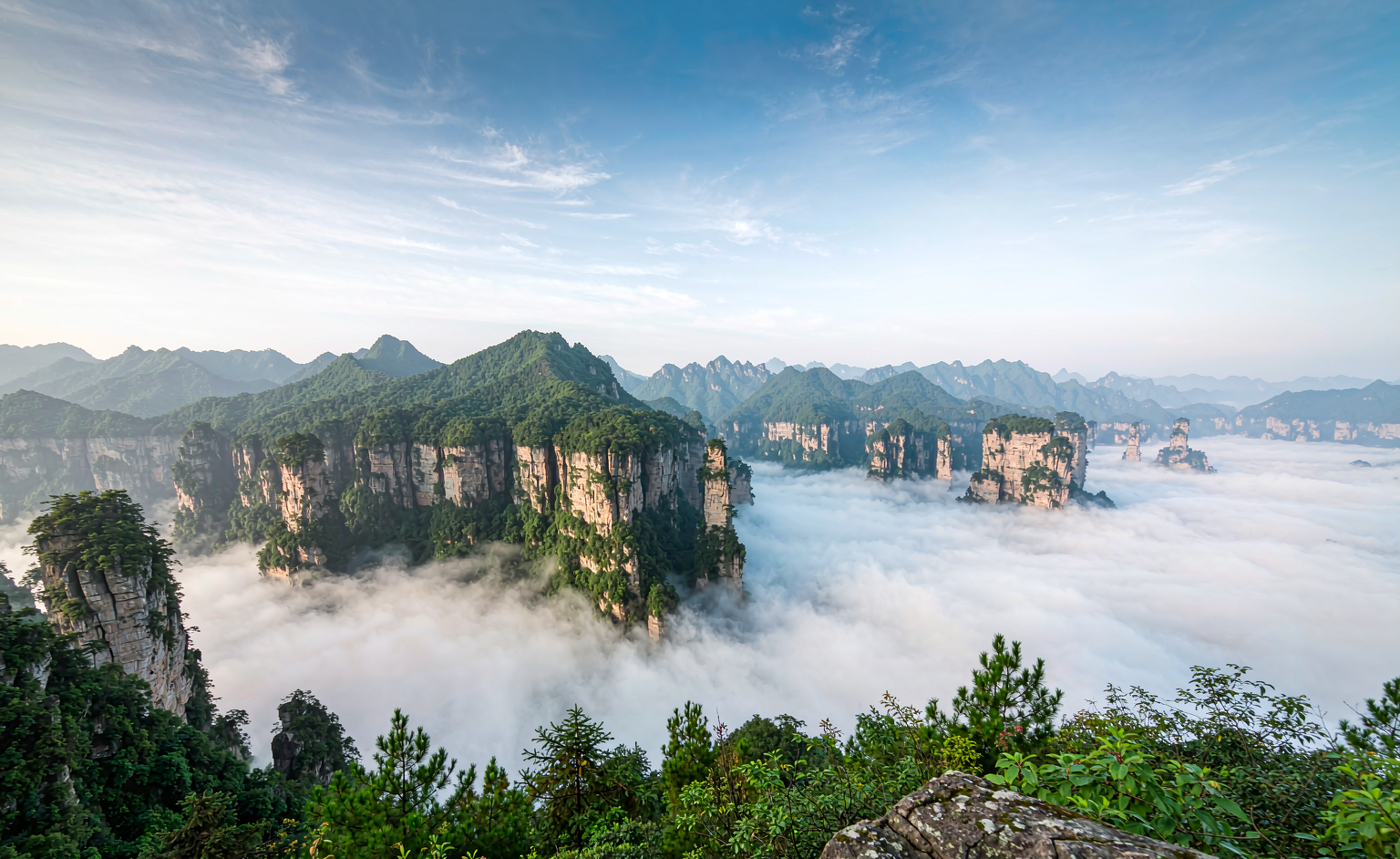
Seven days give Zhangjiajie four, and Fenghuang a day and a half. November mist lifts slowly, so the stone pillars at Tianzi and Yuanjiajie sit half buried in cloud until the wind moves, and that is better than a clear blue sky.
Qinghai from Luoyang: Qinghai Lake, Chaka, Guide and Kumbum, 6 Days
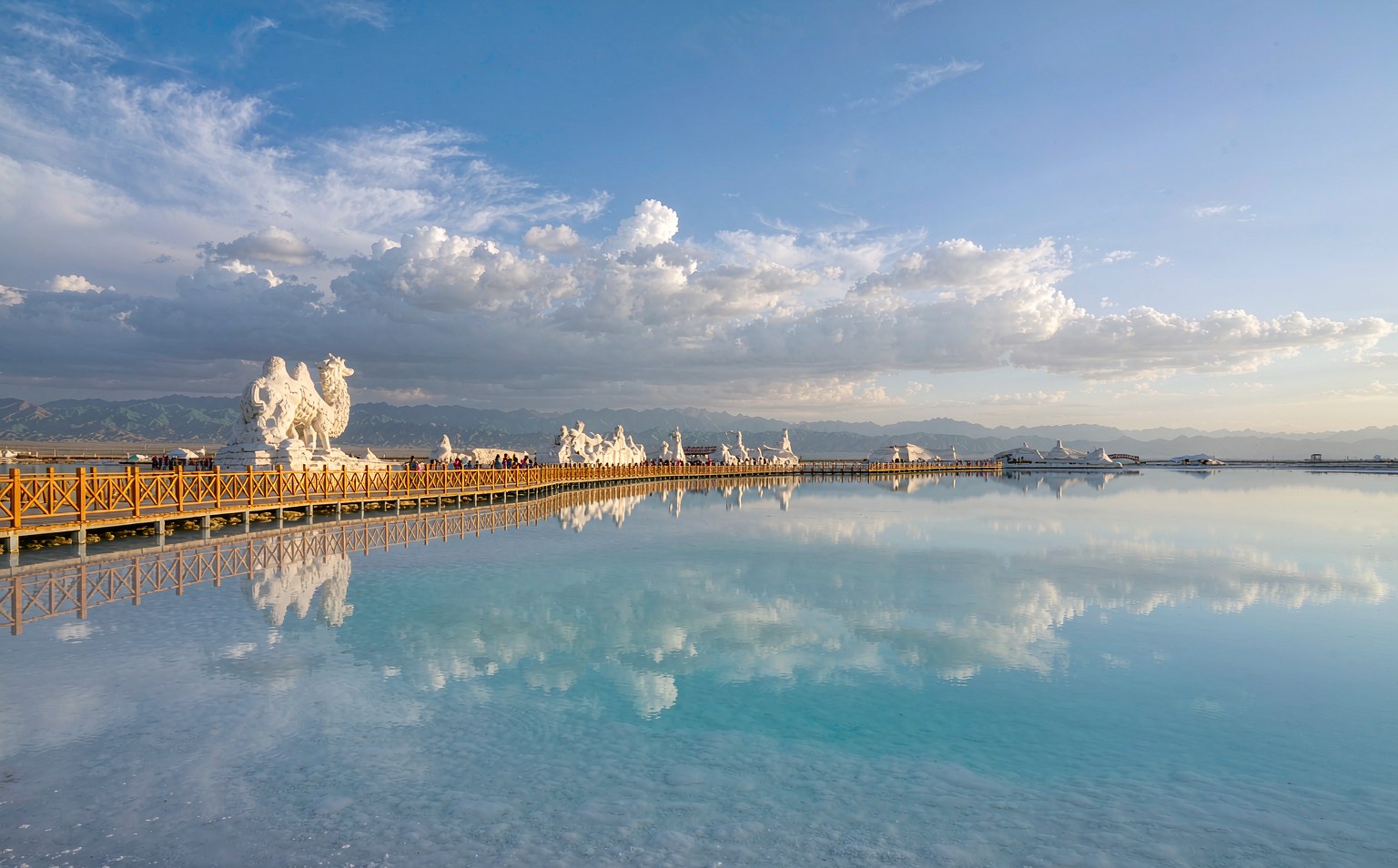
November is the quietest month in Qinghai. The butter sculptures still glow at Kumbum Monastery, the Yellow River runs clear at Guide, the lake shore is empty, and the little train at Chaka carries only a handful of people.
Xishuangbanna from Luoyang: Botanical Garden, Dai Villages and Gaozhuang, 5 Days
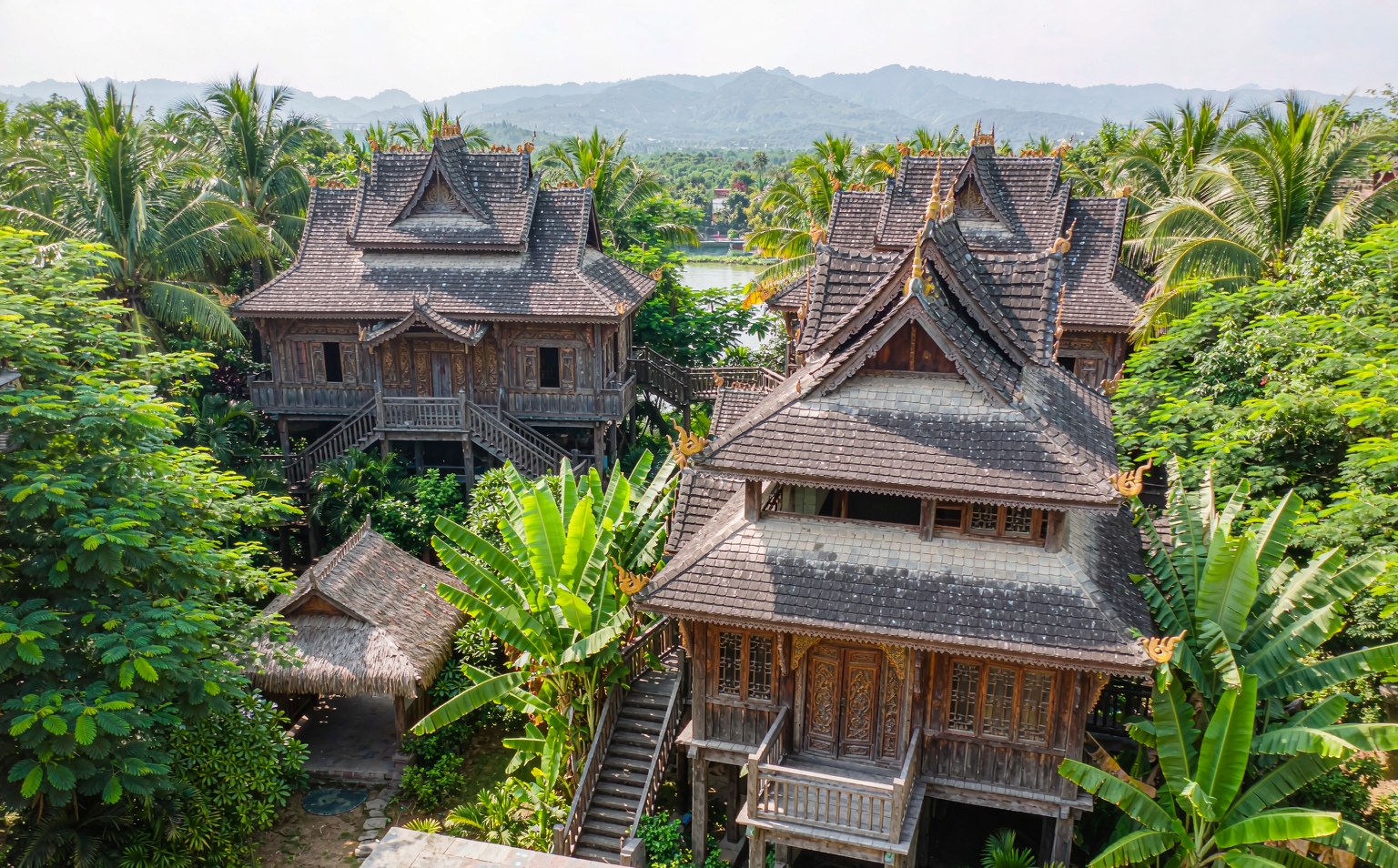
While the north is already in padded coats, Xishuangbanna still sits above twenty degrees by day. Five days give two to rainforest and botanical garden, one to the canopy walkway at Wild Elephant Valley, and the rest to Dai villages and the night market at Gaozhuang.
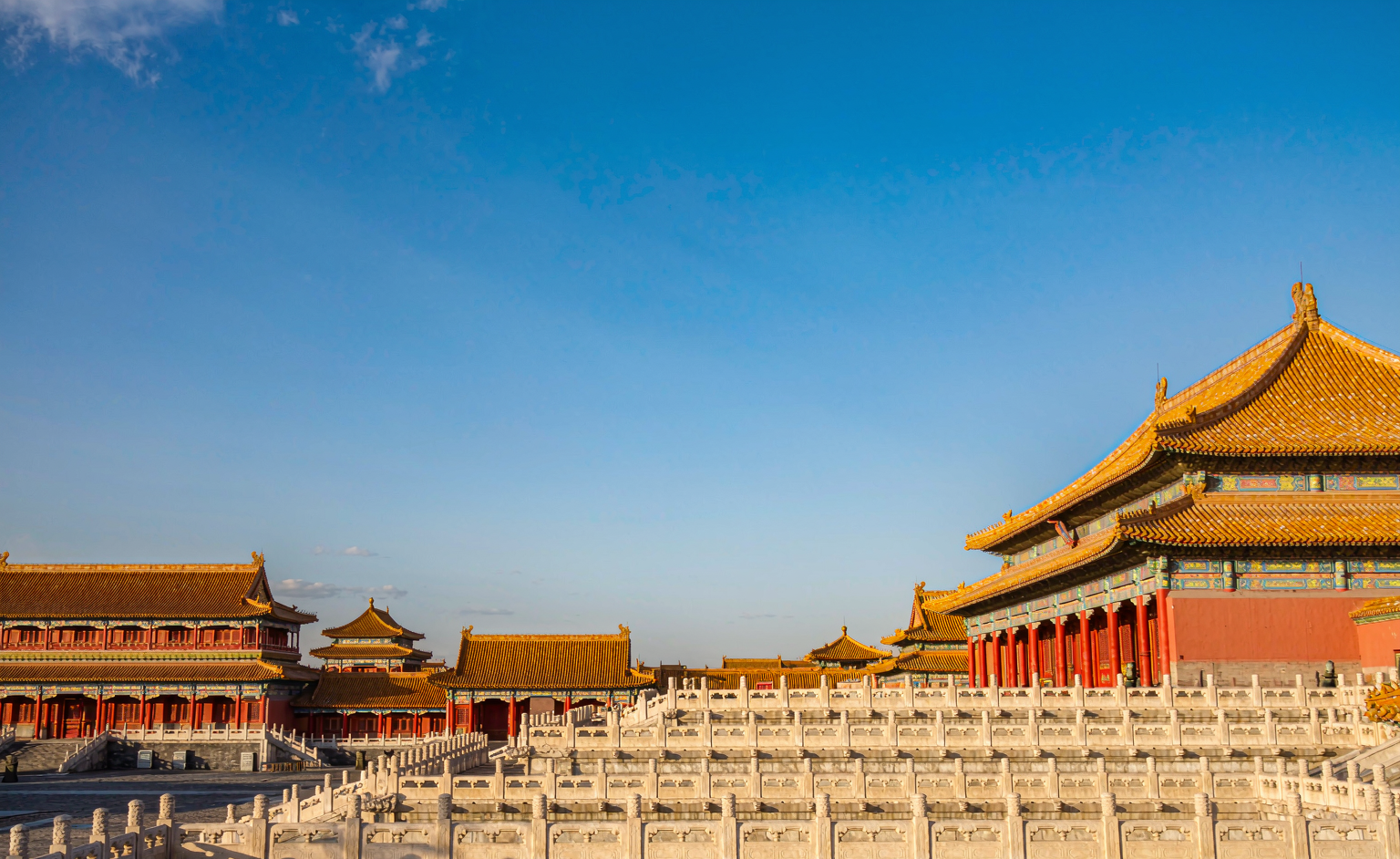
Beijing from Luoyang: Forbidden City, Temple of Heaven and Summer Palace, 4 Days
Four days in Beijing with the Forbidden City given a whole morning: in at Meridian Gate, out at the Gate of Divine Prowess, the three great halls on one straight line. From November the city moves to low-season tickets, and the gardens finally have room to breathe.