
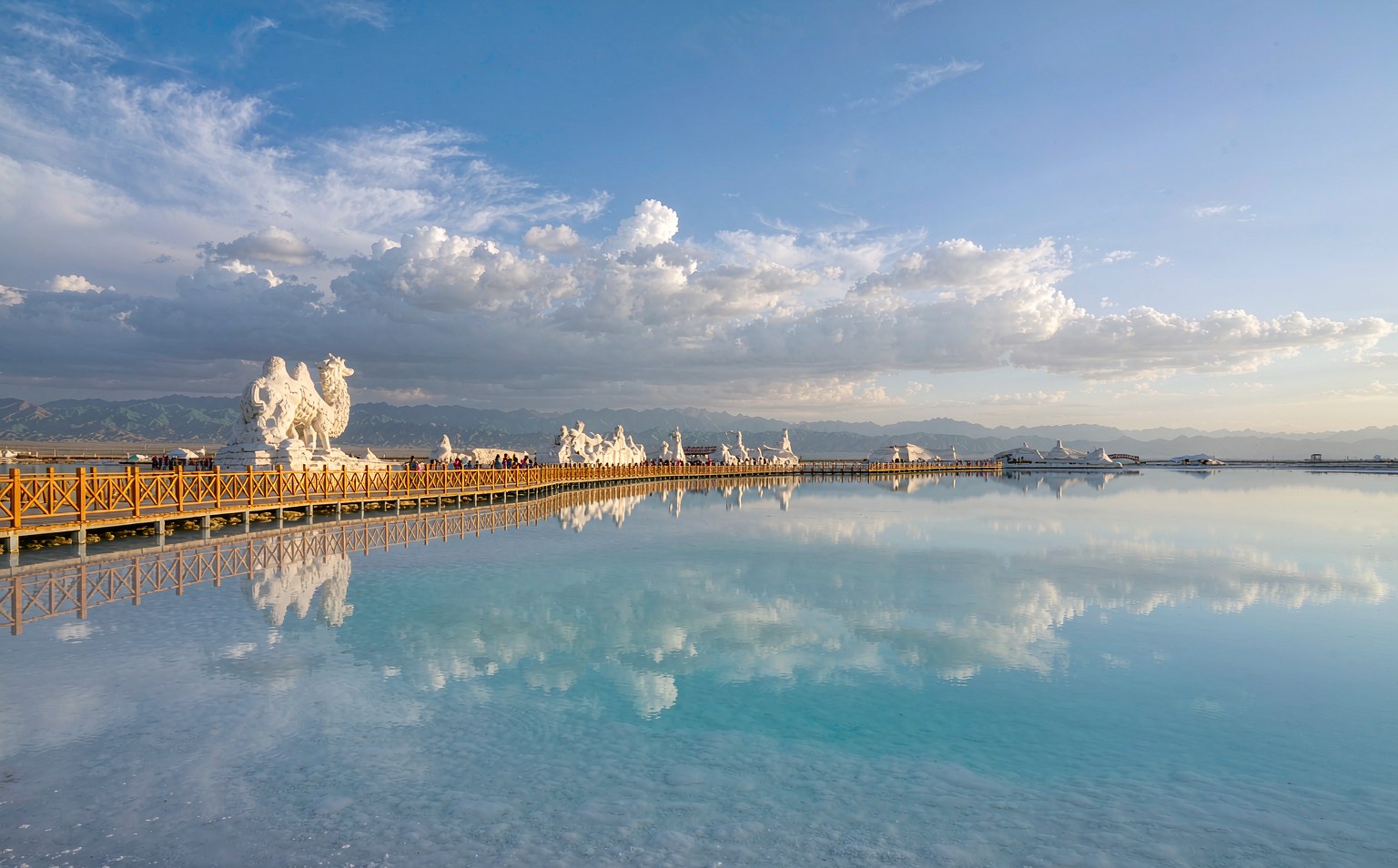
Luoyang Departure: Qinghai Lake, Chaka Salt Lake and Kumbum, 6 Days 5 Nights
Six days from Luoyang, timed for the low season. Erlangjian drops to 50 yuan and Chaka waives its gate ticket entirely from 1 November to the end of February, so you only pay for the little train. Few people, hard wind, clean light.
Highlights
Day 1: Leave Luoyang, change at Xian North, reach Xining by evening
Board at Luoyang Longmen a little after seven, change once at Xian North, and pull into Xining around four in the afternoon. Do not hunt for sights straight away. Drop the bags at the hotel and walk the street slowly. In the evening head for Moji Street, where the cold noodles are cut to order and dressed with chilli oil and garlic water, and the boiled lamb is sold by weight with pepper salt on the side. Turn in early; tomorrow goes west.
Attraction introduction: Xining is the capital of Qinghai, set in the Huangshui river valley at about 2,260 metres. It was called Qingtang in earlier centuries and sits where the Tang-Bo road met the southern branch of the Silk Road. Hui, Tibetan and Han households share the same blocks, so a mosque minaret and a gilded temple roof can stand a few streets apart.
Tips: The first day is about doing nothing. Going from the plain straight to 2,260 metres leaves some people headachy and sleeping badly. Guests generally find that the hard part is not the arrival afternoon but a poor first night followed by a day of stairs. In practice we keep this afternoon completely free of tickets; if your blood pressure runs high, check with your doctor before booking.
Day 2: Kumbum Monastery in the morning, over the Laji Pass to Guide
Reach Lusar town before eight, when Kumbum has just opened and the courtyards are still quiet. Work upward through the Great Golden Tile Hall, then the Great Sutra Hall, and finish in the butter sculpture gallery, where the pieces sit behind glass in a temperature-controlled case and the petal textures only appear up close. After lunch cross the Laji Pass at 3,800 metres, stop for two photographs rather than a long walk, and drop into Guide by evening where the Yellow River runs clear past the town.
Attraction introduction: Kumbum was built in a fold of Lotus Mountain and is the birthplace of Tsongkhapa, one of the six great monasteries of the Gelug school. Its three specialties are butter sculpture, mural painting and applique embroidery. The butter figures are shaped in unheated rooms, with the monks cooling their hands in iced water so the butter does not melt.
Tips: This is a working monastery, so no photography inside the halls and prayer wheels are turned clockwise. Guests generally find the butter sculpture gallery the easiest thing to miss, because it sits off the main axis rather than on it. In practice a monk guide takes the front section and the rest of the time is left to you for sitting quietly.
Day 3: Clear water at Guide, then north to Erlangjian
Stand by the river at Guide in the morning, where the water is clear enough to count the stones under it, nothing like the muddy yellow at Hukou. Then head north past Gonghe and Daotang River, reaching the lake shore around three in the afternoon. The boardwalk at Erlangjian runs straight out into the water; turn around at the end of it and the white stupa on the bank competes with the lake for attention. As the sun drops, the wind breaks the surface into fragments of silver.
Attraction introduction: Qinghai Lake is the largest inland saltwater lake in China, its surface about 3,200 metres above sea level. In Tibetan it is Tso Ngonpo, the blue sea. Daotang River nearby is named for flowing east to west, which local storytelling links to Princess Wencheng. Erlangjian, the main eastern entrance, takes its name from a sand bar shaped like a sword pushed into the lake.
Tips: November wind at the shore will take a hat off your head, so a shell jacket over fleece is the minimum, and a hooded coat beats a scarf. Guests generally find the hour before sunset is the only really good light, with midday washing the lake out to white. In practice we time arrival for half past three, boardwalk first and light second. The low-season ticket is 50 yuan and must be booked by real name in the Zhilv Qinghai Lake mini programme.
Day 4: Sunrise at Heimahe, then the mirror at Chaka
Up at twenty past six, out of the door at ten to seven, and ten minutes on foot to the shore. The sun does not leap out of the water here; it reddens the ridge on the far side first, and the lake brightens before it warms. Back for a bowl of hot noodle soup, then load up and drive to Chaka over the Rubber Mountain pass at 3,800 metres. Enter the salt flat in the afternoon, pull on the rented shoe covers, and walk two hundred metres toward the middle where the crowd thins by half.
Attraction introduction: Chaka sits in Ulan county at 3,059 metres, its name meaning salt pool in Mongolian. Beneath a shallow layer of brine lies a salt crust several metres thick, and on a windless day the whole thing turns into a mirror. Salt has been harvested here since the Han dynasty, and the salt sculptures and old harvest boats still stand as traces of that work.
Tips: The flat throws light back at you, so the ultraviolet is fiercer than at the lake and both sunglasses and sunscreen are needed or your eyes will sting by nightfall. Guests generally find the reflections appear before nine and after five, and vanish at midday. In practice we enter around four so the walk out lands in side light. The gate ticket is waived this season, but the train is 50 yuan one way and shoe covers cost 10 with a 50 yuan deposit.
Day 5: Back to Xining, an afternoon in the museum
Return from Gonghe through the Huangyuan gorge, a long descent that makes your ears pop. Eat lunch in the city, then spend the afternoon in the Qinghai Provincial Museum: painted pottery first, thangka second, and a longer stop among the costume cases. On the way out detour into Shuijing Lane for vacuum-packed dried yak beef that travels well. Pack early tonight, because tomorrow is a full day on the train.
Attraction introduction: The provincial museum stands on the east side of Xinning Square. Its core holdings are Neolithic painted pottery, Han bamboo slips and Tibetan Buddhist sculpture. The painted basin with dancing figures shows five people holding hands, the most complete composition of its kind yet found.
Tips: Entry is free but needs a booking in the official account, and it closes on Mondays. Guests generally find day five is when altitude complacency sets in, with people who feel fine starting to stride about and then getting a headache by dusk. In practice this day carries only a half day of activity and we are back at the hotel by four; if you have slept badly, skip the museum and nap instead.
Day 6: Board at Xining, home to Luoyang by night
Sleep until you wake, eat breakfast and head for the station. The return runs the same way through Xian North, roughly seven hours, arriving at Luoyang Longmen a little after nine at night. Go through the photographs on the train and correct the white balance on the salt flat shots, which tend to swing too blue because of the reflection. Drink something warm before you do anything else at home.
Attraction introduction: East of Xining the railway follows the Huangshui valley, with the Qilian range on one hand and the Laji range on the other, villages and barley fields scattered along the floor. Past Lanzhou the land shifts from loess tableland to the Guanzhong plain, and the colour outside the window turns from grey-yellow to brown-green.
Tips: Keep the return day free of anything that needs a stable connection, because the signal drops in and out. Guests generally find the risk on this route is not the scenery but the connection at Xian North, where the transfer corridor alone takes a quarter of an hour. In practice we hold at least forty minutes between trains and travel light, since nobody wants to run with a suitcase.
Related Tours
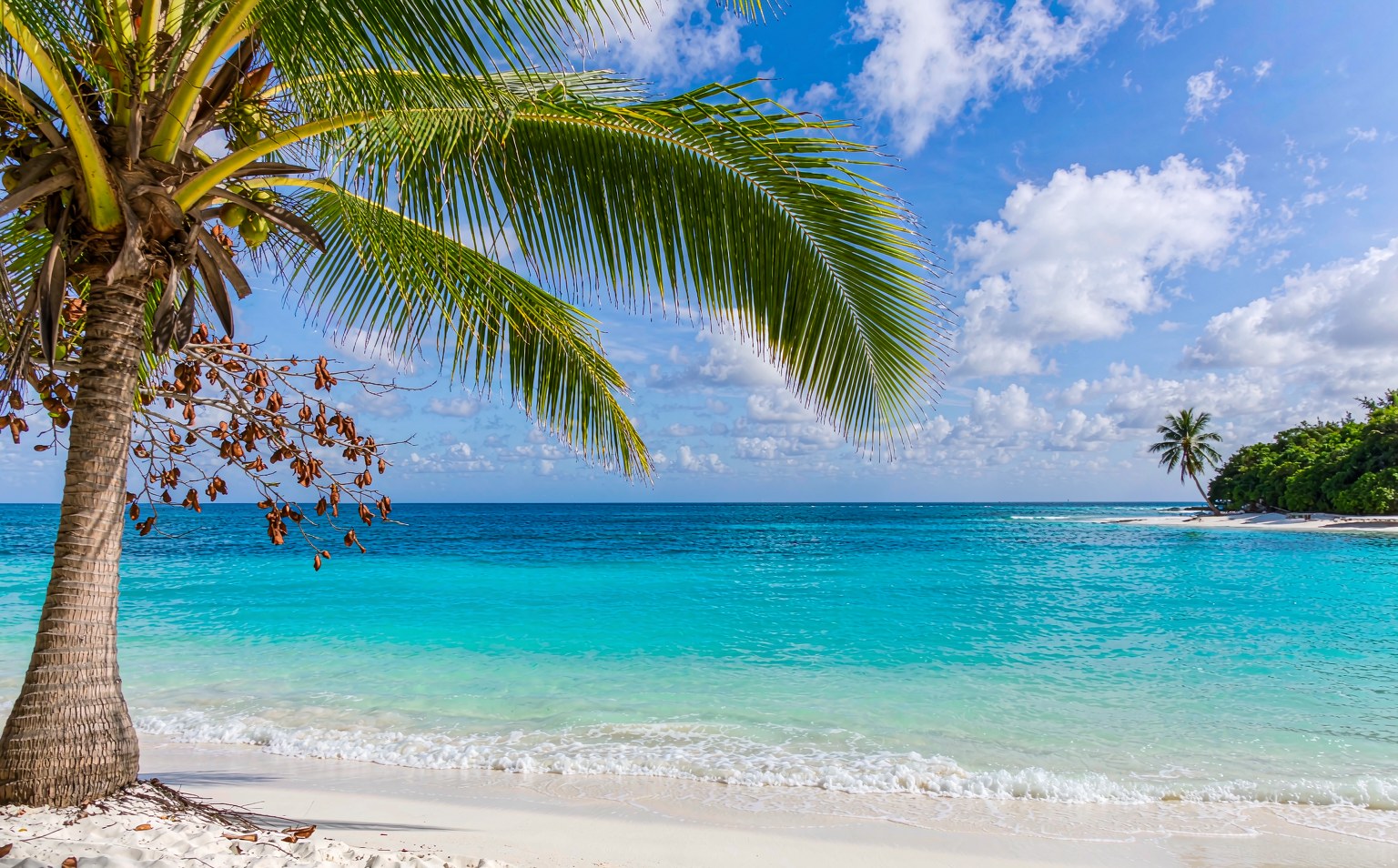
Luoyang Departure: Sanya, Wuzhizhou Island and Nanshan, 7 Days 6 Nights
Seven days from Luoyang. In November the north starts to freeze while Sanya holds at twenty-six degrees and the sea is still swimmable. This version runs at the slowest pace, a full day each for Wuzhizhou and Nanshan, with two days left completely open.
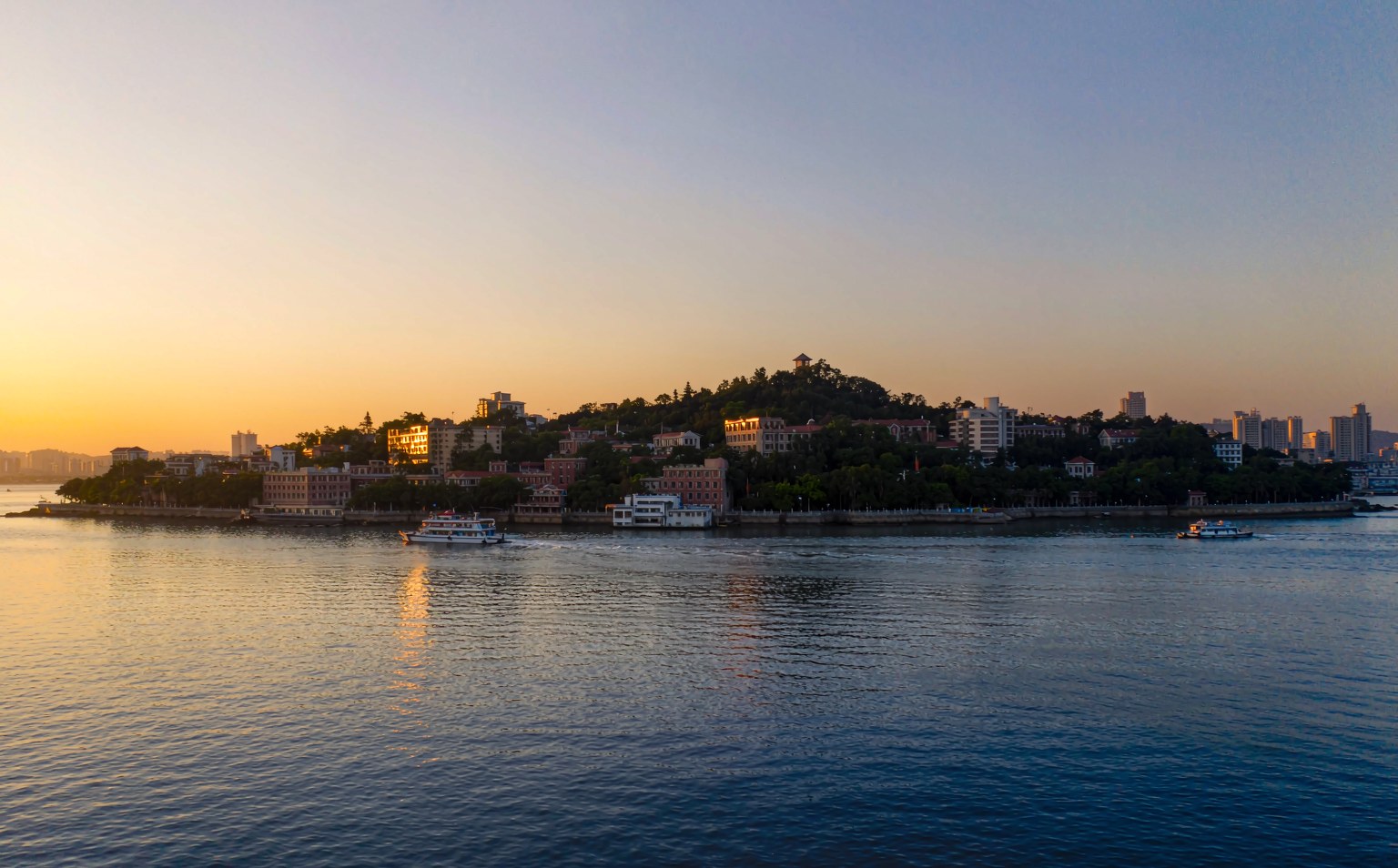
Luoyang Departure: Gulangyu, Xiamen University and Zengcuoan, 4 Days 3 Nights
Four days from Luoyang. November in Xiamen sits around twenty degrees, the sea wind is mild, and a light jacket carries you through a whole day on the island. One night on Gulangyu, after the tour boats leave, with Sunlight Rock saved for early morning.
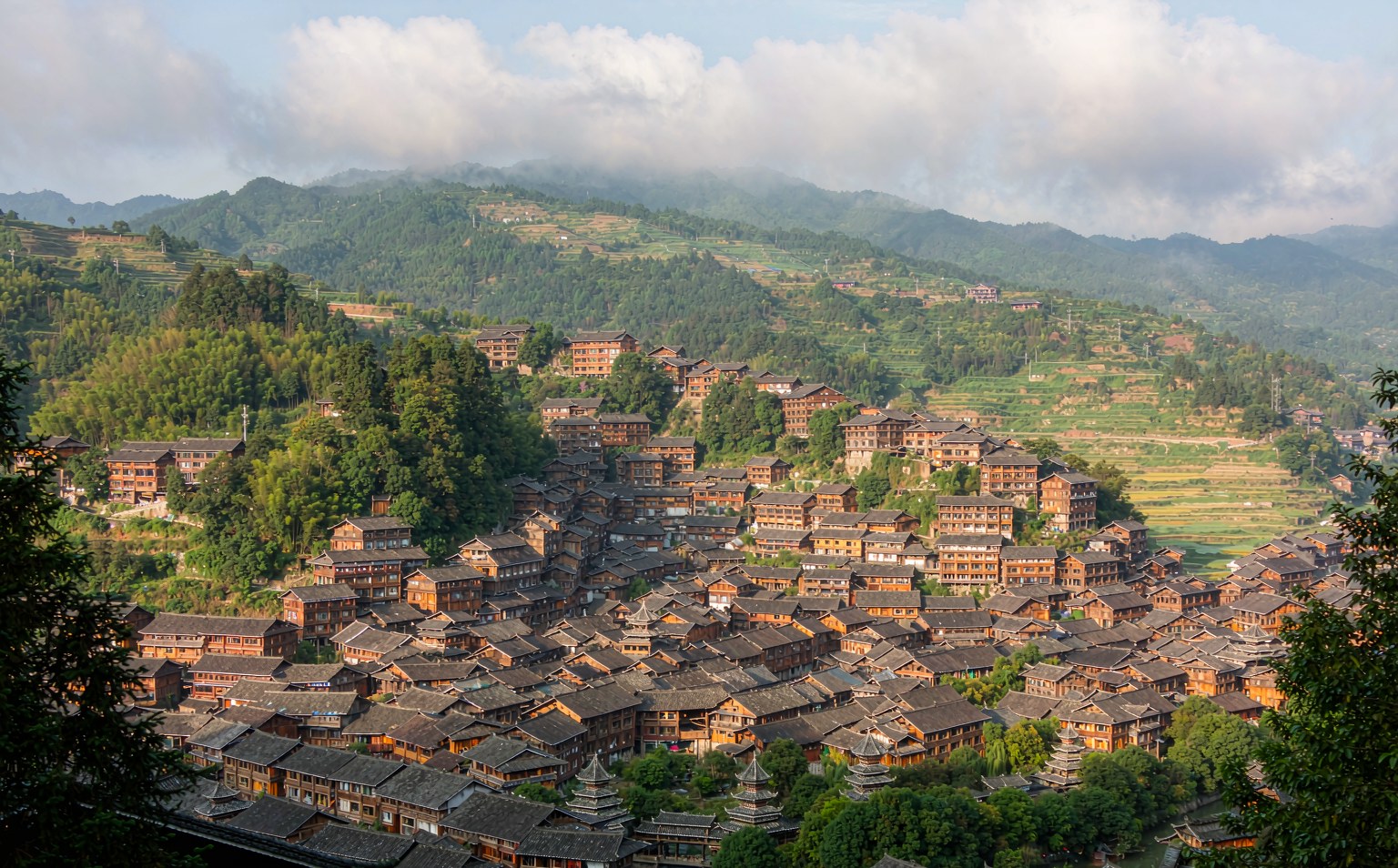
Luoyang Departure: Huangguoshu, Libo Xiaoqikong and Xijiang Miao Village, 5 Days
Five days from Luoyang. November brings less rain and still enough water for the curtain at Huangguoshu, and the green pools at Xiaoqikong hold. One night at each of the three sites, no overnight on the coach, and mist rising in the Miao village at dawn.
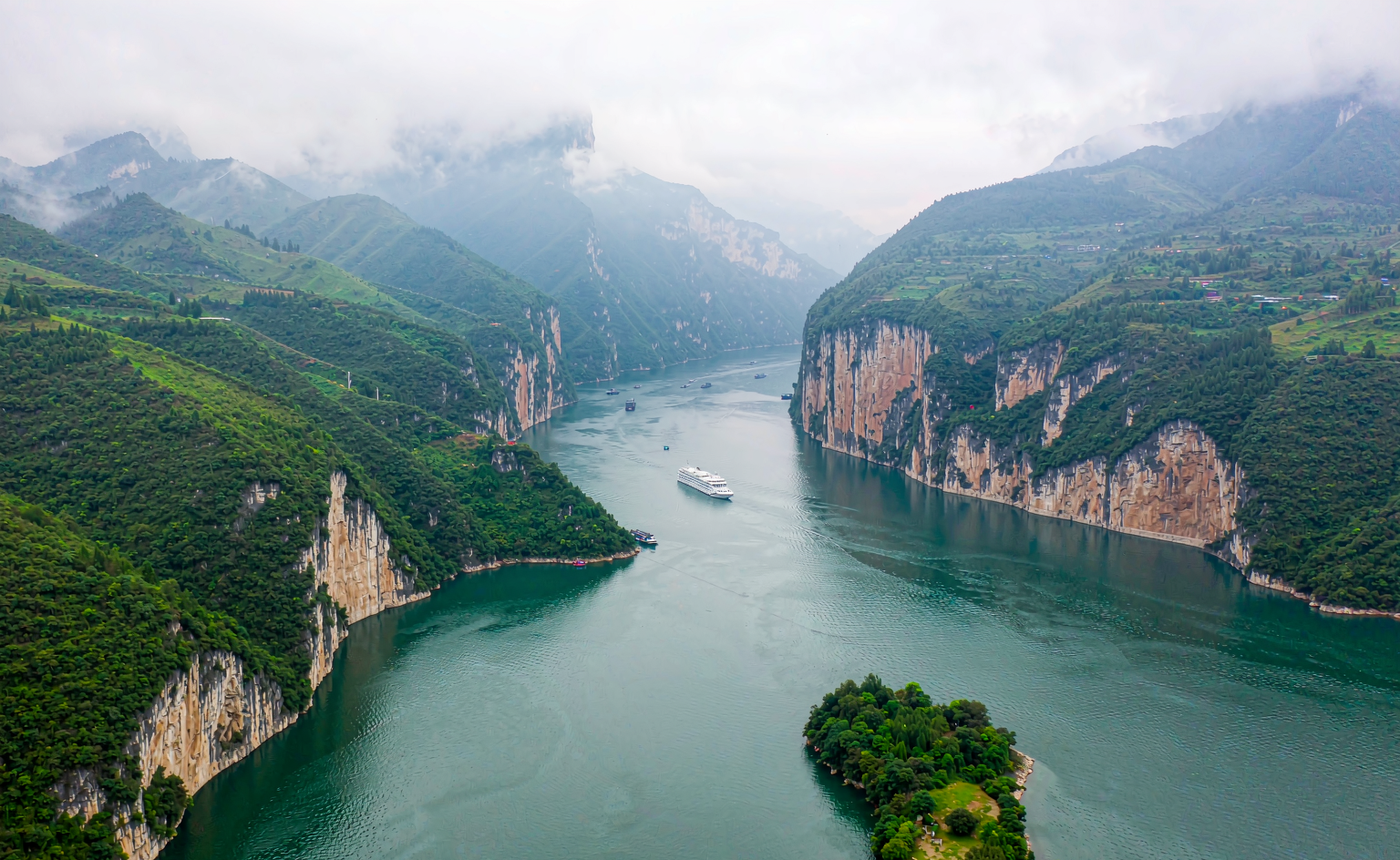
Luoyang Departure: Three Gorges Dam, Wushan Lesser Gorges and Baidicheng, 6 Days
Six days from Luoyang in the red-leaf window, when the banks of Wu Gorge turn from mid-October into mid-November. Seen from the water the cliffs sit closer than from any platform. The dam charges no gate ticket and the Lesser Gorges fare includes the boat.