
Xinxiang 7-Day Tour: Longmen Grottoes & White Horse Temple
Xinxiang 7-day tour covering Longmen Grottoes and White Horse Temple and Sui-Tang Luoyang City. Sightseeing tickets and shuttle bus included.
Highlights
Day 1: Longmen Grottoes
Gather and depart for Longmen Grottoes in the morning, follow the guide to visit core attractions, and allow ample time for photos and rest; Enjoy local specialties at noon, check into the hotel in the evening, and recharge for the next day's itinerary.
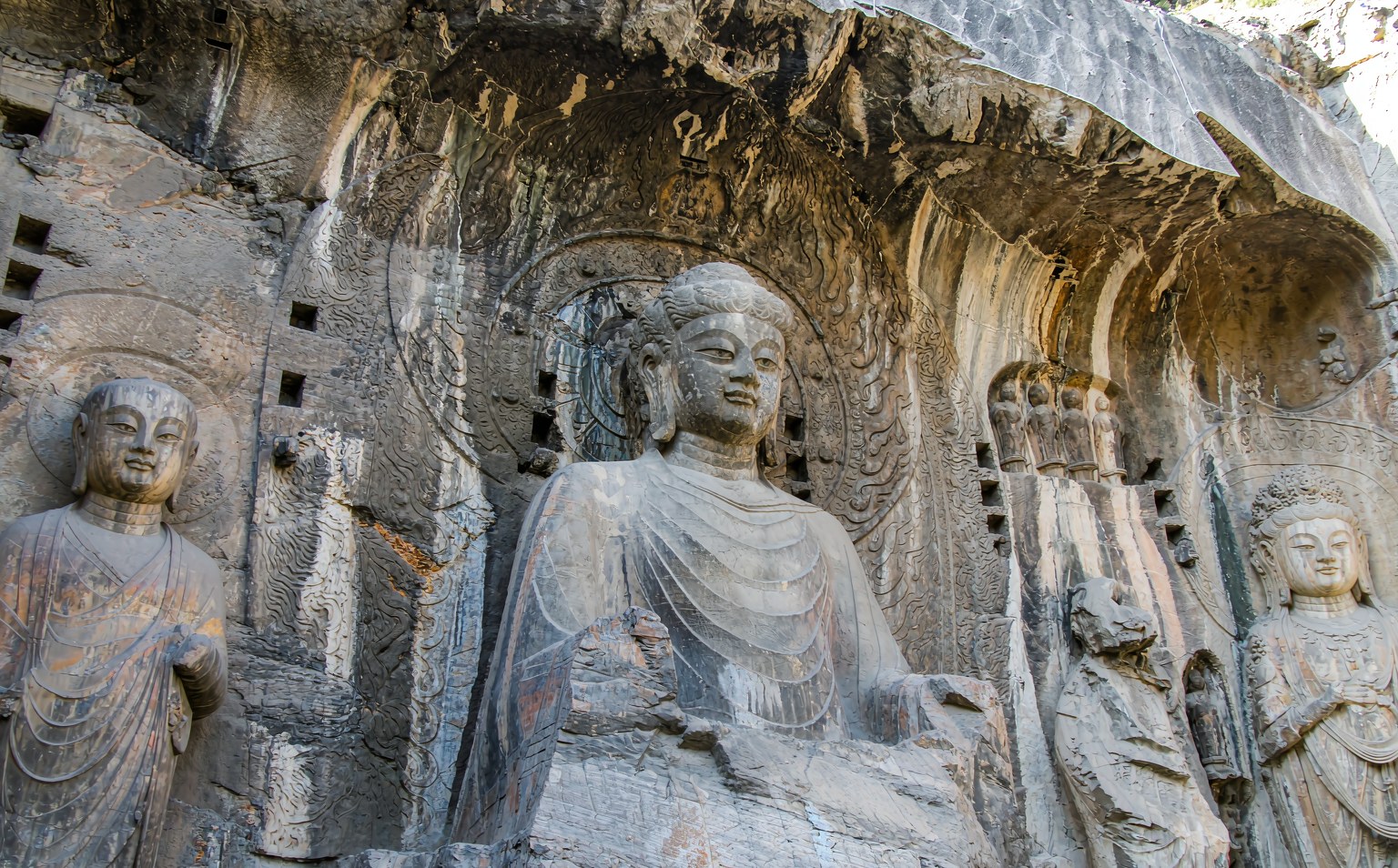
Attraction introduction: A highlight of the itinerary is Longmen Grottoes, carved into the cliffs on both banks of the Yi River south of Luoyang city. Since Emperor Xiaowen of Northern Wei moved the capital to Luoyang, construction has continued through Eastern Wei, Western Wei, Northern Qi, Sui, Tang, and other dynasties. There are over 2,300 cave niches, over 100,000 statues, and more than 2,800 inscriptions and inscriptions preserved. The most impressive is the Vairocana Buddha at Fengxian Temple, standing over 17 meters tall, with a plump face and benevolent eyes. Legend has it that it was carved after Wu Zetian's likeness, marking the pinnacle of Tang dynasty stone carving art. Along with Dunhuang Mogao Caves and Datong Yungang, it is one of China's three great grottoes and a World Cultural Heritage site. When touring, head south along the Yi River trail from the Xishan Grottoes, where Binyang Three Caves, Ten Thousand Buddha Caves, and Lotus Cave each have highlights. Cross the bridge to the Dongshan Buddha Worship Platform for a panoramic view. My understanding is that in the morning, first visit the main cave of Xishan and admire the Big Buddha while there are fewer people; in the afternoon, go to the Dongshan Viewing Platform for the best lighting and angle; If you need to walk backward along both banks of the Yi River, a pair of comfortable shoes can save you a lot of effort.
Friendly reminder: UV rays in the cave scenic area are strong. On sunny days, bring a sun hat and sunscreen, and remember to stay hydrated since the route is long. Visitors generally report that most find the Vairocana Buddha the most breathtaking, and the best sunlight at sunset on the Western Hills; If you need to walk back along both banks of the Yi River, it is recommended to wear comfortable shoes and allow half a day. Based on actual circumstances, be punctual. Gather five to ten minutes early. Better to wait for the bus than for the car—don't make everyone wait for you.
Day 2: White Horse Temple
Gather in the morning and depart for White Horse Temple, follow the guide to visit core attractions, and allow enough time for photos and rest; Enjoy local specialties at noon, check into the hotel in the evening, and recharge for the next day's itinerary.
Attraction introduction: One highlight of the itinerary is White Horse Temple, located east of Luoyang city. It was first built during the Yongping era of the Eastern Han Dynasty to commemorate the White Horse Carrying Scriptures and the early introduction of Buddhism to the Central Plains. It is honored as "China's First Ancient Temple" and the first government-run temple built after Buddhism was introduced to China. Inside the temple, the Qiyun Pagoda Courtyard, the Great Buddha Hall, and the Heavenly King Hall are arranged along the central axis, with red walls and green cypress trees where incense offerings have continued for over two thousand years. It is worth mentioning that the temple also features exotic-style Buddhist halls donated by countries such as Myanmar, Thailand, and India, showcasing the unique landscape of Buddhist culture flowing eastward and backward. My understanding is that when entering the temple, first see the main hall along the central axis, then circle around to the Qiyun Pagoda Courtyard, and finally visit the foreign Buddhist halls on both sides to experience cultural fusion; Come early in the morning when there are fewer people; the sunlight shining on the red walls and ancient cypress trees creates the most poetic atmosphere, and you can also avoid the peak of tour groups.
Friendly reminder: There are many incense stalls around the temple; please buy incense as needed and spend rationally. Visitors generally report that the foreign style Buddha halls (Thai/Burmese/seal temples) have a high rate of photo shoots, and they generally feel the space is more spacious than expected; Reminder: The international temple area is quite far to walk and leave some footing to spare. Based on actual conditions, don't just focus on taking photos; pay attention to your footing and surroundings, and be sure to stand firmly on the edge of the viewing platform and boardwalk.
Day 3: Sui-Tang Luoyang City
Gather in the morning and depart for Sui-Tang Luoyang City, follow the guide to visit key attractions, and allow enough time for photos and rest; Enjoy local specialties at noon, check into the hotel in the evening, and recharge for the next day's itinerary.
Attraction introduction: This stop is Sui-Tang Luoyang City. Sui-Tang Luoyang City National Heritage Park centers around Yingtian Gate, Ming Hall, and Tiantang, recreating the grandeur of the grand palaces of the flourishing Tang Dynasty's "Divine Capital"Luoyang. Yingtian Gate is the south gate of Sui-Tang Luoyang City, grand and imposing. Climbing the tower overlooks the central axis and features a stunning light show at night; Ming Hall is the "Palace of Myriad Phenomena" from Empress Wu Zetian's era, while Tiantang is a tall pagoda for worshipping Buddha. Both buildings recreate the magnificent decorations of the flourishing Tang court. Strolling along Jiuzhou Pool is also a great way to imagine the grandeur of the imperial gardens of the past. This place is closely linked to TV dramas such as "Wu Zetian" and "The Wind RisesLuoyang," making it one of the most popular Tang culture check-in spots in recent years. My understanding is that you must tour at night—when the city lights come on, the lights of Yingtian Gate and Mingtang Heaven are what the 'Divine Capital' should look like; By day, you can admire the palace decorations; at night, watch the light show—two experiences in one day.
Friendly reminder: The ancient capital's attractions are scattered and involve many walking and transfers. It is recommended to wear comfortable flat shoes and plan your route well. Visitors generally report that Sui-Tang Luoyang City is worth a special trip. It is recommended to slow down and follow the guide to listen to the explanations, saving time for the most impressive details and photogenic opportunities. Depending on the situation, shoot early or late—the morning is less crowded and the light is softer, the twilight is best at dusk; the noon ceiling is cramped and flat, so it's more cost-effective to rest.
Related Tours
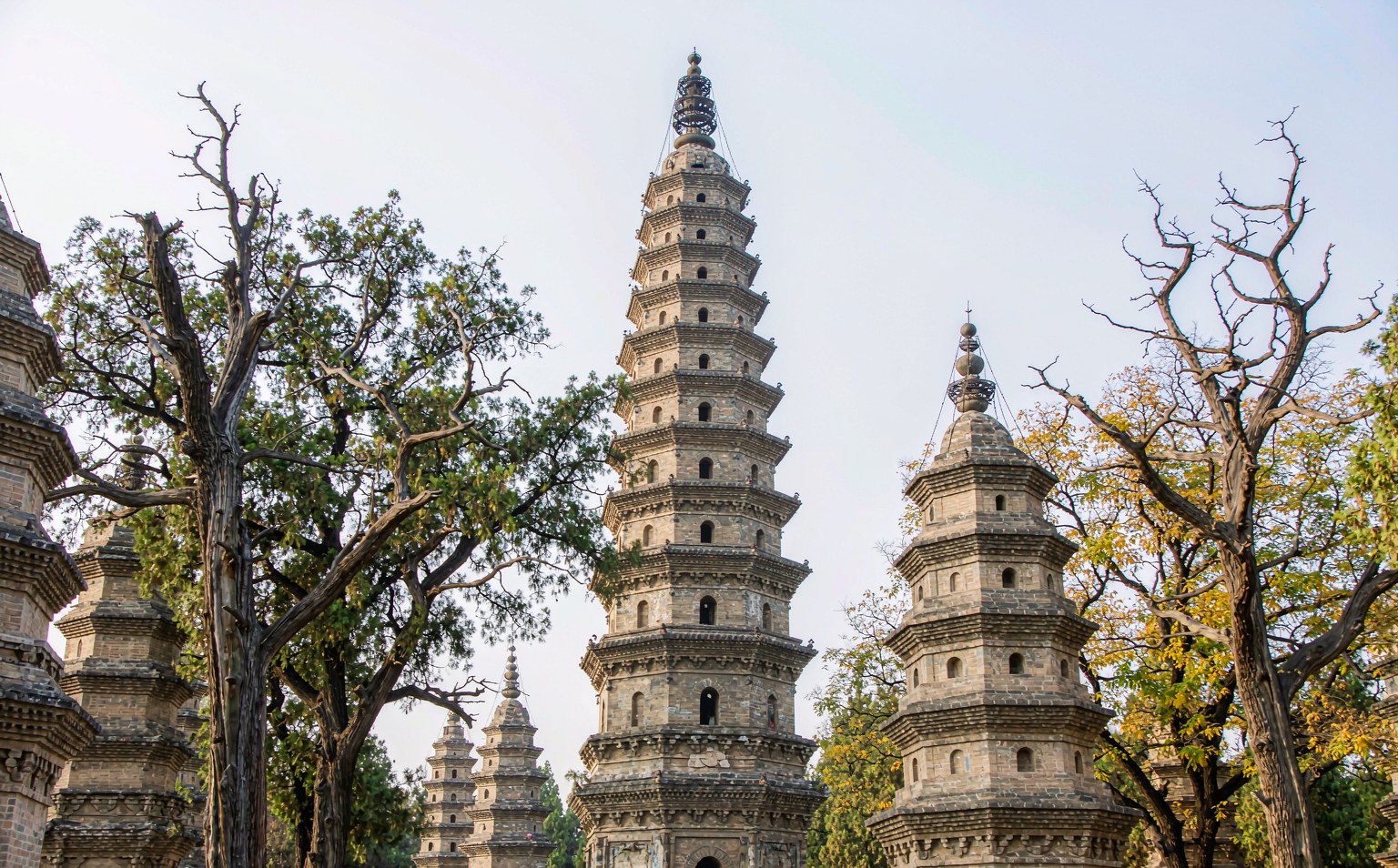
Luoyang to Shaolin Temple, Sanhuangzhai and Songyang Academy 5 Days
Five days from Luoyang. Songshan has two massifs, Taishi and Shaoshi: the Shaolin Temple and Sanhuangzhai sit on one, the Songyang Academy and Zhongyue Temple on the other. The 80 yuan Shaolin ticket already covers Sanhuangzhai.
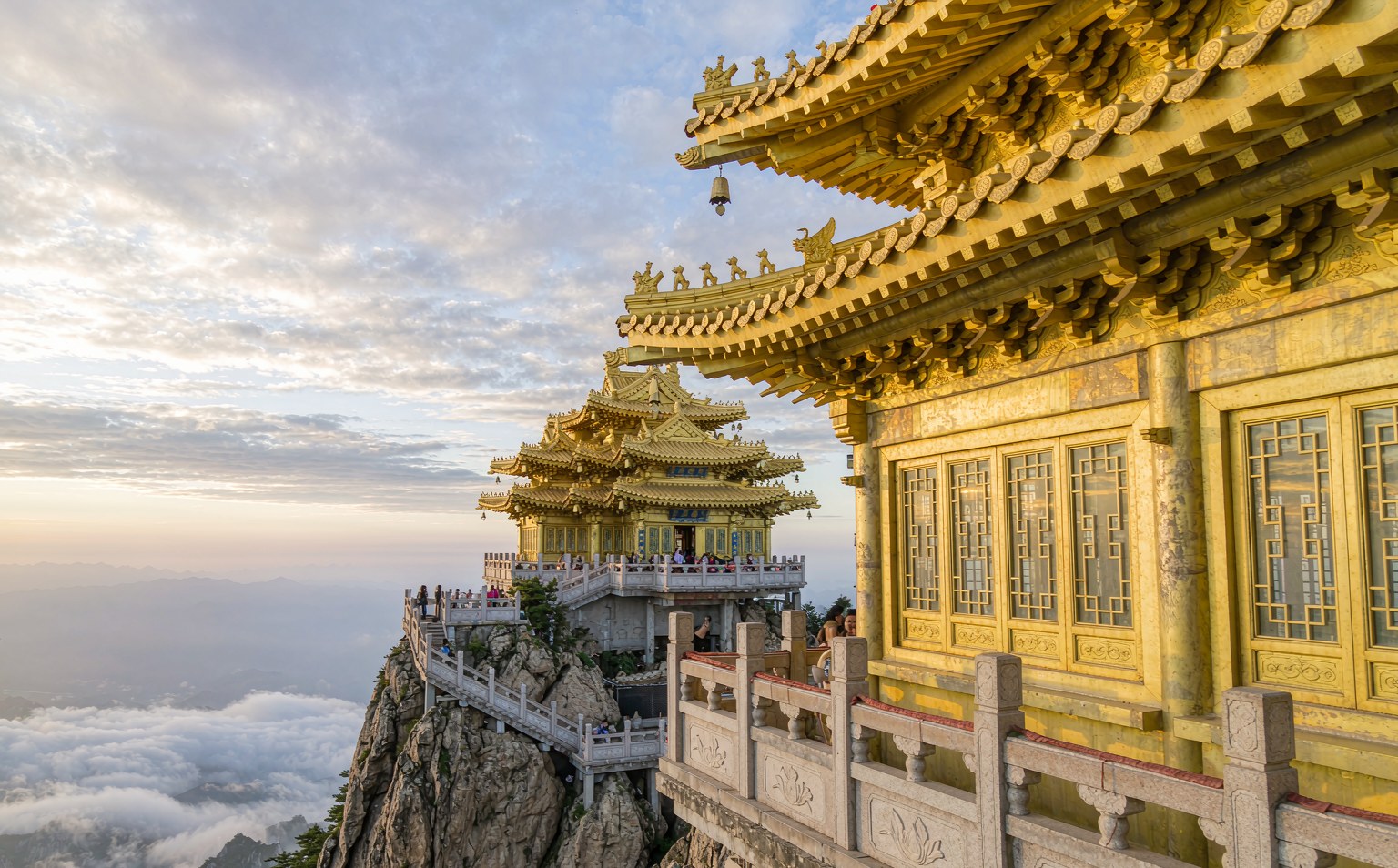
Luoyang to Laojunshan, Chongdugou, Jiguan Cave and Yangzigou 6 Days
Six days from Luoyang. The Laojunshan ticket stays valid for two days, so the golden summit comes first and a second climb chases the morning cloud sea. Jiguan Cave runs 1,800 metres at a constant 18 degrees, and Chongdugou still has green bamboo in November.
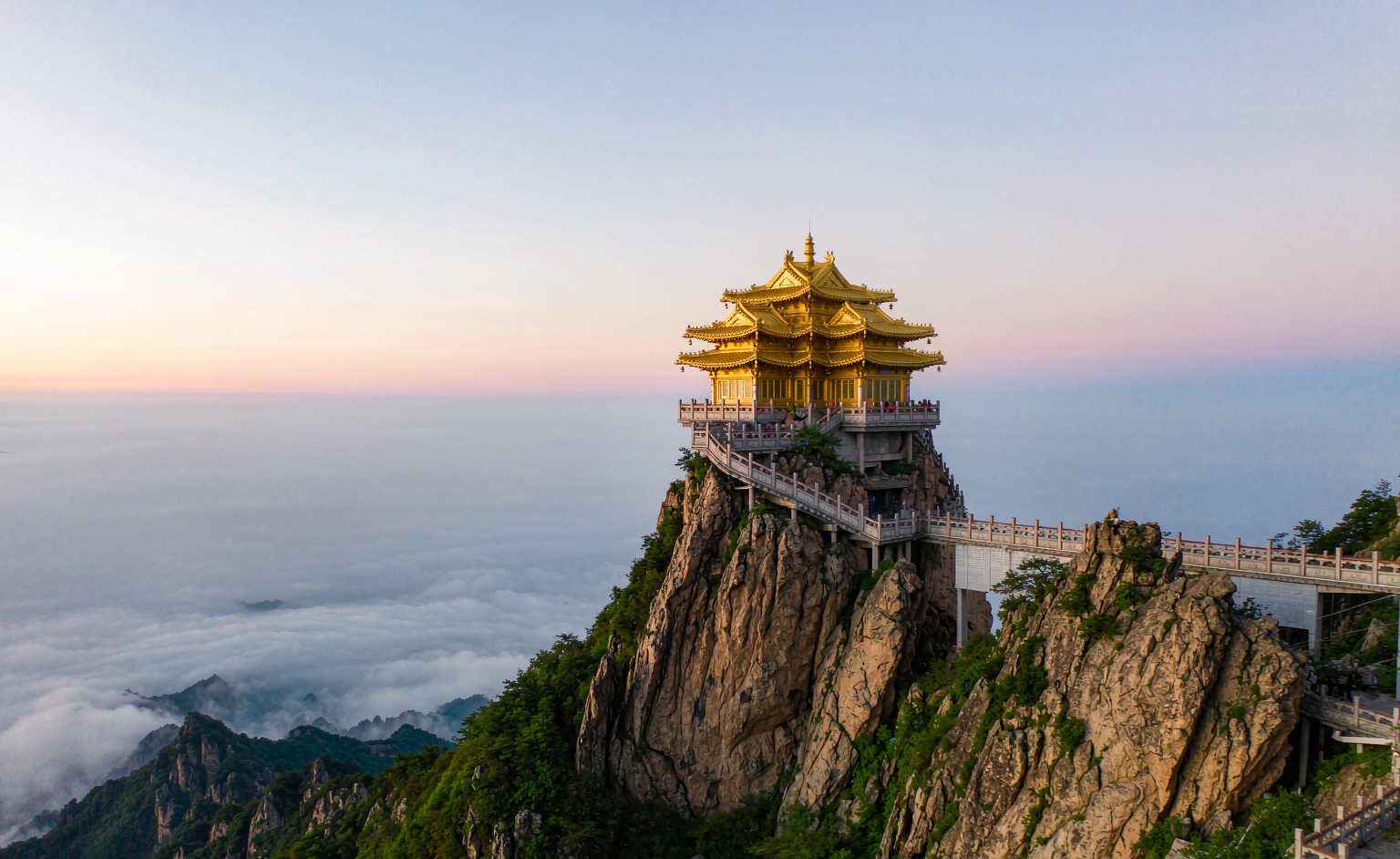
Luoyang Departure: Laojun Mountain, Jiguan Cave and Longtan Canyon, 5 Days 4 Nights
Five days from Luoyang. The Laojun Mountain ticket holds for two days, so the mountain is climbed twice: the painted rock forest first, then the summit to wait for the lamps. The second half runs west to Xinan, through a cave that stays at 18 degrees and a red gorge cut by water.
Luoyang Departure: Longmen Grottoes, White Horse Temple, Luoyang Museum and Erlitou, 3 Days 2 Nights
Three days from Luoyang, all of them about which layer of soil a thing came out of: Buddhas cut into a cliff at Longmen, a pagoda standing in a temple yard, a jade cup behind glass, and at Erlitou the rammed-earth footings of a palace that is four thousand years old.