
Zhengzhou 7-Day Tour: White Horse Temple & Longmen Grottoes
Zhengzhou 7-day tour covering White Horse Temple and Longmen Grottoes and Shaolin Temple. Sightseeing tickets and shuttle bus included.
Highlights
Day 1: White Horse Temple
Gather in the morning and depart for White Horse Temple, follow the guide to visit core attractions, and allow ample time for photos and rest; Enjoy local specialties at noon, check into the hotel in the evening, and recharge for the next day's itinerary.
Attraction introduction: One highlight of the itinerary is White Horse Temple, located east of Luoyang city. It was first built during the Yongping era of the Eastern Han Dynasty to commemorate the White Horse Carrying Scriptures and the early introduction of Buddhism to the Central Plains. It is honored as "China's First Ancient Temple" and the first government-run temple built after Buddhism was introduced to China. Inside the temple, the Qiyun Pagoda Courtyard, the Great Buddha Hall, and the Heavenly King Hall are arranged along the central axis, with red walls and green cypress trees where incense offerings have continued for over two thousand years. It is worth mentioning that the temple also features exotic-style Buddhist halls donated by countries such as Myanmar, Thailand, and India, showcasing the unique landscape of Buddhist culture flowing eastward and backward. My understanding is that when entering the temple, first see the main hall along the central axis, then circle around to the Qiyun Pagoda Courtyard, and finally visit the foreign Buddhist halls on both sides to experience cultural fusion; Come early in the morning when there are fewer people; the sunlight shining on the red walls and ancient cypress trees creates the most poetic atmosphere, and you can also avoid the peak of tour groups.
Friendly reminder: There are many incense stalls around the temple. Please buy incense as needed and spend rationally. Visitors generally report that exotic-style Buddhist halls (Thai/Burmese/Yin Temple) have a high photo success rate, and they generally feel it's more spacious than expected; Reminder: The international temple area is quite far to walk and should be kept on foot. Depending on the situation, documents and wallets should be kept separately. Important documents should be taken and stored on your phone for backup. If lost, you can quickly reissue them without delaying your trip.
Day 2: Longmen Grottoes
Gather in the morning and depart for Longmen Grottoes, follow the guide to visit key attractions, and allow enough time for photos and rest; Enjoy local specialties at noon, check into the hotel in the evening, and recharge for the next day's itinerary.
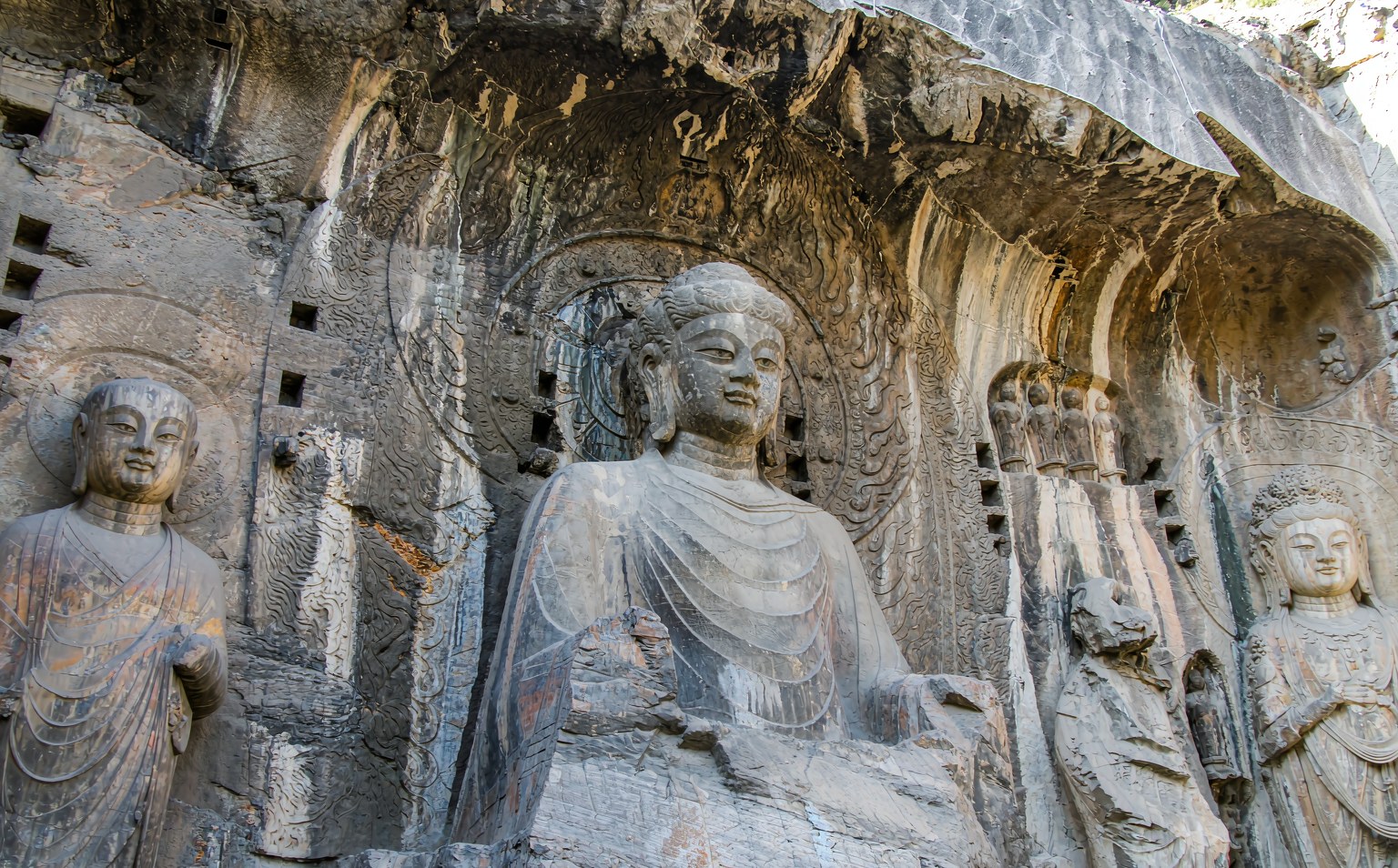
Attraction introduction: A highlight of the itinerary is Longmen Grottoes, carved into the cliffs on both banks of the Yi River south of Luoyang city. Since Emperor Xiaowen of Northern Wei moved the capital to Luoyang, construction has continued through Eastern Wei, Western Wei, Northern Qi, Sui, Tang, and other dynasties. There are over 2,300 cave niches, over 100,000 statues, and more than 2,800 inscriptions and inscriptions preserved. The most impressive is the Vairocana Buddha at Fengxian Temple, standing over 17 meters tall, with a plump face and benevolent eyes. Legend has it that it was carved after Wu Zetian's likeness, marking the pinnacle of Tang dynasty stone carving art. Along with Dunhuang Mogao Caves and Datong Yungang, it is one of China's three great grottoes and a World Cultural Heritage site. When touring, head south along the Yi River trail from the Xishan Grottoes, where Binyang Three Caves, Ten Thousand Buddha Caves, and Lotus Cave each have highlights. Cross the bridge to the Dongshan Buddha Worship Platform for a panoramic view. My understanding is that in the morning, first visit the main cave of Xishan and admire the Big Buddha while there are fewer people; in the afternoon, go to the Dongshan Viewing Platform for the best lighting and angle; If you need to walk backward along both banks of the Yi River, a pair of comfortable shoes can save you a lot of effort.
Friendly reminder: Visiting the grottoes mainly involves walking and steps. It is recommended to wear comfortable non-slip shoes and travel lightly. Watch your footing along both banks of the Yi River. Visitors generally report that most find the Vairocana Buddha the most breathtaking, and the best lighting at sunset on the western hills; If you need to walk back along both banks of the Yi River, it is recommended to wear comfortable shoes and reserve half a day. Depending on the situation, bring some change and small packaged snacks. These will be useful when signal is poor or when supplies are needed. Don't wait until you're hungry to find them.
Day 3: Shaolin Temple
Gather in the morning and depart for Shaolin Temple, follow the guide to visit core attractions, and allow enough time for photos and rest; Enjoy local specialties at noon, check into the hotel in the evening, and recharge for the next day's itinerary.
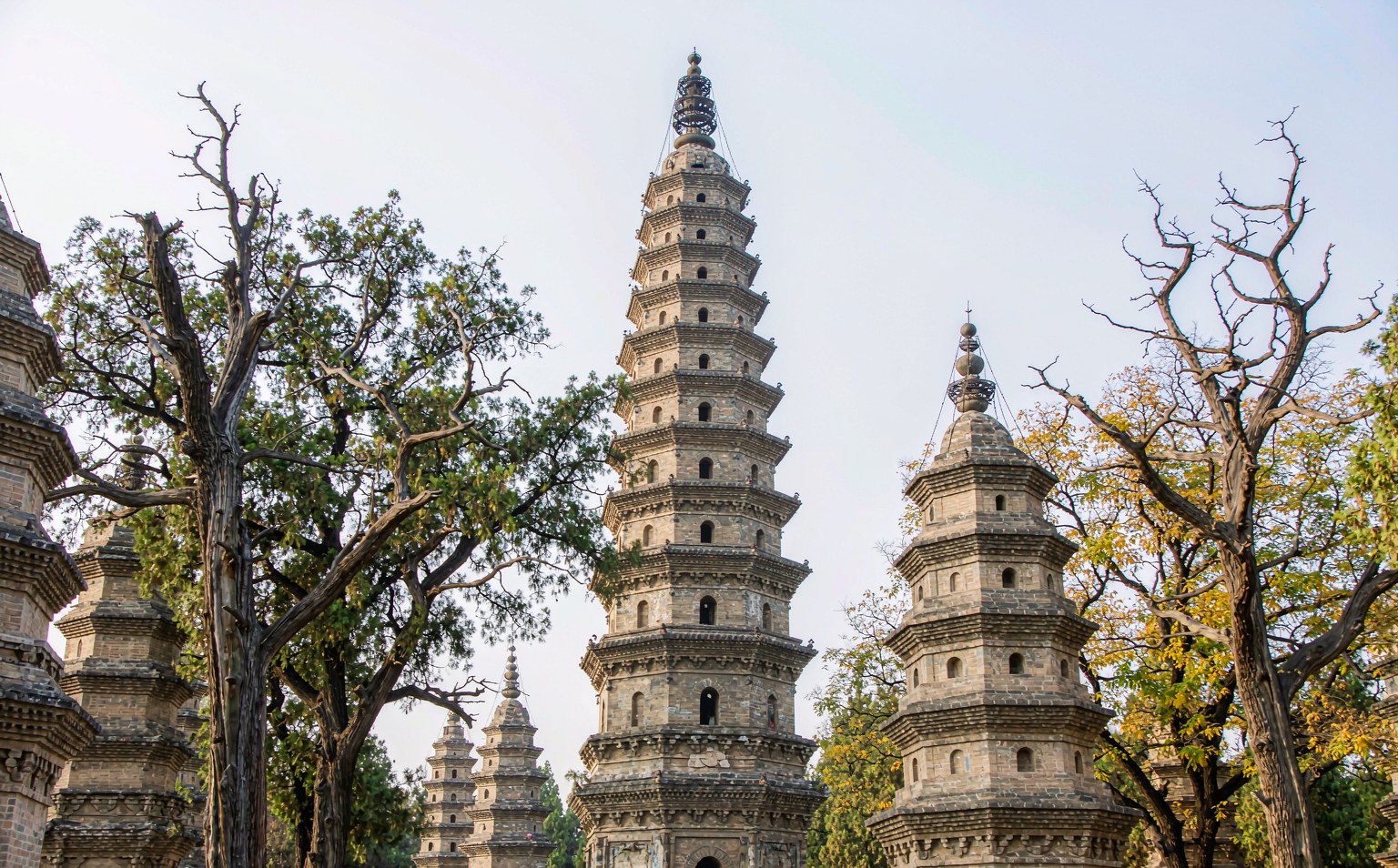
Attraction introduction: Today's itinerary includes Shaolin Temple attractions. Shaolin Temple is located at the foot of Wuru Peak on Shaoshi Mountain in Dengfeng. It was first built in the 19th year of Taihe of the Northern Wei Dynasty (495 AD). It is both the ancestral temple of Chan Buddhism and the birthplace of Shaolin martial arts, with a history of over 1,500 years. The core highlights are concentrated in three places: the main temple is lined with the central axis as the mountain gate, Hall of Heavenly Kings, Mahavira Hall, Sutra Library, and Snow Pavilion, with halls and ancient steles lined up; The Pagoda Forest is the largest existing ancient pagoda complex in China, with over 200 brick and stone tomb pagodas from the Tang, Song, to Qing dynasties, each with a different form, corresponding to a high monk; The Bodhidharma Cave on Wuru Peak is said to be where Bodhidharma faced the wall for nine years. The martial arts hall hosts Shaolin martial arts performances at scheduled times every day, showcasing the true skills of boxing, weapons, and hard qigong. My understanding is that before entering the temple, you should first follow the guide along the central axis before freely exploring the area; Please keep quiet and tour the pagoda forest area; Enter the martial arts show fifteen minutes early to secure a good spot.
Friendly reminder: Temples have many stone steps and thresholds; do not step on thresholds. Arrange in order during worship without pushing. Visitors generally report that martial arts performances are most popular with families with children, while Pagoda Forest and Chuzu Hermitage are often overlooked along the way. Reminder: The scenic area is highly commercialized; please ask prices for vegetarian vegetarian and surrounding areas first. Considering actual conditions, mountain weather can change quickly; a windproof jacket is more practical than anything; Choose shoes that are non-slip and comfortable; skipping a few photos can help avoid twisting your ankle.
Related Tours
Luoyang to Shaolin Temple, Sanhuangzhai and Songyang Academy 5 Days
Five days from Luoyang. Songshan has two massifs, Taishi and Shaoshi: the Shaolin Temple and Sanhuangzhai sit on one, the Songyang Academy and Zhongyue Temple on the other. The 80 yuan Shaolin ticket already covers Sanhuangzhai.
Luoyang to Laojunshan, Chongdugou, Jiguan Cave and Yangzigou 6 Days
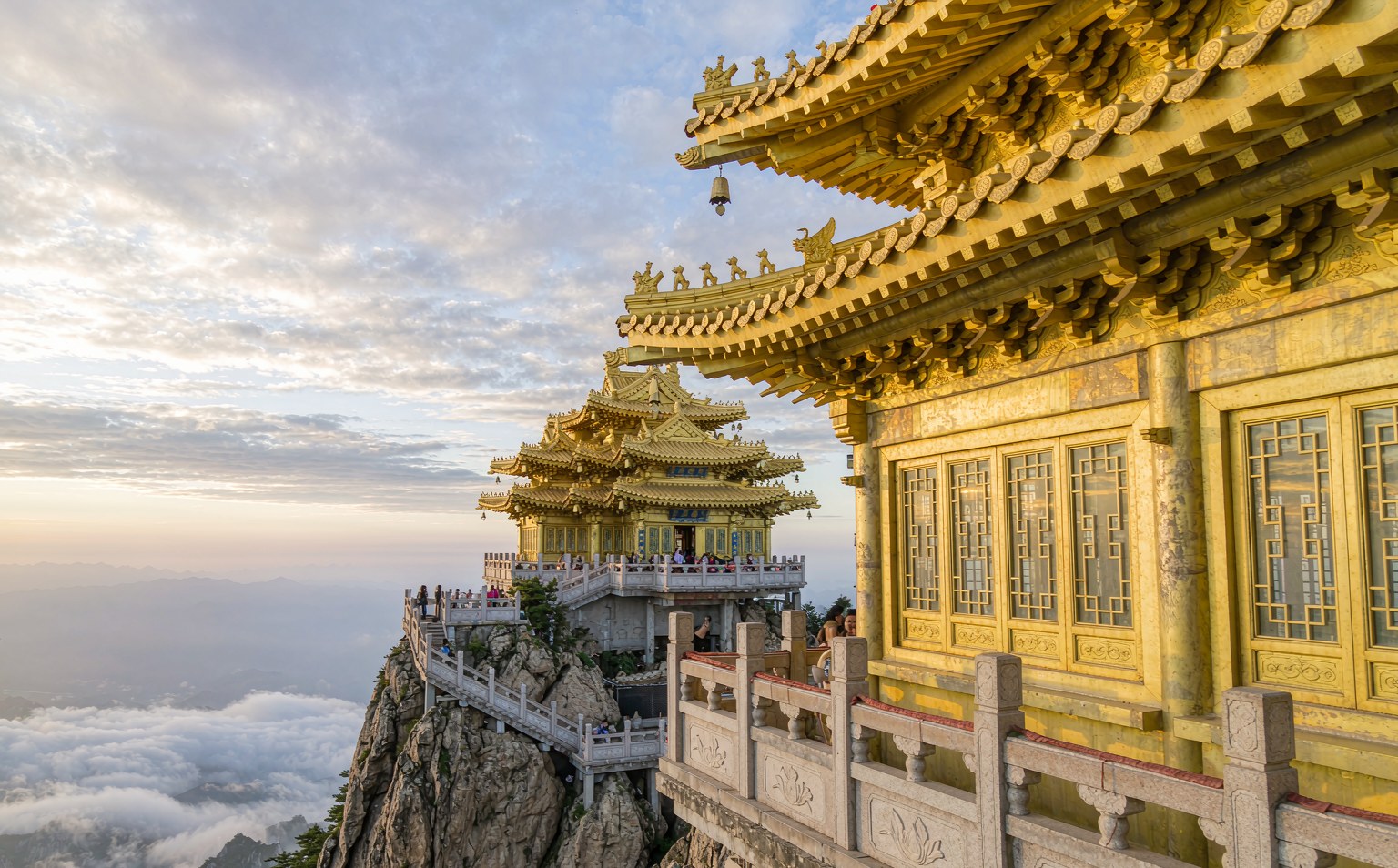
Six days from Luoyang. The Laojunshan ticket stays valid for two days, so the golden summit comes first and a second climb chases the morning cloud sea. Jiguan Cave runs 1,800 metres at a constant 18 degrees, and Chongdugou still has green bamboo in November.
Luoyang Departure: Laojun Mountain, Jiguan Cave and Longtan Canyon, 5 Days 4 Nights
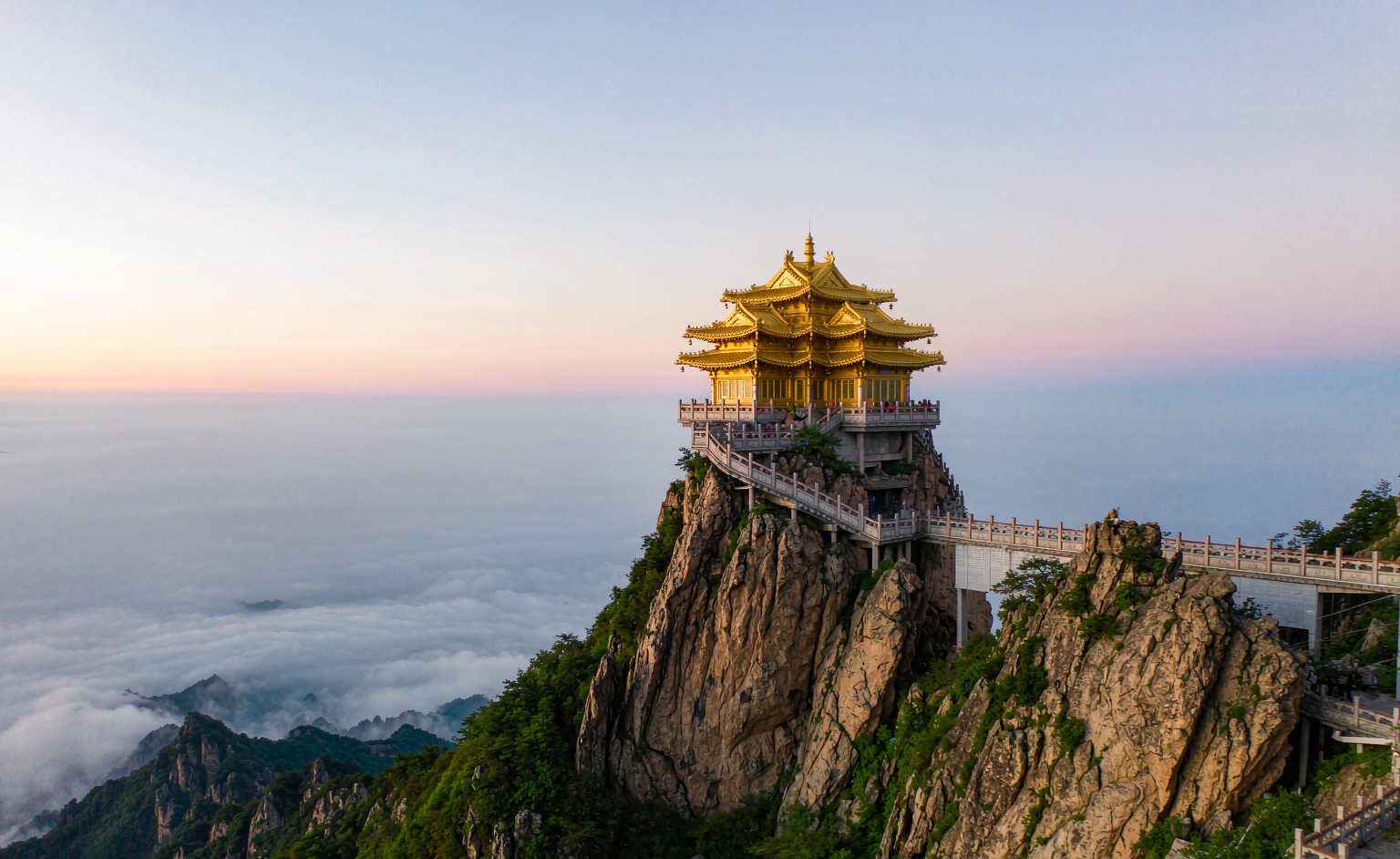
Five days from Luoyang. The Laojun Mountain ticket holds for two days, so the mountain is climbed twice: the painted rock forest first, then the summit to wait for the lamps. The second half runs west to Xinan, through a cave that stays at 18 degrees and a red gorge cut by water.
Luoyang Departure: Longmen Grottoes, White Horse Temple, Luoyang Museum and Erlitou, 3 Days 2 Nights
Three days from Luoyang, all of them about which layer of soil a thing came out of: Buddhas cut into a cliff at Longmen, a pagoda standing in a temple yard, a jade cup behind glass, and at Erlitou the rammed-earth footings of a palace that is four thousand years old.