
Zhengzhou 7-Day Tour: White Horse Temple & Wangcheng Park
Zhengzhou 7-day tour covering White Horse Temple and Wangcheng Park and Longmen Grottoes. Sightseeing tickets and shuttle bus included.
Highlights
Day 1: White Horse Temple
Gather in the morning and depart for White Horse Temple, follow the guide to tour the main attractions, with ample time reserved for photography and rest; enjoy a local specialty meal at noon, check into the hotel in the evening, and recharge for the next day's itinerary.
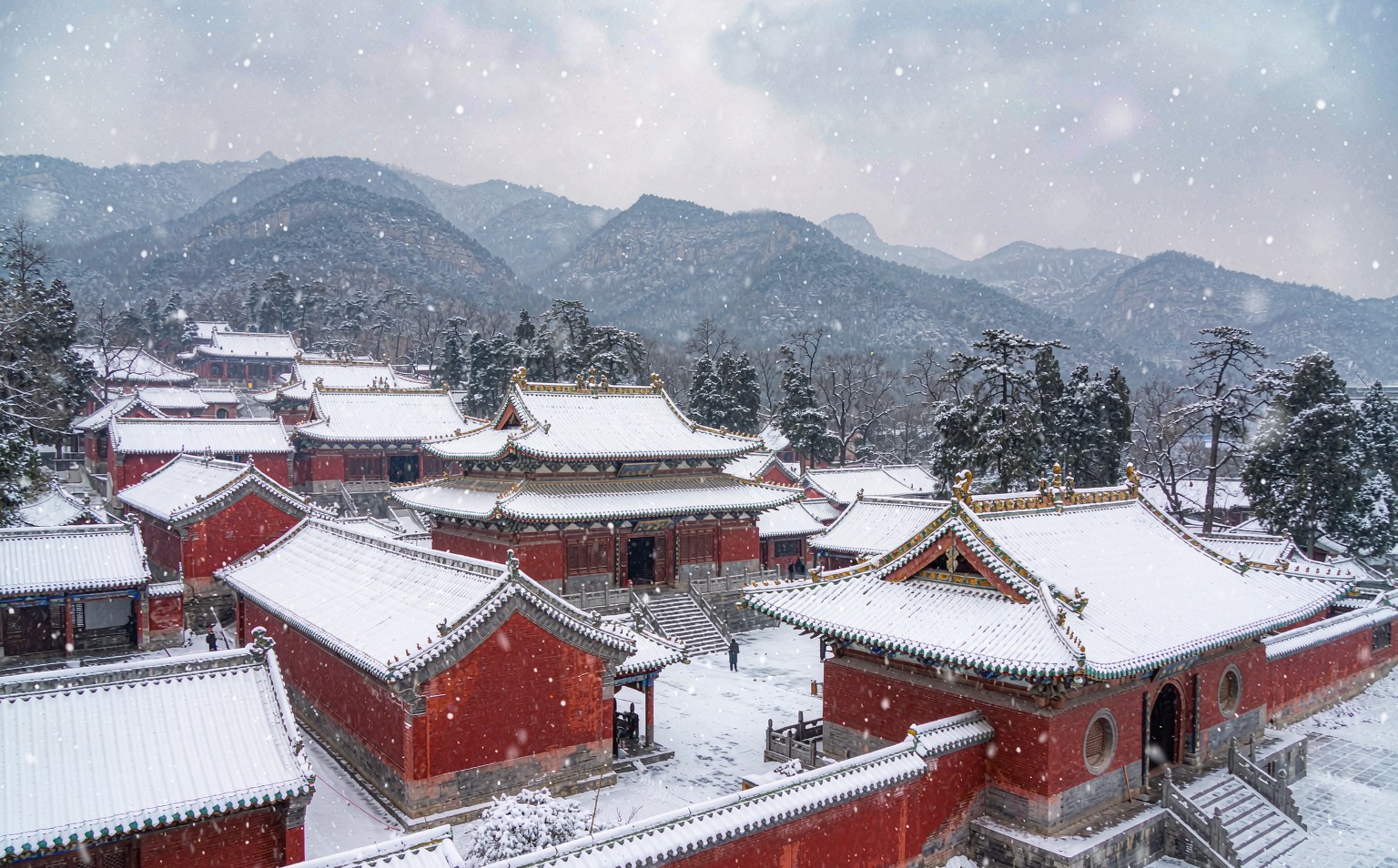
Attraction Introduction: A highlight of the itinerary is White Horse Temple. White Horse Temple is located in the eastern part of Luoyang city. It was first built during the Yongping era of the Eastern Han Dynasty, in commemoration of the White Horse carrying scriptures and the initial transmission of Buddhism to central China. It is honored as the 'First Ancient Temple in China' and is the first state-sponsored temple built after Buddhism was introduced to China. Inside the temple, the Qiyun Pagoda Courtyard, Grand Buddha Hall, and Heavenly King Hall are arranged along the central axis, with incense burning continuously among the red walls and cypress trees for over two thousand years. Notably, the temple also features foreign-style halls donated by countries such as Myanmar, Thailand, and India, presenting a unique landscape of the eastward spread and return flow of Buddhist culture. My understanding is to first visit the main hall along the central axis, then circle around to the Qiyun Pagoda Courtyard, and finally go to the side foreign-style halls to experience the cultural fusion. Visiting early in the morning when fewer people are around, with sunlight on the red walls and ancient cypresses, is the most atmospheric and also allows you to avoid the peak of tour groups.
Friendly Tips: Please maintain quiet and dress neatly when entering the temple. Generally, photography is not allowed inside the halls, and ritual instruments should not be touched; donations are voluntary. Visitors generally report that the foreign-style halls (Thai/Myanmar/Indian Courtyards) are very photogenic and feel more spacious than expected. Be aware that the international temple area requires a fair amount of walking, so save some energy. Respect local customs, dress appropriately in religious sites, and avoid pointing randomly. A simple greeting can often elicit goodwill.
Day 2: Wangcheng Park
Gather in the morning and depart for Wangcheng Park. Follow the tour guide to visit the main attractions, allowing ample time for photos and rest; enjoy local specialty dishes at noon, and check into the hotel in the evening to recharge for the next day's itinerary.
Attraction Introduction: A highlight arranged in the itinerary is Wangcheng Park. Wangcheng Park is located in Luoyang and is named for being situated on the ruins of the Eastern Zhou royal city. It is one of the main venues for China's Luoyang Peony Culture Festival and is also the most familiar city park to the citizens of Luoyang. Every April, famous peonies such as Yao Huang, Wei Zi, and Zhao Fen bloom in competition, displaying a spectacular array of colors. The park also preserves the ruins of the Zhou royal city and a zoo, offering both historical depth and recreational functions, making it a classic destination for tourists visiting the "Peony Flower City." In my understanding, if you come during the peony season (April), be sure to make this a must-visit place; early morning is less crowded, and peonies with morning dew are most beautiful. Outside the flowering period, it is more suitable for a leisurely stroll.
Tips: Dining prices in the park are relatively high, so it is appropriate to bring water and small snacks and take care of personal belongings. Visitors generally report that most believe Wangcheng Park is worth a special visit. It is recommended to slow down, listen to the tour guide's explanations, and leave time for the details that touch you most and the best photo spots. In practice, rushing through a group tour is to be avoided; listening to the guide is the essence, as the cultural stories behind each attraction are often more memorable than photos. Ask the guide on the spot if you don’t understand something.
Day 3: Longmen Grottoes
Gather in the morning and depart for Longmen Grottoes, follow the tour guide to visit the main attractions, allowing ample time for photos and rest; have a local specialty lunch at noon, check in to the hotel in the evening to recharge for the next day’s itinerary.
Attraction Introduction: A highlight of the itinerary is Longmen Grottoes. Longmen Grottoes was carved on the cliff faces on both sides of the Yi River in the south of Luoyang, continuously constructed since Emperor Xiaowen of the Northern Wei moved the capital to Luoyang, spanning the Eastern Wei, Western Wei, Northern Qi, Sui, and Tang dynasties. There are now over 2,300 caves, more than 100,000 statues, and over 2,800 inscriptions and epitaphs. The most breathtaking is the Leshan Giant Buddha in Fengxian Temple, which is over 17 meters tall, with a full face and eyes full of compassion, said to be carved based on the appearance of Empress Wu Zetian, representing the pinnacle of Tang stone carving art. Together with Dunhuang Mogao Caves and Datong Yungang, it is considered one of China's three major grottoes and also a World Cultural Heritage site. When visiting, start from the West Hill Grottoes and walk south along the Yi River trail; Binyang Three Caves, Wanfo Cave, and Lotus Cave each have their highlights. Crossing the bridge to the East Hill Worship Terrace offers a panoramic view. My understanding is that in the morning, you can first see the main caves in the West Hill and appreciate the Great Buddha while it’s less crowded; in the afternoon, go to the East Hill terrace for distant views, which are best for photos in terms of light and angle. Walking along both sides of the Yi River involves retracing your steps, so a pair of comfortable shoes can save a lot of effort.
Tips: The grottoes are mostly built along cliffs, so keep a distance from the cliff and hold the handrails while sightseeing, and take care of the elderly and children. According to general tourist feedback, most people find the Leshan Giant Buddha the most impressive, and the lighting at sunset in the West Hill is best for photos; walking along both sides of the Yi River requires retracing your steps, so wearing comfortable shoes and allowing half a day is recommended. Practically speaking, to eat authentic local food, go deeper into the alleys; queues at the main gate tend to be long and the taste is average. For local specialties, ask the price first and compare; local supermarkets often have more genuine products.
Related Tours
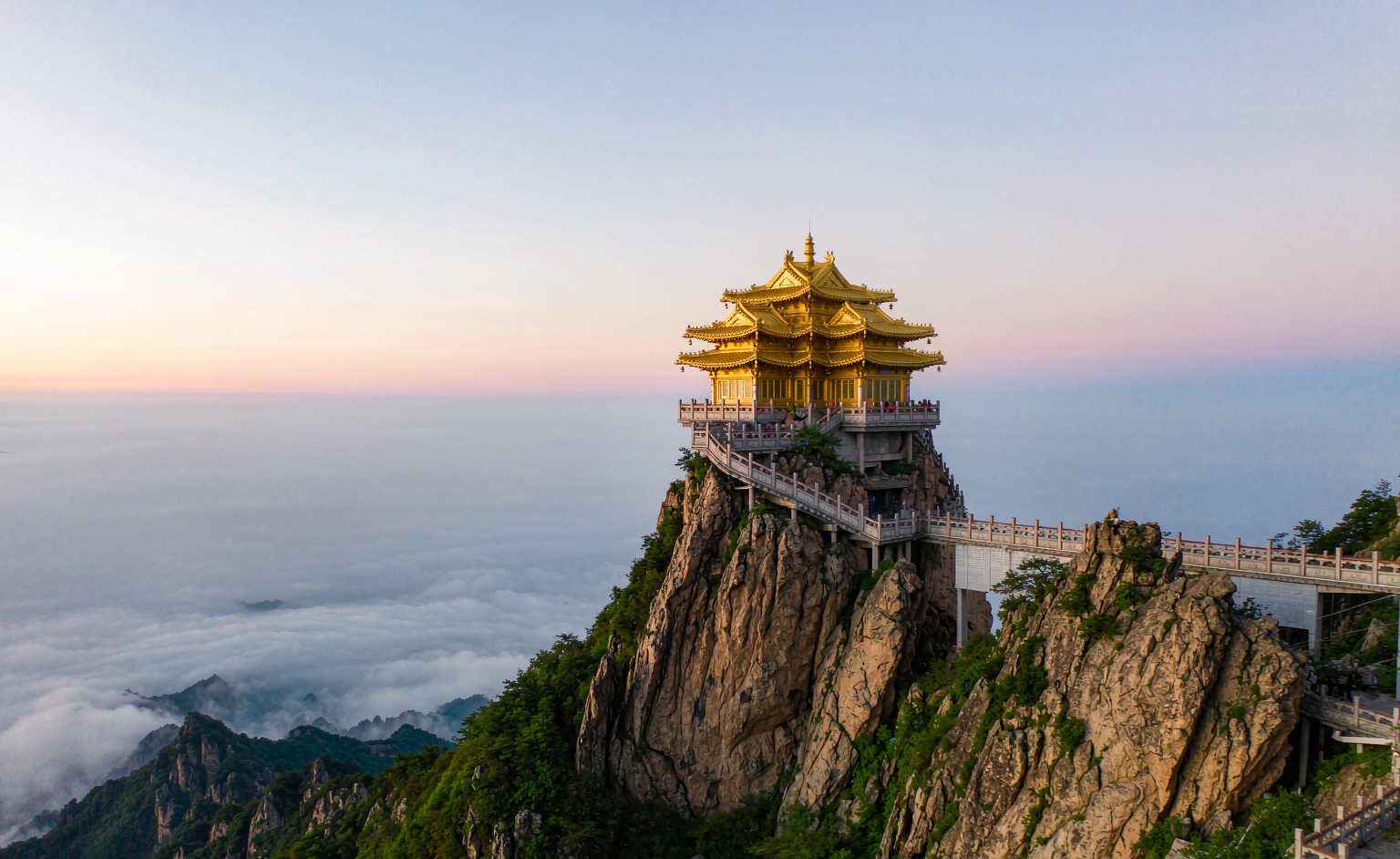
Luoyang Departure: Laojun Mountain, Jiguan Cave and Longtan Canyon, 5 Days 4 Nights
Five days from Luoyang. The Laojun Mountain ticket holds for two days, so the mountain is climbed twice: the painted rock forest first, then the summit to wait for the lamps. The second half runs west to Xinan, through a cave that stays at 18 degrees and a red gorge cut by water.
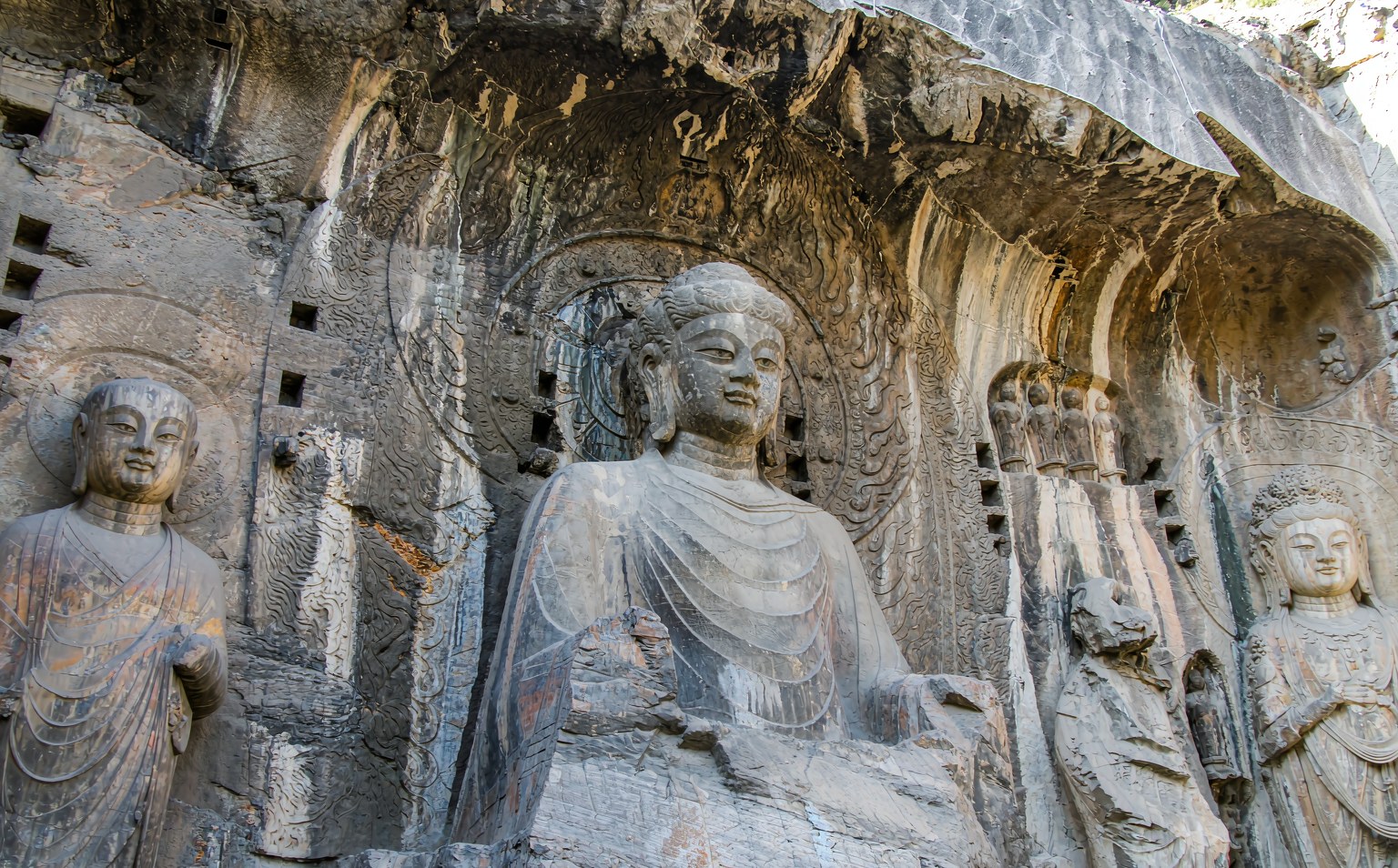
Luoyang Departure: Longmen Grottoes, White Horse Temple, Luoyang Museum and Erlitou, 3 Days 2 Nights
Three days from Luoyang, all of them about which layer of soil a thing came out of: Buddhas cut into a cliff at Longmen, a pagoda standing in a temple yard, a jade cup behind glass, and at Erlitou the rammed-earth footings of a palace that is four thousand years old.
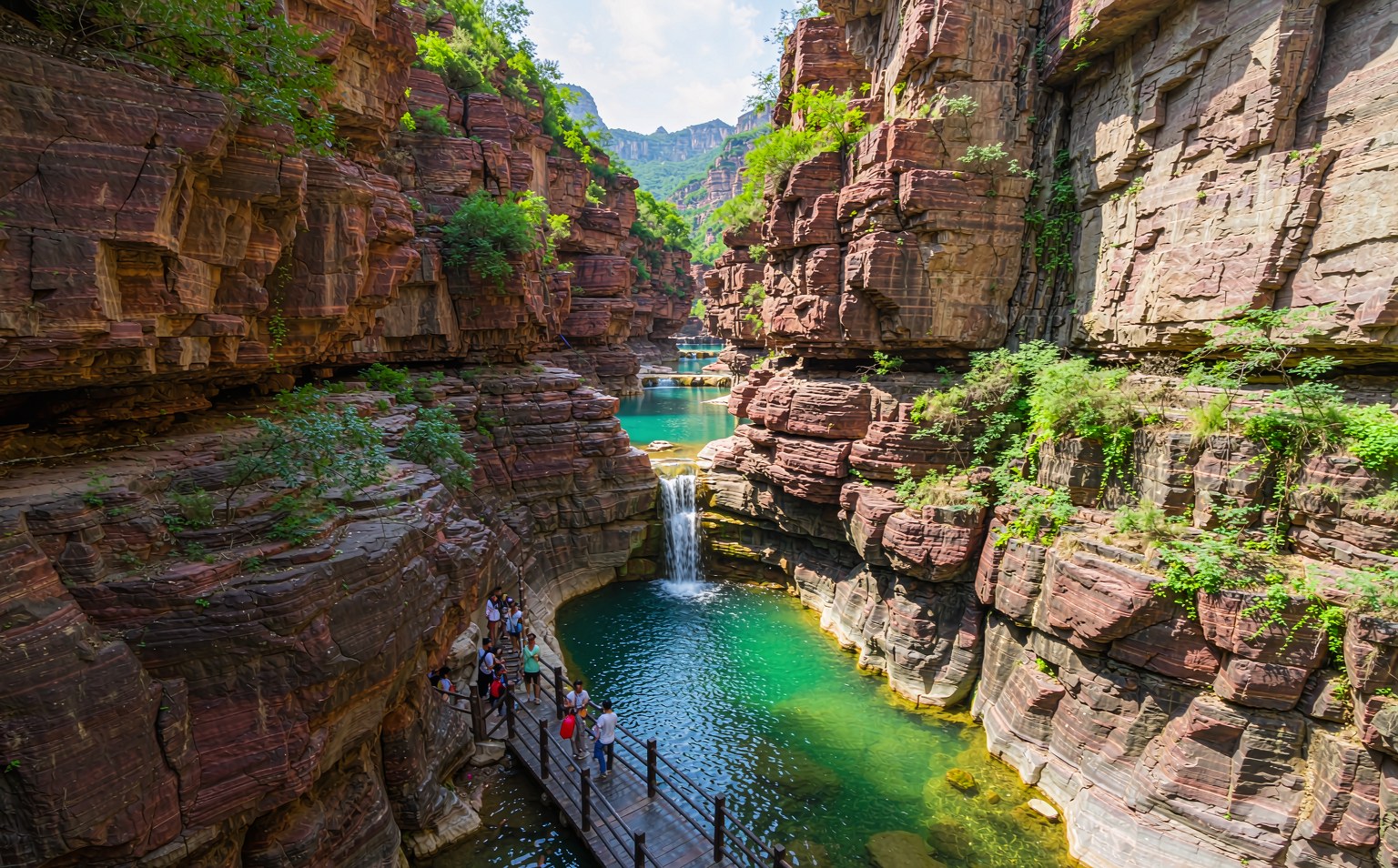
Luoyang Departure: Yuntai Mountain, Hongshi Gorge and Zhuyu Peak, 4 Days 3 Nights
Four days from Luoyang. Hongshi Gorge runs one way, a slot of red rock that lets you walk forward only. The ticket and shuttle pass last three days, so nothing is rushed: one day for the gorge, one for the waterfalls, and the last morning up the spiral tunnels to Zhuyu Peak at 1,308 metres.
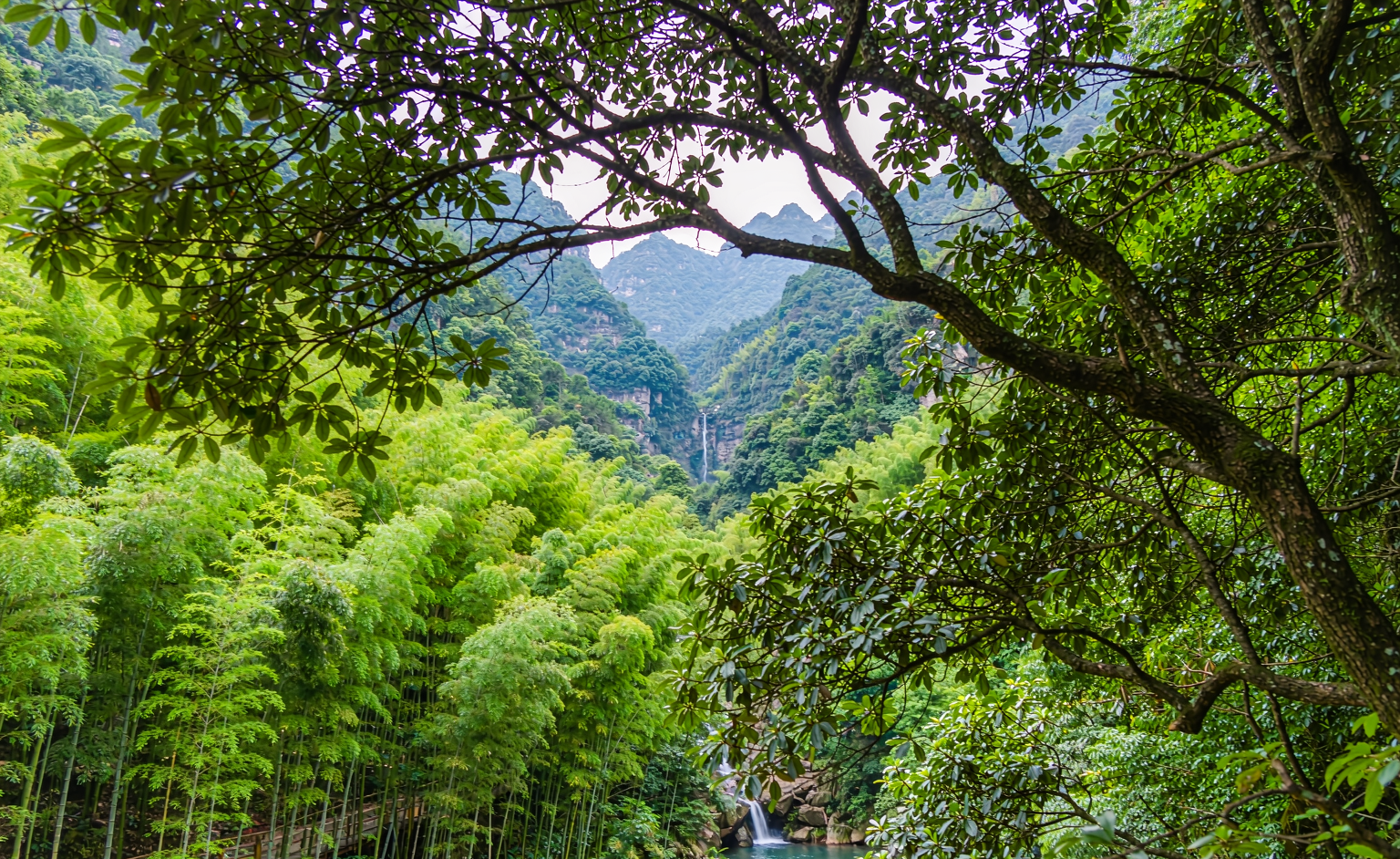
Luoyang Departure: Chongdugou Bamboo Valley and Jiguan Cave, 4 Days 3 Nights
Four slow days from Luoyang. In Chongdugou the two valleys are taken on separate days, one for waterfalls and one for bamboo, sleeping in a farmhouse inside the gorge; then Jiguan Cave, eighteen degrees all year round.