
Luoyang 6-Day Tour: Longmen Grottoes & Jiguan Cave
Luoyang 6-day tour covering Longmen Grottoes and Jiguan Cave and Laojun Mountain. Sightseeing tickets and shuttle bus included.
Highlights
Day 1: Longmen Grottoes
Gather in the morning and depart for Longmen Grottoes. Follow the tour guide to explore the main attractions, allowing plenty of time for photography and rest; at noon, enjoy a local specialty meal, and in the evening check into the hotel to recharge for the next day's itinerary.
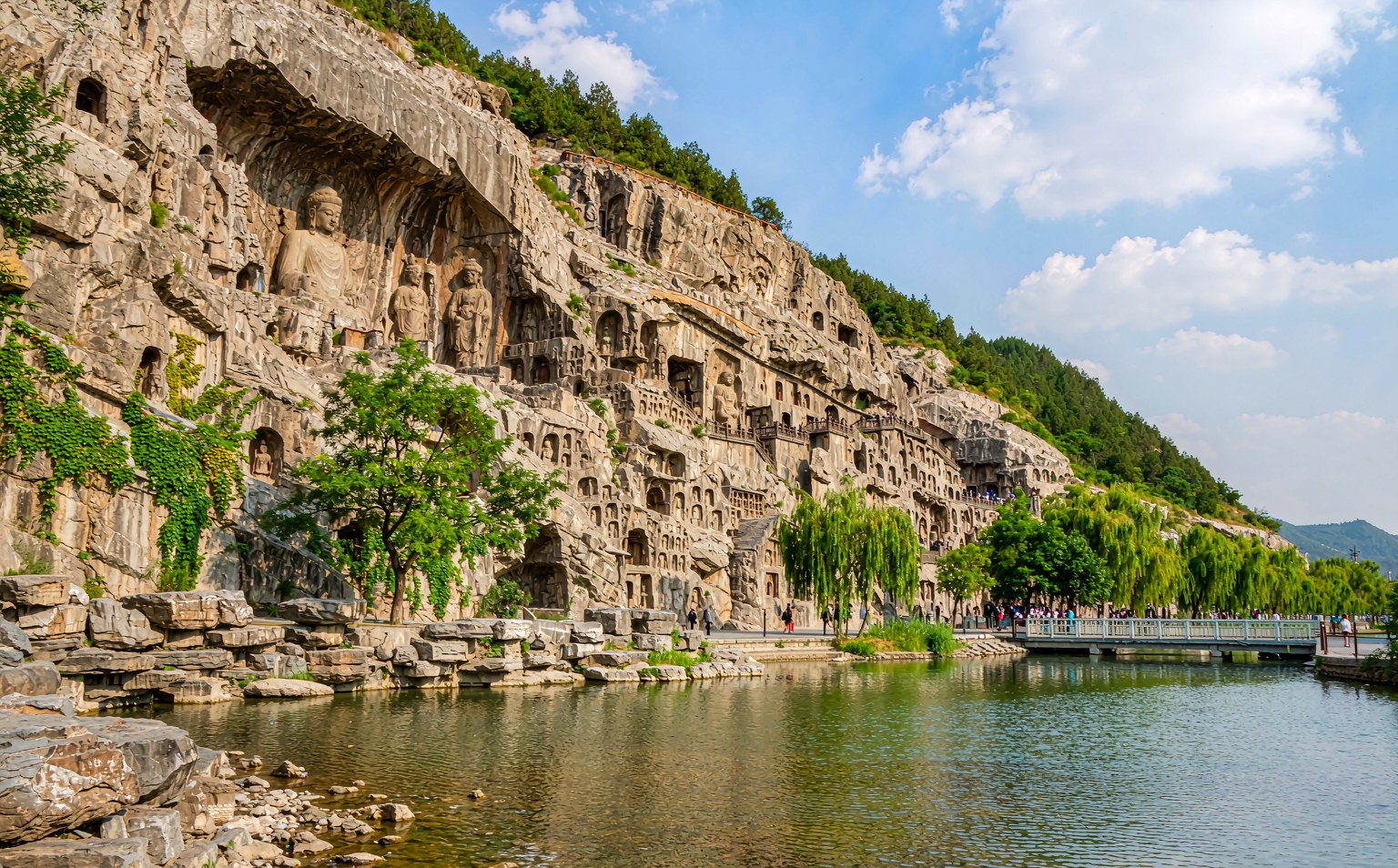
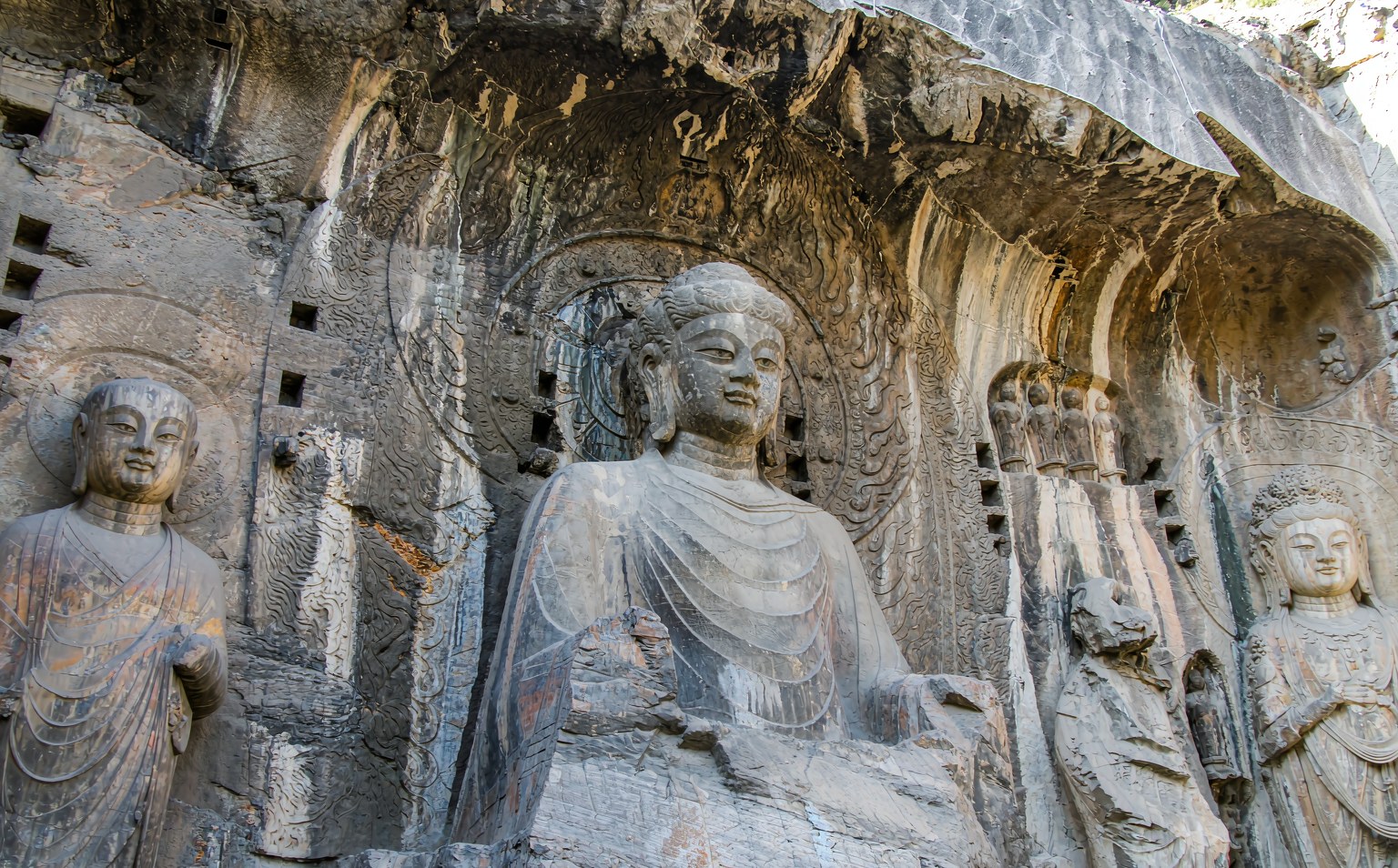
Attraction Introduction: One of the highlights of the itinerary is Longmen Grottoes. Longmen Grottoes was carved on the cliff faces along both banks of the Yi River in the south of Luoyang, continuously constructed since the relocation of the Northern Wei Dynasty’s Emperor Xiaowen to Luoyang, spanning multiple dynasties including Eastern Wei, Western Wei, Northern Qi, Sui, and Tang. It currently contains over 2,300 niches, more than 100,000 statues, and over 2,800 inscribed steles. The most astonishing feature is the Vairocana Buddha of Fenshansi Temple, which stands over seventeen meters tall, with a full, serene face and compassionate eyes. It is said to be carved based on the appearance of Empress Wu Zetian, representing the pinnacle of Tang Dynasty stone carving art. Together with the Dunhuang Mogao Caves and Datong Yungang, it is known as one of the three major grottoes in China and is a World Cultural Heritage site. When visiting, walk along the Yi River path from the Western Hills grotto to the south. Each cave—Binyang Cave, Ten Thousand Buddhas Cave, Lotus Cave—has its own highlights. Cross the bridge to the East Hills worship platform for a panoramic view. My understanding is to first visit the main grotto on the Western Hills in the morning, when it is less crowded, to appreciate the Buddha statue. In the afternoon, go to the East Hills platform to view from afar, as the light and angles are best for photos. Walking along both banks of the Yi River requires retracing your steps, so a comfortable pair of shoes will save a lot of effort.
Tips: Most grottoes are built on cliffs; maintain a safe distance from the cliff walls and hold onto railings during sightseeing. Take care of the elderly and children. Tourists generally report that the Vairocana Buddha is the most impressive, and the sunset at the Western Hills offers the best photo lighting. Walking along both banks of the Yi River involves returning the same route, so comfortable shoes and at least half a day are recommended. Depending on the actual situation, for the best photos, go early in the morning or late in the afternoon—fewer people and soft light in the morning, golden light at sunset; midday lighting is harsh and crowded, so it's better to rest during that time.
Day 2: Jiguan Cave
Gather in the morning and depart for Jiguan Cave, following the guide to visit the main attractions, allowing plenty of time for photos and rest; have a local specialty lunch around noon, and check into the hotel in the evening to recharge for the next day's itinerary.
Attraction Introduction: Today's itinerary includes the Jiguan Cave attraction. Jiguan Cave is a karst cave in Luanchuan. Inside the cave, stalactites take various shapes, with stalagmites, stone columns, and stone flowers appearing in dazzling colors under the lights. The cave maintains a constant temperature year-round, warm in winter and cool in summer. The cave is dense with scenic spots, changing views as you move, and by listening to the guide, you can understand the majestic geological changes over billions of years. It complements Longtan Grand Canyon, creating a classic geological sightseeing route in western Henan. My understanding is, when entering the cave, be sure to follow the guide because the formation and naming of the stalactites are very interesting, and it's easy to miss the highlights on your own. The cave floor is slippery, and some areas are low, so wear non-slip shoes and watch your head.
Tips: The hiking sections have many steps and steep slopes, so be sure to wear non-slip sports shoes. People with mobility issues are advised to use the cable car for ascent and descent. Most visitors report that Jiguan Cave is worth visiting specifically. It is recommended to slow down, follow the guide’s explanations, and leave time for the details that move you most and the best photo spots. In practice, during long trips, the greatest risk is dehydration, so carry a water bottle and drink small amounts frequently. On the first night in the plateau or mountains, avoid washing your hair or bathing for too long, giving your body some time to adapt.
Day 3: Laojun Mountain
Gather in the morning and depart for Laojun Mountain. Follow the guide to visit the main attractions, leaving plenty of time for photos and rest; enjoy local specialty dishes for lunch, and check into the hotel in the evening to recharge for the next day's itinerary.
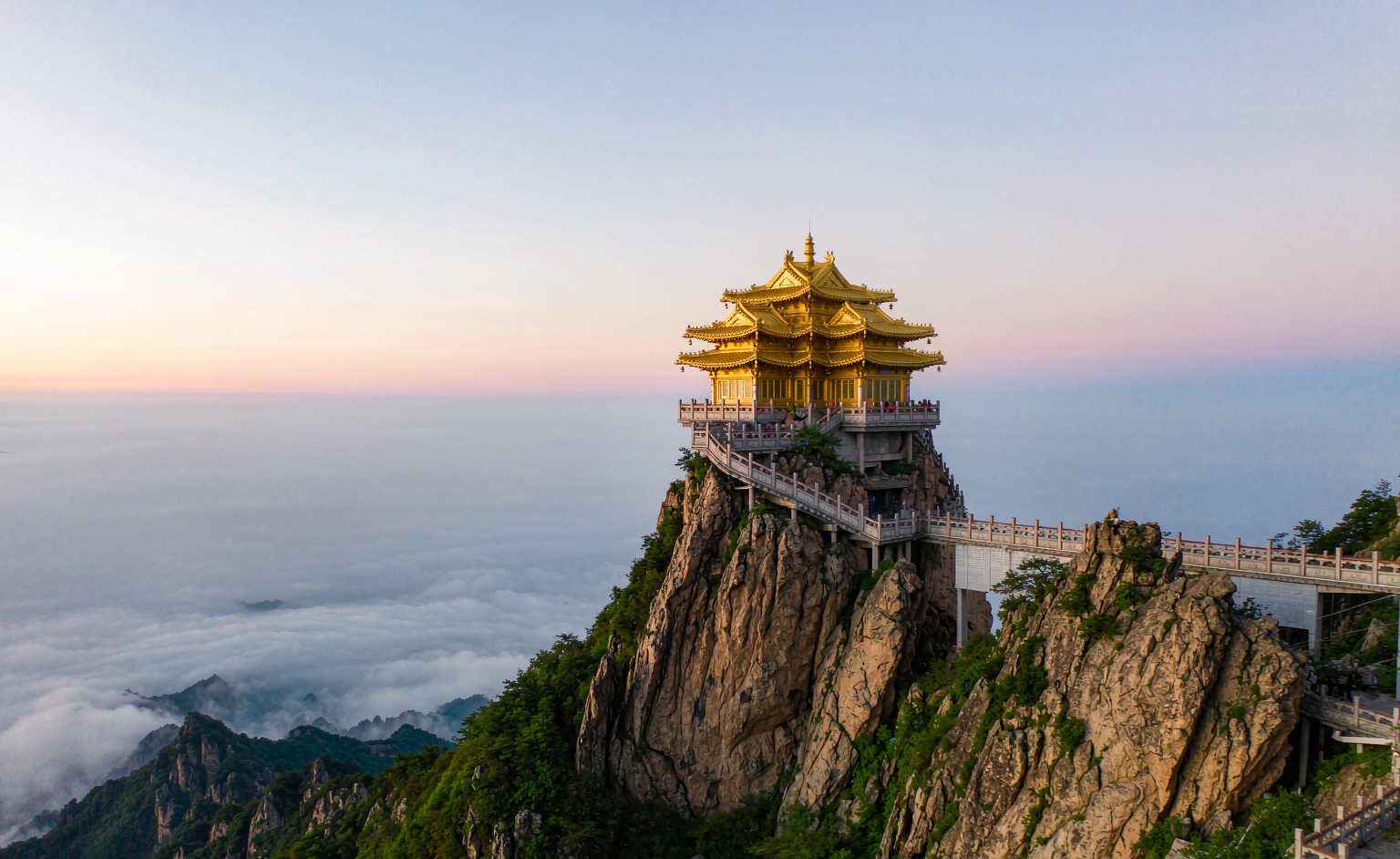
Attraction Introduction: A highlight of the trip is Laojun Mountain. Laojun Mountain is located in Luanchuan County, Luoyang. It is the main peak of the Funiu Mountains and a famous Taoist mountain, said to be the place where Taoist founder Laozi retired for cultivation. The Jinding Taoist Temple complex stands atop peaks over 2,000 meters above sea level, with golden-tiled and red-walled temples and rolling sea of clouds, widely praised as 'a feast for the eyes beyond the human world, witnessing the grandeur of the mortal realm.' The Ten-Mile Painted Screen is the highlight of the journey, with a high-altitude plank road suspended on a cliff where every step offers changing scenery, allowing you to take in the forested peaks, sea of clouds, and sunrise. You can take the two-stage cable car up the mountain; on clear days, you can view the sea of clouds and sunrise from the top, and in winter, it is a popular spot for snow viewing in Central China. My advice is to get to the cable car early to catch the best light at the Jinding and the Ten-Mile Painted Screen; the mountaintop is windy and cold, so wearing a windproof jacket and bringing a thermos is essential. If you are timid about heights, do not force yourself on the glass observation deck.
Tips: There is a large temperature difference in the mountains between morning and evening, and strong winds at the peak, so a windproof jacket and warm layers are necessary. Tourists generally report that the sea of clouds and sunrise at the peak are the major highlights, and many people stay overnight at the mountaintop to catch the dawn. Be reminded that the temperature difference is large at the peak and cable car lines can be long, so during peak seasons, it is essential to arrive early. Depending on the situation, be time-conscious, arrive five to ten minutes ahead of the meeting time; it is better for people to wait for the vehicle than for the vehicle to wait for a person—do not keep everyone waiting for you.
Related Tours
Luoyang Departure: Laojun Mountain, Jiguan Cave and Longtan Canyon, 5 Days 4 Nights
Five days from Luoyang. The Laojun Mountain ticket holds for two days, so the mountain is climbed twice: the painted rock forest first, then the summit to wait for the lamps. The second half runs west to Xinan, through a cave that stays at 18 degrees and a red gorge cut by water.
Luoyang Departure: Longmen Grottoes, White Horse Temple, Luoyang Museum and Erlitou, 3 Days 2 Nights
Three days from Luoyang, all of them about which layer of soil a thing came out of: Buddhas cut into a cliff at Longmen, a pagoda standing in a temple yard, a jade cup behind glass, and at Erlitou the rammed-earth footings of a palace that is four thousand years old.
Luoyang Departure: Chongdugou Bamboo Valley and Jiguan Cave, 4 Days 3 Nights
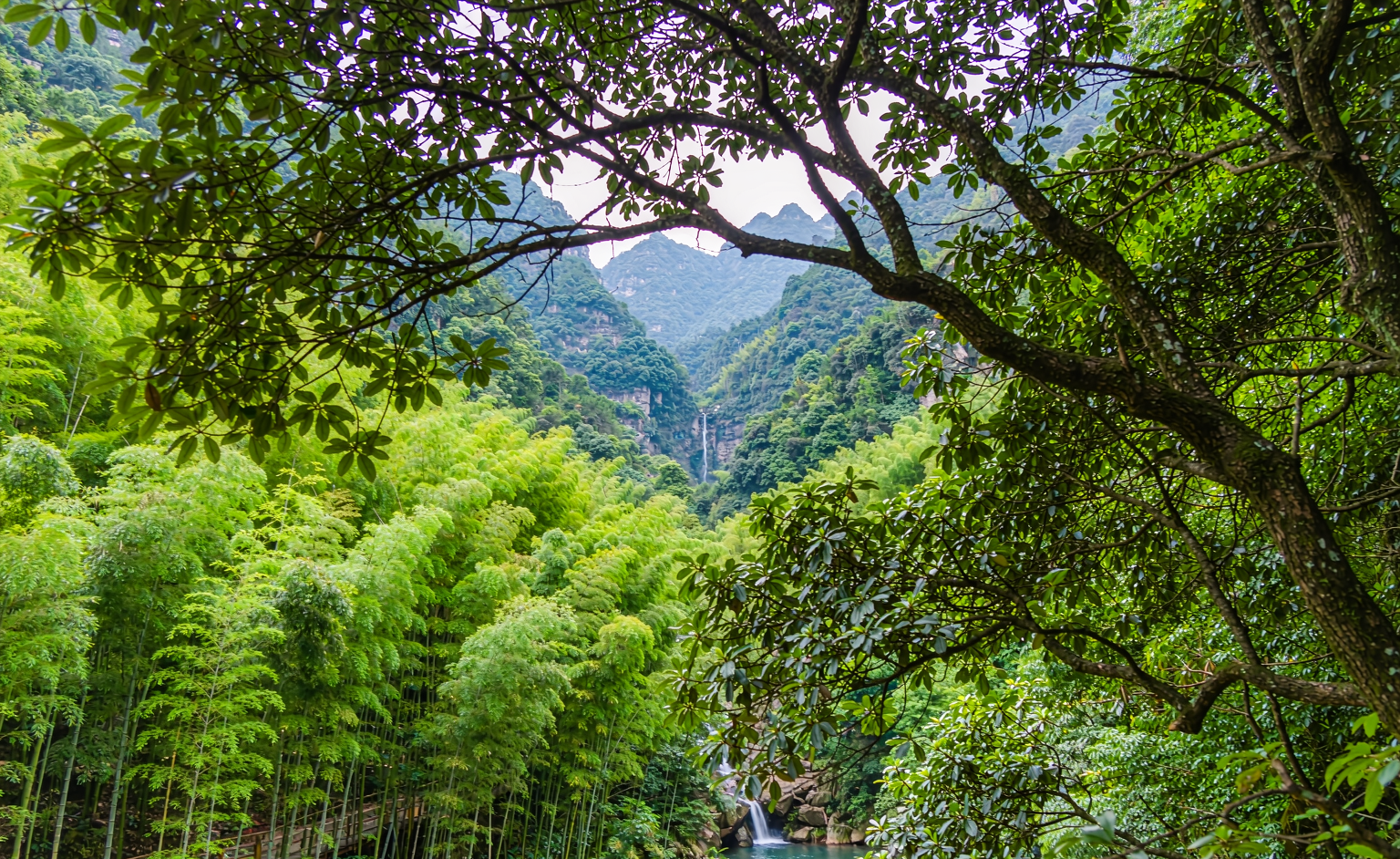
Four slow days from Luoyang. In Chongdugou the two valleys are taken on separate days, one for waterfalls and one for bamboo, sleeping in a farmhouse inside the gorge; then Jiguan Cave, eighteen degrees all year round.
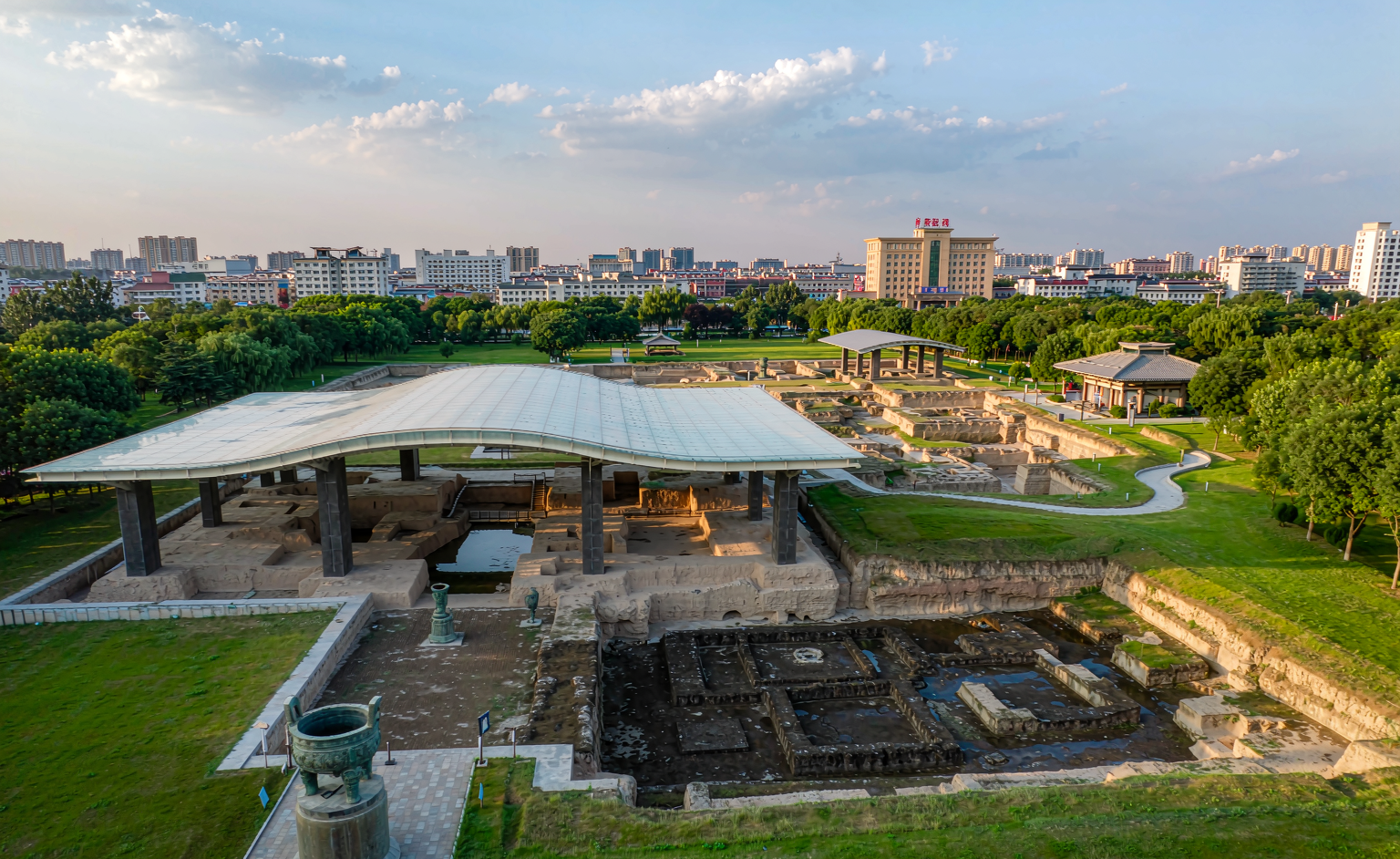
Luoyang Departure: Yin Ruins, Chinese Character Museum and Youli City, 3 Days 2 Nights
Three days from Luoyang into the Shang world: oracle bones scratched with questions, a museum that follows those marks into modern characters, and the earth platform where King Wen worked out the hexagrams.