
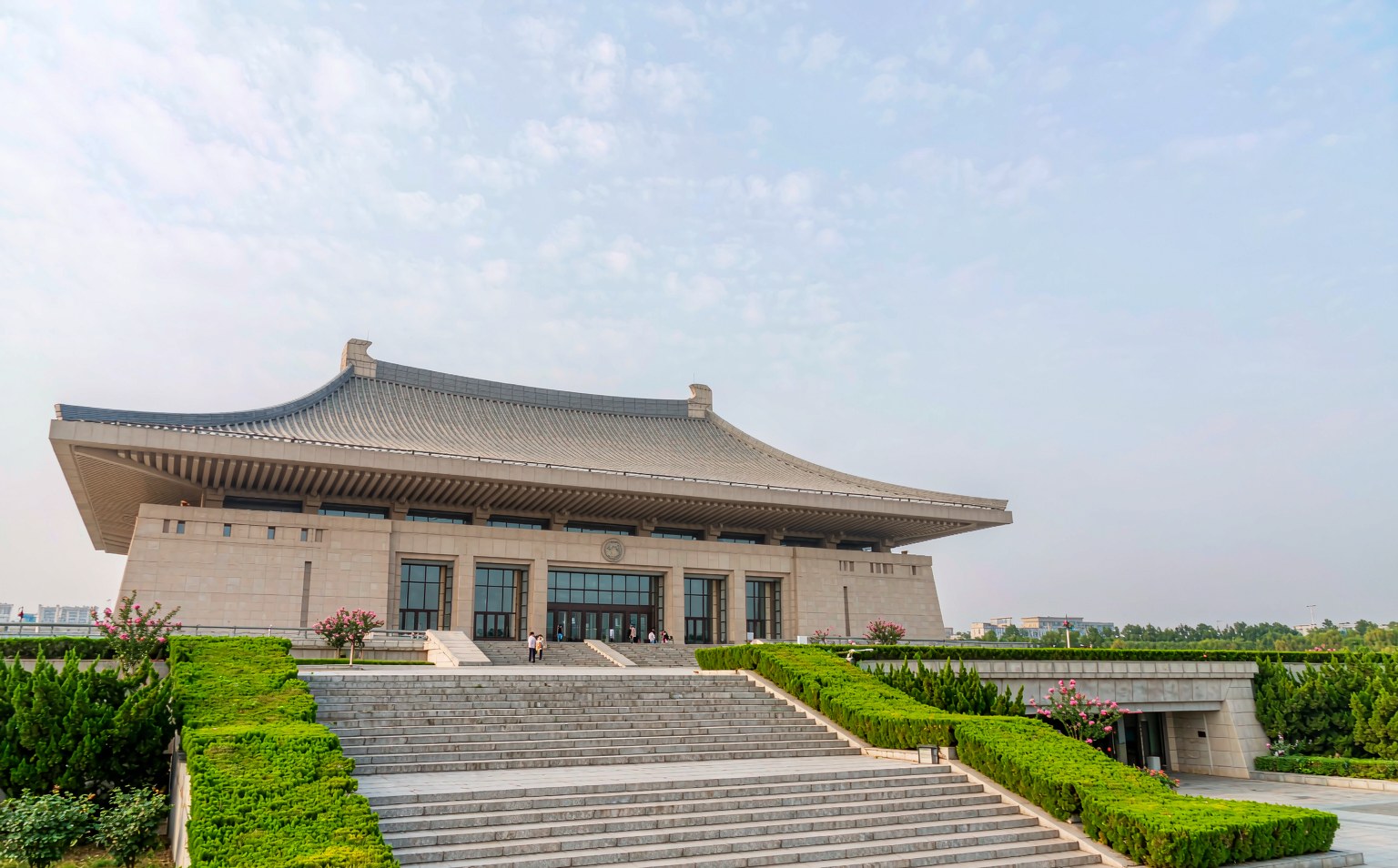
Zhengzhou 4-Day Tour: Sui-Tang Luoyang City & Erlitou Site
Zhengzhou 4-day tour covering Sui-Tang Luoyang City and Erlitou Site and Red Flag Canal. Sightseeing tickets and shuttle bus included.
Highlights
Day 1: Sui-Tang Luoyang City
Assemble in the morning and depart for Sui-Tang Luoyang City. Follow the guide to visit the main attractions, allowing ample time for photos and rest. At noon, enjoy local specialty dishes, and in the evening, check into the hotel to recharge for the itinerary the next day.
Attraction Introduction: This stop brings you to Sui-Tang Luoyang City. The Sui-Tang Luoyang City National Heritage Park centers around Yingtian Gate, Mingtang, and Tiantang, recreating the palace grandeur of the prosperous Tang "Divine Capital" Luoyang. Yingtian Gate is the south gate of Sui-Tang Luoyang City, grand and majestic; climbing the tower allows a view of the central axis, and at night, there is a spectacular light show. Mingtang was the "Palace of Ten Thousand Phenomena" during Empress Wu Zetian's era, and Tiantang is a tall tower for Buddhist ceremonies. The interiors of both buildings restore the luxurious furnishings of the Great Tang Palace. It is also pleasant to stroll along Jiuzhou Pond, imagining the grandeur of the royal gardens of the past. This site is closely related to TV series such as "Wu Zetian" and "The Wind Rises in Luoyang," and has become one of the most popular Tang culture check-in spots in Luoyang in recent years. My understanding is that it is a must to visit at night—the lights of Yingtian Gate, Mingtang, and Tiantang at dusk show what the "Divine Capital" truly looks like. You can experience the palace furnishings during the day and the light show at night—two experiences in one day.
Tips: Ancient capital attractions are spread out, requiring a fair amount of walking and transfers, so it is recommended to wear comfortable flat shoes and plan your route well. Visitors generally feel that most of them think Sui-Tang Luoyang City is worth a dedicated trip; it is advisable to slow down, follow the guide, listen to the explanations, and leave time for the details that move you most and the best photo spots. Considering the actual situation, the worst thing on a group tour is to rush through everything; listening to the explanations is the essence. The cultural stories behind each attraction are often more unforgettable than the photos. If you don't understand something, ask the guide on the spot.
Day 2: Erlitou
Assemble in the morning and set off for Erlitou, follow the tour guide to visit the main attractions, allowing plenty of time for taking photos and resting; enjoy local specialty dishes at noon, check in at the hotel in the evening, and recharge for the next day's itinerary.
Attraction Introduction: Today's itinerary includes Erlitou attractions. The Erlitou site, located in Luoyang Yanshi, is praised by scholars as 'the earliest China.' It is a large urban site from the middle and late Xia Dynasty, where turquoise dragon-shaped artifacts, bronze jia, bronze ding, and other significant relics were unearthed, revealing the appearance of the first capital of the Huaxia civilization. The turquoise dragon-shaped artifact is inlaid with more than two thousand turquoise pieces and is hailed as the 'First Dragon of Huaxia,' serving as important evidence of the Chinese dragon worship. The Erlitou Site Museum presents the archaeology with a sense of being on-site and is an indispensable stop for researching the origins of Chinese civilization. My understanding is that visiting with prior knowledge of the academic debates surrounding the 'Capital of Xia' and then viewing the exhibits will provide a deeper understanding; the museum's exhibition is carefully arranged and worth taking time to appreciate slowly.
Tips: The mountain areas have large temperature differences between morning and evening, and the mountaintop is windy; a windproof jacket and warm inner layers are very necessary. Visitors generally report that most feel Erlitou is worth a dedicated trip. It is recommended to slow down, follow the guide's explanations, and leave time for the details that move you most and for the best photo spots. In practice, if you want authentic food, go deeper into the alleys; the queues at the main gate of the scenic area are long and the taste is average. For souvenirs, ask for prices first and compare; local supermarkets usually offer more authentic items.
Day 3: Red Flag Canal
Assemble in the morning and depart for Red Flag Canal, follow the tour guide to visit the main attractions, allowing plenty of time for taking photos and resting; enjoy local specialty cuisine at noon, check in to the hotel in the evening, and recharge for the next day's itinerary.
Attraction Introduction: A highlight of the trip arranged in the itinerary is Red Flag Canal. Red Flag Canal is an 'artificial river' carved into the cliffs of the Taihang Mountains by the people of Linzhou in the 1960s. It spans more than 1,500 kilometers, leveling 1,250 mountain peaks, constructing over 150 aqueducts, and excavating more than 200 tunnels, taking nearly ten years to complete. It stands as a monument to the self-reliant spirit of the Chinese nation. The Youth Tunnel is the most dangerous part of the entire route, excavated by 300 young volunteers on the cliff faces; the Fenshui Garden and Red Flag Canal Memorial Hall fully recount the arduous process of canal construction. This place combines red education with the grandeur of the Taihang Mountains and is now also an awe-inspiring cultural landmark. My understanding is that visiting the memorial hall first to understand the background of the canal construction, and then walking through the Youth Tunnel, is the way to truly appreciate the significance of this canal; when hiking along the canal, go according to your strength, wear non-slip shoes, and watch your step.
Warm Tips: Mountain roads can be quite slippery, especially when going downhill, pay attention to shifting your center of gravity backward and slowing your pace; knee pads are recommended. Visitors generally report that the 'artificial river' is a strong spiritual landmark, resonating more with middle-aged tourists; guided explanations in the exhibition are worth listening to for understanding that period of history. Plan your physical energy according to the situation, tackling the main highlights in the morning when you are fresh and slowing down in the afternoon, so you don't overexert yourself on the first day and lose energy for the following days.
Day 4: Return
Transfer to the departure terminal per your booked train or flight; keep travel documents and tickets in your carry-on.
Related Tours
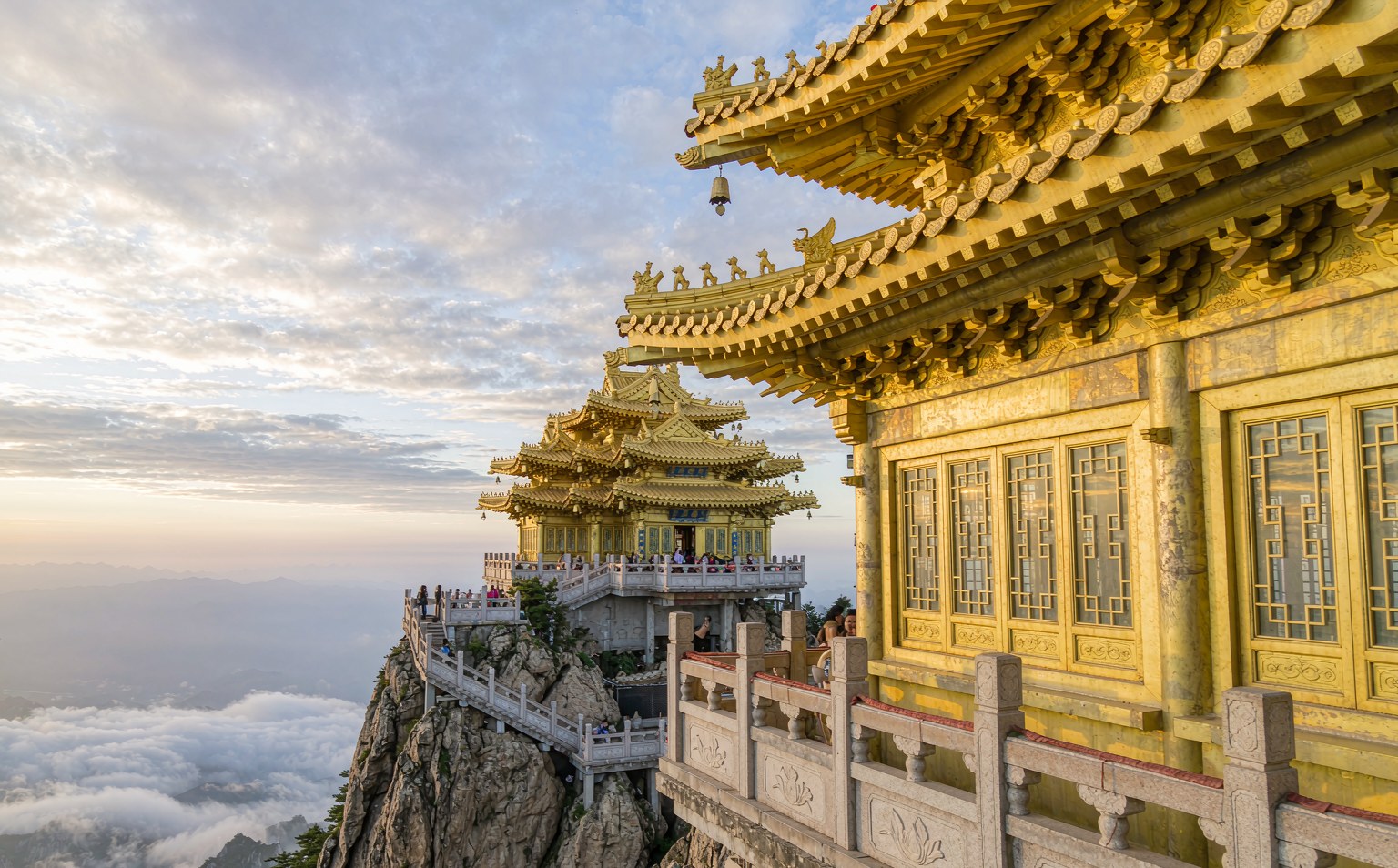
Luoyang to Laojunshan, Chongdugou, Jiguan Cave and Yangzigou 6 Days
Six days from Luoyang. The Laojunshan ticket stays valid for two days, so the golden summit comes first and a second climb chases the morning cloud sea. Jiguan Cave runs 1,800 metres at a constant 18 degrees, and Chongdugou still has green bamboo in November.
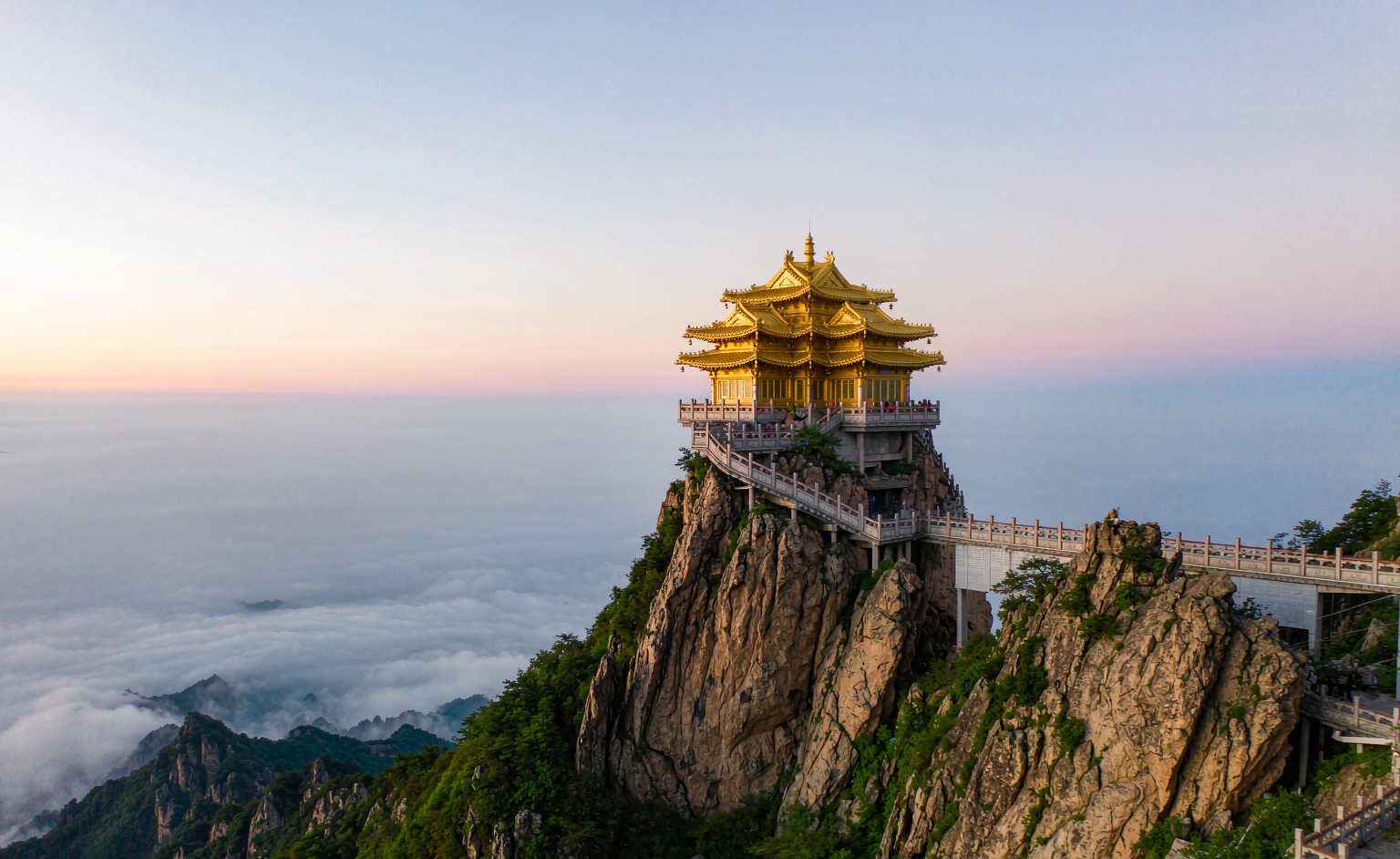
Luoyang Departure: Laojun Mountain, Jiguan Cave and Longtan Canyon, 5 Days 4 Nights
Five days from Luoyang. The Laojun Mountain ticket holds for two days, so the mountain is climbed twice: the painted rock forest first, then the summit to wait for the lamps. The second half runs west to Xinan, through a cave that stays at 18 degrees and a red gorge cut by water.
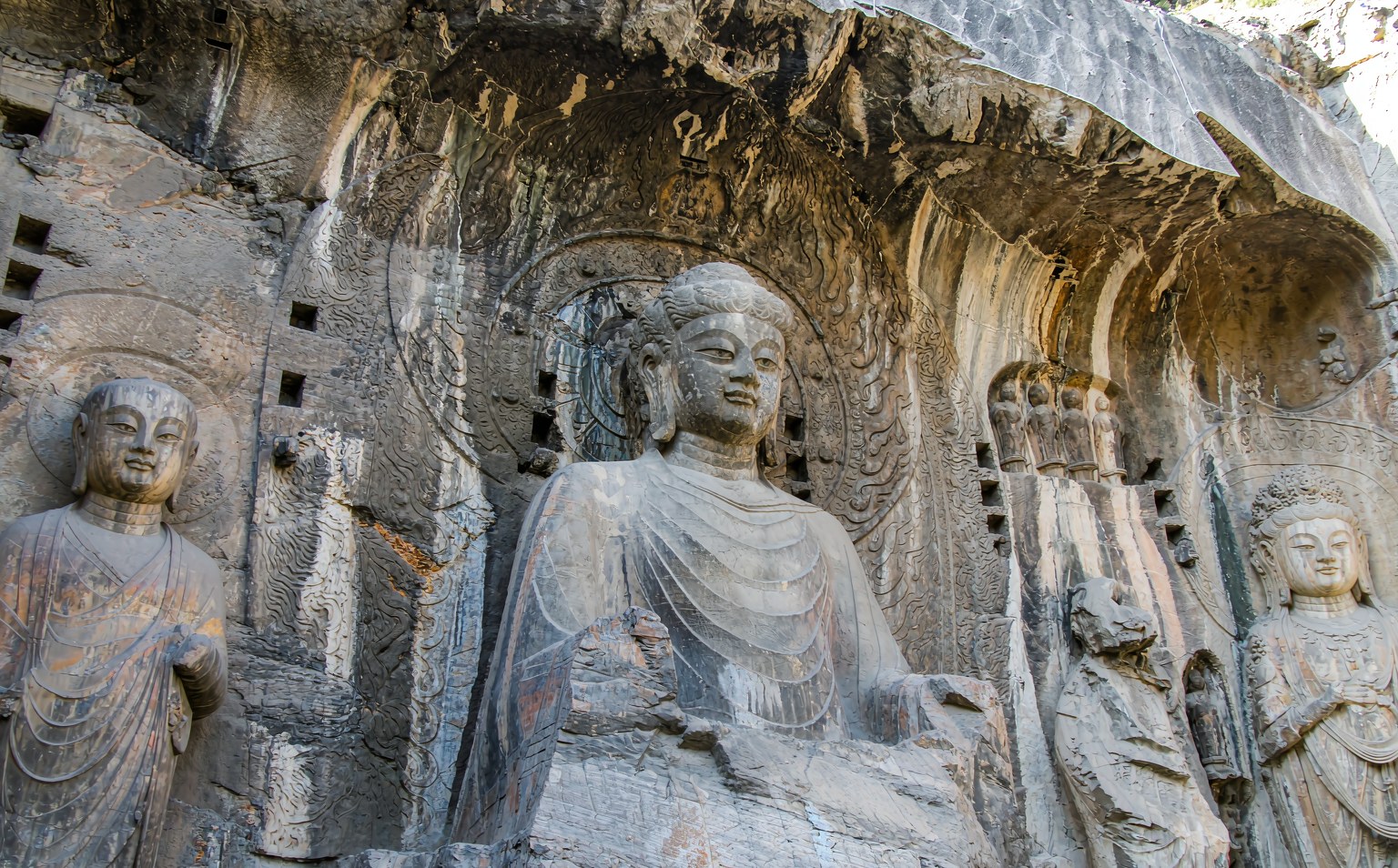
Luoyang Departure: Longmen Grottoes, White Horse Temple, Luoyang Museum and Erlitou, 3 Days 2 Nights
Three days from Luoyang, all of them about which layer of soil a thing came out of: Buddhas cut into a cliff at Longmen, a pagoda standing in a temple yard, a jade cup behind glass, and at Erlitou the rammed-earth footings of a palace that is four thousand years old.
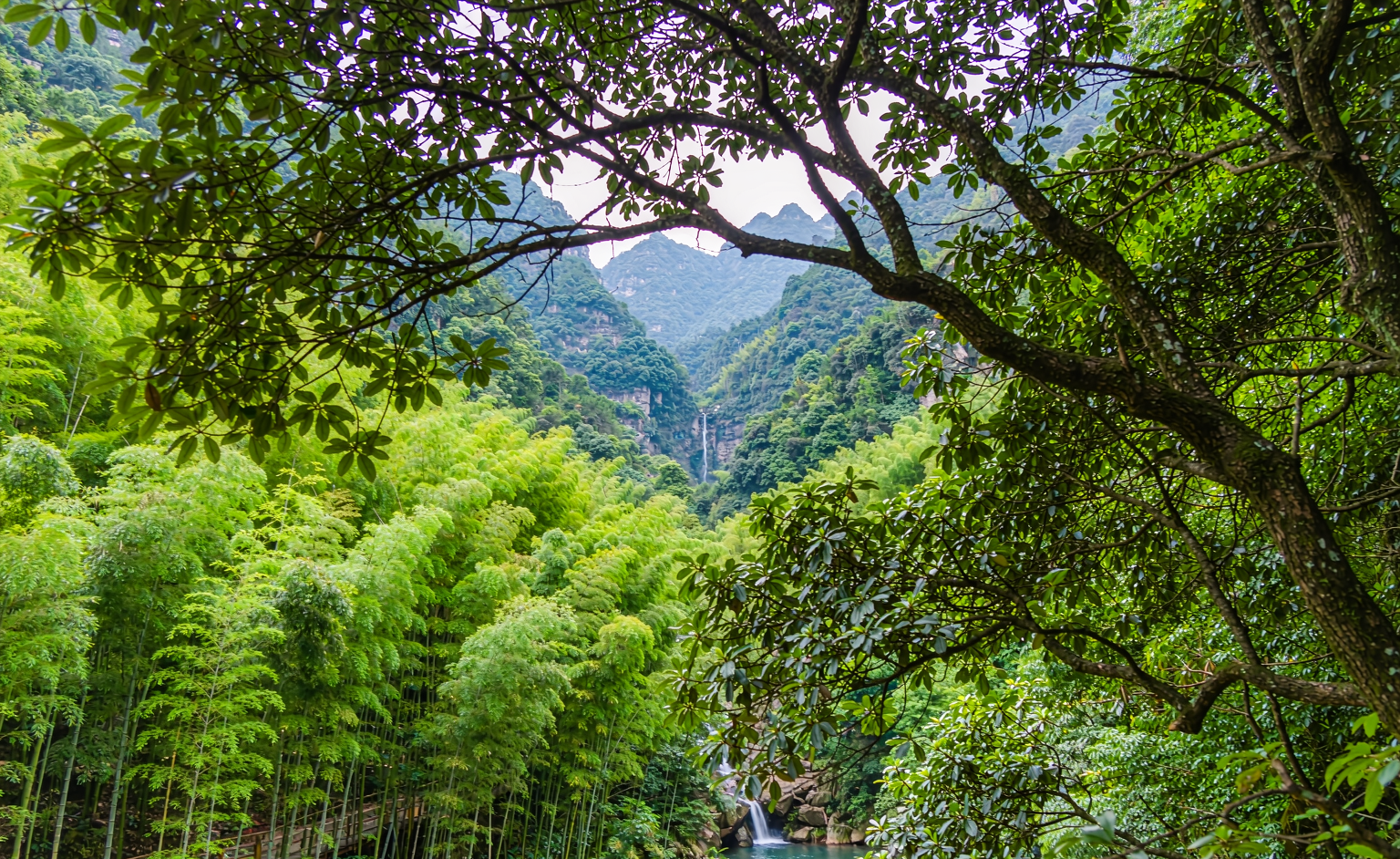
Luoyang Departure: Chongdugou Bamboo Valley and Jiguan Cave, 4 Days 3 Nights
Four slow days from Luoyang. In Chongdugou the two valleys are taken on separate days, one for waterfalls and one for bamboo, sleeping in a farmhouse inside the gorge; then Jiguan Cave, eighteen degrees all year round.