
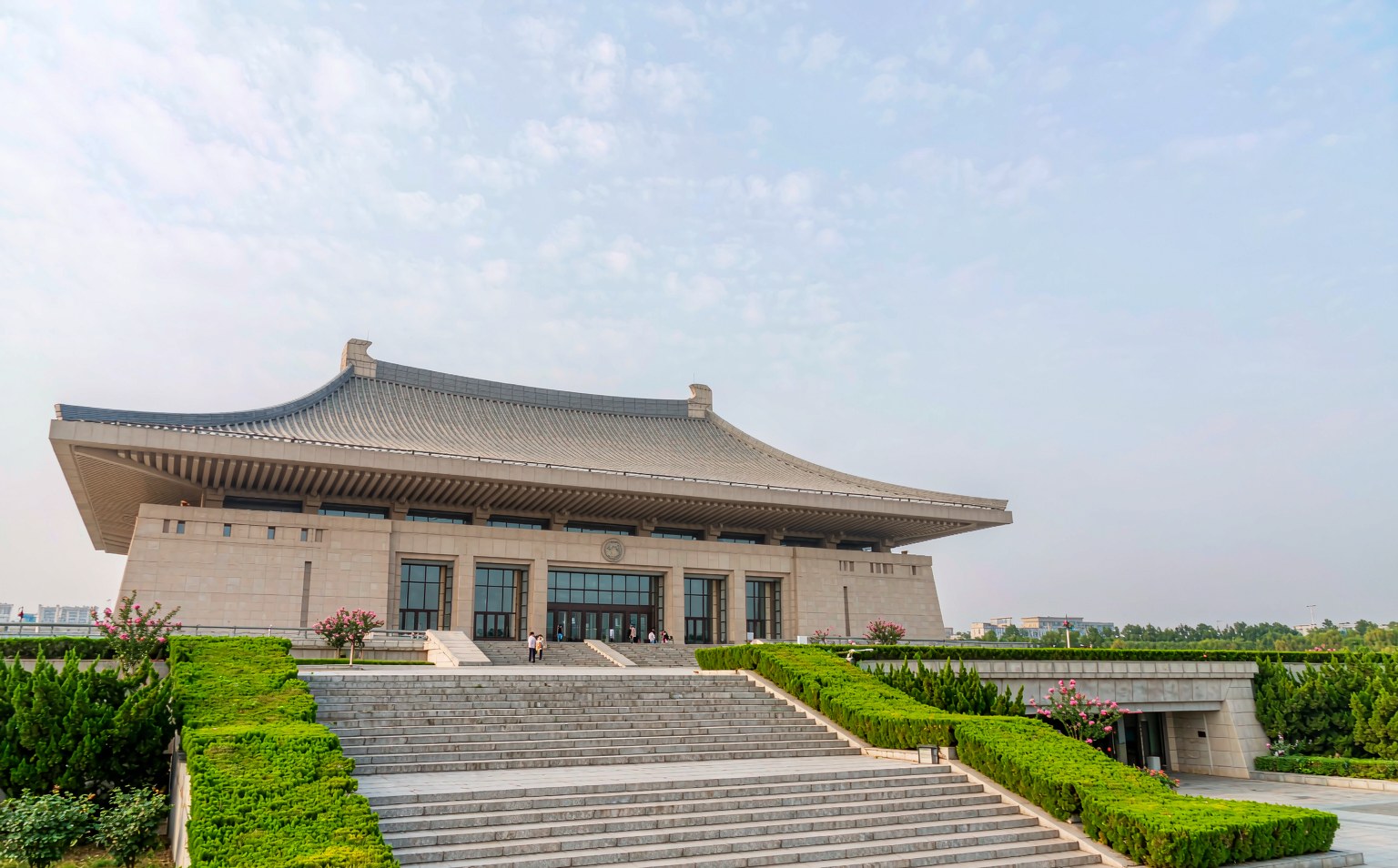
Luoyang 3-Day Tour: Sui-Tang Luoyang City & Yin Xu
Luoyang 3-day tour covering Sui-Tang Luoyang City and Yin Xu. Sightseeing tickets and shuttle bus included.
Highlights
Day 1: Sui-Tang Luoyang City
Gather in the morning and depart for Sui-Tang Luoyang City, follow the guide to visit core attractions, and allow ample time for photos and rest; Enjoy local specialties at noon, check into the hotel in the evening, and recharge for the next day's itinerary.
Attraction introduction: This stop is Sui-Tang Luoyang City. Sui-Tang Luoyang City National Heritage Park centers around Yingtian Gate, Ming Hall, and Tiantang, recreating the grandeur of the grand palaces of the flourishing Tang Dynasty's "Divine Capital"Luoyang. Yingtian Gate is the south gate of Sui-Tang Luoyang City, grand and imposing. Climbing the tower overlooks the central axis and features a stunning light show at night; Ming Hall is the "Palace of Myriad Phenomena" from Empress Wu Zetian's era, while Tiantang is a tall pagoda for worshipping Buddha. Both buildings recreate the magnificent decorations of the flourishing Tang court. Strolling along Jiuzhou Pool is also a great way to imagine the grandeur of the imperial gardens of the past. This place is closely linked to TV dramas such as "Wu Zetian" and "The Wind RisesLuoyang," making it one of the most popular Tang culture check-in spots in recent years. My understanding is that you must tour at night—when the city lights come on, the lights of Yingtian Gate and Mingtang Heaven are what the 'Divine Capital' should look like; By day, you can admire the palace decorations; at night, watch the light show—two experiences in one day.
Friendly reminder: The ancient capital's night tours offer a wide variety of activities. When traveling at night, keep warm and remember the meeting point. Visitors generally report that Sui-Tang Luoyang City is worth a special trip. It's recommended to slow down and follow the guide to listen to the explanations, saving time for the most impressive details and the best camera angles. Based on actual conditions, don't just focus on taking photos—pay attention to your steps and surroundings. Be sure to stand firmly on the viewing platform and the edges of the boardwalk.
Day 2: Yin Ruins
Gather in the morning and depart for Yin Ruins, follow the guide to visit key attractions, and allow plenty of time for photos and rest; Enjoy local specialties at noon, check into the hotel in the evening, and recharge for the next day's itinerary.
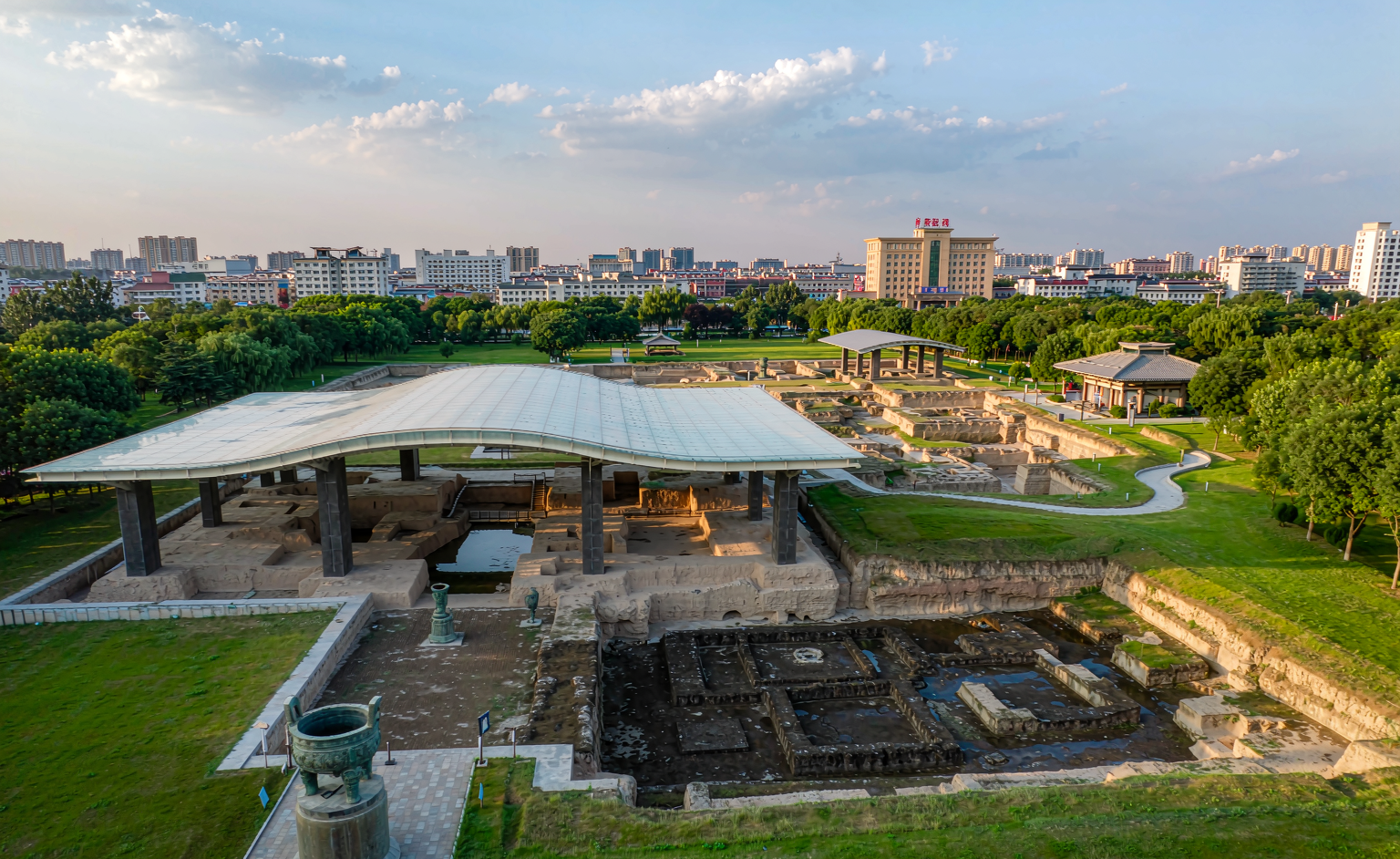
Attraction introduction: Today's itinerary includes Yin Ruins attractions. Yin Ruins is the ruins of the late Shang capital located at Anyang, the hometown of oracle bone inscriptions, and the excavation site of the Houmuwu Ding (originally called Simuwu Ding). It was listed as a World Cultural Heritage site in 2006. This was once the capital of the Shang Dynasty after Pan Geng moved to Yin, lasting over 270 years. Palace and ancestral temple ruins, royal tombs, and chariot pits are clearly visible. Oracle bone script was first discovered here, tracing China's trusted history back to the Shang dynasty; The new building of the Yin Ruins Museum systematically displays bronzes, jade, oracle bones, and other artifacts, serving as the most direct classroom for understanding Shang civilization. My understanding is that first visit palaces, ancestral temple sites, and chariot pits to establish spatial concepts, then visit museums to appreciate artifacts in detail; only when these two lines connect is it complete; Oracle bone script and bronze artifacts are the essence; walking through the explanation is far better than just skimming through.
Friendly reminder: The hiking section has many steps and steep slopes, so be sure to wear non-slip sports shoes. Those with mobility difficulties are advised to take the cable car up and down. Visitors generally report that oracle bone script and the Simuwu Ding bring history to life, and visitors say the new museum is more valuable than the open-air site; Reminders are only understood when combined with explanations. Based on actual conditions, photos should be taken early or late—the best photos are taken when there are few people in the morning, and the golden glow at dusk; the peak light at noon is cramped and flat, so it's more cost-effective to rest.
Day 3: Departure
Transfer to the station/airport per your departure, ending a pleasant journey.
Friendly tips: Pack the night before and keep ID, power bank and souvenirs together; allow extra time for the station/airport; bring your ID and stay with your guide, noting the meeting time and place. Traveler feedback — Return-day travelers remind: pack ID and souvenirs the night before; allow extra time. Practical note — Return-day tip: pack ID, power bank and souvenirs the night before; allow extra time—mountain roads are unpredictable.
Related Tours
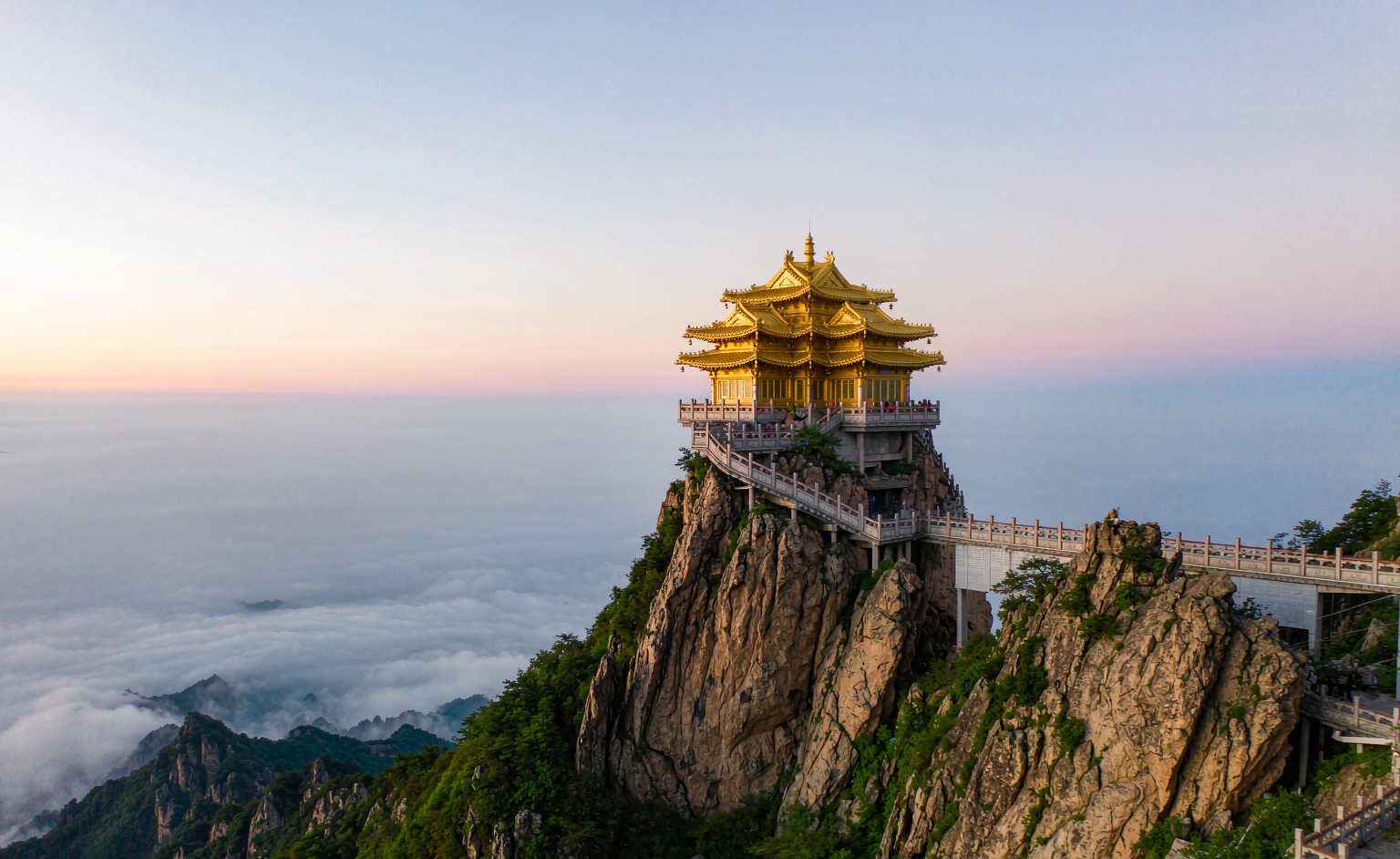
Luoyang Departure: Laojun Mountain, Jiguan Cave and Longtan Canyon, 5 Days 4 Nights
Five days from Luoyang. The Laojun Mountain ticket holds for two days, so the mountain is climbed twice: the painted rock forest first, then the summit to wait for the lamps. The second half runs west to Xinan, through a cave that stays at 18 degrees and a red gorge cut by water.
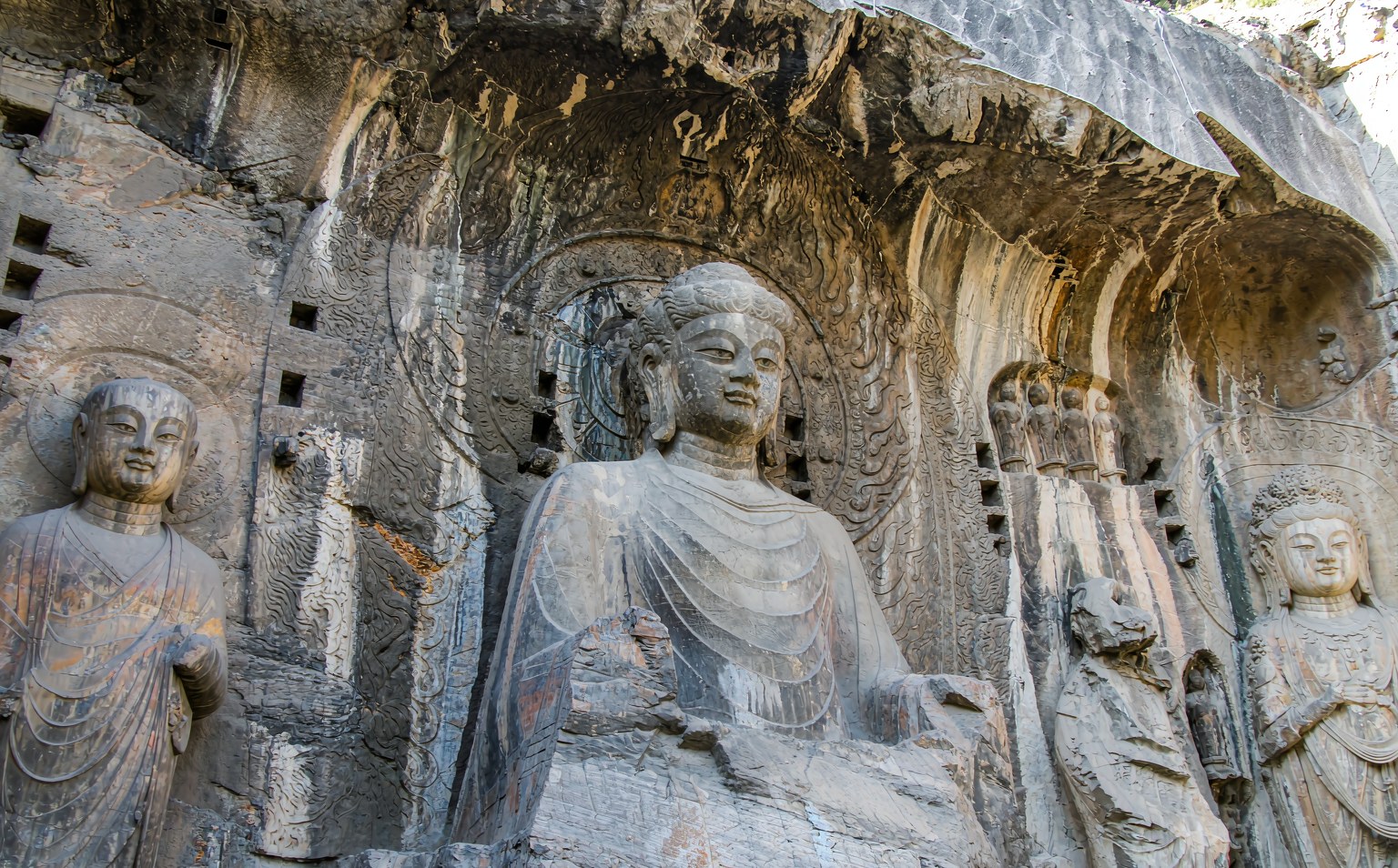
Luoyang Departure: Longmen Grottoes, White Horse Temple, Luoyang Museum and Erlitou, 3 Days 2 Nights
Three days from Luoyang, all of them about which layer of soil a thing came out of: Buddhas cut into a cliff at Longmen, a pagoda standing in a temple yard, a jade cup behind glass, and at Erlitou the rammed-earth footings of a palace that is four thousand years old.
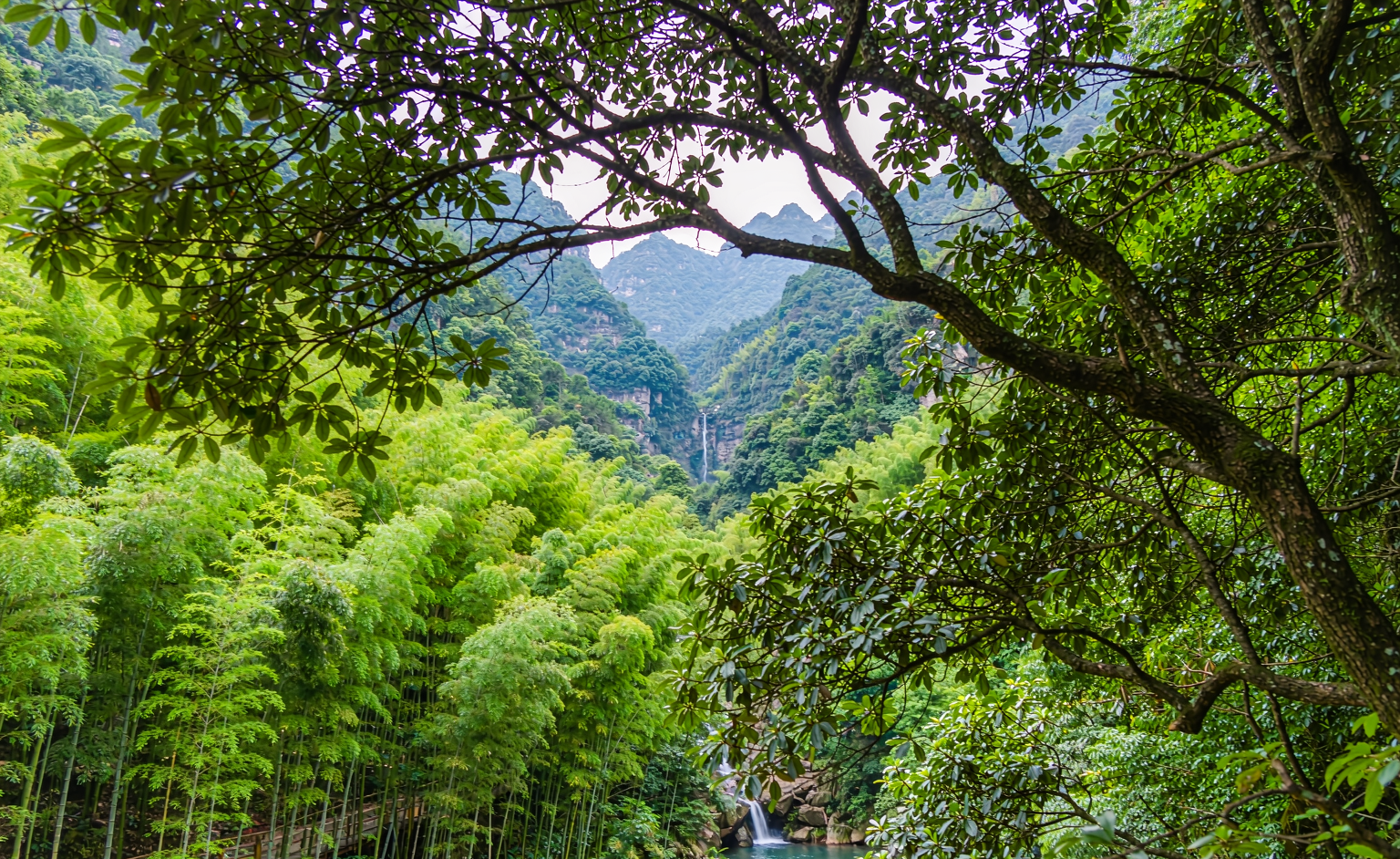
Luoyang Departure: Chongdugou Bamboo Valley and Jiguan Cave, 4 Days 3 Nights
Four slow days from Luoyang. In Chongdugou the two valleys are taken on separate days, one for waterfalls and one for bamboo, sleeping in a farmhouse inside the gorge; then Jiguan Cave, eighteen degrees all year round.
Luoyang Departure: Yin Ruins, Chinese Character Museum and Youli City, 3 Days 2 Nights
Three days from Luoyang into the Shang world: oracle bones scratched with questions, a museum that follows those marks into modern characters, and the earth platform where King Wen worked out the hexagrams.