
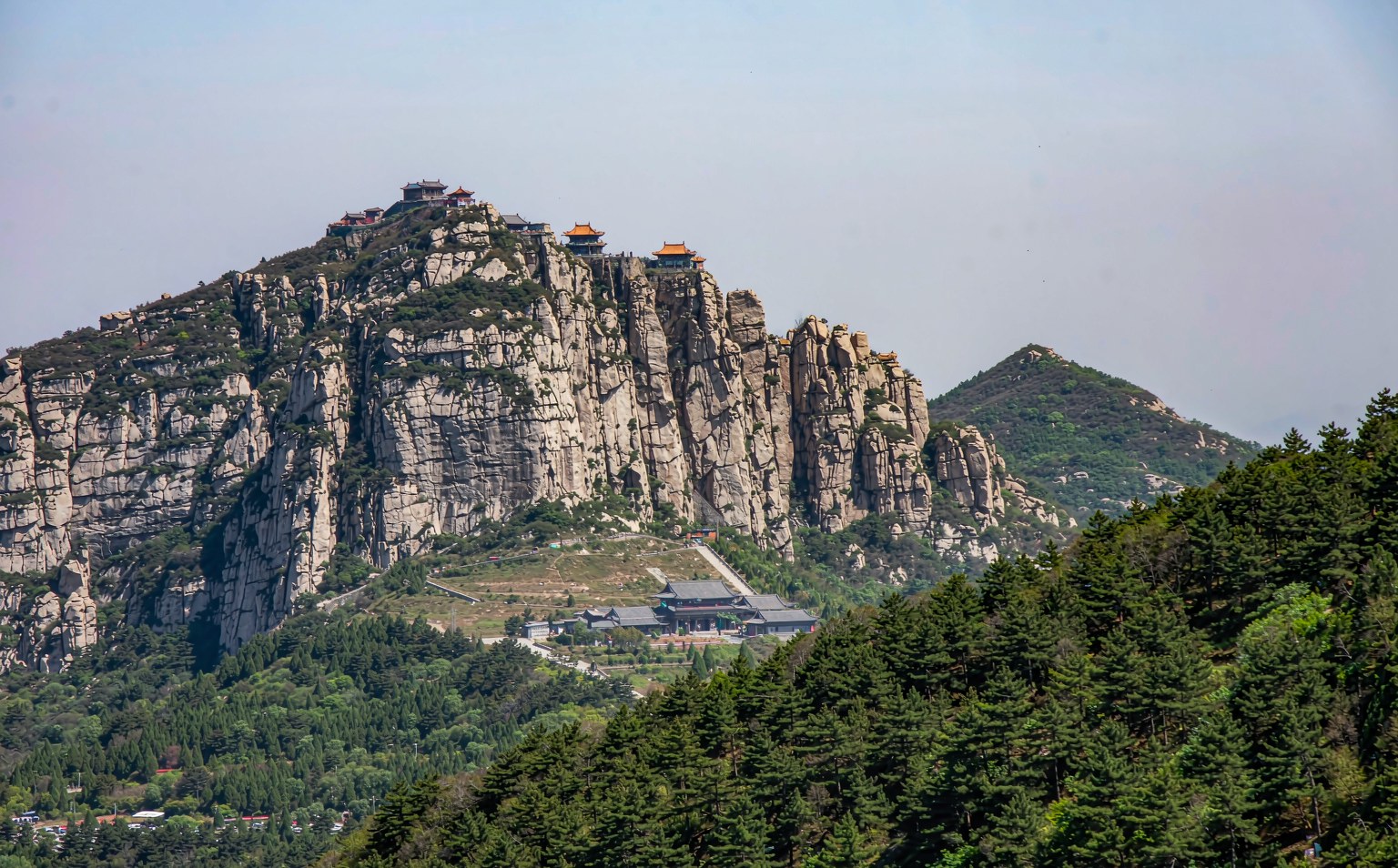
Zhengzhou 5-Day Group Tour: Songshan Mountain
Zhengzhou 5-day tour covering Songshan Mountain and Millennium City Park and Yin Xu. Sightseeing tickets and shuttle bus included.
Highlights
Day 1: Mount Song
Gather in the morning and depart for Mount Song. Follow the tour guide to visit the main attractions along the primary route, covering all the highlights, and allow sufficient time for photos and rest. At noon, enjoy a local specialty meal, then continue exploring in the afternoon. In the evening, check into the hotel to rest and prepare for the next day's itinerary.
Attraction Introduction: A major highlight of this trip is Mount Song. Mount Song is the Central Peak among the Five Great Mountains, primarily located in Dengfeng City, and consists of the Taishi and Shaoshi mountains, with the main peak, Junji Peak, reaching an elevation of approximately 1,492 meters. Its uniqueness lies in the coexistence of Confucianism, Buddhism, and Taoism on the same mountain for over a thousand years: Songyang Academy was a prominent center of Neo-Confucianism during the Song Dynasty, and the famous story of "Chengmen Lixue" happened here; Zhongyue Temple is one of the largest and best-preserved temple complexes among the Five Great Mountains; the Astronomical Observatory in Gaocheng Town, built under the supervision of Guo Shoujing in the Yuan Dynasty, is one of the oldest existing astronomical observation structures. In 2010, the "Center of Heaven and Earth" historical building complex, represented by Songyang Academy, Zhongyue Temple, Songyue Temple Pagoda, Shaolin Temple Permanent Abbey, Pagoda Forest, Chuzu Ancestral Temple, and the Astronomical Observatory, was inscribed on the World Heritage List. My understanding is that on the first day, there is no need to rush—first visit the academy and Zhongyue Temple to understand the ceremonial framework of the "Center of Heaven and Earth" and save energy for the mountain climb later; if time permits, go to the Shaoshi Mountain Sanhuang Village plank road in the evening to watch the sunset, which is the most photogenic part of the whole trip.
Warm Tips: There is a large temperature difference between morning and evening in the mountains, and the wind is strong at the summit, so a windproof jacket and warm inner layers are essential. Most tourists feedback that Mount Song is worth visiting specifically, so it's recommended to slow down, listen to the guide's explanations, and leave time for the details that move you most and the best photo spots. According to your situation, avoid impulsive shopping—if you see a "limited-time offer," take three minutes to calm down; if you really want to buy souvenirs, make sure to shop at official stores and keep receipts for peace of mind.
Day 2: Qingming Riverside Landscape Garden
Early in the morning, start with the park opening performance, then check in along Rainbow Bridge and Bian River, experiencing the Song-style market life; in the afternoon, enjoy free activities, such as visiting nearby night markets.
Attractions Introduction: One of the highlights of the itinerary is Qingming Riverside Landscape Garden. Qingming Riverside Landscape Garden is located at Kaifeng and is a Song culture-themed park built based on Zhang Zeduan's 'Along the River During the Qingming Festival' from the Northern Song Dynasty. The park faithfully recreates the Rainbow Bridge, Bian River, streets, and taverns from the painting, restoring the bustling market life of Tokyo Bianliang. There are live performances and folk parades throughout the day. The most famous is the nighttime water performance 'The Song Dynasty: Dream of Tokyo,' which recreates the grandeur of the Northern Song capital with light and shadow; during the day, visitors can watch the opening ceremony, Judge Bao welcoming guests, Master Wang's matchmaking, and other immersive folk performances. This place is also a paradise for Hanfu enthusiasts. Wearing a Song-style Hanfu while walking along Rainbow Bridge and Bian River, every photo feels like an ancient-style masterpiece. My understanding is, upon entering, first pick up the performance schedule, arrange the must-see shows and evening event times, then wander and eat freely; exploring the market during the day feels most immersive, while the night performance is an audiovisual feast, worth watching if the budget allows.
Tips: When visiting the park with children, be mindful of the risk of wandering off, set a meeting point in advance, and prepare a contact card for the child. Visitors generally feedback that exploring the market during the day is most immersive, while the night show 'The Song Dynasty: Dream of Tokyo' receives mixed reviews; note that performance tickets are relatively expensive, so choose according to your budget. In practice, keep identification and wallet separate, photograph important documents for mobile backup so that if lost, they can be quickly replaced without affecting the itinerary.
Day 3: Yin Ruins
Today's journey to trace the origins focuses on the site where oracle bones were discovered and the story of the Houmuwu Ding, complemented by museum exhibits to understand the capital city of the Shang Dynasty; in the afternoon there will be free time for additional photography, and in the evening, a rest period.
Attraction Introduction: Today's itinerary includes one attraction, which is the late Shang Dynasty capital ruins, located in Anyang. It is the birthplace of oracle bones and the site where the Houmuwu Ding (originally called Simuwu Ding) was found. In 2006, it was listed as a World Cultural Heritage site. This was once the capital after Shang King Pan Geng relocated to Yin, lasting over two hundred and seventy years. The remains of palaces and ancestral temples, royal tomb area, and chariot and horse pits are clearly visible. Oracle bones were first discovered here, pushing the recorded history of China back to the Shang Dynasty. The new museum at the site systematically displays bronze, jade, and oracle bone artifacts, providing the most direct classroom for understanding Shang civilization. My understanding is that it's best to first visit the palace and ancestral temple ruins and the chariot and horse pits to establish a sense of space, and then go into the museum to carefully examine the artifacts—linking these two lines gives a complete picture. Oracle bones and large bronze vessels are the highlights, and following the guided explanation is much more valuable than just a cursory glance.
Tips: The mountain path has many steps and steep slopes, so be sure to wear non-slip sports shoes. Those with limited mobility are advised to use the cable car. Visitors generally feel that the oracle bones and the Simuwu Ding bring history to life, and many say the new museum is even more worthwhile than the open-air ruins. Note that it is easier to understand with a guide. In practice, carry some small change and small packaged snacks, which can be useful for areas with poor signal or temporary needs—don't wait until you are hungry to find them.
Related Tours
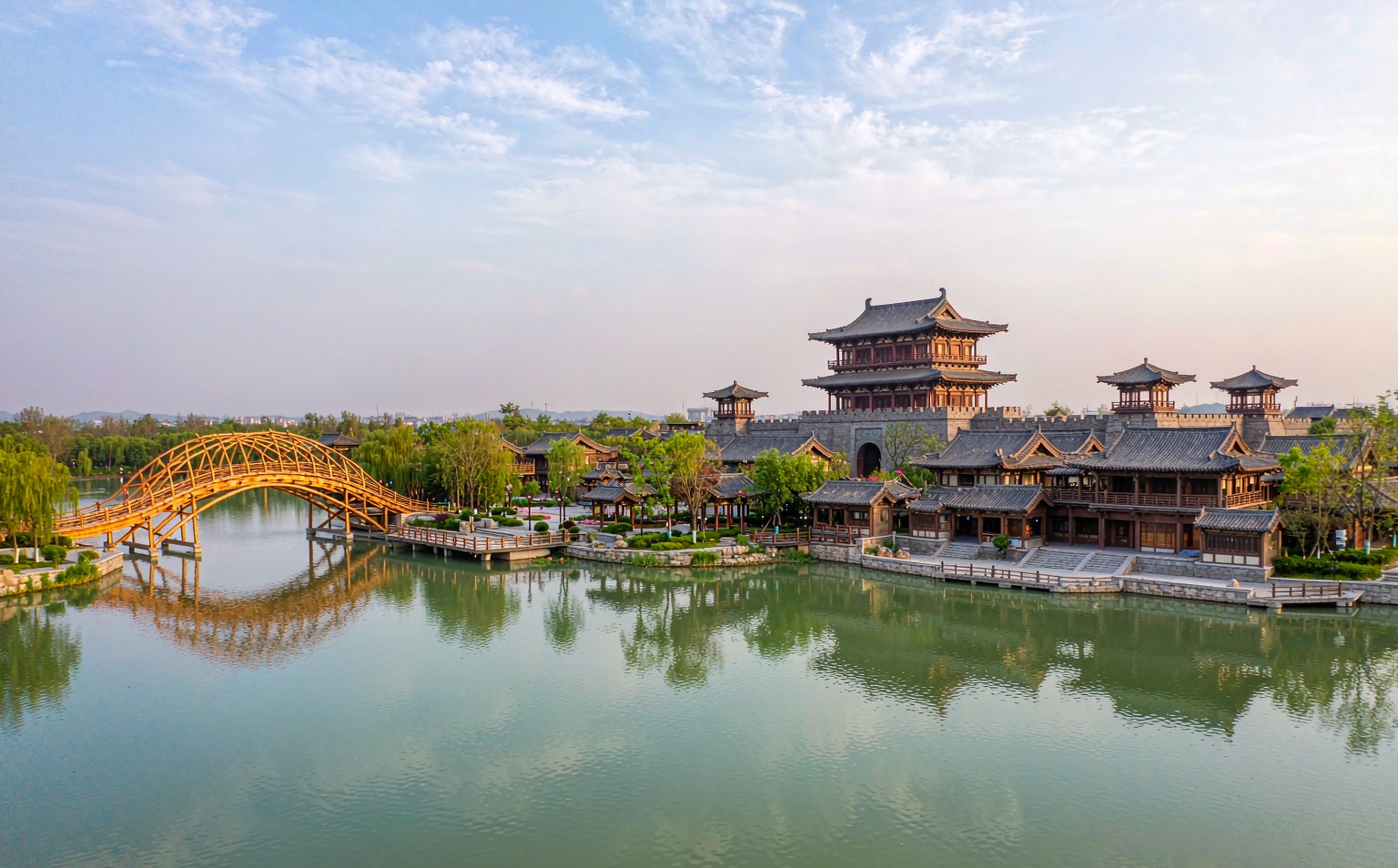
Luoyang Departure: Qingming Garden, Kaifeng, 4 Days 3 Nights
Four days inside Kaifeng. The Qingming garden gets a whole day, one ticket running from nine in the morning until ten at night; the prefecture office stages the cases of Judge Bao; Yuwangtai is free, 420 acres around a very old terrace.
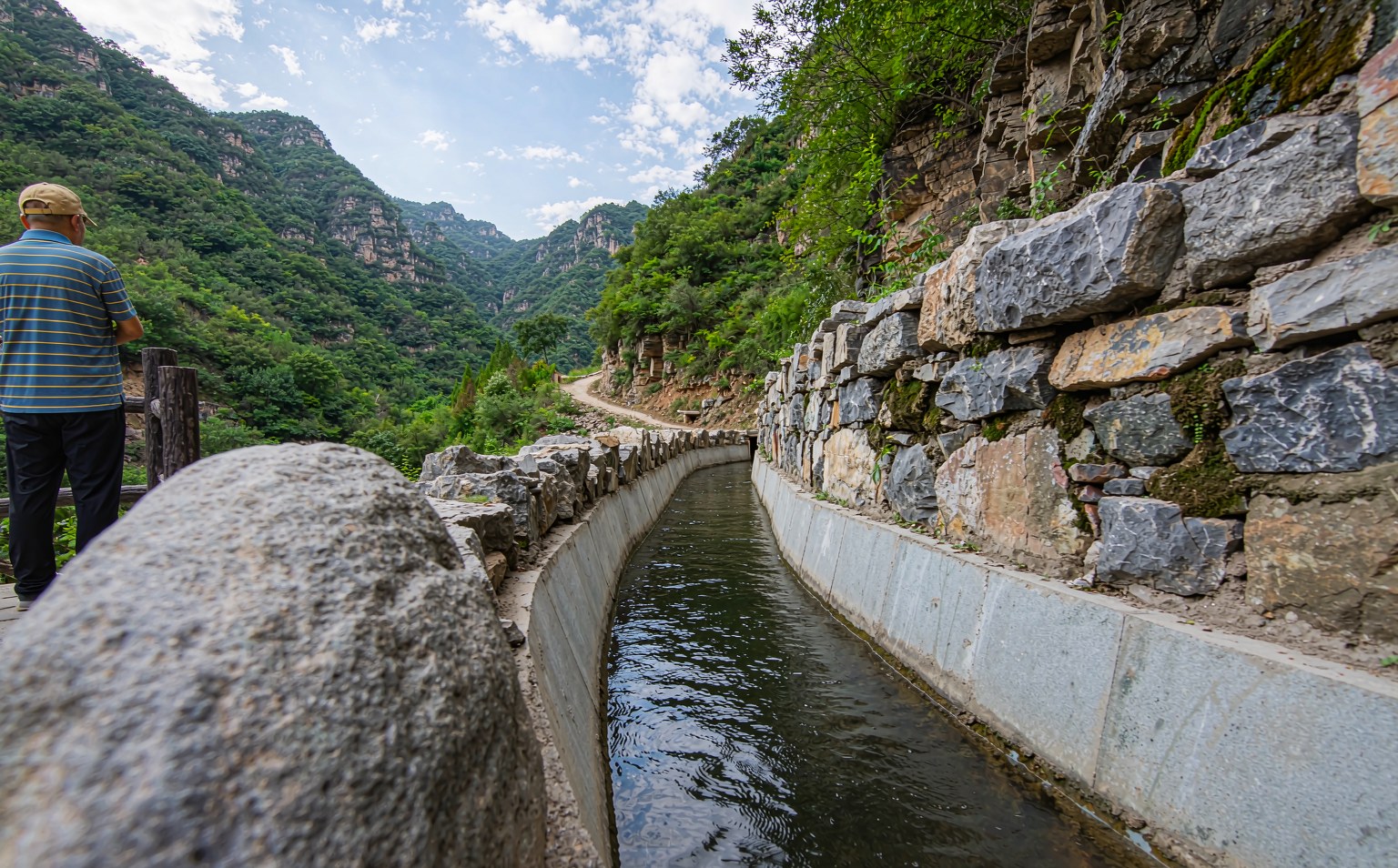
Luoyang Departure: Red Flag Canal, 6 Days 5 Nights
Six days on the eastern flank of the Taihang range. The Red Flag Canal takes two, with the memorial hall and Qingnian Tunnel twenty-five kilometres apart; Taohua Valley and Wangxiang Rock get a day each; the ridge road comes last.
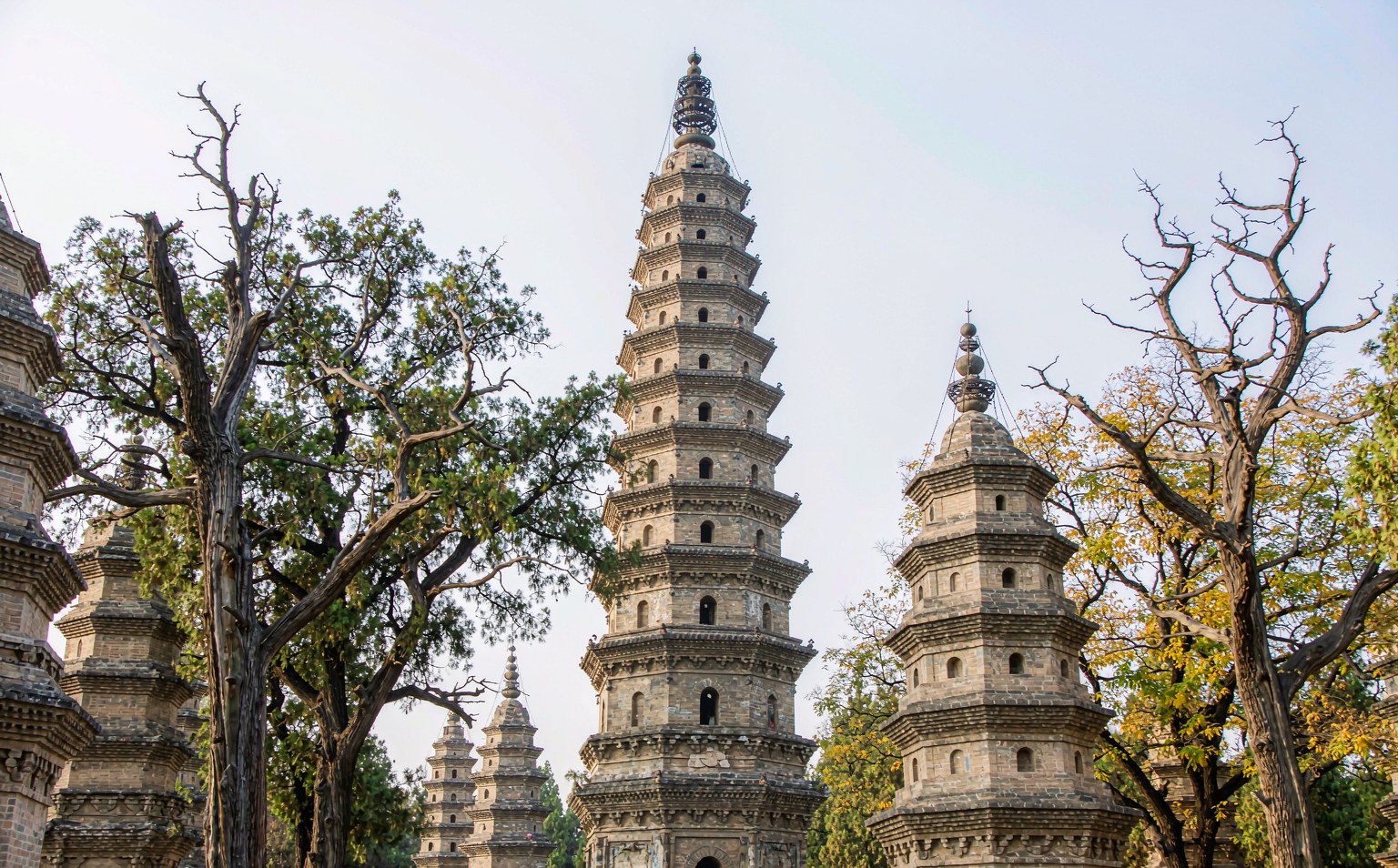
Luoyang 3-Day Tour: Shaolin Temple & Songyang Academy
Three days across the three teachings of Mount Song. Shaolin for Chan Buddhism, Songyang Academy for the Confucian tradition, Zhongyue Temple for Daoism, and on the last.
Luoyang 3-Day Tour: Millennium City Park & Iron Pagoda
Three days from Luoyang, timed for the last fortnight of the chrysanthemum festival, when pots stand on every corner and Longting holds the main display.