
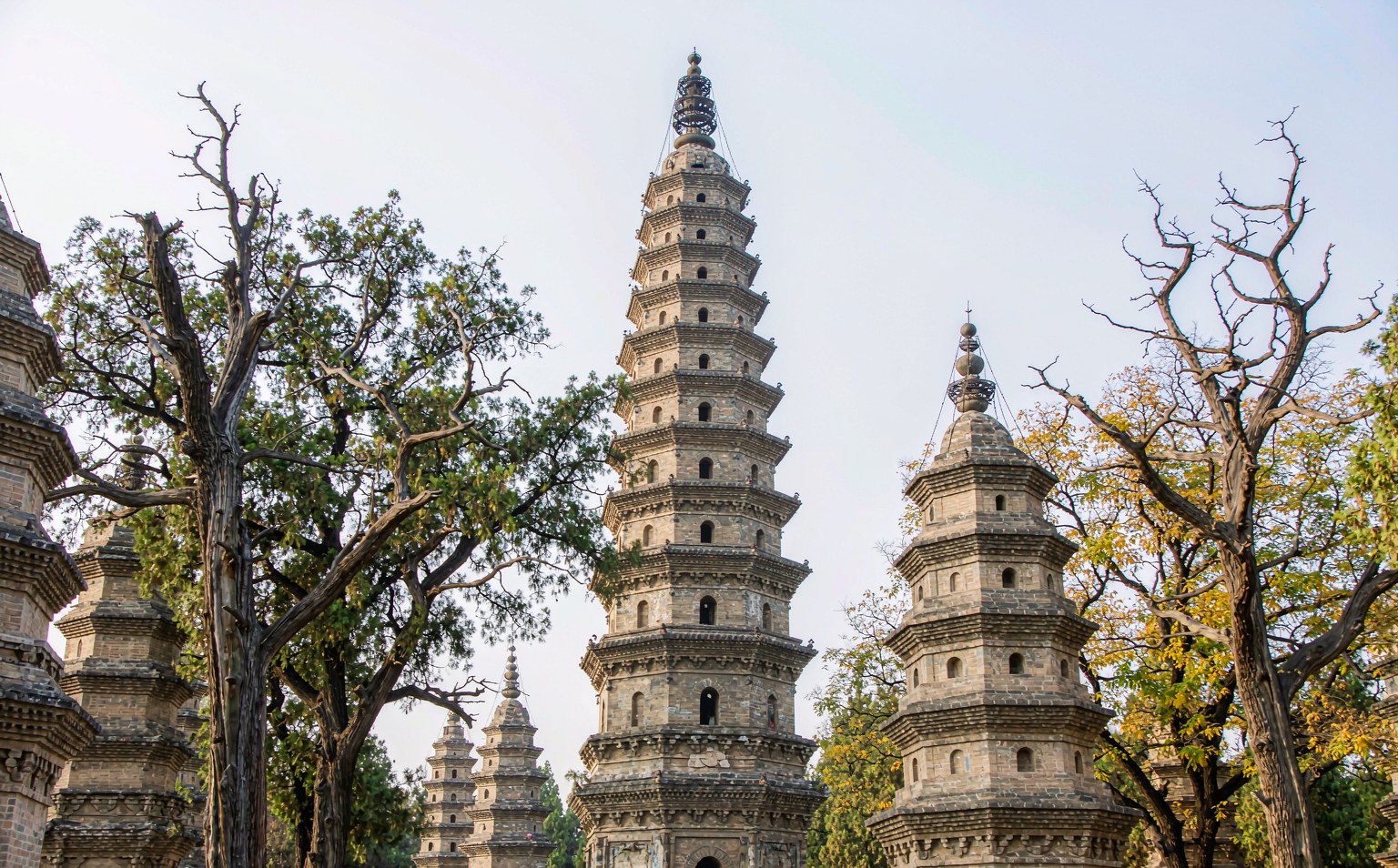
Luoyang Departure: Shaolin Temple, Songyang Academy, Zhongyue Temple and Gaocheng Observatory, 3 Days 2 Nights
Three days across the three teachings of Mount Song. Shaolin for Chan Buddhism, Songyang Academy for the Confucian tradition, Zhongyue Temple for Daoism, and on the last morning a ride out to Gaocheng for a Yuan dynasty observatory that most visitors to Dengfeng never reach.
Highlights
Day 1: Luoyang to Dengfeng, the academy and the temple first
Leave Luoyang in the morning and the Zhengzhou Shaolin Luoyang expressway puts Dengfeng an hour and a half away. Shaolin can wait: drop the bags in the city, eat lunch, then walk up Taishi Road. Songyang Academy sits on the north side behind a sloping approach, where two ancient cypresses take up most of the courtyard between them. Three kilometres east stands Zhongyue Temple, its halls stepping back one after another along the axis. Dinner back in town is fried starch jelly from the night street.
Attraction introduction: Songyang Academy lies on the southern slope of Mount Song and hosted the Cheng brothers in the Song dynasty, when it ranked among the four great academies. A Tang stele and two Han era cypresses remain in the yard, the trunks so thick that four or five people together cannot circle one. Zhongyue Temple honours the god of the central sacred mountain, laid out over seven successive courtyards, with cast iron figures and old cypresses surviving together.
Tips: Both sites are about buildings and inscriptions, and the interiors stay dim. Guests generally find the courtyards emptiest between three and five in the afternoon. In practice a local guide walks with the group here, because without someone reading the steles aloud the whole visit collapses into twenty minutes of looking at roofs.
Day 2: A full day at Shaolin, temple in the morning, cliff in the afternoon
Into the scenic area at eight, starting with the main temple compound. Heavenly King Hall, Mahavira Hall, the sutra library and the abbot quarters follow one behind another, stone steps worn smooth by centuries of feet. The pagoda forest comes next, more than two hundred brick and stone towers of different heights standing in a cluster, with morning light cutting between them. Vegetarian lunch inside the area, then the cable car up to Sanhuangzhai for a stretch of walkway pinned to the cliff face before returning the same way.
Attraction introduction: Shaolin was founded in the Northern Wei Taihe years and is the ancestral temple of Chan Buddhism as well as the home of Shaolin boxing. The pagoda forest holds the tombs of successive abbots and eminent monks, square, hexagonal and octagonal in plan, from one storey to seven, each inscription recording a date and a name. Sanhuangzhai clings to the south west flank of Shaoshi Mountain, its walkway outside the rock with several hundred metres of valley below.
Tips: One ticket covers all four parts of the Shaolin area, Sanhuangzhai included, so nothing extra is needed at the gate. Guests generally find the temple quieter before ten, when most coach groups have still not arrived. In practice the temple and pagoda forest fill eight until eleven, the cable car goes up before two, and the descent is finished well before the last ride down.
Day 3: Gaocheng observatory, then the road home
The last morning goes twelve kilometres south east to Gaocheng town. The observatory sits in an unremarkable yard: the Duke of Zhou shadow gauge comes first, a stone pillar whose noon shadow falls across the graduated slab at its foot, and only behind it rises the tall Yuan platform, its sides tapering inward with a beam laid across the top. Almost nobody else is there, and the wind through the cypresses is the loudest thing in the yard. Lunch back in Dengfeng, then the drive to Luoyang.
Attraction introduction: The Gaocheng observatory was built in the Zhiyuan era of the Yuan dynasty for Guo Shoujing and his colleagues while they revised the calendar. The platform stands about twelve metres high with a slot cut down its northern face, a stone scale laid in the channel below, so that the length of the noon shadow fixed the solstices. The adjacent Duke of Zhou gauge was re erected in the Tang on an older site.
Tips: There are no shops here and no interpretation beyond the panels, so half an hour covers it. Guests generally find the place means little without knowing how the shadow was read, and it turns into a single brick platform. In practice the coach briefing explains the gauge and the slot beforehand, and arrival is timed near noon, when the shadow is at its shortest and cleanest.
Related Tours
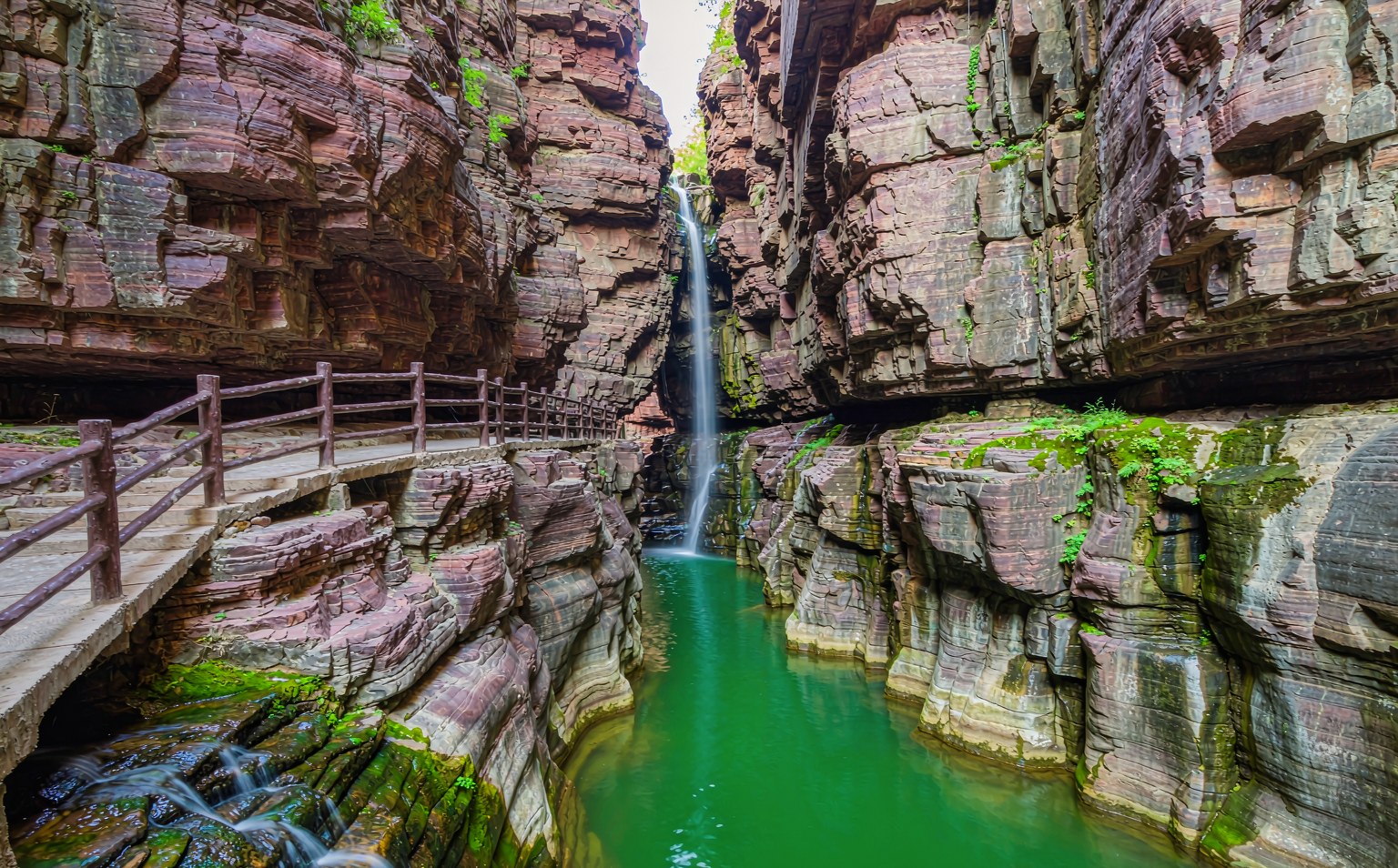
Luoyang Departure: Yuntai Mountain, Red Stone Gorge and Macaque Valley, 5 Days 4 Nights
The Yuntai Mountain ticket and the shuttle pass run for three days together, and this route uses all three, one gorge per day. November still pays the high season rate, which only drops on the first of December, so the crowds have thinned while the price has not moved yet.
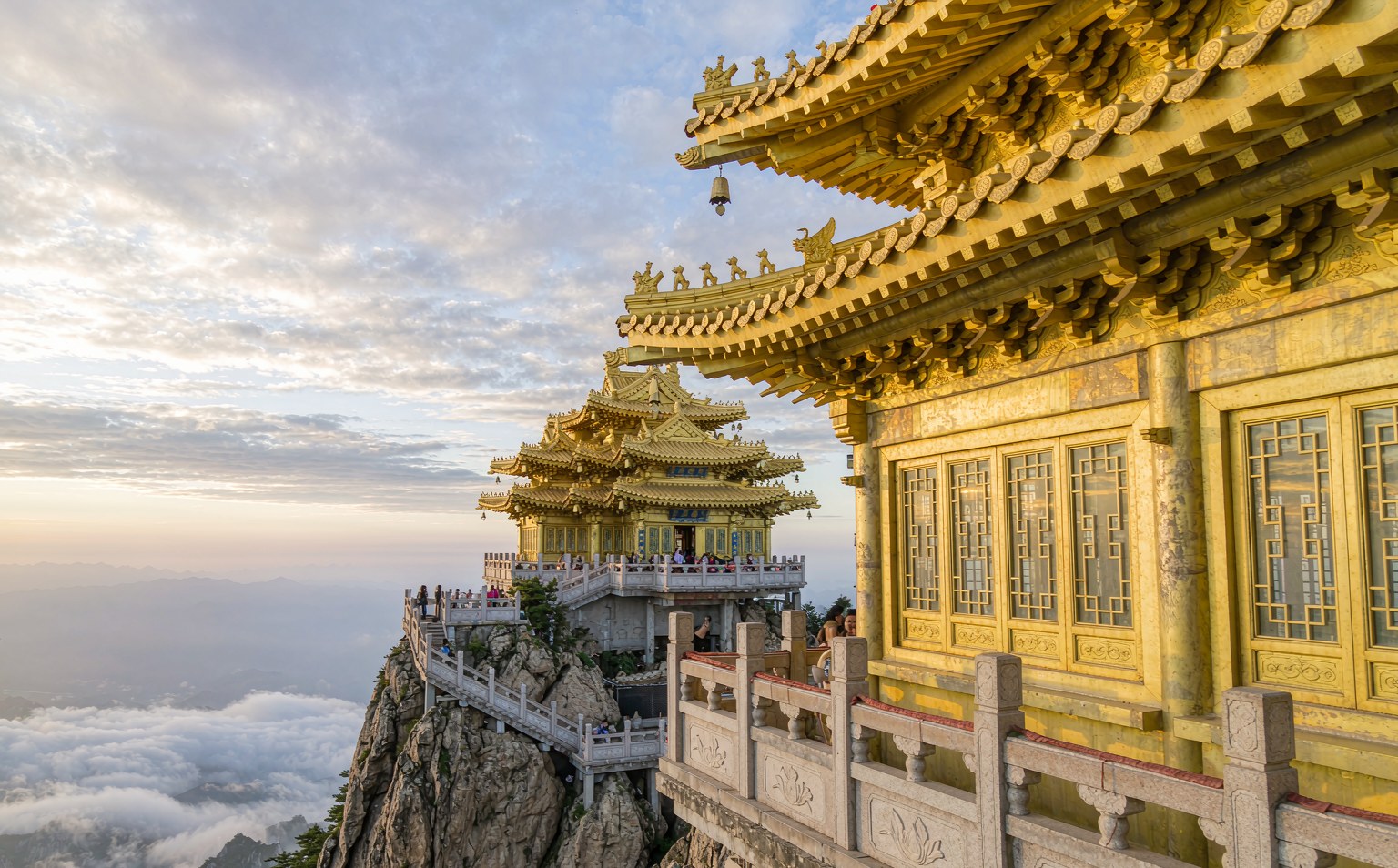
Luoyang Departure: Laojun Mountain, Chongdugou and Jiguan Cave, 4 Days 3 Nights
The Laojun Mountain ticket holds for two days, so this route splits the climb in half: the cliff walkway on the first afternoon, the summit and its cloud early the next morning. Between them, a bamboo valley and a limestone cave that sits at eighteen degrees when the mountain air turns cold.
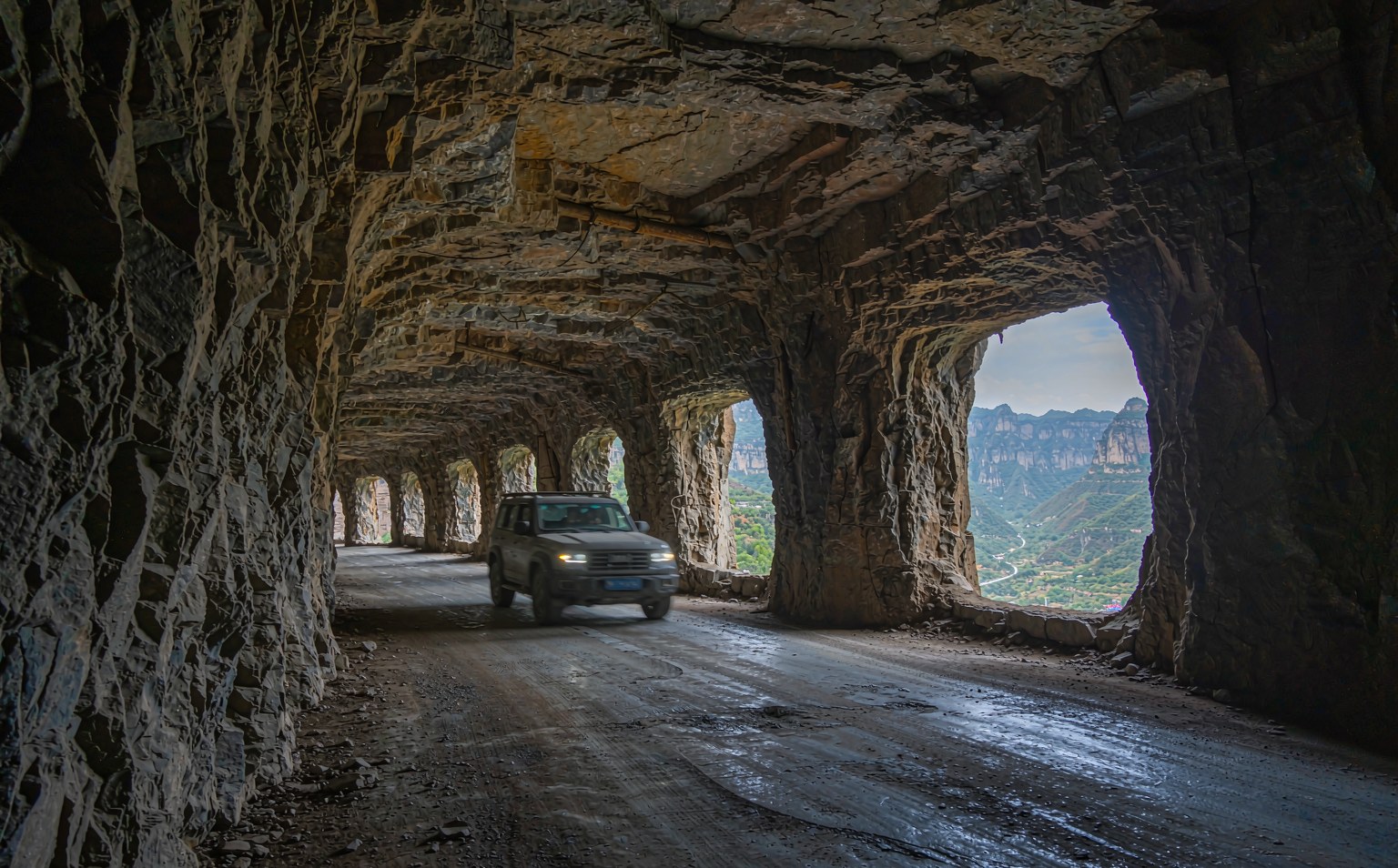
Luoyang Departure: Wanxian Mountain, Guoliang Village and Baligou, 5 Days 4 Nights
Five days in the southern Taihang range, walking all three valleys of Wanxian Mountain and then the water at Baligou. The Guoliang tunnel runs 1,250 metres along the cliff with thirty five windows cut through its outer wall, so the valley flashes past the whole way in.
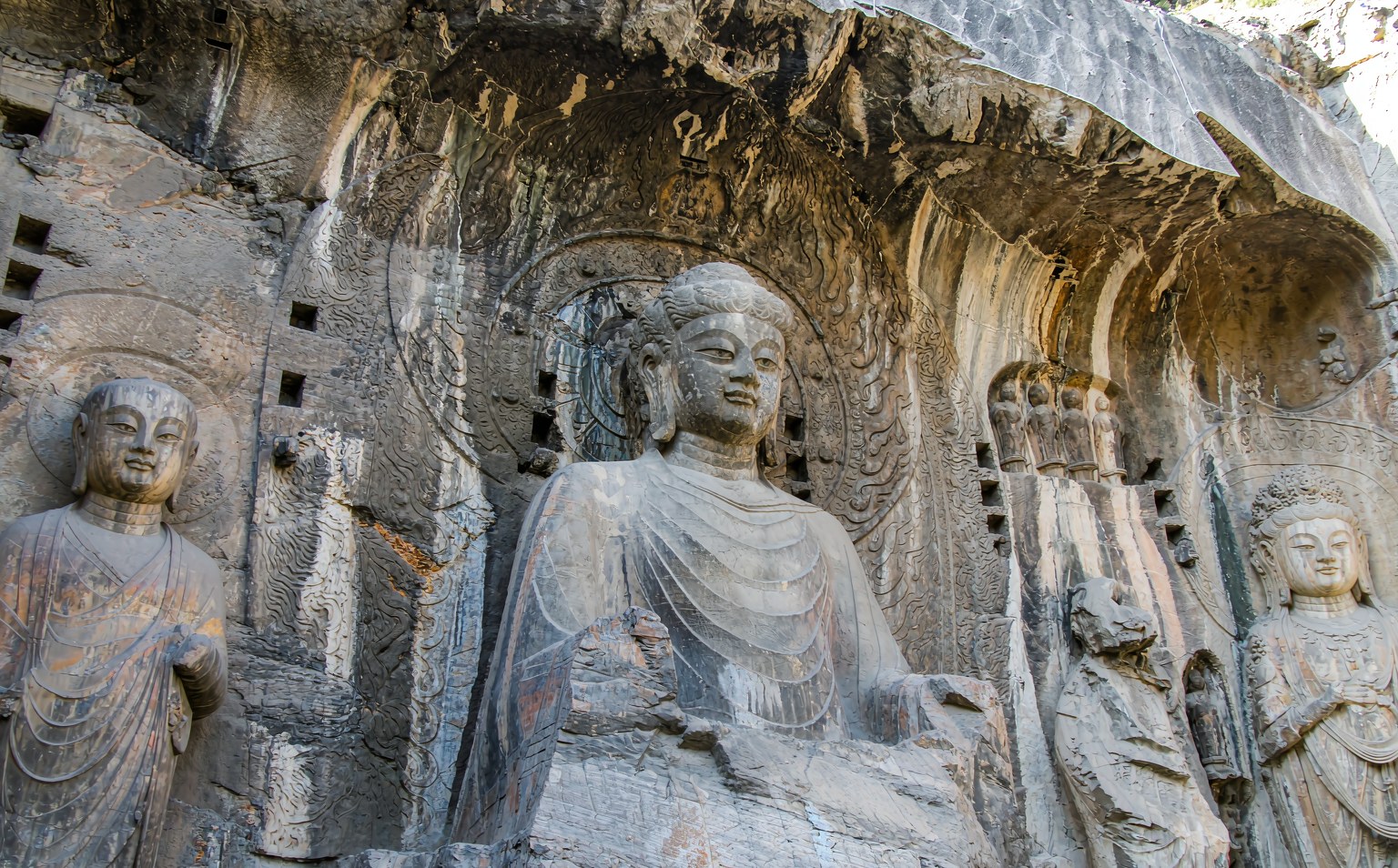
Luoyang Departure: Longmen Grottoes, Erlitou and Luoyi Old Town, 4 Days 3 Nights
Four days spent inside Luoyang itself. Longmen in the afternoon, when the low sun reaches the face of the Vairocana Buddha; Erlitou the next morning, a Bronze Age capital older than the Shang; and Luoyi Old Town after dark, where the hanfu shops by the west gate stay open past nine.