
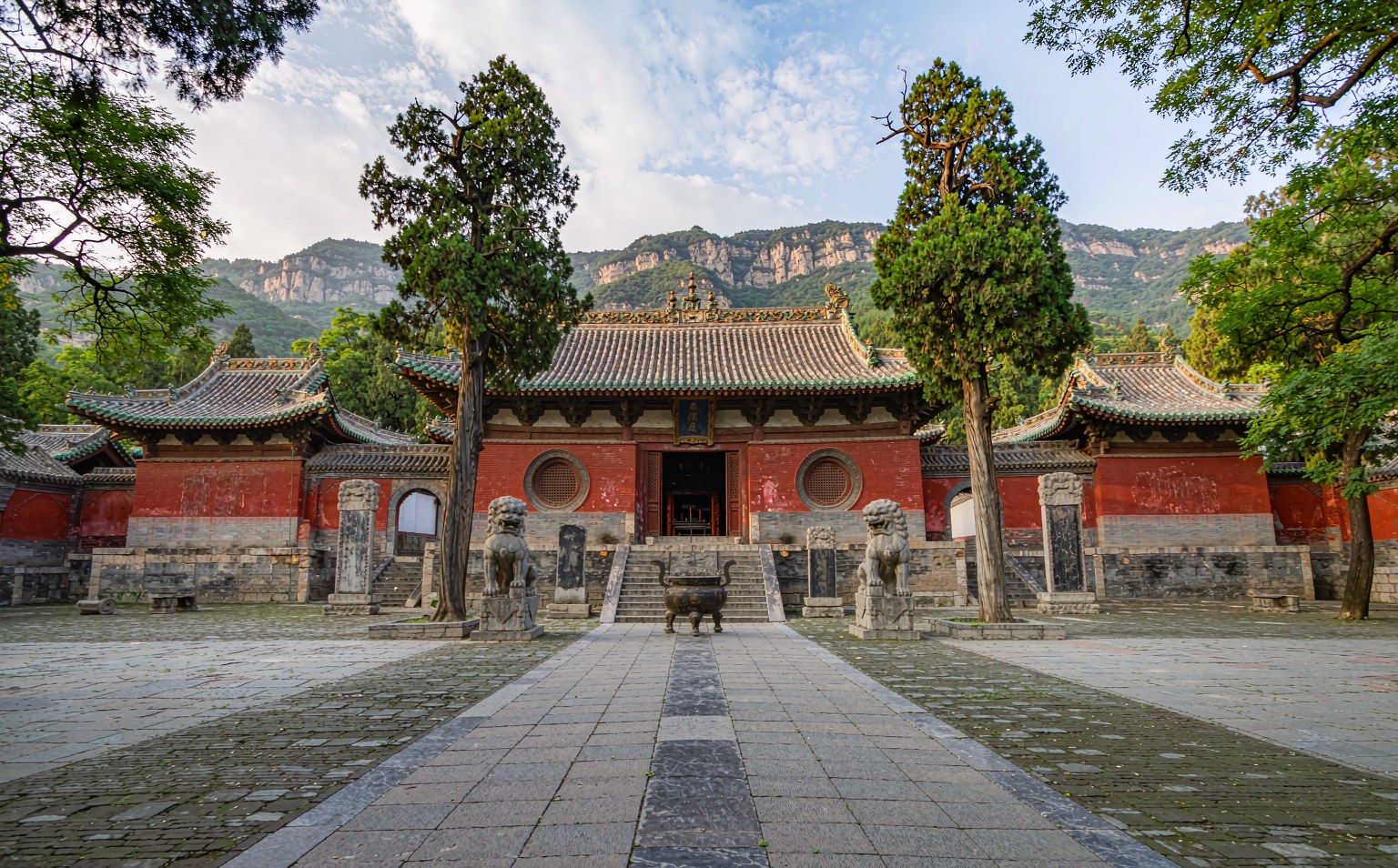
Anyang 7-Day Tour: White Horse Temple & Jiguan Cave
Anyang 7-day tour covering White Horse Temple and Jiguan Cave and Sui-Tang Luoyang City. Sightseeing tickets and shuttle bus included.
Highlights
Day 1: White Horse Temple
Today's Buddhist pilgrimage journey involved following the guide from Qiyun Tower to the Sutra Library, listening along the way, and understanding the 2,000-year-long incense offerings of China's first ancient temple; in the afternoon, we strolled around the temple, and rested in the evening.
Scenic Spot Introduction: A highlight arranged in the itinerary is White Horse Temple. White Horse Temple is located in the eastern part of Luoyang city, originally built during the Yongping years of the Eastern Han Dynasty to commemorate the White Horse carrying scriptures and the initial transmission of Buddhism to central China. It is revered as 'China's first ancient temple' and is the first state-established temple built after Buddhism entered China. Within the temple, Qiyun Tower Courtyard, Great Buddha Hall, and Heavenly King Hall are laid out along the central axis, with incense offerings continuing for more than two thousand years among the red walls and green cypresses. Notably, the temple also has exotically styled halls donated by countries like Myanmar, Thailand, and India, presenting a unique landscape of the eastward spread and return flow of Buddhist culture. My understanding is that one should first see the main halls along the central axis upon entering, then go around to the Qiyun Tower Courtyard, and finally visit the exotic halls on the sides to experience cultural integration; visiting in the early morning when there are fewer people is best, as the morning light on the red walls and ancient cypresses is most picturesque, and it also helps avoid peak tour group crowds.
Tips: Please maintain quietness and dress neatly when entering the temple. Generally, photography is not allowed inside the halls, and the ritual instruments should not be touched; contributions can be made voluntarily. Visitors generally report that the foreign-style halls (Thai/Myanmar/Indian Courtyards) are highly photogenic and feel more spacious than expected; note that the international temple area requires quite a bit of walking, so save some energy. Practically speaking, for authentic food, go deeper into the alleys, as queues at the main gate are long and the taste is average. Always compare prices before buying local specialties, as local supermarkets often offer more genuine products.
Day 2: Jiguan Cave
Morning tour: Enter the Karst cave to see the diverse formations of stalactites; have lunch nearby at noon, and in the afternoon you can optionally visit Longtan Grand Canyon, with one cave and one gorge complementing each other, then return in the evening.
Attraction introduction: Today's itinerary includes Jiguan Cave attraction. Jiguan Cave is a Karst cave in Luanchuan. Inside the cave, the stalactites come in all shapes and forms. Stalagmites, stone pillars, and stone flowers transform into dazzling colors under the lights. The cave maintains a constant pleasant temperature year-round, warm in winter and cool in summer. The attractions inside are closely packed, constantly changing as you move, and with the guide's explanation, you can understand the incredible workmanship of billions of years of geological evolution. Together with Longtan Grand Canyon, one cave and one gorge complement each other, forming a classic geological wonder route in western Henan. In my understanding, when entering the cave, remember to follow the explanation. The formation and naming of stalactites are very interesting, and it’s easy to miss highlights if you look on your own. The cave floor is slippery, and some areas are low, so wear anti-slip shoes and watch your head.
Tips: There is a large temperature difference in the mountains between morning and evening, and the mountaintop wind is strong. A windproof jacket and warm inner layers are necessary. Tourists generally feedback that most of them consider Jiguan Cave worth visiting specifically. It is recommended to slow the pace, listen to the guide’s explanations, and leave time for the details that move you the most and the best photo spots. Considering your own condition, allocate your energy with some reserve: tackle the main highlights in the morning when you are energetic, slow down in the afternoon, and don’t exhaust yourself on the first day, or you will have no energy the following days.
Day 3: Sui-Tang Luoyang City
Early in the morning, head straight from the hotel to Sui-Tang Luoyang City, first listen to the guide explain the background and highlights, then enjoy a leisurely tour and take additional camera photos based on your interests; After lunch, take a short rest, then return to the hotel in the evening to recharge for the next day.
Attraction introduction: This stop is Sui-Tang Luoyang City. Sui-Tang Luoyang City National Heritage Park centers around Yingtian Gate, Ming Hall, and Tiantang, recreating the grandeur of the grand palaces of the flourishing Tang Dynasty's "Divine Capital"Luoyang. Yingtian Gate is the south gate of Sui-Tang Luoyang City, grand and imposing. Climbing the tower overlooks the central axis and features a stunning light show at night; Ming Hall is the "Palace of Myriad Phenomena" from Empress Wu Zetian's era, while Tiantang is a tall pagoda for worshipping Buddha. Both buildings recreate the magnificent decorations of the flourishing Tang court. Strolling along Jiuzhou Pool is also a great way to imagine the grandeur of the imperial gardens of the past. This place is closely linked to TV dramas such as "Wu Zetian" and "The Wind RisesLuoyang," making it one of the most popular Tang culture check-in spots in recent years. My understanding is that you must tour at night—when the city lights come on, the lights of Yingtian Gate and Mingtang Heaven are what the 'Divine Capital' should look like; By day, you can admire the palace decorations; at night, watch the light show—two experiences in one day.
Friendly reminder: There are many options for night tours in the ancient capital. When traveling at night, keep warm and remember the meeting point. Visitors generally report that most think Sui-Tang Luoyang City is worth a special trip. It's recommended to slow down and follow the guide to listen to the explanation, saving time for the most moving details and the best camera angles. Considering the actual situation, respect local customs, dress appropriately when visiting religious sites, and don't give random advice. A simple greeting can be met with goodwill.
Related Tours
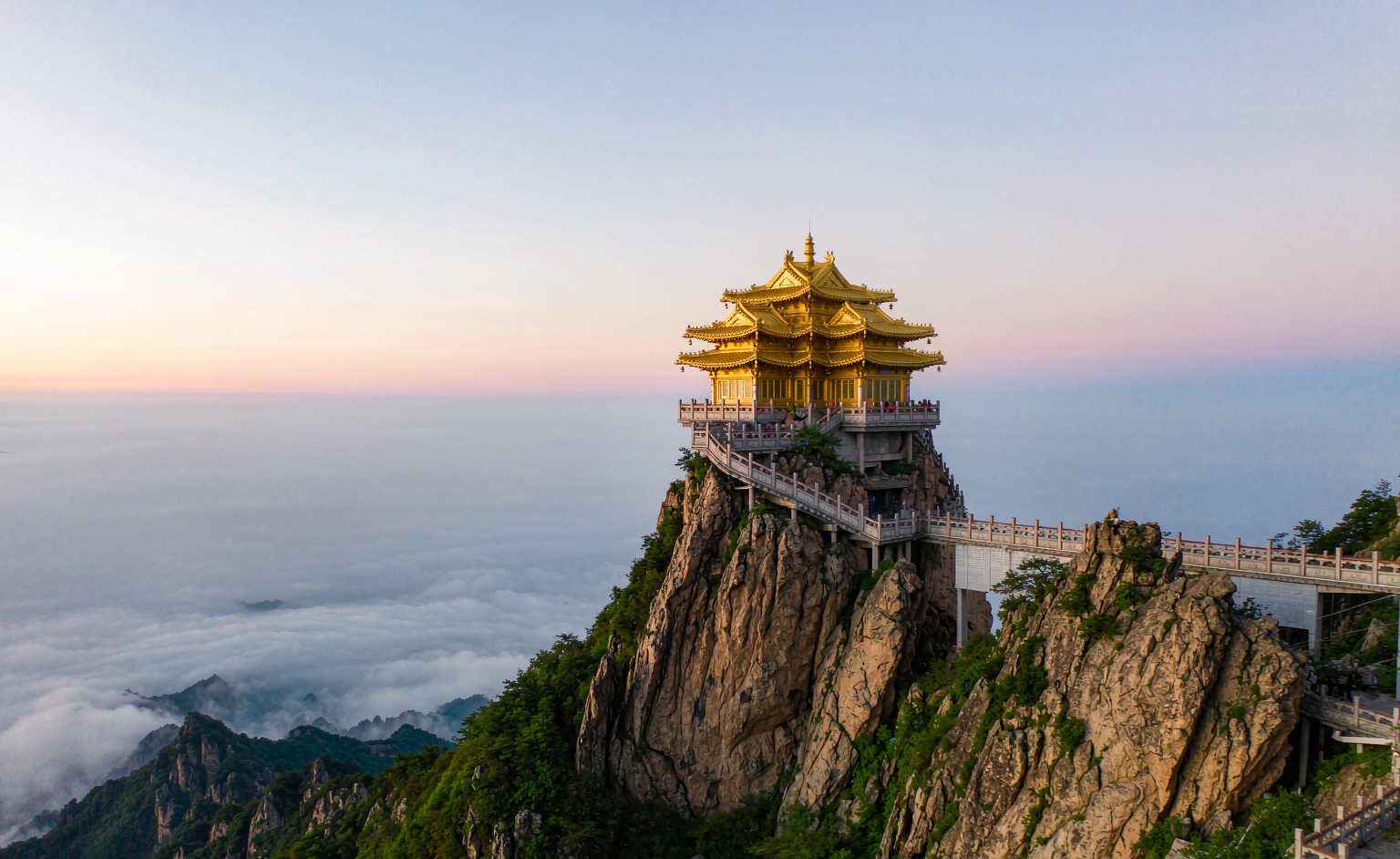
Luoyang Departure: Laojun Mountain, Jiguan Cave and Longtan Canyon, 5 Days 4 Nights
Five days from Luoyang. The Laojun Mountain ticket holds for two days, so the mountain is climbed twice: the painted rock forest first, then the summit to wait for the lamps. The second half runs west to Xinan, through a cave that stays at 18 degrees and a red gorge cut by water.
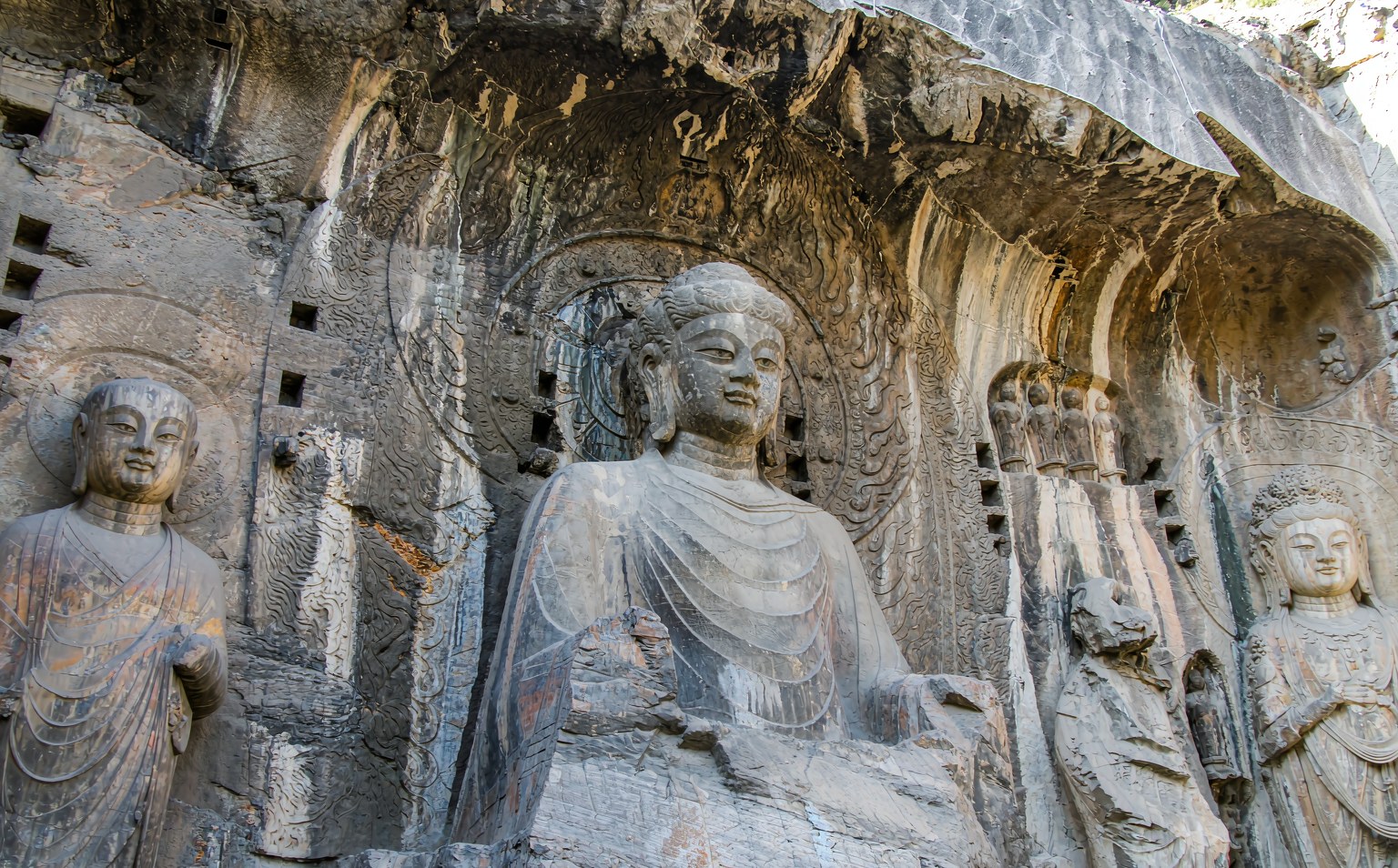
Luoyang Departure: Longmen Grottoes, White Horse Temple, Luoyang Museum and Erlitou, 3 Days 2 Nights
Three days from Luoyang, all of them about which layer of soil a thing came out of: Buddhas cut into a cliff at Longmen, a pagoda standing in a temple yard, a jade cup behind glass, and at Erlitou the rammed-earth footings of a palace that is four thousand years old.
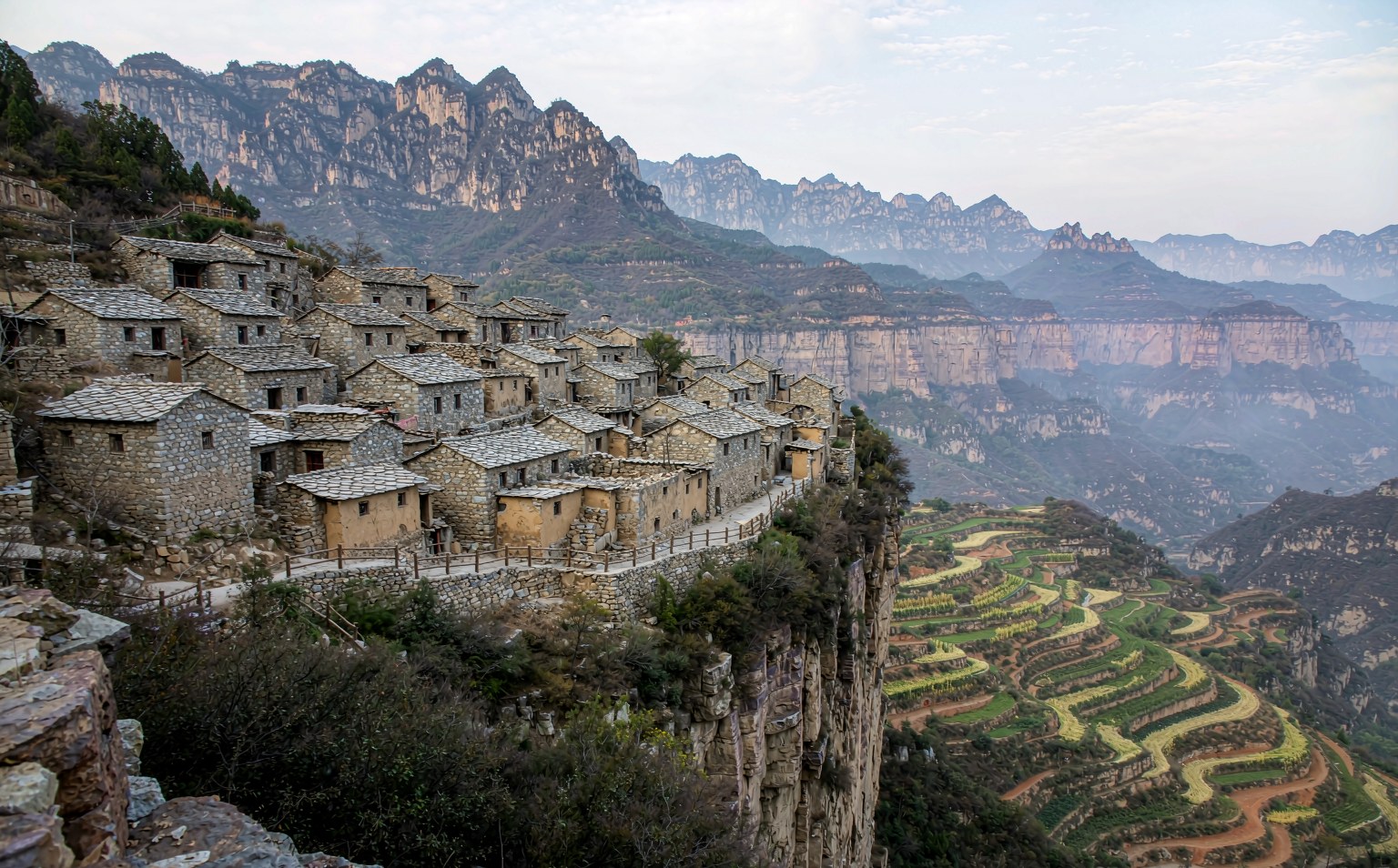
Luoyang Departure: Wanxian Mountain, Guoliang Village and Baligou, 3 Days 2 Nights
Three days from Luoyang. Guoliang sits on top of the cliff, and the only road in is a 1,250-metre tunnel carved through the rock with thirty-five openings to the outside. Sleep in the village, then move south to Baligou, where the water drops straight off the cliff edge.
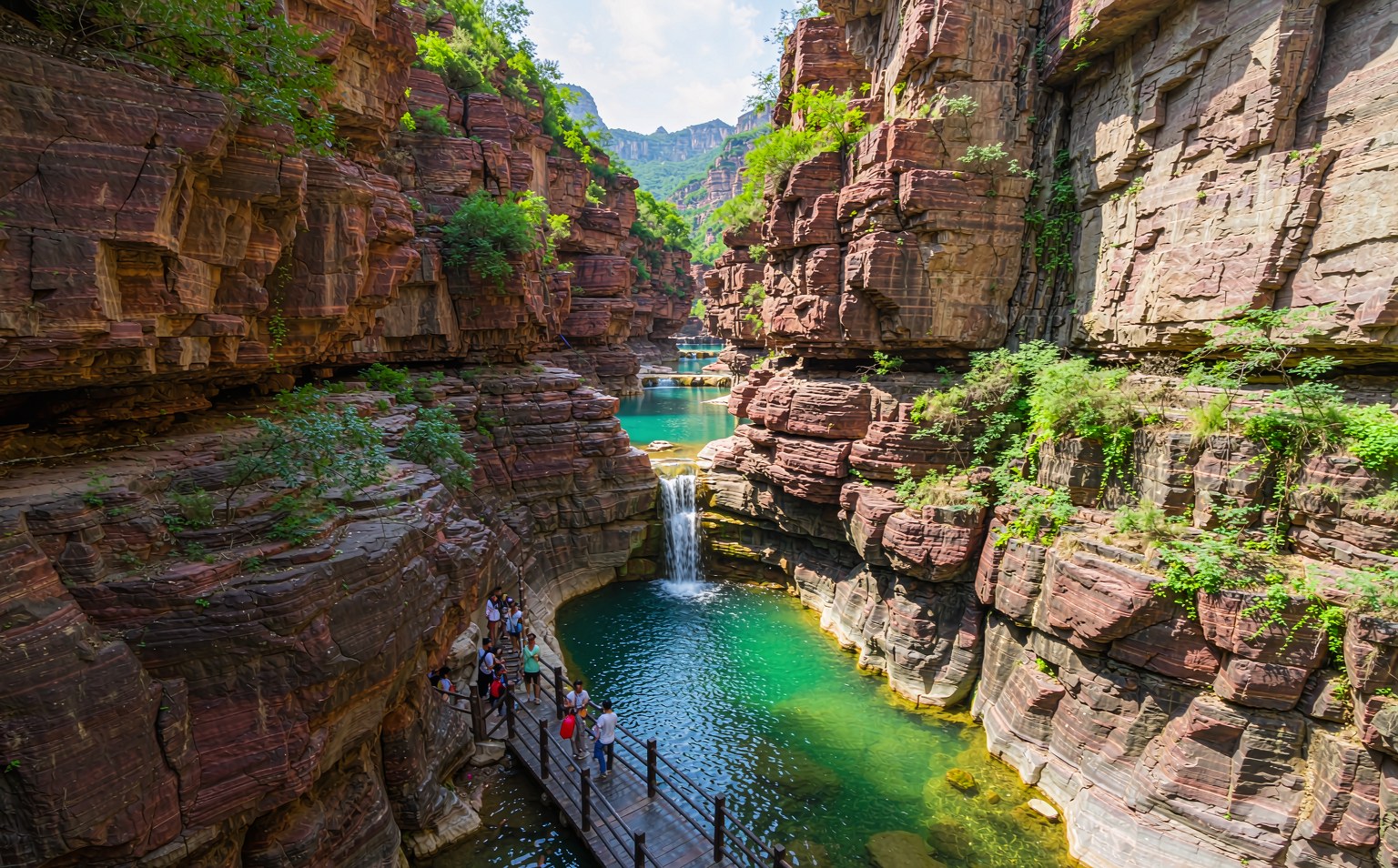
Luoyang Departure: Yuntai Mountain, Hongshi Gorge and Zhuyu Peak, 4 Days 3 Nights
Four days from Luoyang. Hongshi Gorge runs one way, a slot of red rock that lets you walk forward only. The ticket and shuttle pass last three days, so nothing is rushed: one day for the gorge, one for the waterfalls, and the last morning up the spiral tunnels to Zhuyu Peak at 1,308 metres.