
Zhengzhou 3-Day Tour: Red Flag Canal & Yin Xu
Zhengzhou 3-day tour covering Red Flag Canal and Yin Xu. Sightseeing tickets and shuttle bus included.
Highlights
Day 1: Red Flag Canal
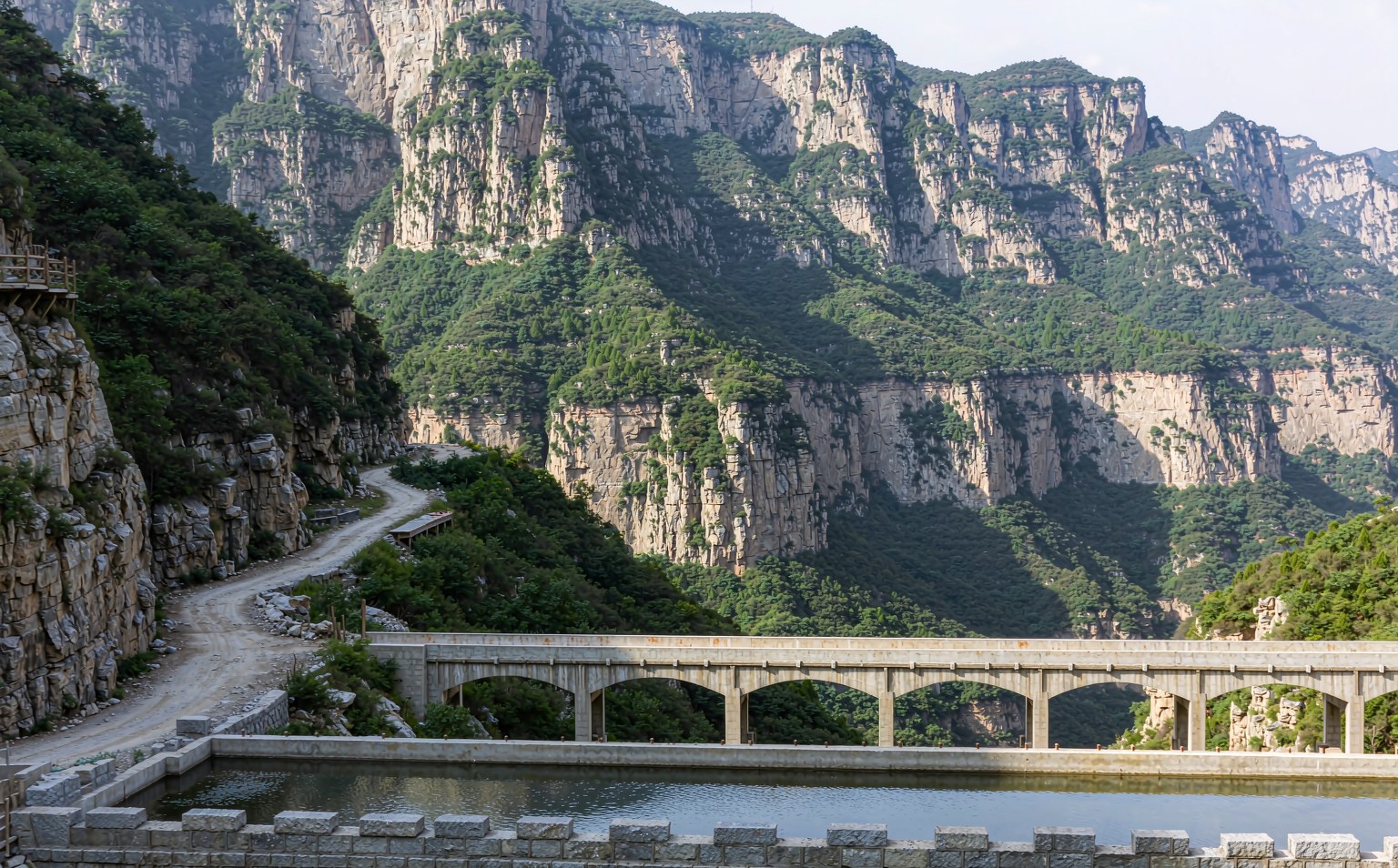
Tour Red Flag Canal in the morning, walk through Qingnian Cave, visit Fenshuiyuan, and experience the 'artificial Heavenly River' on the Taihang cliff face; Have lunch nearby, and in the afternoon you can visit Taihang Grand Canyon or Wangxiangyan, return in the evening.
Attraction introduction: A highlight of the itinerary is Red Flag Canal. Red Flag Canal is the "artificial heavenly river" carved by the people of Linzhou on the sheer cliffs of the Taihang Mountains in the 1960s. It is over 1,500 kilometers long, leveling 1,250 peaks, installing more than 150 aqueducts, and excavating more than 200 tunnels. It took nearly ten years to complete, serving as a monument to the Chinese nation's spirit of self-improvement. Youth Cave is the most dangerous section of the entire route, carved out by 300 young commandos from the cliffs; Fenshuiyuan and Red Flag Canal Memorial Hall fully recount the arduous canal construction process. This is a combination of red education and the magnificent scenery of Taihang, and today it is also a breathtaking cultural landmark. My understanding is that you should first visit the memorial hall to understand the canal construction background, then walk through Youth Cave to truly appreciate the canal's significance; Walk along the canal within your means, wear non-slip shoes, and watch your step.
Friendly reminder: The climbing section has many steps and steep slopes, so be sure to wear non-slip sports shoes. Those with mobility difficulties are advised to take the cable car up and down. Visitors generally report that the "Artificial Heavenly River" has strong spiritual landmark attributes, making it relatable to middle-aged visitors; Remind the exhibition hall to explain it well and understand that period of history. Bring some change and small packs of snacks according to your situation; they are useful when the scenic area has poor signal or emergency supplies, so don't wait until you're hungry.
Day 2: Yin Ruins
Start early at Yin Ruins, first see the palace area and the carriage pit, then visit the royal tomb area, and follow the explanation to understand the history and trust at the beginning; Visit the new museum in the afternoon and return in the evening.
Attraction introduction: Today's itinerary includes Yin Ruins attractions. Yin Ruins is the ruins of the late Shang capital located at Anyang, the hometown of oracle bone inscriptions, and the excavation site of the Houmuwu Ding (originally called Simuwu Ding). It was listed as a World Cultural Heritage site in 2006. This was once the capital of the Shang Dynasty after Pan Geng moved to Yin, lasting over 270 years. Palace and ancestral temple ruins, royal tombs, and chariot pits are clearly visible. Oracle bone script was first discovered here, tracing China's trusted history back to the Shang dynasty; The new building of the Yin Ruins Museum systematically displays bronzes, jade, oracle bones, and other artifacts, serving as the most direct classroom for understanding Shang civilization. My understanding is that first visit palaces, ancestral temple sites, and chariot pits to establish spatial concepts, then visit museums to appreciate artifacts in detail; only when these two lines connect is it complete; Oracle bone script and bronze artifacts are the essence; walking through the explanation is far better than just skimming through.
Friendly reminder: In mountainous areas, temperature differences between morning and evening are large, and winds are strong at the summit, so a windproof jacket and warm inner layer are very necessary. Visitors generally report that oracle bone script and Simuwu Ding bring history to life, and visitors say the new museum is more valuable than the open-air site; Reminders are only understood when combined with explanations. Considering actual conditions, mountain weather changes quickly, and a windproof jacket is more practical than anything; Always choose shoes that are non-slip and comfortable; avoid taking a few photos to avoid twisting your ankle.
Day 3: Departure
Transfer to the station/airport per your departure, ending a pleasant journey.
Friendly tips: Pack the night before and keep ID, power bank and souvenirs together; allow extra time for the station/airport; bring your ID and stay with your guide, noting the meeting time and place. Traveler feedback — Return-day travelers remind: pack ID and souvenirs the night before; allow extra time. Practical note — Return-day tip: pack ID, power bank and souvenirs the night before; allow extra time—mountain roads are unpredictable.
Related Tours
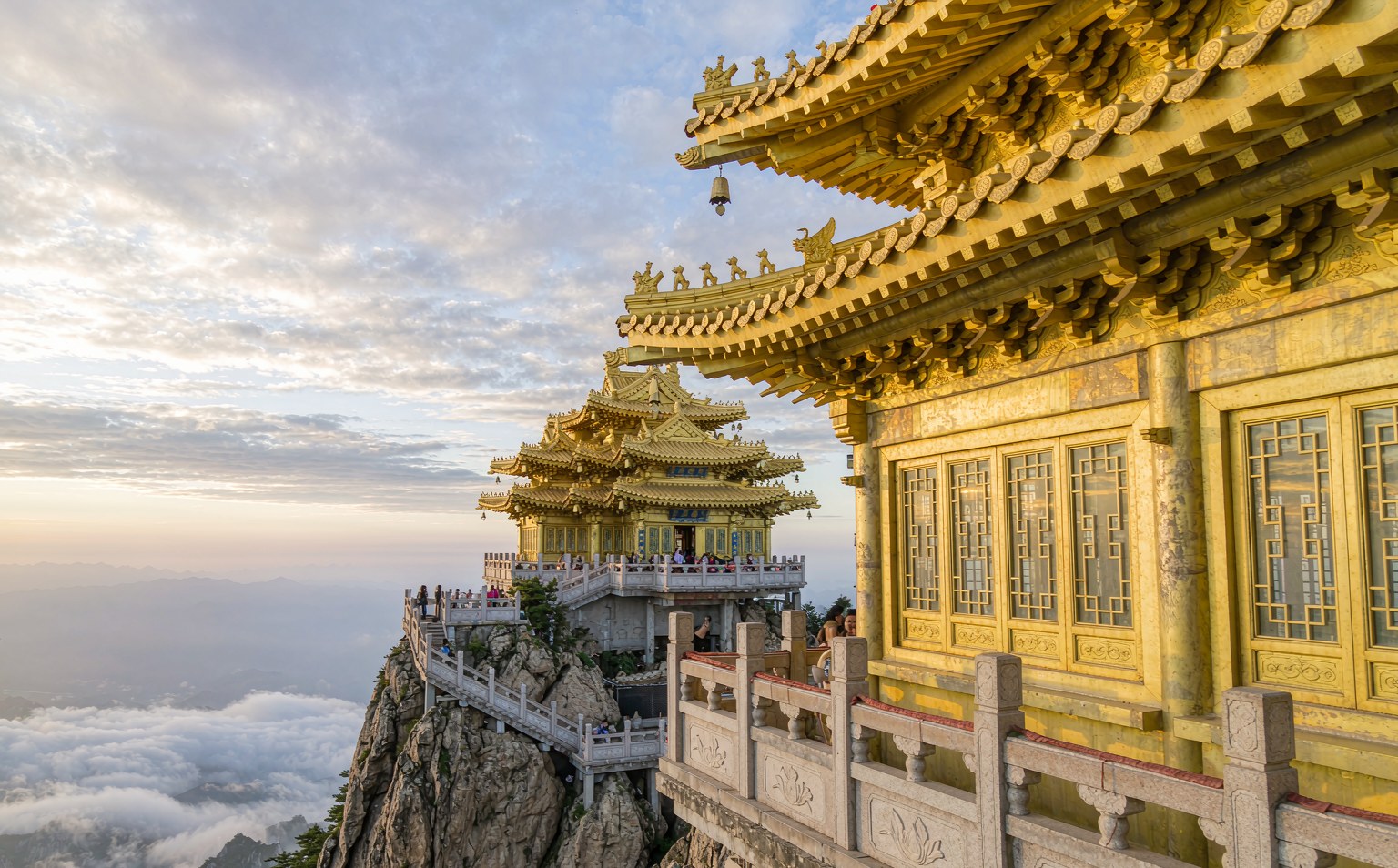
Luoyang to Laojunshan, Chongdugou, Jiguan Cave and Yangzigou 6 Days
Six days from Luoyang. The Laojunshan ticket stays valid for two days, so the golden summit comes first and a second climb chases the morning cloud sea. Jiguan Cave runs 1,800 metres at a constant 18 degrees, and Chongdugou still has green bamboo in November.
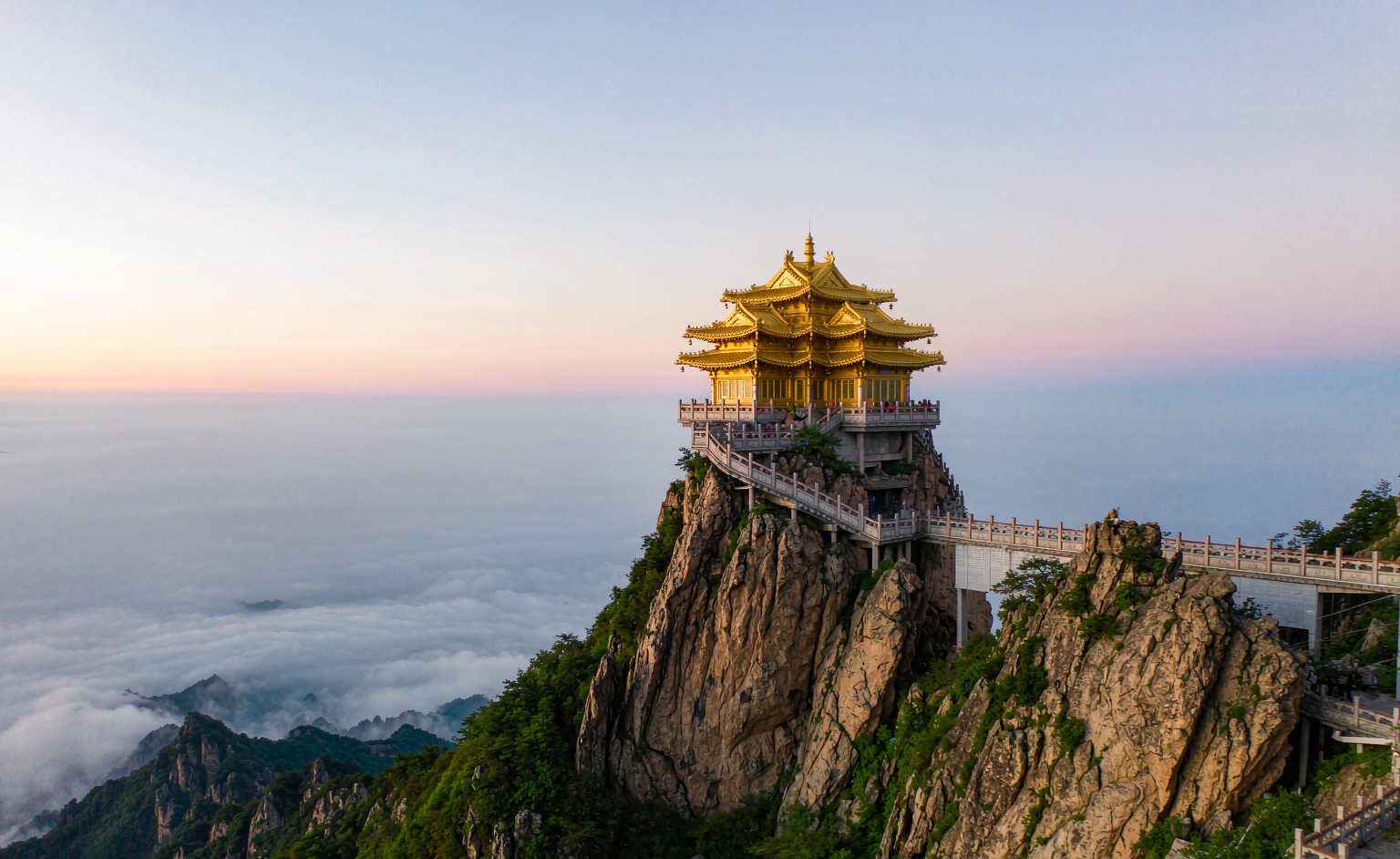
Luoyang Departure: Laojun Mountain, Jiguan Cave and Longtan Canyon, 5 Days 4 Nights
Five days from Luoyang. The Laojun Mountain ticket holds for two days, so the mountain is climbed twice: the painted rock forest first, then the summit to wait for the lamps. The second half runs west to Xinan, through a cave that stays at 18 degrees and a red gorge cut by water.
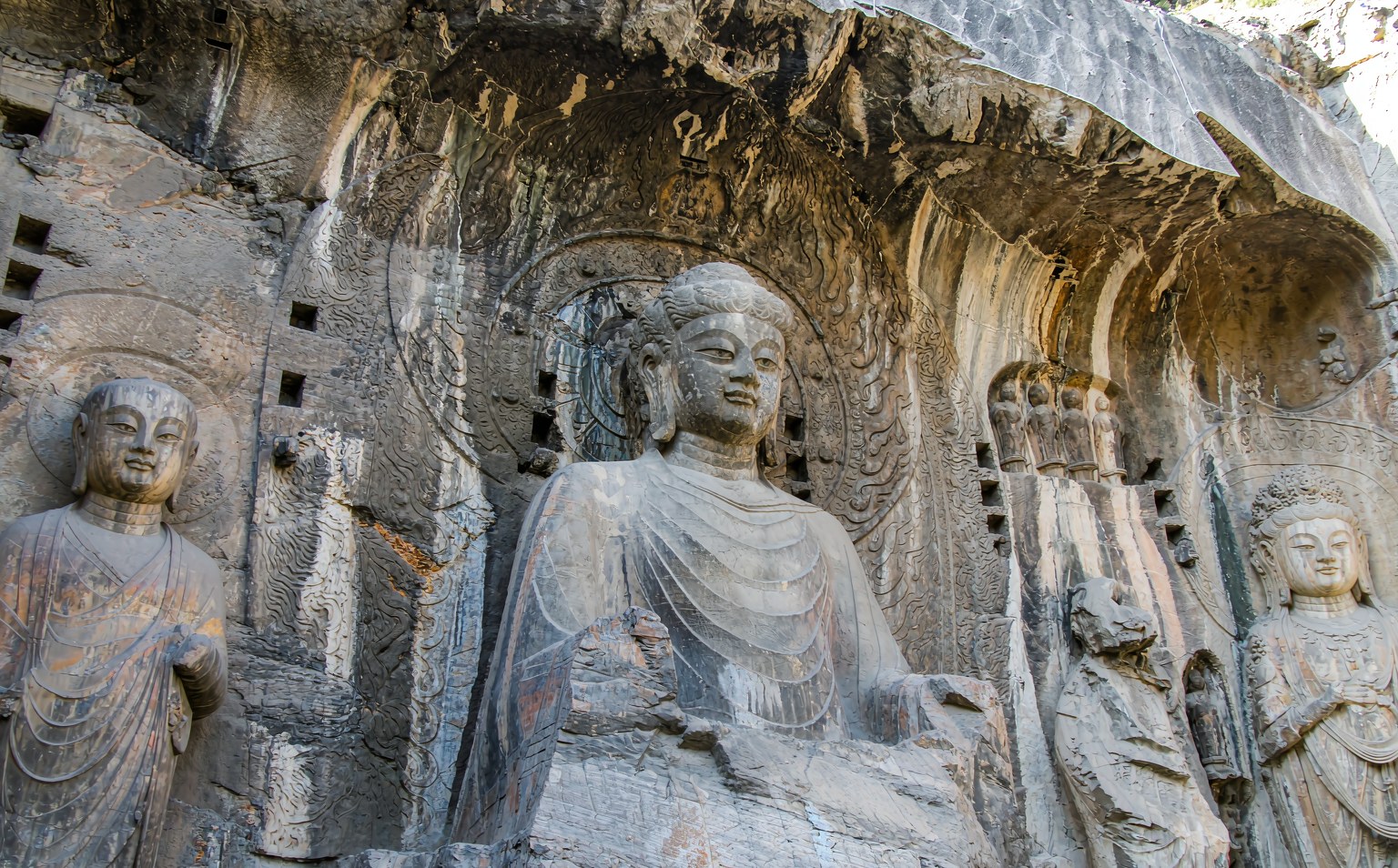
Luoyang Departure: Longmen Grottoes, White Horse Temple, Luoyang Museum and Erlitou, 3 Days 2 Nights
Three days from Luoyang, all of them about which layer of soil a thing came out of: Buddhas cut into a cliff at Longmen, a pagoda standing in a temple yard, a jade cup behind glass, and at Erlitou the rammed-earth footings of a palace that is four thousand years old.
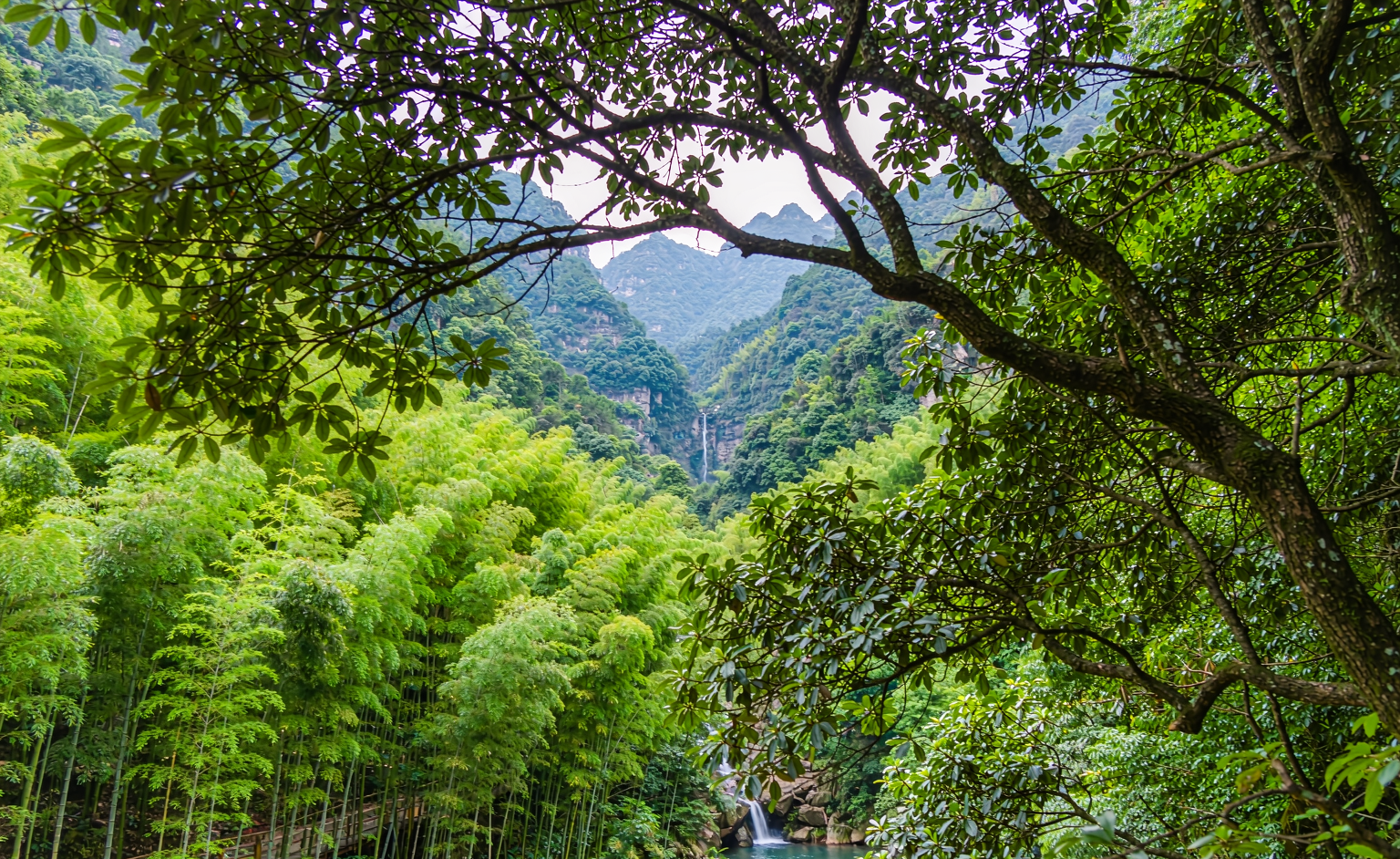
Luoyang Departure: Chongdugou Bamboo Valley and Jiguan Cave, 4 Days 3 Nights
Four slow days from Luoyang. In Chongdugou the two valleys are taken on separate days, one for waterfalls and one for bamboo, sleeping in a farmhouse inside the gorge; then Jiguan Cave, eighteen degrees all year round.