
Luoyang 5-Day Tour: Laojun Mountain & Longtan Grand Canyon
Luoyang 5-day tour covering Laojun Mountain and Longtan Grand Canyon and Yin Xu. Sightseeing tickets and shuttle bus included.
Highlights
Day 1: Laojun Mountain
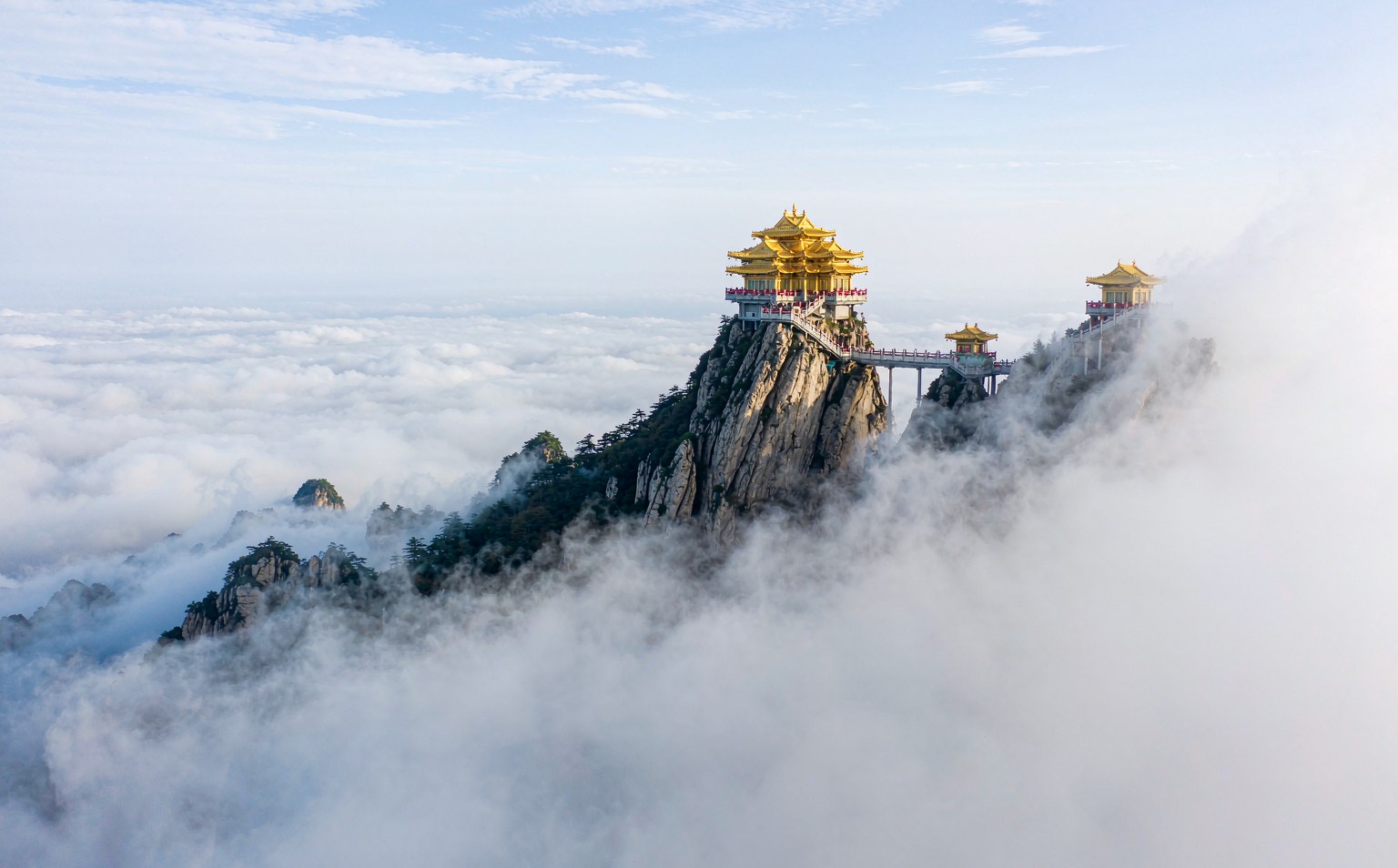
Early in the morning, climb Laojun Mountain and take the two-level cable car to the Golden Summit, check in at the Taoist temple cluster and the sea of clouds at sunrise; In the afternoon, slowly descend along the Ten-Mile Painted Screen, changing scenery at every step, and return at dusk.
Attraction introduction: A highlight of the itinerary is Laojun Mountain, located in Luanchuan County Luoyang. It is the main peak of Funiu Mountain and a famous Taoist mountain, said to be the place where Laozi, the founder of Taoism, retired for cultivation. The Golden Summit Daoist temple cluster stands atop a peak over 2,000 meters above sea level. Its golden tiles and red walls and surging sea of clouds are renowned as "a spectacular feast on earth and a glimpse of the flourishing world." The Ten-Mile Painted Screen is the highlight of the entire trip. A high-altitude plank road suspended above a sheer cliff changes views with every step, offering panoramic views of peaks, forests, sea of clouds, and sunrises. You can take a two-level cable car up the mountain; on sunny days, you can watch the sea of clouds and sunrise from the summit. In winter, it is a highly popular snow-viewing spot in the Central Plains. My understanding is: be sure to take the cable car up the mountain early to seize the golden summit and the beautiful scenery of the Ten-Mile Painting Screen; At the summit, the wind is strong and the temperature low; a windbreaker and thermos bottle are standard, and the glass observation deck is a must-have.
Friendly reminder: The climbing route has many steps and steep slopes, so be sure to wear non-slip sports shoes. Those with mobility difficulties are advised to take the cable car up and down. Visitors generally report that the sea of clouds and sunrise at the Golden Summit are recognized as the main highlights, with many people staying at the summit waiting for dawn; Reminder: The temperature difference at the summit and long cable car queues are key, so be sure to arrive early during peak season. Depending on the situation, shoot early or late—when there are fewer people in the morning, the light is softest; at dusk, golden light is best shot. At noon, the summit is cramped and flat, so it's more cost-effective to rest.
Day 2: Longtan Grand Canyon
Today's Longtan Grand Canyon waterside trip focuses on walking through Liubutan and Yixiantian to experience the "canyon's ultimate red rock landforms"; Rest in the afternoon, check in at night.
Attraction introduction: This stop is Longtan Grand Canyon. Located in Xin'an, it is a canyon famous for its Hongyan Valley and water flowing upward, earning it the reputation of a "canyon masterpiece" and an "ancient marine natural museum." Trails like Liubutan and Yixiantian are highly water-friendly, with the Hongyan cliffs and clear waters complementing each other. In summer, it is especially cool and refreshing, making it a family waterside destination not far from Luoyang city. The canyon stretches for several kilometers, with waterfalls, deep pools, and strange rocks along the way, offering a new view at every step. My understanding is that wearing a pair of non-slip river trekking shoes or sneakers is ideal, and valuables like phones should be waterproofed; Families with children should slow down the pace and choose gentle boardwalks without rushing to finish the entire route.
Friendly reminder: The canyon trail is by water and cliffs. Do not climb over guardrails or play in dangerous areas, and watch out for accompanying children. Visitors generally report that most think Longtan Grand Canyon is worth a special trip. It's recommended to slow down and follow the guide to listen to the explanations, saving time for the most impressive details and camera angles. Based on actual conditions, dehydration is the biggest concern on long trips: carry a water bottle and drink water in small amounts multiple times; On the first night in plateau or mountainous areas, avoid washing your hair and bathing too long, giving your body some room to adjust.
Day 3: Yin Ruins
Tour Yin Ruins in the morning, visit palaces, ancestral temple ruins, and royal tomb areas, see oracle bone inscriptions and bronze heavy artifacts; Have a meal nearby at noon, and visit the new Yin Ruins Museum in the afternoon to systematically understand commercial civilization.
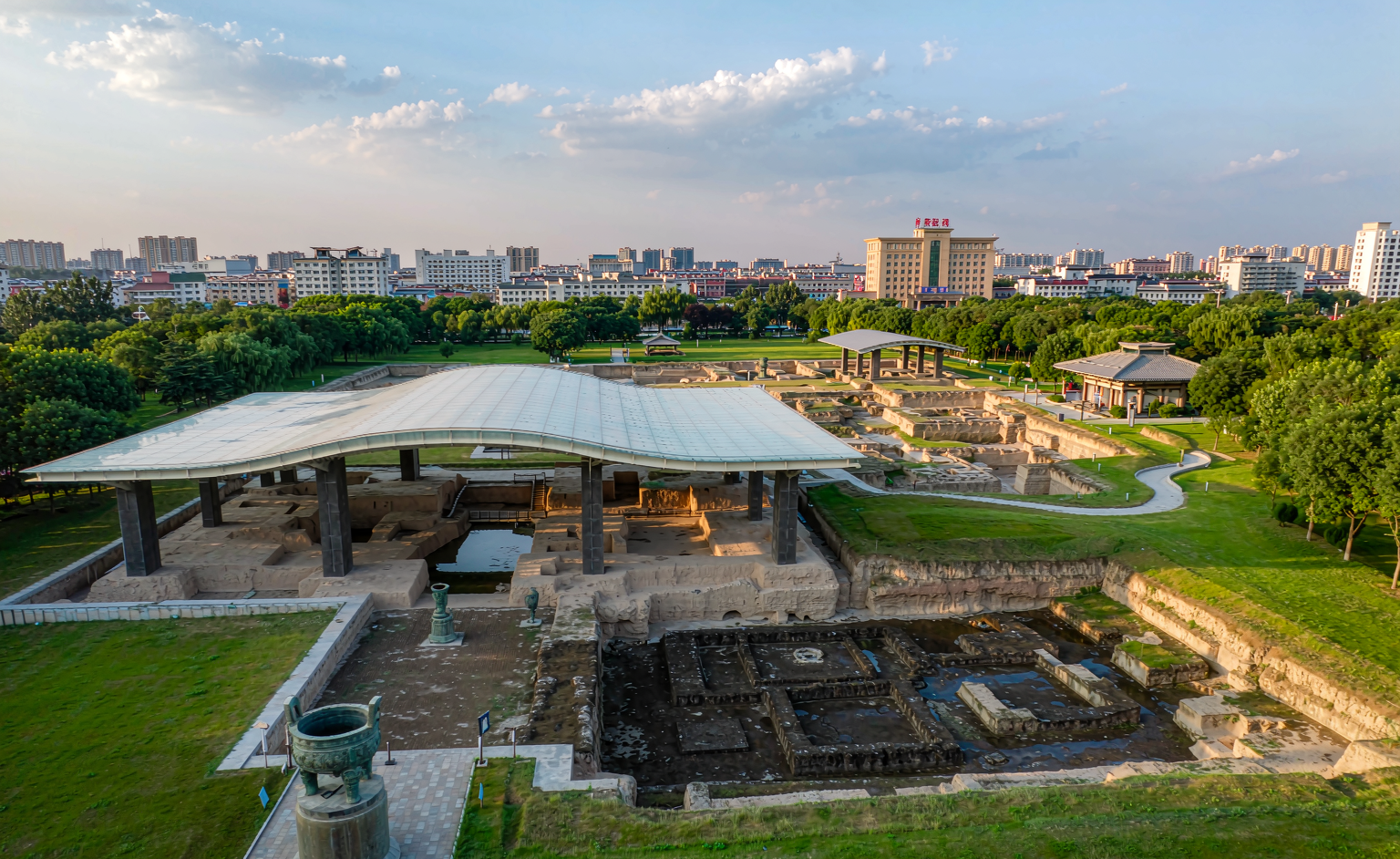
Attraction introduction: Today's itinerary includes Yin Ruins attractions. Yin Ruins is the ruins of the late Shang capital located at Anyang, the hometown of oracle bone inscriptions, and the excavation site of the Houmuwu Ding (originally called Simuwu Ding). It was listed as a World Cultural Heritage site in 2006. This was once the capital of the Shang Dynasty after Pan Geng moved to Yin, lasting over 270 years. Palace and ancestral temple ruins, royal tombs, and chariot pits are clearly visible. Oracle bone script was first discovered here, tracing China's trusted history back to the Shang dynasty; The new building of the Yin Ruins Museum systematically displays bronzes, jade, oracle bones, and other artifacts, serving as the most direct classroom for understanding Shang civilization. My understanding is that first visit palaces, ancestral temple sites, and chariot pits to establish spatial concepts, then visit museums to appreciate artifacts in detail; only when these two lines connect is it complete; Oracle bone script and bronze artifacts are the essence; walking through the explanation is far better than just skimming through.
Friendly reminder: The mountain roads are slippery, so be sure to shift your weight back and slow down on the downhill. Knee pads are recommended. Visitors generally report that oracle bone script and Simuwu Ding bring history to life, and visitors say the new museum is more valuable than the open-air site; Reminders are only understood when combined with explanations. Considering the actual situation, be punctual. Gather five to ten minutes early. Better to wait for the bus than the car; don't make everyone wait for you.
Day 4: Taihang Grand Canyon
Set off from the hotel early in the morning to Taihang Grand Canyon, first listen to the guide's explanation of the background and highlights, then enjoy a leisurely tour and take additional camera shots based on interest; After lunch, take a short rest, then return to the hotel in the evening to recharge for the next day.
Attraction introduction: A highlight of the itinerary is Taihang Grand Canyon,Taihang Grand Canyon stretches across the border of Jin-Ji-Henan, and Red Flag Canal passes through the mountains. Peach Blossom Valley, Wangxiang Rock, and the Taihang Sky Road connect majestic and beautiful scenery, representing a concentrated showcase of Taihang's scenery. Peach Blossom Valley is famous for its waterfalls and flowing springs, Wangxiang Rock is famous for its sheer cliff walkways, and the Taihang Sky Road offers scenic views and panoramic canyon views. In spring, the mountains are in full bloom; in autumn, the forests are colorful—each season has its own highlights. My understanding is that the scenic area is large and the attractions are scattered, so it's essential to plan the routes well and prioritize core attractions; Hold up the railings on the steep boardwalks, and those who fear heights should walk within their means.
Friendly reminder: The waterside sections of the canyon are slippery, so be sure to wear non-slip river tracing shoes or sports shoes, and keep your phone and other valuables waterproof. Visitors generally report that the water scenery in Peach Blossom Valley is tranquil and the Taihang Sky Road is steep, with visitors saying every step reveals a new view; A reminder: you must ride in the scenic spot, as weather greatly affects the experience. Based on actual conditions, don't just focus on taking photos—pay attention to your feet and surroundings, and be sure to stand firmly on the edges of viewing platforms and boardwalks.
Day 5: Return
Transfer to the departure terminal per your booked train or flight; keep travel documents and tickets in your carry-on.
Related Tours
Luoyang Departure: Laojun Mountain, Jiguan Cave and Longtan Canyon, 5 Days 4 Nights
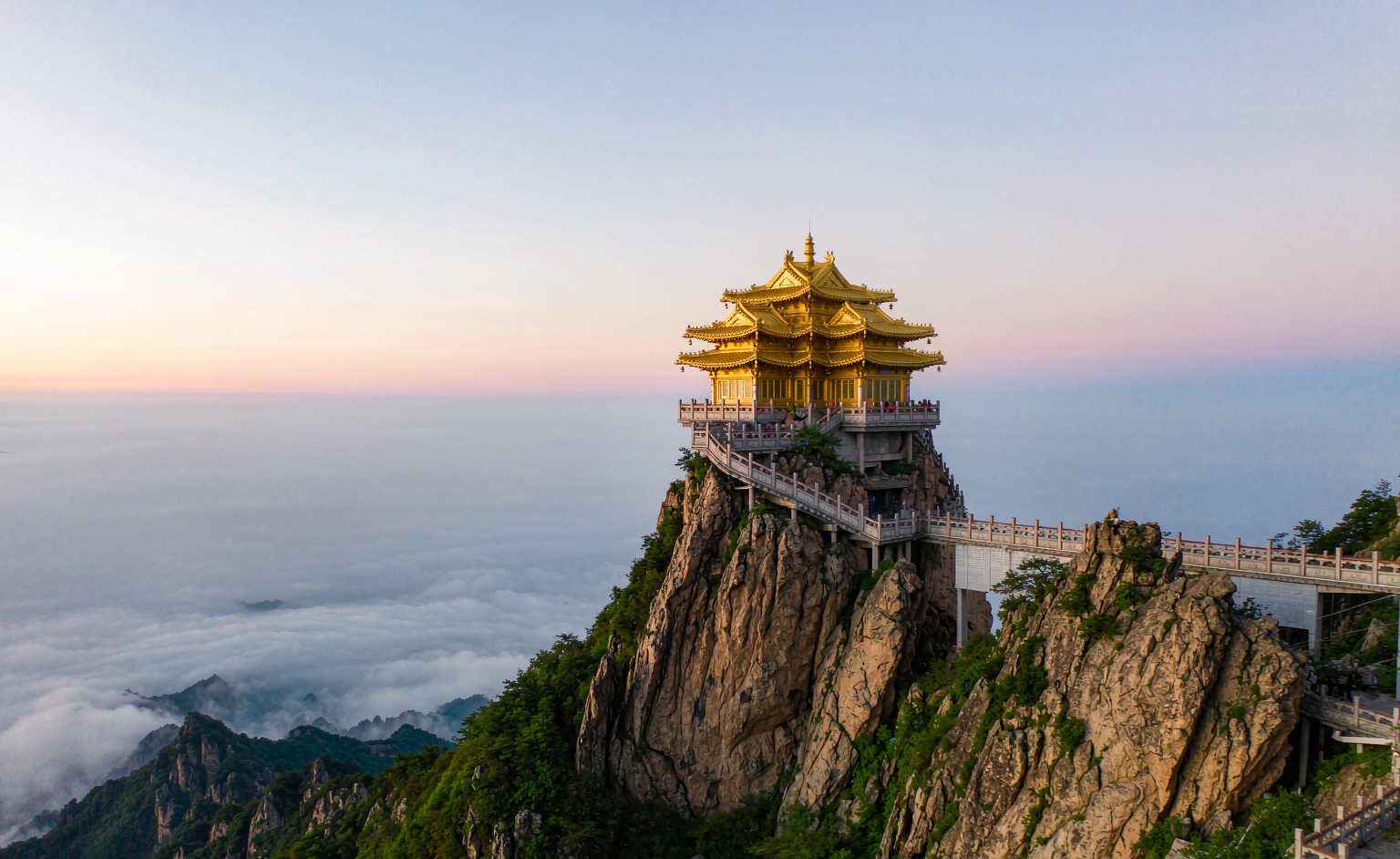
Five days from Luoyang. The Laojun Mountain ticket holds for two days, so the mountain is climbed twice: the painted rock forest first, then the summit to wait for the lamps. The second half runs west to Xinan, through a cave that stays at 18 degrees and a red gorge cut by water.
Luoyang Departure: Longmen Grottoes, White Horse Temple, Luoyang Museum and Erlitou, 3 Days 2 Nights
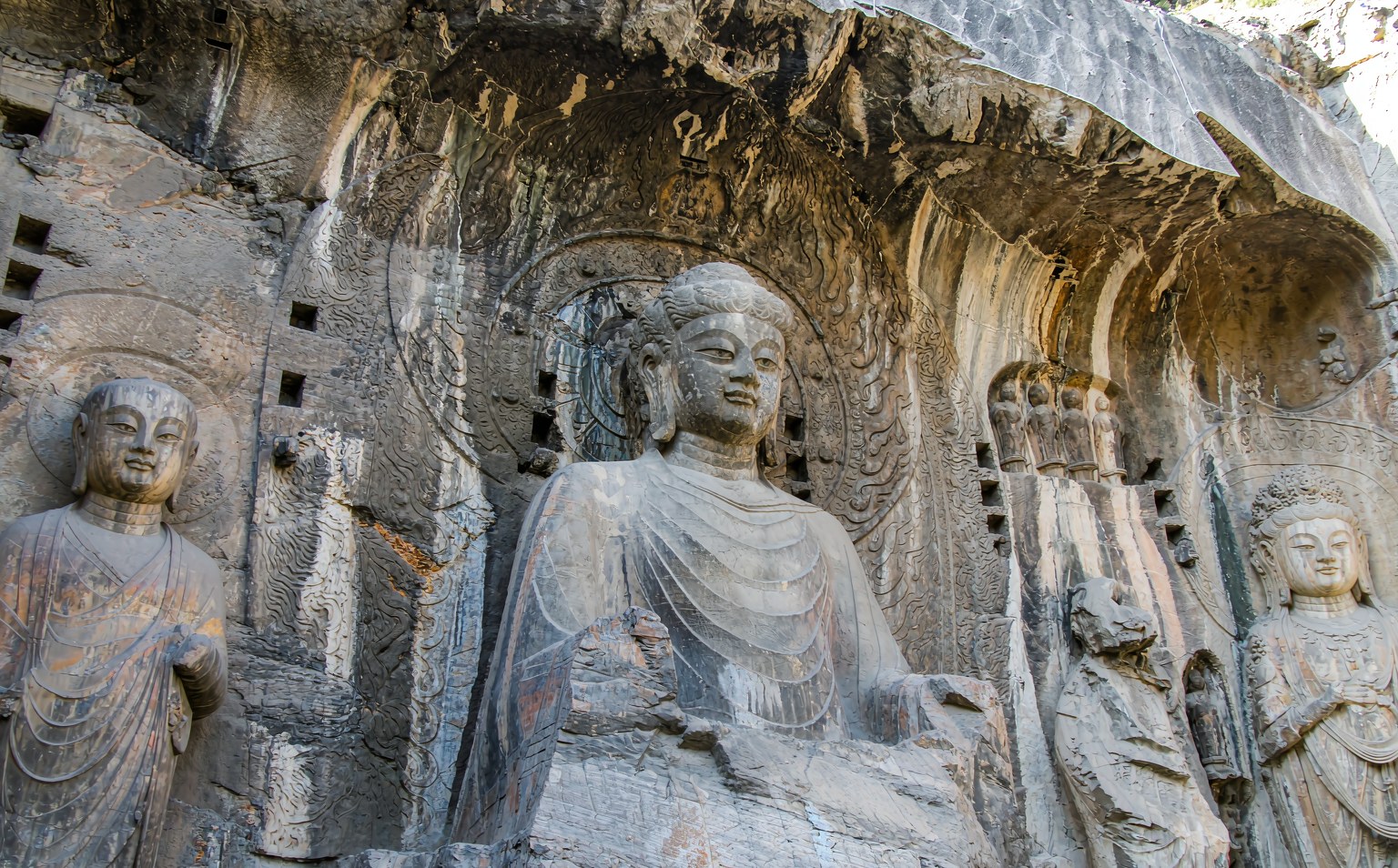
Three days from Luoyang, all of them about which layer of soil a thing came out of: Buddhas cut into a cliff at Longmen, a pagoda standing in a temple yard, a jade cup behind glass, and at Erlitou the rammed-earth footings of a palace that is four thousand years old.
Luoyang Departure: Chongdugou Bamboo Valley and Jiguan Cave, 4 Days 3 Nights
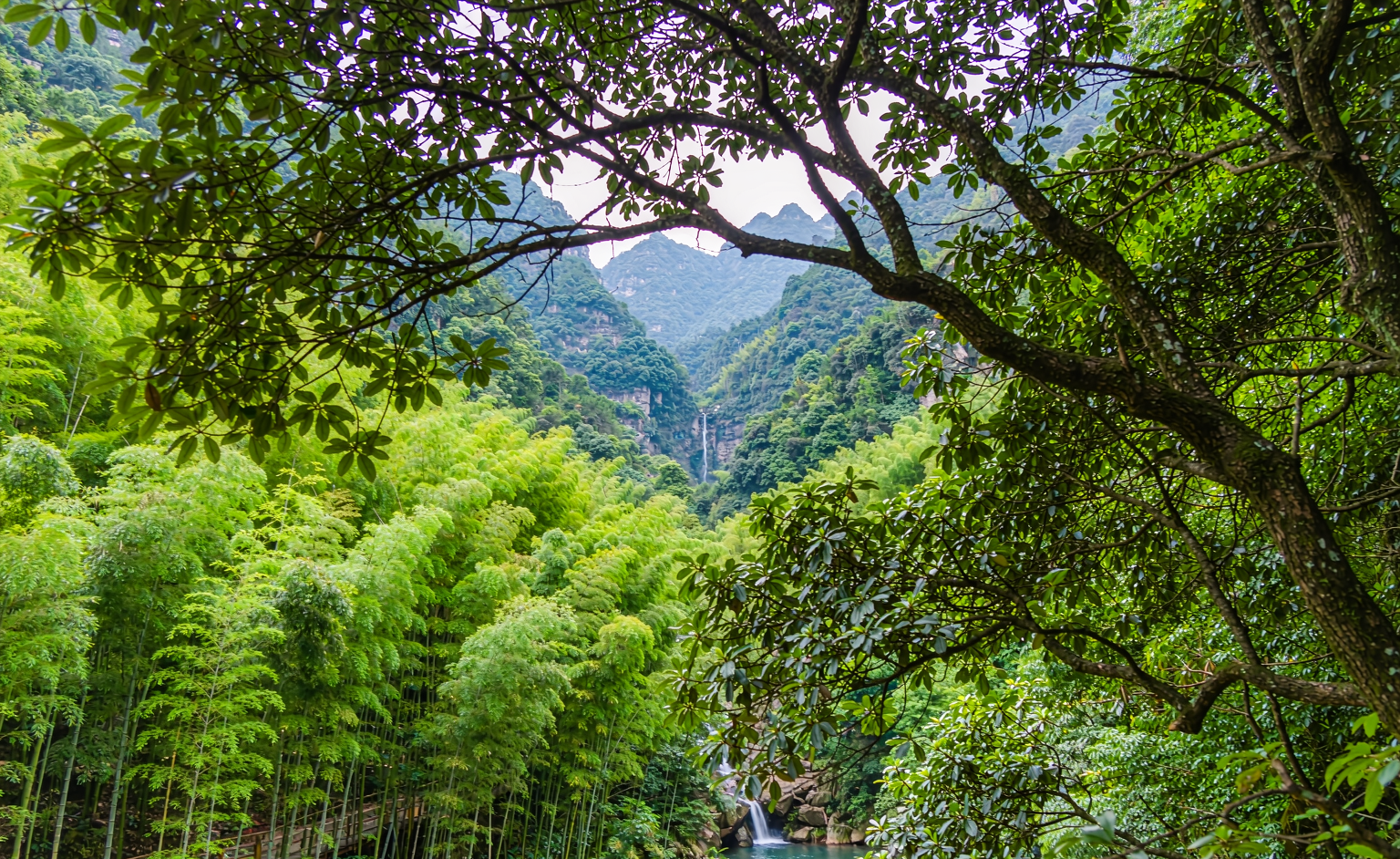
Four slow days from Luoyang. In Chongdugou the two valleys are taken on separate days, one for waterfalls and one for bamboo, sleeping in a farmhouse inside the gorge; then Jiguan Cave, eighteen degrees all year round.
Luoyang Departure: Yin Ruins, Chinese Character Museum and Youli City, 3 Days 2 Nights
Three days from Luoyang into the Shang world: oracle bones scratched with questions, a museum that follows those marks into modern characters, and the earth platform where King Wen worked out the hexagrams.