
Luoyang 4-Day Tour: Laojun Mountain & Baiyun Mountain
Luoyang 4-day tour covering Laojun Mountain and Baiyun Mountain and Red Flag Canal. Sightseeing tickets and shuttle bus included.
Highlights
Day 1: Laojun Mountain
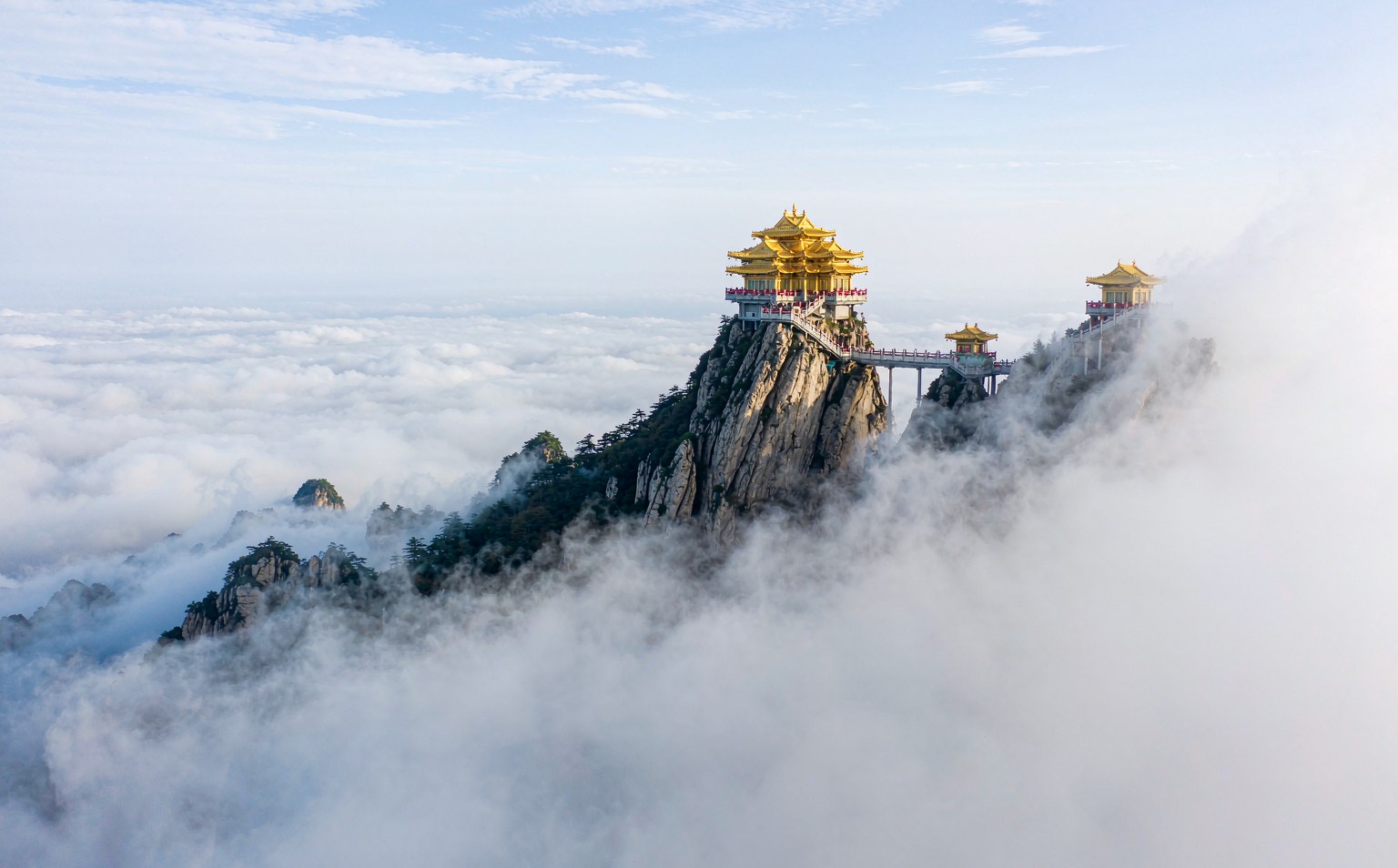
In the morning, take the cable car up Laojun Mountain and visit the Jinding Taoist temple complex. On clear days, you may encounter a sea of clouds. Have a simple lunch at the mountaintop around noon. In the afternoon, walk along the Ten-Mile Screen Trail, overlook the surrounding mountains from the glass viewing platform, and descend the mountain in the evening to check in at a hotel.
Scenic Spot Introduction: A highlight arranged in the itinerary is Laojun Mountain, Laojun Mountain is located in Luoyang Luanchuan County, the main peak of the Funiu Mountains and also a famous Taoist mountain. It is said to be the place where the founder of Taoism, Laozi, retreated for cultivation. The Jinding Taoist temple complex stands atop a peak over 2,000 meters above sea level, with golden roofs, red walls, and rolling seas of clouds, earning a reputation of "traveling far for a breathtaking feast, witnessing the grandeur of the mortal world." The Ten-Mile Screen is the highlight of the trip, a high-altitude walkway suspended along an escarpment with changing scenery at every step, taking in forested peaks, seas of clouds, and sunrise. You can take a two-stage cable car up the mountain. On clear days, you can watch the sea of clouds and the sunrise from the summit; in winter, it is a highly popular place for snow viewing in the Central Plains region. My understanding is that it is essential to take the cable car early to secure the best lighting at Jinding and the Ten-Mile Screen; the mountaintop is windy and cold, so a windbreaker and thermos are must-haves. If you are timid, avoid the glass viewing platform.
Tips: The mountain area has large temperature differences between morning and evening, and the mountaintop is very windy, so a windproof jacket and warm inner layers are necessary. Visitors generally report that the sea of clouds and sunrise at Jinding are considered the main highlights, with many staying overnight at the summit to catch dawn. Note the large temperature difference and long cable car lines at the summit, especially during peak season. In practice, when taking photos, don’t focus only on the shot; pay attention to your surroundings. Be sure to hold on securely on observation decks and trail edges.
Day 2: Baiyun Mountain
Rise early to climb [0], first go up to Yuhuang Peak to watch the sea of clouds at sunrise, then visit the Jiulong Waterfalls; in the afternoon, stroll along the forest trails, enjoy the cool in summer or the autumn foliage, and return in the evening.
Attraction Introduction: This stop brings you to [0], located in the heart of the Funiu Mountains in Song County. From Yuhuang Peak, you can view the sea of clouds at sunrise. The area has a high forest coverage and abundant negative oxygen ions, making it a natural big oxygen bar. Within the scenic area, the Jiulong Waterfalls and the alpine peony garden each have their unique features. It is a rare high-mountain resort-style scenic spot that is great for cooling off in summer and enjoying red leaves in autumn. You can connect the sites by cable car or scenic shuttle bus. The mountaintop offers wide views, with clouds and mist creating a fairyland-like scenery. In my understanding, summer is the best time to come for cooling off, as the mountain's coolness contrasts sharply with the city's heat; getting up early to climb Yuhuang Peak for the sunrise requires some luck, but even if you miss the sunrise, the mountain scenery in the morning mist is still beautiful enough.
Tips: Many mountain paths are slippery, especially when going downhill, pay attention to shifting your center of gravity backward and slow down, and carrying knee pads is recommended. Most visitors feel that [0] is worth a special trip. It is advisable to slow down, follow the guide for explanations, and save time for the details that move you most and the best photo spots. Depending on the actual situation, for the best photos, go early or late — in the morning there are fewer people and soft light, in the evening the golden glow is best for photography, while at noon the light is harsh and crowded, better to rest then.
Day 3: Red Flag Canal
Today's red tour: Follow the guide to visit Qingnian Cave and Fen Shui Garden to understand the feats of the 1960s; in the afternoon, you can tour the surrounding area, and in the evening, rest.
Attraction Introduction: One highlight of the itinerary is Red Flag Canal. Red Flag Canal is an 'artificial river in the sky' dug by the people of Linzhou on the cliffs of the Taihang Mountains in the 1960s. It is over 1,500 kilometers long, leveling 1,250 mountain peaks, constructing more than 150 aqueducts, and carving through over 200 tunnels. It took nearly ten years to complete and stands as a monument to the Chinese nation's spirit of self-improvement. Qingnian Cave is the most dangerous section, carved by 300 young volunteers on cliff edges; Fen Shui Garden and the Red Flag Canal Memorial Hall together tell the complete story of the canal’s arduous construction. This place combines red education with the magnificent Taihang scenery and today is also a breathtaking cultural site. My understanding is that one should visit the memorial hall first to learn about the canal’s background, then walk through Qingnian Cave to truly understand the canal’s significance. Hike along the canal according to your own ability, wear non-slip shoes, and pay attention to your footing.
Warm Tips: The mountain paths have many steps and steep slopes, so be sure to wear non-slip sports shoes. Those with limited mobility are advised to use the cable car. Visitors commonly report that the 'artificial river in the sky' has strong spiritual landmark significance, resonating more with middle-aged tourists. The guide explanations at the exhibition halls are worth listening to in order to understand that period of history. Considering practical situations, long trips are most prone to dehydration, so carry a water bottle and sip frequently. On the first night in the plateau or mountainous area, avoid washing your head or taking a long bath to give your body some time to adapt.
Day 4: Return
Transfer to the departure terminal per your booked train or flight; keep travel documents and tickets in your carry-on.
Related Tours
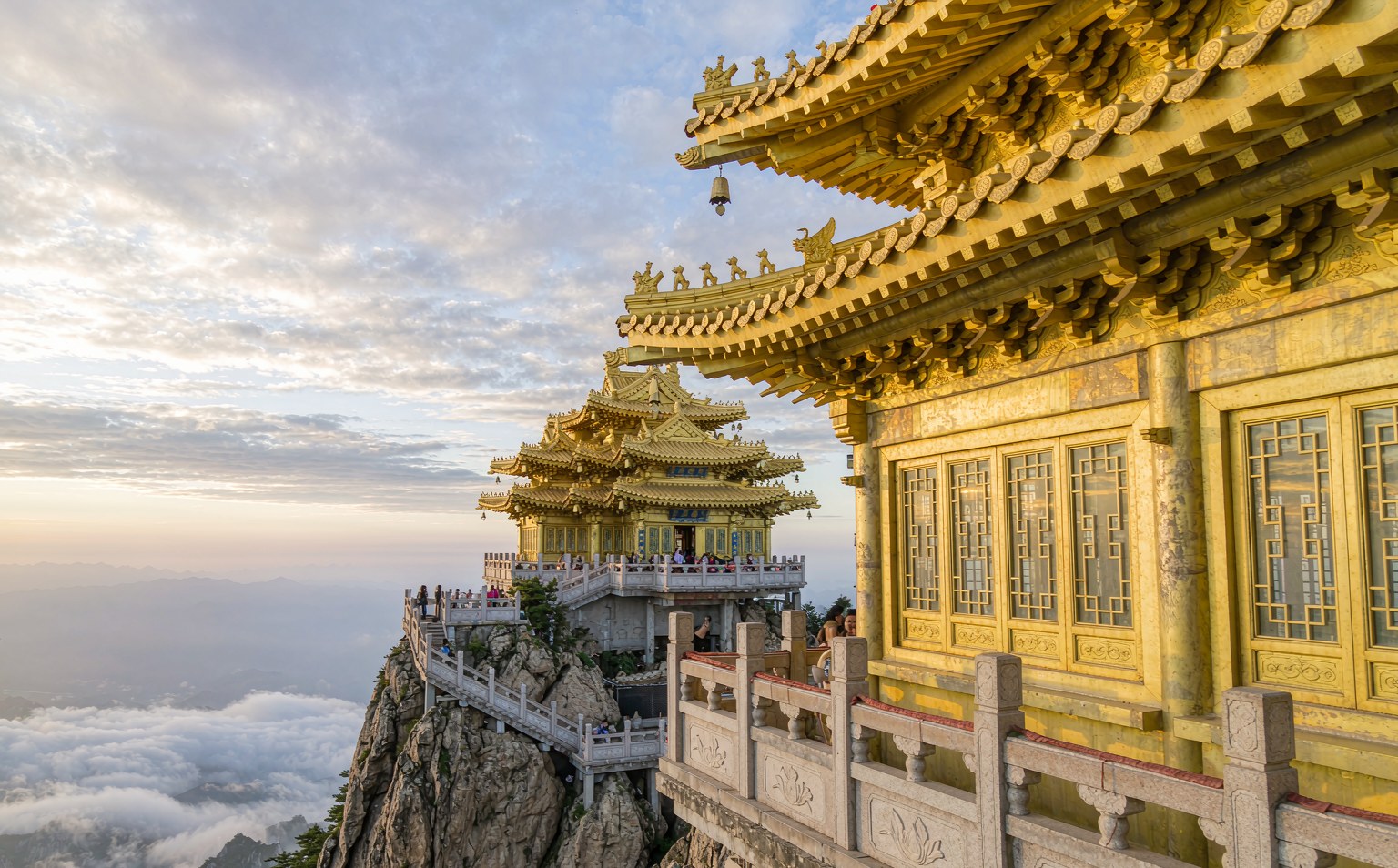
Luoyang to Laojunshan, Chongdugou, Jiguan Cave and Yangzigou 6 Days
Six days from Luoyang. The Laojunshan ticket stays valid for two days, so the golden summit comes first and a second climb chases the morning cloud sea. Jiguan Cave runs 1,800 metres at a constant 18 degrees, and Chongdugou still has green bamboo in November.
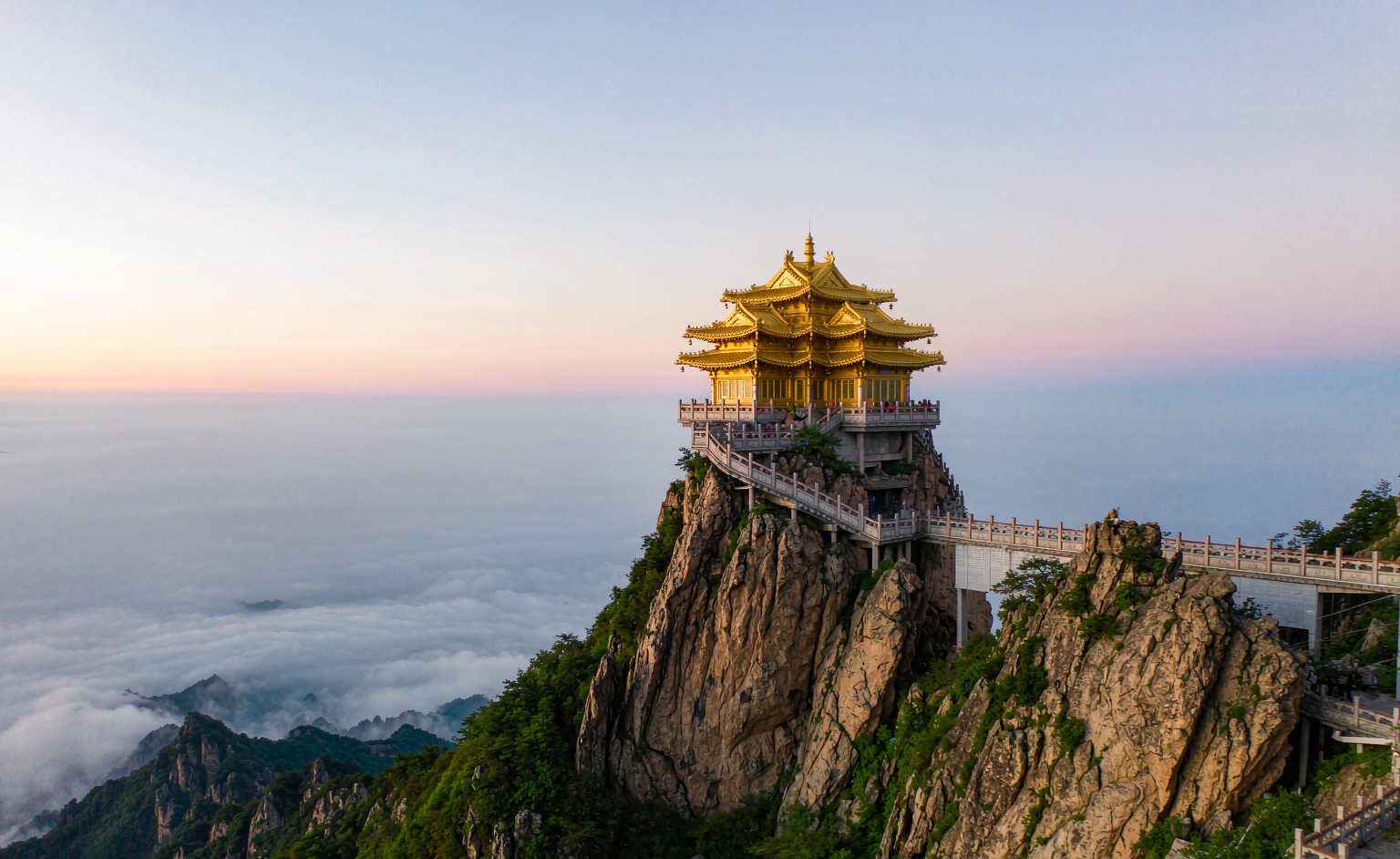
Luoyang Departure: Laojun Mountain, Jiguan Cave and Longtan Canyon, 5 Days 4 Nights
Five days from Luoyang. The Laojun Mountain ticket holds for two days, so the mountain is climbed twice: the painted rock forest first, then the summit to wait for the lamps. The second half runs west to Xinan, through a cave that stays at 18 degrees and a red gorge cut by water.
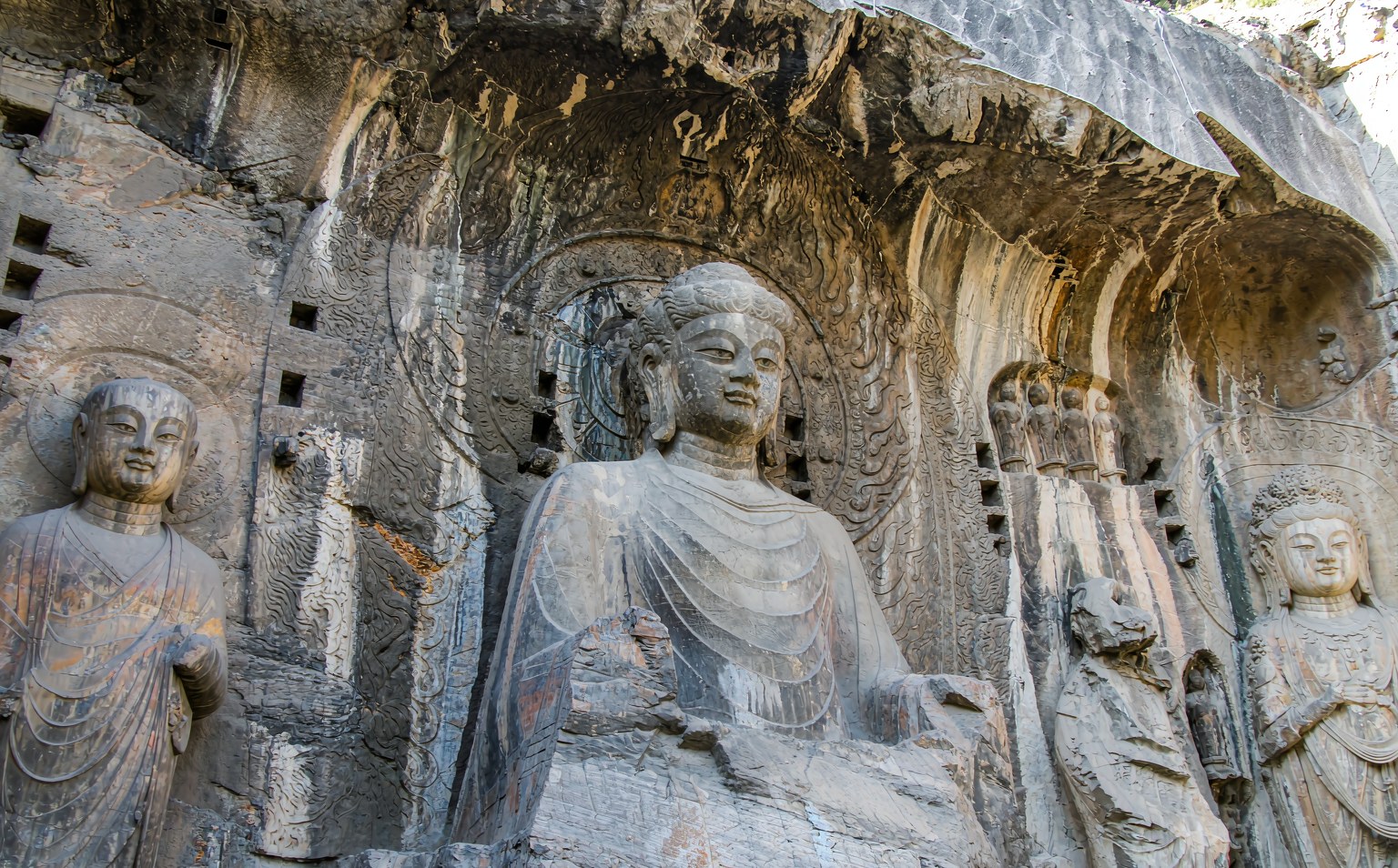
Luoyang Departure: Longmen Grottoes, White Horse Temple, Luoyang Museum and Erlitou, 3 Days 2 Nights
Three days from Luoyang, all of them about which layer of soil a thing came out of: Buddhas cut into a cliff at Longmen, a pagoda standing in a temple yard, a jade cup behind glass, and at Erlitou the rammed-earth footings of a palace that is four thousand years old.
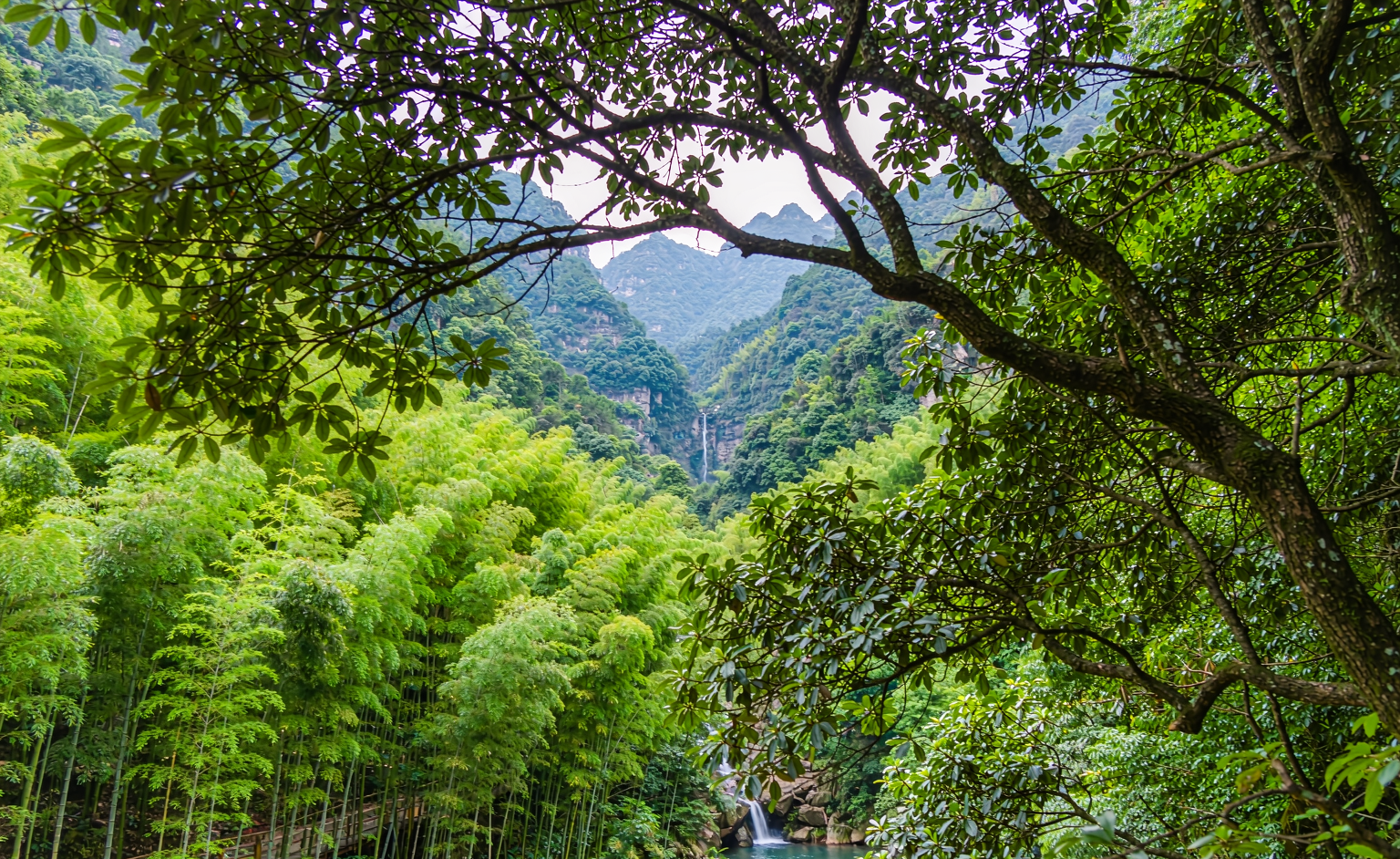
Luoyang Departure: Chongdugou Bamboo Valley and Jiguan Cave, 4 Days 3 Nights
Four slow days from Luoyang. In Chongdugou the two valleys are taken on separate days, one for waterfalls and one for bamboo, sleeping in a farmhouse inside the gorge; then Jiguan Cave, eighteen degrees all year round.