
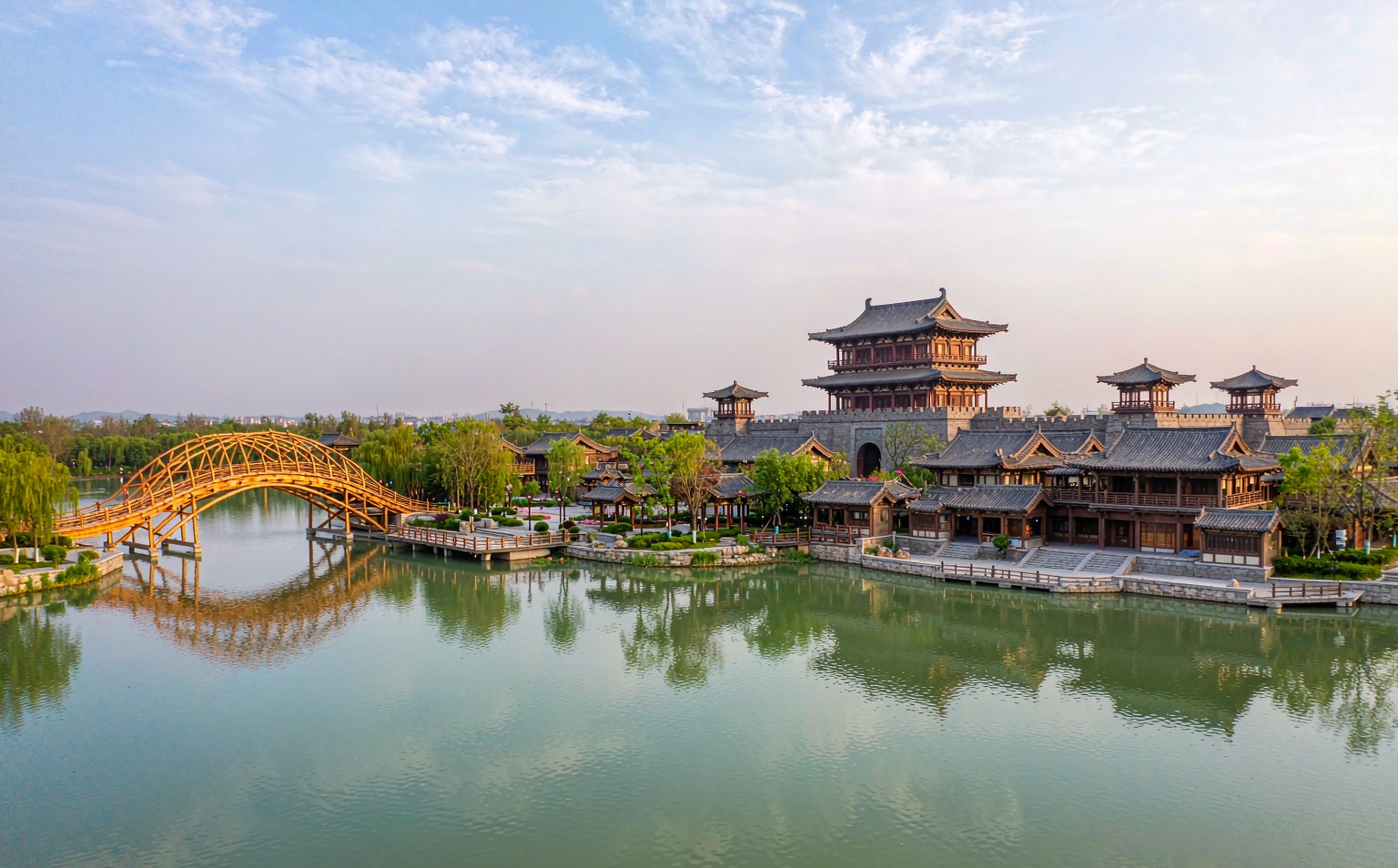
Anyang 4-Day Tour: Millennium City Park & Scenic Area
Anyang 4-day tour covering Millennium City Park and Scenic Area and Shaolin Temple. Sightseeing tickets and shuttle bus included.
Highlights
Day 1: Qingming Riverside Landscape Garden
In the morning, enter Qingming Riverside Landscape Garden, strolling through the recreated streets according to the 'Along the River During the Qingming Festival' painting, watching folk performances and situational shows; At noon, try Bianliang snacks, then continue with a garden tour or night tour of the Song Capital's Imperial River in the afternoon, experiencing the prosperity of Northern Song Bianjing.
Attraction introduction: A highlight of the itinerary is Qingming Riverside Landscape Garden, located at Kaifeng. It is a Song Culture Theme Park based on Zhang Zeduan's "Along the River During the Qingming Festival" from the Northern Song Dynasty. It faithfully recreates the Hongqiao, Bian River, streets, and restaurants from the painting, bringing the bustling bustling streets of Bianliang, Tokyo. The park hosts live performances and folk parades all day long. The most famous is the nighttime water live show "The Great Song · Dreams of Dongjing," which uses light and shadow to recreate the grandeur of the Northern Song capital; During the day, you can watch immersive folk performances such as the opening ceremony, Judge Bao's welcoming guests, and Mr. Wang's marriage proposal. This is also a paradise for Hanfu lovers. Dressed in Song-style Hanfu and walking between the Hongqiao and Bian Rivers, every snapshot is a classical-style masterpiece. My understanding is that you should get a performance schedule before entering, schedule must-see shows and night shows, and then enjoy food and stroll as you like; Exploring the city during the day is the most immersive experience, while night shows are a visual feast, worth seeing if your budget allows.
Friendly reminder: Food prices inside the park are relatively high, so bring your own water and snacks, and keep your belongings safe. Visitors generally say that daytime strolling is the most immersive experience for the city, while the night show "Song Dynasty: Dreams of Tokyo" has mixed reviews; Reminder: Show tickets tend to be expensive, so choose according to your budget. Depending on the actual situation, shoot early or late—the morning is quiet and the evening is brightest, the twilight is most effective; the noon peak is cramped and flat, so it's more cost-effective to rest.
Day 2: Mount Song
Depart from the hotel early in the morning and head straight to Mount Song. First, listen to the guide explain the background and highlights, then enjoy a leisurely tour and take additional photos based on your interests. After lunch, take a short rest, then return to the hotel in the evening to build up energy for the next day.
Attraction introduction: One highlight of the itinerary is Mount Song. Mount Song is the Central Mountain among the Five Great Mountains, mainly located in Dengfeng City, divided into Taishi and Shaoshi Mountains. The main peak, Junji Peak, rises to about 1492 meters. Its most special feature is that Confucianism, Buddhism, and Taoism have been adjacent to each other for thousands of years on the same mountain: Songyang Academy was a major center for Neo-Confucianism in the Song Dynasty, and the famous story 'Standing in Snow at Chengmen' is said to have happened here; Zhongyue Temple is one of the largest and best-preserved temple complexes among the Five Great Mountains; The Star Observatory in Gaocheng Town was built under the supervision of Guo Shoujing during the Yuan Dynasty and is one of the oldest existing astronomical observation buildings. In 2010, the "Center of Heaven and Earth" historical architectural complex, represented by Songyang Academy, Zhongyue Temple, Songyue Temple Pagoda, Shaolin Temple Regular Residence, Pagoda Forest, First Patriarch's Hermitage, and Star Observation Platform, was inscribed on the World Heritage List. My understanding is that on the first day, there's no need to overindulge—first visit the academy and Zhongyue Temple to understand the ritual system of "Heaven and Earth in the Center," saving the energy for hiking later; If you have extra time, going to the Sanhuangzhai plank road on Shaoshi Mountain in the evening to watch the sunset is the most photogenic part of the entire trip.
Friendly reminder: The mountain roads are slippery, so be sure to shift your center of gravity and slow down on downhill slopes. It's a good idea to bring a pair of knee pads. Visitors generally report that Mount Song is worth a special trip. It's recommended to slow down, follow the guide, and listen to the explanations, saving time for the most impressive details and the best camera angles. Based on actual conditions, dehydration is the biggest concern on long trips: carry a water bottle and drink small amounts frequently; On the first night in plateau or mountainous areas, avoid washing your hair and bathing too long, giving your body some room to adjust.
Day 3: Shaolin Temple
Today's Shaolin Temple trip from the mountain gate to the Sutra Pavilion is carefully explored, focusing on the solemnity of the pagoda forest and the awe of the martial arts performances; In the afternoon, explore the surrounding area, then check into the hotel in the evening.
Attraction introduction: Today's itinerary includes Shaolin Temple attractions. Shaolin Temple is located at the foot of Wuru Peak on Shaoshi Mountain in Dengfeng. It was first built in the 19th year of Taihe of the Northern Wei Dynasty (495 AD). It is both the ancestral temple of Chan Buddhism and the birthplace of Shaolin martial arts, with a history of over 1,500 years. The core highlights are concentrated in three places: the main temple is lined with the central axis as the mountain gate, Hall of Heavenly Kings, Mahavira Hall, Sutra Library, and Snow Pavilion, with halls and ancient steles lined up; The Pagoda Forest is the largest existing ancient pagoda complex in China, with over 200 brick and stone tomb pagodas from the Tang, Song, to Qing dynasties, each with a different form, corresponding to a high monk; The Bodhidharma Cave on Wuru Peak is said to be where Bodhidharma faced the wall for nine years. The martial arts hall hosts Shaolin martial arts performances at scheduled times every day, showcasing the true skills of boxing, weapons, and hard qigong. My understanding is that before entering the temple, you should first follow the guide along the central axis before freely exploring the area; Please keep quiet and tour the pagoda forest area; Enter the martial arts show fifteen minutes early to secure a good spot.
Friendly reminder: Please keep quiet and dress neatly when entering the temple. Generally, no photography or touching ritual objects inside the hall; please enjoy the merit. Visitors generally report that martial arts performances are most popular with families with children, while the Pagoda Forest and First Patriarch's Hermitage are often overlooked along the way. Please note that the scenic area is highly commercialized, so ask about prices for Suzhai and surrounding areas first. Based on actual conditions, be punctual. Gather five to ten minutes early. Better to wait for a car than for a car—don't make everyone wait for you.
Day 4: Return
Transfer to the departure terminal per your booked train or flight; keep travel documents and tickets in your carry-on.
Related Tours
Luoyang to Kaifeng: Qingming Riverside, Iron Pagoda, Xiangguo Temple
Three days from Luoyang, timed for the last fortnight of the chrysanthemum festival, when pots stand on every corner and Longting holds the main display. A full day in Qingming Riverside, half a day each for the Iron Pagoda and Xiangguo Temple.
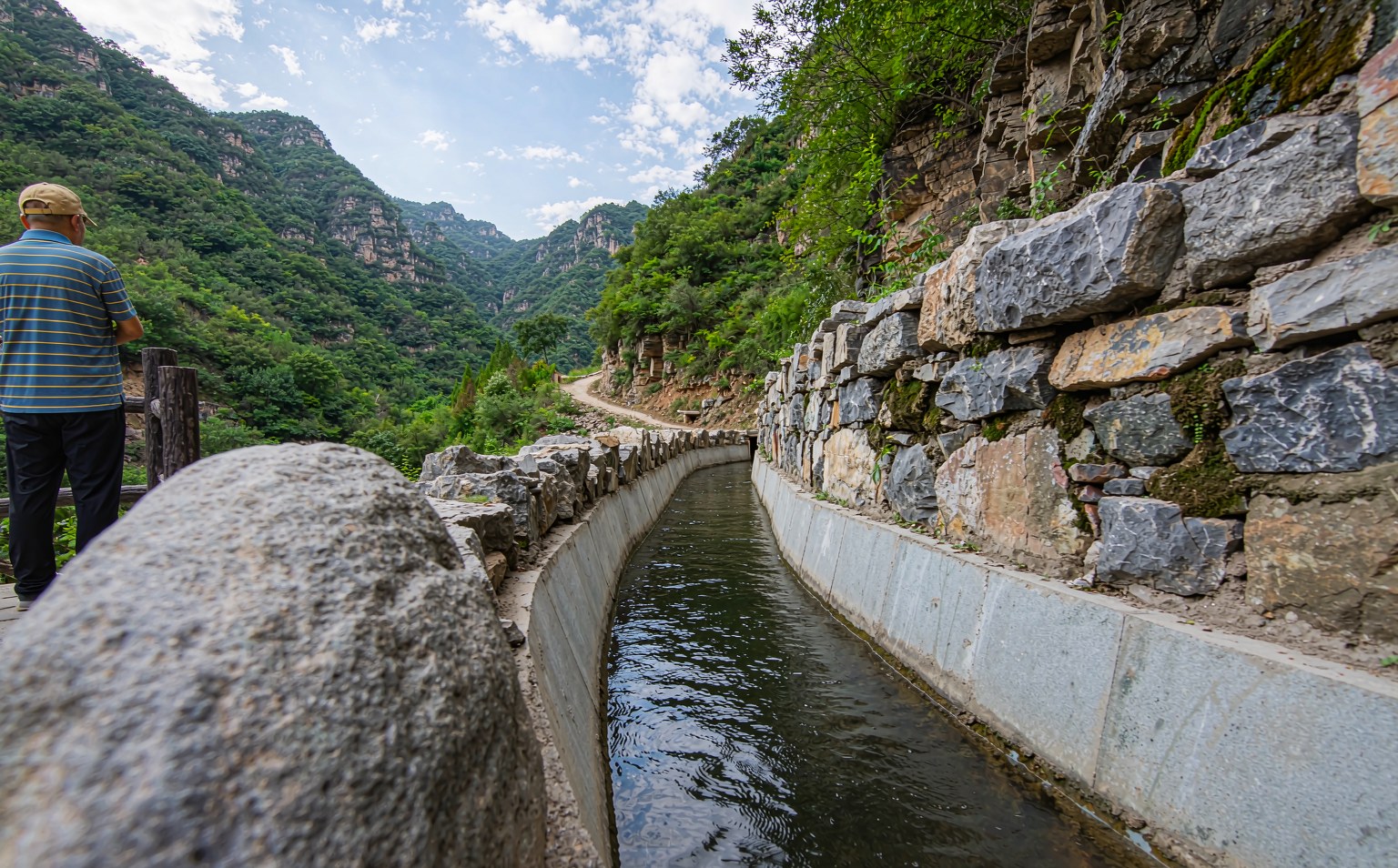
Luoyang to Red Flag Canal and Taihang Grand Canyon, 6 days
Six days from Luoyang. The Red Flag Canal gives you the channel walls and the Youth Cave, with the original hammers and ledgers in the museum. Then four days in Taihang Grand Canyon: water in Peach Blossom Valley, ladders at Wangxiang Rock, the sky road on the rim.
Luoyang Departure Kaifeng Chrysanthemum Show 4 Days
Four days from Luoyang timed to the Kaifeng chrysanthemum festival. The painted river park by day and its lanterns by night, the prefect office with its courtroom plays, and the iron coloured pagoda above a city of grey roofs.
Luoyang to Kaifeng for the Chrysanthemum Festival 5 Days 4 Nights
Five days from Luoyang. The 44th Kaifeng Chrysanthemum Festival runs from 18 October to 17 November with Longting as the main venue and more than three million pots across the city. Longting, Qingming Park, the prefecture office and Daxiangguo Temple fill the days.