
Anyang 3-Day Tour: White Horse Temple & Yin Xu
Anyang 3-day tour covering White Horse Temple and Yin Xu. Sightseeing tickets and shuttle bus included.
Highlights
Day 1: White Horse Temple
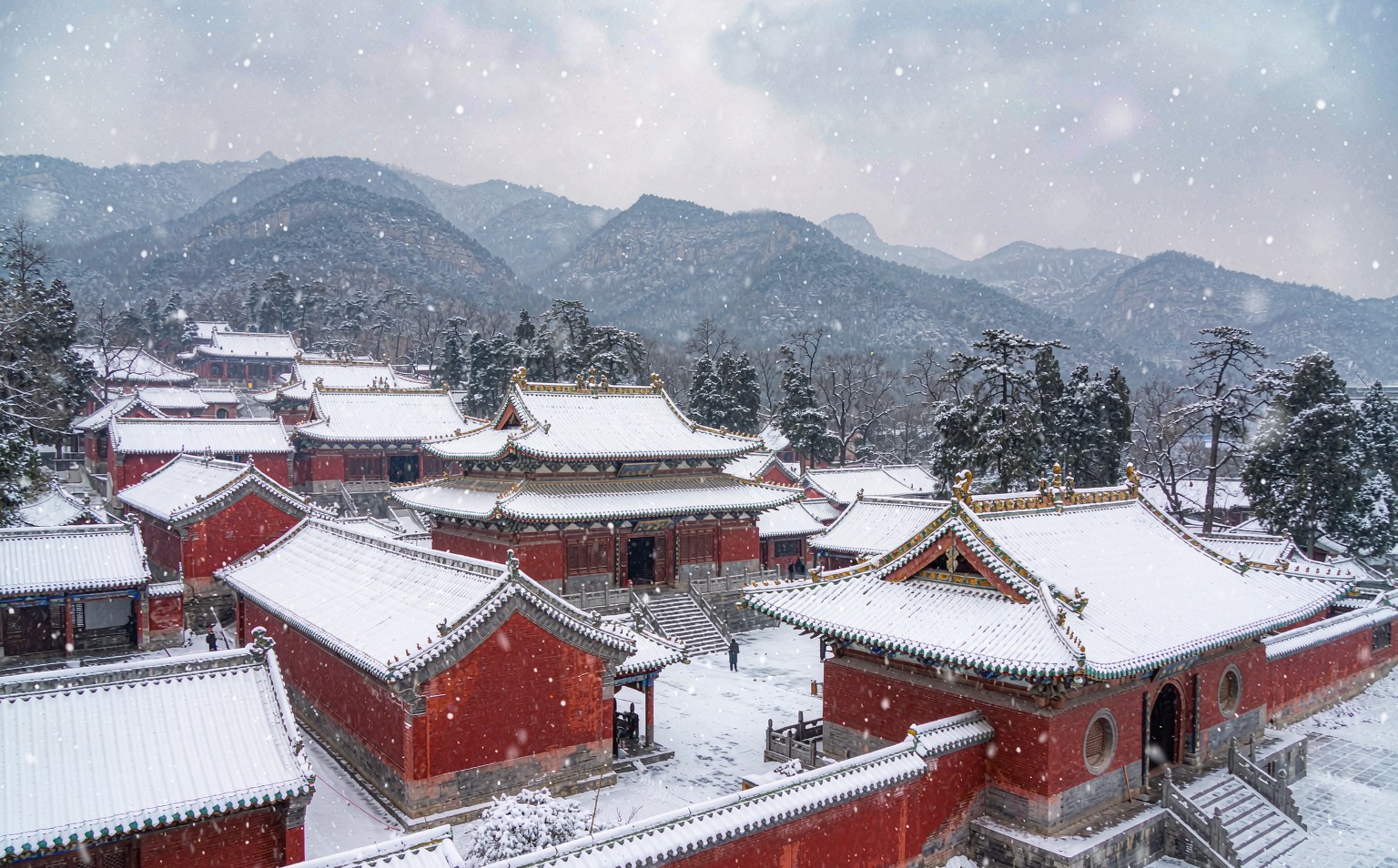
Morning tour White Horse Temple, from the mountain gate and the Hall of Heavenly Kings to the Great Buddha Hall along the central axis, then visit the Qiyun Pagoda Courtyard; At noon, taste Luoyang local cuisine; in the afternoon, visit Burmese and Indian-style Buddhist halls to experience the exotic charm of the thousand-year-old temple.
Attraction introduction: One highlight of the itinerary is White Horse Temple, located east of Luoyang city. It was first built during the Yongping era of the Eastern Han Dynasty to commemorate the White Horse Carrying Scriptures and the early introduction of Buddhism to the Central Plains. It is honored as "China's First Ancient Temple" and the first government-run temple built after Buddhism was introduced to China. Inside the temple, the Qiyun Pagoda Courtyard, the Great Buddha Hall, and the Heavenly King Hall are arranged along the central axis, with red walls and green cypress trees where incense offerings have continued for over two thousand years. It is worth mentioning that the temple also features exotic-style Buddhist halls donated by countries such as Myanmar, Thailand, and India, showcasing the unique landscape of Buddhist culture flowing eastward and backward. My understanding is that when entering the temple, first see the main hall along the central axis, then circle around to the Qiyun Pagoda Courtyard, and finally visit the foreign Buddhist halls on both sides to experience cultural fusion; Come early in the morning when there are fewer people; the sunlight shining on the red walls and ancient cypress trees creates the most poetic atmosphere, and you can also avoid the peak of tour groups.
Friendly reminder: Temples have many stone steps and thresholds; do not step over thresholds. Arrange your prayers in order and do not push. Visitors generally report that exotic-style Buddhist halls (Thai/Burmese/Seal Hall) have a high rate of photo shoots, and they generally feel they are more spacious than expected; Reminder: The international temple area is a long walk, so leave some stamina. Based on actual conditions, leave some energy allowance: focus on the main event in the morning and slow down in the afternoon to avoid overspending on the first day and feeling bored in the following days.
Day 2: Yin Ruins
Early in the morning, enter Yin Ruins, first see the palace area and the carriage pit, then visit the royal tomb area, followed explanations to understand the opening chapter of the historical texts; Visit the new building in the afternoon and return in the evening.
Attraction introduction: Today's itinerary includes Yin Ruins attractions. Yin Ruins is the ruins of the late Shang capital located at Anyang, the hometown of oracle bone inscriptions, and the excavation site of the Houmuwu Ding (originally called Simuwu Ding). It was listed as a World Cultural Heritage site in 2006. This was once the capital of the Shang Dynasty after Pan Geng moved to Yin, lasting over 270 years. Palace and ancestral temple ruins, royal tombs, and chariot pits are clearly visible. Oracle bone script was first discovered here, tracing China's trusted history back to the Shang dynasty; The new building of the Yin Ruins Museum systematically displays bronzes, jade, oracle bones, and other artifacts, serving as the most direct classroom for understanding Shang civilization. My understanding is that first visit palaces, ancestral temple sites, and chariot pits to establish spatial concepts, then visit museums to appreciate artifacts in detail; only when these two lines connect is it complete; Oracle bone script and bronze artifacts are the essence; walking through the explanation is far better than just skimming through.
Friendly reminder: There are many slippery mountain paths, so especially when going downhill, pay special attention to shifting your center of gravity and slowing down. A pair of knee pads is recommended. Visitors generally report that oracle bone script and the Simuwu ding bring history to life, and visitors say the new museum is more valuable than the open-air site; Reminders are only understood when combined with explanations. Considering actual conditions, respecting local customs, dressing appropriately when entering religious venues, and avoiding casual advice—a simple greeting can earn goodwill.
Day 3: Departure
Transfer to the station/airport per your departure, ending a pleasant journey.
Friendly tips: Pack the night before and keep ID, power bank and souvenirs together; allow extra time for the station/airport; bring your ID and stay with your guide, noting the meeting time and place. Traveler feedback — Return-day travelers remind: pack ID and souvenirs the night before; allow extra time. Practical note — Return-day tip: pack ID, power bank and souvenirs the night before; allow extra time—mountain roads are unpredictable.
Related Tours
Luoyang Departure Laojun Mountain and Longywan 3 Days
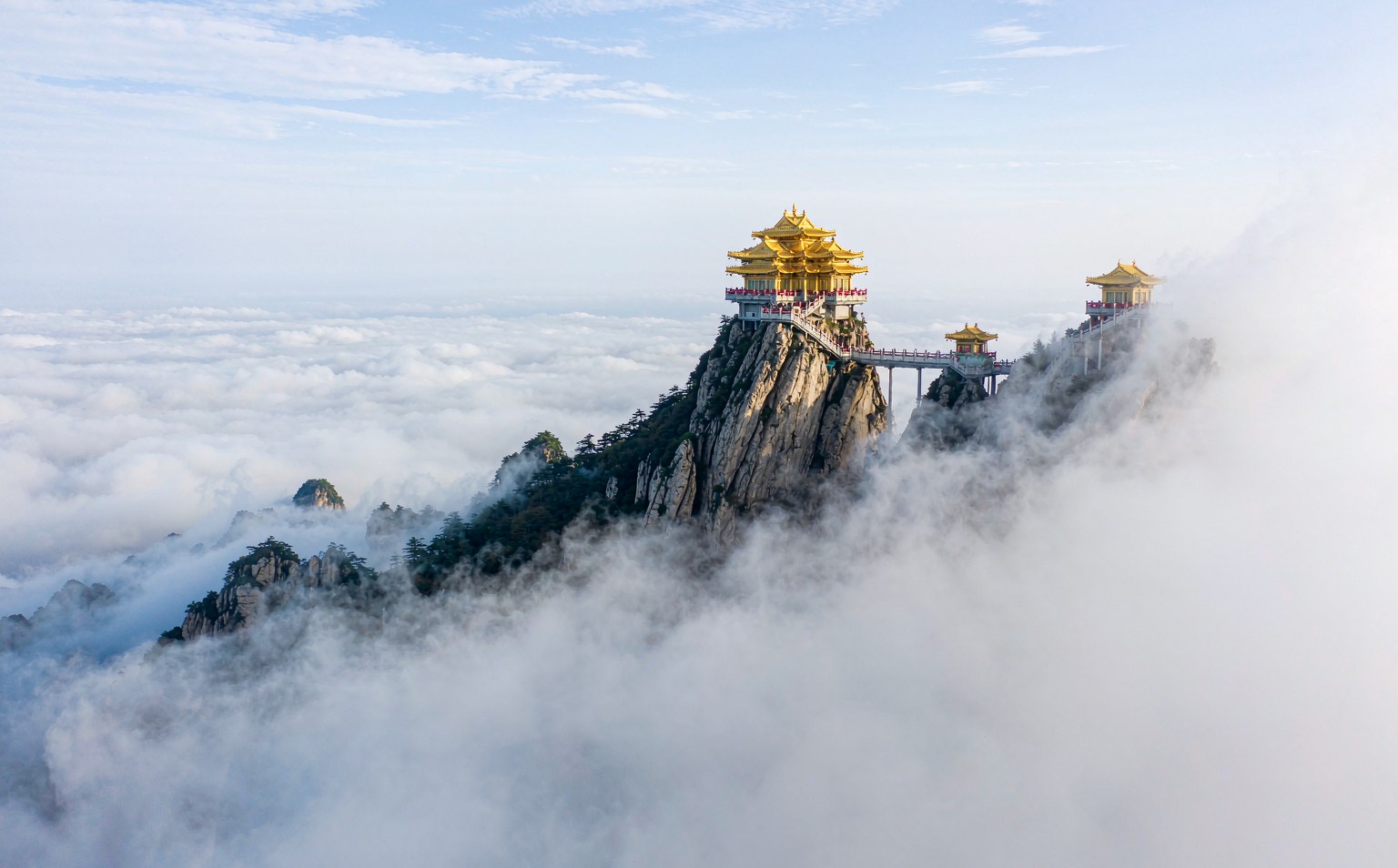
Three days from Luoyang: the first evening waiting below the golden summit for the lamps, the second climbing early for cloud, then a slow afternoon along the nine bends of Longywan. The ticket holds two days, so the mountain is never rushed.
Luoyang Departure Longmen Grottoes and White Horse Temple 3 Days
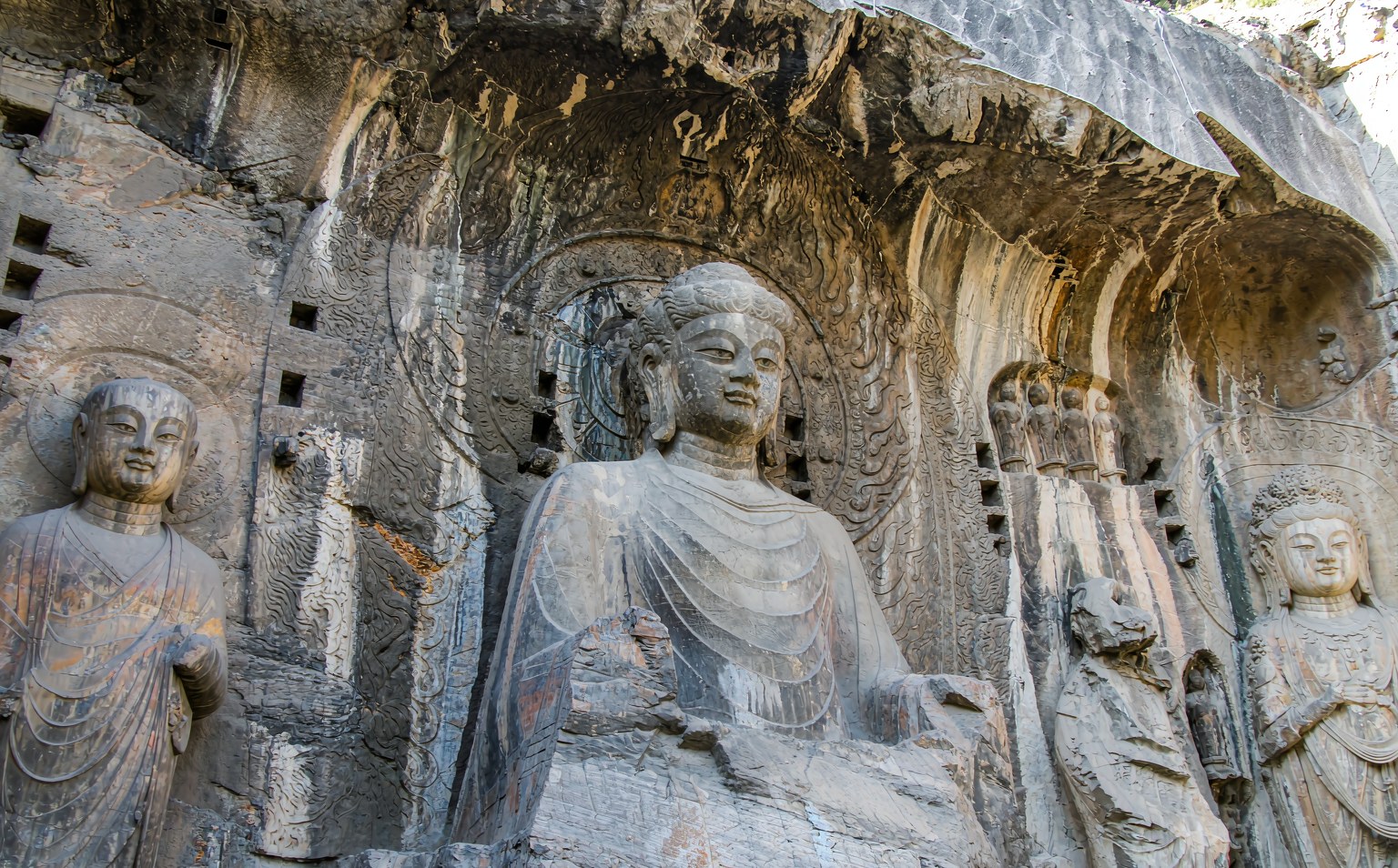
Three days from Luoyang: the carved cliff of the west bank first, then the oldest official Buddhist temple in China, then the Ming and Qing halls of Guanlin. Both nights stay inside the old city, so the lantern street is a walk away.
Luoyang to Laojunshan, Chongdugou, Jiguan Cave and Yangzigou 6 Days
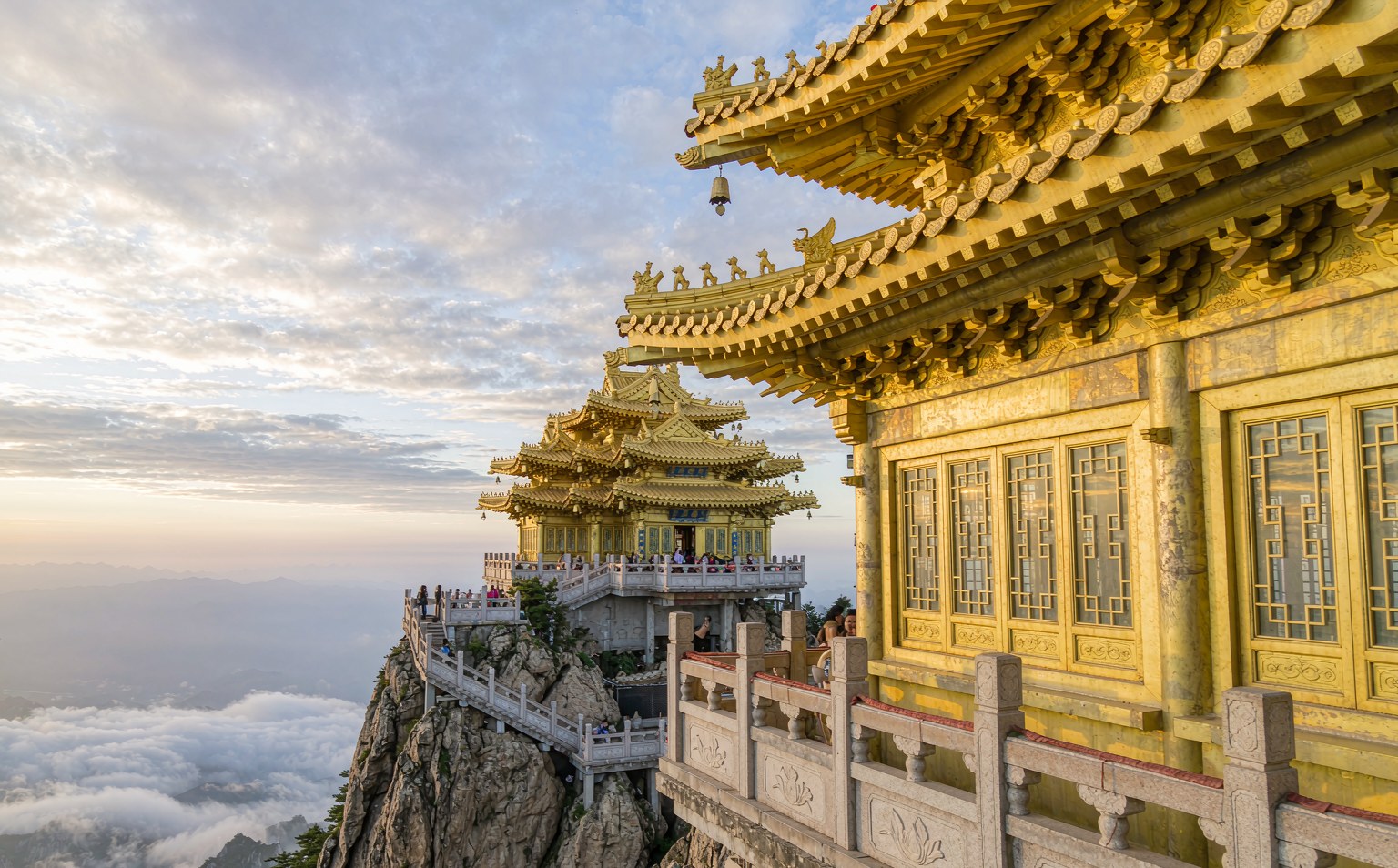
Six days from Luoyang. The Laojunshan ticket stays valid for two days, so the golden summit comes first and a second climb chases the morning cloud sea. Jiguan Cave runs 1,800 metres at a constant 18 degrees, and Chongdugou still has green bamboo in November.
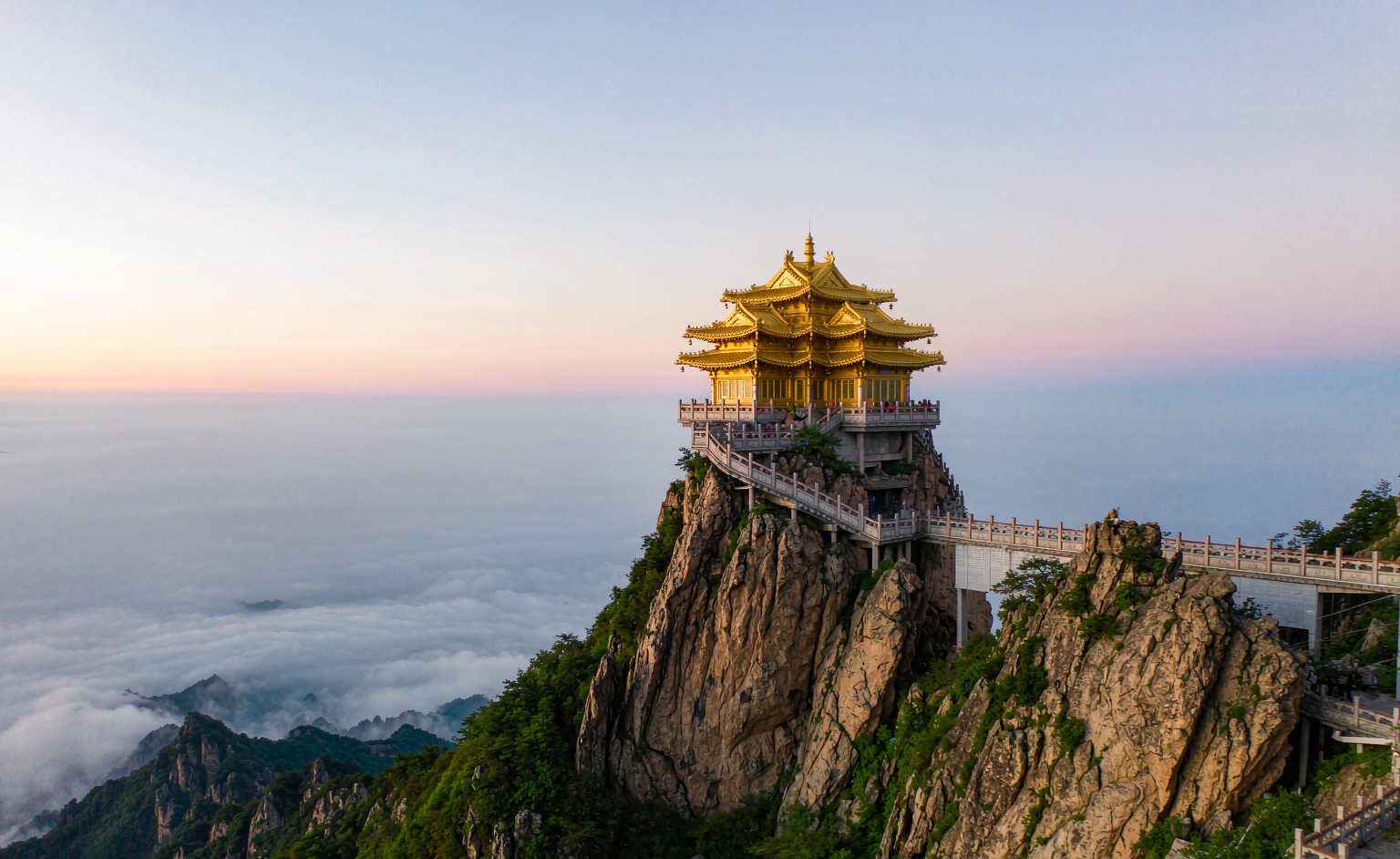
Luoyang Departure: Laojun Mountain, Jiguan Cave and Longtan Canyon, 5 Days 4 Nights
Five days from Luoyang. The Laojun Mountain ticket holds for two days, so the mountain is climbed twice: the painted rock forest first, then the summit to wait for the lamps. The second half runs west to Xinan, through a cave that stays at 18 degrees and a red gorge cut by water.