
Jiaozuo 4-Day Tour: Longmen Grottoes & Erlitou Site
Jiaozuo 4-day tour covering Longmen Grottoes and Erlitou Site and Jiguan Cave. Sightseeing tickets and shuttle bus included.
Highlights
Day 1: Longmen Grottoes
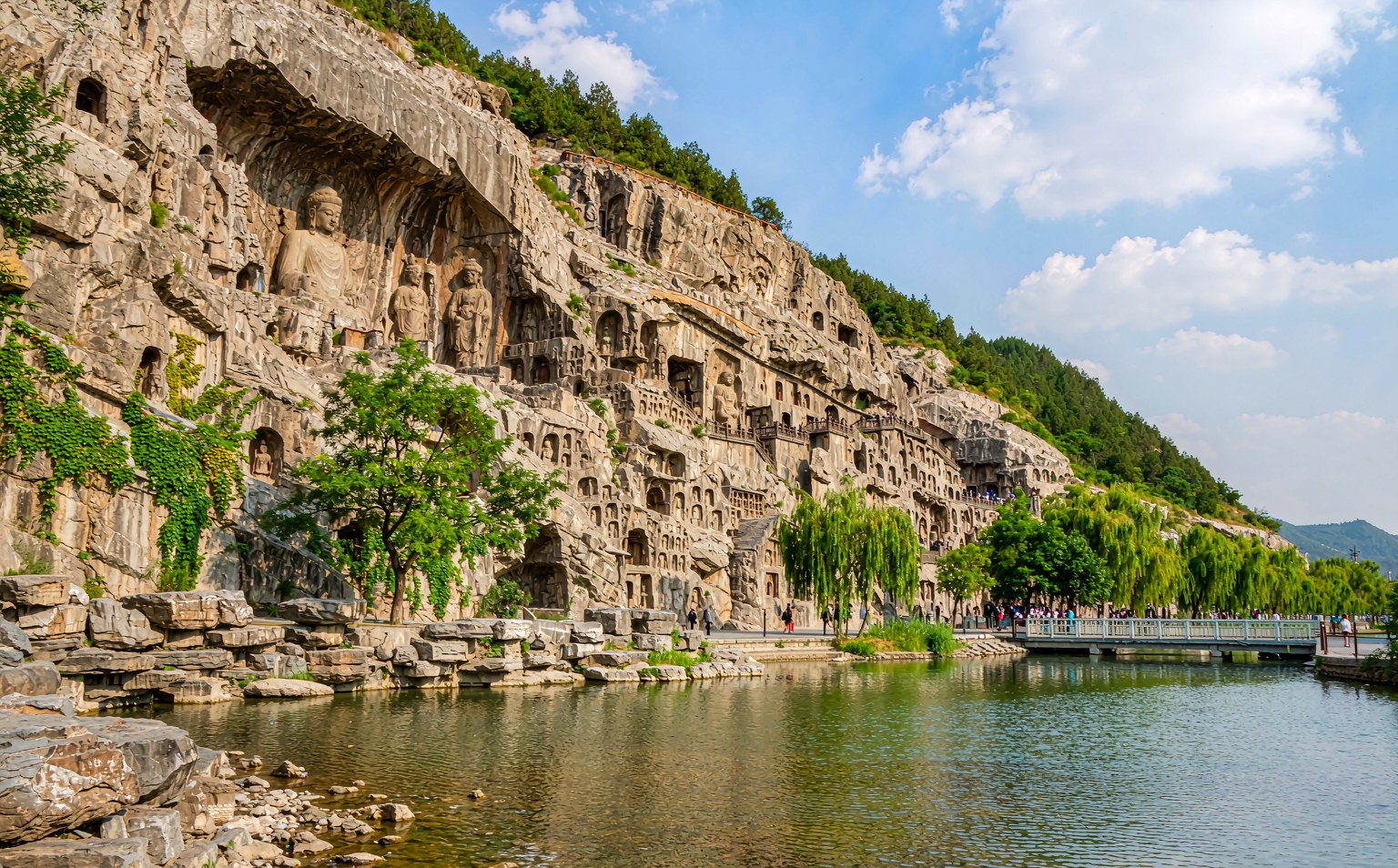
Arrive early in the morning, take advantage of the fewer crowds to first visit Binyang Three Caves and Lotus Cave, then climb Fengxian Temple to admire the Great Buddha; have a nearby lunch at noon, in the afternoon visit Dongshan Grottoes and Xiangshan Temple, and at sunset take photos by the Yi River, ending a fulfilling day.
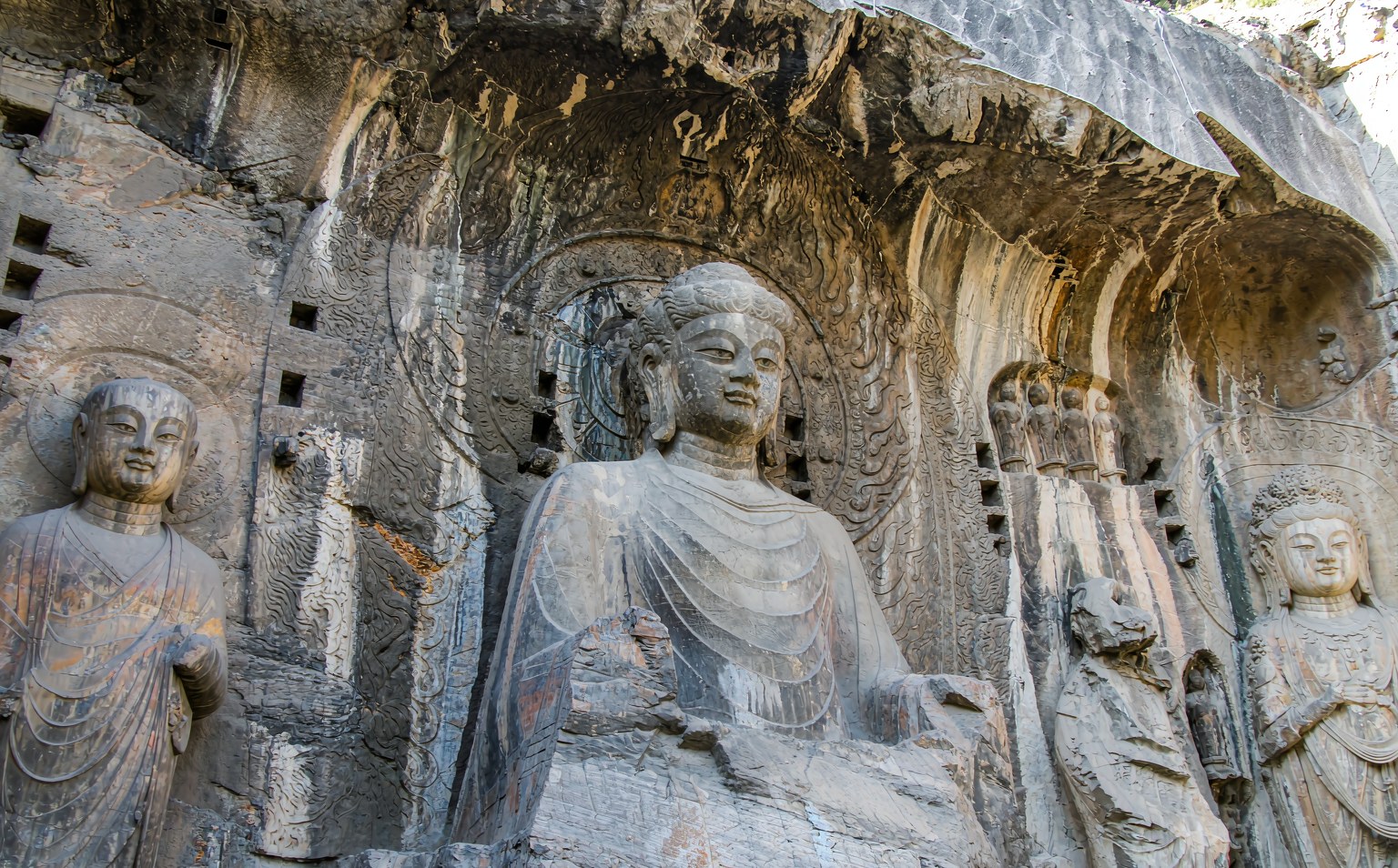
Attraction Introduction: A highlight arranged in the itinerary is Longmen Grottoes. Longmen Grottoes was carved on the cliff walls along both sides of the Yi River in the south of Luoyang city. Construction began after Emperor Xiaowen of Northern Wei moved the capital to Luoyang and continued through multiple dynasties including Eastern Wei, Western Wei, Northern Qi, Sui, and Tang. Currently, there are more than 2,300 cave niches, over 100,000 statues, and more than 2,800 inscriptions. The most spectacular is the Leshan Giant Buddha at Fengxian Temple, which is over 17 meters tall, with a full face and kind eyes, said to have been carved based on Wu Zetian's appearance, representing the pinnacle of Tang Dynasty stone carving art. Along with Dunhuang Mogao Grottoes and Datong Yungang Grottoes, it is known as one of China’s three major grottoes and a World Heritage Site. When visiting, start from the West Mountain Grottoes along the Yi River trail heading south. Binyang Three Caves, Ten Thousand Buddhas Cave, and Lotus Cave each have their highlights. After crossing the bridge to Dongshan Worship Platform, you can overlook the entire panorama. My understanding is, see the main caves of West Mountain in the morning to have a detailed look at the Great Buddha when it’s less crowded, and in the afternoon visit Dongshan to view from the platform, which offers the best light and angles for photos. Walking along both sides of the Yi River requires retracing your steps, so a comfortable pair of shoes can save a lot of effort.
Tips: The grotto area has strong UV radiation, so bring a sun hat and sunscreen on sunny days. The visiting route is relatively long, so remember to stay hydrated. Most tourists have remarked that the Leshan Giant Buddha is the most impressive, and the sunset at West Mountain provides the best lighting for photos. Walking along both sides of the Yi River requires retracing your steps, so it is recommended to wear comfortable shoes and reserve half a day. Depending on the situation, when taking photos, don’t just focus on getting a good shot, pay attention to your footing and surrounding environment. Always hold on securely when standing on observation decks or trail edges.
Day 2: Erlitou
Today focuses on Erlitou as the theme. Avoid peak hours by entering the park at off-peak times, follow the recommended route for an in-depth tour; have lunch nearby to enjoy local flavors, then spend the afternoon on free activities or follow the guide for extra tours, and stay at the hotel for rest in the evening.
Attraction Introduction: Today's itinerary includes Erlitou attractions. The Erlitou site is located in Luoyang Yanshi and is praised by academia as "the earliest China." It is a large city site from the mid-to-late Xia dynasty, where turquoise dragon-shaped artifacts, bronze jue, bronze ding, and other important items have been unearthed, revealing the appearance of the first royal capital of Huaxia. The turquoise dragon-shaped artifact is inlaid with more than two thousand pieces of turquoise and is hailed as "the first dragon of Huaxia," serving as important evidence of Chinese dragon worship. The Erlitou site museum presents the archaeological site experience and is an unmissable stop for studying the origins of Chinese civilization. My understanding is that gaining background knowledge on the academic controversies regarding the "Xia capital" before visiting the exhibits can lead to a deeper understanding; the museum's display is very carefully arranged and worth taking your time to view.
Tips: Many mountain paths are slippery; pay special attention to shifting your center of gravity backward and slowing down when going downhill, and consider bringing knee pads. Visitors generally report that most feel Erlitou is worth a dedicated visit. It is recommended to slow down, follow the guide for explanations, and leave time for the details that move you most and for the best photo spots. Considering the practical situation, for good photos aim for early morning or late afternoon—fewer people and soft light in the early morning, golden light at dusk for the best shots; noon light is harsh, crowded, and flat, better to use that time for rest.
Day 3: Jiguan Cave
Morning tour: Visit the Karst cave to see the various shapes of stalactites; have a nearby lunch at noon, and in the afternoon you can conveniently visit Longtan Grand Canyon, one cave and one gorge complement each other, returning in the evening.
Attraction Introduction: Today's itinerary includes Jiguan Cave attraction. Jiguan Cave is the Karst cave in Luanchuan, where stalactites take on various shapes. Stalagmites, stone pillars, and stone flowers transform into magnificent colors under the lights. The cave maintains a constant temperature year-round, being warm in winter and cool in summer. The attractions inside the cave are densely packed, changing with each step. With the explanation, you can understand the wondrous geology shaped over hundreds of millions of years. Together with Longtan Grand Canyon, one cave and one gorge complement each other, forming a classic geological sightseeing route in Western Henan. My understanding is that when entering the cave, remember to follow the guide; the formation and naming of the stalactites are very interesting, and you may easily miss the highlights if you explore alone. The cave floor is slippery, and some areas are low, so wear anti-slip shoes and watch your head.
Tips: Mountain paths have many steps and steep slopes, so be sure to wear anti-slip sports shoes. Those with leg or foot difficulties are advised to use the cable car. Visitors generally give feedback that most of them believe Jiguan Cave is worth a special visit. It is recommended to slow down, follow the guide’s explanation, and leave time for the details that move you most and the best photo spots. Considering practical circumstances, the greatest risk during long trips is dehydration, so carry a water bottle and drink small amounts frequently; on the first night at high altitudes or in mountainous areas, do not wash your hair or shower for too long, allowing your body some time to adjust.
Day 4: Return
Transfer to the departure terminal per your booked train or flight; keep travel documents and tickets in your carry-on.
Related Tours
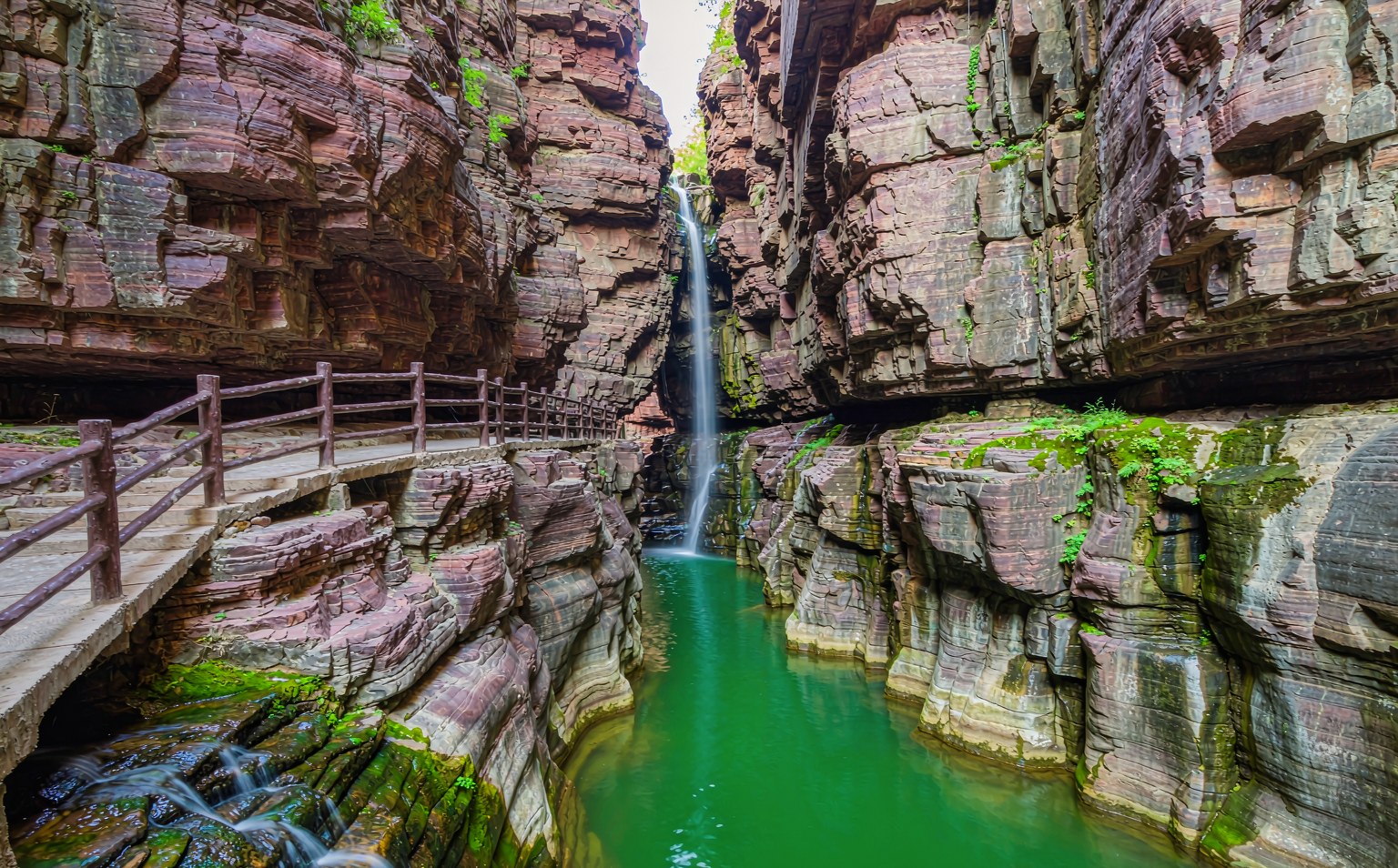
Luoyang to Yuntai Mountain, Hongshi Gorge and Chenjiagou 5 Days
Five days from Luoyang. The Yuntai ticket at 120 yuan plus a 60 yuan shuttle pass stays valid for three days, enough for Hongshi Gorge, Tanpu Gorge and Zhuyu Peak. The fourth day turns south to Chenjiagou, the village where tai chi began.
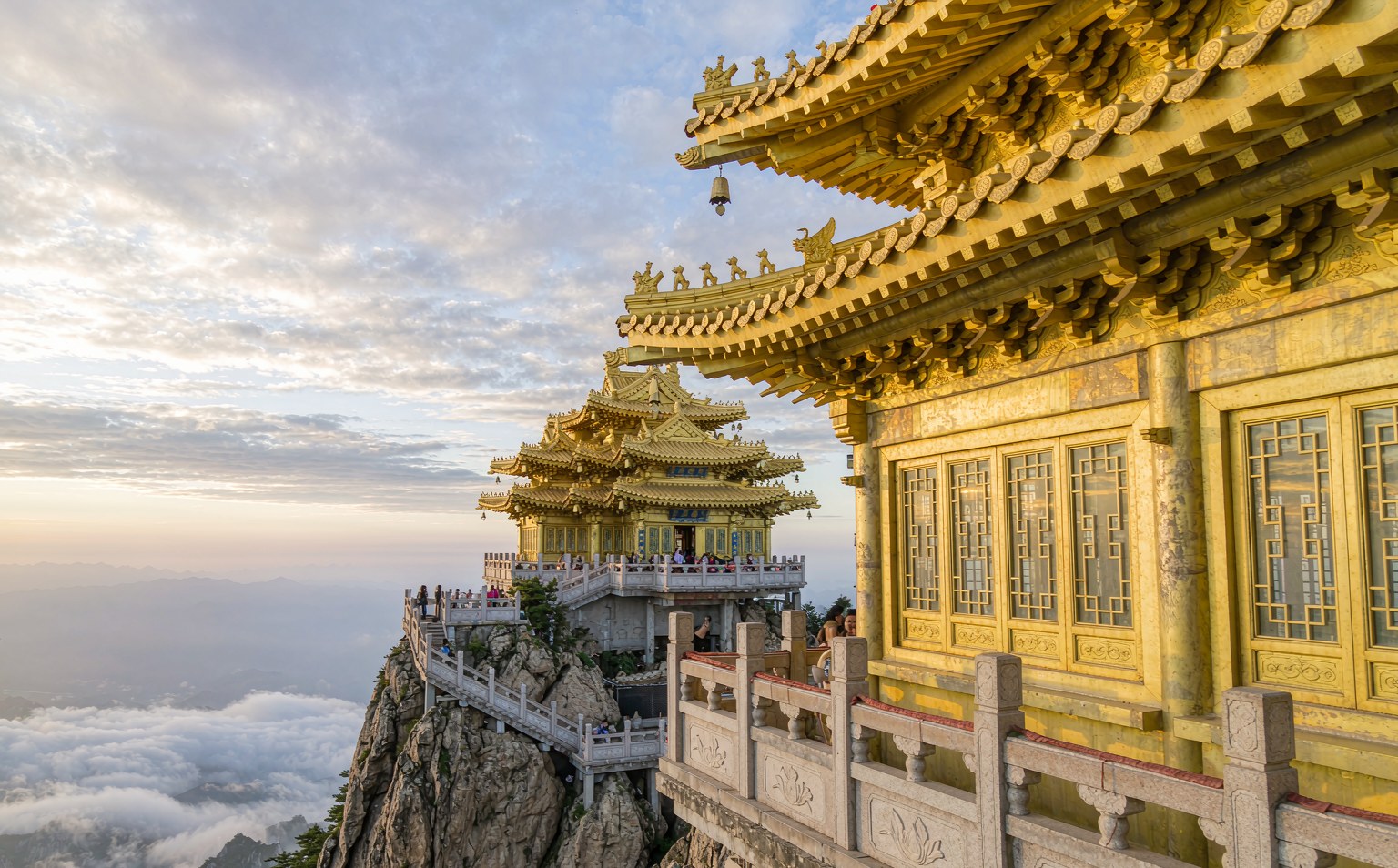
Luoyang to Laojunshan, Chongdugou, Jiguan Cave and Yangzigou 6 Days
Six days from Luoyang. The Laojunshan ticket stays valid for two days, so the golden summit comes first and a second climb chases the morning cloud sea. Jiguan Cave runs 1,800 metres at a constant 18 degrees, and Chongdugou still has green bamboo in November.
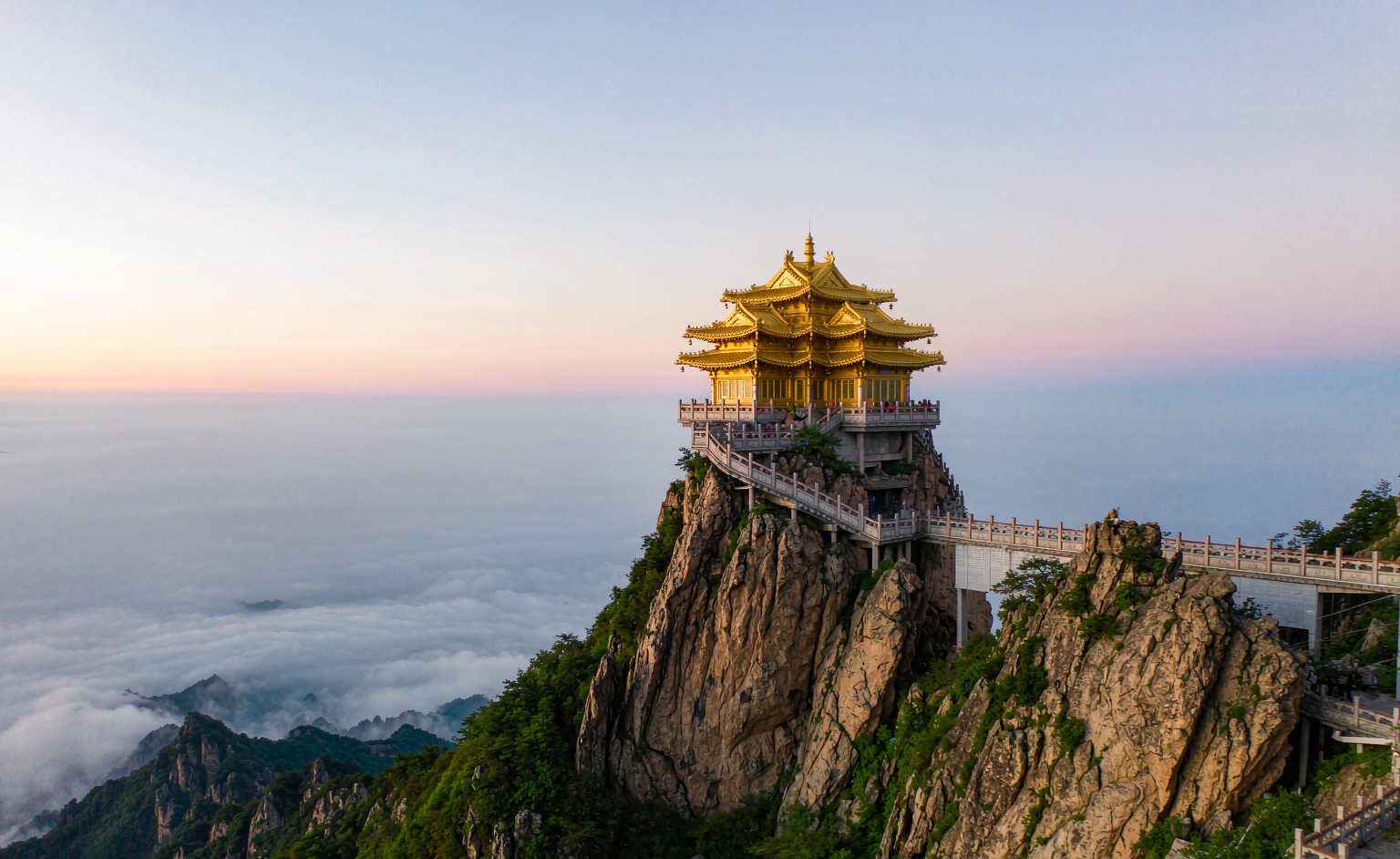
Luoyang Departure: Laojun Mountain, Jiguan Cave and Longtan Canyon, 5 Days 4 Nights
Five days from Luoyang. The Laojun Mountain ticket holds for two days, so the mountain is climbed twice: the painted rock forest first, then the summit to wait for the lamps. The second half runs west to Xinan, through a cave that stays at 18 degrees and a red gorge cut by water.
Luoyang Departure: Longmen Grottoes, White Horse Temple, Luoyang Museum and Erlitou, 3 Days 2 Nights
Three days from Luoyang, all of them about which layer of soil a thing came out of: Buddhas cut into a cliff at Longmen, a pagoda standing in a temple yard, a jade cup behind glass, and at Erlitou the rammed-earth footings of a palace that is four thousand years old.