
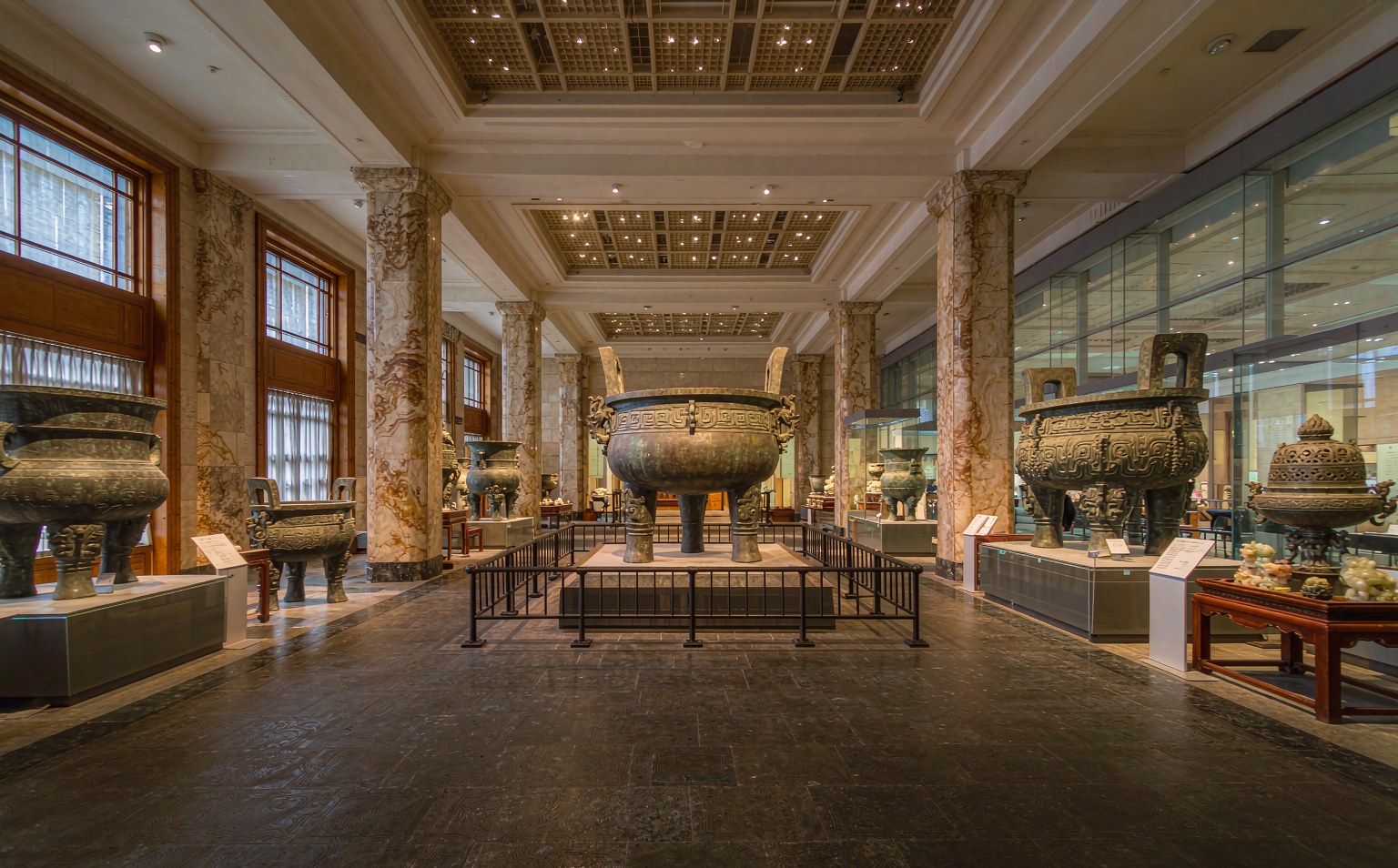
Anyang 4-Day Tour: Sui-Tang Luoyang City & Laojun Mountain
Anyang 4-day tour covering Sui-Tang Luoyang City and Laojun Mountain and Red Flag Canal. Sightseeing tickets and shuttle bus included.
Highlights
Day 1: Sui-Tang Luoyang City
Gather in the morning and depart for Sui-Tang Luoyang City, follow the guide along the main route, visit the highlights one by one, and allow ample time for photos and rest; Enjoy local specialties at noon, continue deeper in the afternoon, check into the hotel in the evening, and recharge for the next day's itinerary.
Attraction introduction: This stop is Sui-Tang Luoyang City. Sui-Tang Luoyang City National Heritage Park centers around Yingtian Gate, Ming Hall, and Tiantang, recreating the grandeur of the grand palaces of the flourishing Tang Dynasty's "Divine Capital"Luoyang. Yingtian Gate is the south gate of Sui-Tang Luoyang City, grand and imposing. Climbing the tower overlooks the central axis and features a stunning light show at night; Ming Hall is the "Palace of Myriad Phenomena" from Empress Wu Zetian's era, while Tiantang is a tall pagoda for worshipping Buddha. Both buildings recreate the magnificent decorations of the flourishing Tang court. Strolling along Jiuzhou Pool is also a great way to imagine the grandeur of the imperial gardens of the past. This place is closely linked to TV dramas such as "Wu Zetian" and "The Wind RisesLuoyang," making it one of the most popular Tang culture check-in spots in recent years. My understanding is that you must tour at night—when the city lights come on, the lights of Yingtian Gate and Mingtang Heaven are what the 'Divine Capital' should look like; By day, you can admire the palace decorations; at night, watch the light show—two experiences in one day.
Friendly reminder: The ancient capital's night tours offer many options. Keep warm and remember meeting points when traveling at night. Visitors generally agree that Sui-Tang Luoyang City is worth a special trip. It's recommended to slow down and follow the guide to listen to the explanations, saving time for the most impressive details and the best camera angles. Considering actual conditions, mountain weather can change quickly; a windproof jacket is more practical than anything; Be sure to choose non-slip and comfortable shoes, and avoid taking a few photos to avoid twisting your ankle.
Day 2: Laojun Mountain
Early in the morning, climb Laojun Mountain and take the two-level cable car to the Golden Summit, checking in at the Taoist temple cluster and the sea of clouds at sunrise; In the afternoon, slowly descend along the Ten-Mile Painted Screen, changing scenery at every step, returning by evening.
Attraction introduction: A highlight of the itinerary is Laojun Mountain, located in Luanchuan County Luoyang. It is the main peak of Funiu Mountain and a famous Taoist mountain, said to be the place where Laozi, the founder of Taoism, retired for cultivation. The Golden Summit Daoist temple cluster stands atop a peak over 2,000 meters above sea level. Its golden tiles and red walls and surging sea of clouds are renowned as "a spectacular feast on earth and a glimpse of the flourishing world." The Ten-Mile Painted Screen is the highlight of the entire trip. A high-altitude plank road suspended above a sheer cliff changes views with every step, offering panoramic views of peaks, forests, sea of clouds, and sunrises. You can take a two-level cable car up the mountain; on sunny days, you can watch the sea of clouds and sunrise from the summit. In winter, it is a highly popular snow-viewing spot in the Central Plains. My understanding is: be sure to take the cable car up the mountain early to seize the golden summit and the beautiful scenery of the Ten-Mile Painting Screen; At the summit, the wind is strong and the temperature low; a windbreaker and thermos bottle are standard, and the glass observation deck is a must-have.
Friendly reminder: The climbing section has many steps and steep slopes, so be sure to wear non-slip sports shoes. Those with mobility difficulties are advised to take the cable car up and down. Visitors generally report that the sea of clouds and sunrise at the Golden Summit are recognized as the main highlights, with many people staying at the summit waiting for dawn. Reminder: The summit has large temperature differences and long cable car queues, so be sure to arrive early during peak season. Based on the actual situation, don't shop impulsively. When you see a "limited-time offer," take a calm ride for three minutes. If you really want to bring souvenirs, choose reputable stores and keep your receipts for peace of mind.
Day 3: Red Flag Canal
Today's Red Flag Canal Red Journey: Follow the guide through Youth Cave and Fen Shui Garden to understand the feats of the 1960s; You can also visit the surrounding area in the afternoon and rest in the evening.
Attraction introduction: One of the highlights included in the itinerary is Red Flag Canal. Red Flag Canal is the 'artificial Heavenly River' carved by the people of Linzhou on the sheer cliffs of the Taihang Mountains in the 1960s. It is over 1,500 kilometers long, leveling 1,250 peaks, erecting more than 150 aqueducts, and drilling more than 200 tunnels. It took nearly ten years to complete, serving as a monument to the Chinese nation's spirit of self-improvement. Youth Cave is the most dangerous section of the entire route, carved out by 300 young commandos on a sheer cliff; Fenshuiyuan and Red Flag Canal Memorial Hall fully narrate the arduous canal construction. This is a combination of red education and the magnificent scenery of Taihang, and today it is also a breathtaking cultural landmark. My understanding is that you should first visit the memorial hall to understand the canal construction background, then walk through Youth Cave to truly appreciate the canal's significance; Walk along the canal within your means, wear non-slip shoes, and watch your step.
Friendly reminder: In mountainous areas, there is a large temperature difference between morning and evening, and the wind at the summit is strong. A windproof jacket and warm inner layer are very necessary. Visitors generally report that the "Artificial Tianhe" has strong spiritual landmark attributes, making middle-aged visitors resonate more; They remind visitors that the exhibition hall's explanations are worth listening to and can understand that period of history. Based on actual conditions, documents and wallets are kept separately; important documents can be taken and stored as backups on your phone so that if lost, you can quickly reissue them without delaying your trip.
Day 4: Return
Transfer to the departure terminal per your booked train or flight; keep travel documents and tickets in your carry-on.
Related Tours
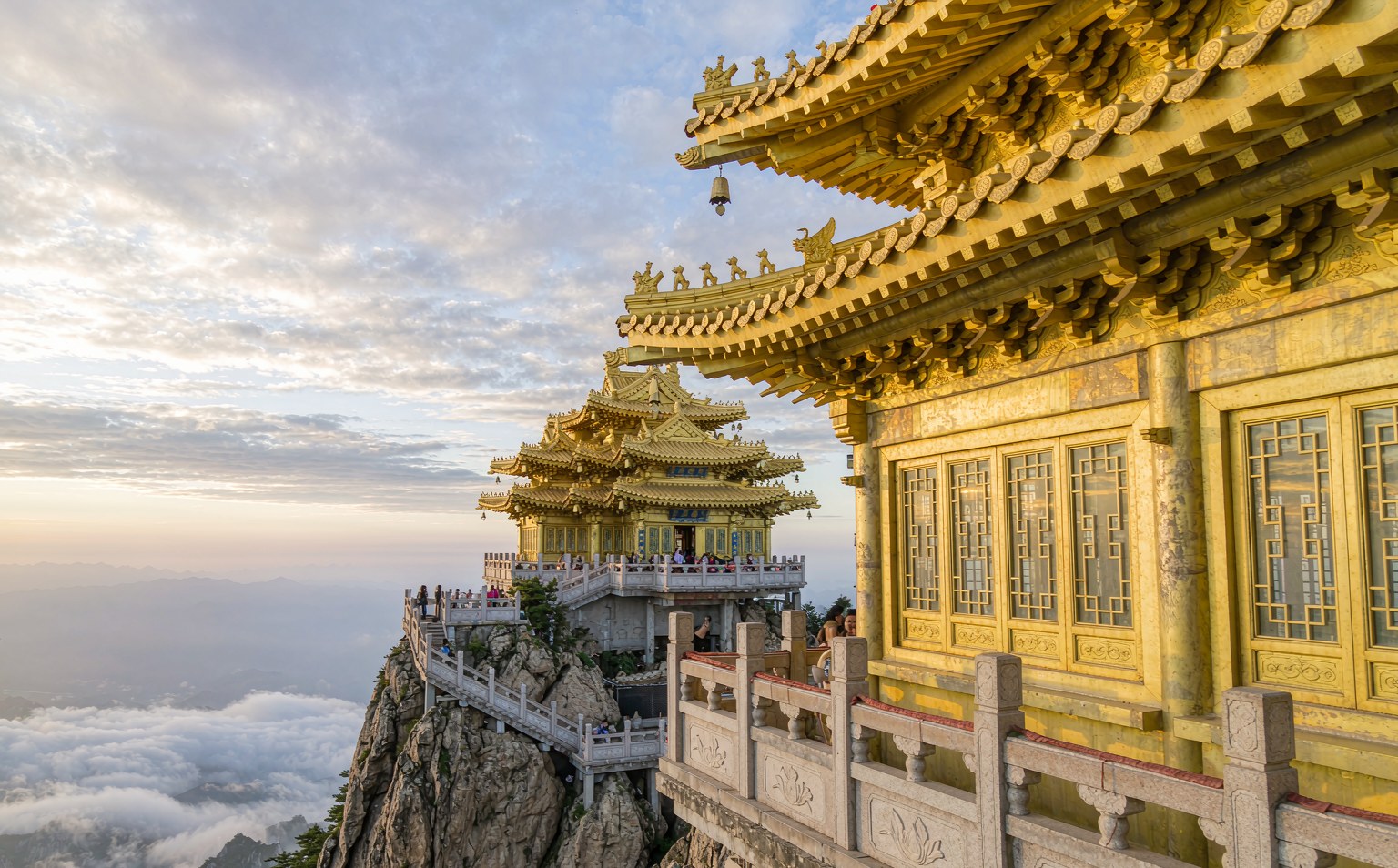
Luoyang to Laojunshan, Chongdugou, Jiguan Cave and Yangzigou 6 Days
Six days from Luoyang. The Laojunshan ticket stays valid for two days, so the golden summit comes first and a second climb chases the morning cloud sea. Jiguan Cave runs 1,800 metres at a constant 18 degrees, and Chongdugou still has green bamboo in November.
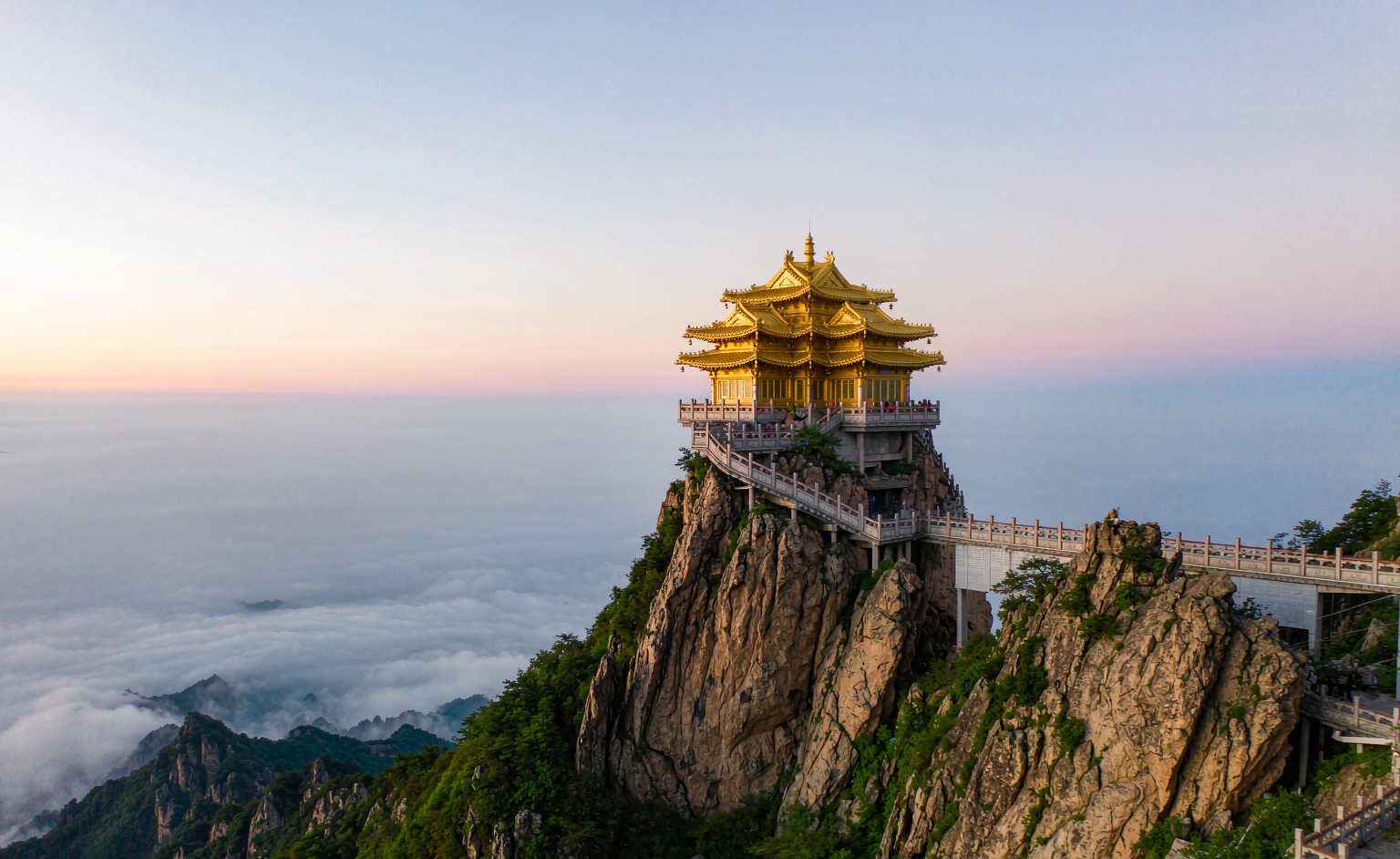
Luoyang Departure: Laojun Mountain, Jiguan Cave and Longtan Canyon, 5 Days 4 Nights
Five days from Luoyang. The Laojun Mountain ticket holds for two days, so the mountain is climbed twice: the painted rock forest first, then the summit to wait for the lamps. The second half runs west to Xinan, through a cave that stays at 18 degrees and a red gorge cut by water.
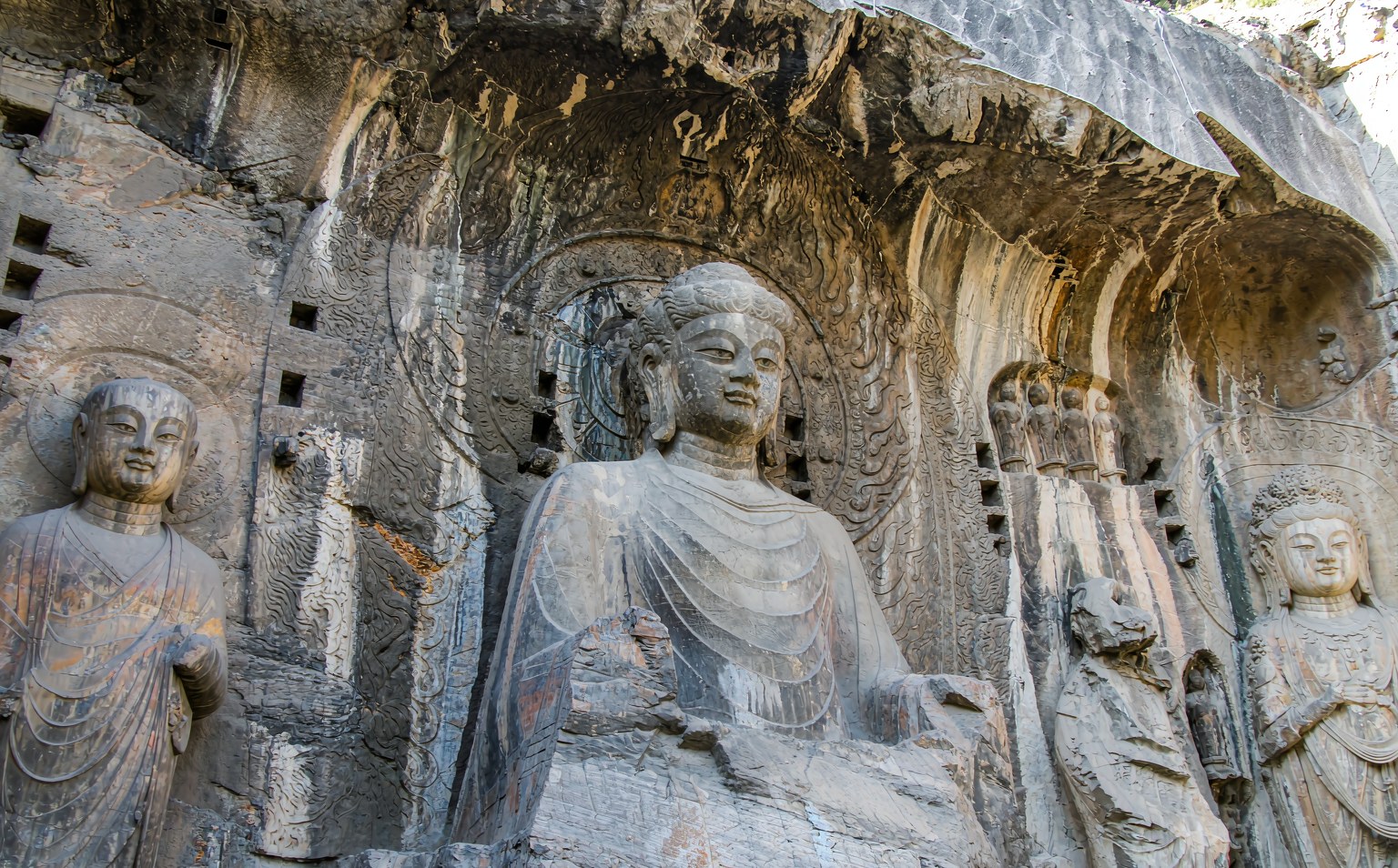
Luoyang Departure: Longmen Grottoes, White Horse Temple, Luoyang Museum and Erlitou, 3 Days 2 Nights
Three days from Luoyang, all of them about which layer of soil a thing came out of: Buddhas cut into a cliff at Longmen, a pagoda standing in a temple yard, a jade cup behind glass, and at Erlitou the rammed-earth footings of a palace that is four thousand years old.
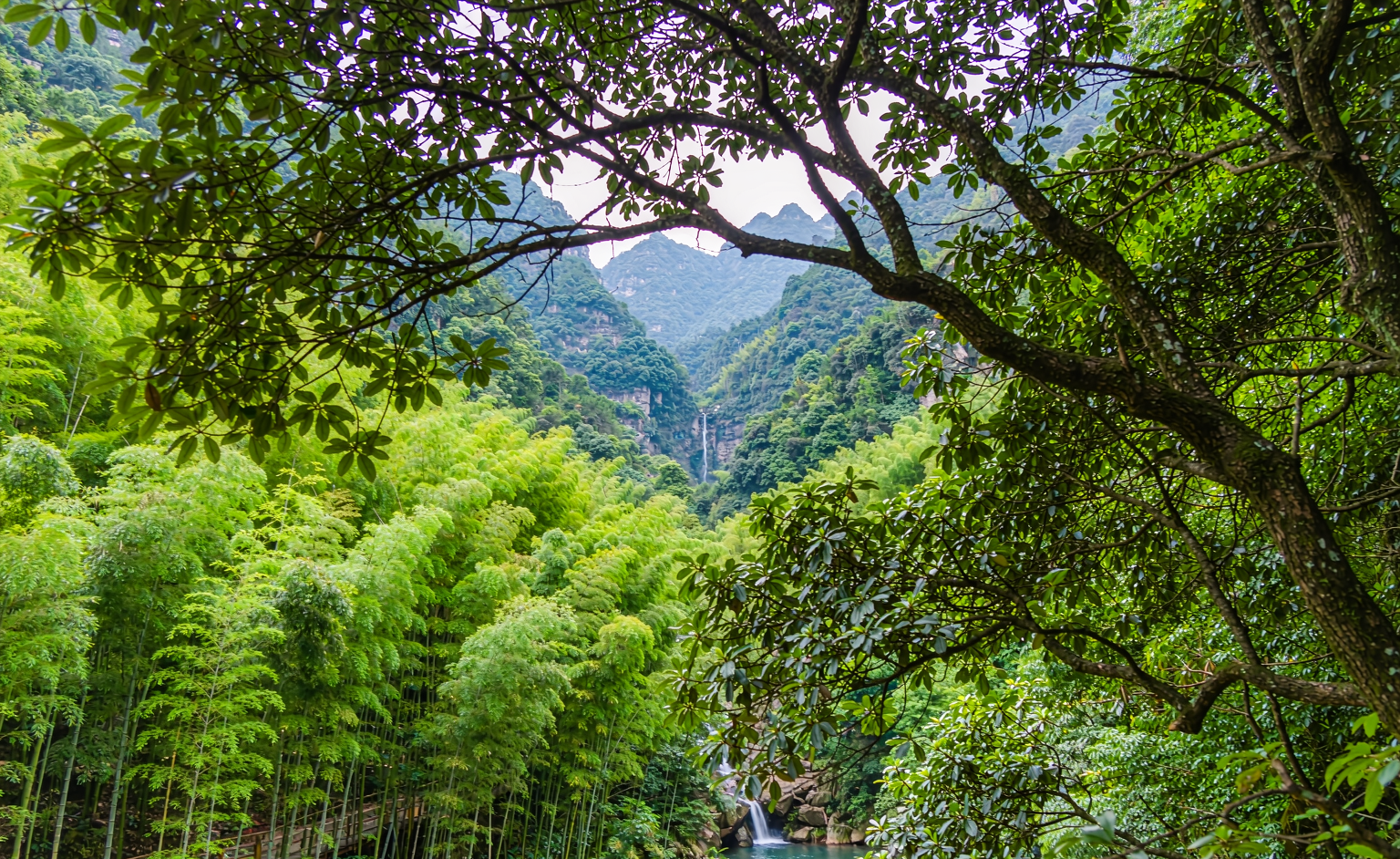
Luoyang Departure: Chongdugou Bamboo Valley and Jiguan Cave, 4 Days 3 Nights
Four slow days from Luoyang. In Chongdugou the two valleys are taken on separate days, one for waterfalls and one for bamboo, sleeping in a farmhouse inside the gorge; then Jiguan Cave, eighteen degrees all year round.