
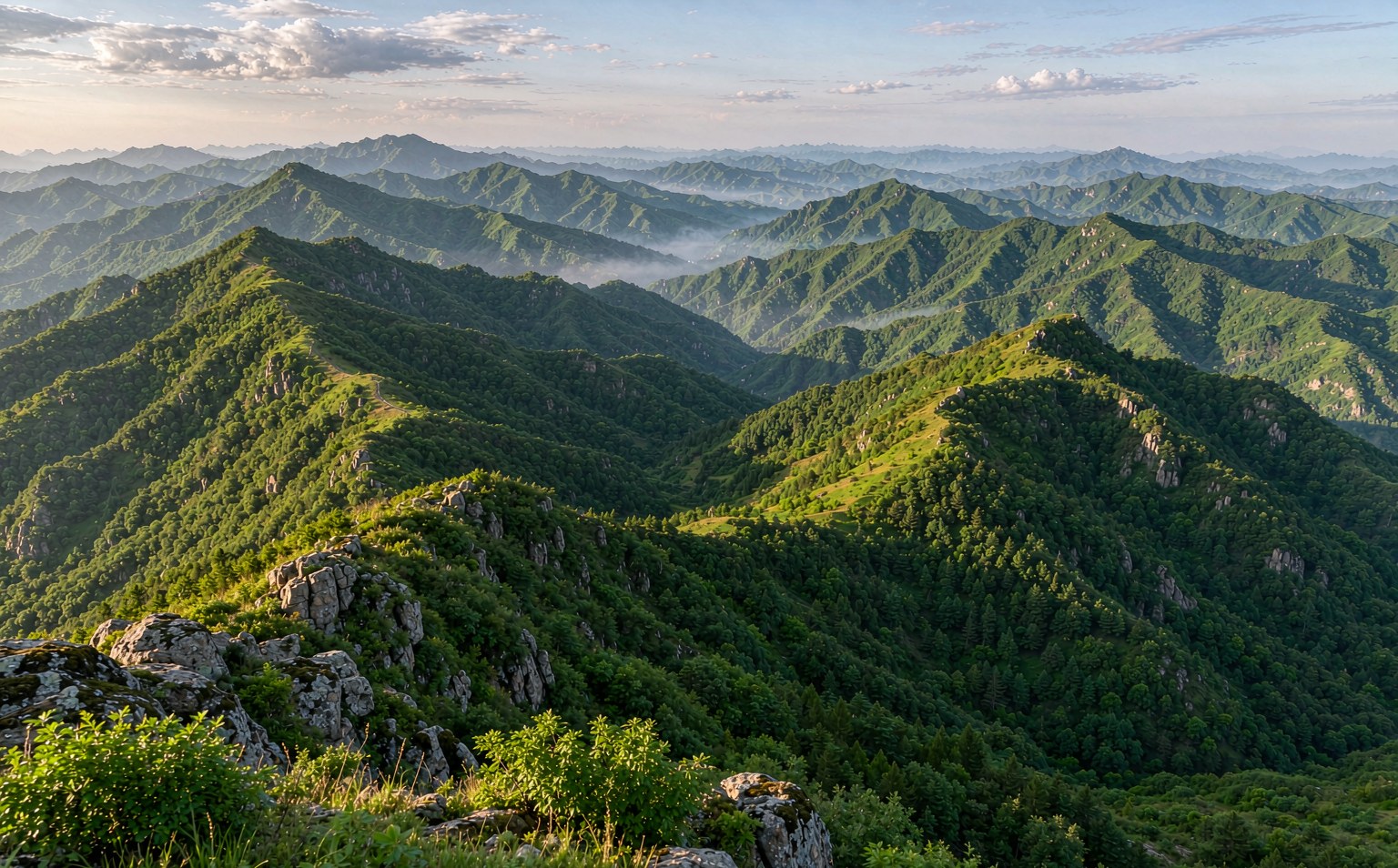
Zhengzhou 4-Day Tour: Chongdu Valley & Longmen Grottoes
Zhengzhou 4-day tour covering Chongdu Valley and Longmen Grottoes and Sui-Tang Luoyang City. Sightseeing tickets and shuttle bus included.
Highlights
Day 1: Chongdugou
Morning tourChongdugou, watching bamboo forests and waterfalls along Jinji River and Dicui River; Enjoy wild vegetable farmhouse meals at noon, stroll through villages in western Henan in the afternoon, enjoying the coolness of a Jiangnan water town.
Attraction introduction: This stop is Chongdugou. Chongdugou is located in Luanchuan, famous for its vast bamboo forests, waterfalls, and the agricultural charm of western Henan. It is one of the few "Jiangnan water town" style summer leisure spots in Henan. The scenic area is divided into Jinji River and Dicui River. Jinji River is famous for its clusters of waterfalls, with splashing water that is cool and pleasant; Dicui River is a continuous bamboo forest, with lush greenery stretching through. Here, you can stay in farmhouses, taste wild vegetables, and experience authentic mountain village life in western Henan. The pace is relaxed, making it especially suitable for family trips and summer vacations. My understanding is that slowing down the pace and not rushing to see attractions — walking through the bamboo forest or sitting by the stream is the right way to experience Chongdugou; Summer is the most comfortable, so cool you don't want to walk.
Friendly reminder: The canyon trail is by water and cliffs. Do not climb over guardrails or play in dangerous areas, and watch out for accompanying children. Visitors generally report that most think Chongdugou is worth a special trip. It's recommended to slow down and follow the guide to listen to the explanation, saving time for the most impressive details and the best camera angles. Considering the situation, be punctual. Gather five to ten minutes early. Better to wait for the car than for the car—don't make everyone wait for you.
Day 2: Longmen Grottoes
Arrive early in the morning, take advantage of fewer people to first see Binyang Three Caves and Lotus Cave, then climb Fengxian Temple to pay respects to the Great Buddha; Have lunch nearby, then walk Dongshan Grottoes and Xiangshan Temple in the afternoon, and take photos by the Yi River at dusk to end the day.
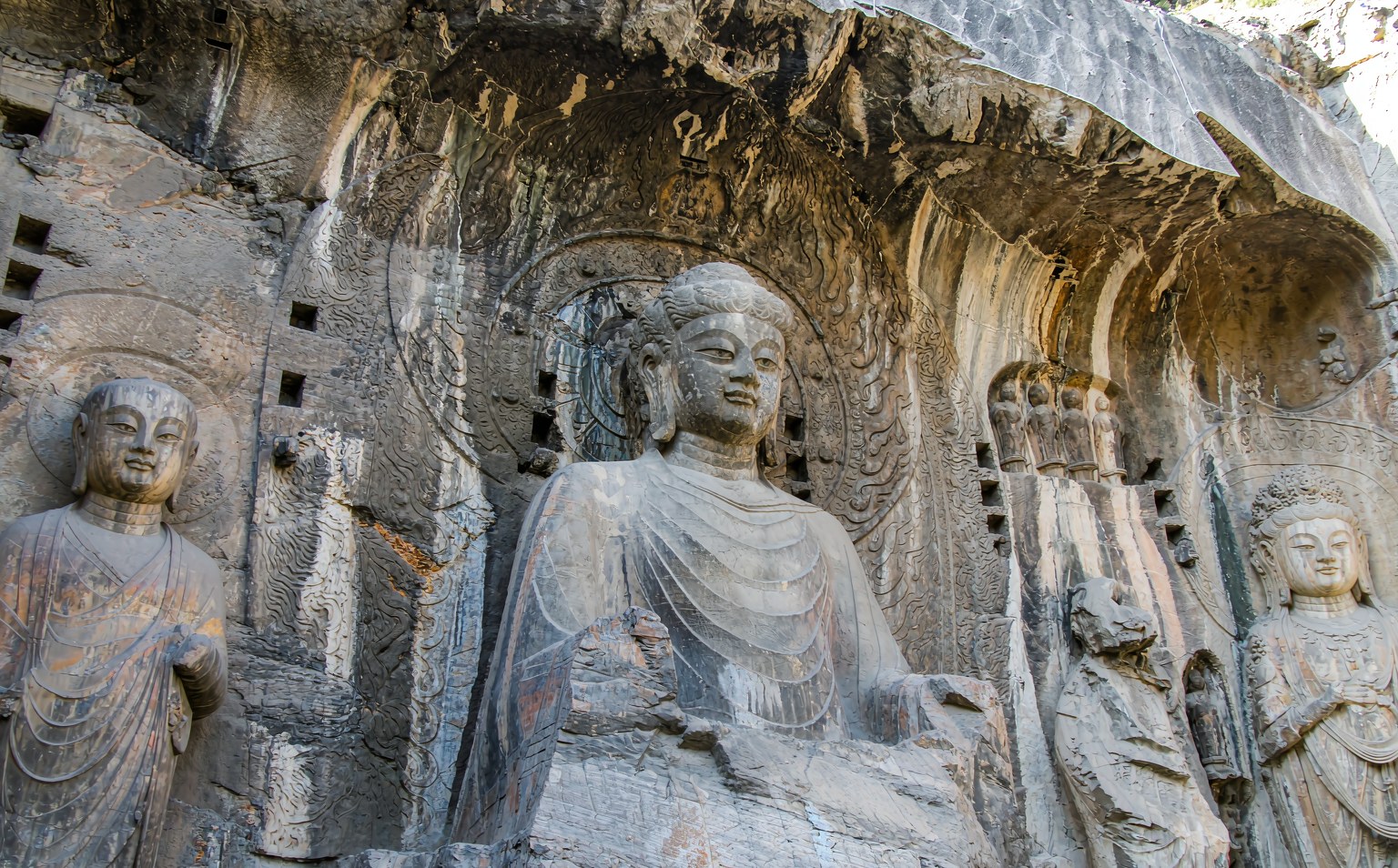
Attraction introduction: A highlight of the itinerary is Longmen Grottoes, carved into the cliffs on both banks of the Yi River south of Luoyang city. Since Emperor Xiaowen of Northern Wei moved the capital to Luoyang, construction has continued through Eastern Wei, Western Wei, Northern Qi, Sui, Tang, and other dynasties. There are over 2,300 cave niches, over 100,000 statues, and more than 2,800 inscriptions and inscriptions preserved. The most impressive is the Vairocana Buddha at Fengxian Temple, standing over 17 meters tall, with a plump face and benevolent eyes. Legend has it that it was carved after Wu Zetian's likeness, marking the pinnacle of Tang dynasty stone carving art. Along with Dunhuang Mogao Caves and Datong Yungang, it is one of China's three great grottoes and a World Cultural Heritage site. When touring, head south along the Yi River trail from the Xishan Grottoes, where Binyang Three Caves, Ten Thousand Buddha Caves, and Lotus Cave each have highlights. Cross the bridge to the Dongshan Buddha Worship Platform for a panoramic view. My understanding is that in the morning, first visit the main cave of Xishan and admire the Big Buddha while there are fewer people; in the afternoon, go to the Dongshan Viewing Platform for the best lighting and angle; If you need to walk backward along both banks of the Yi River, a pair of comfortable shoes can save you a lot of effort.
Friendly reminder: Grottoes are mostly built along cliffs. When viewing, keep a distance from the cliff walls, hold the railings properly, and take care of the elderly and children. Visitors generally report that most find the Vairocana Buddha the most breathtaking, and the best light at sunset on the Western Hills; You need to walk back along both banks of the Yi River, so it's recommended to wear comfortable shoes and allow half a day. Based on actual conditions, don't just focus on taking photos—pay attention to your footing and surroundings. Be sure to stand firmly on the viewing platform and the edges of the boardwalk.
Day 3: Sui-Tang Luoyang City
Today's theme is Sui-Tang Luoyang City. Avoid peak crowds and enter the park in staggered times, following the recommended route for a deep tour; Enjoy local flavors nearby at noon, then have free time or follow a guide for extra tours in the afternoon, and stay at the hotel to rest in the evening.
Attraction introduction: This stop is Sui-Tang Luoyang City. Sui-Tang Luoyang City National Heritage Park centers around Yingtian Gate, Ming Hall, and Tiantang, recreating the grandeur of the grand palaces of the flourishing Tang Dynasty's "Divine Capital"Luoyang. Yingtian Gate is the south gate of Sui-Tang Luoyang City, grand and imposing. Climbing the tower overlooks the central axis and features a stunning light show at night; Ming Hall is the "Palace of Myriad Phenomena" from Empress Wu Zetian's era, while Tiantang is a tall pagoda for worshipping Buddha. Both buildings recreate the magnificent decorations of the flourishing Tang court. Strolling along Jiuzhou Pool is also a great way to imagine the grandeur of the imperial gardens of the past. This place is closely linked to TV dramas such as "Wu Zetian" and "The Wind RisesLuoyang," making it one of the most popular Tang culture check-in spots in recent years. My understanding is that you must tour at night—when the city lights come on, the lights of Yingtian Gate and Mingtang Heaven are what the 'Divine Capital' should look like; By day, you can admire the palace decorations; at night, watch the light show—two experiences in one day.
Friendly reminder: The ancient capital's attractions are scattered and involve many walking and transfers. It is recommended to wear comfortable flat shoes and plan your route well. Visitors generally report that most think Sui-Tang Luoyang City is worth a special trip. It is recommended to slow down and follow the guide to listen to explanations, saving time for the most impressive details and the best camera angles. Depending on the actual situation, shoot early or late—the morning is less crowded and the light is softer, the twilight is best at dusk; the noon peak is cramped and flat, so it's more cost-effective to rest.
Day 4: Return
Transfer to the departure terminal per your booked train or flight; keep travel documents and tickets in your carry-on.
Related Tours
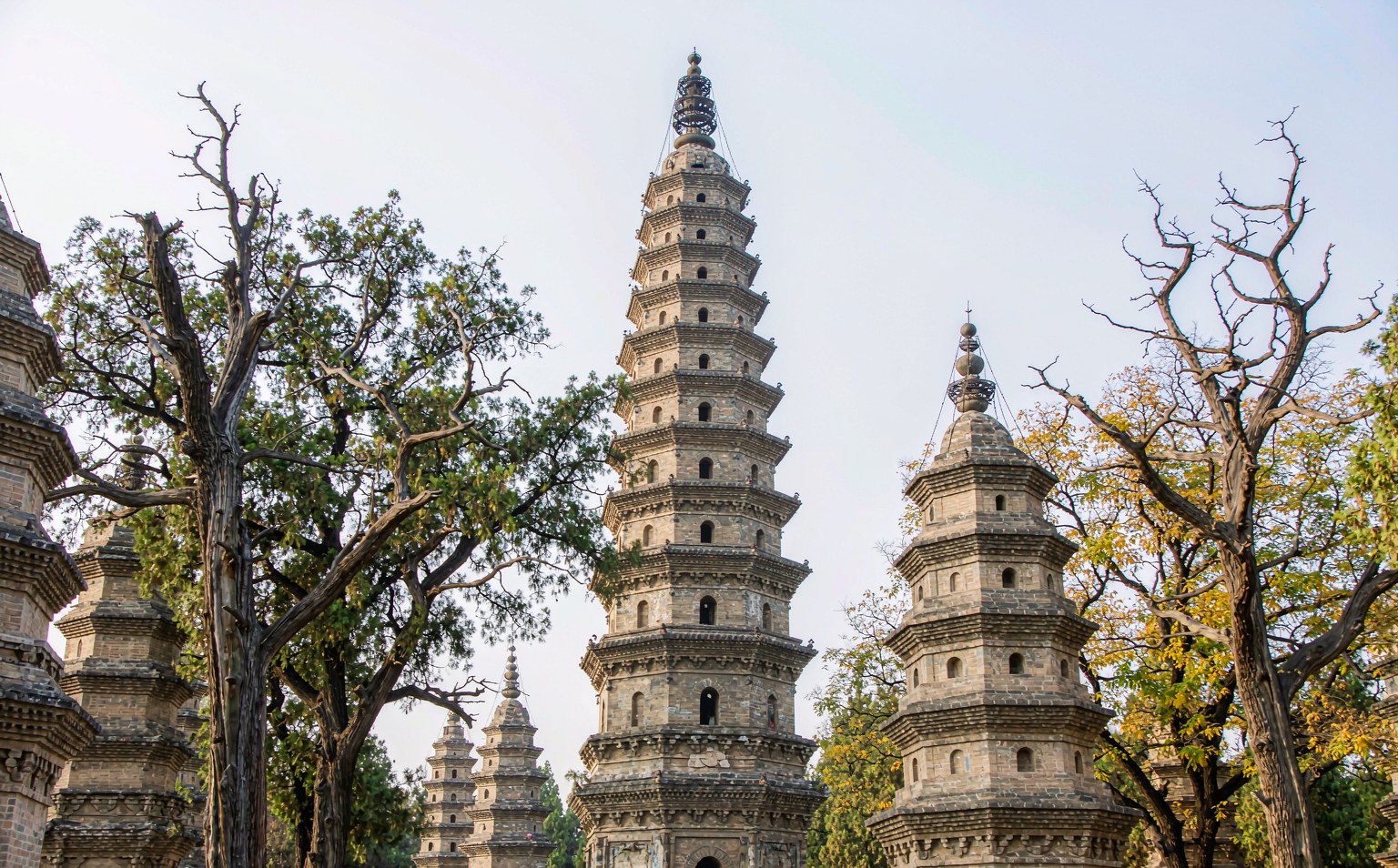
Luoyang to Shaolin Temple, Sanhuangzhai and Songyang Academy 5 Days
Five days from Luoyang. Songshan has two massifs, Taishi and Shaoshi: the Shaolin Temple and Sanhuangzhai sit on one, the Songyang Academy and Zhongyue Temple on the other. The 80 yuan Shaolin ticket already covers Sanhuangzhai.
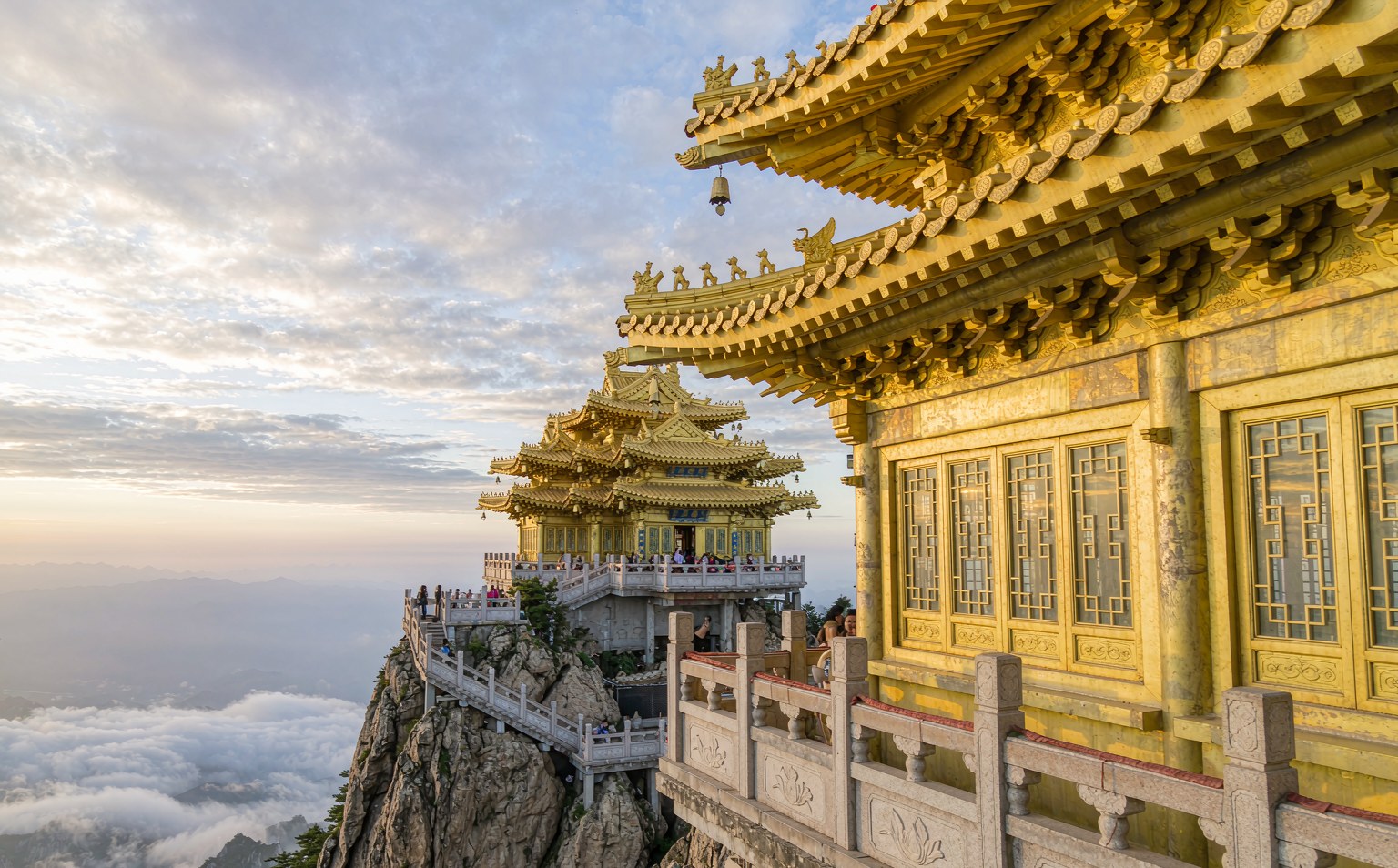
Luoyang to Laojunshan, Chongdugou, Jiguan Cave and Yangzigou 6 Days
Six days from Luoyang. The Laojunshan ticket stays valid for two days, so the golden summit comes first and a second climb chases the morning cloud sea. Jiguan Cave runs 1,800 metres at a constant 18 degrees, and Chongdugou still has green bamboo in November.
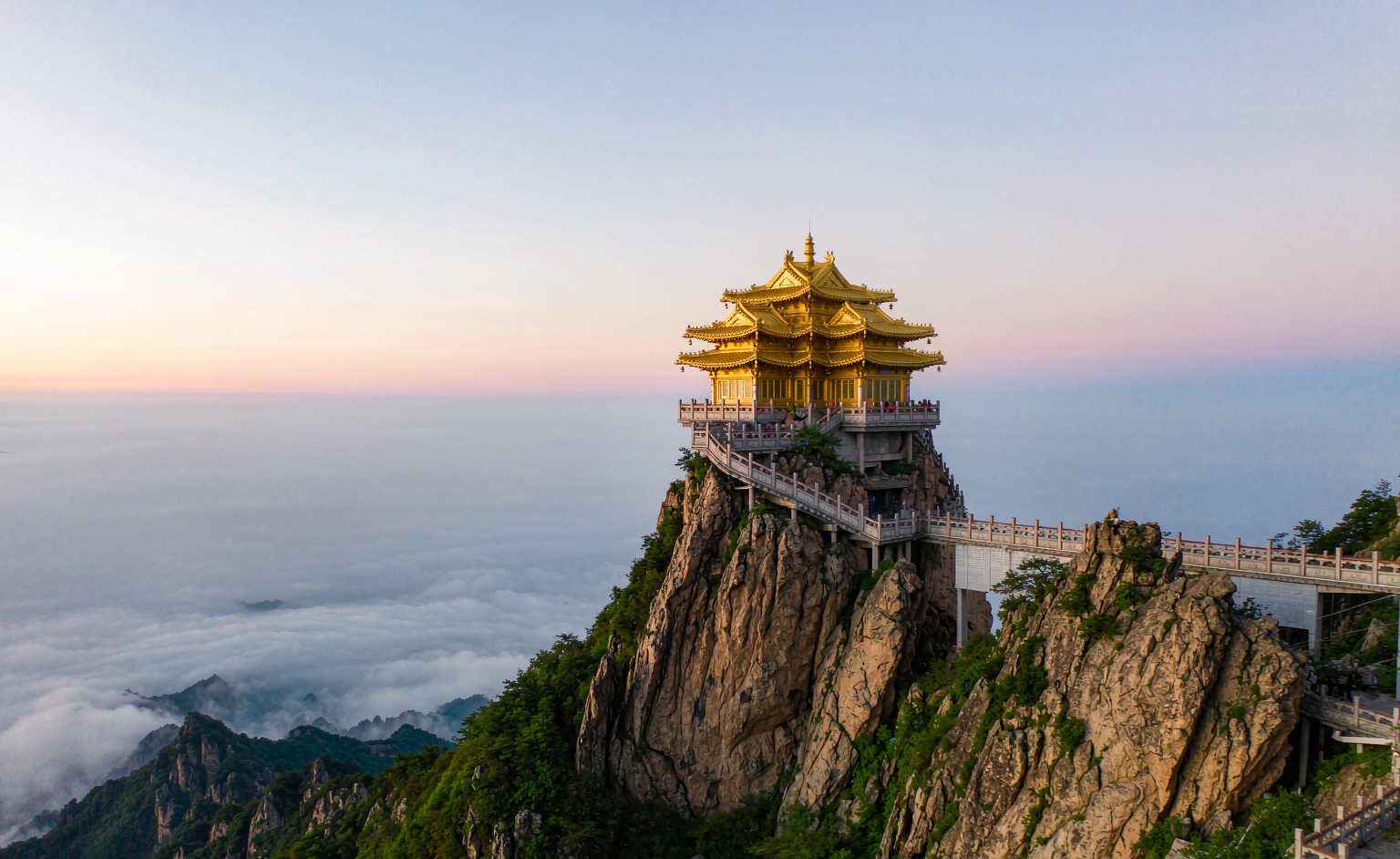
Luoyang Departure: Laojun Mountain, Jiguan Cave and Longtan Canyon, 5 Days 4 Nights
Five days from Luoyang. The Laojun Mountain ticket holds for two days, so the mountain is climbed twice: the painted rock forest first, then the summit to wait for the lamps. The second half runs west to Xinan, through a cave that stays at 18 degrees and a red gorge cut by water.
Luoyang Departure: Longmen Grottoes, White Horse Temple, Luoyang Museum and Erlitou, 3 Days 2 Nights
Three days from Luoyang, all of them about which layer of soil a thing came out of: Buddhas cut into a cliff at Longmen, a pagoda standing in a temple yard, a jade cup behind glass, and at Erlitou the rammed-earth footings of a palace that is four thousand years old.