
Luoyang 6-Day Tour: Baiyun Mountain & Wangcheng Park
Luoyang 6-day tour covering Baiyun Mountain and Wangcheng Park and Longmen Grottoes. Sightseeing tickets and shuttle bus included.
Highlights
Day 1: Baiyun Mountain
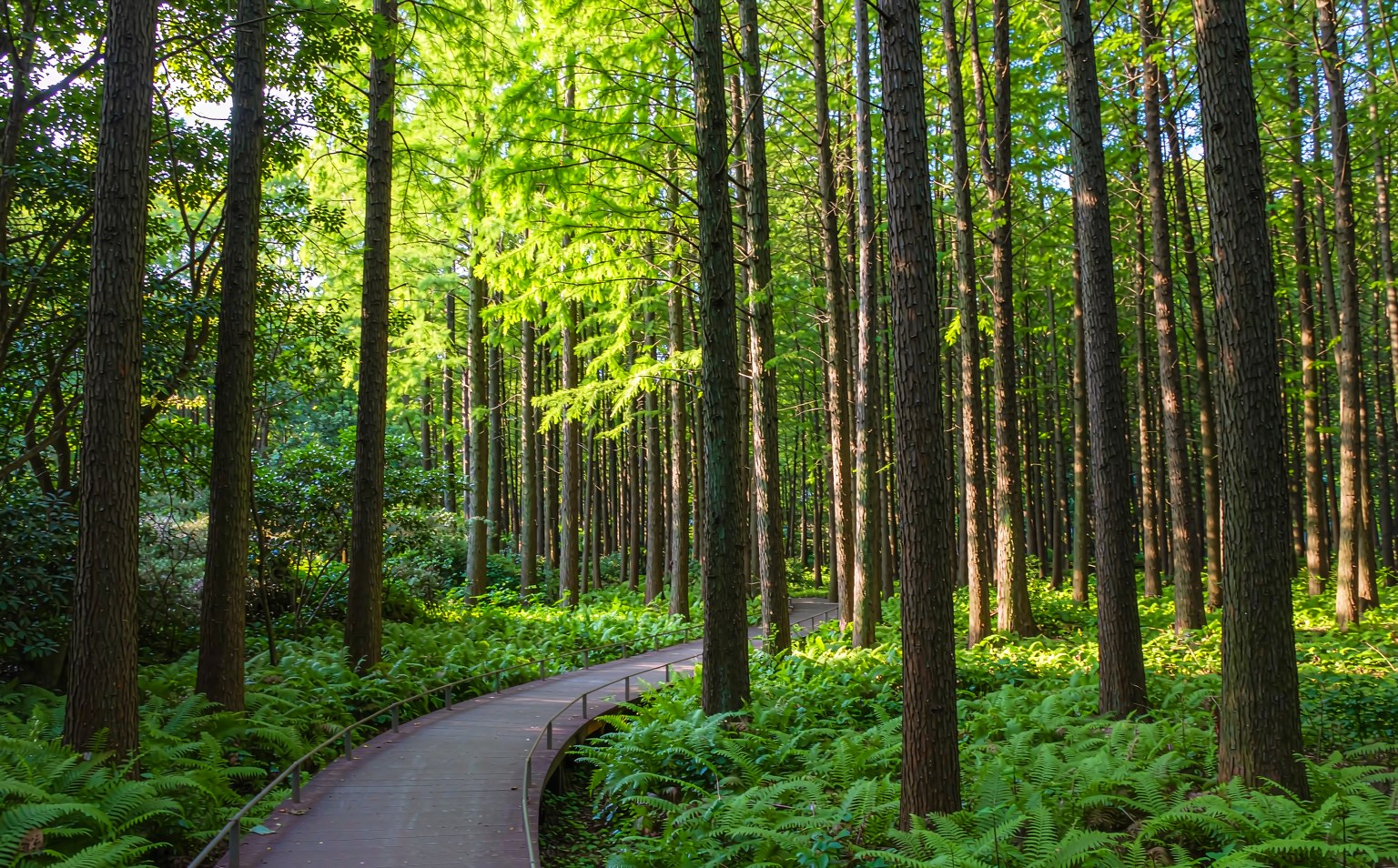
In the morning, take a bus up to Baiyun Mountain and climb Yuhuang Peak to see the sea of clouds; have a simple meal at the mountaintop at noon, and in the afternoon visit Jiulong Waterfall and the Highland Peony Garden, breathing in the forest oxygen bar; descend in the evening and check in.
Attraction Introduction: On this stop, we come to Baiyun Mountain. Baiyun Mountain is located in the heart of the Funiu Mountains in Song County. From Yuhuang Peak, you can admire the sea of clouds at sunrise. The forest coverage is high, and there are plenty of negative oxygen ions, making it a natural oxygen bar. Within the scenic area, Jiulong Waterfall and the Highland Peony Garden each have their unique features. It's a rare high-altitude resort area for summer vacationing and autumn leaf viewing. You can connect the various points via cable car or scenic shuttle. The mountaintop offers wide views, with mist swirling around, like a fairyland. My understanding is that summer is the best time to come for cooling off, as the coolness in the mountains contrasts sharply with the heat in the city; getting up early to climb Yuhuang Peak to see the sunrise requires a bit of luck, but even if you don't catch the sunrise, the mountain scenery in the morning fog is beautiful enough.
Tips: There is a large temperature difference between morning and evening in the mountains, and it is windy at the top. A windproof jacket and warm inner layers are necessary. Visitors generally feedback that most think Baiyun Mountain is worth a special trip. It is recommended to slow your pace, follow the guide for explanations, and leave time for the details that move you most and the photo spots that are most scenic. Considering the actual situation, save some energy; tackle the highlights in the morning when you are fresh, and slow your pace in the afternoon. Don't exhaust yourself on the first day, or you will have no energy for the following days.
Day 2: Wangcheng Park
Depart from the hotel early in the morning and head straight to Wangcheng Park. First, listen to the tour guide explain its background and highlights, then enjoy a leisurely walk at your own pace and take extra photos of spots that interest you. After lunch, take a short rest, and return to the hotel in the evening to conserve energy for the next day.
Attraction Introduction: One of the main highlights arranged in the itinerary is Wangcheng Park. Wangcheng Park is located in Luoyang and is named because it sits on the site of the Eastern Zhou Dynasty royal city. It is one of the main venues for the Peony Culture Festival in Luoyang over the years, and is also the city park most familiar to Luoyang citizens. Every April, famous peonies such as Yao Huang, Wei Zi, and Zhao Fen bloom in competition, displaying a magnificent array of colors. The park also preserves the ruins of the Zhou royal city and a zoo, combining historical depth with recreational functions. It is a classic spot for tourists to visit the "Peony Flower City." My understanding is that if you visit during peony season (April), you must include this place as a must-see spot; in the morning, there are fewer people, and the dew-laden peonies are at their most delicate. Outside of flower season, it is more suitable for a leisurely walk.
Tips: When visiting the park with children, be aware of the risk of getting separated. Agree on a meeting point in advance and prepare a contact card for your child. Tourists generally feedback that most consider Wangcheng Park worth a special visit. It is recommended to slow down, listen to the guide's explanations, and reserve your time for the details that move you most and the best photo spots. Respect local customs and traditions based on actual conditions; when entering religious sites, dress appropriately and refrain from pointing casually. A simple greeting can bring goodwill.
Day 3: Longmen Grottoes
Today's visit is to Longmen Grottoes. It's recommended to reserve half a day: connecting the Main Cave of the Western Hills, the viewing platform of the Eastern Hills, and the Baiyuan Area of Xiangshan Temple in a line. Follow the guide to understand the stories behind the stone carvings from the Northern Wei and the flourishing Tang dynasty; return in the evening to rest and refresh.
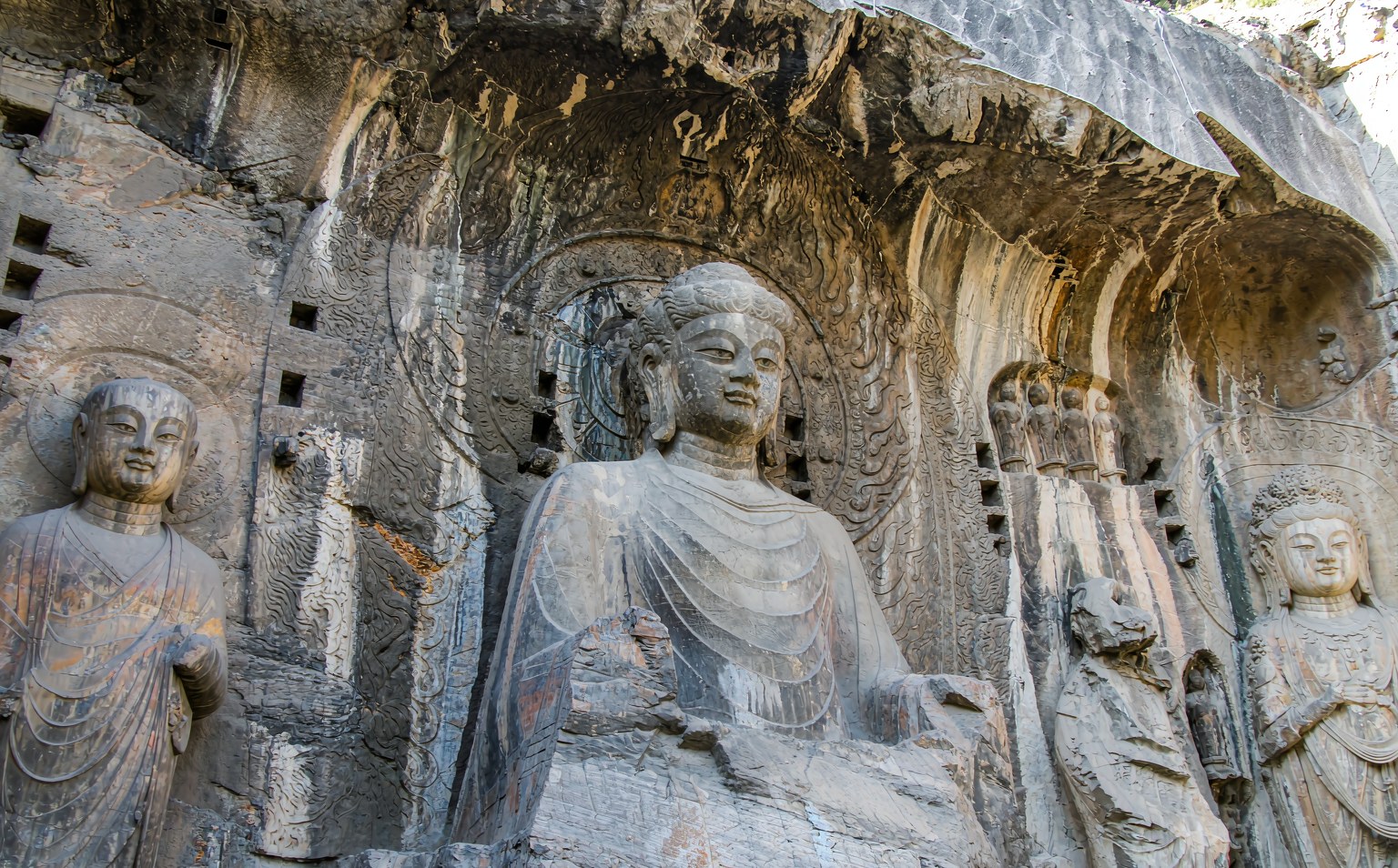
Attraction Introduction: A key highlight in the itinerary is Longmen Grottoes. Longmen Grottoes was carved on the cliffs along both banks of the Yi River south of Luoyang city. Construction continued from the time of Emperor Xiaowen of Northern Wei when the capital moved to Luoyang, spanning multiple dynasties including Eastern Wei, Western Wei, Northern Qi, Sui, and Tang. Currently, there are over 2,300 cave niches, more than 100,000 statues, and over 2,800 engraved inscriptions. The most striking is the Vairocana Buddha of Faxiang Temple, standing more than seventeen meters tall, with a full face and compassionate eyes, said to be modeled after Wu Zetian's appearance, representing the pinnacle of stone carving art in the High Tang period. Together with the Dunhuang Mogao Caves and the Yungang Grottoes in Datong, it is considered one of the three major grottoes in China and a World Cultural Heritage site. During the visit, walk south along the Yi River trail from the Western Hills grottoes. Highlights include the Binyang Three Caves, the Ten Thousand Buddhas Cave, and the Lotus Cave. Cross the bridge to the viewing platform of the Eastern Hills for a panoramic view. My understanding is that it's best to see the main cave of the Western Hills in the morning when there are fewer visitors to appreciate the large Buddha, then go to the Eastern Hills platform in the afternoon for distant views — the lighting and angles are ideal for photos. Walking along both banks of the Yi River involves retracing your steps, so a pair of comfortable shoes can save a lot of effort.
Tips: Visiting the grottoes mainly involves walking and climbing stairs, so it is recommended to wear non-slip comfortable shoes and travel light. Pay attention to your footing along the Yi River banks. Most visitors report that the Vairocana Buddha is the most impressive, the sunset at Western Hills provides the best lighting for photos, and walking along both banks of the Yi River requires retracing steps. Comfortable shoes and reserving half a day are recommended. Considering practical situations, joining a tour is best not done in a superficial rush. Listening to the guide is the essence, as the cultural stories behind each attraction are often more memorable than photographs. Ask the guide on the spot if there is anything you don't understand.
Related Tours
Luoyang to Shaolin Temple, Sanhuangzhai and Songyang Academy 5 Days
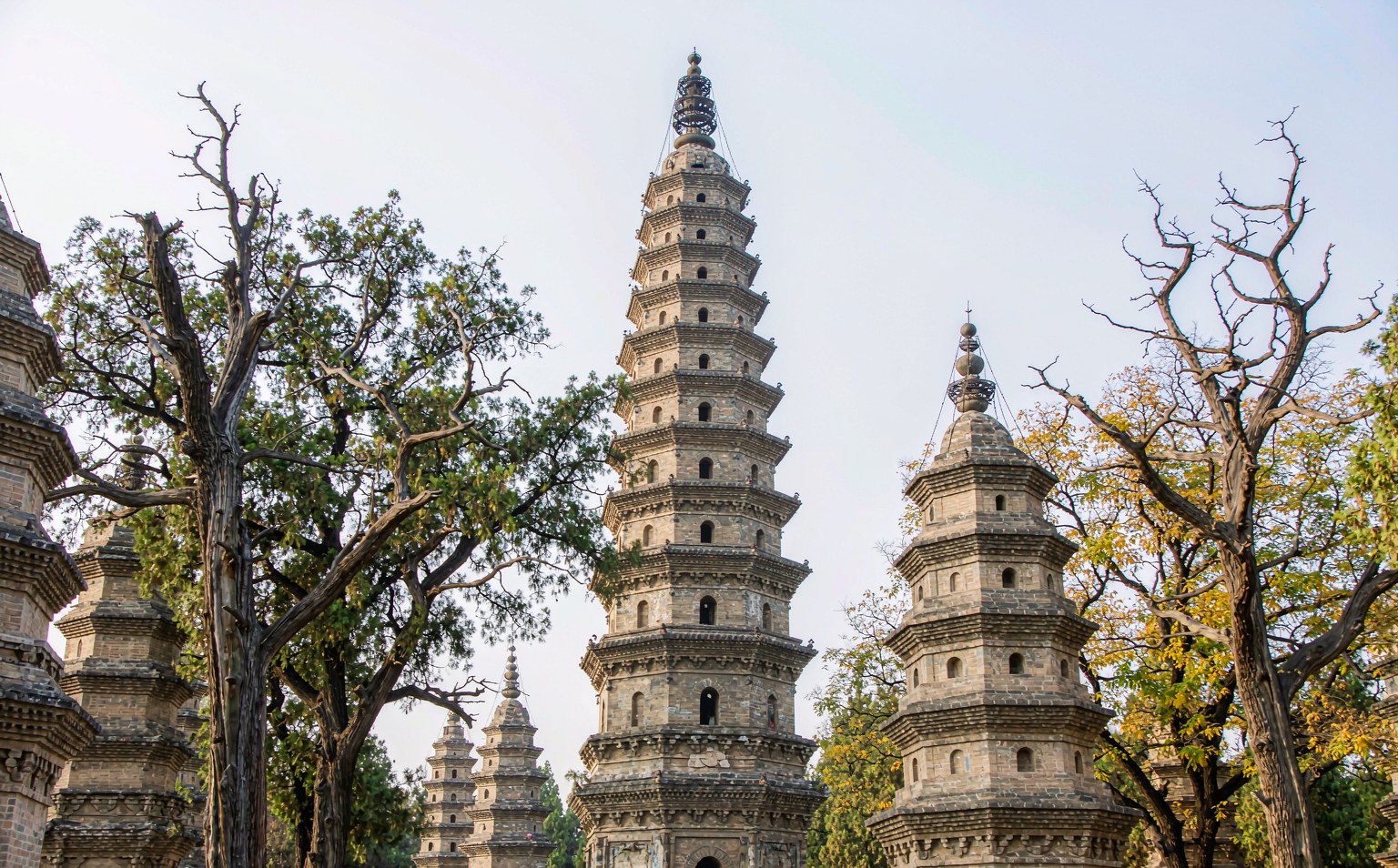
Five days from Luoyang. Songshan has two massifs, Taishi and Shaoshi: the Shaolin Temple and Sanhuangzhai sit on one, the Songyang Academy and Zhongyue Temple on the other. The 80 yuan Shaolin ticket already covers Sanhuangzhai.
Luoyang to Laojunshan, Chongdugou, Jiguan Cave and Yangzigou 6 Days
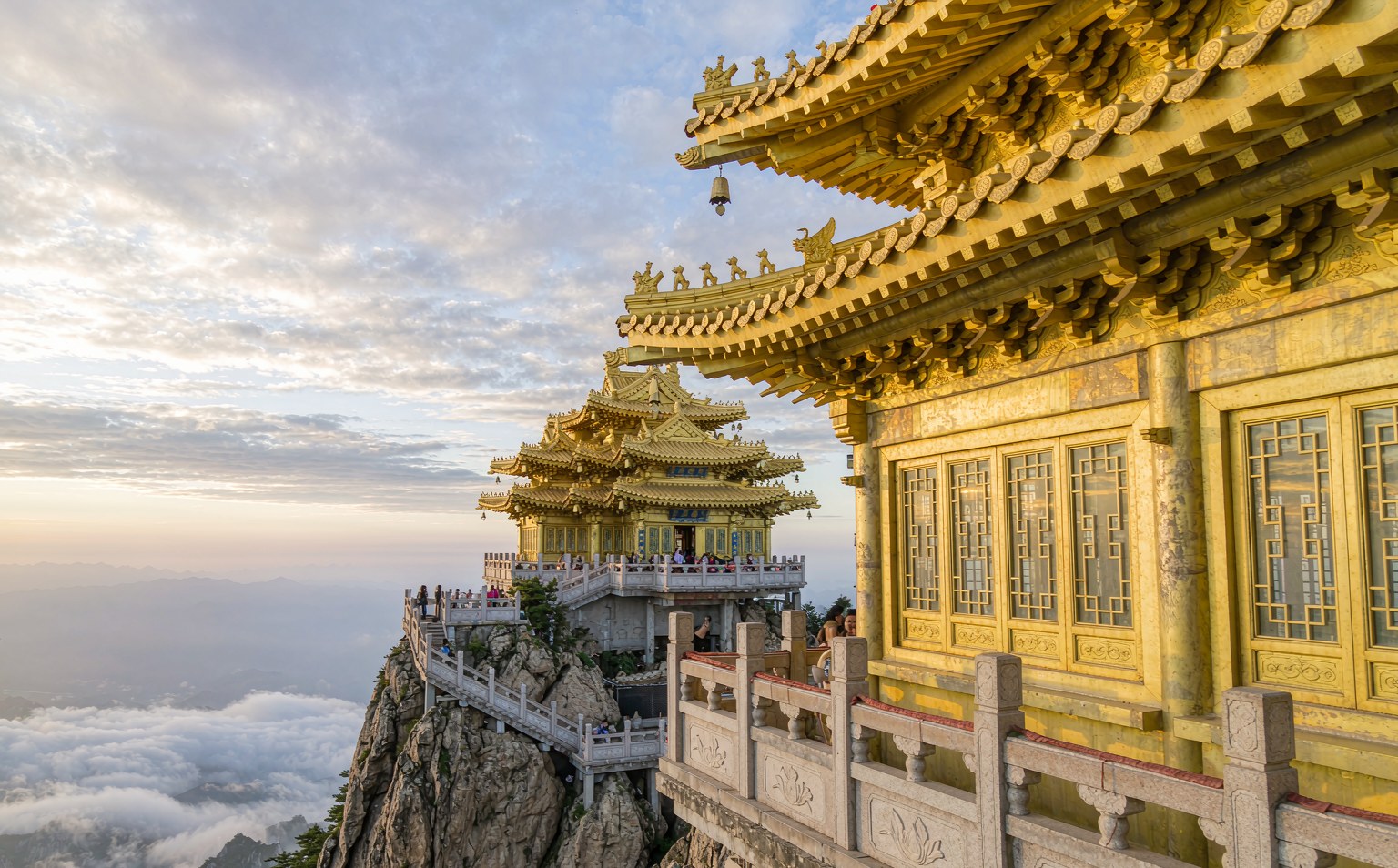
Six days from Luoyang. The Laojunshan ticket stays valid for two days, so the golden summit comes first and a second climb chases the morning cloud sea. Jiguan Cave runs 1,800 metres at a constant 18 degrees, and Chongdugou still has green bamboo in November.
Luoyang Departure: Laojun Mountain, Jiguan Cave and Longtan Canyon, 5 Days 4 Nights
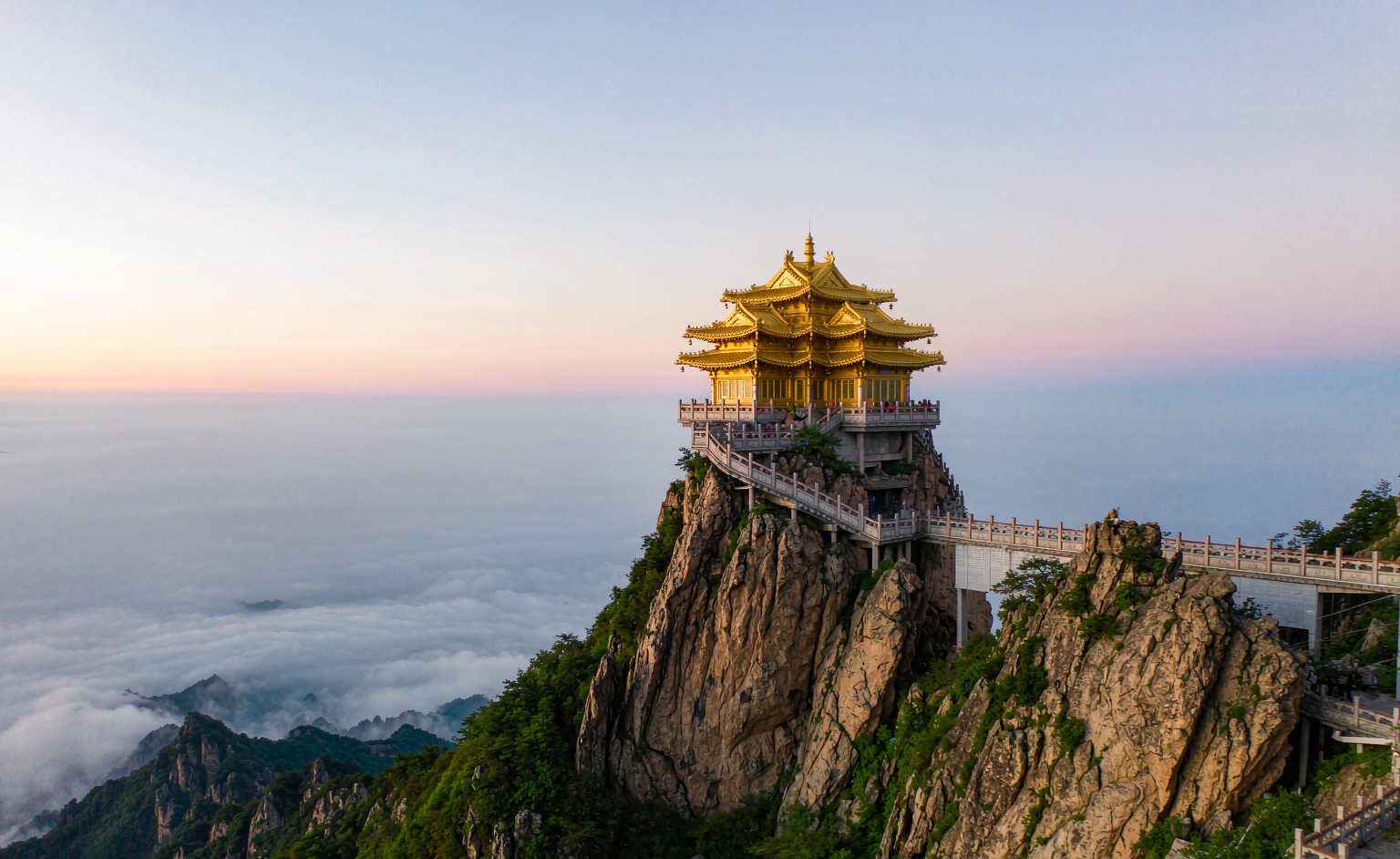
Five days from Luoyang. The Laojun Mountain ticket holds for two days, so the mountain is climbed twice: the painted rock forest first, then the summit to wait for the lamps. The second half runs west to Xinan, through a cave that stays at 18 degrees and a red gorge cut by water.
Luoyang Departure: Longmen Grottoes, White Horse Temple, Luoyang Museum and Erlitou, 3 Days 2 Nights
Three days from Luoyang, all of them about which layer of soil a thing came out of: Buddhas cut into a cliff at Longmen, a pagoda standing in a temple yard, a jade cup behind glass, and at Erlitou the rammed-earth footings of a palace that is four thousand years old.