
Luoyang 6-Day Tour: Baiyun Mountain & White Horse Temple
Luoyang 6-day tour covering Baiyun Mountain and White Horse Temple and Laojun Mountain. Sightseeing tickets and shuttle bus included.
Highlights
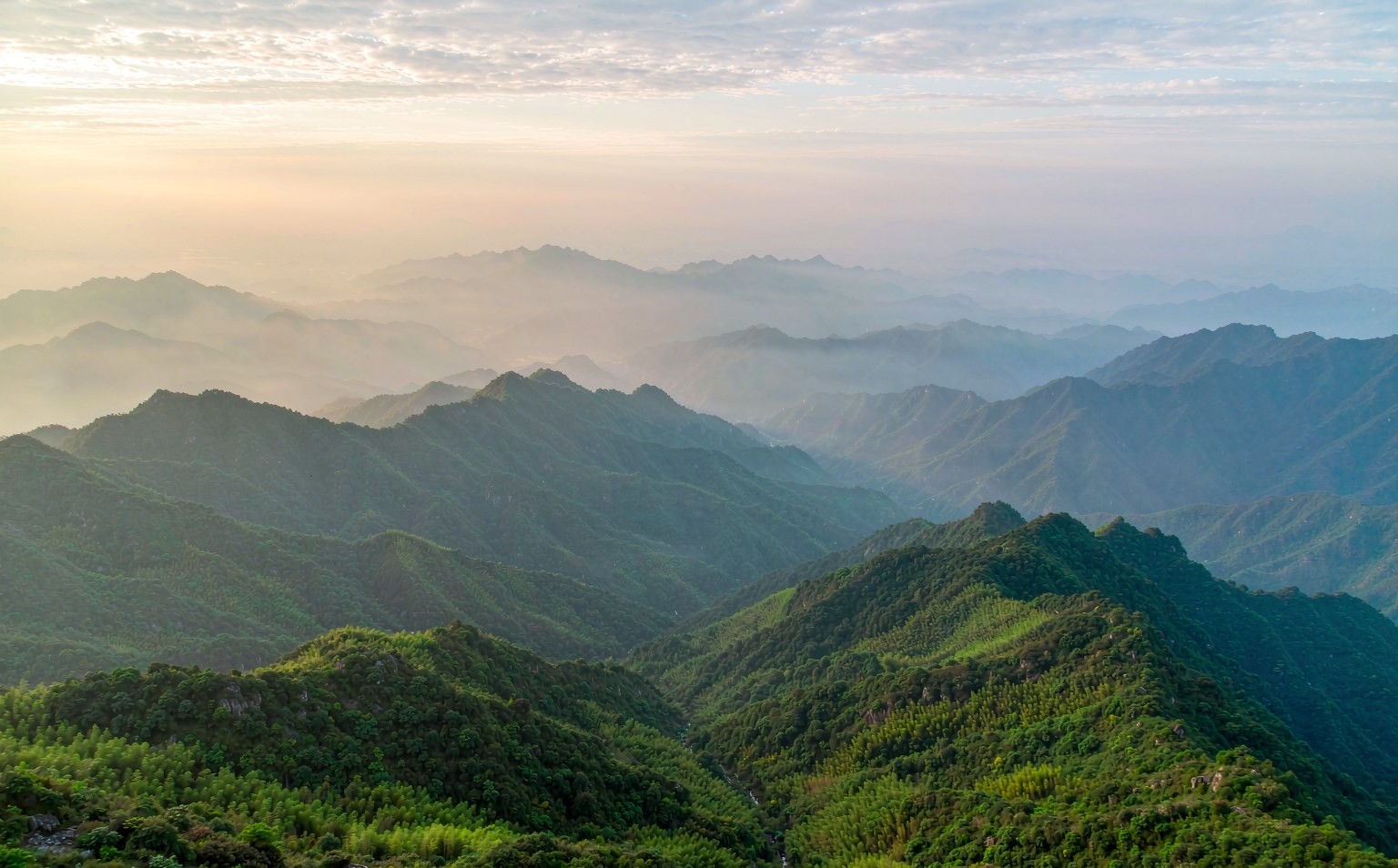
Day 1: Baiyun Mountain
Early in the morning, climb Yuhuang Peak to watch the sea of clouds at sunrise, then visit Jiulong Waterfall; in the afternoon, take a leisurely walk on the forest trail—summer is perfect for escaping the heat, and autumn for enjoying the red leaves—return in the evening.
Attractions Introduction: This stop is at Baiyun Mountain, located in the heart of the Funiu Mountains in Song County. From Yuhuang Peak, you can view the sunrise above a sea of clouds. With high forest coverage and abundant negative oxygen ions, it is a natural oxygen bar. Within the scenic area, the Jiulong Waterfall and Alpine Peony Garden each have unique features. It is rare in Henan to find a mountainous resort-style scenic area suitable for summer cooling and autumn leaf viewing. You can use the cableway or scenic shuttle buses to connect the sites. The mountaintop offers open views and misty surroundings, resembling a fairyland. In my understanding, visiting in summer to escape the heat is most worthwhile—the mountain’s coolness contrasts sharply with the city’s scorching heat. Early risers climbing Yuhuang Peak to see the sunrise over the sea of clouds need a bit of luck; but even if the sunrise is not visible, the morning mist over the mountains is already beautiful enough.
Tips: There is a large temperature difference between morning and evening in the mountains, and the mountaintop can be windy. A windproof jacket and warm inner layer are necessary. Visitors generally report that most people think Baiyun Mountain is worth a special trip. It is recommended to slow down, follow the guide for explanations, and reserve time for the details and photo spots that move you the most. Respect local customs according to the actual situation; when entering religious sites, dress appropriately and do not point randomly— a simple greeting can exchange for goodwill.
Day 2: White Horse Temple
Today's Buddhist pilgrimage journey: Following the tour guide, we listened and learned all the way from Qiyun Pagoda to the Sutra Library, understanding the two thousand years of incense offerings at China's first ancient temple; in the afternoon we strolled around the temple, and in the evening we rested.
Attraction introduction: A highlight of the itinerary is White Horse Temple. White Horse Temple is located in the eastern part of Luoyang city. It was originally built during the Yongping years of the Eastern Han Dynasty to commemorate the White Horse Carrying Scriptures and the initial spread of Buddhism to the Central Plains. It is revered as "China's first ancient temple" and is the first official temple built after Buddhism entered China. Inside the temple, the Qiyun Pagoda Courtyard, the Great Buddha Hall, and the Hall of Heavenly Kings are arranged along the central axis, with incense continuing for over two thousand years among the red walls and green cypress trees. Notably, the temple also has foreign-style Buddhist halls donated by Myanmar, Thailand, India, and other countries, presenting a unique scene of Buddhism's eastward transmission and return. My understanding is that when entering the temple, first visit the main halls along the central axis, then circle to the Qiyun Pagoda Courtyard, and finally go to the exotic Buddhist halls on both sides to experience cultural integration; early in the morning when there are fewer people, the morning light on the red walls and ancient cypresses is most picturesque, and it also helps avoid the peak of tour groups.
Tips: There are many incense stalls around the temple; please buy incense as needed and consume reasonably. Visitors generally feedback that the foreign-style Buddhist halls (Thai/Myanmar/Indian halls) are highly photogenic, and people generally feel they are more spacious than imagined; note that the international temple area involves a long walk, so conserve some energy. Considering the actual situation, the worst thing when following a tour group is just rushing through places; listening to explanations is the essence. The cultural stories behind each attraction are often more memorable than photos, so ask the guide on the spot if something is unclear.
Day 3: Laojun Mountain
In the morning, take the cable car up Laojun Mountain and visit the Golden Summit Taoist temple complex. On a clear day, you may encounter a sea of clouds. Have a simple meal at the mountaintop at noon. In the afternoon, walk the Ten-Mile Painted Screen Trail, overlook the mountains through the glass observation deck, and descend in the evening to stay at a hotel.
Attraction Introduction: One of the highlights of this itinerary is Laojun Mountain, located in Luoyang, Luanchuan County. It is the main peak of the Funiu Mountains and a famous Taoist mountain, said to be the place where the founder of Taoism, Laozi, retired to cultivate. The Golden Summit Taoist temple complex stands atop a peak more than 2,000 meters above sea level. With golden-tiled roofs, red walls, and rolling clouds, it is renowned for the saying, 'Travel far to witness the feast of the mortal world, and behold the beauty of the earthly realm.' The Ten-Mile Painted Screen Trail is the highlight of the route: a high-altitude plank road suspended along a sheer cliff, where you can enjoy views of peaks, the sea of clouds, and the sunrise. You can take a two-stage cable car to the top. On clear days, you can catch the sea of clouds and sunrise, and in winter, it is a popular spot for snow viewing in central China. My advice is to take the cable car early to secure the best light for the Golden Summit and the Ten-Mile Painted Screen; it is windy and cold at the top, so a shell jacket and thermos are essential. If you are afraid of heights, do not force yourself on the glass observation deck.
Tips: The hiking sections have many steps and steep slopes, so wear non-slip sports shoes. Those with mobility difficulties should take the cable car up and down. Visitors generally consider the sea of clouds and sunrise at the Golden Summit the main attractions, and many stay on the mountaintop specifically for dawn. Note that the temperature difference is large, and cable car lines can be long, so make sure to go early in peak season. For authentic local food, head deeper into the alleys; the main entrance lines are long, and the food is average. When buying local products, ask the price first and compare; local supermarkets usually have more genuine items.
Related Tours
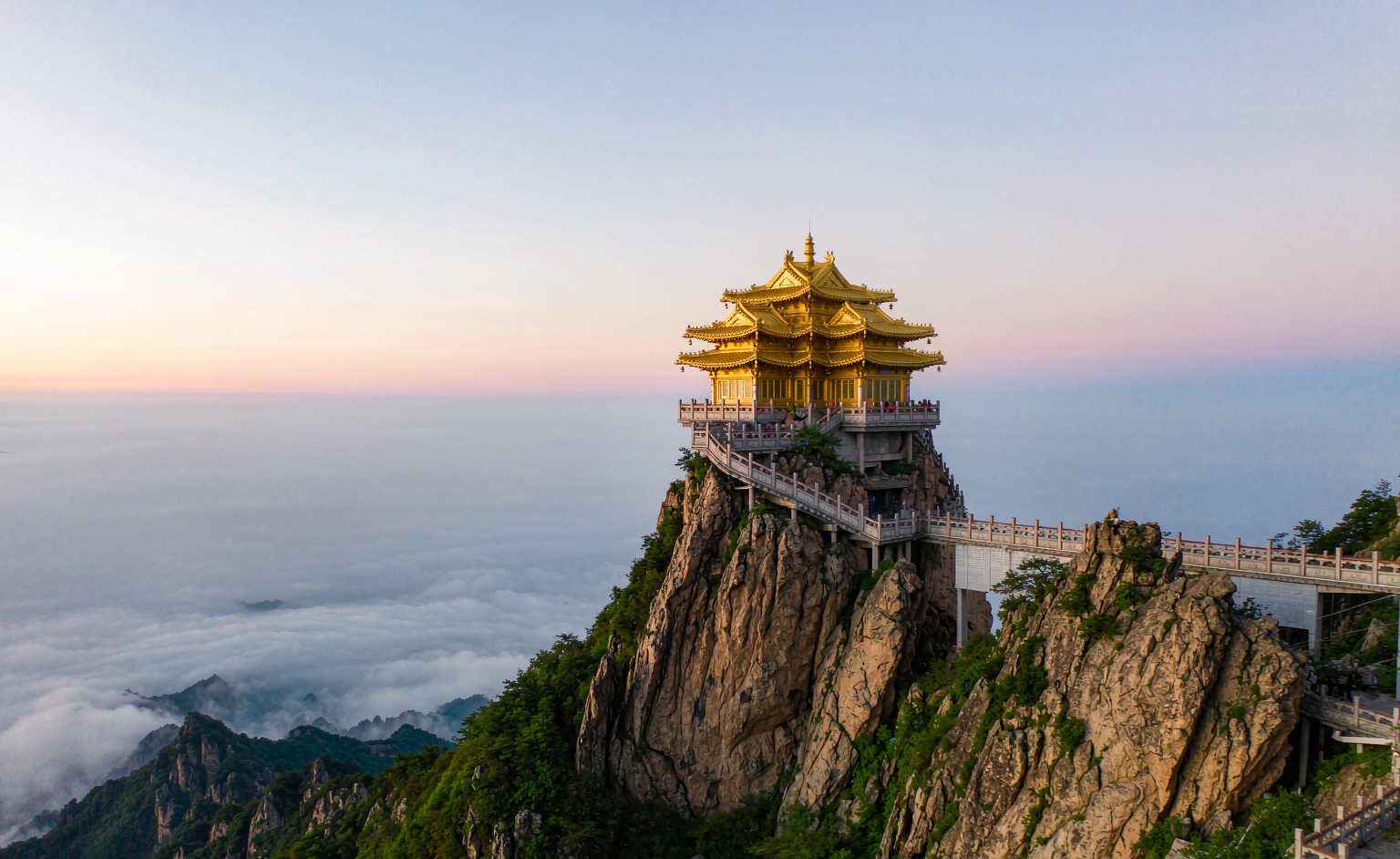
Luoyang Departure: Laojun Mountain, Jiguan Cave and Longtan Canyon, 5 Days 4 Nights
Five days from Luoyang. The Laojun Mountain ticket holds for two days, so the mountain is climbed twice: the painted rock forest first, then the summit to wait for the lamps. The second half runs west to Xinan, through a cave that stays at 18 degrees and a red gorge cut by water.
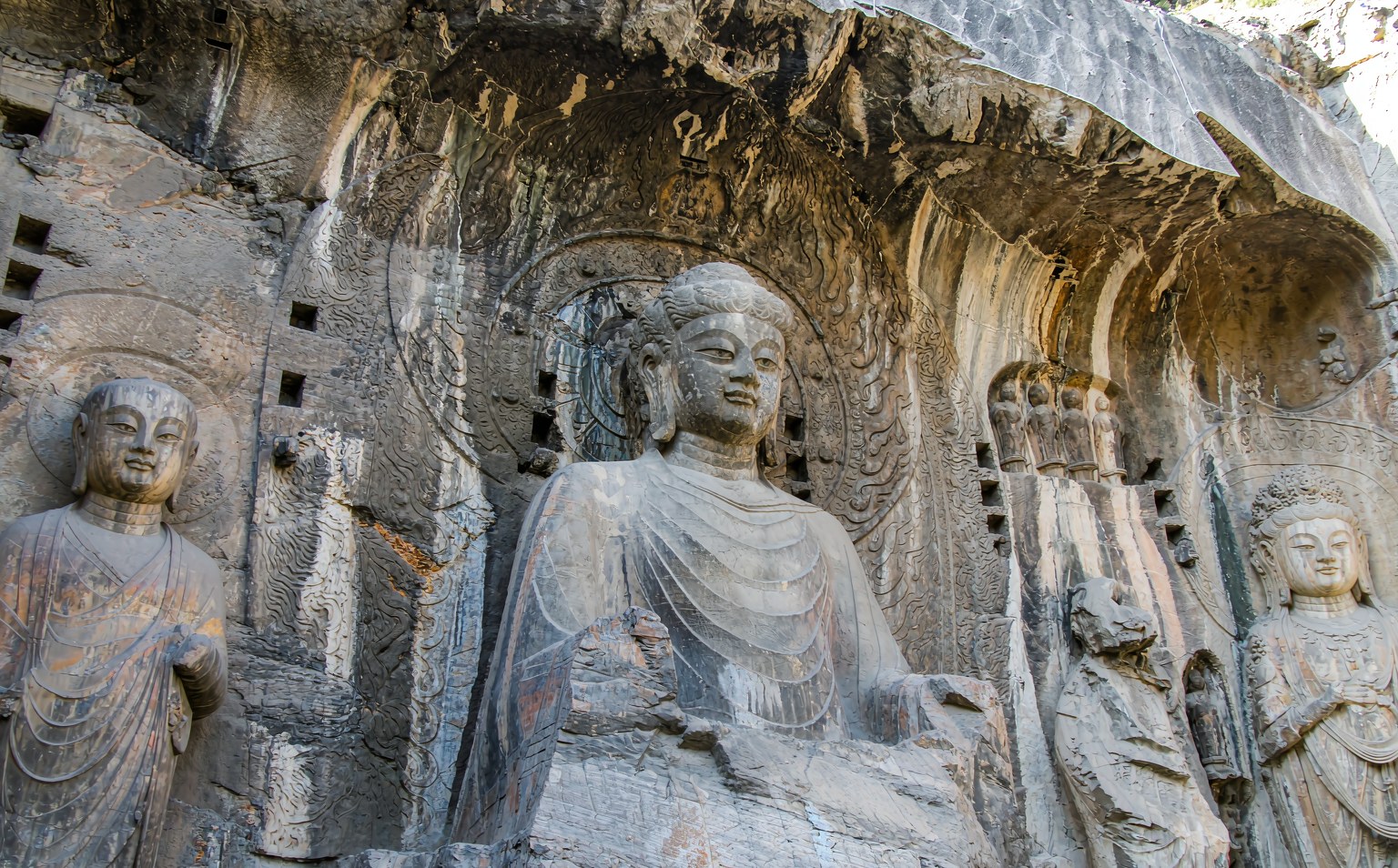
Luoyang Departure: Longmen Grottoes, White Horse Temple, Luoyang Museum and Erlitou, 3 Days 2 Nights
Three days from Luoyang, all of them about which layer of soil a thing came out of: Buddhas cut into a cliff at Longmen, a pagoda standing in a temple yard, a jade cup behind glass, and at Erlitou the rammed-earth footings of a palace that is four thousand years old.
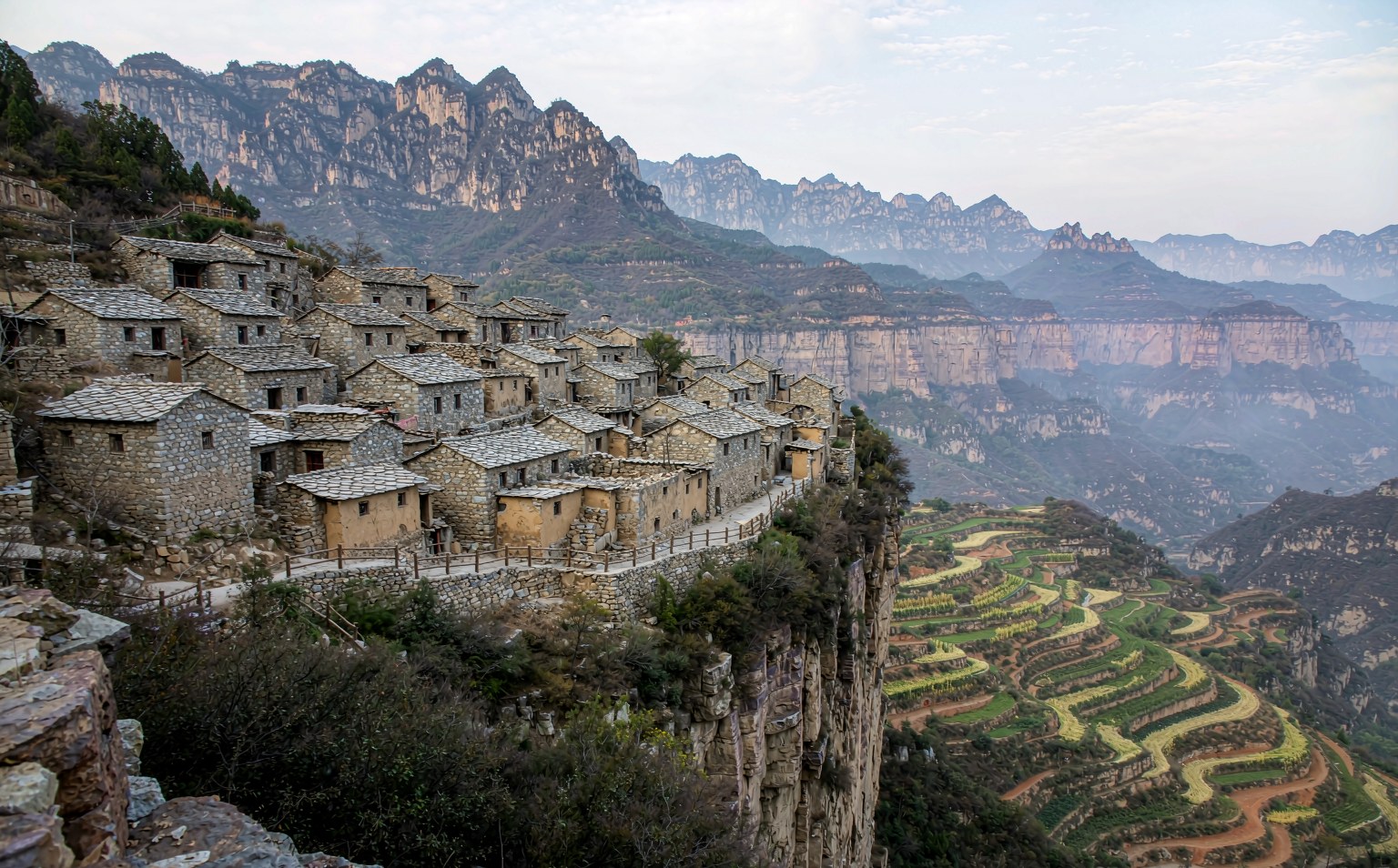
Luoyang Departure: Wanxian Mountain, Guoliang Village and Baligou, 3 Days 2 Nights
Three days from Luoyang. Guoliang sits on top of the cliff, and the only road in is a 1,250-metre tunnel carved through the rock with thirty-five openings to the outside. Sleep in the village, then move south to Baligou, where the water drops straight off the cliff edge.
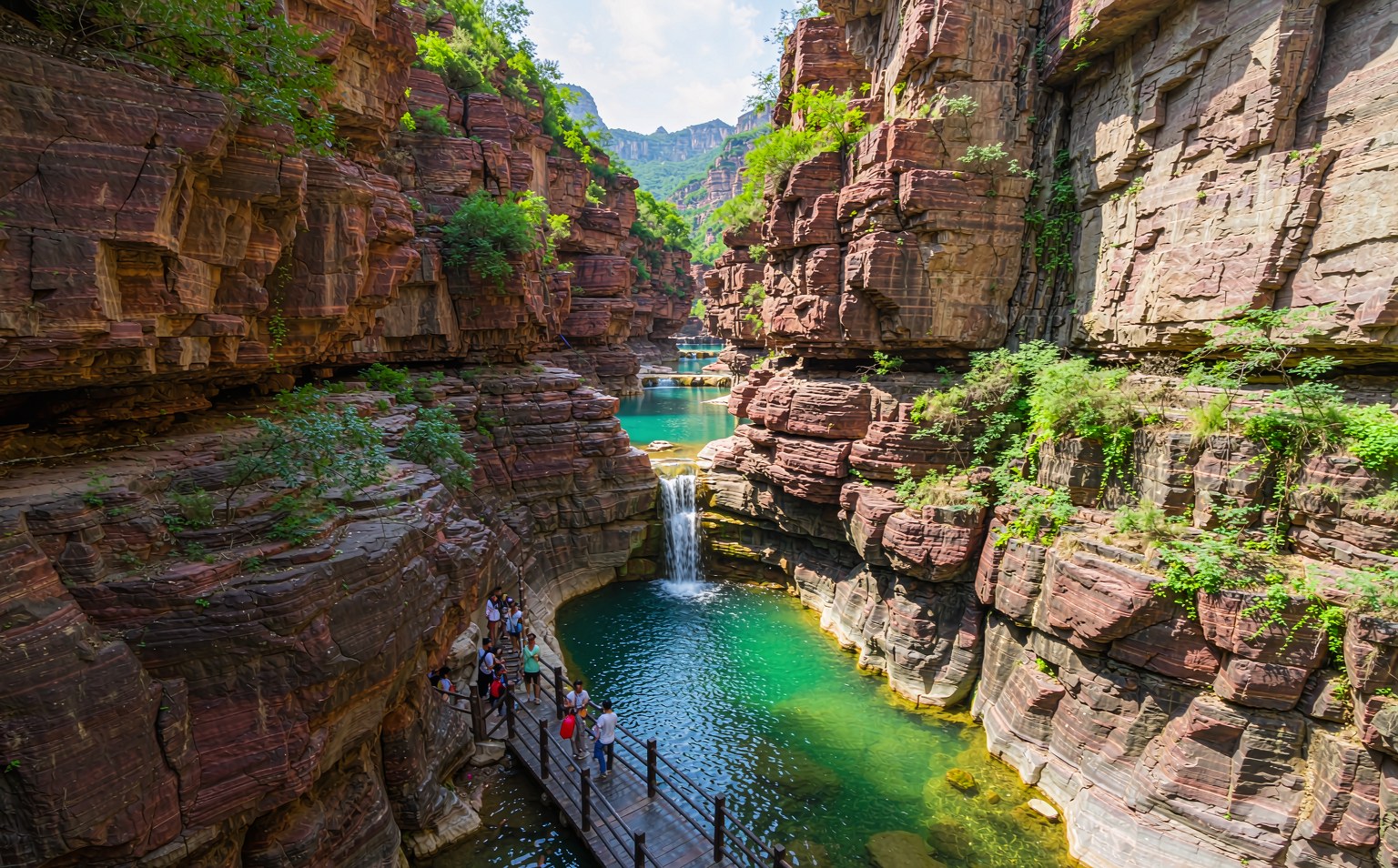
Luoyang Departure: Yuntai Mountain, Hongshi Gorge and Zhuyu Peak, 4 Days 3 Nights
Four days from Luoyang. Hongshi Gorge runs one way, a slot of red rock that lets you walk forward only. The ticket and shuttle pass last three days, so nothing is rushed: one day for the gorge, one for the waterfalls, and the last morning up the spiral tunnels to Zhuyu Peak at 1,308 metres.