
Luoyang 4-Day Tour: Wangcheng Park & Erlitou Site
Luoyang 4-day tour covering Wangcheng Park and Erlitou Site and Yin Xu. Sightseeing tickets and shuttle bus included.
Highlights
Day 1: Wangcheng Park
Set off from the hotel early in the morning straight to Wangcheng Park. First, listen to the guide explain the background and highlights, then explore freely at a leisurely pace and take extra photos according to your interests. After lunch, take a short rest, and return to the hotel in the evening to conserve energy for the next day.
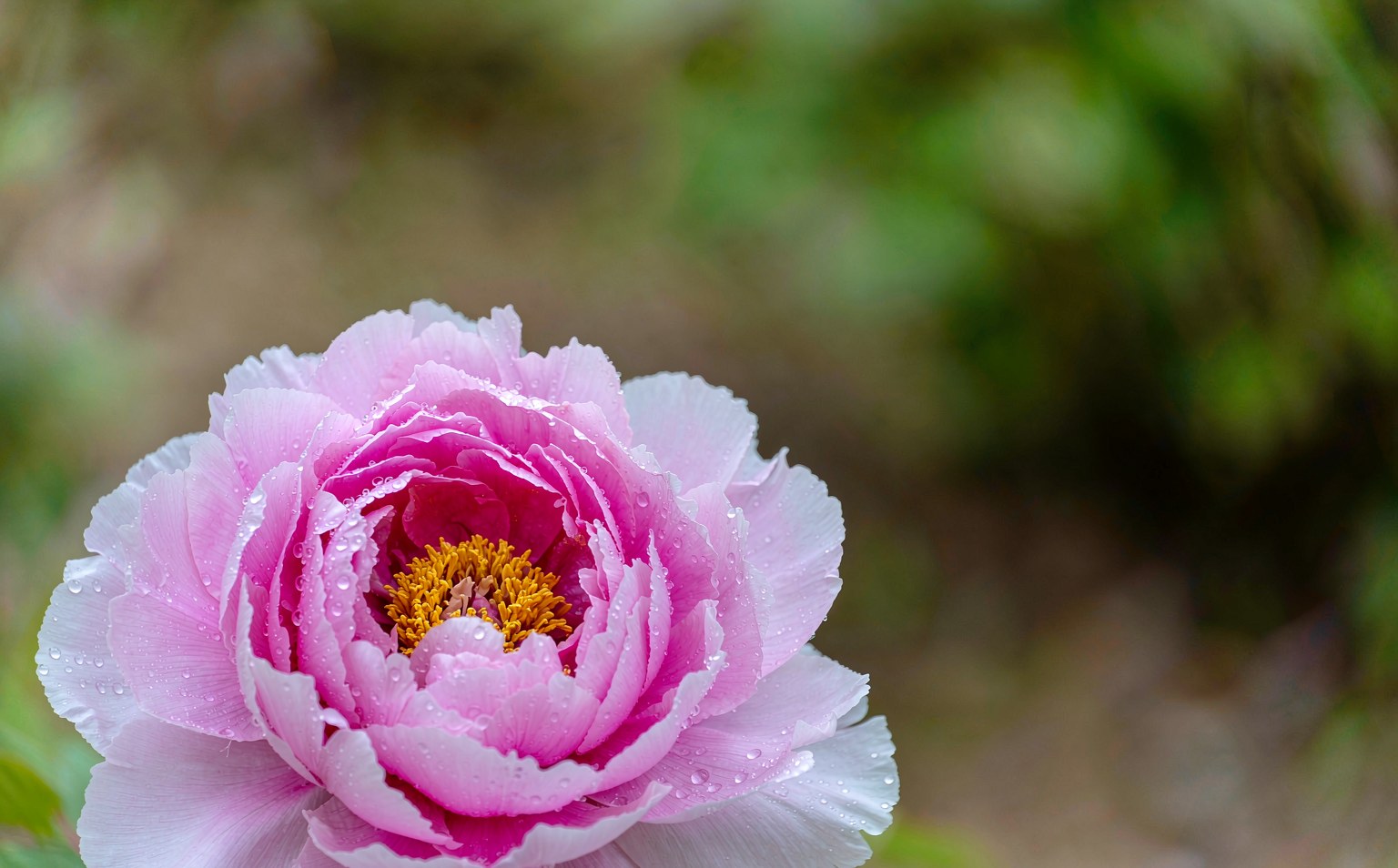
Introduction to the Attraction: One of the main highlights on the itinerary is Wangcheng Park. Wangcheng Park is located in Luoyang and is named after its location on the ruins of the Eastern Zhou royal city. It is one of the main venues for the annual Chinese Luoyang Peony Culture Festival and is also the urban park most familiar to the citizens of Luoyang. Every April, famous peonies such as Yao Yellow, Wei Purple, and Zhao Pink bloom in competition, creating a magnificent display of colorful flowers. The park also preserves the ruins of the Zhou royal city and a zoo, combining historical significance with recreational functions, making it a classic destination for visitors to check out the "Peony Flower City." In my opinion, if you come during the peony season (April), this place must be included in your must-visit list. In the morning, there are fewer people, and the dew-covered peonies are at their most delicate; outside the flowering season, it is more suitable for a relaxed stroll.
Tips: Food prices inside the park are relatively high, so it is advisable to bring water and small snacks. Keep an eye on your personal belongings. Visitor feedback generally indicates that most tourists think Wangcheng Park is worth a special visit. It is recommended to slow down, follow the guide’s explanations, and leave time for the details that move you most and the best spots for photos. Be mindful of time according to the actual situation: arrive five to ten minutes ahead of the meeting time. It is better for the people to wait for the vehicle than for the vehicle to wait for people; don’t make everyone wait for you.
Day 2: Erlitou
Today, the theme is Erlitou. Avoid peak crowd times and enter the park during off-peak hours, following the recommended route for an in-depth visit; have local cuisine nearby for lunch, enjoy free activities in the afternoon or follow the guide for additional sightseeing, and stay at the hotel in the evening to rest.
Attraction Introduction: Today's itinerary includes Erlitou attraction. The Erlitou site is located in Luoyang Yanshi and is recognized by scholars as 'the earliest China.' It is a large urban site from the middle and late Xia Dynasty, where turquoise dragon-shaped artifacts, bronze jue, and bronze ding have been unearthed, revealing the appearance of the first capital of Huaxia. The turquoise dragon-shaped artifact is made of more than two thousand turquoise pieces and is praised as 'the first dragon of Huaxia,' serving as important evidence of dragon worship in China. The Erlitou site museum presents the archaeology with a sense of on-site experience, making it an indispensable stop for studying the origins of Chinese civilization. My understanding is that visiting first with knowledge of the academic debates about the 'Xia Capital,' then viewing the exhibits, provides a deeper understanding; the museum's display is meticulously organized and worth taking time to look at slowly.
Tips: Many mountain roads are slippery, especially when going downhill, be sure to shift your center of gravity backward and slow your pace. Bringing a pair of knee pads is recommended. Most visitors generally feel that Erlitou is worth a special trip. It is advised to slow down, listen to the guide’s explanations, and save time for the details that move you most and the best photo spots. Considering the actual situation, when taking photos, don’t focus only on the shots; pay attention to your footing and surroundings. Make sure to stand firmly on viewing platforms and trail edges.
Day 3: Yin Ruins
Morning tour: visit the palace and ancestral temple ruins and the royal tomb area, see oracle bones and large bronze artifacts; have lunch nearby at noon; in the afternoon, visit the new Yin Ruins Museum to gain a systematic understanding of Shang civilization.
Attraction introduction: Today's itinerary includes Yin Ruins attractions. Yin Ruins is the Late Shang Dynasty capital ruins, located in Anyang. It is the birthplace of oracle bones and also the discovery site of the Houmuwu Ding (originally called Simuwu Ding), which was listed as a World Cultural Heritage site in 2006. This was once the capital after King Pan Geng moved the Shang capital to Yin, lasting more than 270 years. The remains of the palace and ancestral temples, royal tomb area, and chariot and horse pits are clearly visible. Oracle bones were first discovered here, extending China's verifiable historical era back to the Shang Dynasty. The new Yin Ruins Museum systematically displays bronzes, jades, oracle bones, and other cultural relics, making it the most direct way to learn about Shang civilization. My understanding is to first see the palace and ancestral temple ruins and the chariot and horse pits to establish a spatial concept, then enter the museum to carefully examine the artifacts; combining the two lines gives a complete experience. Oracle bones and large bronzes are the highlights, and following the guided explanation is far better than just glancing around.
Tips: There are many steps and steep slopes on the mountain paths, so be sure to wear non-slip sports shoes; those with mobility issues are advised to use the cable car. Tourists generally report that oracle bones and the Simuwu Ding make history 'come alive,' and visitors say the new museum is more worthwhile than the open-air ruins; note that you need the explanation to fully understand what you see. Based on actual conditions, to get good photos, go early in the morning or late in the afternoon—the light is soft and there are fewer people in the early morning, and the golden glow at dusk is perfect for photos. Midday has harsh overhead light and crowds, so it's better to rest then.
Day 4: Return
Transfer to the departure terminal per your booked train or flight; keep travel documents and tickets in your carry-on.
Related Tours
Luoyang Departure Laojun Mountain and Longywan 3 Days
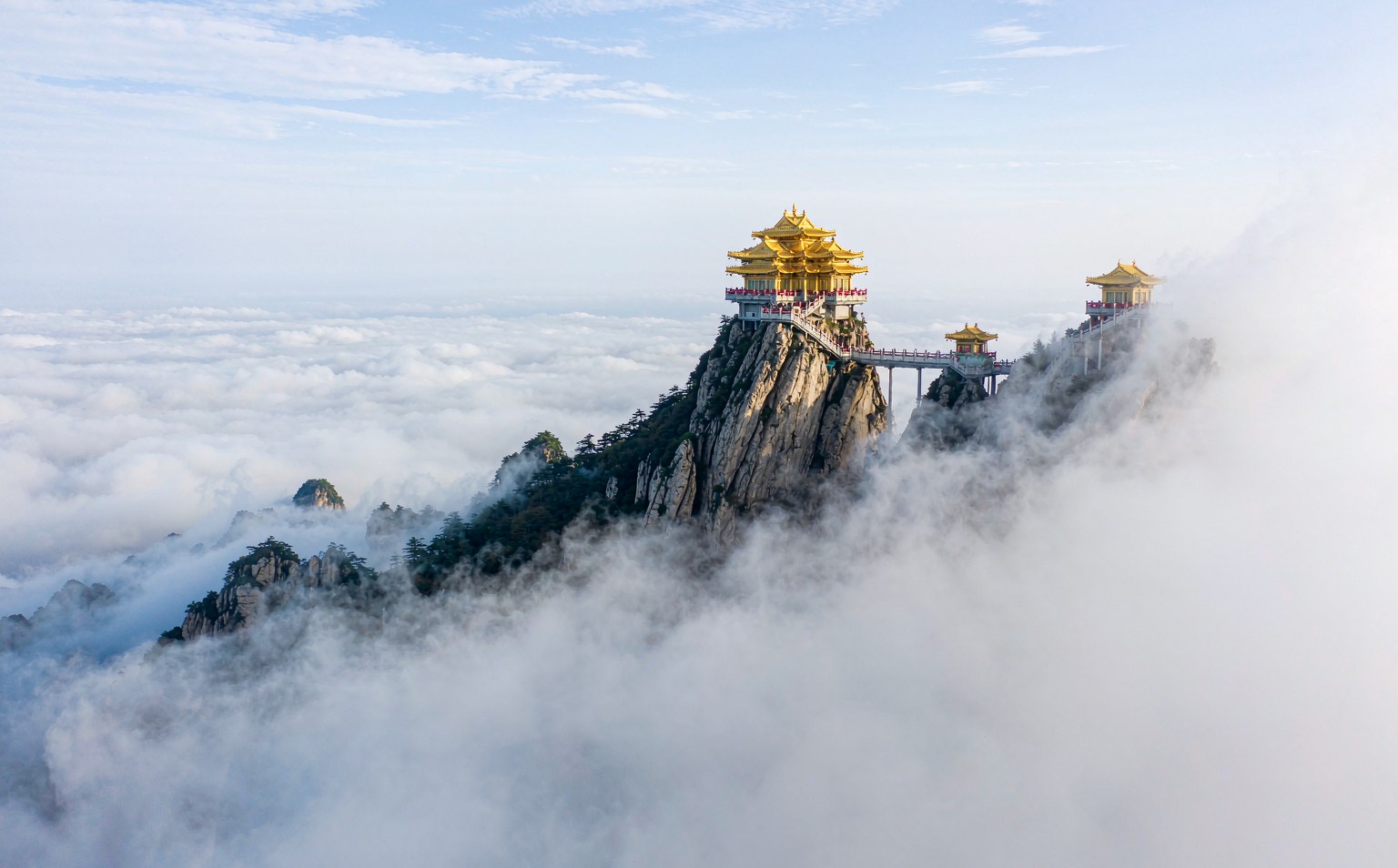
Three days from Luoyang: the first evening waiting below the golden summit for the lamps, the second climbing early for cloud, then a slow afternoon along the nine bends of Longywan. The ticket holds two days, so the mountain is never rushed.
Luoyang Departure Longmen Grottoes and White Horse Temple 3 Days
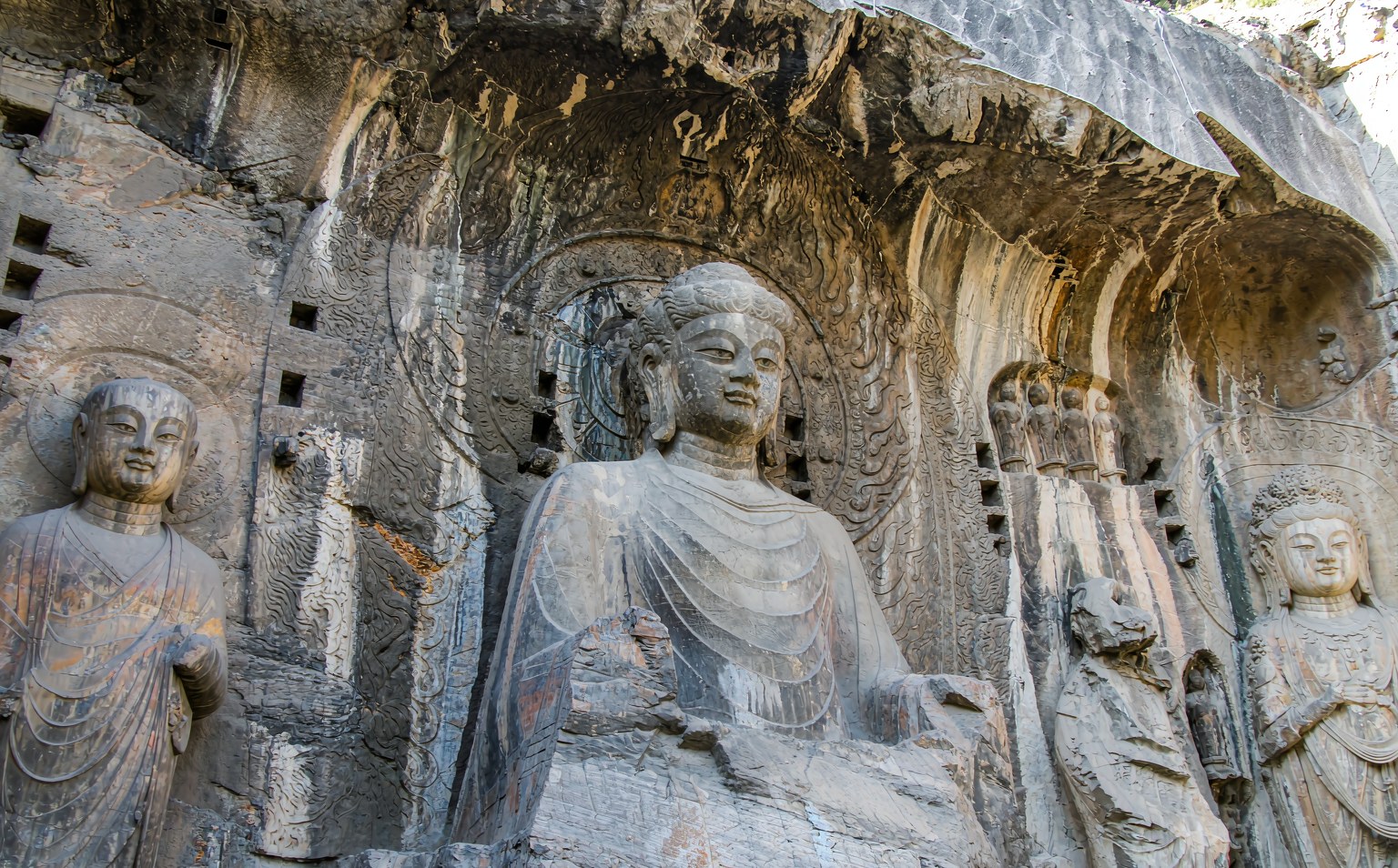
Three days from Luoyang: the carved cliff of the west bank first, then the oldest official Buddhist temple in China, then the Ming and Qing halls of Guanlin. Both nights stay inside the old city, so the lantern street is a walk away.
Luoyang to Laojunshan, Chongdugou, Jiguan Cave and Yangzigou 6 Days
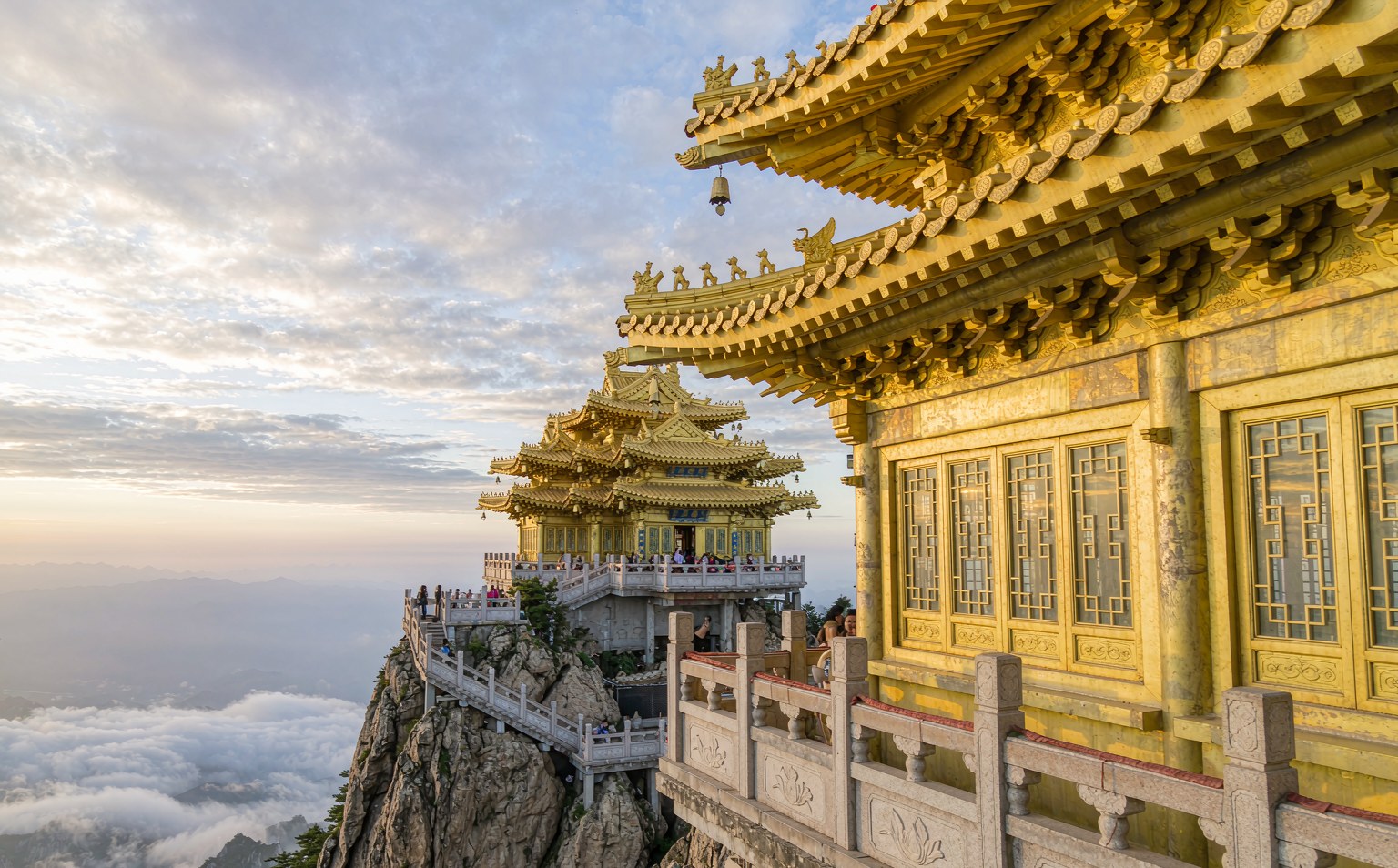
Six days from Luoyang. The Laojunshan ticket stays valid for two days, so the golden summit comes first and a second climb chases the morning cloud sea. Jiguan Cave runs 1,800 metres at a constant 18 degrees, and Chongdugou still has green bamboo in November.
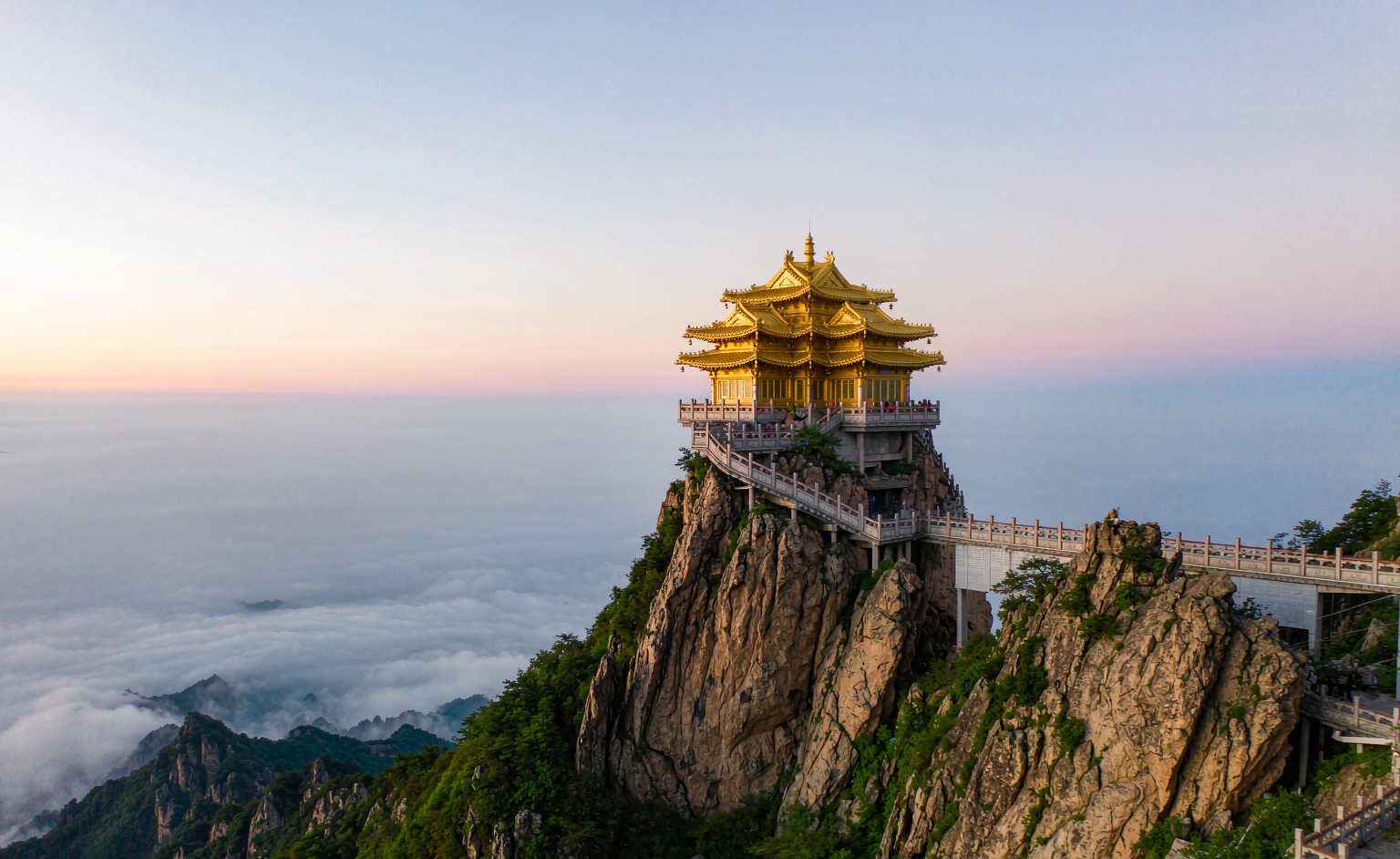
Luoyang Departure: Laojun Mountain, Jiguan Cave and Longtan Canyon, 5 Days 4 Nights
Five days from Luoyang. The Laojun Mountain ticket holds for two days, so the mountain is climbed twice: the painted rock forest first, then the summit to wait for the lamps. The second half runs west to Xinan, through a cave that stays at 18 degrees and a red gorge cut by water.