
Anyang 4-Day Tour: White Horse Temple & Taihang Grand Canyon
Anyang 4-day tour covering White Horse Temple and Taihang Grand Canyon and Red Flag Canal. Sightseeing tickets and shuttle bus included.
Highlights
Day 1: White Horse Temple
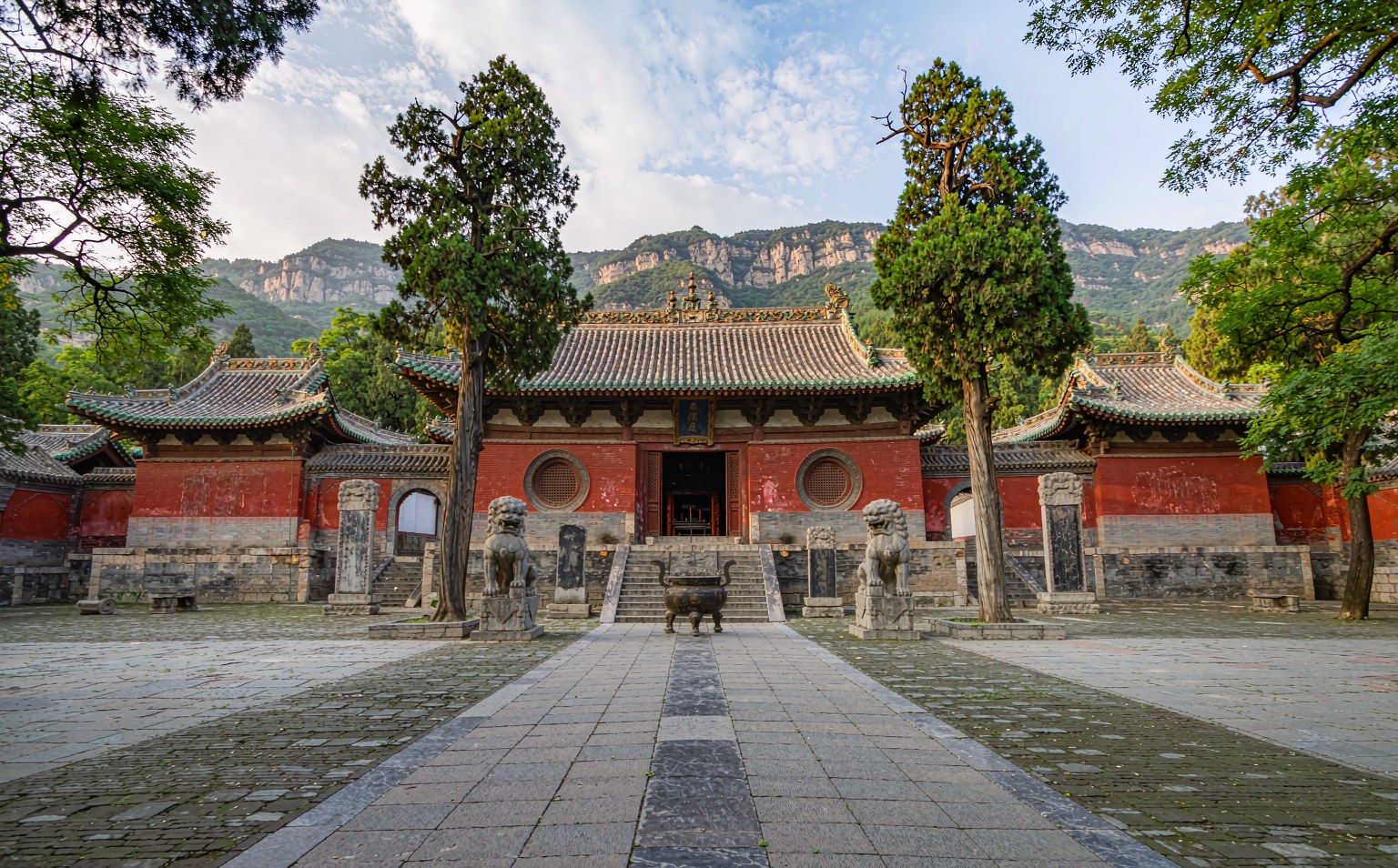
Morning tour: start from the mountain gate and the Hall of Heavenly Kings to the Great Buddha Hall along the central axis for a detailed view, then proceed to the Qiyun Pagoda Courtyard; at noon, try the local cuisine, and in the afternoon visit Buddhist halls with Burmese and Indian styles to experience the exotic charm of the thousand-year-old temple.
Attraction introduction: One of the highlights arranged in the itinerary is White Horse Temple, which is located in the east of Luoyang city. It was originally built during the Yongping period of the Eastern Han Dynasty to commemorate the white horses carrying the scriptures and the early spread of Buddhism in China. It is honored as the 'Oldest Temple in China' and was the first government-sponsored temple built after Buddhism was introduced to China. Inside the temple, the Qiyun Pagoda Courtyard, Great Buddha Hall, and Hall of Heavenly Kings are laid out along the central axis, with incense burning continuously for over two thousand years amidst red walls and green cypress trees. Notably, there are also Buddhist halls built in foreign styles by donations from Myanmar, Thailand, and India, presenting a unique scene of Buddhist culture spreading east and returning west. My understanding is that when entering the temple, first view the main halls along the central axis, then walk around to the Qiyun Pagoda Courtyard, and finally visit the exotic-style halls on both sides to experience cultural integration; arriving early in the morning when it is less crowded allows the sunlight on the red walls and ancient cypresses to create the most aesthetic atmosphere and helps avoid peak times of tourist groups.
Tips: There are many steps and thresholds in the temple, so do not step on the thresholds; when worshiping, follow the sequence and do not push. Tourists commonly report that the foreign-style halls (Thai/Burmese/Indian courtyards) are highly photogenic and generally more spacious than expected; note that walking distances in the international temple area are relatively long, so conserve your energy. In practice, when taking photos, do not just focus on capturing images; pay attention to your feet and surrounding environment. Always stand firmly at viewpoints and edges of walkways.
Day 2: Taihang Grand Canyon
Depart early from the hotel and head straight to Taihang Grand Canyon. First, listen to the tour guide explain the background and highlights, then explore freely at a leisurely pace and take additional photos of spots that interest you. After lunch, take a short rest and return to the hotel in the evening to replenish your energy for the next day.
Attraction Introduction: A major highlight of the itinerary is Taihang Grand Canyon. Taihang Grand Canyon stretches across the junction of Shanxi, Hebei, and Henan provinces, with Red Flag Canal cutting through the mountains. Peach Blossom Valley, Wang Xiang Cliff, and Taihang Sky Road link ruggedness with beauty, showcasing the scenery of the Taihang Mountains. Peach Blossom Valley is famous for its waterfalls and streams, Wang Xiang Cliff is renowned for its cliffside walkways, and Taihang Sky Road allows visitors to see the entire canyon by sightseeing bus. In spring, the mountains are filled with blooming flowers; in autumn, the forests are dyed in layers of color. Each season has its own highlights. In my understanding, the park is large and the attractions are spread out, so it is essential to plan your route and prioritize the main spots. Hold onto the railings in steep sections of the walkway, and friends with a fear of heights should act according to their ability.
Tips: Signal may be poor within the canyon, so arrange a meeting point with the guide in advance and do not act alone. Visitors generally comment that the water scenery in Peach Blossom Valley is serene, and Taihang Sky Road is perilous, with beautiful views at every step; the sightseeing bus is a must, and weather greatly affects the experience. Depending on the situation, the best times for photos are early morning or late afternoon—fewer people and soft light in the morning, golden glow at dusk, while midday light is harsh and crowded, making it better to rest at that time.
Day 3: Red Flag Canal
Today's Red Tour: Follow the guide to visit Qingnian Cave and Fen Shui Garden to understand the feats of the 1960s; in the afternoon, you can tour the surrounding area, and in the evening, rest.
Attraction Introduction: One highlight of the itinerary is Red Flag Canal. Red Flag Canal is an 'Artificial Canal' carved by the people of Linzhou on the cliffs of the Taihang Mountains in the 1960s. It has a total length of over 1,500 kilometers, leveling 1,250 mountain peaks, constructing over 150 aqueducts, and creating more than 200 tunnels, taking nearly ten years to complete. It stands as a monument to the Chinese nation's spirit of self-improvement. Qingnian Cave is the most dangerous section of the canal, carved by 300 young volunteer workers on the cliff; Fen Shui Garden and the Red Flag Canal Memorial Hall fully narrate the challenging process of building the canal. This place combines red education with the magnificent Taihang scenery and is now also a stunning cultural landmark. In my understanding, it is best to visit the memorial hall first to learn the background of the canal construction, then go to Qingnian Cave to truly appreciate the significance of the canal; hike along the canal according to your ability, wearing non-slip shoes and paying attention to your footing.
Tips: The mountain paths have many steps and steep slopes, so be sure to wear non-slip sports shoes. Those with mobility issues are recommended to use the cable car. Visitors generally feel that the 'Artificial Canal' is a strong spiritual landmark, resonating more with middle-aged tourists; the exhibition commentary is worth listening to for understanding that period of history. Considering practical matters, for long trips, the biggest risk is dehydration, so keep a water bottle handy and drink in small sips frequently; on the first night at high altitudes or in mountainous areas, avoid washing your head or taking a long bath to give your body some time to adapt.
Day 4: Return
Transfer to the departure terminal per your booked train or flight; keep travel documents and tickets in your carry-on.
Related Tours
Luoyang Departure: Laojun Mountain, Jiguan Cave and Longtan Canyon, 5 Days 4 Nights
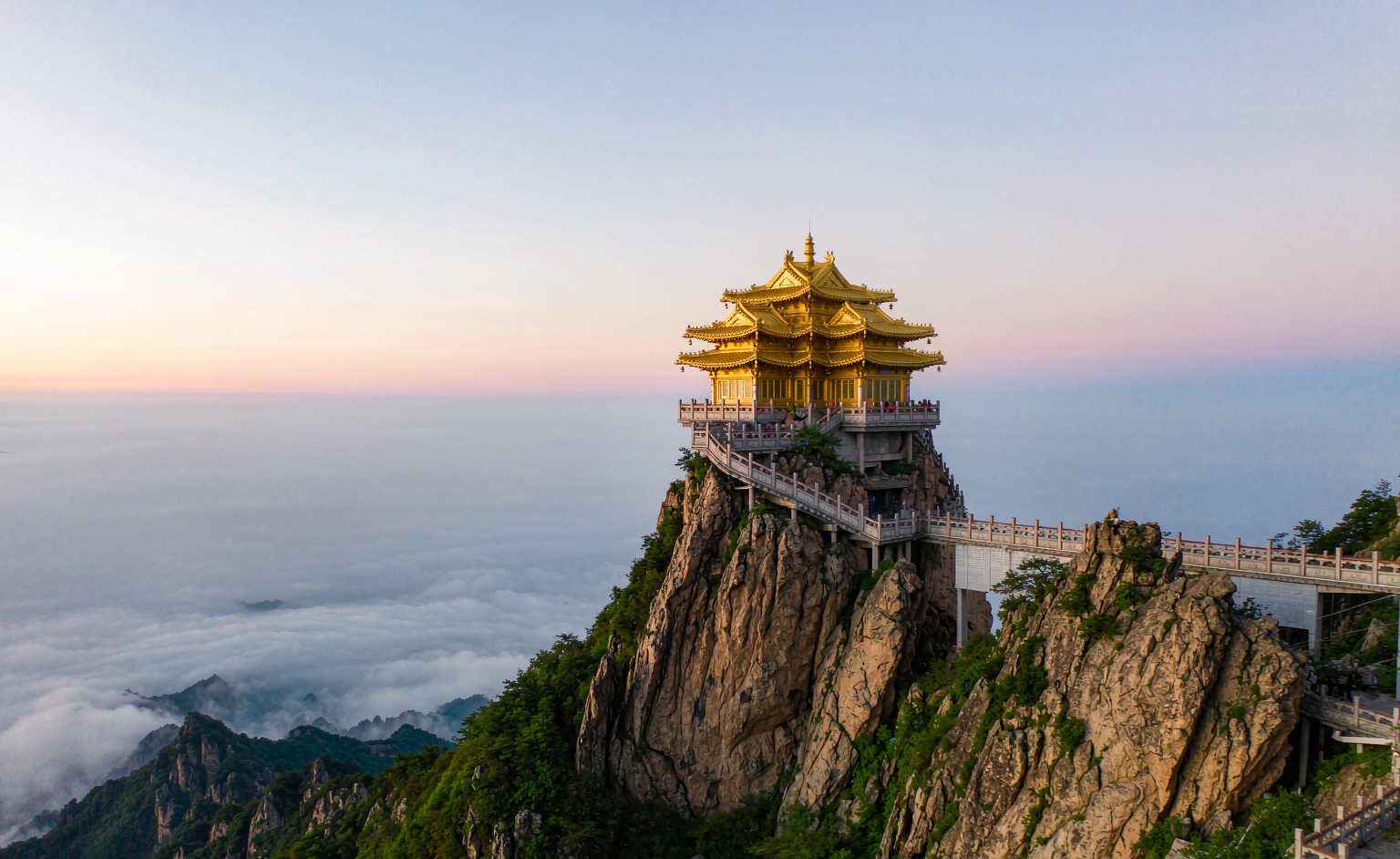
Five days from Luoyang. The Laojun Mountain ticket holds for two days, so the mountain is climbed twice: the painted rock forest first, then the summit to wait for the lamps. The second half runs west to Xinan, through a cave that stays at 18 degrees and a red gorge cut by water.
Luoyang Departure: Longmen Grottoes, White Horse Temple, Luoyang Museum and Erlitou, 3 Days 2 Nights
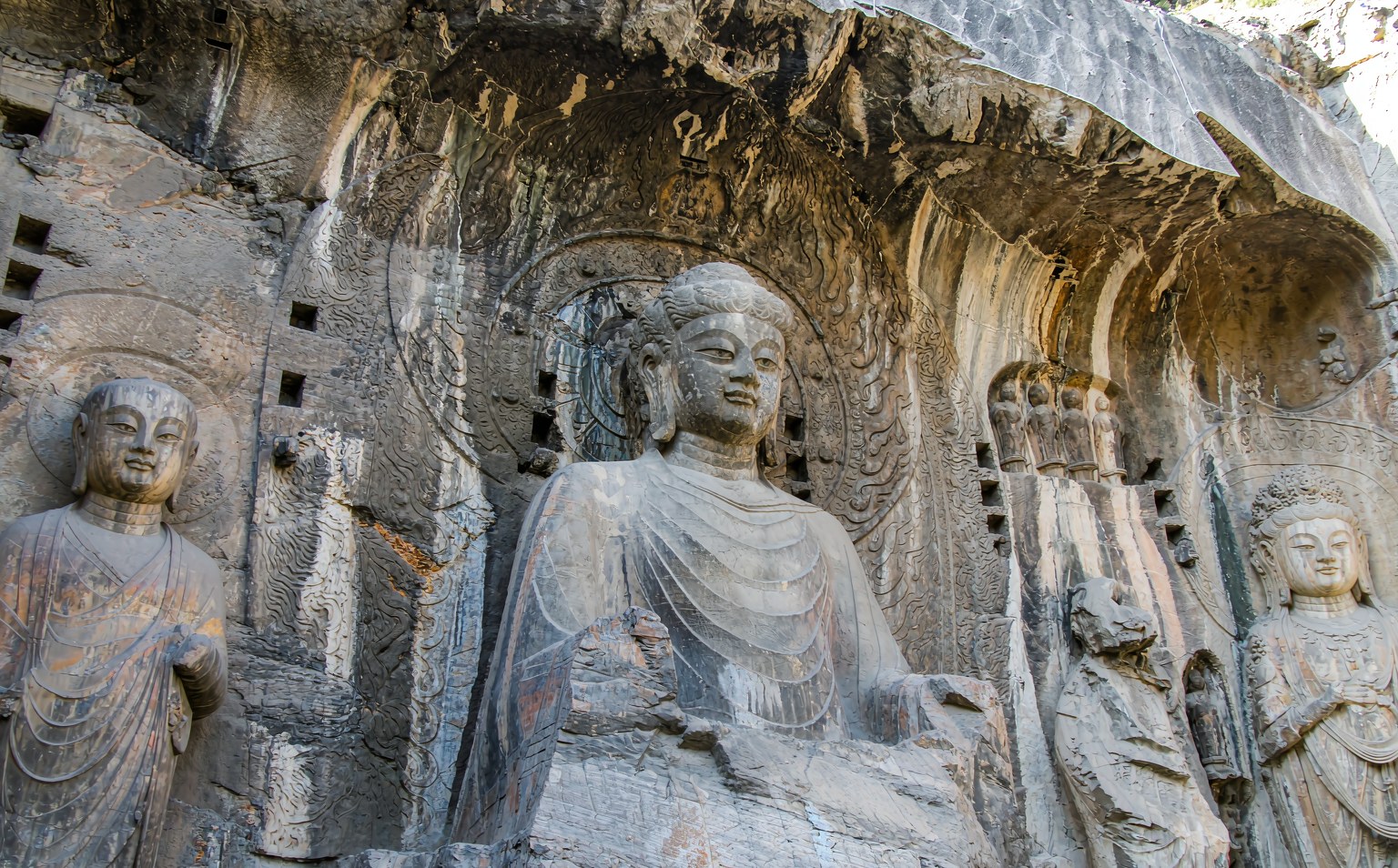
Three days from Luoyang, all of them about which layer of soil a thing came out of: Buddhas cut into a cliff at Longmen, a pagoda standing in a temple yard, a jade cup behind glass, and at Erlitou the rammed-earth footings of a palace that is four thousand years old.
Luoyang Departure: Chongdugou Bamboo Valley and Jiguan Cave, 4 Days 3 Nights
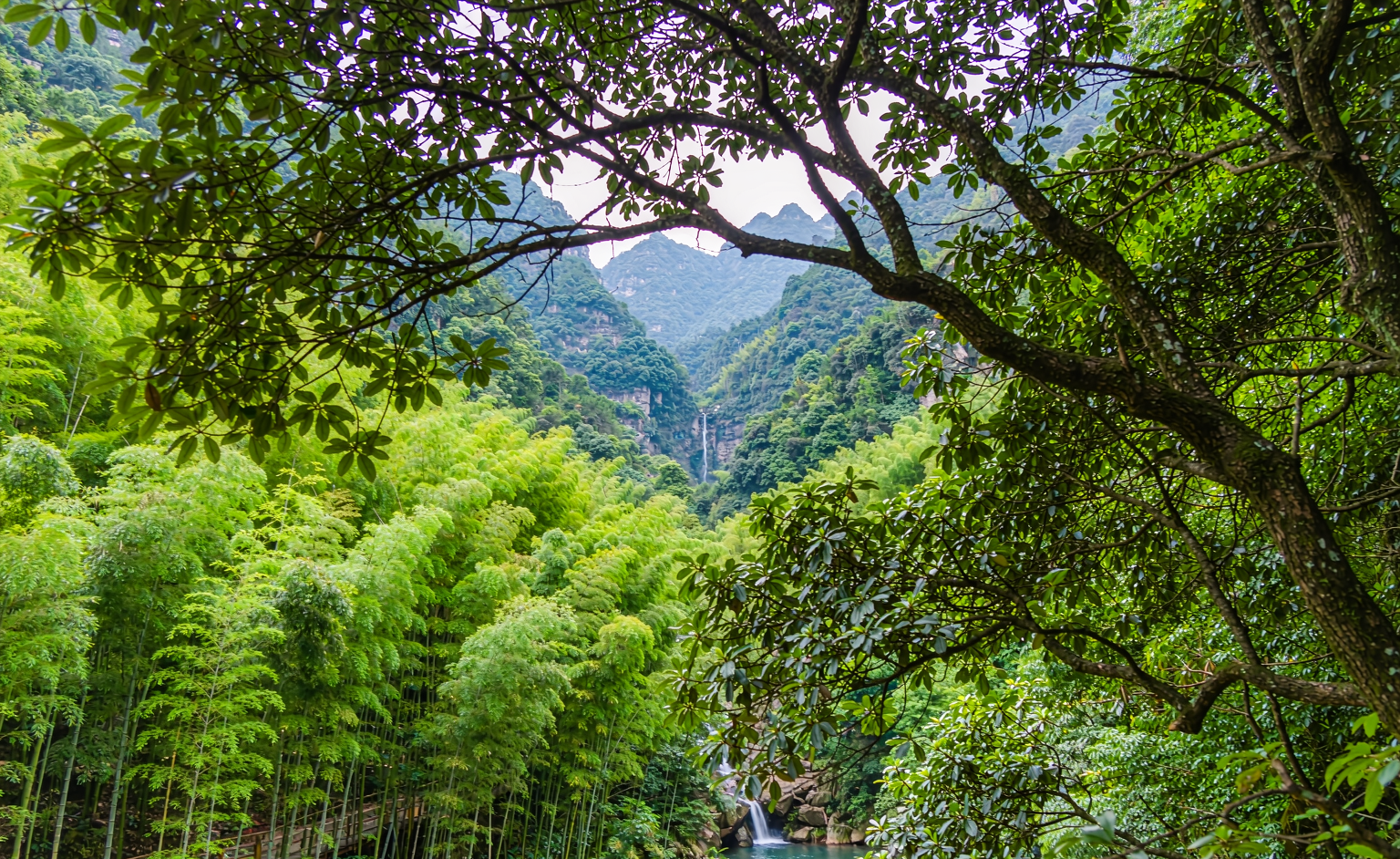
Four slow days from Luoyang. In Chongdugou the two valleys are taken on separate days, one for waterfalls and one for bamboo, sleeping in a farmhouse inside the gorge; then Jiguan Cave, eighteen degrees all year round.
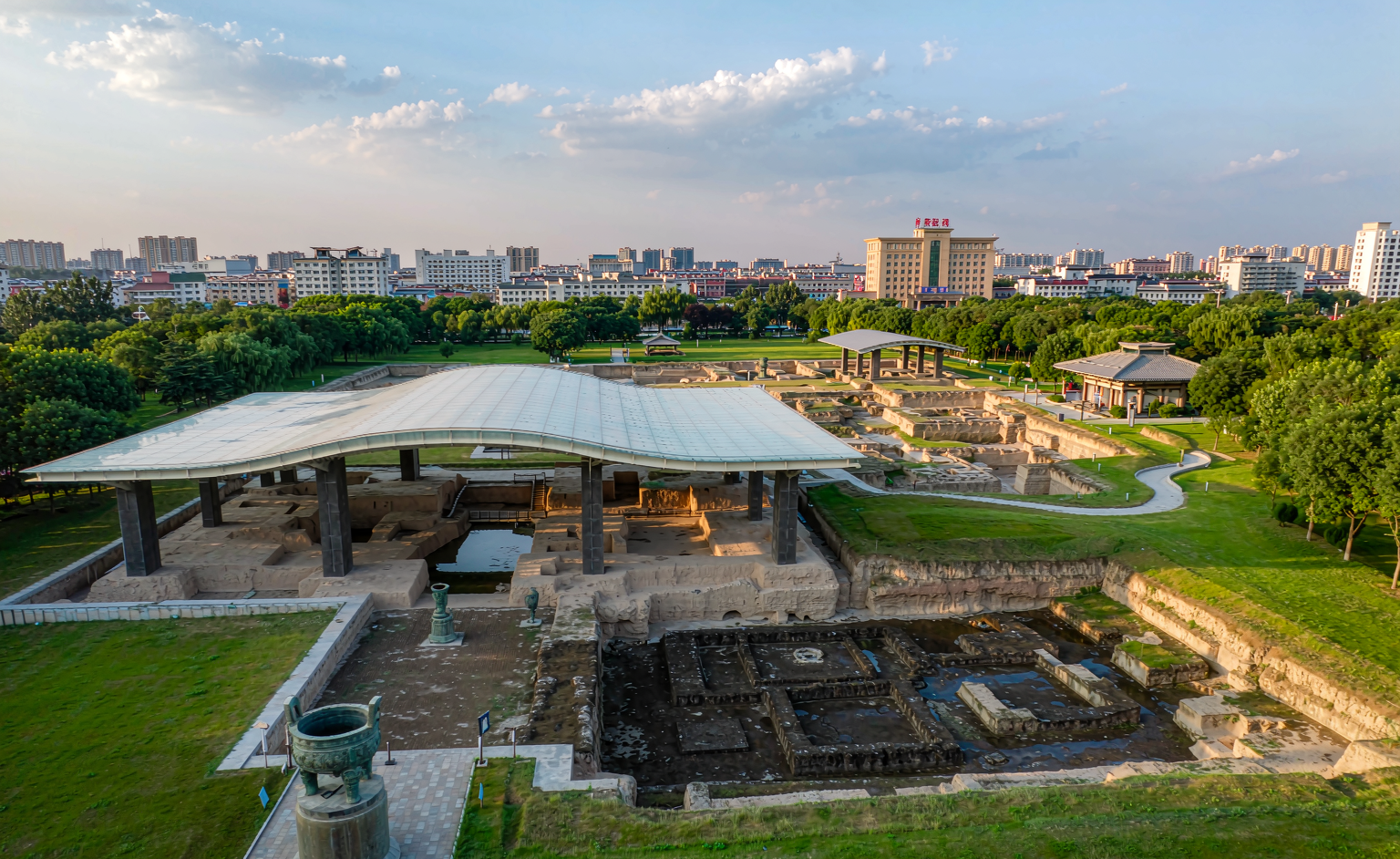
Luoyang Departure: Yin Ruins, Chinese Character Museum and Youli City, 3 Days 2 Nights
Three days from Luoyang into the Shang world: oracle bones scratched with questions, a museum that follows those marks into modern characters, and the earth platform where King Wen worked out the hexagrams.