
Luoyang 6-Day Tour: Longtan Grand Canyon & Laojun Mountain
Luoyang 6-day tour covering Longtan Grand Canyon and Laojun Mountain and Sui-Tang Luoyang City. Sightseeing tickets and shuttle bus included.
Highlights
Day 1: Longtan Grand Canyon
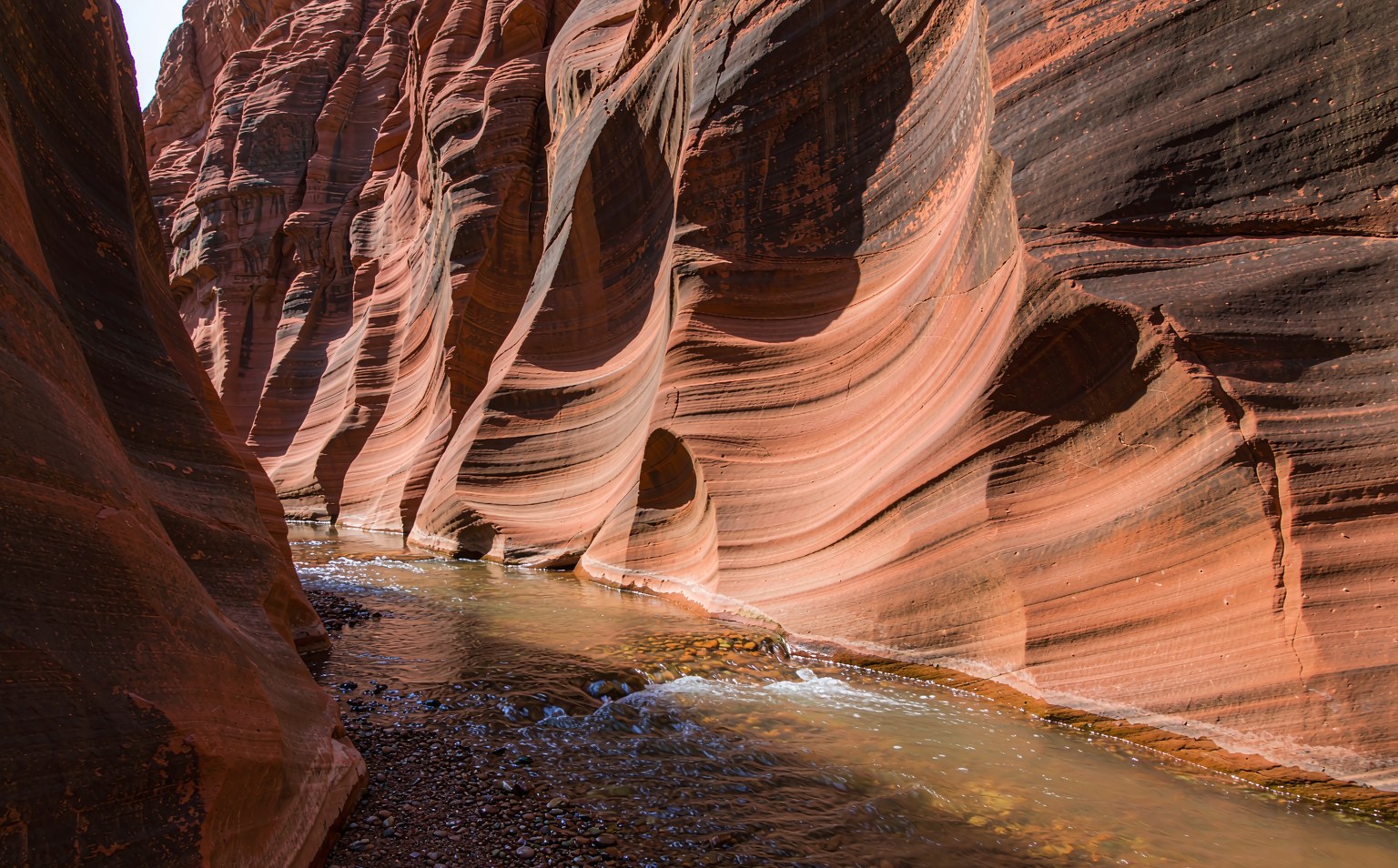
Today's hydrophilic journey focuses on Liubu Pool and Yixian Tian, experiencing the 'canyon gem' red rock landscape; afternoon rest, evening check-in.
Attraction Introduction: This stop brings us to Longtan Grand Canyon, located in Xin'an. It is a canyon famous for its red rock ridges and valleys, and the phenomenon of water flowing uphill, earning it the reputation of 'canyon gem' and 'natural museum of the ancient ocean.' Trails like Liubu Pool and Yixian Tian offer strong water-friendly fun, with red rock cliffs and clear turquoise pools complementing each other. Especially in summer, it is a cool destination not far from Luoyang city, ideal for families. The canyon stretches for several kilometers, with waterfalls, deep pools, and unusual stones along the way, offering a new scene at every step. My understanding is that wearing a pair of non-slip water trekking shoes or sports shoes is most suitable, and valuables like your phone should be protected from water. Families with children should slow down their pace, choose the gentle boardwalk sections, and not rush to complete the entire route.
Tips: Canyon trails are adjacent to water and cliffs; do not climb over railings or play in dangerous areas, and keep a close watch on accompanying children. Visitors generally report that most think Longtan Grand Canyon is worth a special trip. It is recommended to slow down, follow the guide, listen to the explanation, and leave time for the details that move you most and the best photography spots. Take the actual situation into account, respect local customs, dress appropriately when entering religious sites, avoid pointing casually, and a simple greeting can be met with kindness.
Day 2: Laojun Mountain
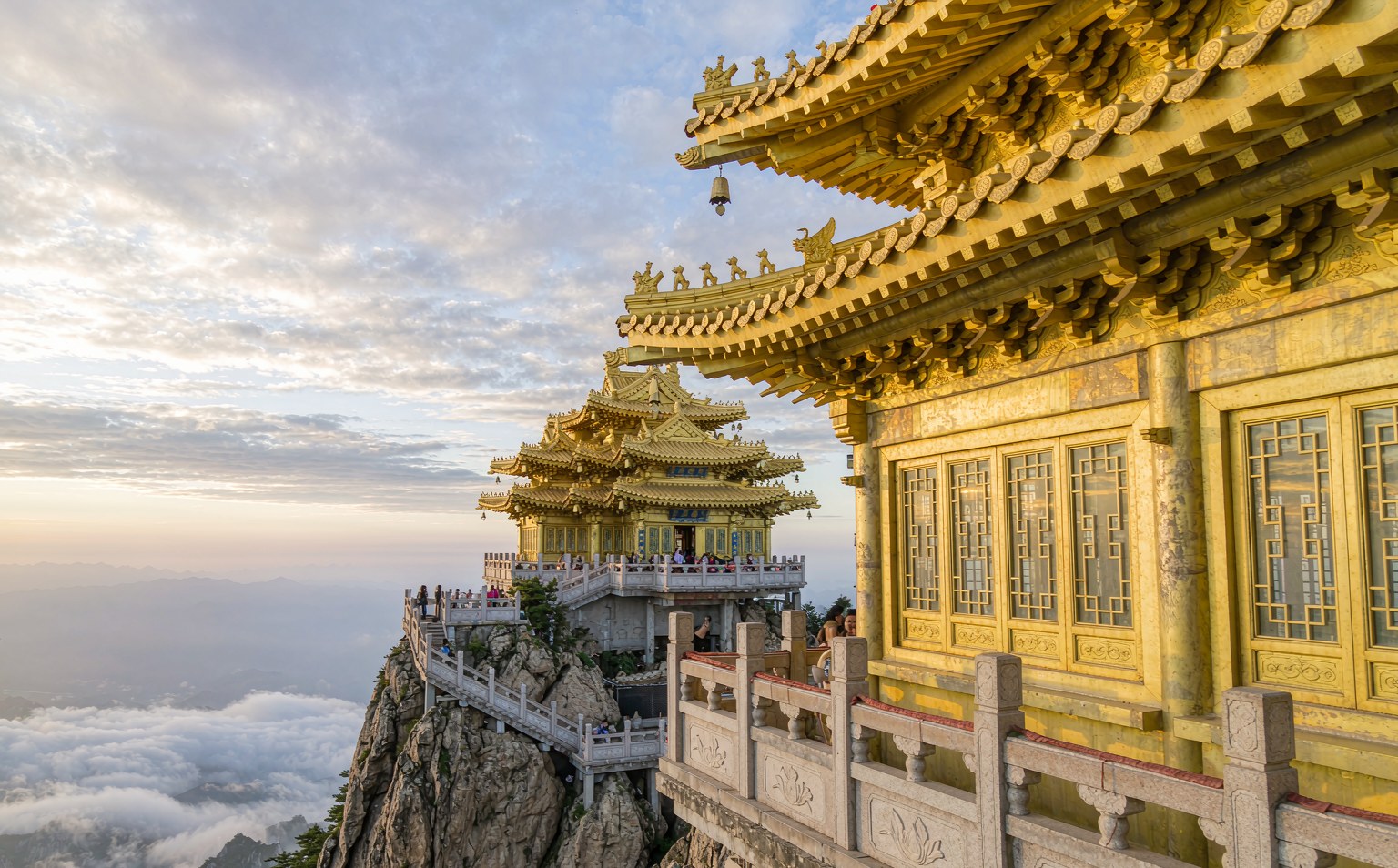
In the morning, take the cable car up Laojun Mountain and visit the Golden Summit Taoist temple complex. On a clear day, you may encounter a sea of clouds. Have a light lunch at the mountain top at noon. In the afternoon, walk along the Ten-Mile Painted Screen Trail, overlook the mountains from the glass viewing platform, and in the evening, descend the mountain and check in to the hotel.
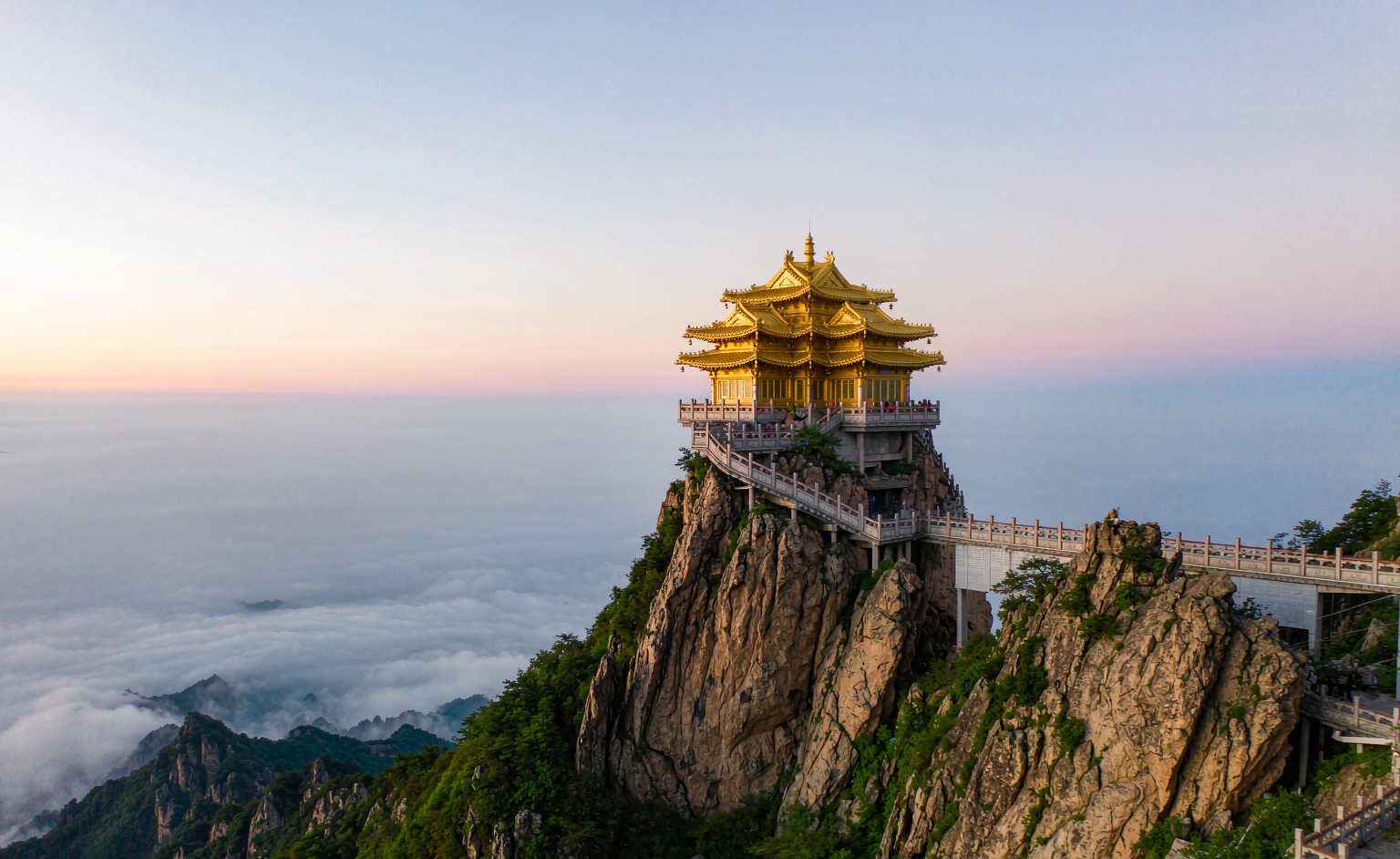
Attraction Introduction: A highlight of the itinerary is Laojun Mountain, located in Luoyang, Luanchuan County. It is the main peak of the Funiu Mountains and a famous Taoist mountain, traditionally believed to be the place where the Taoist founder Laozi retired for cultivation. The Golden Summit Taoist temple complex stands atop a peak over 2,000 meters above sea level, with golden roofs, red walls, and rolling seas of clouds, earning a reputation of "a journey to witness the breathtaking feast of the mortal world and to behold its splendid face." The Ten-Mile Painted Screen Trail is the essence of the entire trip, a high-altitude walkway along a sheer cliff that offers ever-changing views of the mountains, sea of clouds, and sunrise. Visitors can take a two-stage cable car to the top. On sunny days, you can enjoy the sunrise above the clouds; in winter, it is a popular spot in central China for snow viewing. My understanding is that it is essential to take the cable car up early to secure the best lighting at the Golden Summit and the Ten-Mile Painted Screen; the mountain top is windy and cold, so a windproof jacket and a thermos are a must, and timid visitors should not force themselves onto the glass viewing platform.
Tips: Mountain paths are often slippery, especially downhill, so shift your center of gravity back and slow down, and consider bringing knee pads. Visitors generally report that the Golden Summit sea of clouds and sunrise are considered the main highlights, and many stay at the mountain top specifically to witness dawn. Remember that temperature differences are large, and cable car lines can be long, so during peak season, go early. In practical terms, group tours should avoid rushing through the sights; listening to explanations is the essence. The cultural stories behind each attraction are often more memorable than photos, so ask the guide on the spot if you don’t understand something.
Day 3: Sui-Tang Luoyang City
Depart from the hotel early in the morning and head straight to Sui-Tang Luoyang City. First, listen to the tour guide explain the background and highlights, then take your time to explore freely and capture additional photos according to your interests. After lunch, rest briefly and return to the hotel in the evening to build up energy for the next day.
Attractions introduction: This stop is Sui-Tang Luoyang City. The Sui-Tang Luoyang City National Heritage Park centers around Yingtian Gate, Mingtang, and Tiantang, restoring the grandeur of the Tang Dynasty "Divine Capital" Luoyang. Yingtian Gate is the main southern gate of Sui-Tang Luoyang City, majestic in scale; climbing the tower offers a view of the central axis, and at night there is a stunning light show. Mingtang was the "Palace of Myriad Phenomena" during Wu Zetian's reign, while Tiantang is a tall tower for Buddhist rituals. The interiors of both buildings recreate the luxurious furnishings of a Tang Dynasty palace. Strolling by Jiuzhou Pool is also pleasant, evoking the grandeur of the imperial gardens of the time. This location is closely associated with TV dramas such as "Wu Zetian" and "The Wind Rises in Luoyang," making it one of the most popular Tang culture attractions in Luoyang in recent years. My understanding is that it is essential to visit at night—the lights of Yingtian Gate and Mingtang-Tiantang show what the "Divine Capital" truly looks like when illuminated. See the palace furnishings during the day and enjoy the light show at night for two different experiences in one day.
Tips: Attractions in the ancient capital are spread out, requiring a fair amount of walking and transfers, so comfortable flat shoes are recommended and route planning is advised. Visitors generally report that most people think Sui-Tang Luoyang City is worth a special trip; it's recommended to slow down, listen to the guide, and give time to the details that move you most and the best photo spots. In practice, to eat authentically, go further into the alleys, as queues at the main entrance are long and the food is not particularly good; for local specialties, ask for prices and compare them, as local supermarkets often offer more authentic products.
Day 4: Wangcheng Park
Today, the theme is Wangcheng Park. Avoid peak crowds by entering the park during off-peak hours and follow the recommended route for an in-depth visit; enjoy local cuisine nearby at noon, and in the afternoon, you can either have free activities or join the guide for additional touring. In the evening, stay at the hotel to rest.
Attraction Introduction: One of the highlights arranged in the itinerary is Wangcheng Park. Wangcheng Park is located in Luoyang, named because it is situated on the ruins of the Eastern Zhou Royal City. It has been one of the main venues for the Chinese Luoyang Peony Culture Festival over the years and is also the most well-known city park for the citizens of Luoyang. Every April, famous peony varieties like Yaohuang, Weizi, and Zhaofen bloom in succession, creating a spectacular scene of vibrant colors. The park also preserves the Eastern Zhou Royal City ruins and a zoo, combining historical significance with leisure functions, making it a classic spot for tourists to check in at the 'Peony Flower City.' In my understanding, if you come during the peony season (April), this place must be on your must-visit list; in the early morning, with fewer people, the peonies with dew are at their most beautiful. Outside the flowering season, it is more suitable for a leisurely stroll.
Tips: Food prices inside the park are relatively high, so you may consider bringing water and snacks. Keep your personal belongings secure. Visitors generally feel that most consider Wangcheng Park worth a special trip. It is recommended to slow down, follow the guide for explanations, and leave time for the details that touch you most and the best photo spots. Based on the actual situation, manage your energy wisely—do the main highlights in the morning when you are fresh, and slow the pace in the afternoon; don't exhaust yourself on the first day, or you will have no energy for the following days.
Related Tours
Luoyang to Laojunshan, Chongdugou, Jiguan Cave and Yangzigou 6 Days
Six days from Luoyang. The Laojunshan ticket stays valid for two days, so the golden summit comes first and a second climb chases the morning cloud sea. Jiguan Cave runs 1,800 metres at a constant 18 degrees, and Chongdugou still has green bamboo in November.
Luoyang Departure: Laojun Mountain, Jiguan Cave and Longtan Canyon, 5 Days 4 Nights
Five days from Luoyang. The Laojun Mountain ticket holds for two days, so the mountain is climbed twice: the painted rock forest first, then the summit to wait for the lamps. The second half runs west to Xinan, through a cave that stays at 18 degrees and a red gorge cut by water.
Luoyang Departure: Longmen Grottoes, White Horse Temple, Luoyang Museum and Erlitou, 3 Days 2 Nights
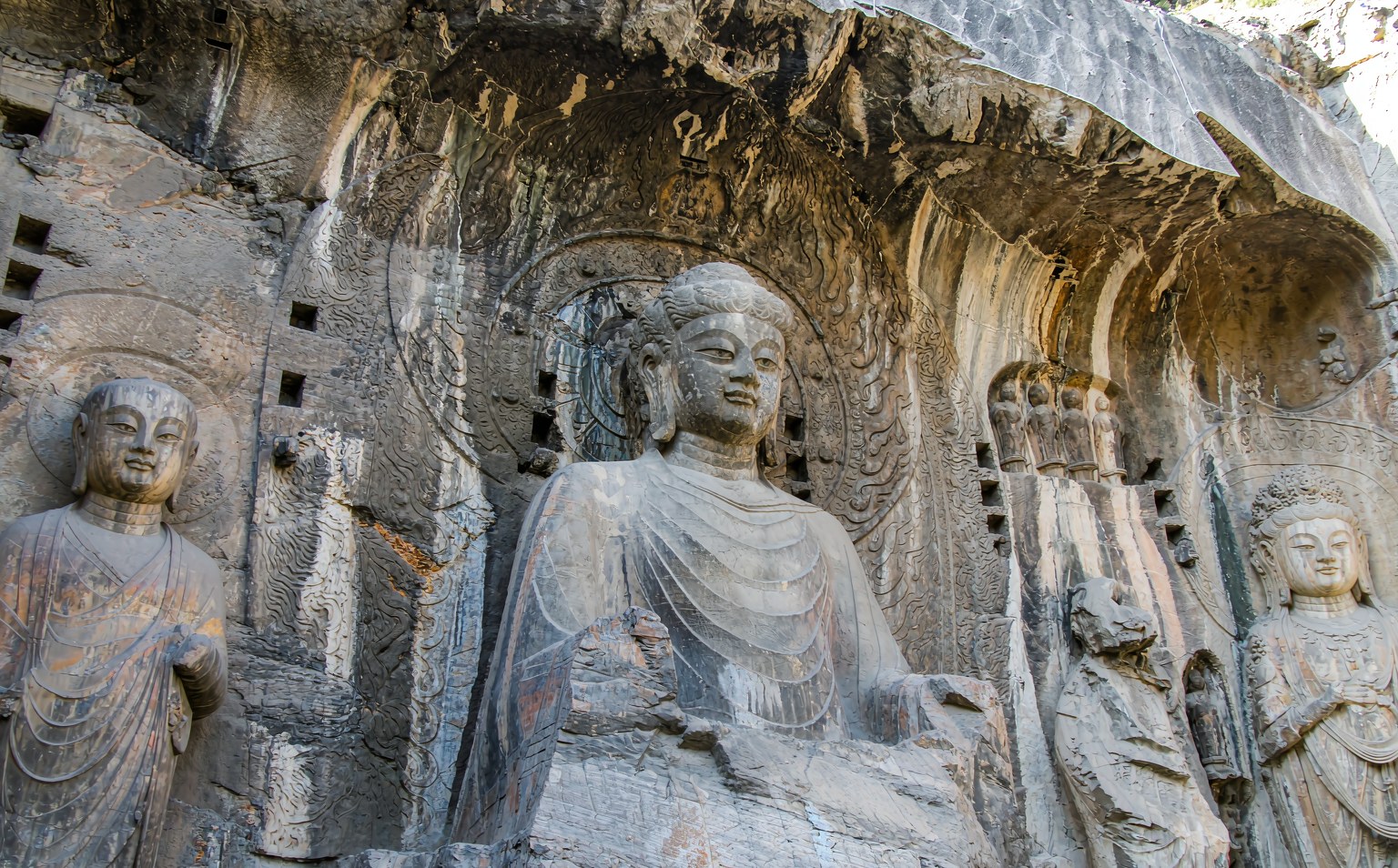
Three days from Luoyang, all of them about which layer of soil a thing came out of: Buddhas cut into a cliff at Longmen, a pagoda standing in a temple yard, a jade cup behind glass, and at Erlitou the rammed-earth footings of a palace that is four thousand years old.
Luoyang Departure: Chongdugou Bamboo Valley and Jiguan Cave, 4 Days 3 Nights
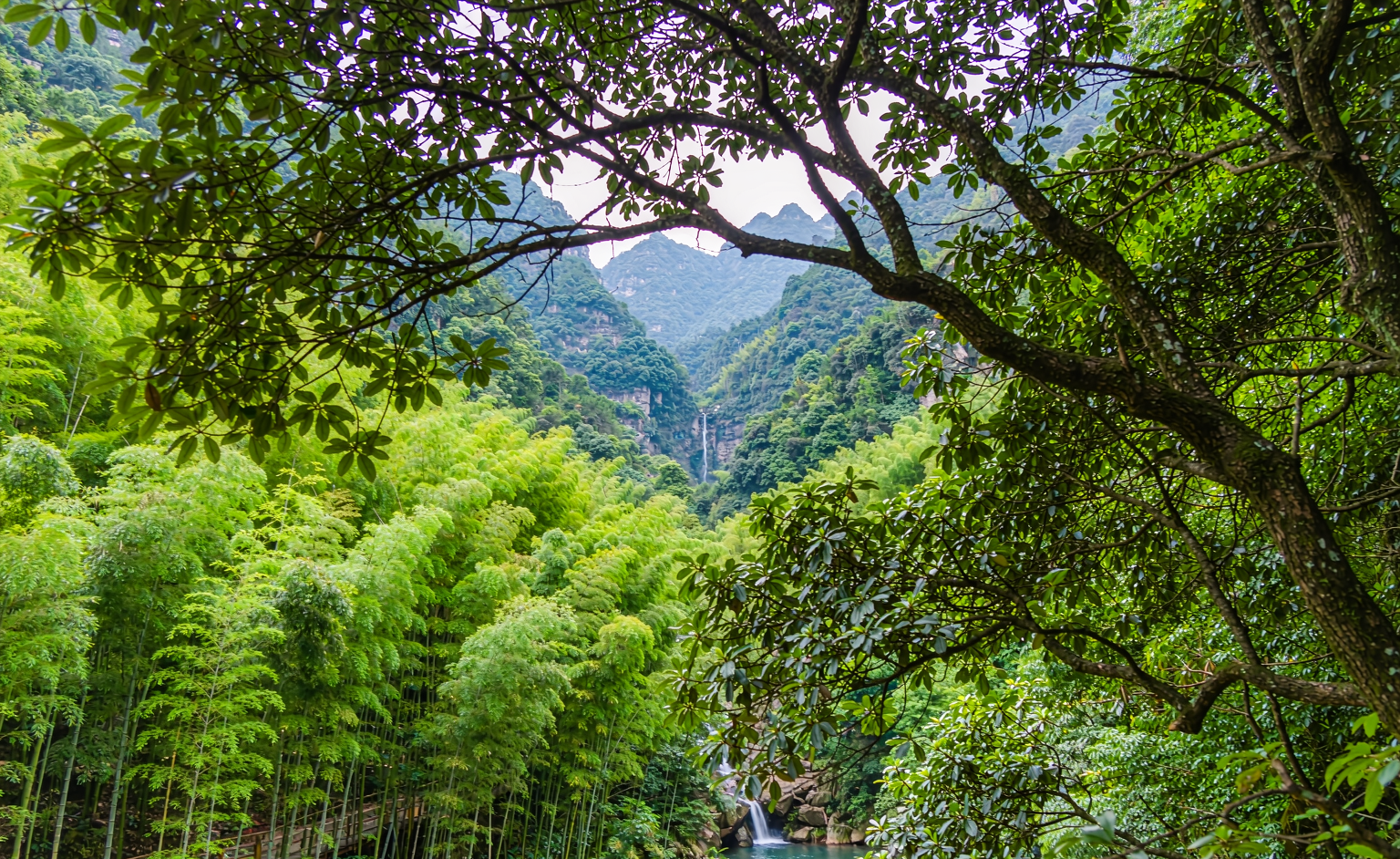
Four slow days from Luoyang. In Chongdugou the two valleys are taken on separate days, one for waterfalls and one for bamboo, sleeping in a farmhouse inside the gorge; then Jiguan Cave, eighteen degrees all year round.