
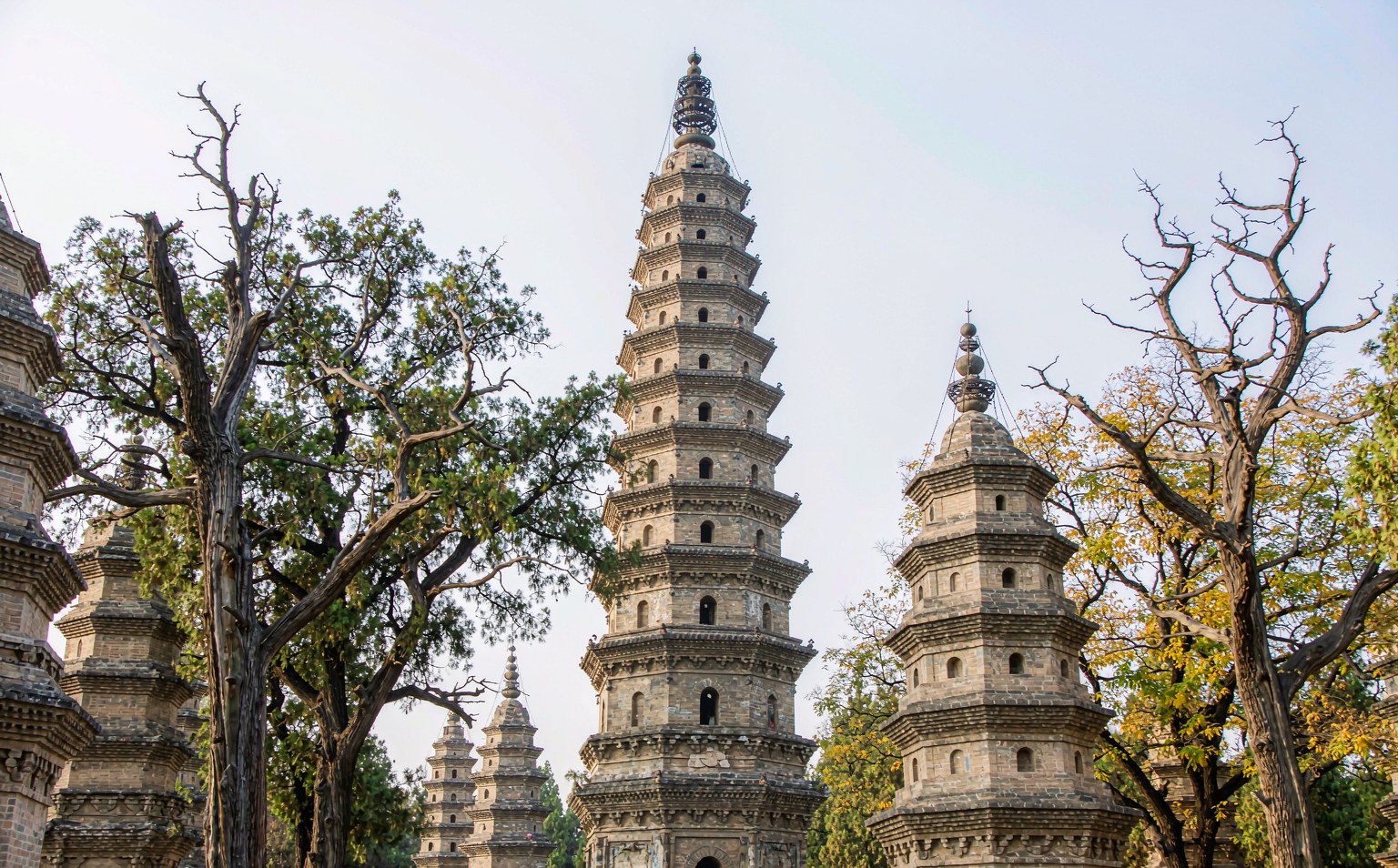
Anyang 4-Day Tour: White Horse Temple & Laojun Mountain
Anyang 4-day tour covering White Horse Temple and Laojun Mountain and Yin Xu. Sightseeing tickets and shuttle bus included.
Highlights
Day 1: White Horse Temple
Arrive early in the morning, take the opportunity of the morning light to calmly explore among the red walls and green cypresses, focusing on the Qiyun Pagoda and the two exotic Buddhist halls; in the afternoon, enjoy free activities, possibly retake shots from the central axis perspective, and return to the hotel in the evening.
Attraction Introduction: One highlight arranged in the itinerary is White Horse Temple, which is located in the eastern part of Luoyang city. It was originally built during the Yongping period of the Eastern Han Dynasty to commemorate the White Horse carrying scriptures and the initial spread of Buddhism in the Central Plains. It is revered as the 'First Ancient Temple in China' and is the first government-built temple after Buddhism was introduced to China. Inside the temple, the Qiyun Pagoda Courtyard, the Great Buddha Hall, and the Hall of Heavenly Kings are laid out along the central axis, with incense burning continuously among the red walls and green cypresses for more than 2,000 years. Notably, the temple also has exotically styled Buddhist halls donated by Myanmar, Thailand, India, and other countries, presenting a unique landscape of Buddhist culture spreading eastward and returning westward. My understanding is that one should first visit the main hall along the central axis, then circle to the Qiyun Pagoda Courtyard, and finally go to the exotic Buddhist halls on the sides to experience cultural integration; come early in the morning when there are fewer people, as the morning light on the red walls and ancient cypresses is most picturesque, and it also helps avoid the peak of tourist groups.
Tips: There are many incense stalls around the temple; purchase incense as needed and consume rationally. Visitors generally report that the exotic-style Buddhist halls (Thai/Myanmar/Indian courtyards) are photogenic, and they find the spaces more open than expected; note that walking to the international temple area is quite far, so save some energy. According to actual needs, carry some small change and small packaged snacks, which can be useful in case of poor signal in the scenic area or temporary resupply—don’t wait until you are hungry to look for them.
Day 2: Laojun Mountain
Today's in-depth tour: After taking the cable car up the mountain, we focused on the Golden Summit, the Ten-Mile Painted Screen, and the glass viewing platform, following the guide to learn about Taoist culture and the geology of the Funiu Mountains; in the afternoon we descended and rested to recharge for the next day.
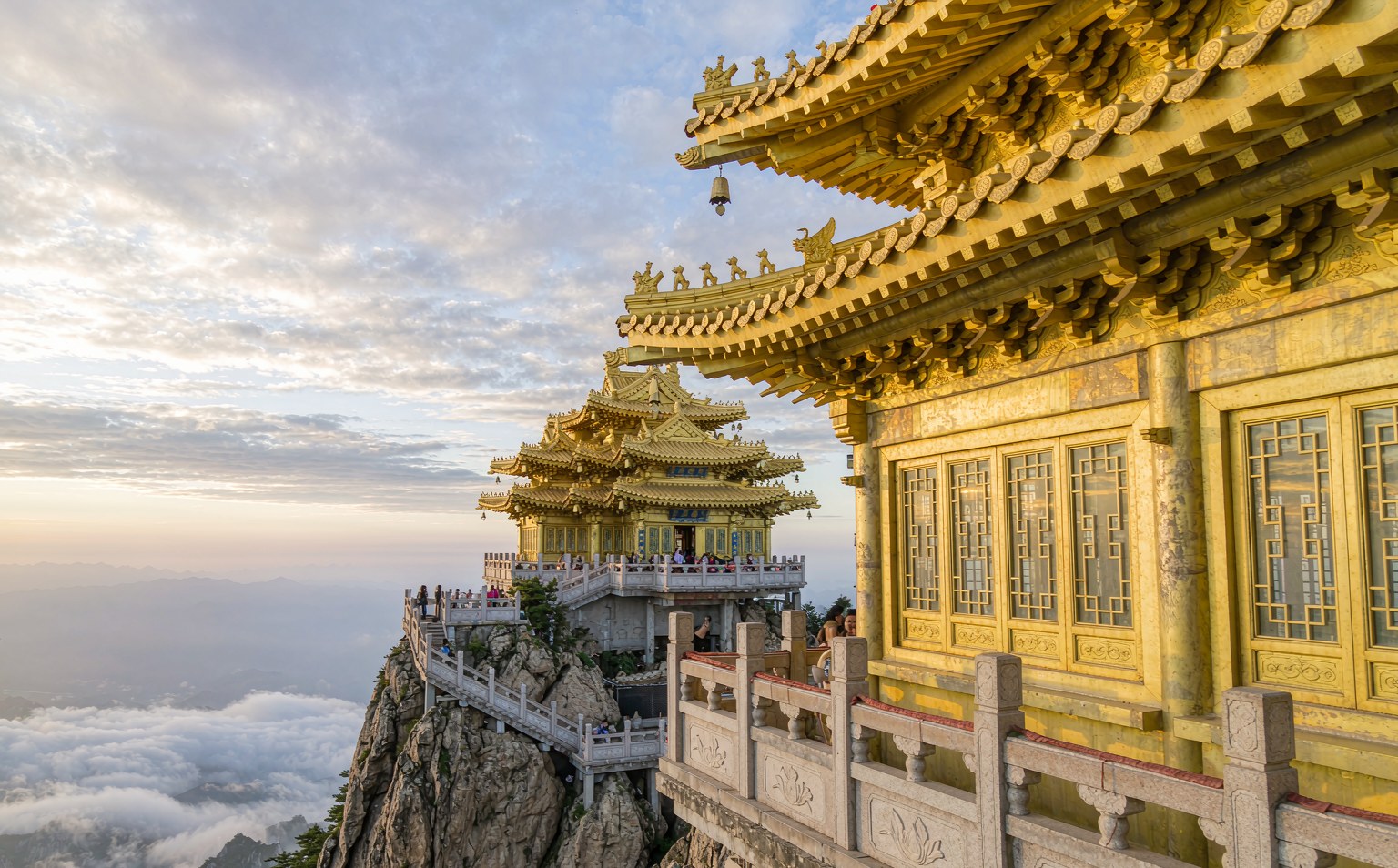
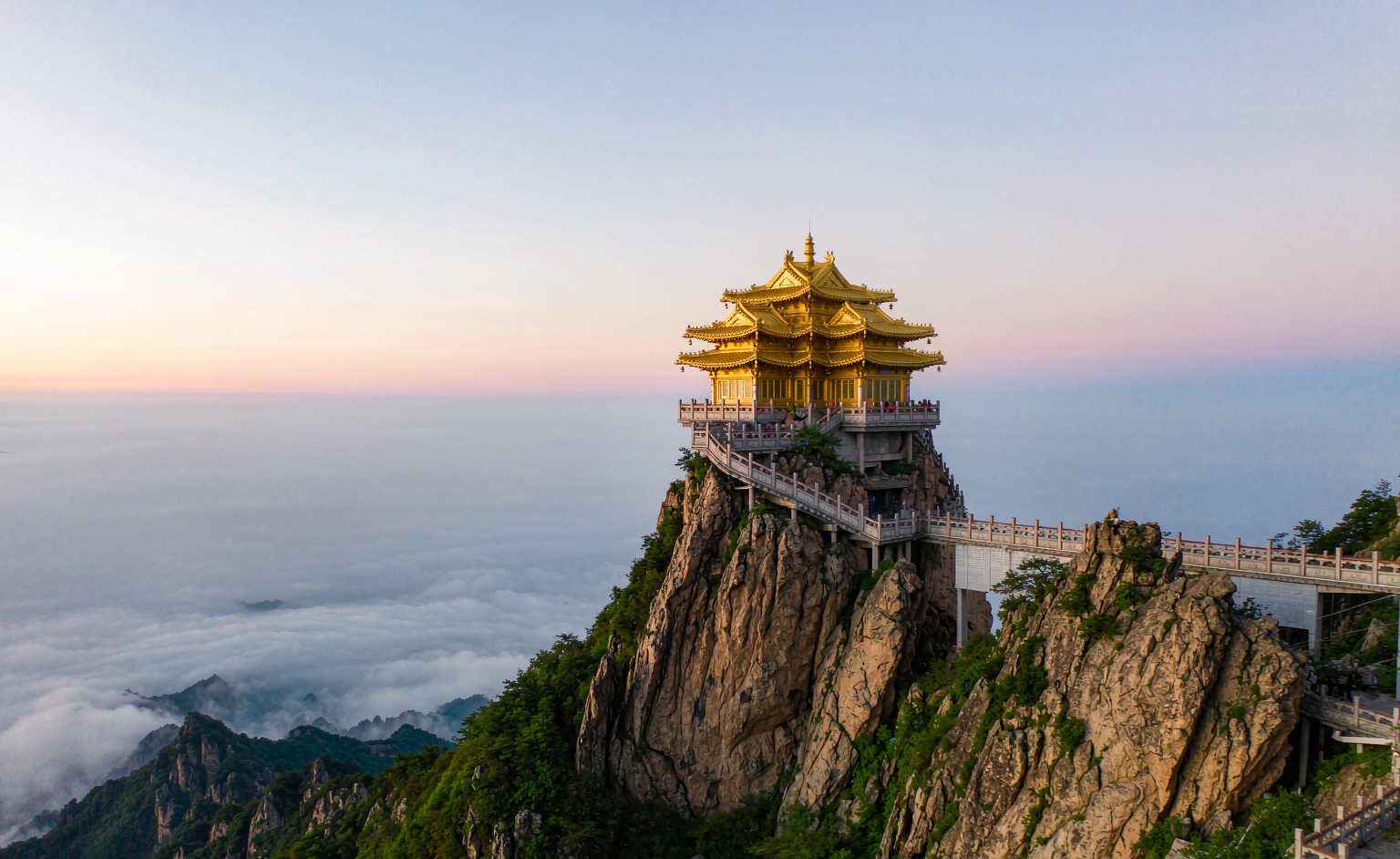
Attractions introduction: One of the highlights arranged in the itinerary is the Golden Summit, located in Luanchuan County, it is the main peak of the Funiu Mountains and a famous Taoist mountain, traditionally considered the place where Laozi, the founder of Taoism, retreated and cultivated. The group of temples on the Golden Summit sits atop peaks more than 2,000 meters above sea level, with golden-tiled temples and red walls amid rolling clouds, earning the reputation of "a magnificent feast for the eyes that astonishes the world." The Ten-Mile Painted Screen is the essence of the journey—a high-altitude plank road suspended on a cliff, offering ever-changing views of peak forests, sea of clouds, and sunrise. Visitors can take a two-stage cable car up the mountain; on clear days, the summit offers views of the sea of clouds and sunrise, and in winter it is a very popular snow-viewing spot in the Central Plains. My understanding is that it's essential to take the cable car early to secure the best light at the Golden Summit and the Ten-Mile Painted Screen; the summit is windy and cold, so a windbreaker and insulated bottle are standard, and the glass viewing platform is not recommended for the faint-hearted.
Tips: The mountain paths have many steps and steep slopes, so wear non-slip athletic shoes; those with mobility issues should use the cable car. Visitors generally recommend the Golden Summit's sea of clouds and sunrise as the main highlights, with many choosing to stay on the summit overnight to wait for dawn. Note that the summit experiences large temperature differences and long cable car queues; during peak season, it's essential to go early. Given the unpredictable mountain weather, a windproof jacket is more practical than anything else; choose non-slip, comfortable shoes, and it’s better to take fewer photos than to twist an ankle.
Day 3: Yin Ruins
Morning tour, visit the palace and ancestral temple ruins and the royal tomb area, see oracle bones and large bronze artifacts; have lunch nearby at noon, and in the afternoon visit the new museum of Yin Ruins to gain a systematic understanding of Shang civilization.
Attraction introduction: Today's itinerary includes Yin Ruins attractions. Yin Ruins is a late Shang dynasty capital site, located in Anyang. It is the birthplace of oracle bones and also the place where the Houmuwu Ding (originally called Simuwu Ding) was discovered. In 2006, it was listed as a World Cultural Heritage site. This was once the capital city after King Pan Geng of the Shang dynasty moved to Yin, lasting more than 270 years. The ruins of the palace and ancestral temple, the royal tomb area, and the chariot and horse pits are clearly visible. Oracle bones were first discovered here, pushing the start of recorded Chinese history back to the Shang dynasty. The new museum of Yin Ruins systematically displays bronzes, jades, oracle bones, and other cultural relics, making it the most intuitive classroom for learning about Shang civilization. My understanding is that first viewing the palace and ancestral temple ruins and the chariot and horse pits helps establish a spatial concept, then going into the museum to carefully examine the artifacts—linking the two lines together completes the experience. Oracle bones and large bronze artifacts are the essence, and following the guided explanation is far better than just glancing around.
Tips: The mountainous area has large temperature differences between morning and evening, and strong winds at the top, so a windproof jacket and warm inner layers are necessary. Visitors generally respond that oracle bones and the Houmuwu Ding make history 'come alive,' and many say the new museum is more worthwhile than the open-air ruins; it is advised to combine the visit with the explanation to fully understand it. Based on the actual situation, avoid impulsive shopping, and if you see “limited-time offers,” take a three-minute pause first; if you really want to buy souvenirs, make sure to choose official stores and keep the receipts for peace of mind.
Day 4: Return
Transfer to the departure terminal per your booked train or flight; keep travel documents and tickets in your carry-on.
Related Tours
Luoyang to Laojunshan, Chongdugou, Jiguan Cave and Yangzigou 6 Days
Six days from Luoyang. The Laojunshan ticket stays valid for two days, so the golden summit comes first and a second climb chases the morning cloud sea. Jiguan Cave runs 1,800 metres at a constant 18 degrees, and Chongdugou still has green bamboo in November.
Luoyang Departure: Laojun Mountain, Jiguan Cave and Longtan Canyon, 5 Days 4 Nights
Five days from Luoyang. The Laojun Mountain ticket holds for two days, so the mountain is climbed twice: the painted rock forest first, then the summit to wait for the lamps. The second half runs west to Xinan, through a cave that stays at 18 degrees and a red gorge cut by water.
Luoyang Departure: Longmen Grottoes, White Horse Temple, Luoyang Museum and Erlitou, 3 Days 2 Nights
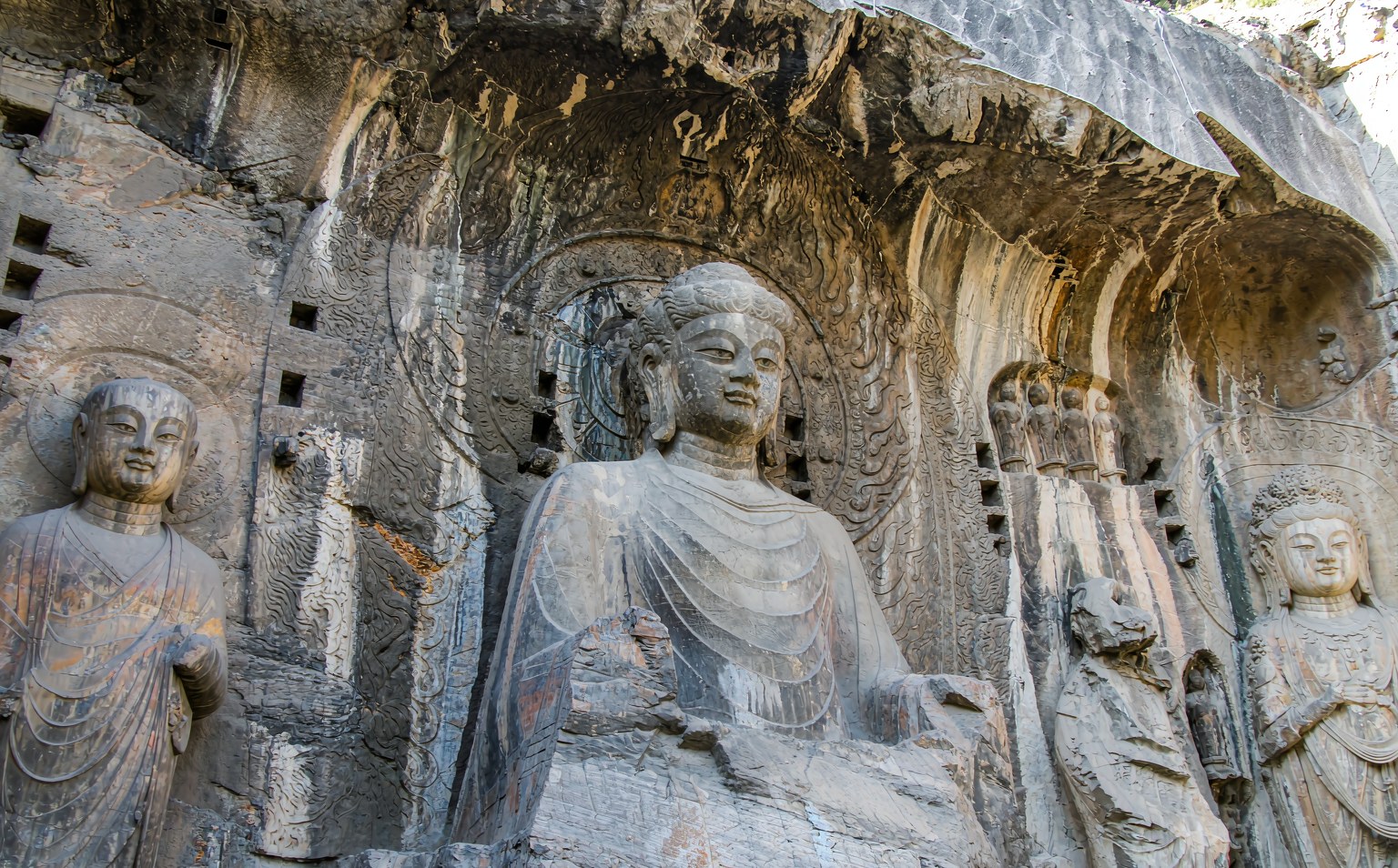
Three days from Luoyang, all of them about which layer of soil a thing came out of: Buddhas cut into a cliff at Longmen, a pagoda standing in a temple yard, a jade cup behind glass, and at Erlitou the rammed-earth footings of a palace that is four thousand years old.
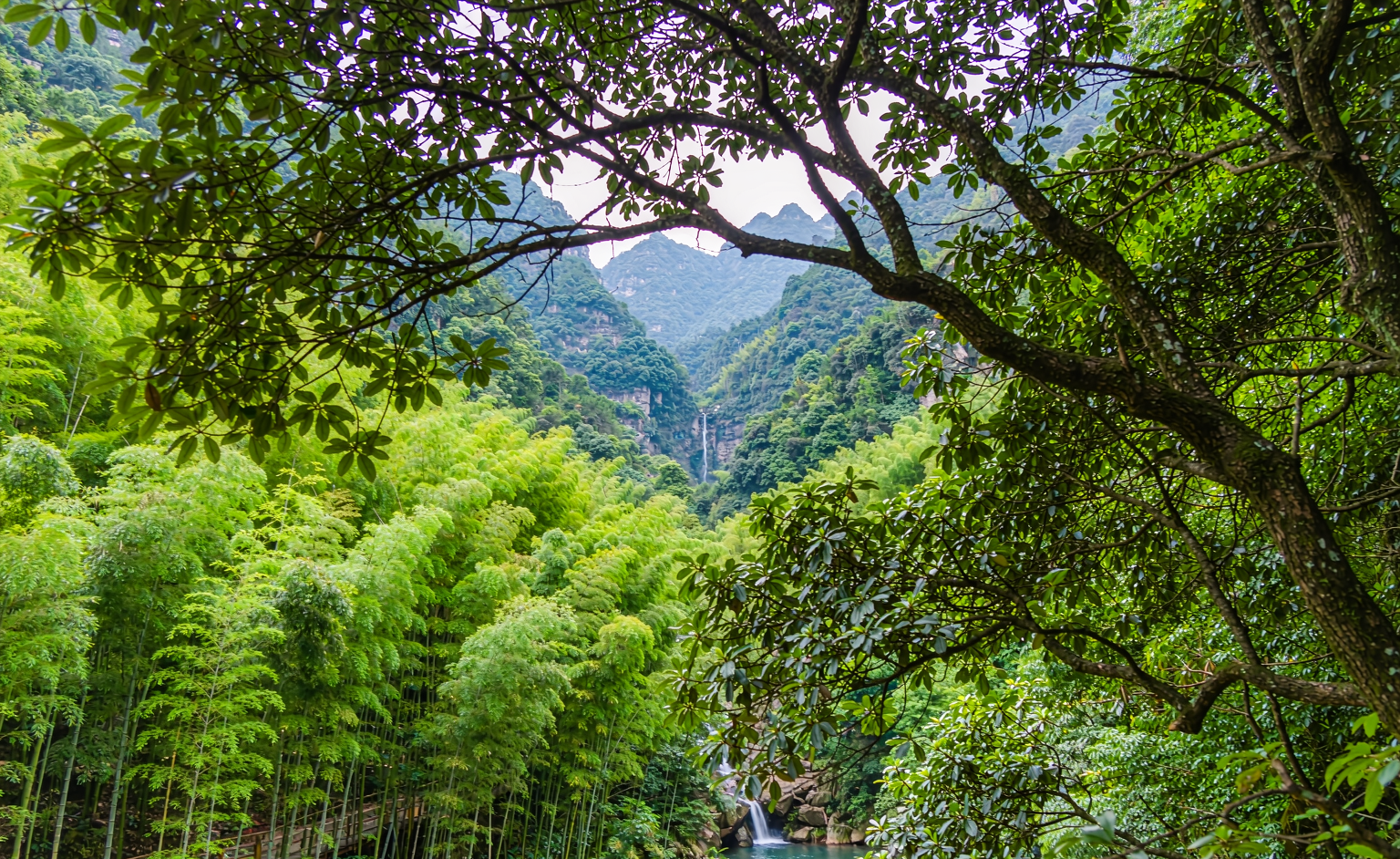
Luoyang Departure: Chongdugou Bamboo Valley and Jiguan Cave, 4 Days 3 Nights
Four slow days from Luoyang. In Chongdugou the two valleys are taken on separate days, one for waterfalls and one for bamboo, sleeping in a farmhouse inside the gorge; then Jiguan Cave, eighteen degrees all year round.