
Luoyang 4-Day Tour: Chongdu Valley & White Horse Temple
Luoyang 4-day tour covering Chongdu Valley and White Horse Temple and Wangcheng Park. Sightseeing tickets and shuttle bus included.
Highlights
Day 1: Chongdugou
Today's summer escape trip has a relaxed pace, focusing on viewing the vast bamboo forest and cascading waterfalls; the afternoon is free for your own plans, and you will stay at a farmhouse in the evening to rest.
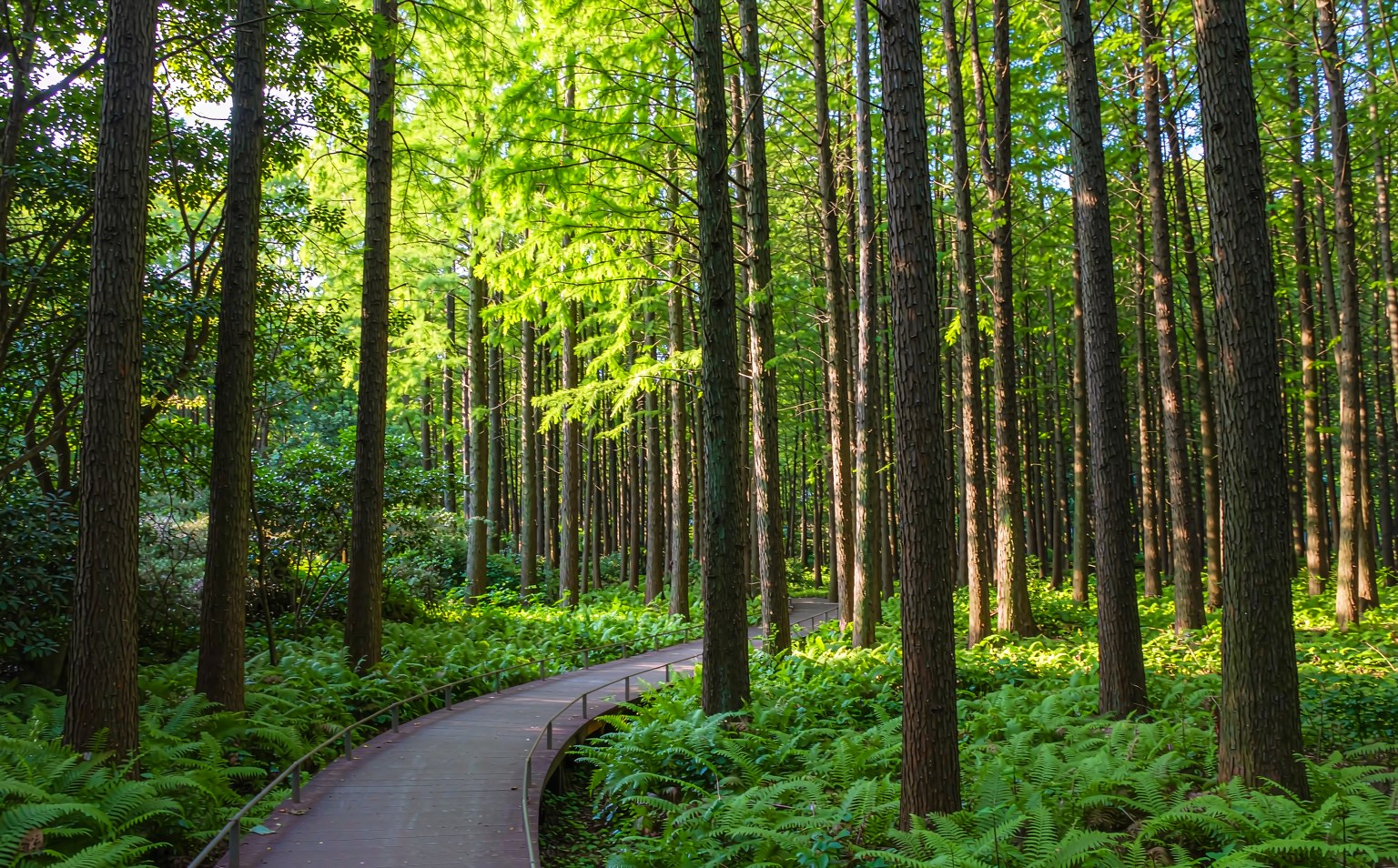
Attraction introduction: This stop is at Chongdugou, located in Luanchuan, famous for its vast bamboo forests, waterfalls, and the farming scenery of Western Henan. It is one of the few 'Jiangnan water town'-style summer leisure destinations in the area. The scenic area is divided into the Jinji River and Dicui River sections. Jinji River is known for its waterfalls, with splashing water and a refreshing atmosphere, while Dicui River is covered with continuous bamboo groves, where strolling reveals endless greenery. Here you can stay at farmhouses, taste wild vegetables, and experience authentic life in a Western Henan mountain village. The pace is slow, making it especially suitable for family leisure trips and summer vacations. My understanding is to slow down, not rush through the attractions—the right way to enjoy Chongdugou is to walk in the bamboo forest and sit by the stream; visiting in summer is the most comfortable, with coolness so relaxing that you won’t want to leave.
Tips: Signal may be weak in the canyon, so arrange a meeting point with the guide in advance and do not go alone. Generally, visitors report that most believe Chongdugou is worth a dedicated visit. It is recommended to slow down, follow the guide for explanations, and save time for the details that move you most and the best photo spots. In practice, separate important documents and wallet, take photos of important documents for backup on your phone; in case of loss, they can be quickly replaced without affecting your trip.
Day 2: White Horse Temple
Morning visit: start from the Mountain Gate and Hall of Heavenly Kings to the Great Buddha Hall along the central axis for a detailed look, then proceed to the Qiyun Pagoda Courtyard; at noon, try the local cuisine, and in the afternoon visit Buddhist halls with Burmese and Indian styles to experience the exotic charm of the thousand-year-old temple.
Attraction introduction: One of the highlights arranged in the itinerary is [0]. [0] is located east of [1] city, originally built during the Yongping years of the Eastern Han Dynasty, in memory of the White Horse carrying scriptures and the initial transmission of Buddhism to central China. It is honored as "China's First Ancient Temple" and is the first state-sponsored temple built after Buddhism was introduced to China. Within the temple, the Qiyun Pagoda Courtyard, Great Buddha Hall, and Hall of Heavenly Kings are laid out along the central axis, with incense continuously burning among red walls and cypress trees for over two thousand years. It is worth mentioning that the temple also has Buddhist halls built in foreign styles from countries such as Myanmar, Thailand, and India, presenting a unique view of the spread and return of Buddhist culture. My understanding is: first see the main halls along the central axis, then walk around to the Qiyun Pagoda Courtyard, and finally visit the side exotic Buddhist halls to feel the cultural blend; coming in the early morning with fewer people is most atmospheric as the morning light shines on red walls and ancient cypresses, and it also avoids peak times with tour groups.
Tips: Please maintain quiet and dress neatly when entering the temple. Generally, photography and touching ritual instruments are not permitted inside the halls. Contribute merit as you wish. Visitors generally report that the foreign-style Buddhist halls (Thai/Burmese/Indian courtyards) are highly photogenic and feel more spacious than expected; note that walking in the international temple area is relatively far, so save some energy. Depending on the situation, carry some small change and packaged snacks with you, as the signal may be poor in the scenic area or temporary supplies may be needed—don’t wait until you’re hungry to search for food.
Day 3: Wangcheng Park
Set off from the hotel early in the morning straight to Wangcheng Park, first listen to the tour guide explain the background and highlights, then explore at leisure and retake photos at spots of interest; after lunch, take a short rest, and return to the hotel in the evening to conserve energy for the next day.
Attraction Introduction: One of the main highlights arranged in the itinerary is Wangcheng Park. Wangcheng Park is located in Luoyang and is named because it sits on the ruins of the Eastern Zhou Dynasty Royal City. It has been one of the main venues for the Chinese Luoyang Peony Culture Festival over the years and is also the most well-known city park for the citizens of Luoyang. Every April, famous peony varieties like Yao Huang, Wei Zi, and Zhao Fen bloom in competition, with a riot of colors that is spectacular; the park also preserves the Eastern Zhou Royal City ruins and a zoo, combining historical significance with leisure functions, making it a classic spot for tourists to check in at the "Peony Flower City." In my understanding, if you come during peony season (April), this should definitely be on your must-visit list, with fewer people in the early morning and peonies looking most charming with dew; outside the flowering season, it is better suited for a leisurely walk.
Tips: Dining prices in the park are relatively high, so you may prepare water and small snacks in advance and be careful with your personal belongings. Tourists generally feel that most consider Wangcheng Park worth visiting specifically, and it is recommended to slow down, listen to the guide's explanations, and reserve your time for the details that move you most and the best photo spots. Considering actual conditions, mountain weather can change suddenly, so a windproof jacket is much more practical than anything else; the shoes must be slip-resistant and comfortable, it is better to take fewer photos than to sprain your ankle.
Day 4: Return
Transfer to the departure terminal per your booked train or flight; keep travel documents and tickets in your carry-on.
Related Tours
Luoyang to Shaolin Temple, Sanhuangzhai and Songyang Academy 5 Days
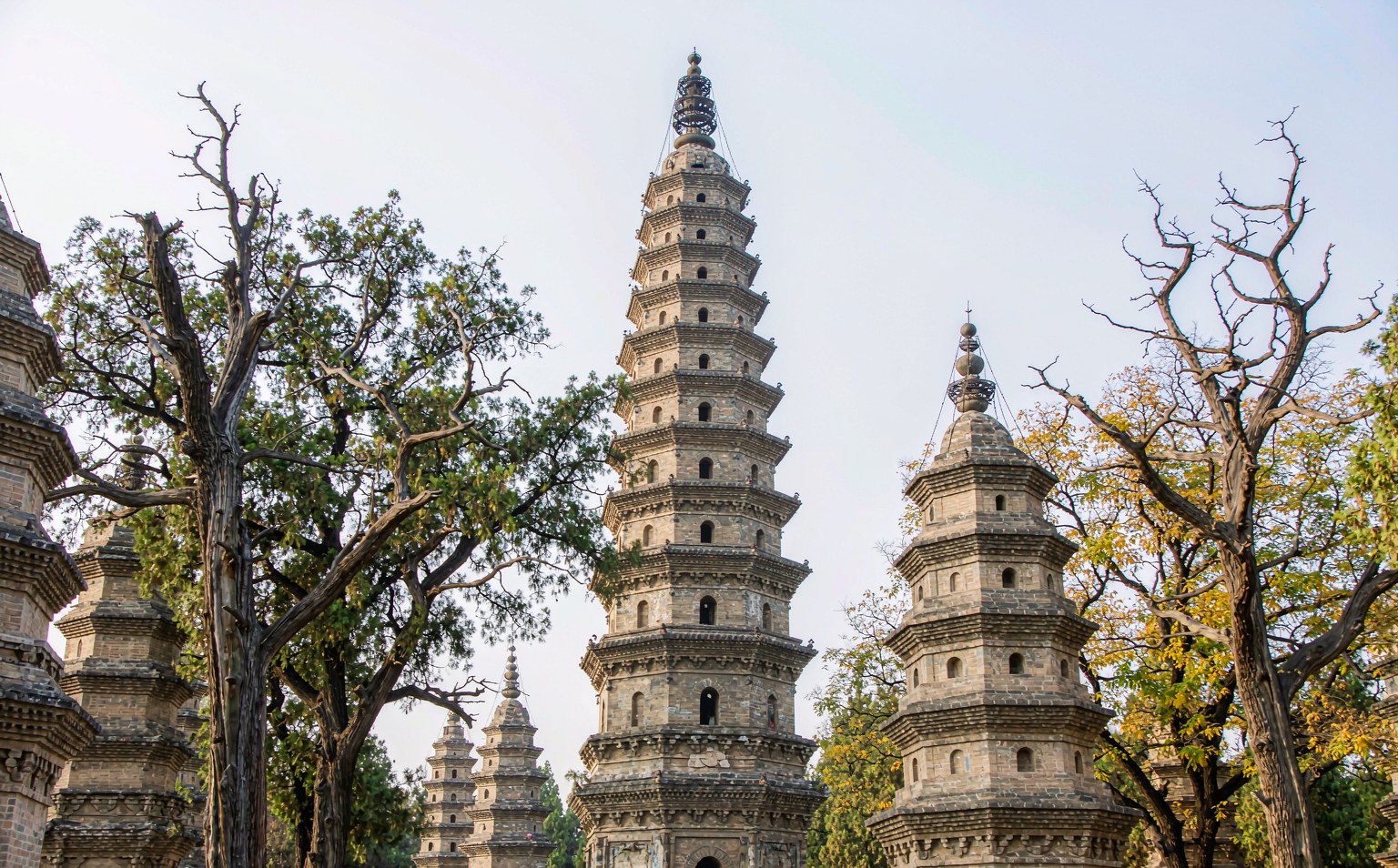
Five days from Luoyang. Songshan has two massifs, Taishi and Shaoshi: the Shaolin Temple and Sanhuangzhai sit on one, the Songyang Academy and Zhongyue Temple on the other. The 80 yuan Shaolin ticket already covers Sanhuangzhai.
Luoyang to Laojunshan, Chongdugou, Jiguan Cave and Yangzigou 6 Days
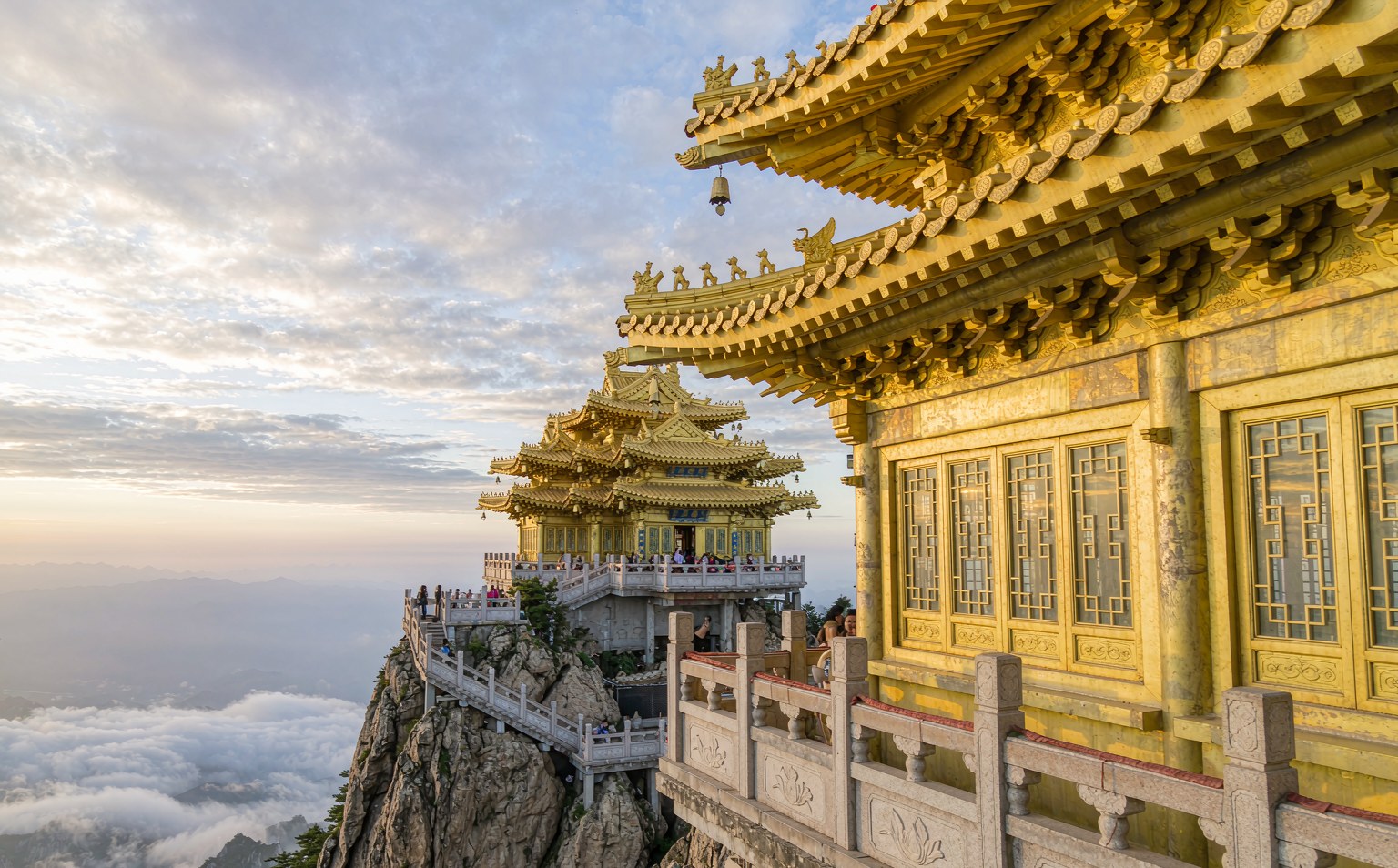
Six days from Luoyang. The Laojunshan ticket stays valid for two days, so the golden summit comes first and a second climb chases the morning cloud sea. Jiguan Cave runs 1,800 metres at a constant 18 degrees, and Chongdugou still has green bamboo in November.
Luoyang Departure: Laojun Mountain, Jiguan Cave and Longtan Canyon, 5 Days 4 Nights
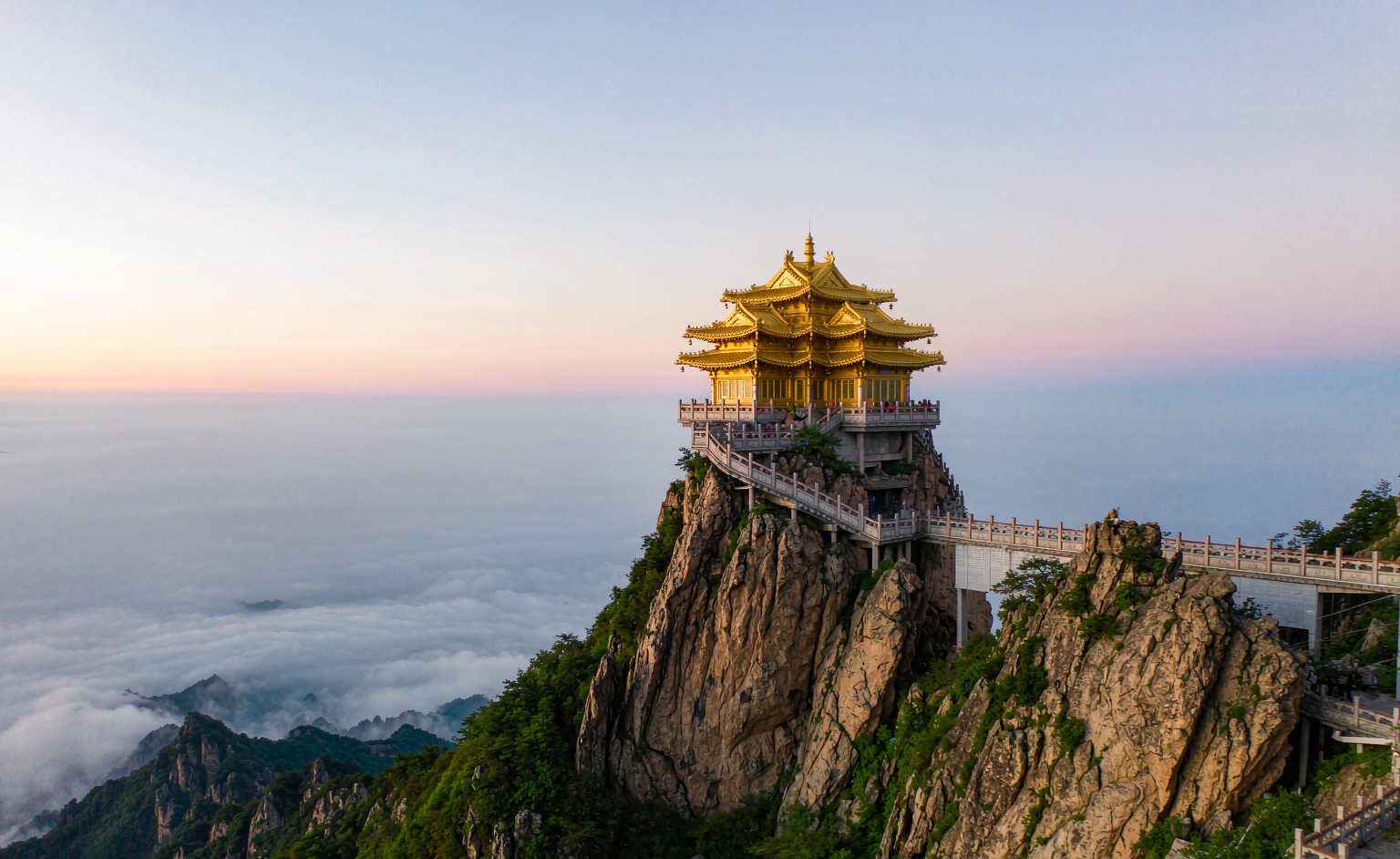
Five days from Luoyang. The Laojun Mountain ticket holds for two days, so the mountain is climbed twice: the painted rock forest first, then the summit to wait for the lamps. The second half runs west to Xinan, through a cave that stays at 18 degrees and a red gorge cut by water.
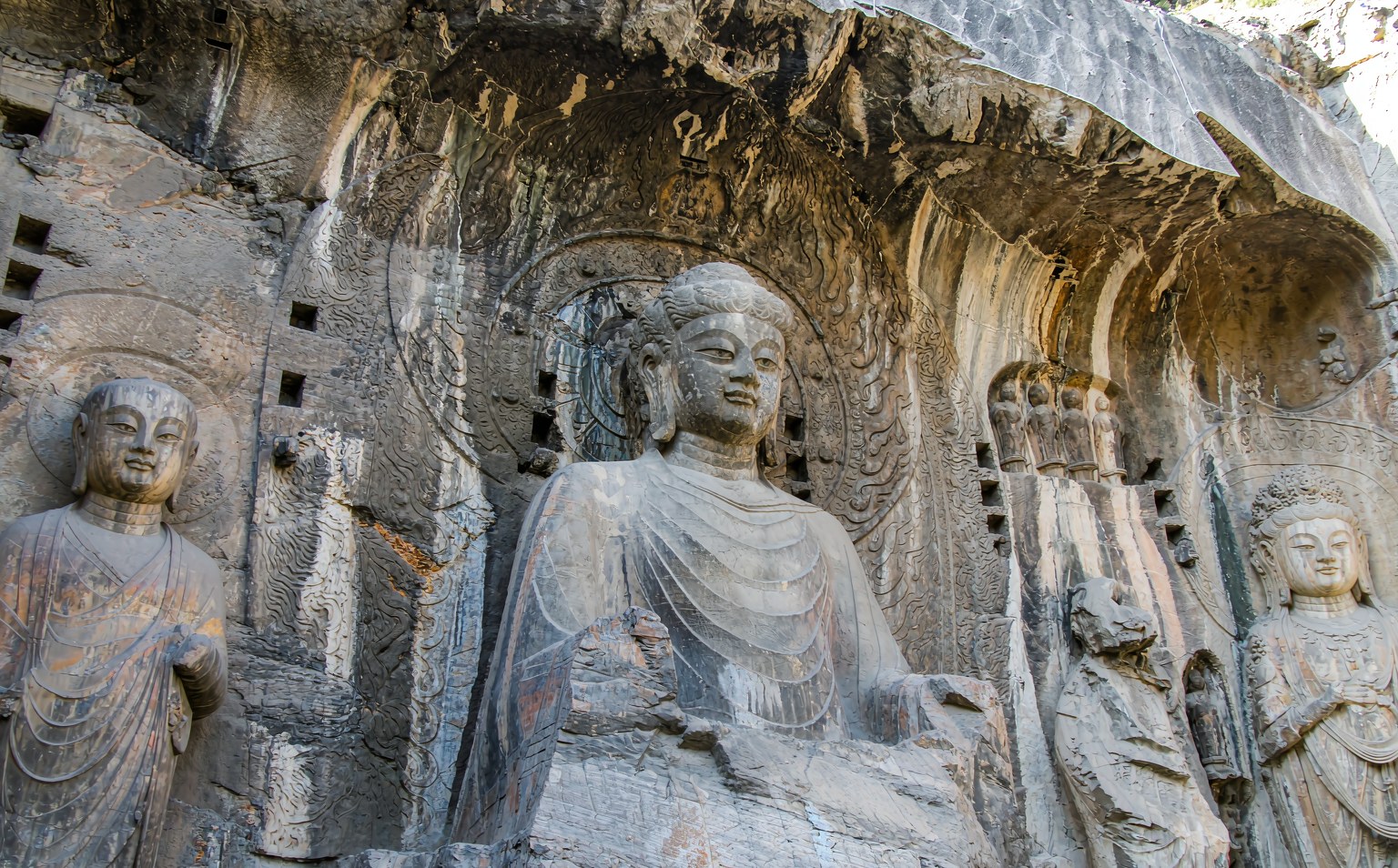
Luoyang Departure: Longmen Grottoes, White Horse Temple, Luoyang Museum and Erlitou, 3 Days 2 Nights
Three days from Luoyang, all of them about which layer of soil a thing came out of: Buddhas cut into a cliff at Longmen, a pagoda standing in a temple yard, a jade cup behind glass, and at Erlitou the rammed-earth footings of a palace that is four thousand years old.