
Zhengzhou 5-Day Tour: Erlitou Site & Longmen Grottoes
Zhengzhou 5-day tour covering Erlitou Site and Longmen Grottoes and White Horse Temple. Sightseeing tickets and shuttle bus included.
Highlights
Day 1: Erlitou
Set off early from the hotel and head straight to Erlitou. First, listen to the guide explain its background and highlights, then enjoy a leisurely walk at your own pace and take extra photos of spots that interest you. After lunch, take a short rest, and return to the hotel in the evening to conserve energy for the next day.
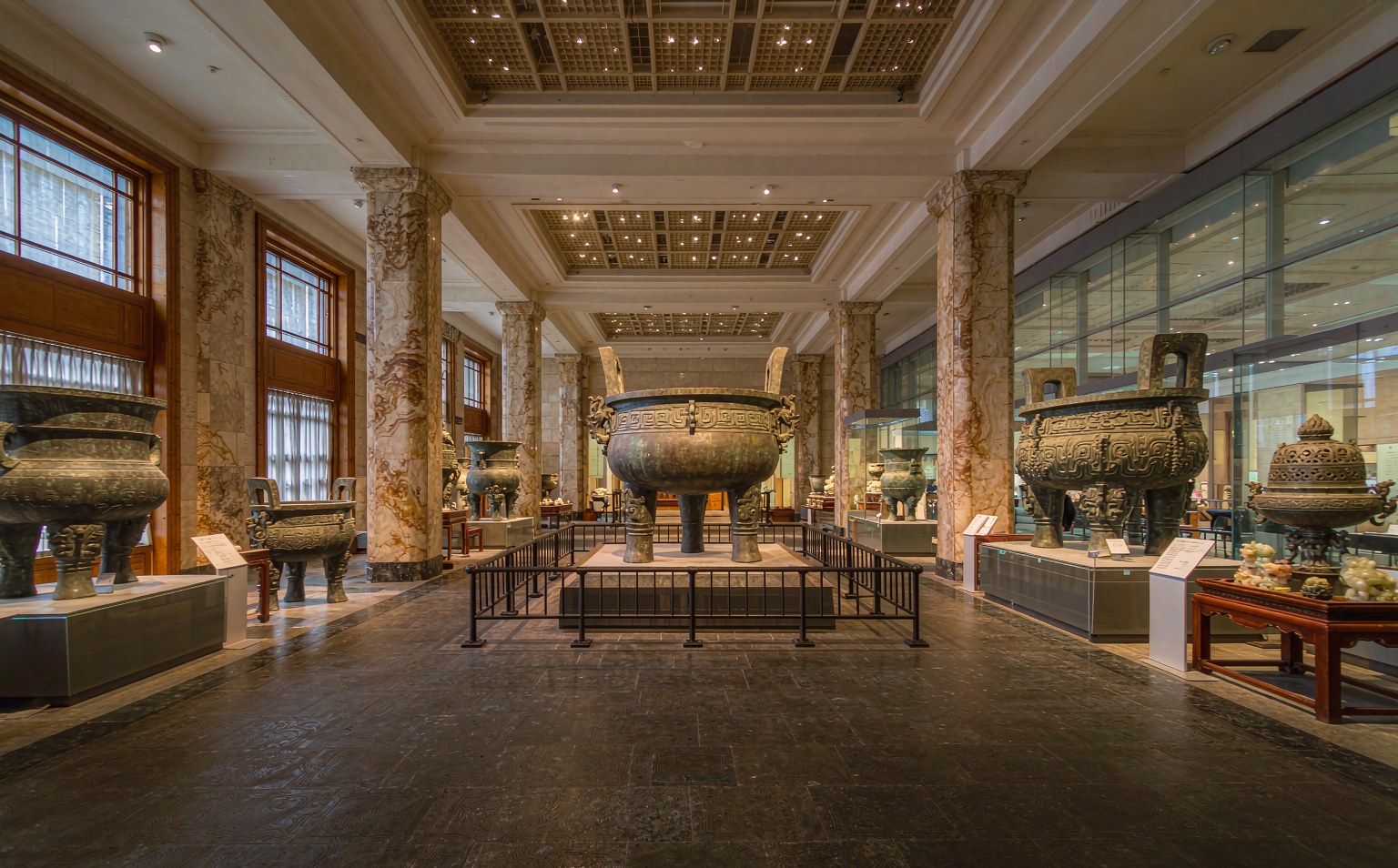
Attraction Introduction: Today's itinerary includes Erlitou attractions. The Erlitou site is located in Luoyang Yanshi and is praised by scholars as "the earliest China." It is a large urban site from the middle to late Xia Dynasty, where artifacts such as turquoise dragon-shaped objects, bronze jues, and bronze ding were unearthed, revealing the appearance of the first capital of the Huaxia civilization. The turquoise dragon-shaped object is made of more than two thousand turquoise pieces and is known as "the first dragon of China," serving as significant evidence of dragon worship in China. The Erlitou Site Museum presents the site with an archaeological field vibe, making it an essential stop for studying the origins of Chinese civilization. My understanding is that visiting the site after first learning about the academic controversies regarding the "Xia capital" and then viewing the exhibits will provide a deeper understanding; the museum's exhibition is carefully curated and worth examining slowly.
Warm Tips: The mountain paths have many steps and steep slopes, so be sure to wear non-slip sports shoes. Those with limited mobility are advised to use the cable car. Tourists generally feedback that most visitors think Erlitou is worth a special trip, so it is recommended to slow down, listen to the guide's explanations, and leave time for the details that move you most and for the best photo spots. Considering the actual conditions, when taking photos, don’t just focus on the shot; pay attention to your footing and surrounding environment, and make sure to stand firmly on viewing platforms and edges of walkways.
Day 2: Longmen Grottoes
Today's visit is to Longmen Grottoes. It's recommended to reserve at least half a day: connect the main cave of the West Hill, the viewing platform of the East Hill, and the Baiyuan of Xiangshan Temple in one line, and follow the guide to understand the stories of the Northern Wei and flourishing Tang behind the stone carvings; return and rest in the evening.
Attraction introduction: One of the highlights arranged in the itinerary is Longmen Grottoes. Longmen Grottoes was carved on the cliffs along both banks of the Yi River south of Luoyang city. Construction continued from the time of Emperor Xiaowen of Northern Wei moving the capital to Luoyang, spanning the Eastern Wei, Western Wei, Northern Qi, Sui, and Tang dynasties. Currently, over 2,300 caves exist, with more than 100,000 statues and over 2,800 inscriptions. The most stunning is the Vairocana Buddha of Fengxian Temple, over 17 meters tall, with a full face and kind eyes, said to have been carved based on Wu Zetian's appearance, representing the peak of Tang stone carving art. Together with Dunhuang Mogao Caves and Datong Yungang, it is known as one of China's three major grottoes and is also a World Cultural Heritage site. When visiting, start from the West Hill Grottoes along the Yi River trail heading south; Binyang Three Caves, Ten Thousand Buddha Cave, and Lotus Cave each have points of interest. Cross the bridge to the East Hill Worshiping Platform for a panoramic view. My understanding is to first see the main cave of the West Hill in the morning and enjoy the Buddha statue while there are fewer people, and visit the East Hill viewing platform in the afternoon for the best light and angles; walking along both banks of the Yi River requires backtracking, so a pair of comfortable shoes will save lots of effort.
Friendly tips: Ultraviolet rays are strong in the grotto area, so bring a sun hat and sunscreen on sunny days. The visiting route is long, so remember to stay hydrated. Tourists generally feedback that most find the Vairocana Buddha the most impressive, the West Hill has the best light for photos at sunset; walking along both banks of the Yi River requires backtracking, so wearing comfortable shoes and reserving half a day is recommended. Considering the actual situation, for photography it's best to go early or late — few people and soft light in the morning, golden light in the evening is ideal; at noon, the overhead light is flat and crowded, so resting then is more worthwhile.
Day 3: White Horse Temple
Morning visit: start from the mountain gate and the Hall of Heavenly Kings to the Great Buddha Hall along the central axis, then proceed to the Qiyun Pagoda Courtyard; at noon, try some local dishes, and in the afternoon, visit Buddhist halls with Burmese and Indian styles to experience the exotic charm of the thousand-year-old temple.
Attraction introduction: One of the highlights arranged in the itinerary is the [0]. [0] is located in the eastern part of [1] city and was first built during the Yongping years of the Eastern Han Dynasty. It was constructed to commemorate the White Horse carrying the Buddhist scriptures and the initial spread of Buddhism in the Central Plains, and it is honored as the "First Ancient Temple in China." It is the first government-established temple built after Buddhism was introduced to China. Inside the temple, the Qiyun Pagoda Courtyard, the Great Buddha Hall, and the Hall of Heavenly Kings are laid out along the central axis, with incense burning continuously among the red walls and green cypress trees for over two thousand years. Notably, the temple also has Buddhist halls donated by countries such as Myanmar, Thailand, and India, displaying a unique scene of Buddhism’s eastward transmission and return. My understanding is to first see the main halls along the central axis, then circle to the Qiyun Pagoda Courtyard, and finally visit the side halls with foreign styles to experience cultural integration; visiting in the early morning when there are fewer people, with sunlight shining on the red walls and ancient cypresses, creates the most artistic atmosphere and also avoids peak crowds from tour groups.
Tips: There are many incense stalls around the temple, so buy as needed and spend rationally. Tourists generally report that the foreign-style Buddhist halls (Thai/Burmese/Indian courtyards) are very photogenic and feel more spacious than expected; note that walking in the international temple area requires a fair amount of stamina. Considering practical situations, long trips are prone to dehydration, so carry a water bottle and drink small amounts frequently; on the first night at high altitudes or mountainous areas, avoid washing hair or bathing for too long to give your body time to adjust.
Related Tours
Luoyang to Laojunshan, Chongdugou, Jiguan Cave and Yangzigou 6 Days
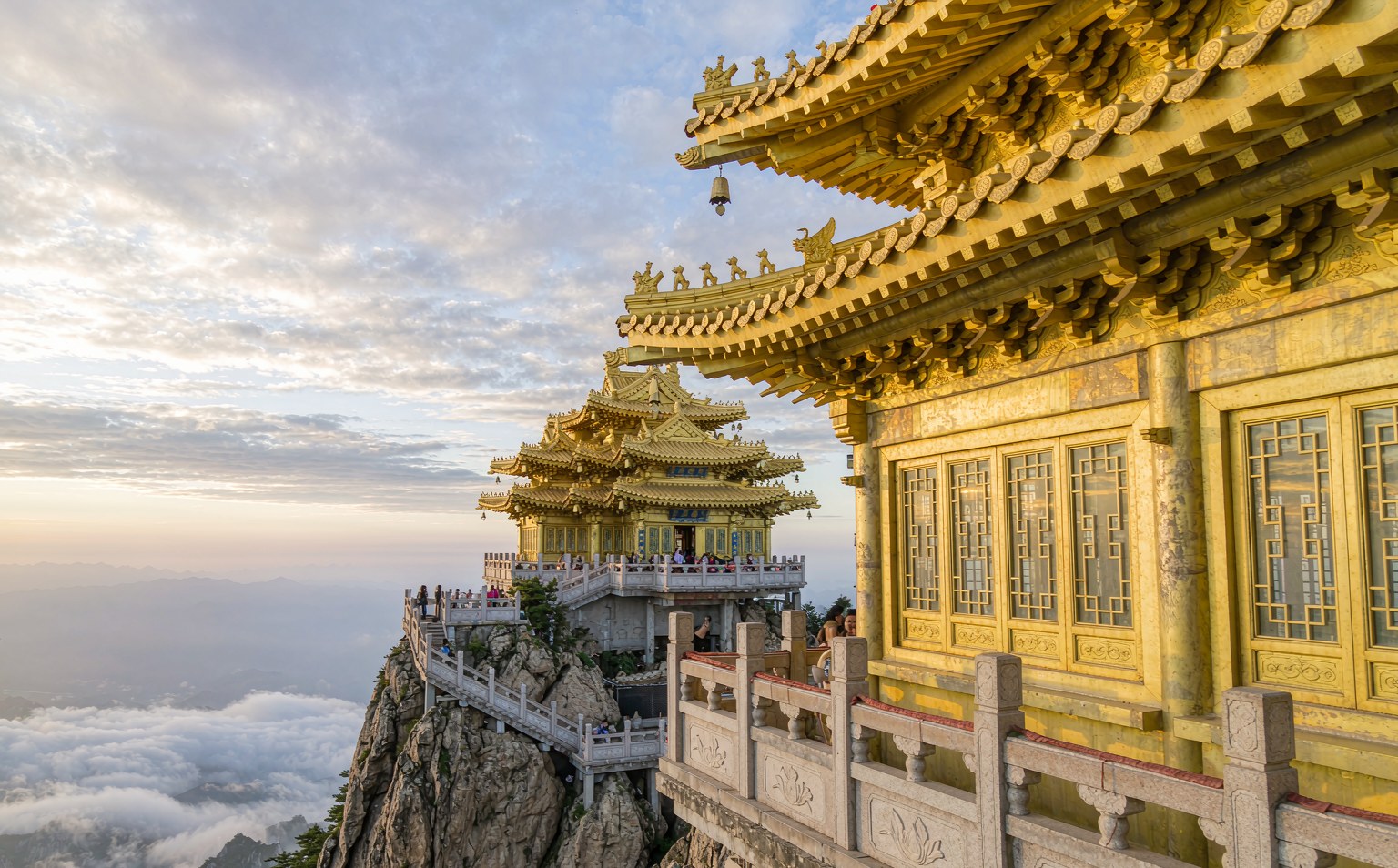
Six days from Luoyang. The Laojunshan ticket stays valid for two days, so the golden summit comes first and a second climb chases the morning cloud sea. Jiguan Cave runs 1,800 metres at a constant 18 degrees, and Chongdugou still has green bamboo in November.
Luoyang Departure: Laojun Mountain, Jiguan Cave and Longtan Canyon, 5 Days 4 Nights
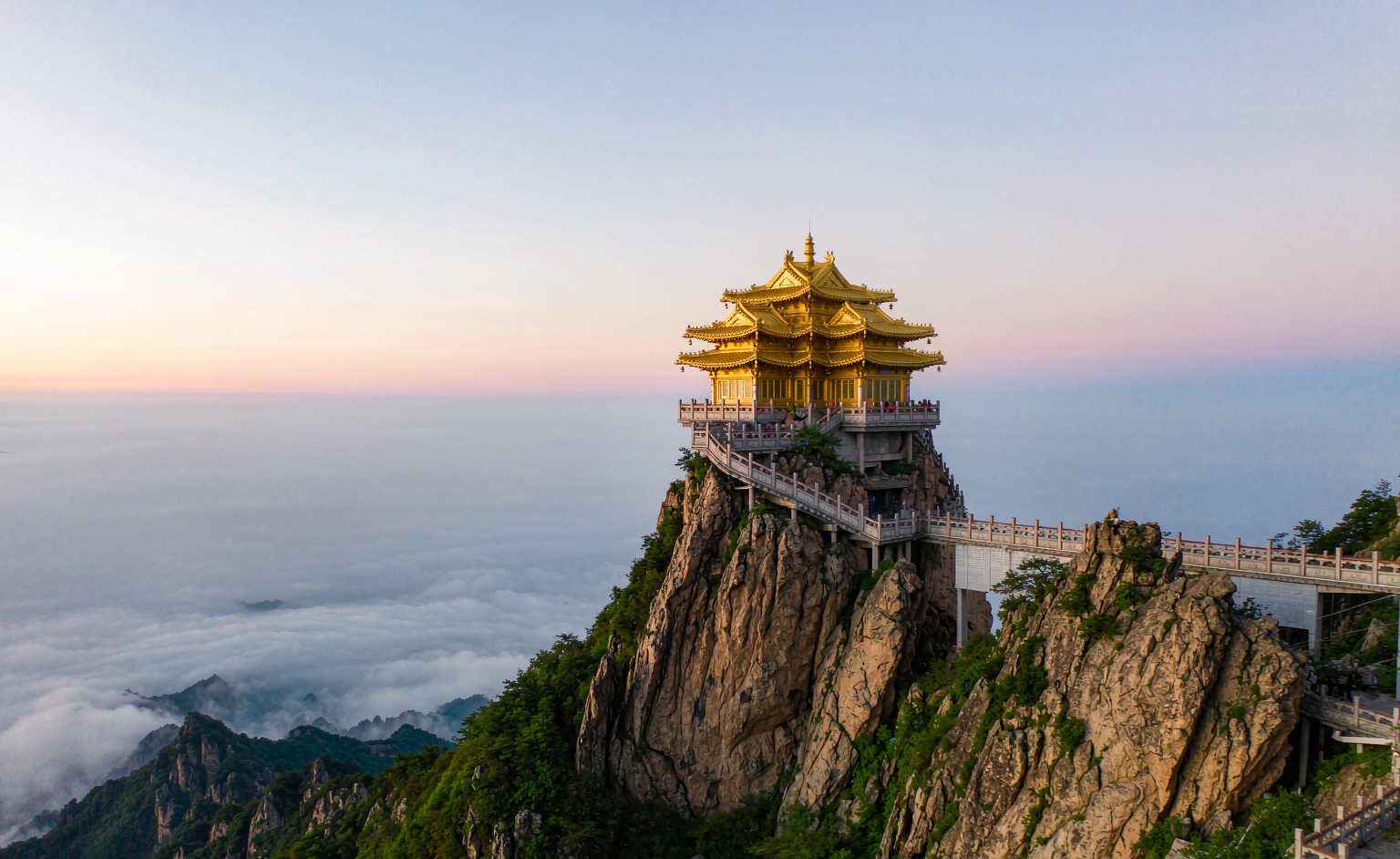
Five days from Luoyang. The Laojun Mountain ticket holds for two days, so the mountain is climbed twice: the painted rock forest first, then the summit to wait for the lamps. The second half runs west to Xinan, through a cave that stays at 18 degrees and a red gorge cut by water.
Luoyang Departure: Longmen Grottoes, White Horse Temple, Luoyang Museum and Erlitou, 3 Days 2 Nights
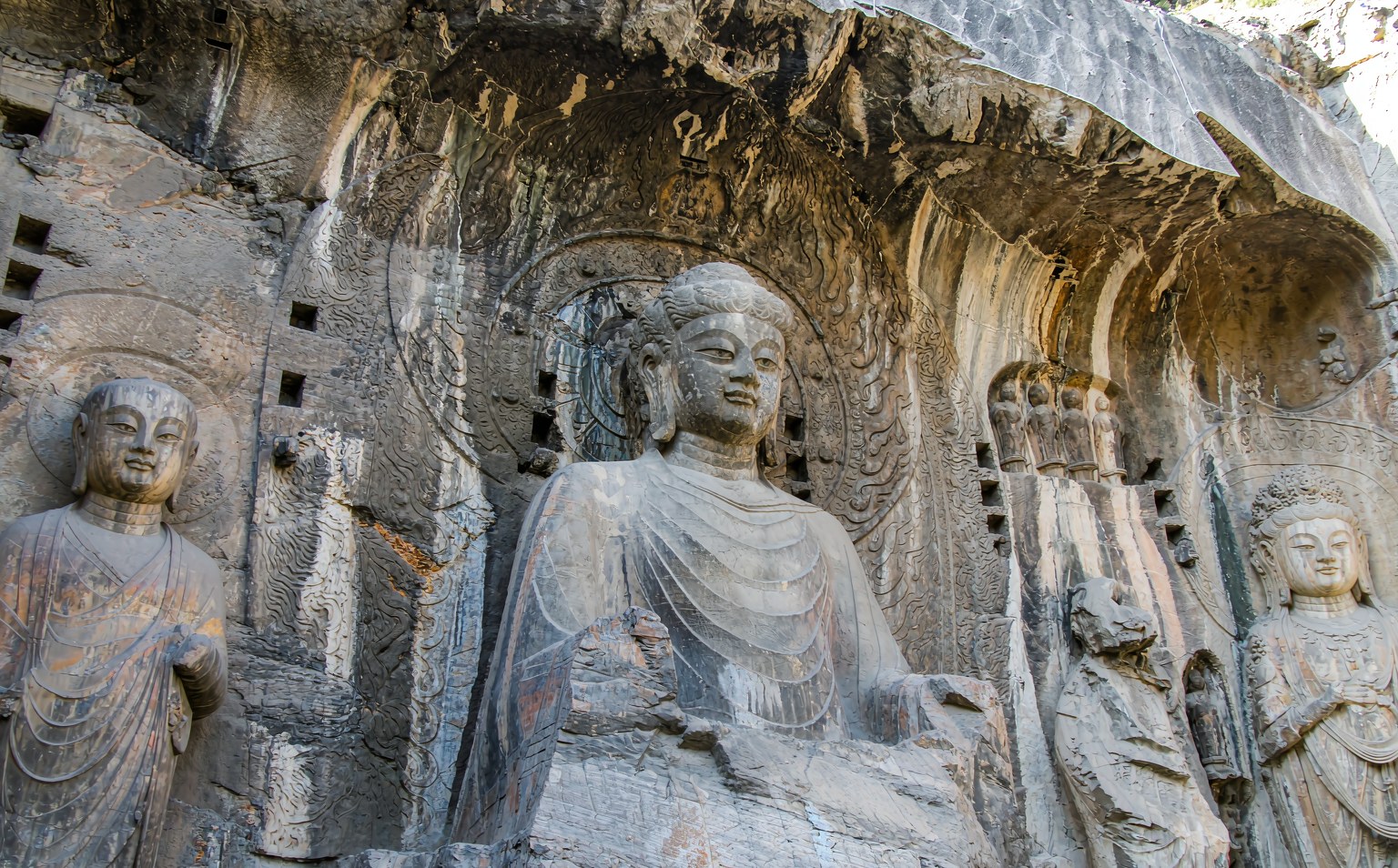
Three days from Luoyang, all of them about which layer of soil a thing came out of: Buddhas cut into a cliff at Longmen, a pagoda standing in a temple yard, a jade cup behind glass, and at Erlitou the rammed-earth footings of a palace that is four thousand years old.
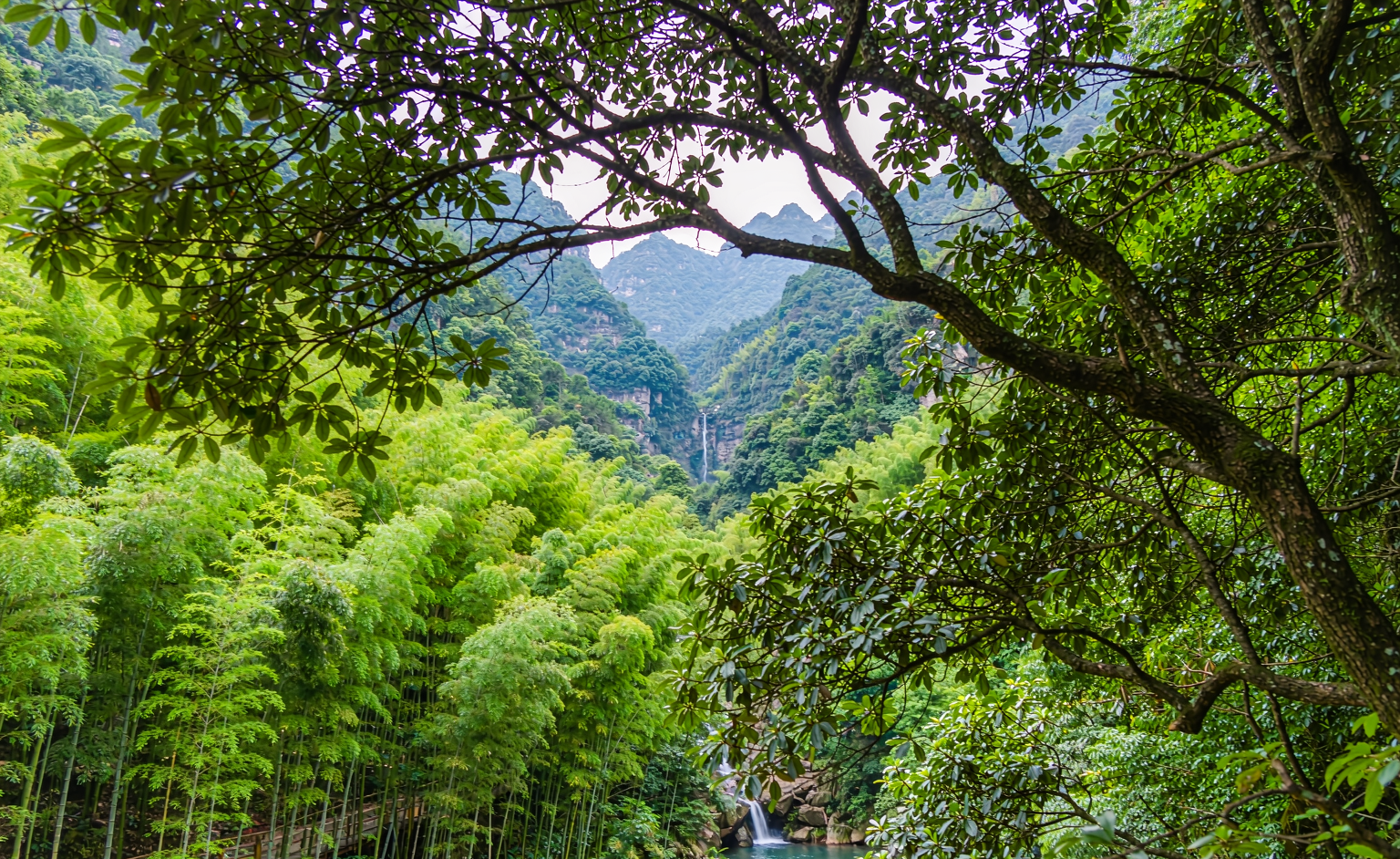
Luoyang Departure: Chongdugou Bamboo Valley and Jiguan Cave, 4 Days 3 Nights
Four slow days from Luoyang. In Chongdugou the two valleys are taken on separate days, one for waterfalls and one for bamboo, sleeping in a farmhouse inside the gorge; then Jiguan Cave, eighteen degrees all year round.