
Luoyang 5-Day Tour: Laojun Mountain & Erlitou Site
Luoyang 5-day tour covering Laojun Mountain and Erlitou Site and Yin Xu. Sightseeing tickets and shuttle bus included.
Highlights
Day 1: Laojun Mountain
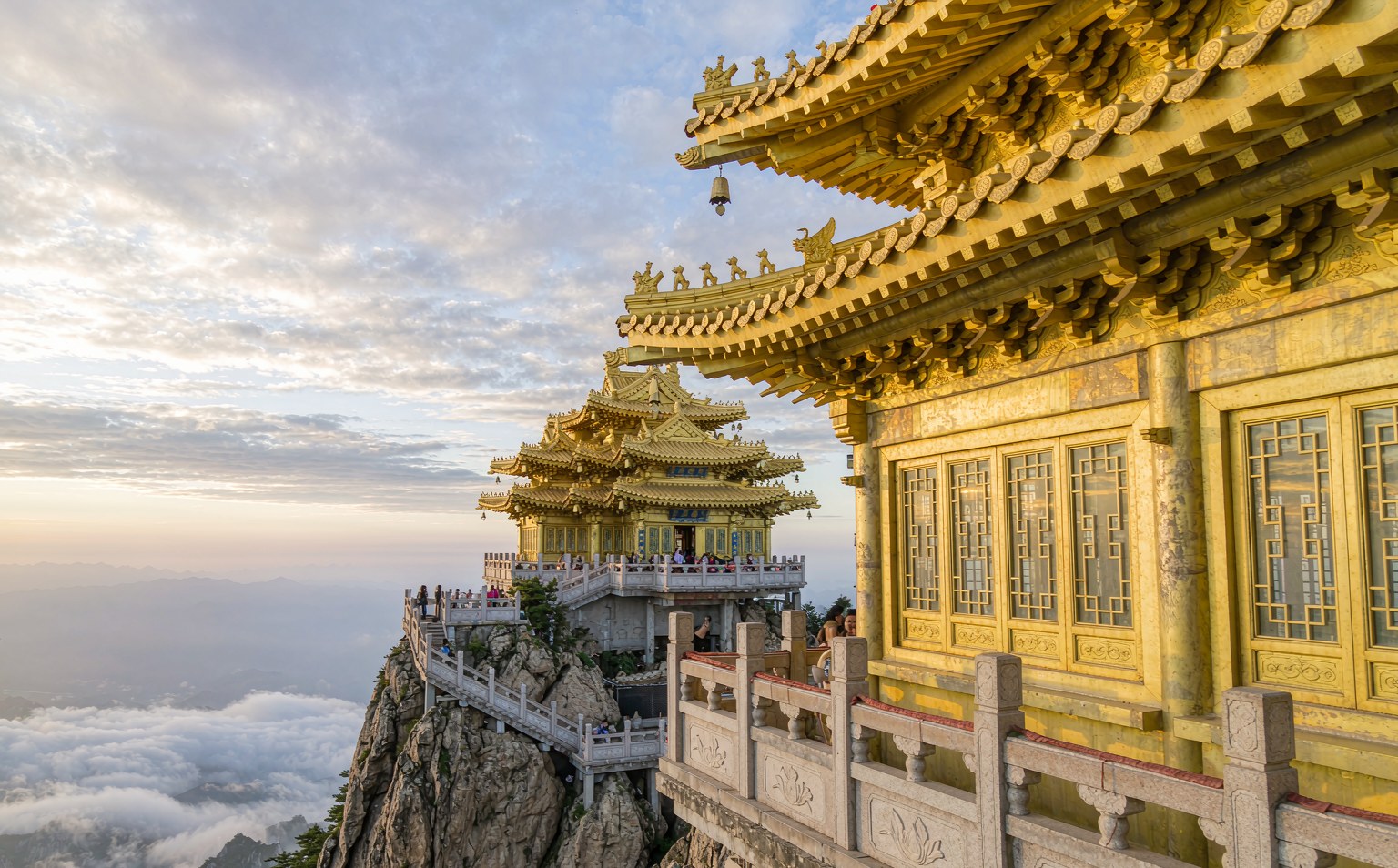
In the morning, take the cable car up to Laojun Mountain to the Golden Summit Daoist temple complex. On clear days, you can encounter a sea of clouds; Have a light meal at the summit at noon, then walk the ten-li Huaping Trail in the afternoon, overlooking the mountains from a glass viewing platform, and descend in the evening to check into the hotel.
Attraction introduction: A highlight of the itinerary is Laojun Mountain, located in Luanchuan County Luoyang. It is the main peak of Funiu Mountain and a famous Taoist mountain, said to be the place where Laozi, the founder of Taoism, retired for cultivation. The Golden Summit Daoist temple cluster stands atop a peak over 2,000 meters above sea level. Its golden tiles and red walls and surging sea of clouds are renowned as "a spectacular feast on earth and a glimpse of the flourishing world." The Ten-Mile Painted Screen is the highlight of the entire trip. A high-altitude plank road suspended above a sheer cliff changes views with every step, offering panoramic views of peaks, forests, sea of clouds, and sunrises. You can take a two-level cable car up the mountain; on sunny days, you can watch the sea of clouds and sunrise from the summit. In winter, it is a highly popular snow-viewing spot in the Central Plains. My understanding is: be sure to take the cable car up the mountain early to seize the golden summit and the beautiful scenery of the Ten-Mile Painting Screen; At the summit, the wind is strong and the temperature low; a windbreaker and thermos bottle are standard, and the glass observation deck is a must-have.
Friendly reminder: The mountain roads are quite slippery, so pay special attention to shifting your weight back and slowing down downhill. Knee pads are recommended. Visitors generally report that the sea of clouds and sunrise at the Golden Summit are recognized as the main highlights, and many people stay at the summit waiting for dawn. Reminder: The temperature difference at the summit is large and cable car queues are long, so be sure to arrive early during peak season. Based on actual conditions, respect local customs, dress appropriately when entering religious sites, and don't give casual advice. A greeting can earn goodwill.
Day 2: Erlitou
Set off from the hotel early in the morning and head straight to Erlitou. First, listen to the guide explain the background and highlights, then enjoy a leisurely tour and take additional camera shots based on your interests. After lunch, take a short rest, then return to the hotel in the evening to recharge for the next day.
Attraction introduction: Today's itinerary includes Erlitou attractions. The Erlitou site is located in Luoyang Yanshi, praised by scholars as the "Earliest China." It is a large capital site from the mid to late Xia Dynasty, unearthing turquoise dragon-shaped artifacts, bronze jue, bronze tripods, and other heavy artifacts, revealing the appearance of China's first royal capital. The turquoise dragon-shaped artifact is made from over 2,000 turquoise fragments inlaid and is known as "China's First Dragon," serving as important evidence of Chinese dragon worship. Erlitou The site museum presents the site with an archaeological sense and is an unmissable stop for studying the origins of Chinese civilization. My understanding is that before visiting, one should first understand the academic controversy surrounding the "Xia Capital," then look at the exhibits for a deeper understanding; The museum's exhibits are carefully crafted and worth taking your time.
Friendly reminder: The climbing section has many steps and steep slopes, so be sure to wear non-slip sports shoes. Those with mobility difficulties are advised to take the cable car up and down. Visitors generally report that Erlitou is worth a special trip. It is recommended to slow down and follow the guide to listen to the explanation, saving time for the most moving details and the best camera angles. Considering actual conditions, the biggest fear of group tours is skimming the skies; listening to the explanations is the essence. The cultural stories behind each attraction are often more unforgettable than photos. If you encounter something unclear, ask the guide on the spot.
Day 3: Yin Ruins
Today's Yin Ruins Origin Exploration Tour, focusing on the discovery site of oracle bone inscriptions and the story of the Houmuwu Ding, combined with museum exhibits to learn about Shang dynasty cities; Free retaking photos in the afternoon, resting in the evening.
Attraction introduction: Today's itinerary includes Yin Ruins attractions. Yin Ruins is the ruins of the late Shang capital located at Anyang, the hometown of oracle bone inscriptions, and the excavation site of the Houmuwu Ding (originally called Simuwu Ding). It was listed as a World Cultural Heritage site in 2006. This was once the capital of the Shang Dynasty after Pan Geng moved to Yin, lasting over 270 years. Palace and ancestral temple ruins, royal tombs, and chariot pits are clearly visible. Oracle bone script was first discovered here, tracing China's trusted history back to the Shang dynasty; The new building of the Yin Ruins Museum systematically displays bronzes, jade, oracle bones, and other artifacts, serving as the most direct classroom for understanding Shang civilization. My understanding is that first visit palaces, ancestral temple sites, and chariot pits to establish spatial concepts, then visit museums to appreciate artifacts in detail; only when these two lines connect is it complete; Oracle bone script and bronze artifacts are the essence; walking through the explanation is far better than just skimming through.
Friendly reminder: The mountain area has large temperature differences between morning and evening, and the wind at the summit is strong, so a windproof jacket and warm inner layer are very necessary. Visitors generally report that oracle bone script and Simuwu Ding bring history to life, and visitors say the new museum is more valuable than the open-air site; Reminders are only understood when combined with explanations. Considering actual conditions, if you want authentic food, go deeper into the alleys; the main entrance has long lines and average taste; Ask about prices before comparing local specialties, and local supermarkets tend to be more authentic.
Related Tours
Luoyang to Laojunshan, Chongdugou, Jiguan Cave and Yangzigou 6 Days
Six days from Luoyang. The Laojunshan ticket stays valid for two days, so the golden summit comes first and a second climb chases the morning cloud sea. Jiguan Cave runs 1,800 metres at a constant 18 degrees, and Chongdugou still has green bamboo in November.
Luoyang Departure: Laojun Mountain, Jiguan Cave and Longtan Canyon, 5 Days 4 Nights
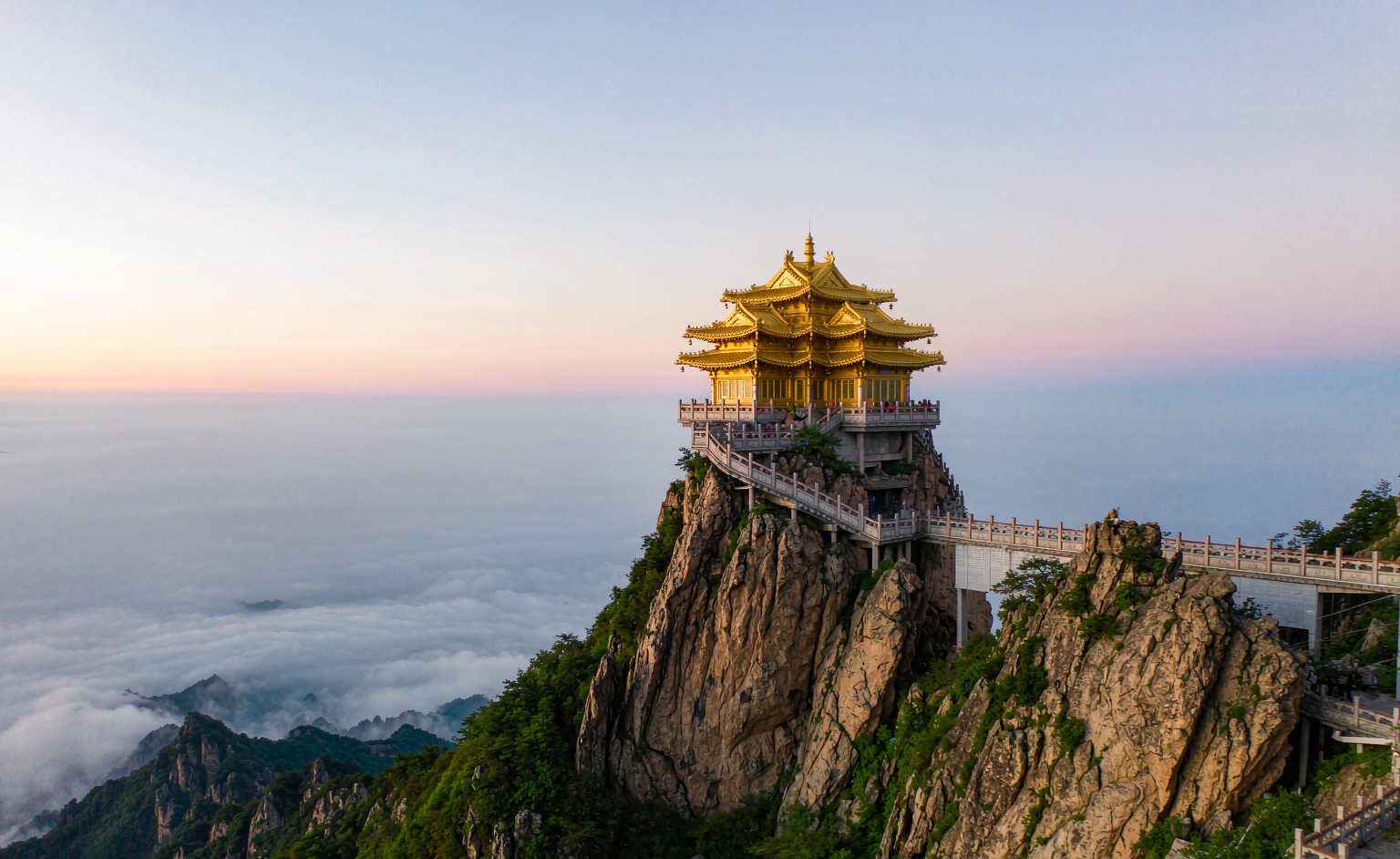
Five days from Luoyang. The Laojun Mountain ticket holds for two days, so the mountain is climbed twice: the painted rock forest first, then the summit to wait for the lamps. The second half runs west to Xinan, through a cave that stays at 18 degrees and a red gorge cut by water.
Luoyang Departure: Longmen Grottoes, White Horse Temple, Luoyang Museum and Erlitou, 3 Days 2 Nights
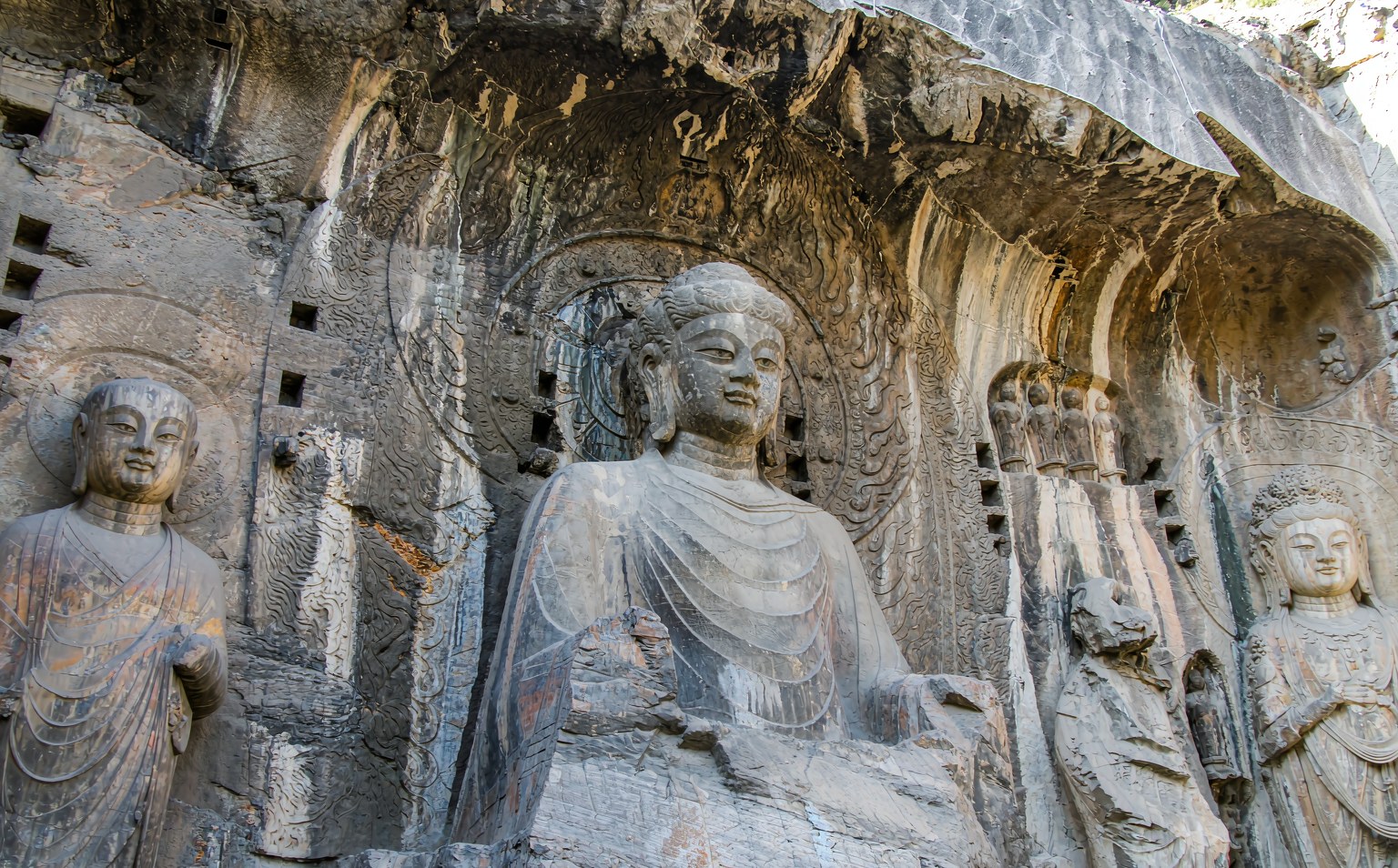
Three days from Luoyang, all of them about which layer of soil a thing came out of: Buddhas cut into a cliff at Longmen, a pagoda standing in a temple yard, a jade cup behind glass, and at Erlitou the rammed-earth footings of a palace that is four thousand years old.
Luoyang Departure: Chongdugou Bamboo Valley and Jiguan Cave, 4 Days 3 Nights
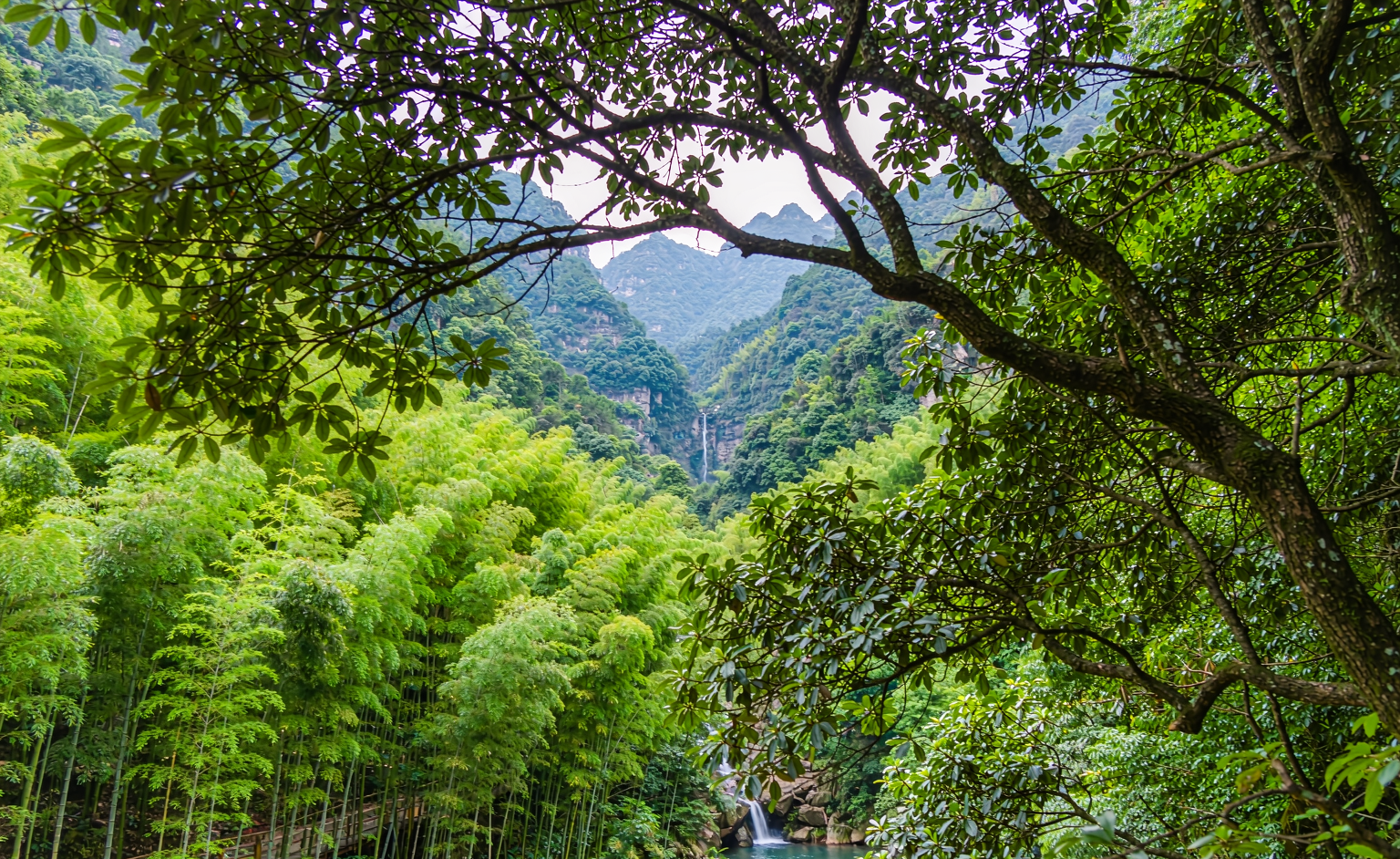
Four slow days from Luoyang. In Chongdugou the two valleys are taken on separate days, one for waterfalls and one for bamboo, sleeping in a farmhouse inside the gorge; then Jiguan Cave, eighteen degrees all year round.