
Anyang 6-Day Tour: Baiyun Mountain & White Horse Temple
Anyang 6-day tour covering Baiyun Mountain and White Horse Temple and Laojun Mountain. Sightseeing tickets and shuttle bus included.
Highlights
Day 1: Baiyun Mountain
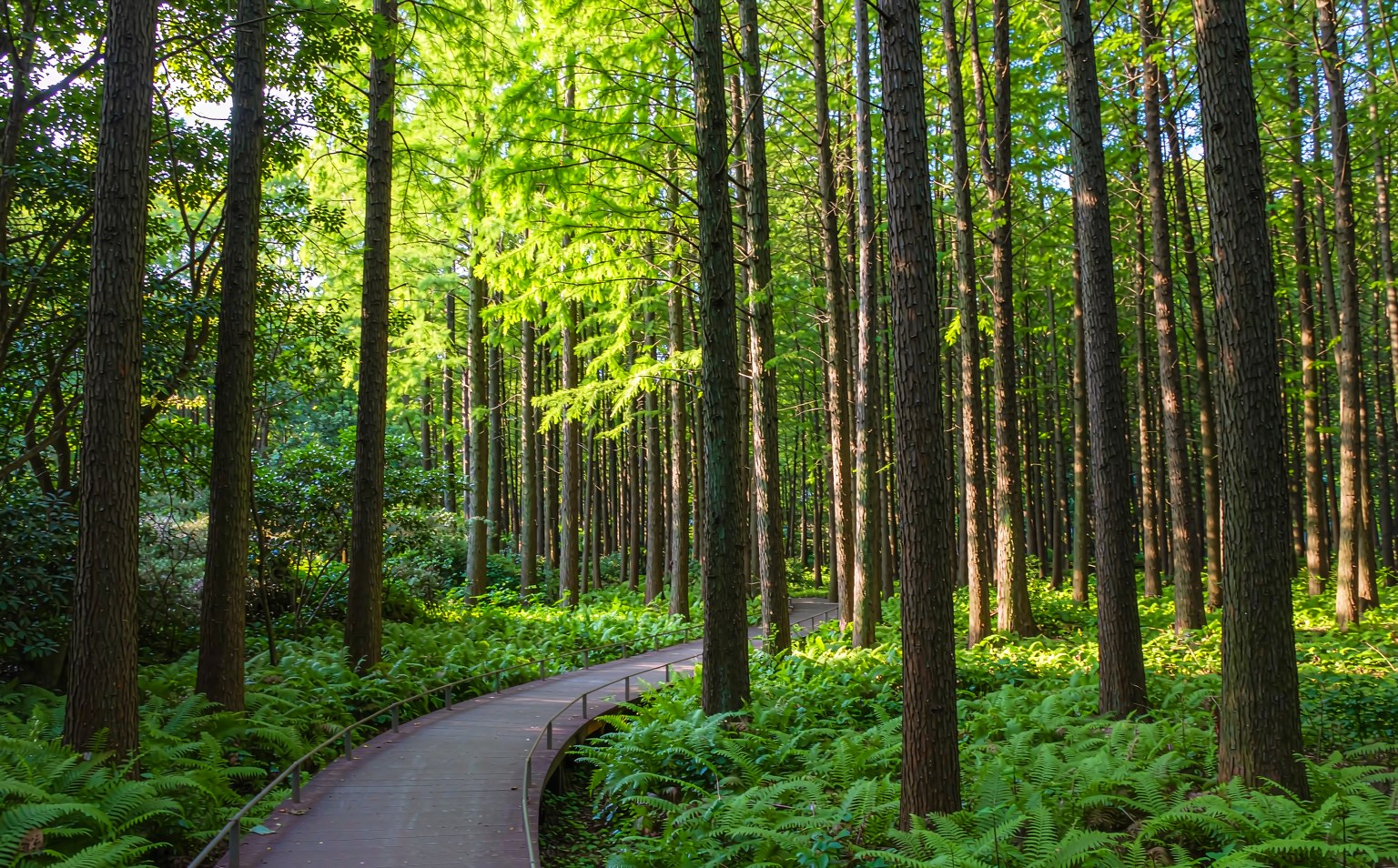
Early in the morning, climb to the Jade Emperor Peak to wait for the sea of clouds and sunrise, then visit Jiulong Waterfall; In the afternoon, walk along the forest trail to escape the summer heat, enjoy the autumn leaves in autumn, and return at dusk.
Attraction introduction: This stop is Baiyun Mountain, located deep in Funiu Mountain in Song County. Yuhuang Peak offers views of clouds and sunrise, with high forest coverage and abundant negative oxygen ions, making it a natural oxygen bar. Within the scenic area, Jiulong Waterfall and the alpine peony garden each have their own unique features. Summer retreats and autumn leaf viewing make them rare high-altitude resort destinations. Taking the cable car or scenic shuttle connects various points, with wide views and swirling clouds at the summit, resembling a fairyland. My understanding is that summer is the best time to escape the heat, with the mountain coolness contrasting sharply with the city's scorching heat; Climbing Yuhuang Peak early to watch the sea of clouds and sunrise requires a bit of luck, but even if you can't see the sunrise, the mountain scenery in the morning mist is still beautiful.
Friendly reminder: The mountain area has large temperature differences between morning and evening, and the wind at the summit is strong. A windproof jacket and warm inner layer are very necessary. Visitors generally report that most believe Baiyun Mountain is worth a special trip. It is recommended to slow down and follow the guide to listen to the explanations, saving time for the most moving details and the best camera angles. Based on actual conditions, leave some time for physical activity. Focus on the main event in the morning and slow down in the afternoon to avoid overspending on the first day and feeling bored in the following days.
Day 2: White Horse Temple
Today's White Horse Temple Buddhist worship trip, following the guide from Qiyun Pagoda to the Sutra Pavilion listening to lectures and understanding the 2,000-year incense offerings of China's oldest ancient temple; Afternoon stroll around the temple, then rest in the evening.
Attraction introduction: One highlight of the itinerary is White Horse Temple, located east of Luoyang city. It was first built during the Yongping era of the Eastern Han Dynasty to commemorate the White Horse Carrying Scriptures and the early introduction of Buddhism to the Central Plains. It is honored as "China's First Ancient Temple" and the first government-run temple built after Buddhism was introduced to China. Inside the temple, the Qiyun Pagoda Courtyard, the Great Buddha Hall, and the Heavenly King Hall are arranged along the central axis, with red walls and green cypress trees where incense offerings have continued for over two thousand years. It is worth mentioning that the temple also features exotic-style Buddhist halls donated by countries such as Myanmar, Thailand, and India, showcasing the unique landscape of Buddhist culture flowing eastward and backward. My understanding is that when entering the temple, first see the main hall along the central axis, then circle around to the Qiyun Pagoda Courtyard, and finally visit the foreign Buddhist halls on both sides to experience cultural fusion; Come early in the morning when there are fewer people; the sunlight shining on the red walls and ancient cypress trees creates the most poetic atmosphere, and you can also avoid the peak of tour groups.
Friendly reminder: There are many incense stalls around the temple. Please buy incense as needed and spend rationally. Visitors generally report that exotic-style Buddhist halls (Thai/Burmese/Indian temples) have a high rate of photo shoots, and they generally feel it's more spacious than expected; Reminder: The international temple area is quite far to walk and should be kept in check. Considering actual conditions, respect local customs, dress appropriately when entering religious sites, avoid casual advice, and a simple greeting can earn goodwill.
Day 3: Laojun Mountain
In the morning, take the cable car to the Laojun Mountain and climb the Golden Summit Daoist temple. On clear days, you can see a sea of clouds; Have a light lunch at the summit, then walk the ten-li Huaping Trail in the afternoon, overlooking the mountains from a glass viewing platform, and check in at the hotel in the evening.
Attraction introduction: A highlight of the itinerary is Laojun Mountain, located in Luanchuan County Luoyang. It is the main peak of Funiu Mountain and a famous Taoist mountain, said to be the place where Laozi, the founder of Taoism, retired for cultivation. The Golden Summit Daoist temple cluster stands atop a peak over 2,000 meters above sea level. Its golden tiles and red walls and surging sea of clouds are renowned as "a spectacular feast on earth and a glimpse of the flourishing world." The Ten-Mile Painted Screen is the highlight of the entire trip. A high-altitude plank road suspended above a sheer cliff changes views with every step, offering panoramic views of peaks, forests, sea of clouds, and sunrises. You can take a two-level cable car up the mountain; on sunny days, you can watch the sea of clouds and sunrise from the summit. In winter, it is a highly popular snow-viewing spot in the Central Plains. My understanding is: be sure to take the cable car up the mountain early to seize the golden summit and the beautiful scenery of the Ten-Mile Painting Screen; At the summit, the wind is strong and the temperature low; a windbreaker and thermos bottle are standard, and the glass observation deck is a must-have.
Friendly reminder: The climbing section has many steps and steep slopes, so be sure to wear non-slip sports shoes. Those with mobility difficulties are advised to take the cable car up and down. Visitors generally report that the sea of clouds and sunrise at the Golden Summit are recognized as the main highlights, with many staying at the summit waiting for dawn. Reminder: The temperature difference at the summit and long cable car queues are essential, so be sure to arrive early during peak season. Considering actual conditions, the biggest fear of joining a tour group is skimming the sights; listening to the explanations is the essence. The cultural stories behind each attraction are often more memorable than photos. If you don't understand, ask the guide on the spot.
Related Tours
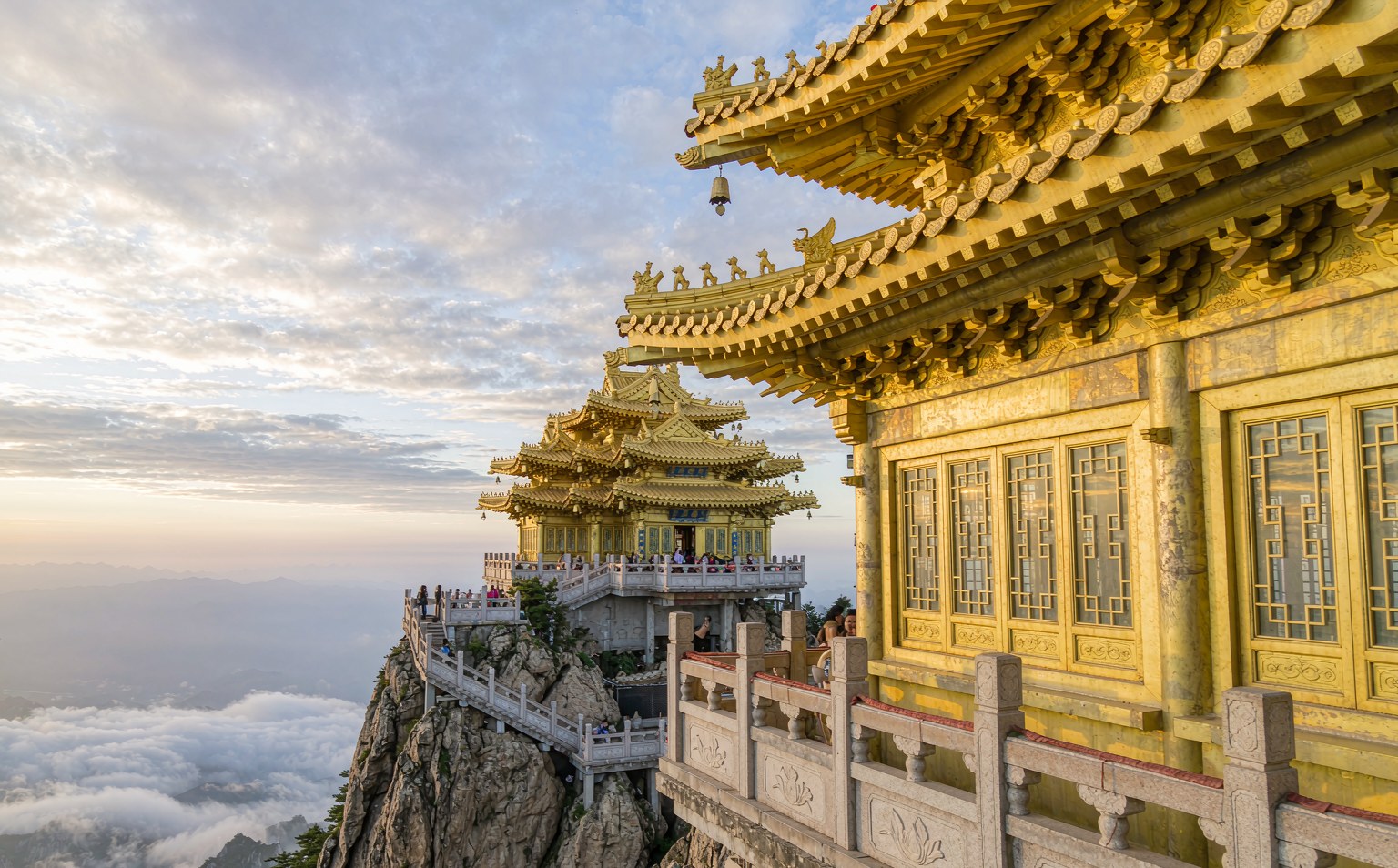
Luoyang to Laojunshan, Chongdugou, Jiguan Cave and Yangzigou 6 Days
Six days from Luoyang. The Laojunshan ticket stays valid for two days, so the golden summit comes first and a second climb chases the morning cloud sea. Jiguan Cave runs 1,800 metres at a constant 18 degrees, and Chongdugou still has green bamboo in November.
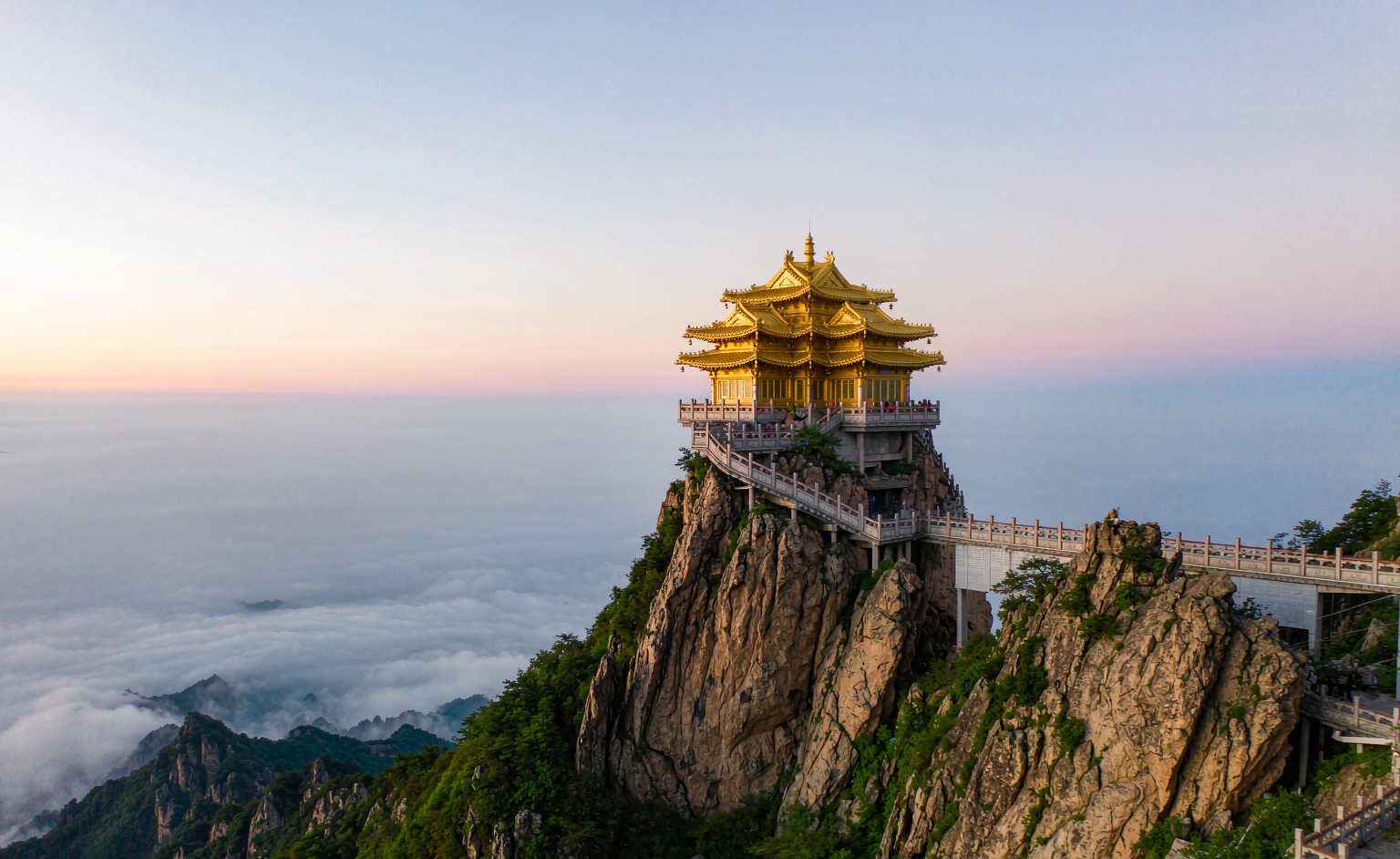
Luoyang Departure: Laojun Mountain, Jiguan Cave and Longtan Canyon, 5 Days 4 Nights
Five days from Luoyang. The Laojun Mountain ticket holds for two days, so the mountain is climbed twice: the painted rock forest first, then the summit to wait for the lamps. The second half runs west to Xinan, through a cave that stays at 18 degrees and a red gorge cut by water.
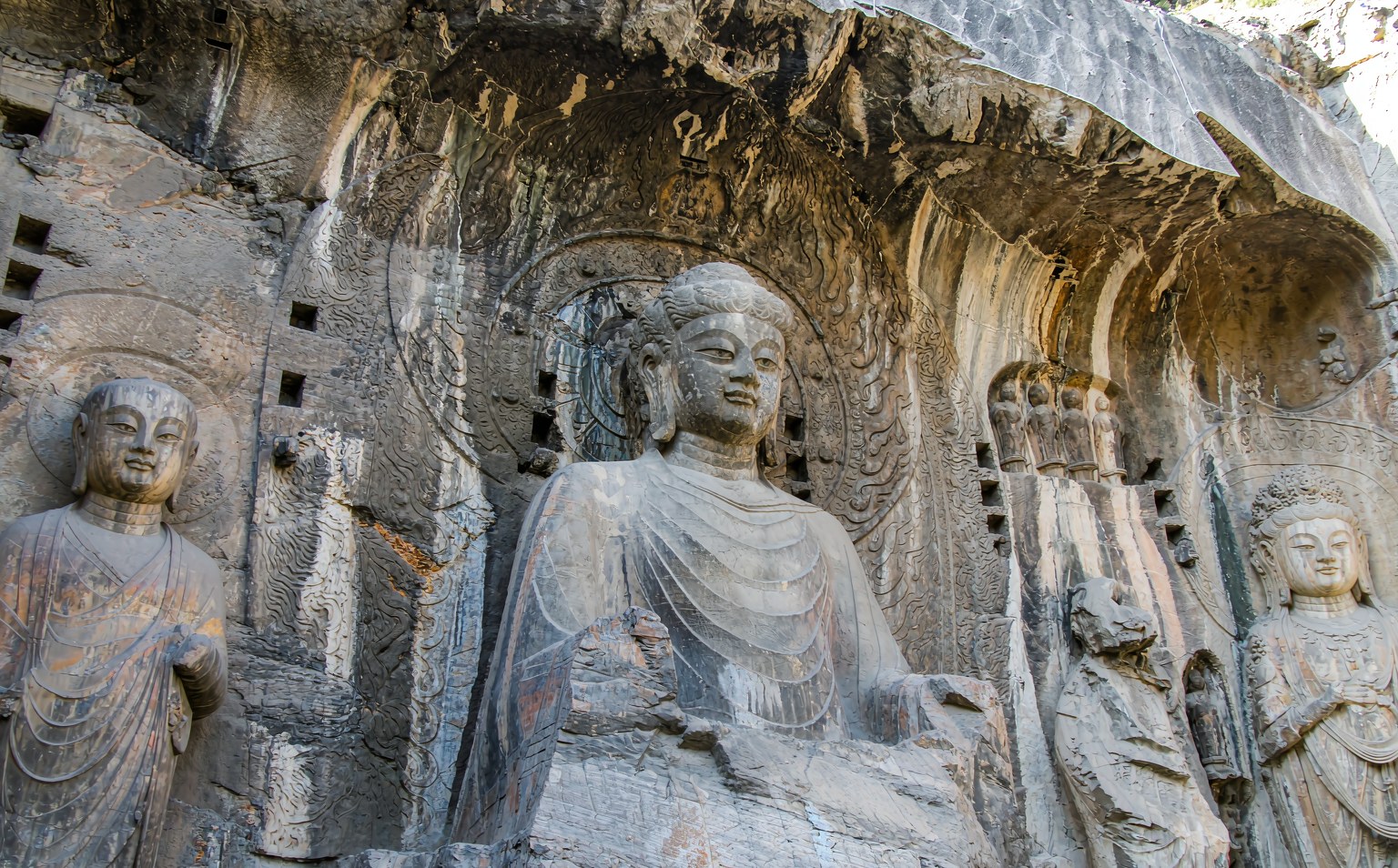
Luoyang Departure: Longmen Grottoes, White Horse Temple, Luoyang Museum and Erlitou, 3 Days 2 Nights
Three days from Luoyang, all of them about which layer of soil a thing came out of: Buddhas cut into a cliff at Longmen, a pagoda standing in a temple yard, a jade cup behind glass, and at Erlitou the rammed-earth footings of a palace that is four thousand years old.
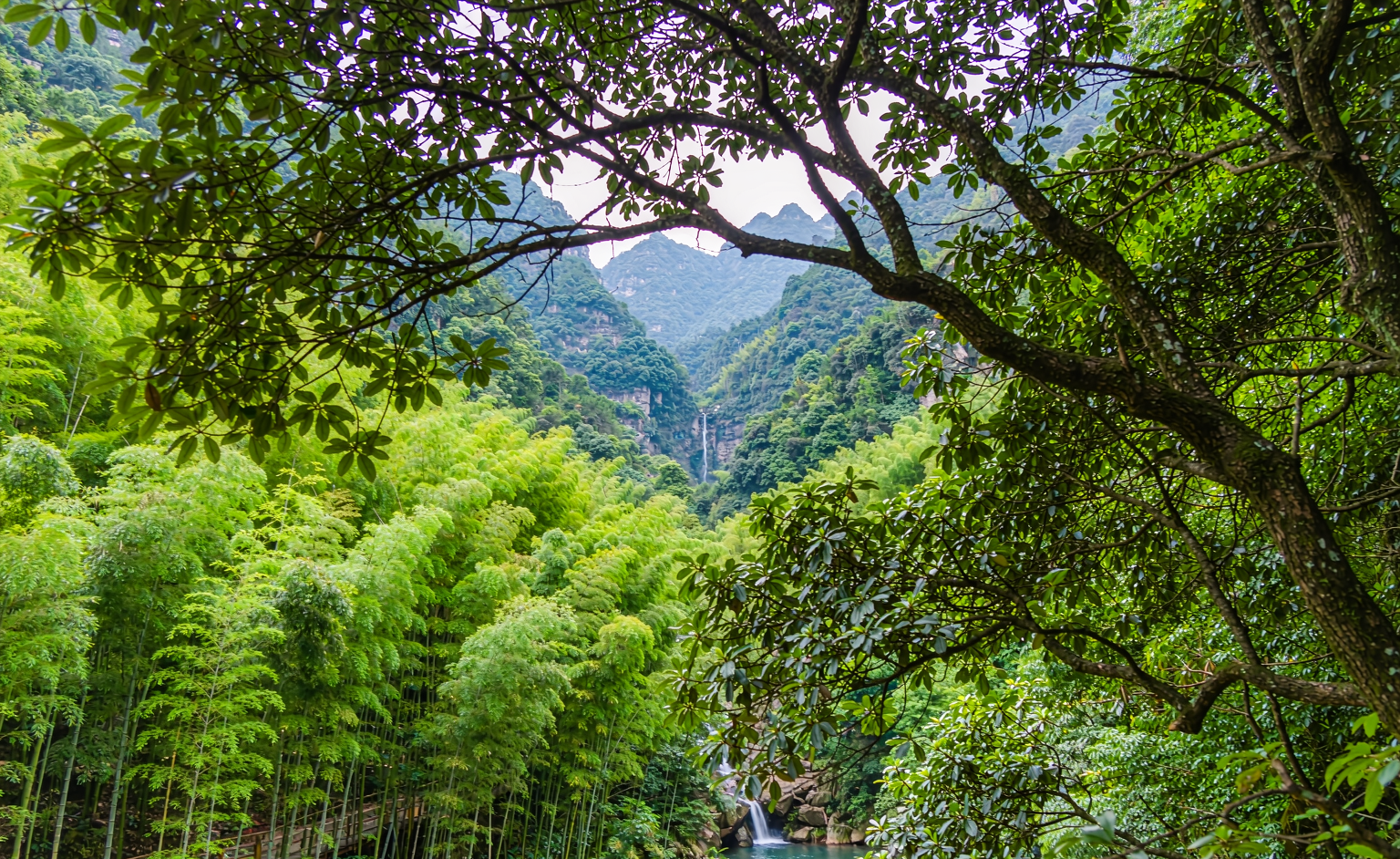
Luoyang Departure: Chongdugou Bamboo Valley and Jiguan Cave, 4 Days 3 Nights
Four slow days from Luoyang. In Chongdugou the two valleys are taken on separate days, one for waterfalls and one for bamboo, sleeping in a farmhouse inside the gorge; then Jiguan Cave, eighteen degrees all year round.