
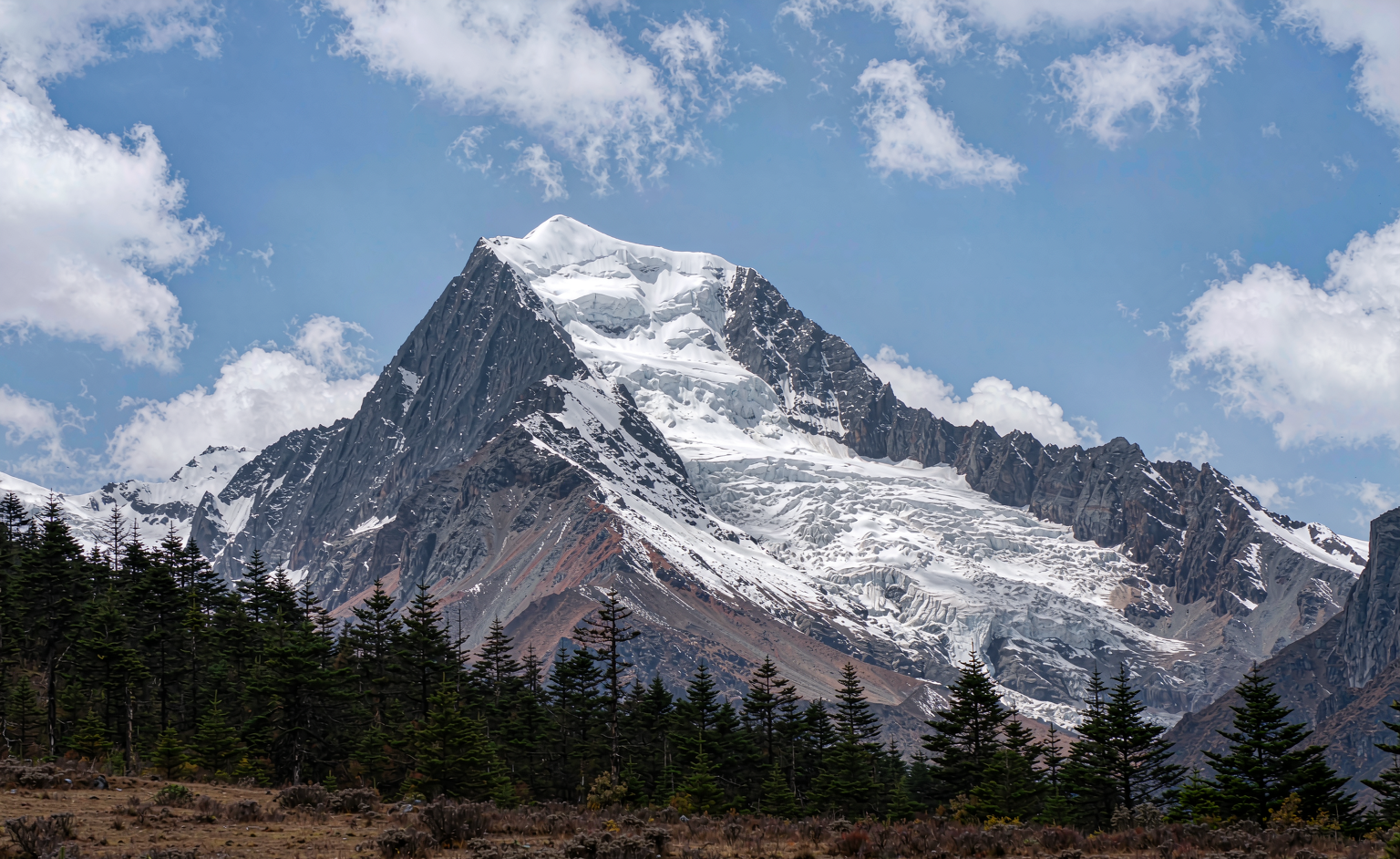
Henan 8-Day Tour: Scenic Area & Scenic Area
Henan 8-day tour covering Scenic Area and Scenic Area and Scenic Area. Sightseeing tickets and shuttle bus included.
Highlights
Day 1: Dali
Today's theme is Dali. Avoid peak crowds by entering the park at off-peak times and follow the recommended route for an in-depth visit. Have a local meal nearby at noon, enjoy free time in the afternoon or join the guide for additional sightseeing, and stay overnight at the hotel to rest.
Attraction Introduction: On this stop, we arrive at Dali. Dali is famous for Cangshan Mountain and Erhai Lake. The four scenic spots of 'Wind, Flower, Snow, Moon' (Xiaguan Wind, Shangguan Flower, Cangshan Snow, Erhai Moon) are its romantic highlights. Attractions such as Dali Ancient City, Chongsheng Temple Three Pagodas, Xizhou Ancient Town, and Shuanglang surround Erhai Lake. Biking or driving around the lake is the best way to experience this landscape. This is a place where countless people long for a slow-paced life. My understanding is that when cycling around Erhai Lake, choose good weather and be sure to protect yourself from strong UV rays; staying in Shuanglang or Xizhou offers the most beautiful views of Erhai Lake in the early morning and at dusk.
Friendly Tips: There are many slippery mountain roads, especially on downhill stretches, pay attention to shifting your center of gravity backward and slowing your pace; it is advisable to bring knee protectors. Tourists generally report that the Erhai Lakeside route and Cangshan are the most popular, noting that it can be windy and sunny. Reminder: when renting a vehicle to circle the lake, don’t skimp on sun protection. Depending on the situation, the best times for photos are early morning or late afternoon—fewer people and soft light in the morning, golden glow at dusk; midday light is harsh and crowded, better to rest at that time.
Day 2: Free time
Gather in the morning and set off for Lijiang. Follow the tour guide to explore the main attractions, visiting the key highlights one by one, allowing ample time for photos and rest. Enjoy a local specialty lunch at noon, continue the exploration in the afternoon, and check into the hotel in the evening to rest and recharge for the next day's itinerary.
Attraction Introduction: One of the highlights arranged in the itinerary is Lijiang. Lijiang is famous for Lijiang Ancient Town, Jade Dragon Snow Mountain, and Shuhe Ancient Town, with the distinctive charm of the Naxi Dongba culture. Lijiang Ancient Town is a "World Cultural Heritage" site, featuring small bridges and flowing water, with Naxi-style residences scattered harmoniously. Jade Dragon Snow Mountain stretches across the sky like a silver dragon. This area is a gathering place for artistic youth and snow-capped mountain enthusiasts. My understanding is that the ancient town is best experienced avoiding the midday crowds—early mornings and nights are the most charming; when going up Jade Dragon Snow Mountain, pay attention to altitude sickness, and book cable car tickets in advance.
Tips: Mountain trails have many steps and steep slopes, so be sure to wear non-slip sports shoes. Those with mobility issues are advised to take the cable car up and down. Visitors generally mention that the atmosphere of the ancient town and Jade Dragon Snow Mountain is the core attraction; even if commercialized, it remains beautiful. Be aware of strong UV rays and the effects of high altitudes in the snow-capped mountains. Confirm maintenance fees for the ancient town in advance. Considering practical situations, dehydration is the biggest concern on long trips, so carry a water bottle and sip small amounts frequently. On the first night at high altitudes or in mountainous areas, avoid long hair washing or bathing to allow your body some time to adjust.
Day 3: Free time
Depart early from the hotel and head straight to Shangri-La. First, listen to the tour guide explain the background and highlights, then take a leisurely stroll at your own pace and revisit photo spots that interest you. After lunch, take a short rest and return to the hotel in the evening to build up energy for the next day.
Attraction Introduction: This stop brings us to Shangri-La. Shangri-La is located in Diqing, Yunnan, and is synonymous with 'paradise on earth.' Attractions such as Pudacuo National Park, Songzanlin Monastery, Dukezong Ancient Town, and Napa Lake are captivating. Snow-capped mountains, meadows, lakes, and Tibetan Buddhist culture all blend here. The area is at a relatively high altitude and is considered a pure land in the hearts of many. My understanding is that in high-altitude areas, it’s important to protect against sunburn and cold, prevent altitude sickness, and avoid strenuous activity on the first night. Songzanlin Monastery is referred to as 'Little Potala Palace' and is worth a slow visit.
Tips: The temperature difference in mountainous areas is large between morning and evening, and the wind is strong at the top, so a windproof jacket with warm layers is very necessary. Tourists generally report that most people feel Shangri-La is worth traveling to specially. It is recommended to slow down, listen to the guide’s explanation, and leave time for the details that move you the most and the most photogenic spots. Based on the actual situation, be punctual: arrive five to ten minutes early for gatherings. It’s better for people to wait for the vehicle than the vehicle to wait for people; don’t make everyone wait for you.
Day 4: Free time
Today's focus is Lugu Lake. Avoid peak crowds by entering at off-peak times and follow the recommended route for an in-depth visit; have local specialties nearby for lunch, enjoy free activities in the afternoon or join the guide for additional tours, and stay in a hotel to rest in the evening.
Attraction Introduction: Today's itinerary includes Lugu Lake, a stop worth making on this route, attracting travelers from afar with its unique natural and cultural charm. It is recommended to slow down, follow the guide's explanations, and leave time for the details that move you most and the best photo spots. My advice is to wear non-slip shoes and bring a waterproof pouch for your phone in the waterside canyon—have fun but take care of your belongings.
Friendly Tips: Signal may be poor in the canyon, so agree on a meetup point with the guide in advance and don't go alone. Visitors generally report that the highland lake is tranquil and loved by artistic travelers; the Walking Marriage Bridge and sunrise are beautiful. Remember that the journey is long, and leaving two days prevents rushing. Based on actual conditions, don't just focus on taking photos—pay attention to your footing and surroundings. Always stand firm and hold on when on viewing platforms and boardwalk edges.
Day 5: Free time
In the morning, gather and depart for Xishuangbanna. Follow the guide to tour along the main route, visiting each key attraction, with plenty of time reserved for photos and rest. At noon, enjoy local specialty cuisine. In the afternoon, continue exploring in depth. By evening, check into the hotel to rest and recharge for the next day's itinerary.
Attraction Introduction: This stop is Xishuangbanna. Xishuangbanna is located at the southernmost part of Yunnan, famous for its tropical rainforest and Dai ethnic culture. Attractions such as the CAS Tropical Botanical Garden, Wild Elephant Valley, Manting Park, and Gaozhuang Xishuangjing each have their own charm, making it an excellent place to experience tropical scenery and Dai culture. The climate here is warm and humid, with greenery all year round. My understanding is that a guided tour of the Tropical Botanical Garden is a must, as the names and stories of the rare flowers and exotic plants are very interesting; the Xingguang Night Market at Gaozhuang Xishuangjing is busiest in the evening, and wearing Dai costumes for photos is very photogenic.
Tips: Mountain climbing routes have many steps and steep slopes, so be sure to wear non-slip sports shoes; those with mobility issues are advised to take the cable car up and down. Visitors generally report that the Dai culture and tropical plants are most appealing, and although it can be hot, it is fun; be aware that the Water Splashing Festival is extremely crowded, and sun protection is necessary year-round. Based on the situation, the best times for photos are early morning or late afternoon—fewer people and soft light in the morning, golden glow in the evening is ideal. At noon, the light is harsh and the area is crowded, so resting at that time is more worthwhile.
Day 6: Free time
Set off early from the hotel straight to Erhai Lake, first listening to the tour guide explain its background and highlights, then leisurely exploring on your own and taking extra photos at spots of interest; after lunch, take a short rest, and return to the hotel in the evening to conserve energy for the next day.
Scenic Spot Introduction: A major highlight on the itinerary is Erhai Lake. Erhai Lake is the "Mother Lake" of Dali, with clear waters and sparkling waves, beautifully complemented by the Cang Mountains. Cycling around Erhai or driving is the best way to experience this landscape. Ancient towns like Shuanglang and Xizhou are scattered along the lakeshore, each with its own charm. This is a place many people long for a slow-paced life. In my understanding, when cycling around Erhai Lake, it’s important to choose good weather and protect yourself from strong UV rays; Erhai is most beautiful in the early morning and late afternoon, while the midday sun is harsh and best for resting.
Tips: Be sure to pay attention to tides and waves when entering the water, act within your limits, stay within safe areas, and children should be accompanied by adults. According to general tourist feedback, most visitors consider Erhai Lake worth a special visit. It is recommended to slow down, listen to the guide’s explanations, and leave time for the details that move you most and the best photo spots. Based on actual conditions, the biggest concern on long trips is dehydration, so carry a water bottle and drink small amounts frequently; on the first night at a plateau or mountainous area, avoid washing your hair or bathing for too long, giving your body some time to adjust.
Day 7: Free time
Today, the theme is the Dali Ancient Town. Avoid peak crowds by visiting during off-peak hours and follow the recommended route for an in-depth tour; have a nearby local lunch at noon, spend the afternoon on free activities or join the guide for extra sightseeing, and check into the hotel in the evening to rest.
Attraction Introduction: A highlight of the itinerary is the Dali Ancient Town. The town faces Erhai Lake to the east and leans against Cangshan Mountain to the west. It is the most famous historic district of Dali. Streets such as Fuxing Road, Renmin Road, and Foreigners' Street have long-standing ancient charm, Bai-style residences are arranged in an orderly manner, and the bustle of daily life is blended with an artistic atmosphere. This place was once the capital of the Nanzhao Kingdom and the Dali Kingdom, with a profound historical heritage. My understanding is that the ancient town is best explored leisurely, without rushing through the sights; the small shops and cafés on Renmin Road are full of character, and the atmosphere is even better in the evening.
Tips: The ancient capital has abundant night tour options. Keep warm at night and make sure to remember the meeting points. Tourists generally feedback that most visitors feel the Dali Ancient Town is worth a special trip. It is recommended to slow down, follow the guide for explanations, and leave time for the details that move you the most and the best photo spots. Based on actual circumstances, be time-conscious, arrive at the meeting point five to ten minutes early; let the people wait for the bus rather than the bus wait for people, and avoid holding everyone up for yourself.
Day 8: Free time
In the morning, take the cable car up Laojun Mountain and visit the Golden Summit Taoist temple complex; if the weather is clear, you may encounter a sea of clouds. Have a simple lunch at the mountaintop around noon. In the afternoon, walk the Ten-Mile Painted Screen Trail, overlook the surrounding mountains from the glass viewing platform, and descend the mountain in the evening to stay at a hotel.
Attraction Introduction: This stop takes you to the Three Pagodas of Chongsheng Temple, located in the northwest of Dali Ancient City. It is a landmark building of Dali. The three pagodas stand tall and have withstood thousands of years of wind and rain. Among them, the main pagoda, Qianxun Pagoda, was built during the Tang Dynasty. This is the site of a royal temple during the Nanzhao and Dali Kingdom periods, and it is the most striking historical mark between Cangshan Mountain and Erhai Lake. In my view, the reflection of the Three Pagodas is a classic photo angle. Choose a clear morning, and the reflection of the Three Pagodas in the pond with Cangshan Mountain in the background makes the best photos.
Tips: Please maintain quiet and dress neatly when entering the temple. Generally, photography and touching ritual instruments are not allowed inside the halls. You may offer voluntary donations. Many visitors generally feel that the Three Pagodas of Chongsheng Temple are worth a special trip. It is recommended to slow down, follow the guide’s explanations, and leave time for the details that move you the most and the best photo spots. Considering the actual situation, do not focus solely on taking photos; pay attention to your footing and the surroundings. Make sure to hold on and stand steadily on viewing platforms and trail edges.
Day 9: Free time
Early in the morning, head to Longmen Grottoes. Take advantage of fewer people to first visit Binyang Three Caves and Lotus Cave, then climb Fengxian Temple to admire the Grand Buddha; have lunch nearby at noon, then in the afternoon visit Dongshan Grottoes and Xiangshan Temple, and take photos by the Yi River at sunset, ending a fulfilling day.
Attraction Introduction: This stop is Shuanglang. Shuanglang is worth a dedicated visit on this route, attracting travelers from afar with its unique natural and cultural charm. It is recommended to slow down the pace and follow the guide for explanations, leaving time for the details that move you most and the spots best for photos. My understanding is that the sunrise and sea of clouds on the mountain are unpredictable; putting your expectations on the journey itself often brings unexpected pleasures.
Warm Tips: The mountain area experiences large temperature differences between morning and evening, and the wind is strong at the top, so a windproof jacket and warm inner layer are very necessary. Visitors generally report that most think Shuanglang is worth a dedicated visit. It is recommended to slow down and follow the guide, leaving time for the details that move you most and the spots best for photos. Depending on practical conditions, the best times to take photos are early morning or late afternoon—fewer people and soft light in the early morning, golden glow at dusk makes great shots, while the midday light is harsh and crowded, making it more worthwhile to rest.
Day 10: Free time
Today's trip, from the mountain gate to the Sutra Pavilion, we carefully observed along the way, focusing on feeling the solemnity of the pagoda forest and the impact of the martial arts performance; in the afternoon, we visited the surrounding area, and in the evening, we checked into the hotel.
Attraction introduction: This stop is Cangshan. Cangshan is a place on this route worth making a special stop for, attracting travelers from afar with its unique natural or cultural charm. It is recommended to slow down the pace, follow the guide’s explanations, and save time for the details that move you the most and the best photo spots. My understanding is that the sunrise and sea of clouds on the mountain are rare and unpredictable; placing your expectation on the journey itself often brings unexpected joys.
Tips: The mountain roads are often slippery; when going downhill, pay special attention to shifting your center of gravity back and slowing your steps, and it’s a good idea to have knee protectors. Tourists generally feedback that most visitors think Cangshan is worth a special visit. It is recommended to slow down, follow the guide’s explanations, and save time for the details that move you the most and the best photo spots. Considering practical situations, dehydration is the greatest risk on long trips, so carry a water bottle and drink small amounts frequently. On the first night in the plateau or mountainous areas, avoid washing your hair or taking long baths, and give your body some time to adapt.
Related Tours
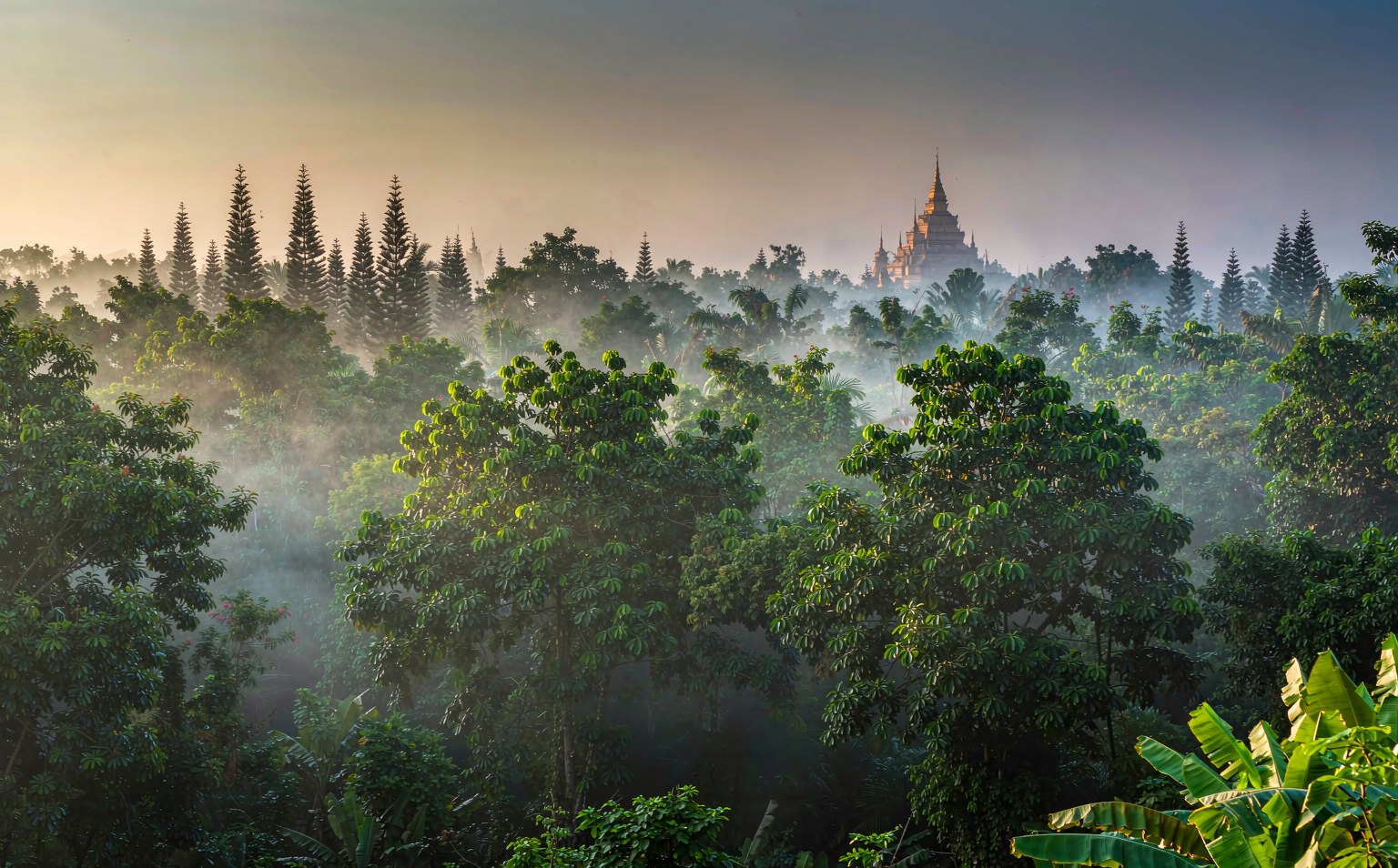
Xishuangbanna from Luoyang: Rainforest and a Warm Winter, 6 Days 5 Nights
Six days from Luoyang. In November the north is in padded coats while Jinghong still reads twenty-eight degrees by day. Botanical garden 80 plus a 50 yuan shuttle, Wild Elephant Valley 58, Manting Park 40. A walk in the rainforest leaves your shirt soaked, then dry again.
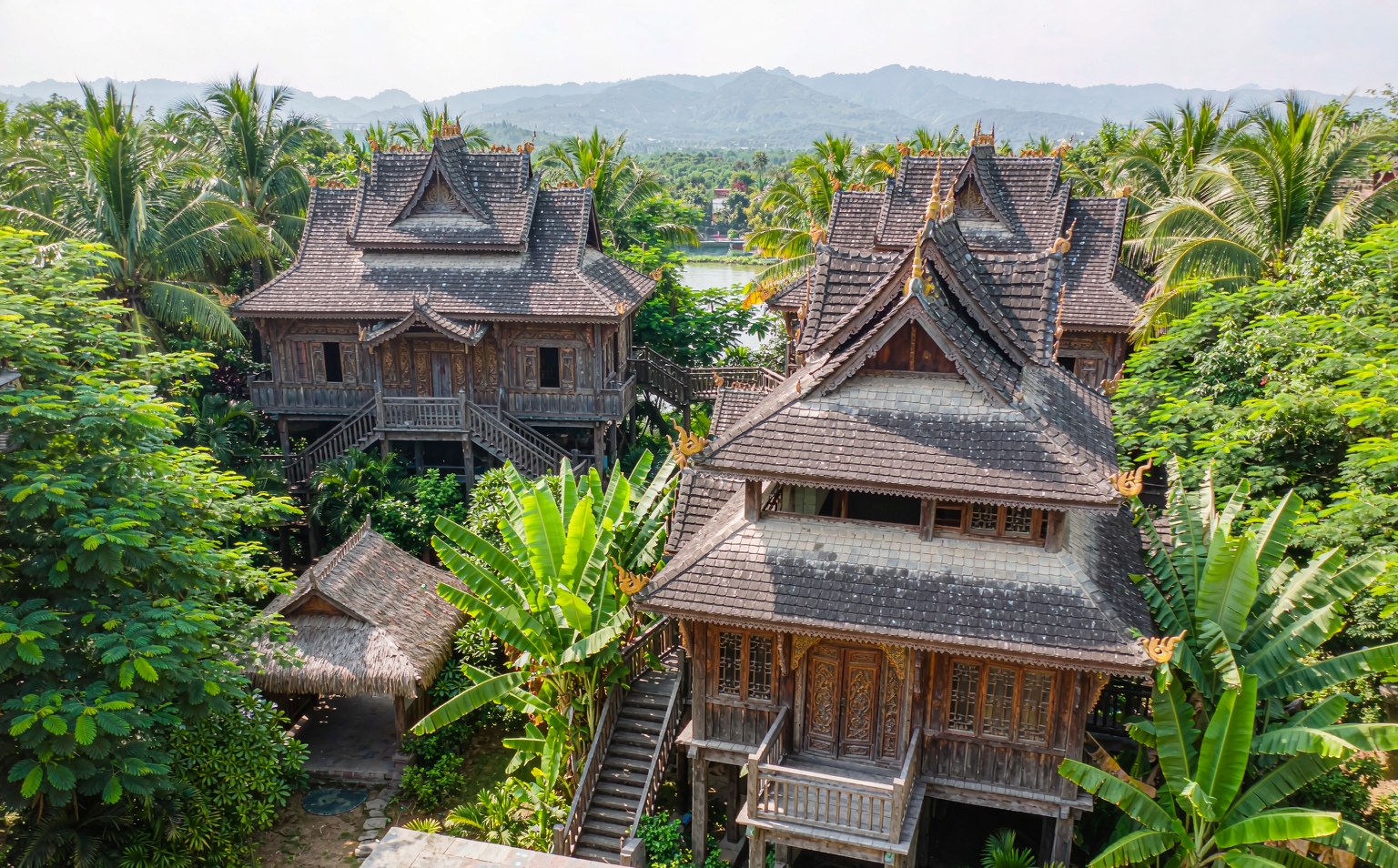
Luoyang to Xishuangbanna: Botanical Garden, Wild Elephant Valley, 6 Days
Six days from Luoyang. In November Banna still sits around 25 degrees by day, one of the few places in China where short sleeves work in winter. A full day at the botanical garden, both sections, then the canopy walkway at Wild Elephant Valley, where sightings depend on the elephants.
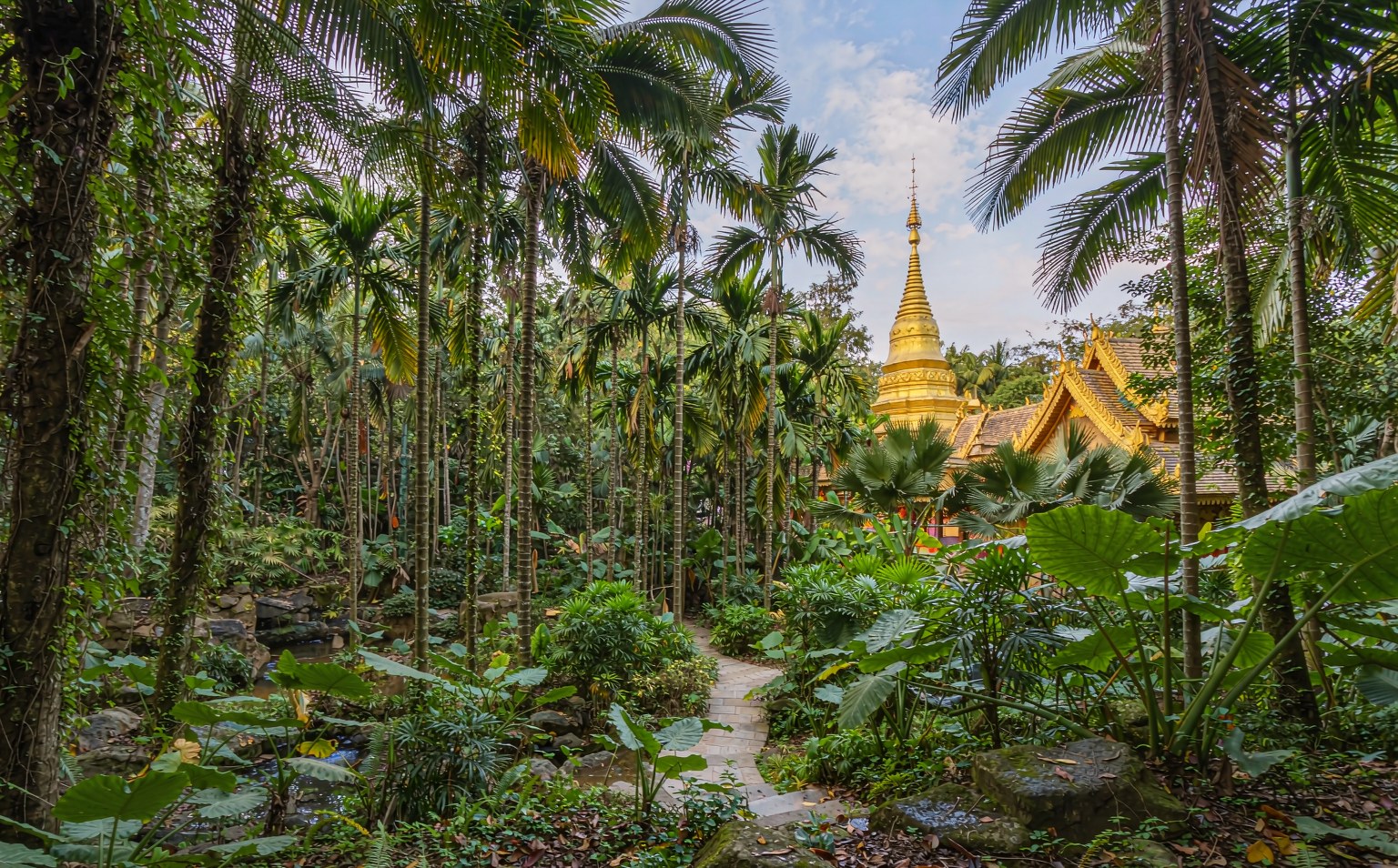
Luoyang Departure: Xishuangbanna, Wild Elephant Valley and Gaozhuang Night Market, 5 Days 4 Nights
Five days from Luoyang. In November Luoyang is in padded coats and Banna is in short sleeves. The trees in the tropical garden are taller than buildings, the walkway at Wild Elephant Valley runs above the rainforest canopy, and the night market at Gaozhuang keeps going until well after midnight.
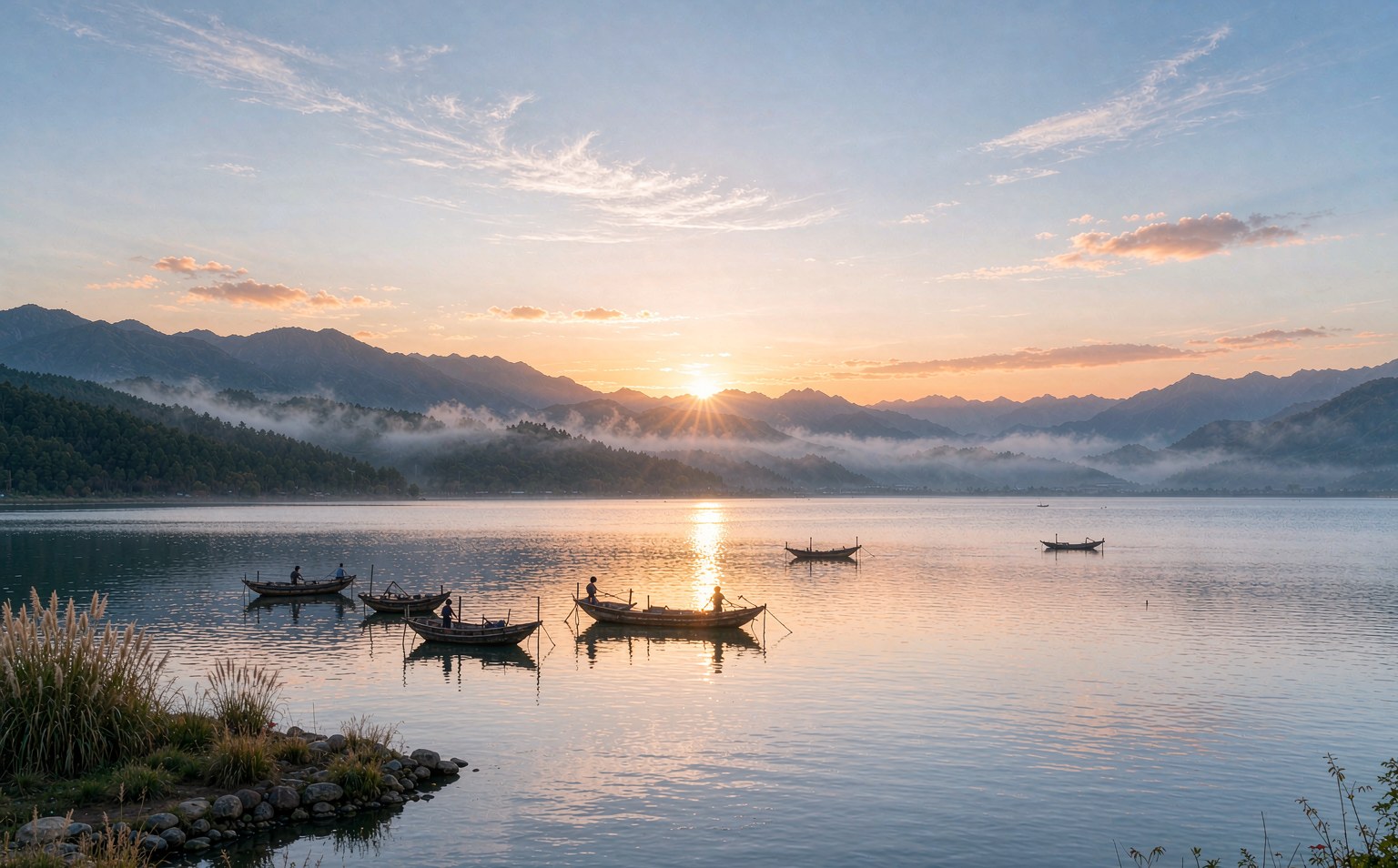
Luoyang 6-Day Dali, Lijiang and Erhai Autumn Tour
Six days in Yunnan in November, the best value window of the year. The autumn water of Erhai reflects the nineteen peaks of Cangshan, the clouds above Jade Dragon Snow Mountain are cleaner than in summer, and flights and hotels have halved in price since the National Day break.