
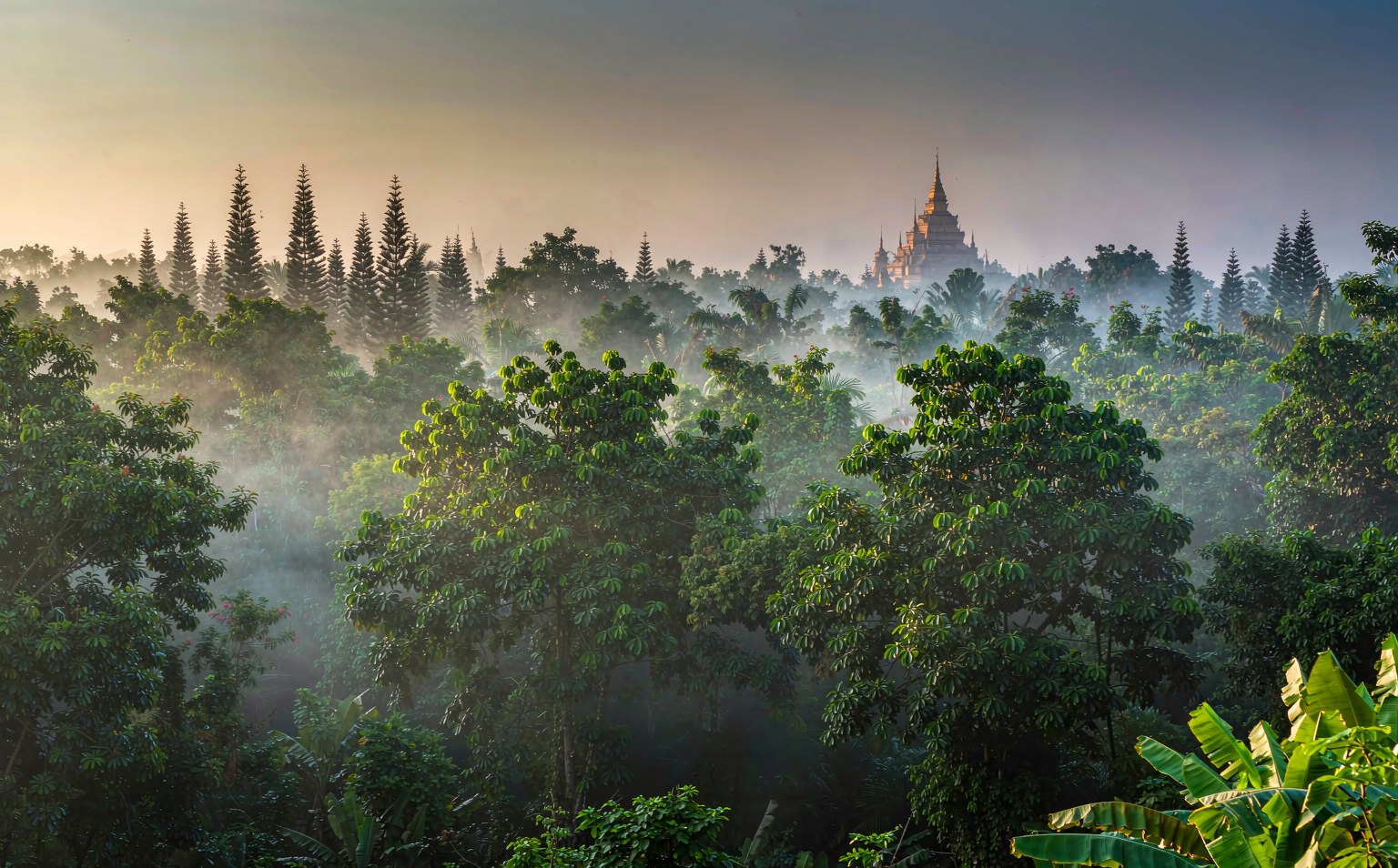
Xishuangbanna from Luoyang: Rainforest and a Warm Winter, 6 Days 5 Nights
Six days from Luoyang. In November the north is in padded coats while Jinghong still reads twenty-eight degrees by day. Botanical garden 80 plus a 50 yuan shuttle, Wild Elephant Valley 58, Manting Park 40. A walk in the rainforest leaves your shirt soaked, then dry again.
Highlights
Day 1: Two flights, and it is summer on landing
Leave Luoyang in the morning, change in Kunming, and touch down at Gasa airport in the afternoon. The coat comes off at the door and the humidity settles on your skin; bougainvillea is in full flower outside the terminal. Twenty minutes into town, drop the bags and walk the bank of the Lancang. The water runs ochre and a white stupa stands on the far side. Dinner is Dai food: pineapple rice, fish grilled in lemongrass, pork steamed in banana leaf, sour enough to wake the appetite. The streets stay warm late, and most people are in short sleeves.
Attraction introduction: Jinghong is the seat of Xishuangbanna prefecture, and the Lancang passes the edge of town before leaving China as the Mekong, a river of some 4,800 kilometres through six countries. Dai houses are built on stilts, with storage below and living space above.
Tips: The airport to town run is short but indoor air conditioning runs cold, so pack a light long-sleeve. Guests generally find the first night is where sour and chilli catch people out, so carry stomach medicine. In practice, keep dinner light, since the next morning starts early.
Day 2: The west garden, then into the rainforest
Leave at half past seven for Menglun and arrive in ninety minutes. Start in the west garden: the palm collection, the flower garden, the oddities bed where the telegraph plant shivers at singing and a water lily pad holds a small child. Lunch inside the park. In the afternoon the shuttle takes you east, where the trail runs on boardwalk through primary rainforest. Strangler figs have wound their hosts to death and left hollow lattices, and the buttress roots beside them stand waist high like spread skirts. Back in town by four for a mushroom hotpot.
Attraction introduction: The tropical botanical garden was founded in 1959 under the botanist Cai Xitao and covers about 1,100 hectares, holding over 13,000 species, the largest collection in China. It divides into a landscaped west garden and an eastern valley of original rainforest.
Tips: The west shuttle is fifty yuan one way, and a full-park ticket at one hundred covers both halves. Guests generally find the rainforest goes dim after three and photographs blur. In practice, put the east section before two, when light still drops through the canopy.
Day 3: The elevated trail at Wild Elephant Valley
Head for Mengyang in the morning, forty minutes away. The visit begins on the elevated trail, decked above the elephant paths with scrub and stream beds beneath. Walk a stretch and you find fresh dung and bamboo trampled flat, the route a herd took in the night. With luck a branch cracks somewhere in the trees and the guide signals everyone to stop talking. Lunch outside the park. In the afternoon the elephant kitchen, where a keeper hands out sugarcane and the trunk takes it more steadily than a hand would. Stop by the Lancang on the way back.
Attraction introduction: The valley lies inside the Mengyang section of the national nature reserve and is among the most important habitats for Asian elephants in China, with roughly three hundred wild animals. The elevated walkway runs over two kilometres above the animal paths and stream beds.
Tips: Feeding is not allowed from the walkway and noise carries, since elephants are sensitive to sound. Guests generally find sightings are uncommon and most days yield only tracks. In practice, put your expectations on the forest itself, and a day without elephants is still a day well spent.
Day 4: Manting Park, the temple, then the night market
No early start today. After lunch, Manting Park, once the garden of the Dai kings. It is small, shaded by bodhi and talipot palms, with a white stupa at the water. The temple next door is free to enter, its roofs stacked in tiers with wind bells hanging from the corners. Leave towards evening and walk to the night market at Gaozhuang. Stalls run from the riverbank up the hillside, grilled fish, pounded chicken feet, Lao iced coffee, and the lights come on one block at a time.
Attraction introduction: Manting was the royal garden and keeps talipot palms and bodhi trees. The adjoining temple ranks highest in Xishuangbanna within Theravada Buddhism, built in stilted form with tiered roofs and flame ornaments along the ridge. The Gaozhuang night market spreads along the Lancang with thousands of stalls.
Tips: The temple is a working religious site, so shoes come off at the hall and shorts are not appropriate. Guests generally find the market is liveliest and most crowded after seven. In practice, eat by the river first, then climb the hill and walk down through the stalls.
Day 5: A night in a Dai village
Head towards Menghai in the morning and reach the village in a little over an hour. A banyan stands at the entrance and the stone benches beneath it belong to the old men playing chess. Houses sit on stilts with tools and motorbikes underneath, people above, and shoes come off at the stair. Lunch is hand-eaten: sticky rice, grilled chicken, sour bamboo shoots and a chilli dip on one tray. In the afternoon walk the rubber grove with the family and see the tapping cuts running down at an angle. By dusk the cooking fires start and children play football on the drying floor.
Attraction introduction: Dai houses are framed in bamboo and timber and raised on stilts to shed flood water and damp. Villages usually sit by water and keep a spirit post at the centre. Rubber is the main cash crop, tapped before dawn with a cut slanting down the bark so the latex runs into a cup.
Tips: Do not push at a gate; call from the yard first. Guests generally find insects heavy at night and the lamp crowded with them. In practice, keep the window screen shut and turn the light off early.
Day 6: The morning market, then the flights home
Wake to roosters and chanting from the temple. The village market opens at six, baskets of unfamiliar greens, tamarind, small pineapples, and the sellers squat by their scales. Walk it once and buy dried fruit to take home. Stop at Ganlanba on the way back to Jinghong for the stupas and stilted houses along the river. A last Dai lunch, then Gasa airport and the connection through Kunming to Luoyang.
Attraction introduction: Village markets sell whatever the season gives, wild greens, tropical fruit and pickled Dai condiments. Ganlanba lies southeast of Jinghong on the Lancang, a flat Dai plain where stupas and stilted houses follow the water.
Tips: Dried fruit and pickles fly fine, fresh fruit does not. Guests generally find the market peaks after seven and stalls begin packing by eight. In practice, arrive at half past six for the best of it.
Related Tours
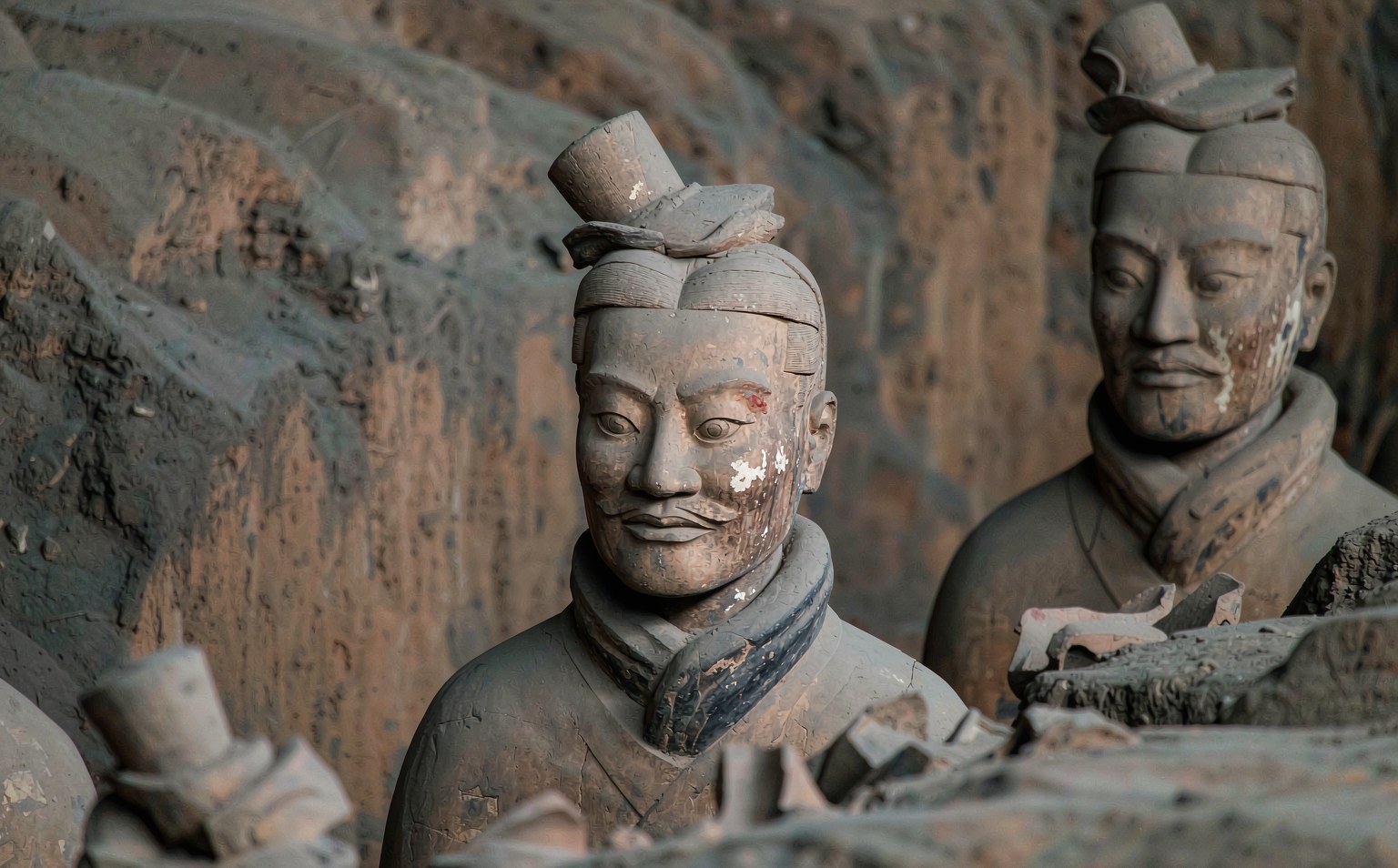
Xian and Mount Hua from Luoyang: Warriors and Peaks, 4 Days 3 Nights
Four days from Luoyang, ninety minutes by rail. Mount Hua still charges peak rates in November, 160 for the gate and 140 for the west cableway one way; the Terracotta Warriors 120 and the city wall 54. Cloud on the mountain, clay armies below, neither hurried.
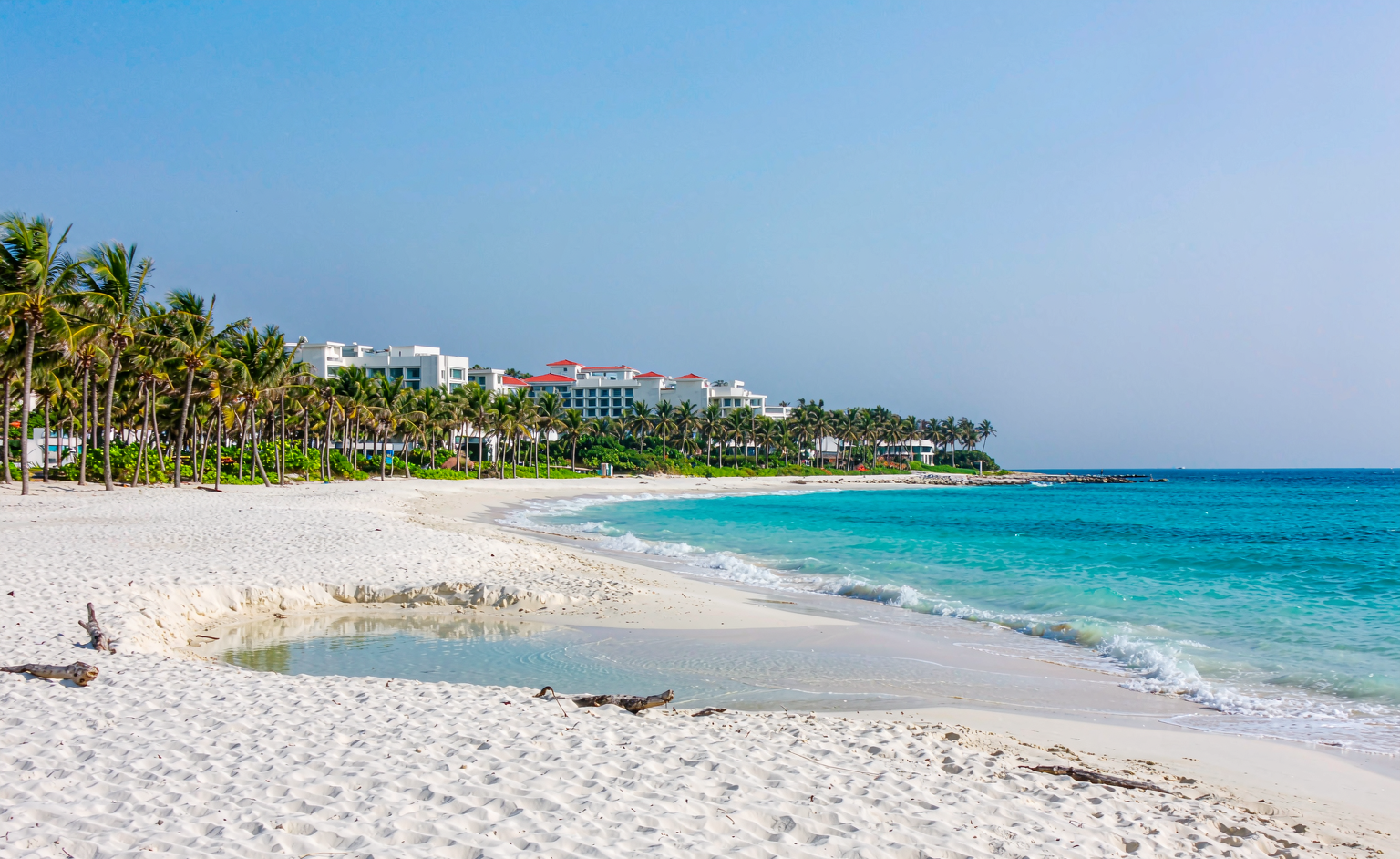
Sanya from Luoyang: Wuzhizhou Island and Nanshan, 5 Days 4 Nights
Five days from Luoyang. November in Sanya runs around thirty degrees and the sea is still warm. Wuzhizhou Island is 140 with the boat, Nanshan 108 plus a 25 yuan shuttle, and Tianya Haijiao charges no admission now. Two island trips only, the rest left to the beach.
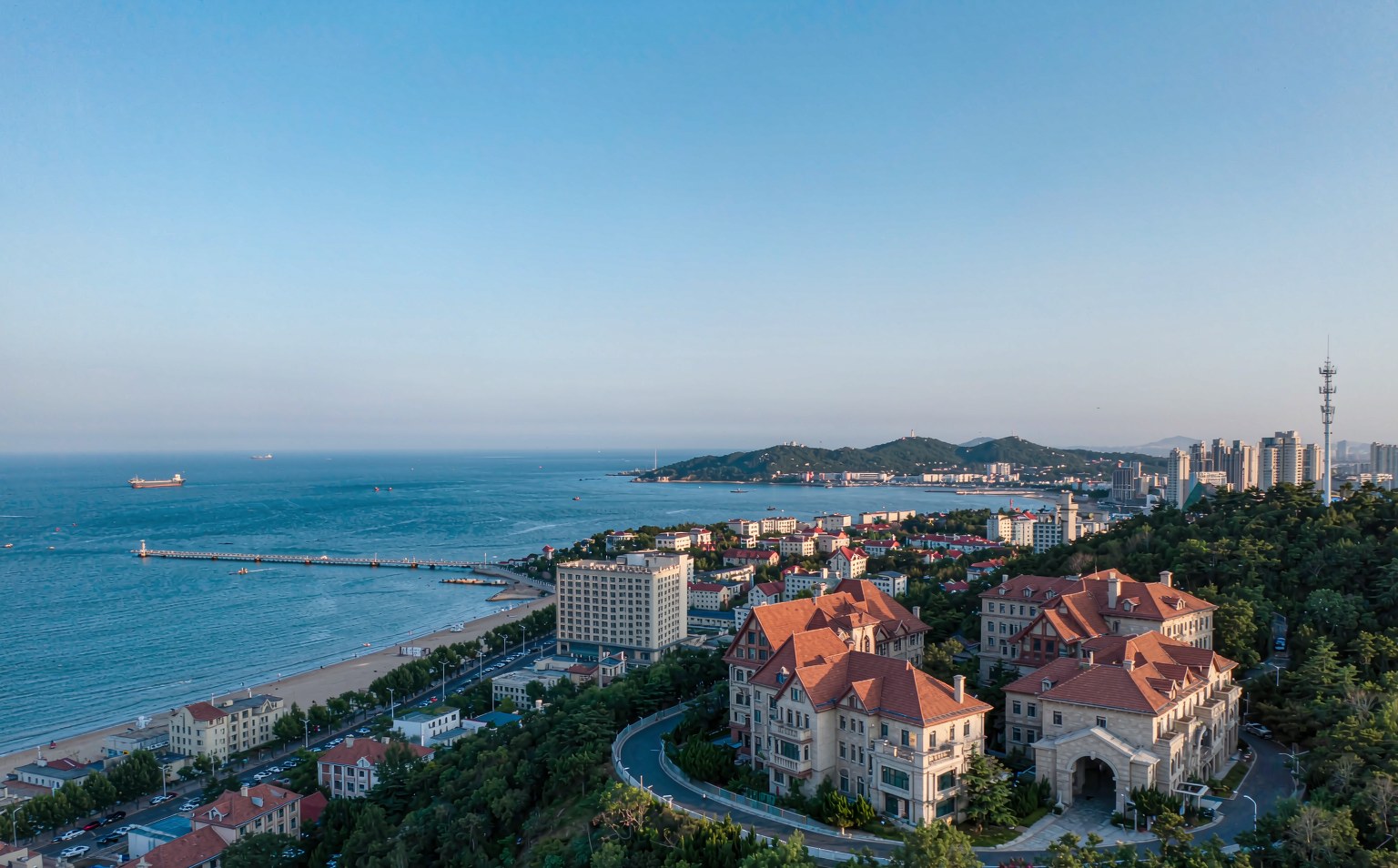
Qingdao from Luoyang: Laoshan, Badaguan and the Old Pier, 4 Days 3 Nights
Four days from Luoyang. By November the beaches have emptied and you can walk right up to the rail on the old pier. Laoshan south route is 90 yuan plus 40 for the shuttle, Taiping Palace 27 more. Plane leaves lie thick in Badaguan and crunch underfoot.
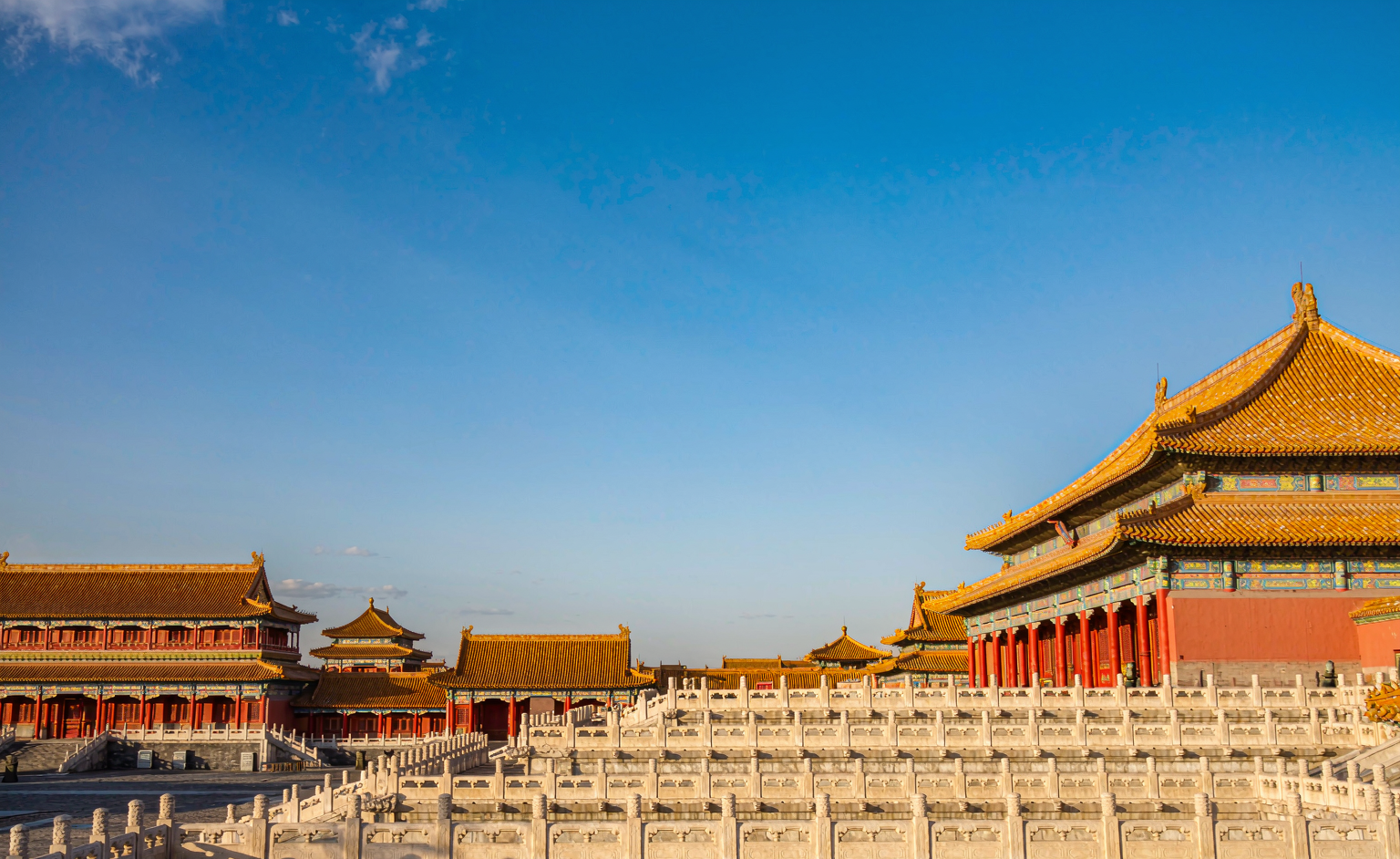
Beijing from Luoyang: Forbidden City, Great Wall and Summer Palace, 5 Days 4 Nights
Five days from Luoyang. From November 1 the Forbidden City drops to its low-season price of 40 yuan, Badaling to 35, the Summer Palace to 20 and the Temple of Heaven to 10. With fewer people, the square before Taihe Hall is finally somewhere you can stand still.