
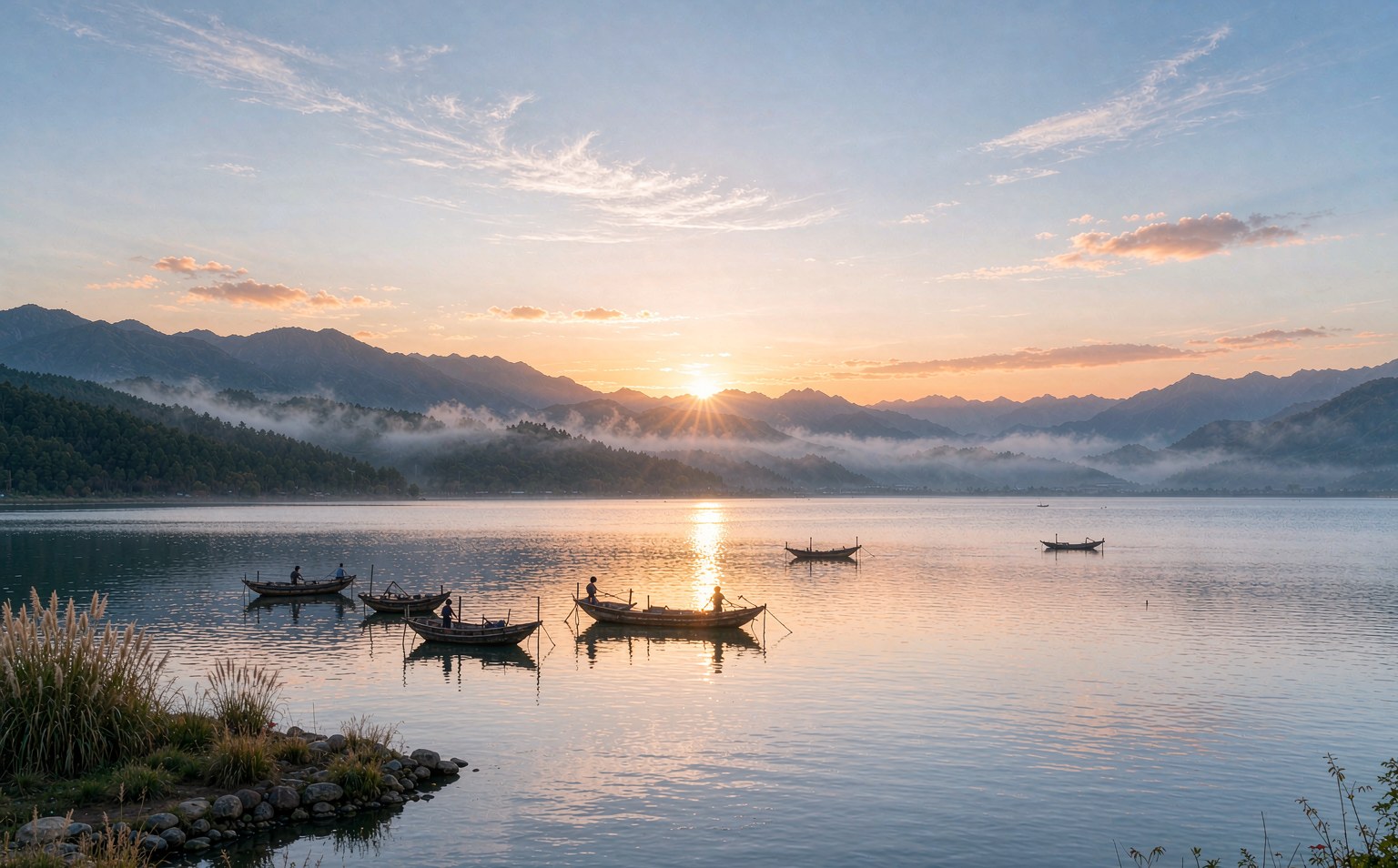
Luoyang 6-Day Dali, Lijiang and Erhai Autumn Tour
Six days in Yunnan in November, the best value window of the year. The autumn water of Erhai reflects the nineteen peaks of Cangshan, the clouds above Jade Dragon Snow Mountain are cleaner than in summer, and flights and hotels have halved in price since the National Day break.
Highlights
Day 1: Luoyang to Dali
A travel day. Fly from Luoyang to Dali, or to Kunming and connect — it depends on the day’s schedule. Prices in November are less than half what they were over the National Day holiday, and booking early gets you a good seat and a good price. You arrive in Dali in the afternoon or the evening. Most of the guesthouses are inside the old town or just outside it, and you can walk straight out of the door when you arrive. Start with the old town in the late afternoon. In through the South Gate, and the characters for Dali above it are the first photograph most people take of this city. North along Fuxing Road is the main street, with tie-dye and silverware in the shops on both sides. Rest at the Five Towers building, then turn into the Honglong Well district, where a stream runs along the edge of the street and drains away down the slope. In the evening light in November the sun comes from behind Cangshan and warms the white walls to a soft yellow — much better for photographs than the flat light of midday. Dinner in the old town: sandpot fish, ersi and roast milk fan are all local, and the small places along the side streets cost half what the main street charges. Get an early night. The whole of tomorrow is spent on the lake.
Day 2: The Erhai Lakeside Cycleway
The whole day is on the lake. The Erhai cycleway runs 129 kilometres around the shore, stringing the scattered Bai villages out in a line. Cycling all of it is neither necessary nor sensible — today takes in Shuanglang and Xizhou, which is where the scenery is. Start in the morning at Xizhou. This stretch has wide paddy fields, and in early November the rice has just been cut, with straw stacked on the ridges and Bai families drying grain in the fields. Xizhou is an old Bai town and the houses are the best preserved — white walls and grey tiles, with carved screen walls at the gates, in the three-bays-and-a-screen arrangement. On the square there are stalls selling milk fan and Xizhou flatbread, baked on the spot — the flatbread is crisp outside and soft within. By afternoon, Shuanglang. The water is at its widest here, with the nineteen peaks of Cangshan lined up opposite, and the light is best in the late afternoon, when the sun presses the mountain shadows down onto the water and the whole surface ripples with them. You can rent a bicycle along the cycleway or walk it. The path is a coloured cycle track with camphor trees along it, and cycling has the advantage that you can stop whenever you like. A few points worth pulling over for: Haishe Park is a shallow tongue of land running out into the lake, water on both sides, with the stones on the bottom visible through it; Little Putuo sits on a small island in the water and is reached by boat; Jinsuo Island gives the outline of the island itself. Pick one if the day allows. Spend the evening sitting by the shore waiting for sunset. This is the part of the trip most worth slowing down for: the sun goes down behind Cangshan, the lake turns from gold to grey-blue, and the lights on the far shore come on one by one.
Day 3: Dali to Lijiang
Travel north in the morning, by high-speed rail or coach, three to four hours either way. The road crosses the ridge below Jade Dragon Snow Mountain, and the altitude rises the whole way to Lijiang. Arrive in the afternoon and do not go straight into the old town. Drop your bags first and walk the outer edge of Dayan. Begin at the big water wheel at the North Gate, where the Naxi houses line up along the water channel and the lanes are narrow enough that you can see the tip of Jade Dragon Snow Mountain above the rooftops. In November the mountain is much clearer than in summer, with the ridgeline sharp when there is little cloud. Carry on to Square Street, the centre of the old town, where Naxi people gather in the square in the evening to dance in a circle, arms and legs thrown wide. Watch for a while — there is no need to join in. Mufu is worth the dedicated visit. This was the seat of the Naxi chieftains, and it is a substantial compound — three bays and a screen wall — with the council hall and the Hall of the Guardian Deities still standing. The garden behind it has the best view in Lijiang, with Jade Dragon Snow Mountain filling half the frame. The Wenchang Palace observation platform is the place to see the whole of the old town at once: climb up and the whole field of grey tiled roofs spreads out below, with the snow mountain in the distance. It is the view the tourism authority recommends, and it is better value than paying to climb Wangu Tower. After dark, lanterns along the lanes light the stone paving warm orange, and the water in the channels catches the light too. Dinner: cured ribs hotpot, or Naxi chicken.
Day 4: Jade Dragon Snow Mountain and Shuhe
Jade Dragon Snow Mountain today. Entering the park requires a ticket, an eco-shuttle bus ticket and a separate ropeway ticket. The big ropeway needs advance booking, and one ID card is limited to one booking within ninety days. This is the only hard booking on the whole itinerary — everything else can be arranged on the day. The eco-shuttle takes you up to the ropeway station, and the drive itself is part of the trip: the vegetation changes from broadleaf forest to conifers, then to rhododendron and scrub, then to bare rock and glacier. That climb through the vegetation zones is worth watching. The big ropeway reaches the Glacier Park at 4,506 metres. It stays below zero all year, and renting a down jacket is much cheaper at the bottom of the mountain in the old town than it is at the top. The walkway runs along the edge of the glacier, with white on one side and a drop on the other. The wind moves the cloud across in waves — sun, then mist, then sun again. Lower down there is Blue Moon Valley, where the water is coloured blue-green by minerals in the rock; Spruce Meadow, an old-growth forest of spruce and rhododendron; and Ganhaizi, an open meadow at about 3,100 metres where livestock grazes. If you are travelling with elderly relatives or small children, 4,506 metres is a lot, and Spruce Meadow or Ganhaizi make an easy substitute. The scenery is somewhat less grand, but far more comfortable. Back in Lijiang in the afternoon, go to Shuhe. Shuhe is quieter than Dayan and less commercialised, with narrow lanes and old Naxi houses on either side of a water channel. You can see how the people actually live here rather than a version of it put on for visitors. Find a teahouse, order a pot of puer tea, and sit for an afternoon.
Day 5: Baisha Village and a Free Afternoon
Today is deliberately open. Baisha in the morning. Baisha is a native Naxi village at the foot of Jade Dragon Snow Mountain, unrestored, with the houses as they were. The glazed tile hall and the Dabaoji Palace are the sights, with wood carvings and murals worth a look. Behind the village the mountain rises straight up, and from the village entrance the peak shows above the rooftops — a framing you do not get anywhere else. The village is small, an hour and a bit is enough, and it is quiet. Back to Lijiang by midday for a free afternoon. You can go back into the old town and finish the shops you missed, or find a teahouse and sit — the teahouse culture here is real, and a pot of tea will take the afternoon. Or have a massage: after four days on your feet, your legs and back need it. In the evening, go to Square Street and watch the dancing. This is Naxi people doing their own thing, not a performance for tourists. And give yourself a good dinner: cured ribs hotpot, yak beef, and the local chickpea jelly.
Day 6: Return to Luoyang
Check out and set off for the airport, forty minutes from the city. November fares are far lower than over the National Day break, and booking in good time makes a noticeable difference. Fly back to Luoyang, or connect depending on the schedule. If time is tight, a last meal near the airport will do — Yunnan rice noodles are good everywhere. Six days: the first in Dali, the second entirely on Erhai, the third travelling north to Lijiang, the fourth up the snow mountain, the fifth left open, the sixth home. November is the right month for this. Fewer people, lower prices, steadier weather, cleaner clouds above the snow mountain, and clearer water in the lake than in summer.
Related Tours
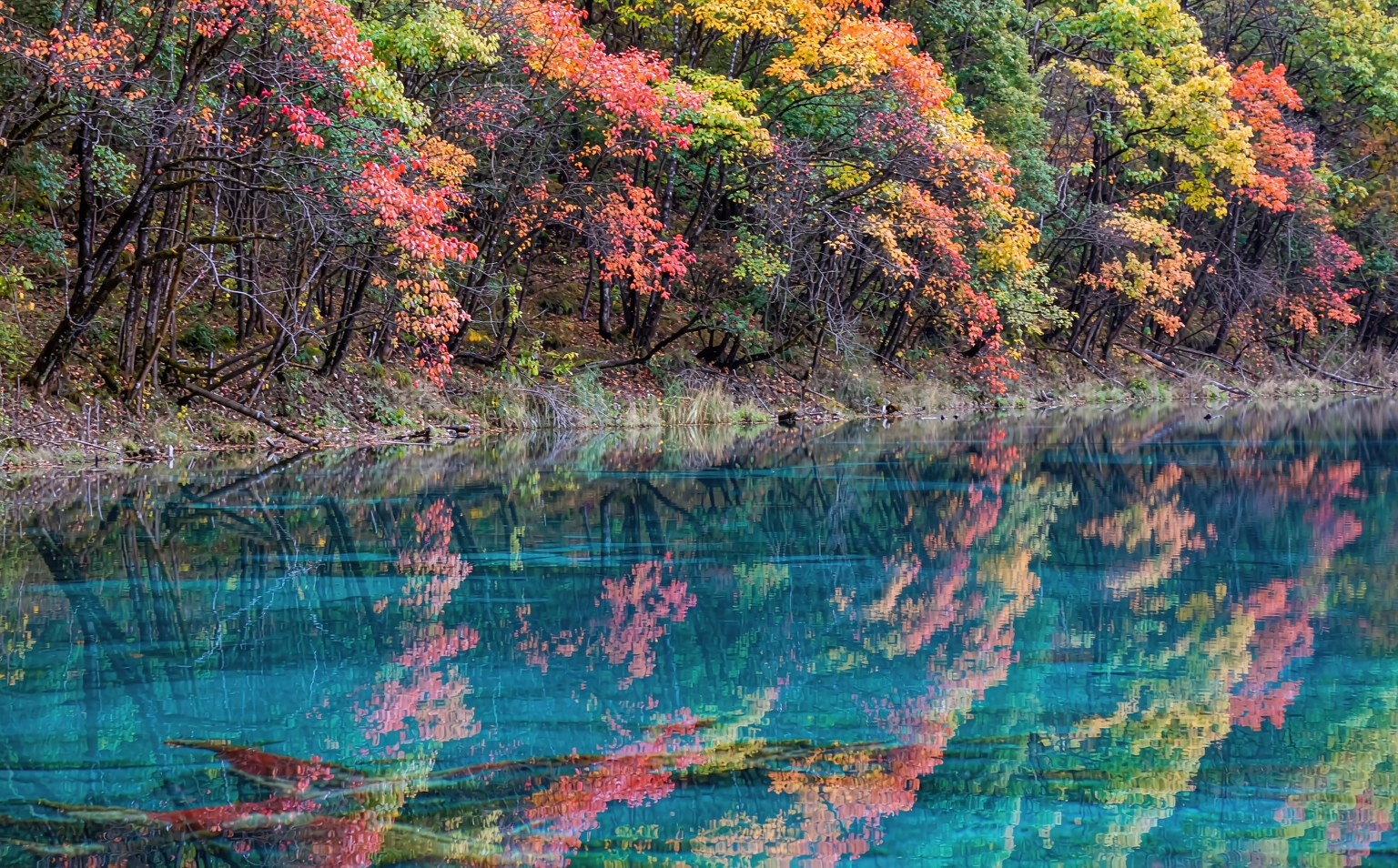
Luoyang 7-Day Jiuzhaigou, Huanglong and Dujiangyan Tour
Seven days from Luoyang, timed for the last fortnight of the autumn colour at Jiuzhaigou. The water at Five Flower Lake runs from pale yellow through to deep blue, the travertine pools at Huanglong step up the valley, and the trip ends at a two-thousand-year-old waterworks still running.
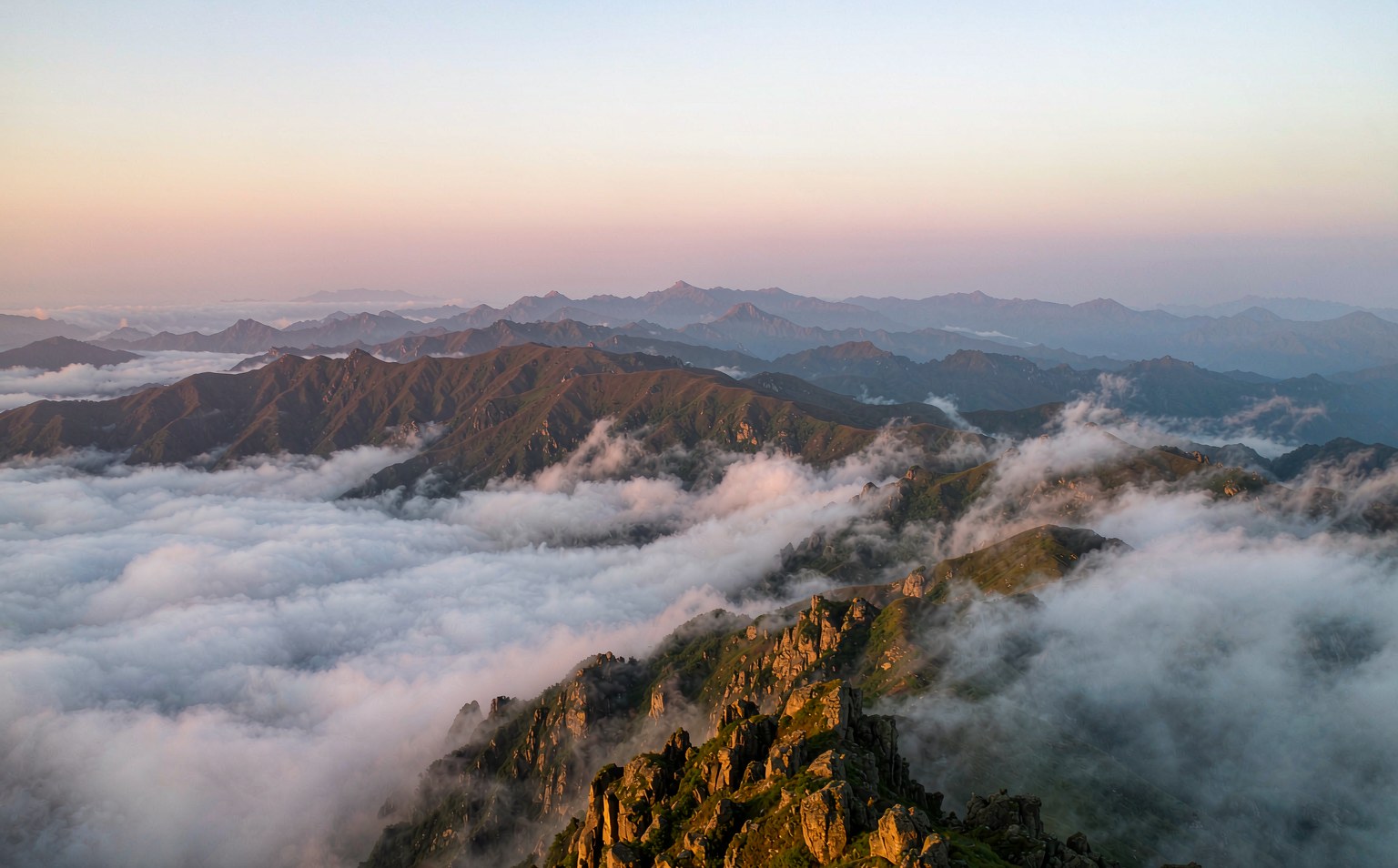
Luoyang 4-Day Yuntai Mountain Red Stone Gorge Autumn Tour
Four days from Luoyang into Yuntai Mountain. The Red Stone Gorge is widely considered the most photogenic stretch, the ropeway reaches Zhuyufeng in six minutes, and the fourth day adds the water of Quanpu Gorge.
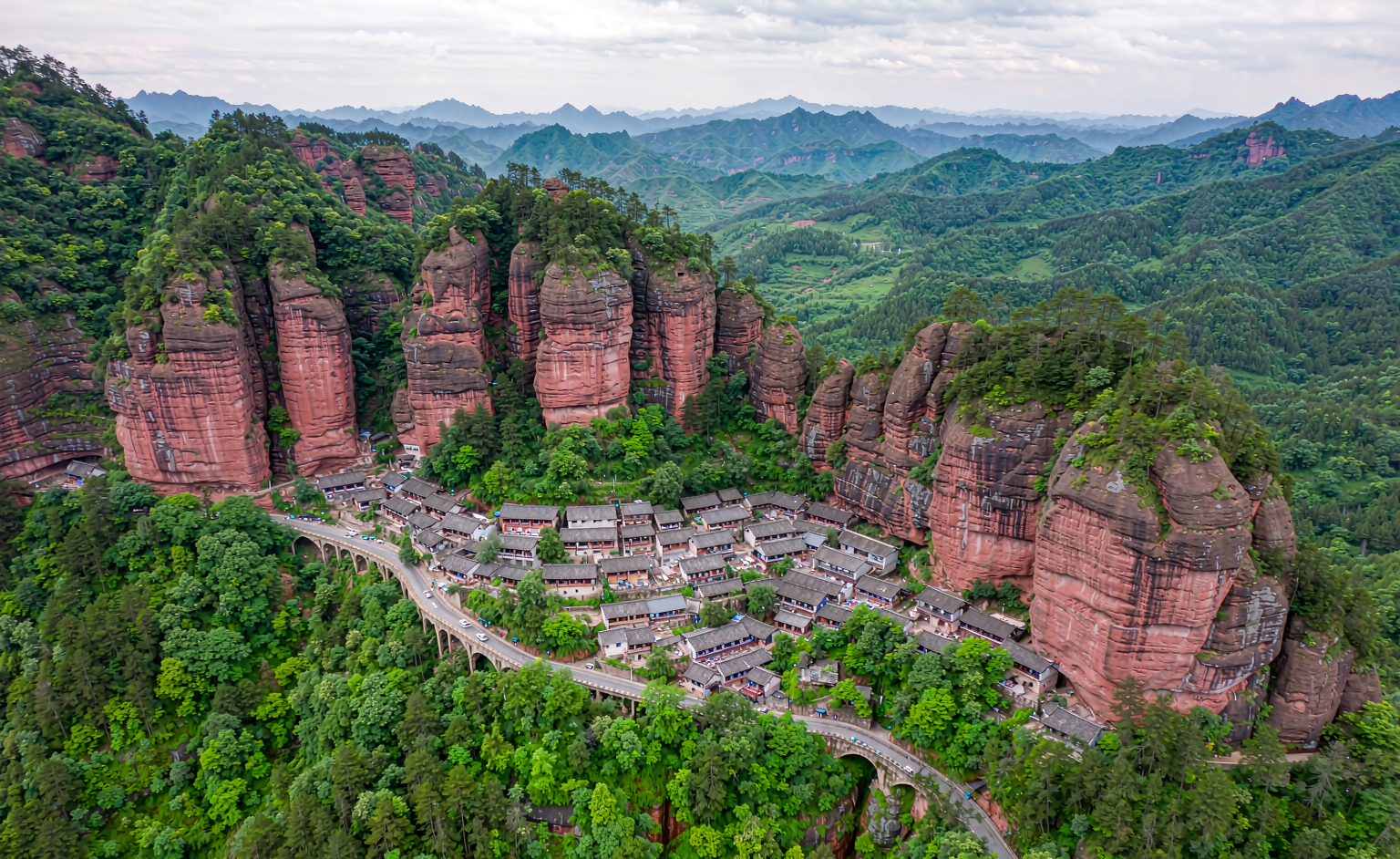
Luoyang 4-Day Wanxianshan, Guoliang Village and Red Flag Canal Tour
Four days north of Luoyang into the Taihang Mountains. Red rock cliffs with autumn yellow above them, a road cut into the cliff face by hand, and a canal that took a decade to carve along the same mountain.
Luoyang 4-Day Dengfeng Shaolin Autumn Foliage Tour
Four days from Luoyang into the Dengfeng hills, timed for the autumn colour. Ta Lin and the main monastery in one stretch, the kung fu show on a schedule you can plan around, and a final day for two old courtyards.