
Chengdu 7-Day Tour: Scenic Area & Scenic Area
Chengdu 7-day tour covering Scenic Area and Scenic Area and Scenic Area. Sightseeing tickets and shuttle bus included.
Highlights
Day 1: Jiuzhaigou
Assemble in the morning and set off for Jiuzhaigou. Follow the guide along the main route to explore all the highlights, allowing plenty of time for photos and rest. At noon, enjoy a local specialty meal, then continue the tour in the afternoon. In the evening, check into the hotel to rest and recharge for the next day's itinerary.
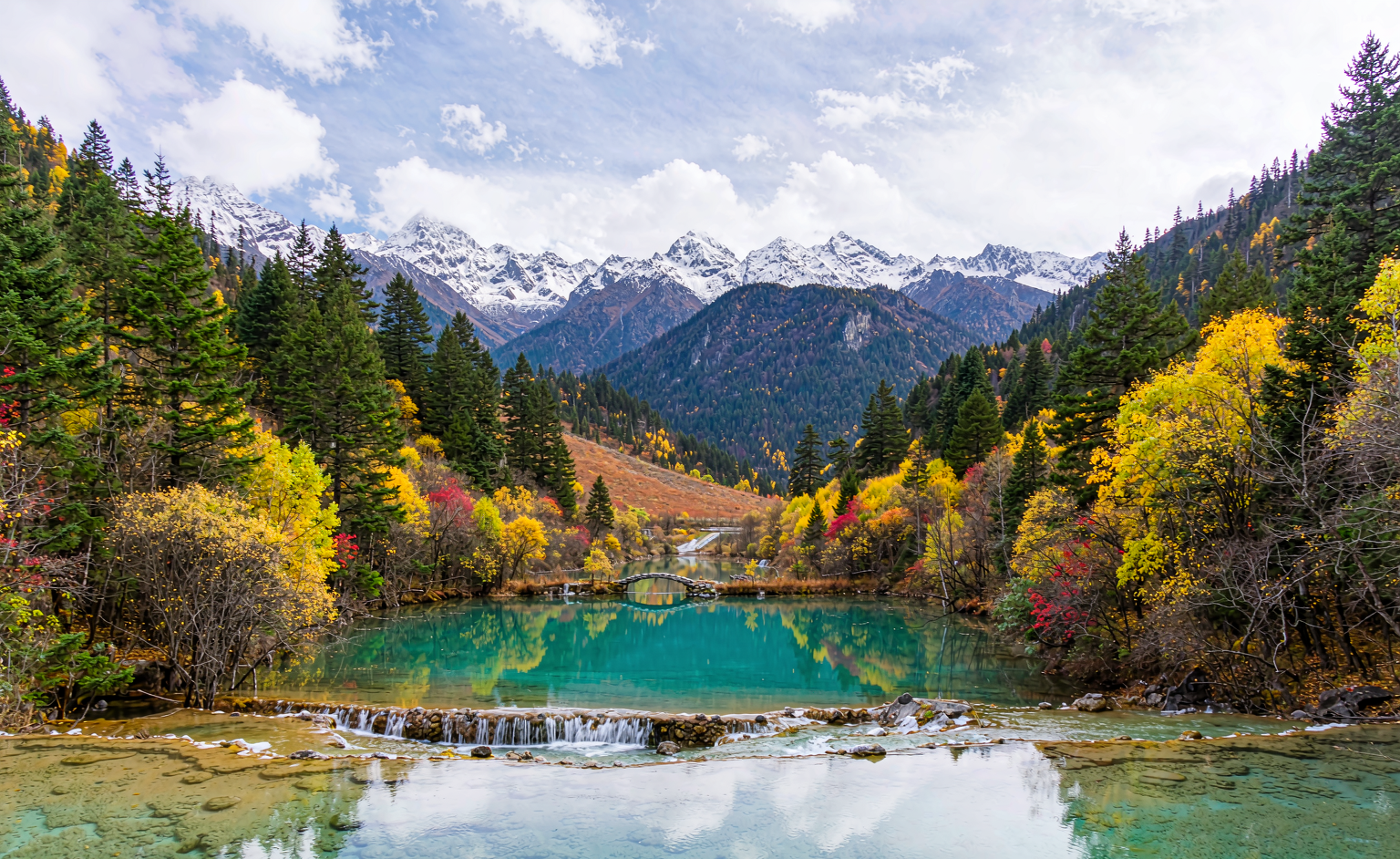
Scenic Spot Introduction: This stop is Jiuzhaigou. Jiuzhaigou is located in Aba, Sichuan, and is famous for its five wonders: 'emerald lakes, cascading waterfalls, colorful forests, snow-capped peaks, and Tibetan customs.' The water appears in a magical mix of blue and green due to calcium deposits. Nuorilang Waterfall, Five Flower Lake, and Chang Lake each have their own unique charm, and the area is praised as a 'fairyland on earth' and a 'fairy tale world.' In autumn, Jiuzhaigou features forests in full color and clear lakes, making it the most beautiful season of the year, and it is also a World Natural Heritage site. In my opinion, trying to see the whole valley in one day is rushed. It is recommended to prioritize the core spots: Five Flower Lake, Pearl Beach, and Nuorilang Waterfall. In high-altitude areas, pay attention to sun protection and keeping warm, and slow down—don’t let altitude sickness spoil the fun.
Friendly Tips: The canyon trails are close to water and cliffs. Do not climb over railings or play in dangerous areas, and keep an eye on children. Visitors generally report that the colorful lake areas are considered a paradise on earth, suitable to visit in all seasons. Be reminded that the scenic area involves a lot of walking, so take it slow at high altitude. In practice, when taking photos, don’t just focus on getting the shot; pay attention to your footing and surroundings, and make sure to hold on and stand steadily at viewing platforms and trail edges.
Day 2: Mount Emei
Set off early from the hotel directly to Mount Emei. First, listen to the tour guide's explanation of the background and highlights, then enjoy a leisurely walk and take photos at spots of interest. After lunch, take a short rest, and return to the hotel in the evening to conserve energy for the next day.
Attraction Introduction: This stop is Mount Emei, one of the four famous Buddhist mountains and the site of Samantabhadra's practice. The Golden Summit shines brilliantly amidst the sea of clouds, and monkeys wander in the forest. You can take the cable car to the top to watch the sunrise and sea of clouds; halfway up, the Qingyin Pavilion and the ecological monkey area are suitable for leisurely visits. My understanding is that the sunrise and sea of clouds on the mountain are unpredictable, so focusing on the journey itself often brings unexpected joy.
Tips: The mountain paths are often slippery, especially downhill, so shift your center of gravity backward and slow your steps; knee protectors are recommended. Tourists generally say that the Golden Summit, Samantabhadra statue, and the monkeys are popular, while the cloud sea and Buddha's light are rare. Watch out for monkeys grabbing food and keep your bags secure. Considering the actual situation, for good photos, go early or late—the morning has few people and soft light, and the evening golden glow is ideal; at noon, the light is harsh and the area is crowded, so resting then is more worthwhile.
Day 3: Leshan Giant Buddha
Today, the theme is Leshan Giant Buddha. Avoid peak crowds by visiting the park during off-peak hours and follow the recommended routes for an in-depth tour. Have a local flavored meal nearby at noon, enjoy free activities in the afternoon or join the guide for extra sightseeing, and check into a hotel in the evening to rest.
Attraction introduction: One highlight arranged in the itinerary is Leshan Giant Buddha. Leshan Giant Buddha is located at the confluence of the Minjiang, Qingyi River, and Dadu River, carved into the cliff, with a height of over seventy meters, and is the largest stone-carved seated Buddha in the world. You can take a boat to view its full appearance from a distance, or walk along the Nine-Bend Plank Road to see the Buddha’s feet up close, enjoying the grandeur of the three rivers together with the Buddha. My understanding is that the mountaintop is windy with significant temperature differences, so a windbreaker and a thermos are essential; don't freeze yourself by dressing too lightly.
Friendly tips: The mountain paths have many steps and steep slopes, so be sure to wear non-slip sports shoes. Those with mobility issues are advised to take the cable car. Tourists generally feedback that most visitors think Leshan Giant Buddha is worth a special trip. It is recommended to slow down, follow the guide for explanations, and give time to the details that move you most and the best photo spots. Based on actual conditions, the biggest concern on long trips is dehydration, so carry a water bottle and drink small amounts frequently. On the first night in the plateau or mountainous areas, avoid washing your hair or bathing for too long, giving your body some time to adapt.
Day 4: Dujiangyan
Assemble in the morning and depart for Dujiangyan, follow the guide along the main route, visit all the essential spots one by one, and leave ample time for taking photos and resting; enjoy a local specialty lunch at noon, continue exploring in the afternoon, and check in to the hotel by evening to recharge for the next day's itinerary.
Attraction Introduction: Today's itinerary includes Dujiangyan attractions. Dujiangyan is a water project carried out by the father and son duo Li Bing during the Warring States period. The Yuzui, Feisha Weir, and Baopingkou still irrigate the Chengdu Plain today, and it is considered a 'living heritage.' You can visit the Erlang Temple and walk across the Anlan Suspension Bridge to understand the ancient wisdom of adapting to water. My understanding is that when exploring an ancient city, don't just check in at landmarks; venture into the backstreets to taste local flavors, which is how you truly experience the life of the city.
Tips: Popular ancient city landmarks are crowded during holidays, so try to visit during off-peak times or book tickets in advance. Visitors generally comment that the two-thousand-year-old water engineering is awe-inspiring, even more shocking than expected. It is also worth noting that you can combine this with a visit to Mount Qingcheng on the same day, primarily by walking. Based on actual conditions, be time-conscious: arrive at the assembly point five to ten minutes early. It's better for people to wait for the vehicle than the vehicle to wait for someone, so don’t make everyone wait for you.
Day 5: Huanglong
Set off early from the hotel straight to Huanglong. First, listen to the tour guide explain the background and highlights, then walk leisurely on your own and take extra photos based on your interests. After lunch, take a short rest, then return to the hotel in the evening to conserve energy for the next day.
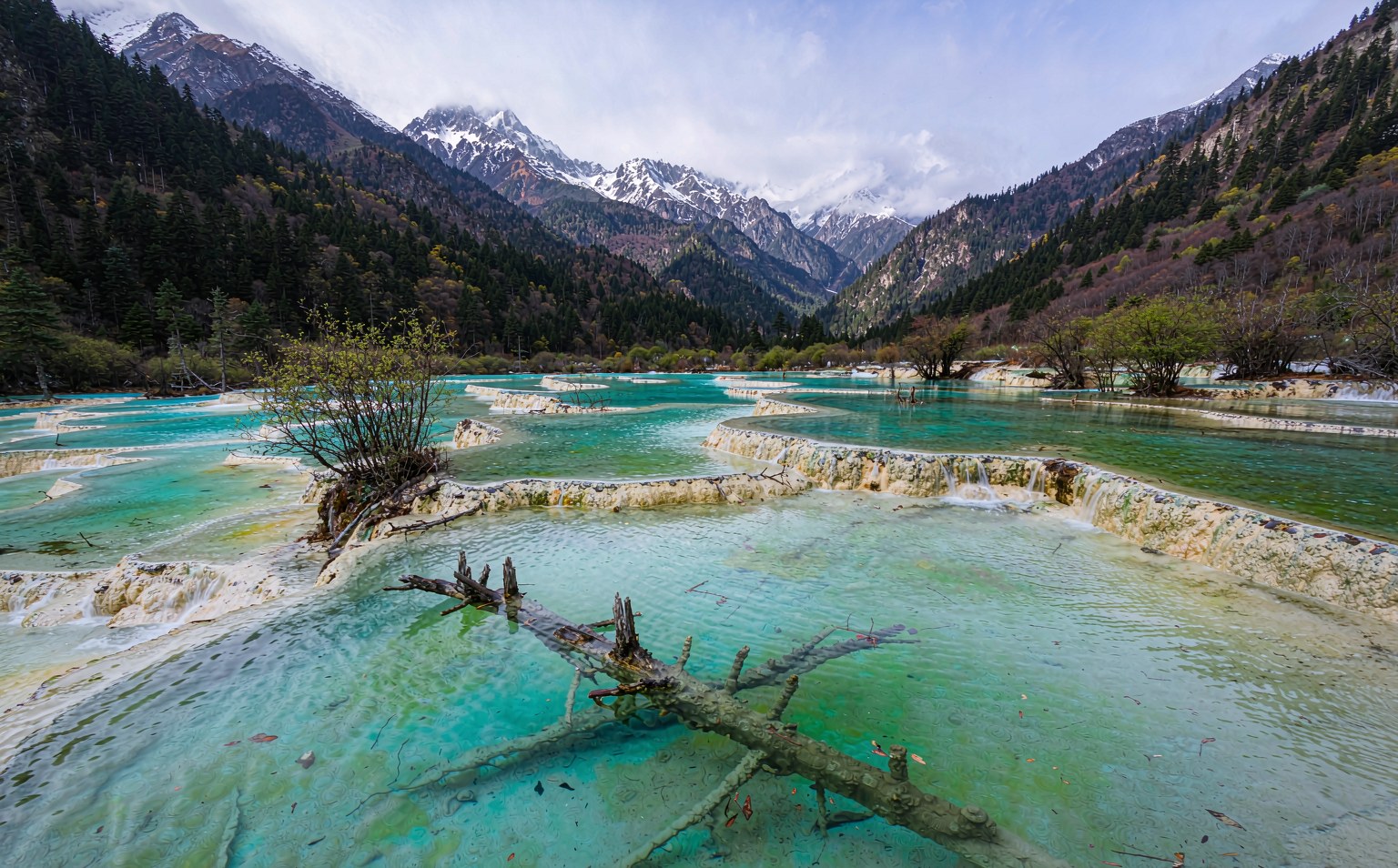
Attraction Introduction: This stop brings us to Huanglong, located in Aba, Sichuan, not far from Jiuzhaigou. It is famous for its huge scale and intricate travertine pools, such as the Five-Color Pond, Zhenyan Pond, and Golden Sand Ground, with layers of multicolored landscapes. Known as the 'Jade Pool on Earth,' it is also a World Natural Heritage site. The altitude here is relatively high, so proceed according to your physical condition. My understanding is that Huanglong has high altitude and involves extensive walking; it is recommended to take the cable car up and hike down. Do not underestimate altitude sickness—prepare oxygen and slow your pace.
Tips: The mountain paths are often slippery, especially downhill, so shift your center of gravity back and slow your steps; knee pads can be prepared. Visitors commonly report that the calcified ponds resemble terraced fairyland, and say that walking at high altitude is exhausting. Remember to bring oxygen and go at your own pace. Based on the actual situation, when taking photos, don’t focus solely on pictures; pay attention to your footing and the surrounding environment. Always stand firmly and hold on at viewpoints and boardwalk edges.
Day 6: Free time
Today's deep tour: After taking the cable car up the mountain, focus on the Golden Summit, the Ten-Mile Painted Screen, and the Glass Viewing Platform, and follow the guide to learn about Taoist culture and the geology of the Funiu Mountains; in the afternoon, descend the mountain and rest to recharge for the next day.
Attraction introduction: This stop is Wuhua Lake. Wuhua Lake is a stop on this route worth making a special visit, attracting travelers from afar with its unique natural and cultural qualities. It is recommended to slow down, follow the guide for the explanations, and save time for the details that move you the most and the best photo spots. My understanding is that when playing with water, you must pay attention to tides and waves, act within your limits, and always prioritize safety over excitement.
Friendly reminder: The UV rays by the sea are very strong, so don’t forget sunscreen, a sun hat, and sunglasses, and reapply in time. Tourists generally feedback that most believe Wuhua Lake is worth a special visit. It is recommended to slow down, follow the guide for explanations, and save time for the details that move you the most and the best photo spots. Depending on actual conditions, the best times to take photos are early morning or late afternoon — mornings have fewer people and soft light, dusk has golden glow, and around noon the light is harsh and crowded, so it’s better to rest then.
Day 7: Departure
Transfer to the station/airport per your departure, ending a pleasant journey.
Friendly tips: Pack the night before and keep ID, power bank and souvenirs together; allow extra time for the station/airport; bring your ID and stay with your guide, noting the meeting time and place. Traveler feedback — Return-day travelers remind: pack ID and souvenirs the night before; allow extra time. Practical note — Return-day tip: pack ID, power bank and souvenirs the night before; allow extra time—mountain roads are unpredictable.
Related Tours
Luoyang Departure: Jiuzhaigou, Huanglong and Songpan, 6 Days 5 Nights of Autumn Colour
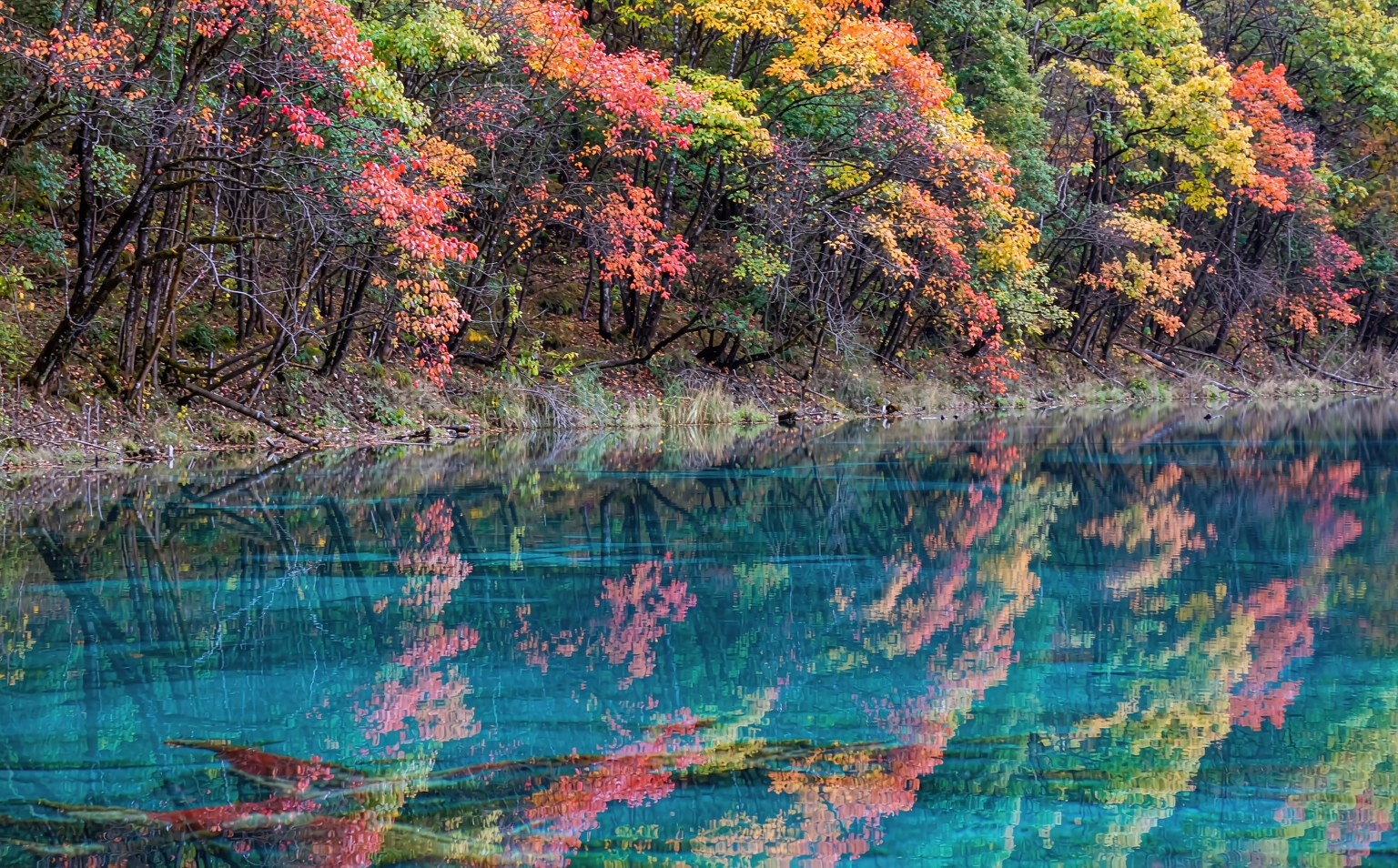
Six days from Luoyang. The autumn foliage lasts about three weeks, so the dates are pinned to late October. One full day covers all three valleys of Jiuzhaigou, half a day goes to the Huanglong terraces, and one night is spent inside the old walls of Songpan.
Luoyang 7-Day Jiuzhaigou, Huanglong and Dujiangyan Tour
Seven days from Luoyang, timed for the last fortnight of the autumn colour at Jiuzhaigou. The water at Five Flower Lake runs from pale yellow through to deep blue, the travertine pools at Huanglong step up the valley, and the trip ends at a two-thousand-year-old waterworks still running.
Chengdu 6-Day Tour: Scenic Area & Scenic Area
Chengdu 6-day tour covering Scenic Area and Scenic Area and Scenic Area. Sightseeing tickets and shuttle bus included.
Luoyang 4-Day Tour: Scenic Area & Scenic Area
Luoyang 4-day tour covering Scenic Area and Scenic Area and Scenic Area. Sightseeing tickets and shuttle bus included.