
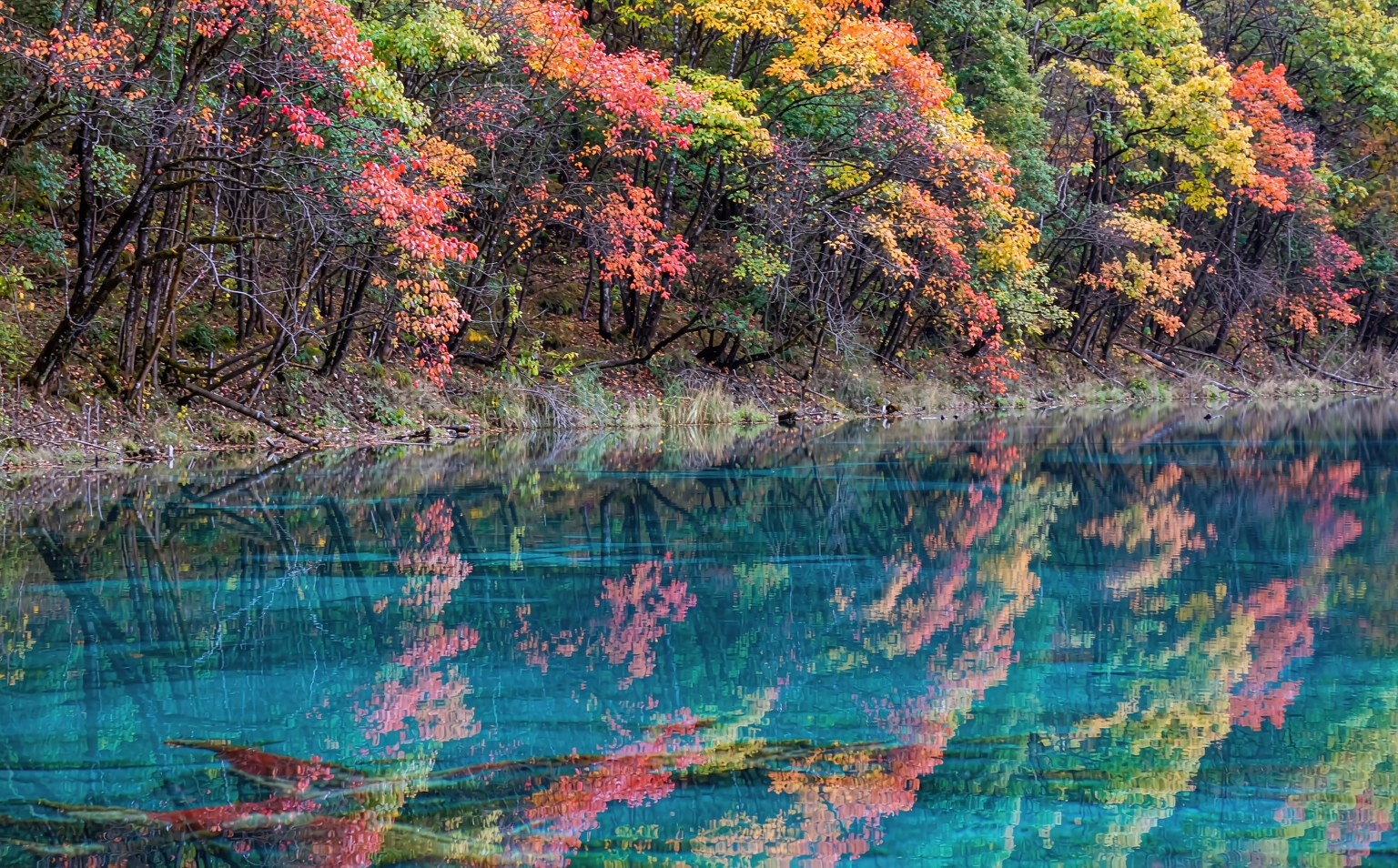
Luoyang Departure: Jiuzhaigou, Huanglong and Songpan, 6 Days 5 Nights of Autumn Colour
Six days from Luoyang. The autumn foliage lasts about three weeks, so the dates are pinned to late October. One full day covers all three valleys of Jiuzhaigou, half a day goes to the Huanglong terraces, and one night is spent inside the old walls of Songpan.
Highlights
Day 1: Luoyang to Chengdu, a travel day only
We board at Luoyang Longmen in the morning, change at Zhengzhou East onto a train heading into Sichuan, and reach Chengdu East by evening. Bags go to the hotel first; no sights tonight. If you still have energy, walk Jinli and eat a bowl of sweet water noodles, or find a small place for maocai. The west of Sichuan needs reserves, so day one is only about getting there.
Attraction introduction: Chengdu functions here as a hinge rather than a destination. West of the city the land climbs onto the Sichuan plateau, north of it stands the Qinling range. Jiuzhaigou, tomorrow's target, sits deep in the Minshan mountains at over two thousand metres, and this night in the basin is what makes the jump manageable.
Tips: Food on the high-speed train is plain, so buy something before boarding in Luoyang. Guests generally find the evening rush from Chengdu East into the city slower than expected, and that keeping the first night free is the right call. In practice we sleep early; tomorrow's departure is in the morning either way.
Day 2: Into the mountains, sleeping at the valley mouth
An early start from Chengdu. By air it is forty minutes into Jiuhuang airport and another ninety minutes by road to the valley mouth; overland means crossing the Minshan and a full day in the vehicle. We reach Zhangzha in the afternoon and do not rush into the park, walking a stretch of the Baishui river instead and looking at the Tibetan houses with prayer flags on the roofs.
Attraction introduction: Jiuhuang airport sits on a plateau terrace near Chuanzhusi and ranks among the highest civil airports in the country. Zhangzha township is the mouth of the valley, where every hotel and kitchen is, because the park enforces a rule that visitors sleep outside and only travel inside, which is one reason the water stays clear.
Tips: Climbing from five hundred metres to over three thousand makes your head feel tight, and that is normal. Guests generally find that skipping the bath and walking slowly on the first night settles everything by morning. In practice we leave the window slightly open and pile on the quilts.
Day 3: A full day in Jiuzhaigou, all three valleys
We enter at eight. The shuttle takes everyone first to Long Lake at the head of the Zechawa valley, then works back stop by stop. Long Lake is the largest and deepest of the lakes and reads dark blue; below it the Five Colour Pool is tiny and the most saturated. Lunch at the Nuorilang visitor centre, then the Rize valley in the afternoon: Five Flower Lake, Pearl Shoal, Mirror Lake, and out through Shuzheng. The foliage is in this stretch, red birch and rowan and maple mixed together.
Attraction introduction: The Rize valley holds the finest scenery in the park. Five Flower Lake has travertine and sunken logs on its bed, and in sunlight one sheet of water shows blue, green and yellow at once. Pearl Shoal spills over a travertine ramp and breaks into a sheet of droplets, and directly below it Nuorilang, the widest waterfall in the valley, drops into the gorge.
Tips: Between two and three thousand metres, walking fast leaves you short of breath. Guests generally find Five Flower Lake looks entirely different with the sun ahead in the morning and behind in the afternoon. In practice we time it for around three, when the light comes in at an angle and the colour is clearest.
Day 4: Over Gonggangling to Huanglong and Songpan
We leave Zhangzha in the morning and cross Gonggangling pass to Huanglong. The valley is a travertine trench with pools ranked one above another up the floor; the topmost Five Colour Pool needs a climb on boardwalk, and at this altitude twenty steps then a pause is the rhythm. In the afternoon we head for Songpan, passing Chuanzhusi, and walk the town wall before dinner.
Attraction introduction: The Huanglong terraces are calcium carbonate laid down by flowing water. Each rim is a low dam, and together they hold several hundred pools of different sizes, shading from pale yellow to jade. Songpan was called Songzhou in Tang times and served as a node on the tea horse road; the wall and gateways still show the old form.
Tips: Above three thousand metres, hurrying brings on dizziness. Guests generally find the cable car up and a walk down far less tiring than doing the whole valley on foot. In practice the cable car is not in the tour price, so tell us early and we buy the tickets together.
Day 5: Songpan, then back to Chengdu
The morning belongs to Songpan. Some of the wall bricks have worn round, and the gate tunnels are dark enough that your eyes need a moment. A mosque and a Chinese temple face each other across the street. After lunch we drive national road 213 back to Chengdu, passing Maoxian, and arrive in the evening.
Attraction introduction: Songpan is the gateway to northwest Sichuan, with the Zoige grasslands to the north and the Min river gorge to the south. The old town is small: one main street runs from the south gate to the north, shopfronts of timber on both sides. Hui, Han and Tibetan families have lived here for centuries, and the food shows it, butter tea alongside a baked guokui.
Tips: The road home is winding, so take motion sickness tablets beforehand. Guests generally find fog settles over the Maoxian stretch in the afternoon and the driver slows accordingly. In practice we leave at midday and are inside Chengdu before dark.
Day 6: A Chengdu morning, then home
Half a day in Chengdu. Sit in Heming teahouse in People's Park with a lidded cup, watch locals play cards and have their ears cleaned. Lunch, then Chengdu East for the train back to Luoyang, arriving at night. Left luggage can stay at the hotel until you leave.
Attraction introduction: Teahouse culture is the base note of this city. Heming sits inside People's Park with bamboo chairs, low tables and lidded cups, and after a hundred years it still looks the same. A whole morning there teaches you more about Chengdu than three sights would.
Tips: Book the return train early; weekend seats go quickly. Guests generally find the queue at Chengdu East longer than they expect. In practice we arrive an hour ahead and do not hurry.
Related Tours
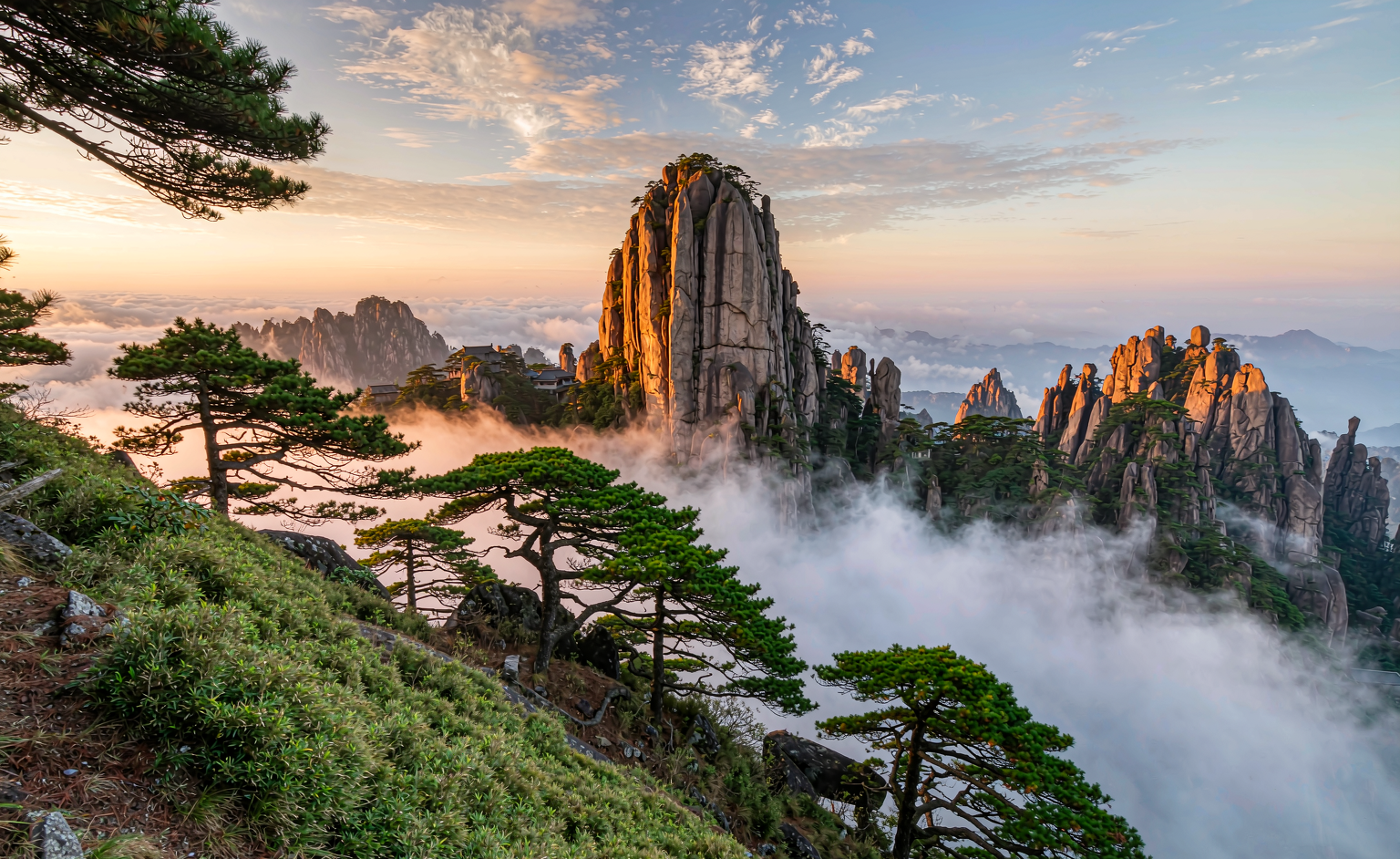
Luoyang Departure: Huangshan, West Sea Canyon, Hongcun and Tachuan, 5 Days 4 Nights
Five days from Luoyang. Two days on Huangshan with a night on the summit for sunrise, then down into Yixian: a night inside Hongcun, and Tachuan, whose tallow trees turn in mid November and hold their colour for barely three weeks.
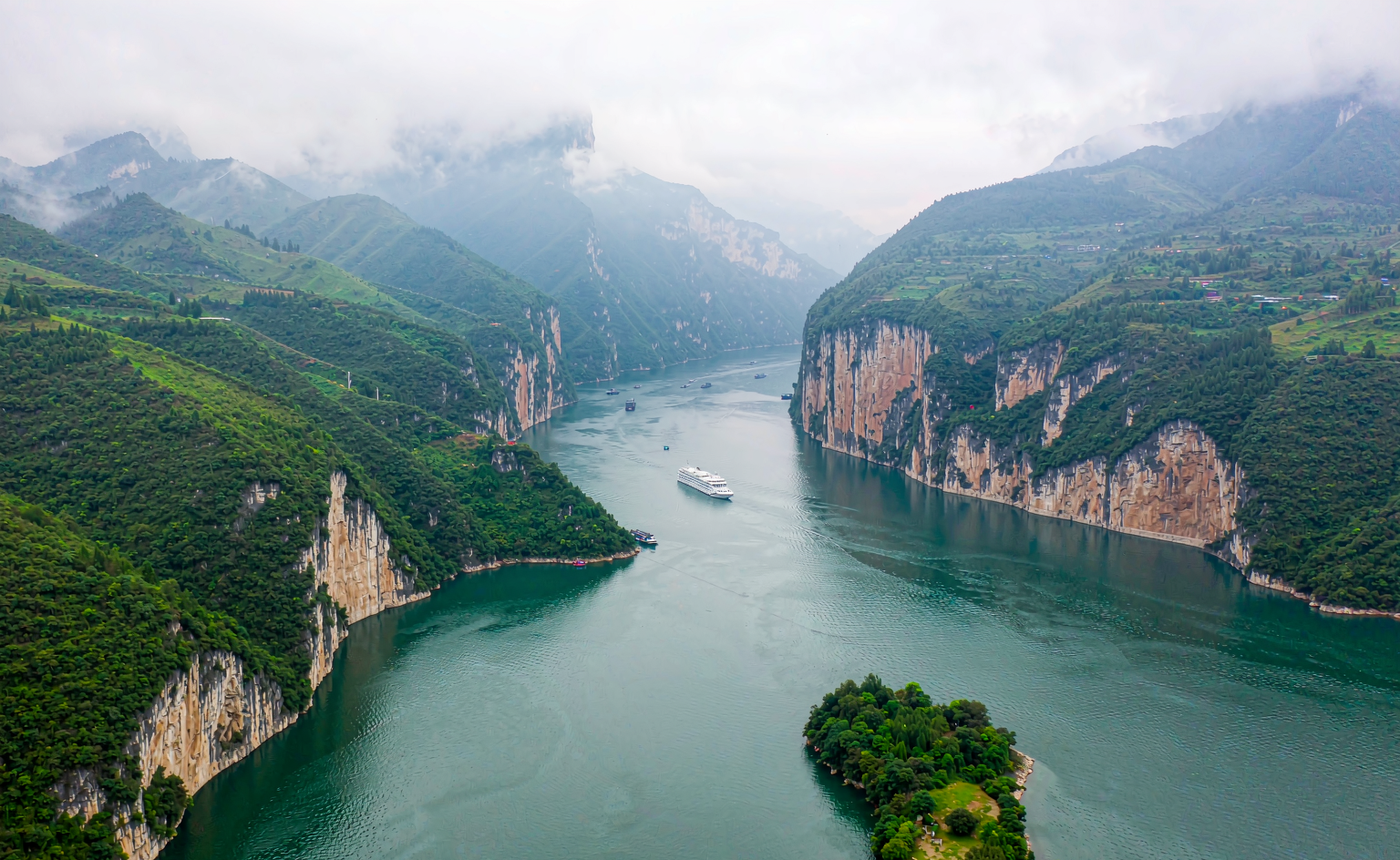
Luoyang Departure: Three Gorges, Wu Gorge and Baidi City, 5 Days 4 Nights
Five days from Luoyang. Board at Yichang and travel upstream, taking Xiling, Wu and Qutang gorges one after another. Three nights on the water, with a morning ashore at Baidi City and the river slapping the hull after dark.
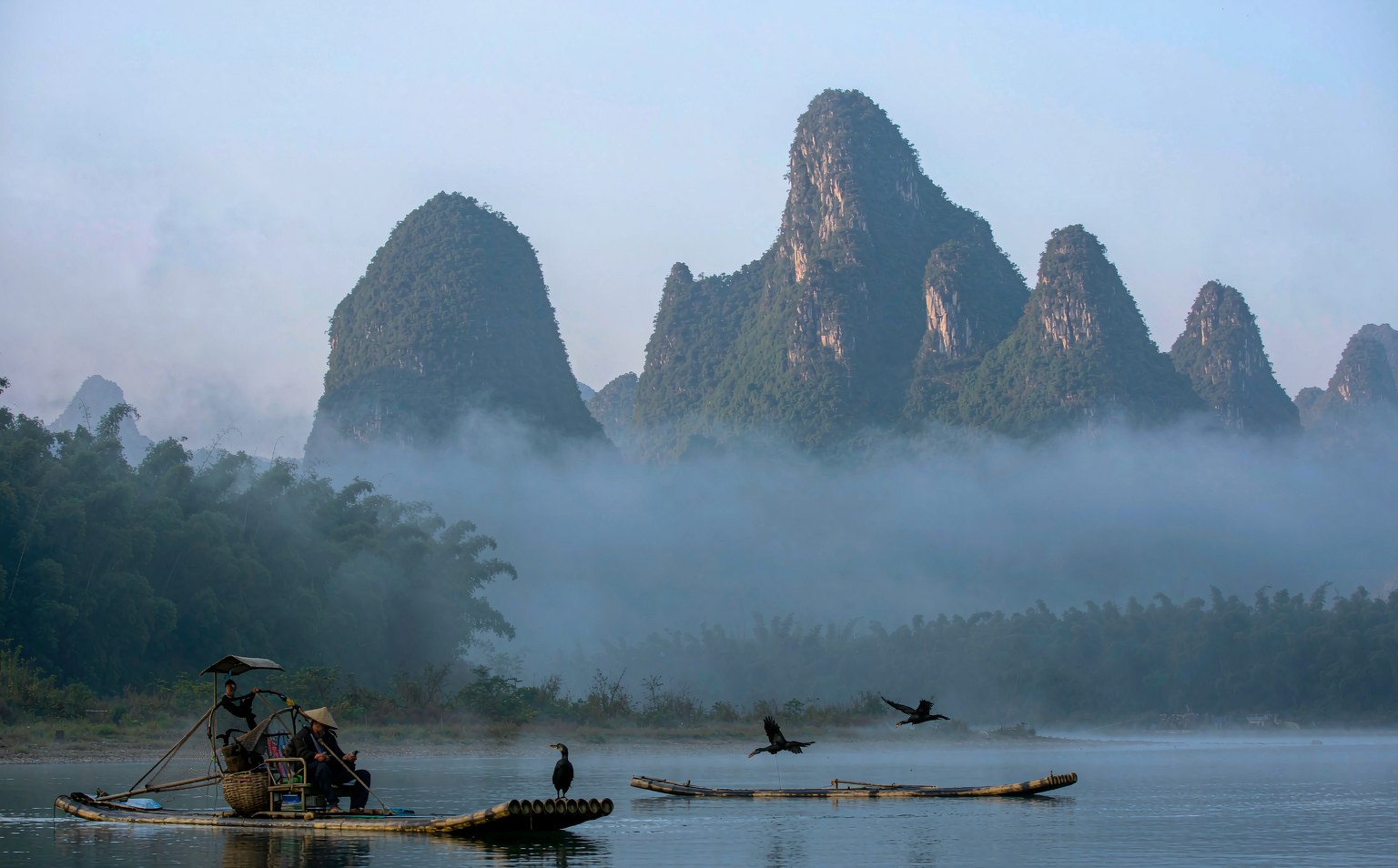
Luoyang Departure: Guilin, Li River and Longji Terraces, 5 Days 4 Nights of the Harvest
Five days from Luoyang. From late September to mid October the Longji rice turns from green to gold and the Li River carries morning mist. The terraces come first, then we run south, without doubling back.
Luoyang Departure: Zhangjiajie, Tianzi Mountain and Baofeng Lake, 5 Days 4 Nights
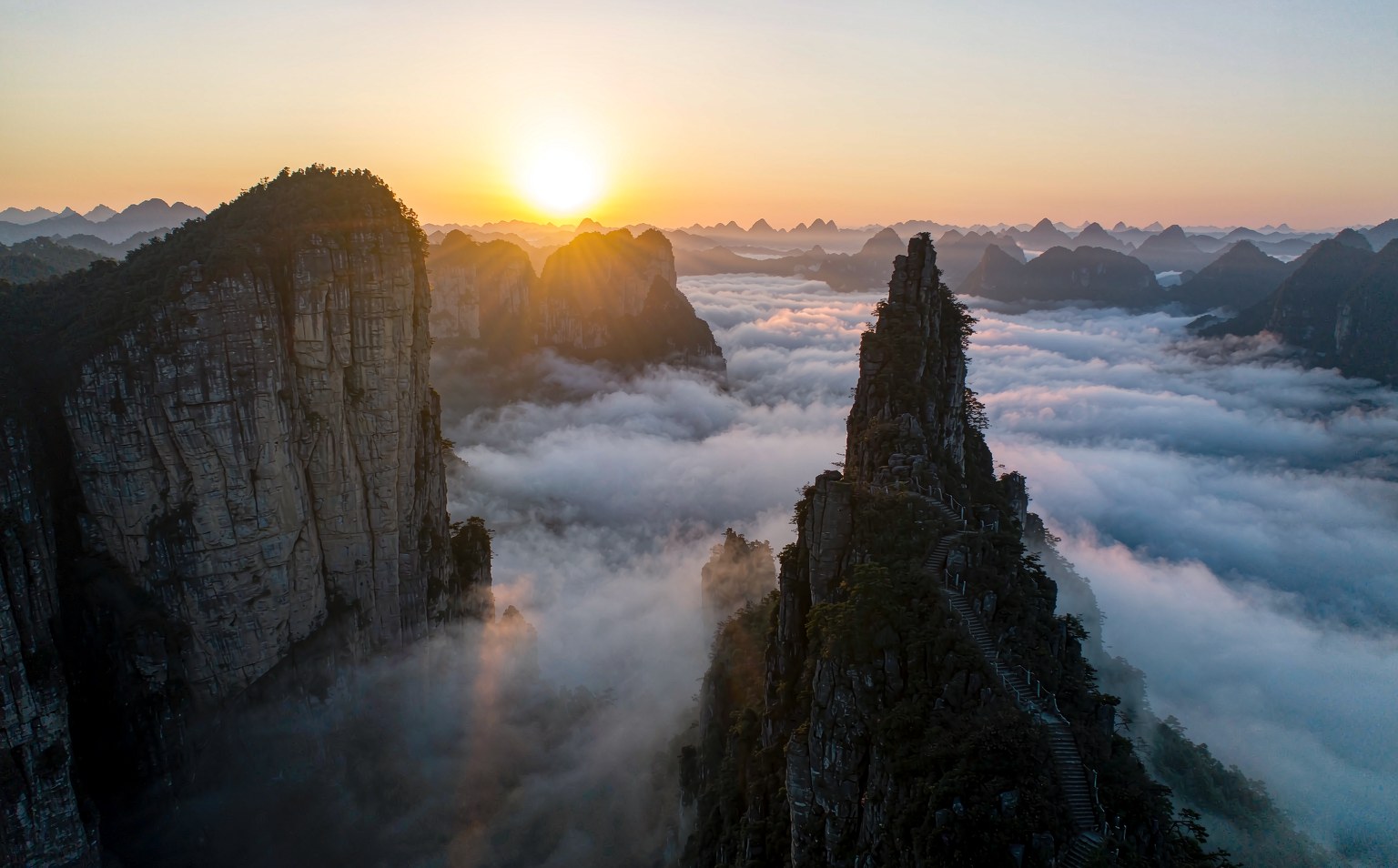
Five days from Luoyang. The sandstone pillars of Wulingyuan grow clouds best after rain clears, so the itinerary leans on a four-day ticket: Yuanjiajie, Tianzi Mountain and Golden Whip Stream each get their own day, and the last half day goes to the lake among the peaks.