
Luoyang 3-Day Tour: Wangcheng Park & Erlitou Site
Luoyang 3-day tour covering Wangcheng Park and Erlitou Site and White Horse Temple. Sightseeing tickets and shuttle bus included.
Highlights
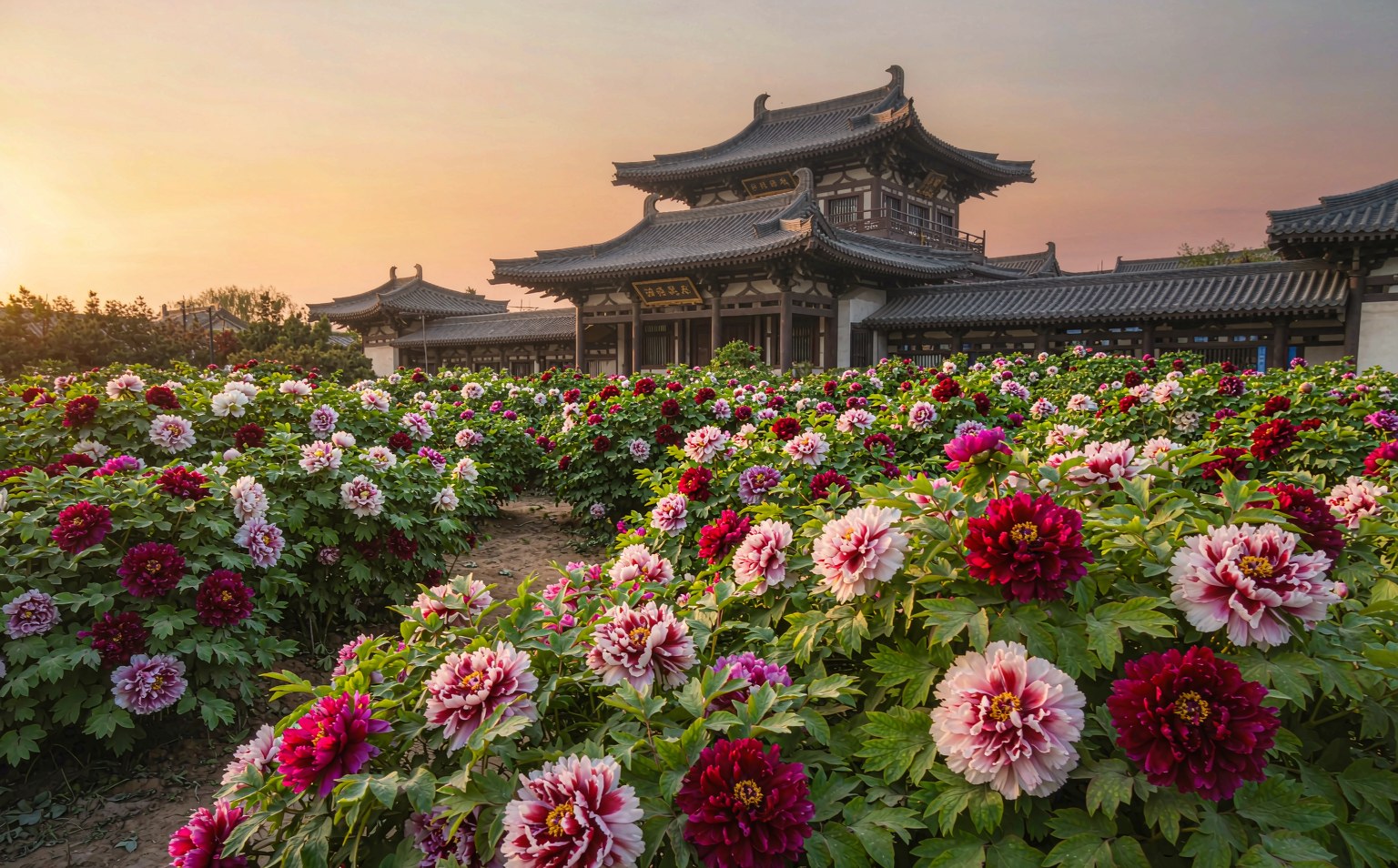
Day 1: Wangcheng Park
Set off early from the hotel straight to Wangcheng Park. First, listen to the guide's introduction about its background and highlights, then enjoy a leisurely walk freely and take extra photos at spots of interest; after lunch, take a short rest, and return to the hotel in the evening to conserve energy for the next day.
Scenic Spot Introduction: This stop is Wangcheng Park, located in Luoyang. It is one of the main venues for past Peony Cultural Festivals. In April, you can admire famous peonies such as Yao Huang and Wei Zi in the garden; the park also has the ruins of Zhou Wangcheng and a zoo, making it a classic leisure destination for locals and a popular check-in spot in Luoyang, the Flower City.
Warm Tips: There is a lot of walking throughout the trip, so it is recommended to wear comfortable sneakers and bring a light jacket according to the weather; be sure to carry valid identification such as an ID card, follow the guide at all times, and remember the meeting times and places. Most tourists believe that Wangcheng Park is worth a special visit. It is recommended to slow down, listen to the guide's introduction, and leave time for the details that touch you most and the best photo spots. Considering the actual situation, Wangcheng Park is a long-established place to admire peonies in Luoyang. The peony bloom period is around April, which can also be planned for flower viewing.
Day 2: Erlitou
Today, with Erlitou as the theme, avoid peak crowds by entering the park during off-peak hours, and follow the recommended route for an in-depth visit. Have lunch nearby to enjoy local flavors, and in the afternoon, either engage in free activities or follow the guide for additional tours. In the evening, return to the hotel to rest.
Attraction Introduction: One highlight arranged in the itinerary is Erlitou. The Erlitou ruins are acclaimed as the 'earliest China,' a city from the mid-to-late Xia dynasty. Excavated artifacts include turquoise dragon-shaped items and bronze jues, revealing the appearance of the first royal capital of the Huaxia civilization. The ruins' museum presents the site with an archaeological atmosphere, making it an essential stop for studying the origins of Chinese civilization.
Tips: The trip involves a lot of walking, so it is recommended to wear comfortable sneakers and bring a light jacket according to the weather. Be sure to carry your ID and other valid documents, follow the guide closely, and remember the meeting times and places. Most visitors believe that Erlitou is worth a special visit, so it is recommended to slow down, listen to the guide’s explanations, and leave time for the details that move you the most and the best photo spots. Based on the actual situation, the Erlitou Xia Capital ruins are famous as 'the earliest China,' with the museum mainly featuring artifacts and archaeological reconstructions, so it is advised to follow the guide's explanation.
Day 3: White Horse Temple
Morning sightseeing: Stroll along the central axis from the Mountain Gate and Heavenly King Hall to the Great Buddha Hall, then visit the Qiyun Tower Courtyard; at noon, try the local cuisine; in the afternoon, visit the Burmese and Indian-style Buddhist halls to experience the exotic charm of this thousand-year-old temple.
Attraction Introduction: Today's itinerary includes 0 attractions. The 0 attraction is located in 1 East City, built during the Eastern Han Dynasty, and is honored as 'China's First Ancient Temple.' It was the first official temple after Buddhism was introduced to the Central Plains. The Qiyun Tower, Burmese-style Buddhist hall, and Indian-style Buddhist hall each have distinctive exotic charm. Amid the red walls and green cypresses, one can quietly sense two thousand years of incense. Among them, the Heavenly King Hall, Great Buddha Hall, and Qiyun Tower Courtyard are the most worthwhile to examine in detail.
Tips: The tour involves a lot of walking, so it is recommended to wear comfortable sneakers and bring a light jacket according to the weather; be sure to carry your ID and other valid documents, follow the guide closely, and remember the assembly time and place. Visitors generally report that the exotic-style Buddhist halls (Thai/Burmese/Indian courtyards) are very photogenic and feel more spacious than expected; note that the international temple area requires long walking distances, so save some energy. Given the actual situation, the numerous halls inside the temple require shoes suitable for walking; respect religious customs, and refrain from making noise or taking photos inside the halls.
Related Tours
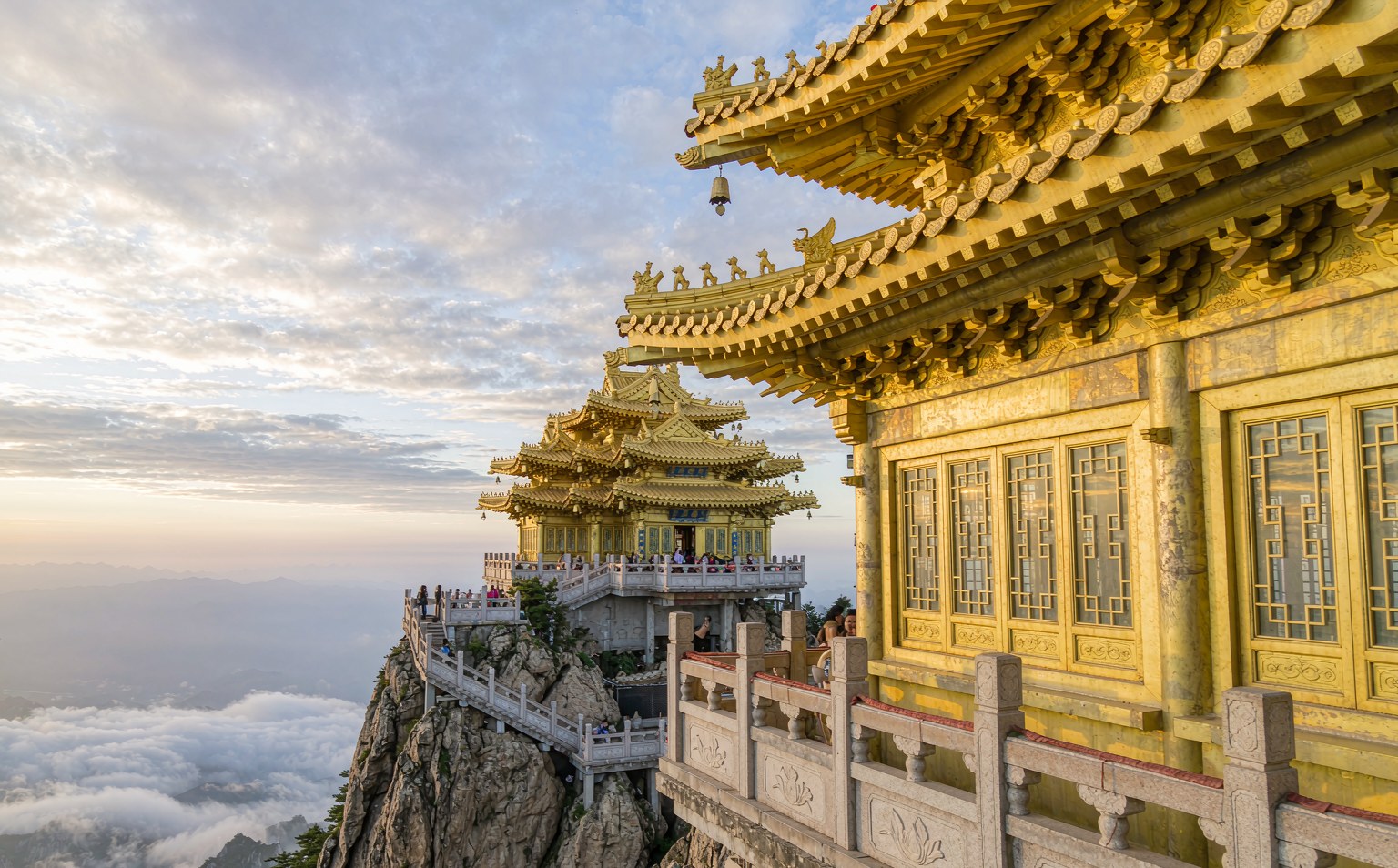
Luoyang to Laojunshan, Chongdugou, Jiguan Cave and Yangzigou 6 Days
Six days from Luoyang. The Laojunshan ticket stays valid for two days, so the golden summit comes first and a second climb chases the morning cloud sea. Jiguan Cave runs 1,800 metres at a constant 18 degrees, and Chongdugou still has green bamboo in November.
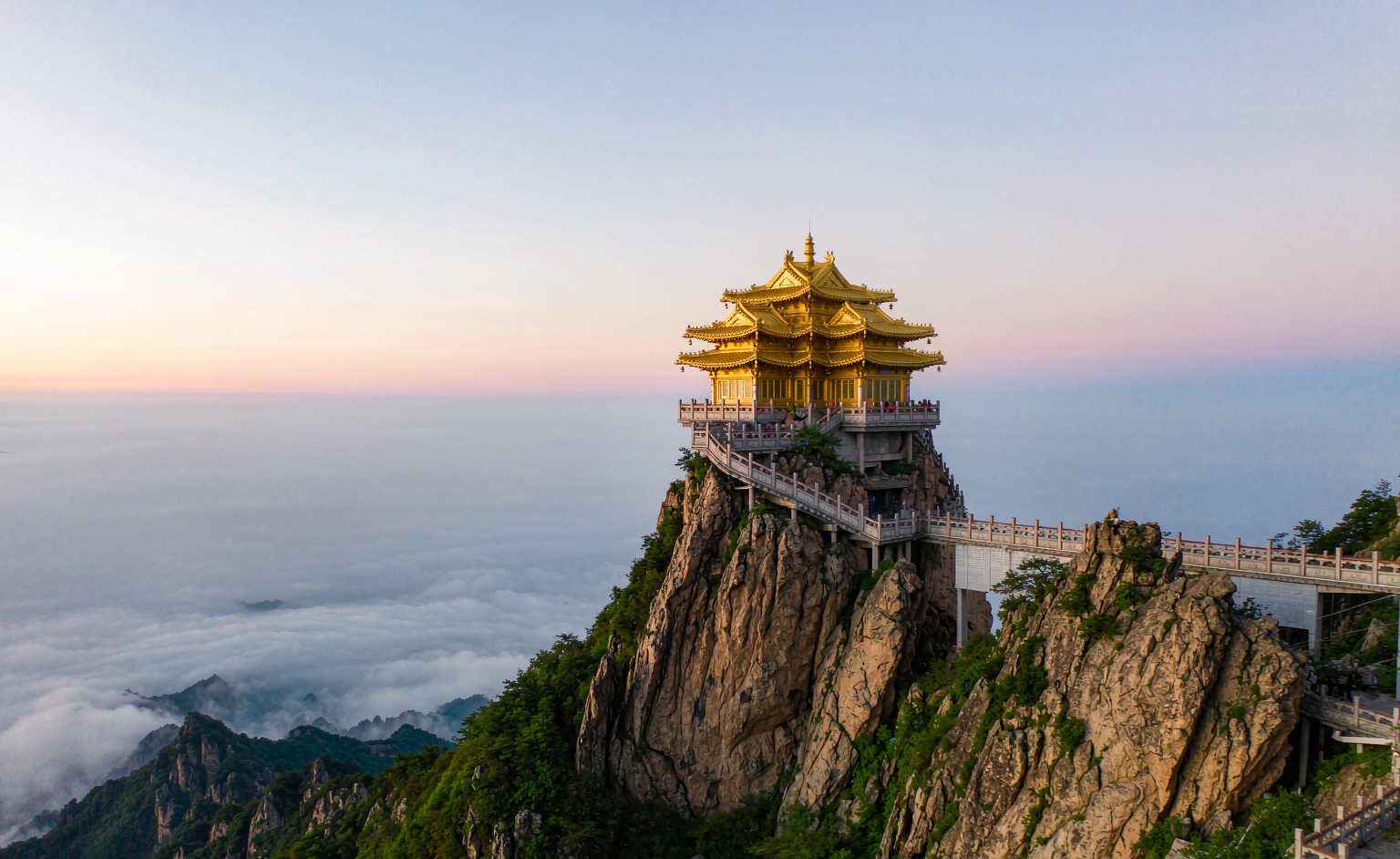
Luoyang Departure: Laojun Mountain, Jiguan Cave and Longtan Canyon, 5 Days 4 Nights
Five days from Luoyang. The Laojun Mountain ticket holds for two days, so the mountain is climbed twice: the painted rock forest first, then the summit to wait for the lamps. The second half runs west to Xinan, through a cave that stays at 18 degrees and a red gorge cut by water.
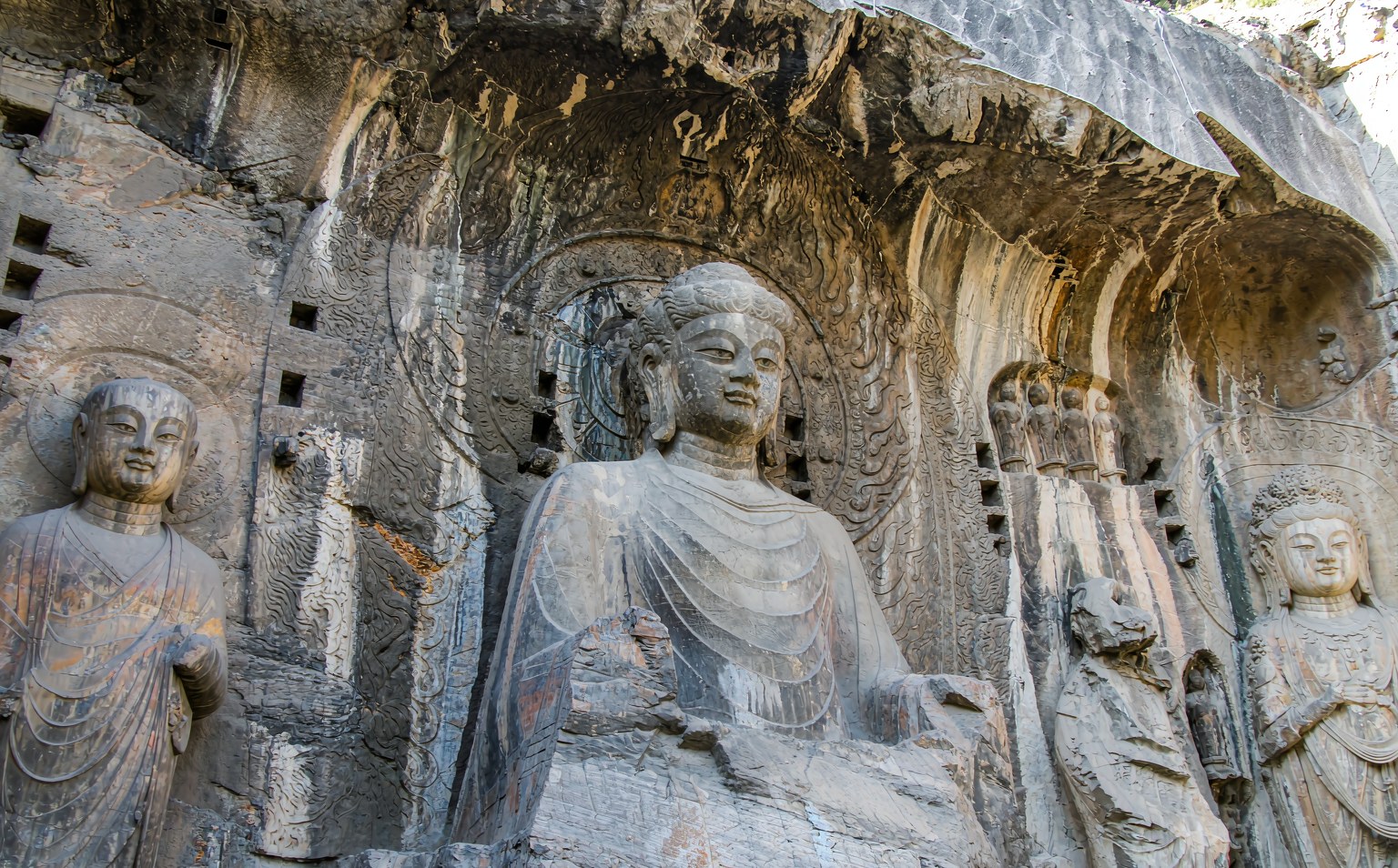
Luoyang Departure: Longmen Grottoes, White Horse Temple, Luoyang Museum and Erlitou, 3 Days 2 Nights
Three days from Luoyang, all of them about which layer of soil a thing came out of: Buddhas cut into a cliff at Longmen, a pagoda standing in a temple yard, a jade cup behind glass, and at Erlitou the rammed-earth footings of a palace that is four thousand years old.
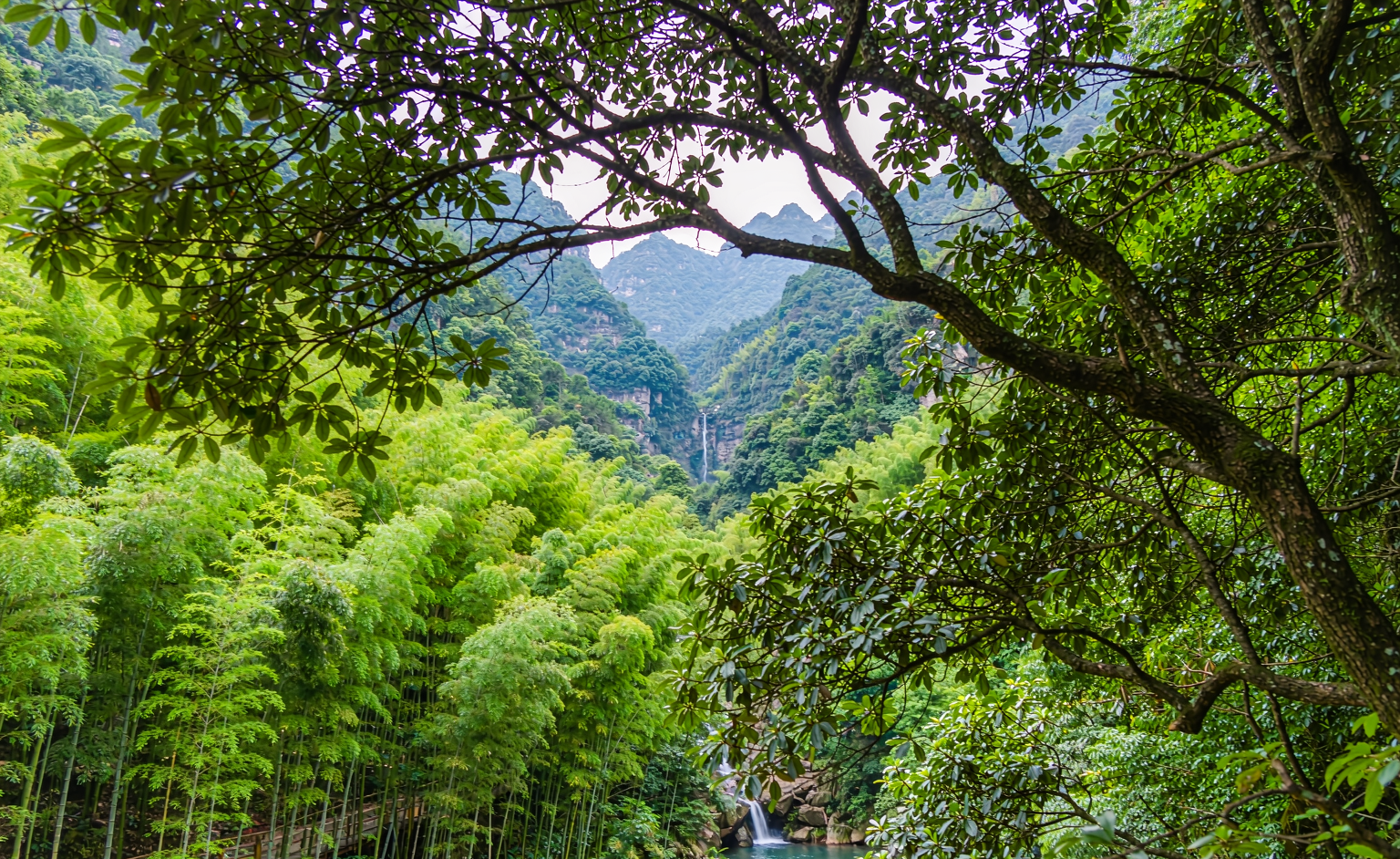
Luoyang Departure: Chongdugou Bamboo Valley and Jiguan Cave, 4 Days 3 Nights
Four slow days from Luoyang. In Chongdugou the two valleys are taken on separate days, one for waterfalls and one for bamboo, sleeping in a farmhouse inside the gorge; then Jiguan Cave, eighteen degrees all year round.