
Chengdu 5-Day Private Tour: Mount Emei & Leshan Giant Buddha
Chengdu 5-day private tour covering Mount Emei and Leshan Giant Buddha and Dujiangyan. Sightseeing tickets and shuttle bus included.
Highlights
Day 1: Mount Emei
Gather in the morning and depart for Mount Emei. Follow the tour guide along the main route, visiting all the key highlights, allowing plenty of time for photos and rest. Enjoy a local specialty lunch at noon, then continue exploring in the afternoon. Arrive at the hotel in the evening to rest and recharge for the next day. There is a large temperature difference on Mount Emei, and it is windy at the summit, so bring an extra jacket and don’t stay too long on the viewing platforms to stay warm.
Attraction introduction: This journey takes you to Mount Emei, one of the Four Sacred Buddhist Mountains and the site of Samantabhadra. The Golden Summit glows spectacularly above the sea of clouds, and monkeys can be seen in the forest. You can take the cable car to the top to watch the sunrise and sea of clouds. The Qingyin Pavilion halfway up the mountain and the ecological monkey area are both ideal for a leisurely visit, with the Golden Summit, Wannian Temple, and Qingyin Pavilion being the most worth seeing in detail.
Tips: The mountain roads are numerous, the temperature difference between day and night is large, and there are many steps. Remember to bring a jacket and wear non-slip shoes; be extra careful as rain and fog can make the paths slippery. Keep your identification documents with you, follow the guide closely, and pay attention to the gathering schedule. Tourists share that the Golden Summit and Samantabhadra are very popular, and they say the Buddha’s light over the sea of clouds is rare to see. Be aware of monkeys stealing food and keep an eye on your bags. Based on experience, the high altitude makes the summit cold, so prepare warm layers. Taking the cable car to the top saves effort, and both the Golden Summit and Wannian Temple have their own unique attractions.
Day 2: Leshan Giant Buddha
Set off early from the hotel straight to Leshan Giant Buddha, first listen to the guide's explanation of the background and highlights, then explore freely at a leisurely pace and take extra photos according to interests; after lunch, rest briefly and return to the hotel in the evening to recharge for the next day. Make sure to ask about the explanation sessions first, then plan your own route. The historical details of Leshan Giant Buddha are often hidden in the explanations.
Attraction introduction: A major highlight included in the itinerary is Leshan Giant Buddha. Leshan Giant Buddha is located in Leshan, Sichuan, carved during the Tang dynasty, taking about 90 years to complete. It stands 71 meters tall and is the largest stone-carved Maitreya sitting statue in the world. Together with Mount Emei, it is listed as a UNESCO World Cultural and Natural Heritage site. You can observe it by boat or along the plank road. Among them, the statue itself, the Nine-Bend Plank Road, and Lingyun Temple are the most worth a close look.
Tips: Mountain roads are abundant, the temperature difference between up and down the mountain is significant, and there are many steps. It is recommended to bring a jacket and wear non-slip shoes, and pay attention to your footing when the steps and plank roads are wet. Always carry your ID, stay close to the guide, and remember the meeting times and places. Tourists generally believe that Leshan Giant Buddha is worth spending enough time, and you shouldn’t miss listening to the guide or taking photos at your own pace. In practice, you can either take a boat to view Leshan Giant Buddha from a distance or walk along the Nine-Bend Plank Road to see the Buddha’s feet up close—choose one or do both; the plank road is narrow and steep, and queues are long during peak season.
Day 3: Dujiangyan
Today, with Dujiangyan as the theme, visit the park during off-peak hours to avoid crowds, following the recommended route for an in-depth tour; have a nearby local meal at noon, then enjoy free activities or join the guide for additional sightseeing in the afternoon, and return to the hotel in the evening to rest. It is recommended to first see the permanent exhibits or the main hall, then visit the special exhibition areas. The essence of Dujiangyan is concentrated, so don’t spread your attention too thin.
Attraction Introduction: The route takes Dujiangyan as an important stop. Dujiangyan is a water conservancy project led by the father-and-son team Li Bing during the Warring States period. The Fish Mouth, Feisha Dam, and Bao Bottle Mouth still irrigate the Chengdu Plain today, earning a reputation as 'a living heritage.' Visitors can also explore Erwang Temple and walk across the Anlan Suspension Bridge, appreciating the wisdom of ancient people in following the natural flow of water, with the Fish Mouth dividing embankment, Feisha Dam, and Bao Bottle Mouth being the highlights to examine closely.
Tips: The route involves a fair amount of walking, so wearing comfortable sports shoes is recommended, and carrying a light jacket is advised. Keep your documents with you, follow the guide closely during the tour, and remember the meeting arrangements. Frequent travelers may be impressed by the two-thousand-year-old water management wisdom, which is even more breathtaking than expected. It is suggested to combine this visit with Qingcheng Mountain on the same day, mainly walking. In practice, they are often visited together, complementing each other perfectly—the mountain and the water complementing one another. The area is rich in greenery and by the water, making it especially pleasant in summer.
Day 4: Mount Qingcheng
In the morning, gather and depart for Mount Qingcheng, following the guide along the main routes to visit all the key spots, allowing ample time for photos and rest; at noon, enjoy local specialty cuisine, then continue exploring in the afternoon. In the evening, check into the hotel to rest and recharge for the next day's itinerary. Mount Qingcheng is most photogenic in the early morning; setting out early allows you to avoid crowds and see the scenery shrouded in mist.
Attractions Introduction: On this trip to Mount Qingcheng, located in Sichuan, it is one of the birthplaces of Taoism in China and is known as “Qingcheng, the most secluded under heaven.” The front mountain is dotted with temples, and the back mountain is known for its serene valleys. Together with [0], it is listed as a World Cultural Heritage site.
Tips: There are many mountain road sections, it can be chilly in the mornings and evenings with significant temperature differences between areas. It is recommended to bring a jacket and wear non-slip shoes. When going downhill, lower your center of gravity and watch your step. Carry valid ID and other necessary documents, stay close to the guide, and remember the gathering time and place. Visitors commonly report that Mount Qingcheng is a highlight of the trip, so it is recommended to slow down and follow the guide's explanation rather than rushing. Based on actual experience, the front mountain's temples and the back mountain's secluded valleys each have their focus; on rainy or foggy days, the feeling of “Qingcheng, the most secluded under heaven” is even stronger. Bring rain gear and non-slip shoes.
Day 5: Sanxingdui
Set off early from the hotel directly to Sanxingdui, first listen to the tour guide explain the background and highlights, then take a leisurely stroll and retake photos at spots of interest; after lunch, take a short rest, return to the hotel in the evening to save energy for the next day. It is recommended to first see the permanent exhibition or the main hall, then visit the special thematic areas. The essence of Sanxingdui is concentrated, so don’t spread your efforts evenly.
Attraction introduction: This trip specially includes a visit to Sanxingdui. Sanxingdui is located in Guanghan, Sichuan, and is an ancient Shu civilization site dating from about 4800–2600 years ago. A large number of rare cultural relics have been unearthed, including bronze standing figures, zongmu masks, and gold scepters. The latest round of archaeological sacrificial pit excavations in 2021 once again shocked the world.
Tips: You will walk a lot during the day, so choose comfortable and breathable shoes to save effort, and bring a light jacket to cope with temperature changes; always carry valid identification, stay with the tour guide, and don’t forget the meeting time and place. Tourists often say that the bronze civilization is astonishing, and the new exhibition hall is worth a second visit; note that tickets are hard to reserve and listening to the guide is necessary to understand. Generally speaking, bronze masks, gold scepters, etc., are treasures of the museum, and only with an explanation or tour can one understand the ancient Shu civilization; do not use flash when taking photos inside the museum.
Related Tours
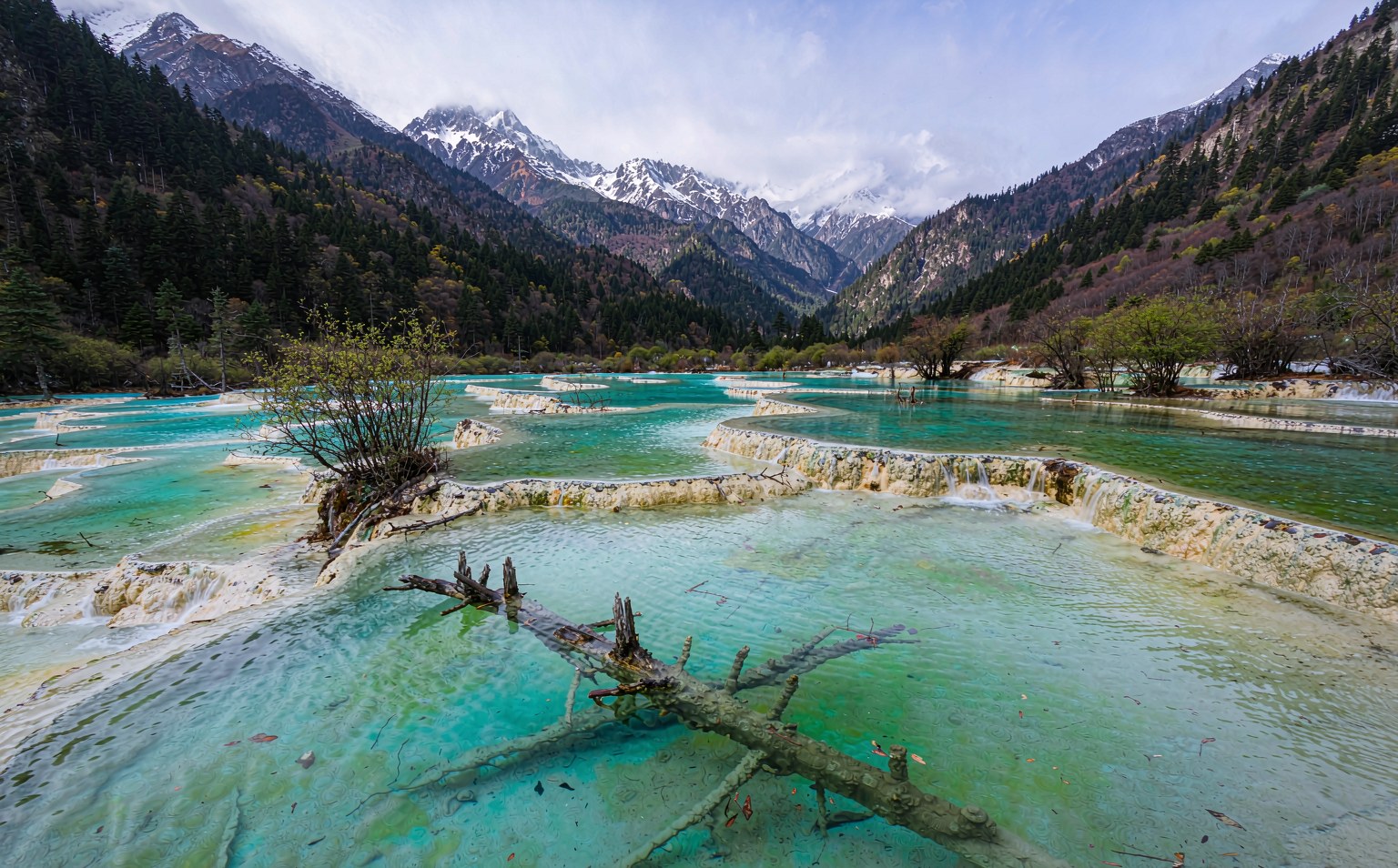
Luoyang to Jiuzhaigou, Huanglong and Zoige 7 Days 6 Nights
Seven days from Luoyang by rail into Sichuan: three valleys of Jiuzhaigou in one day, the travertine terraces of Huanglong, then a sunset over the Zoige grassland.
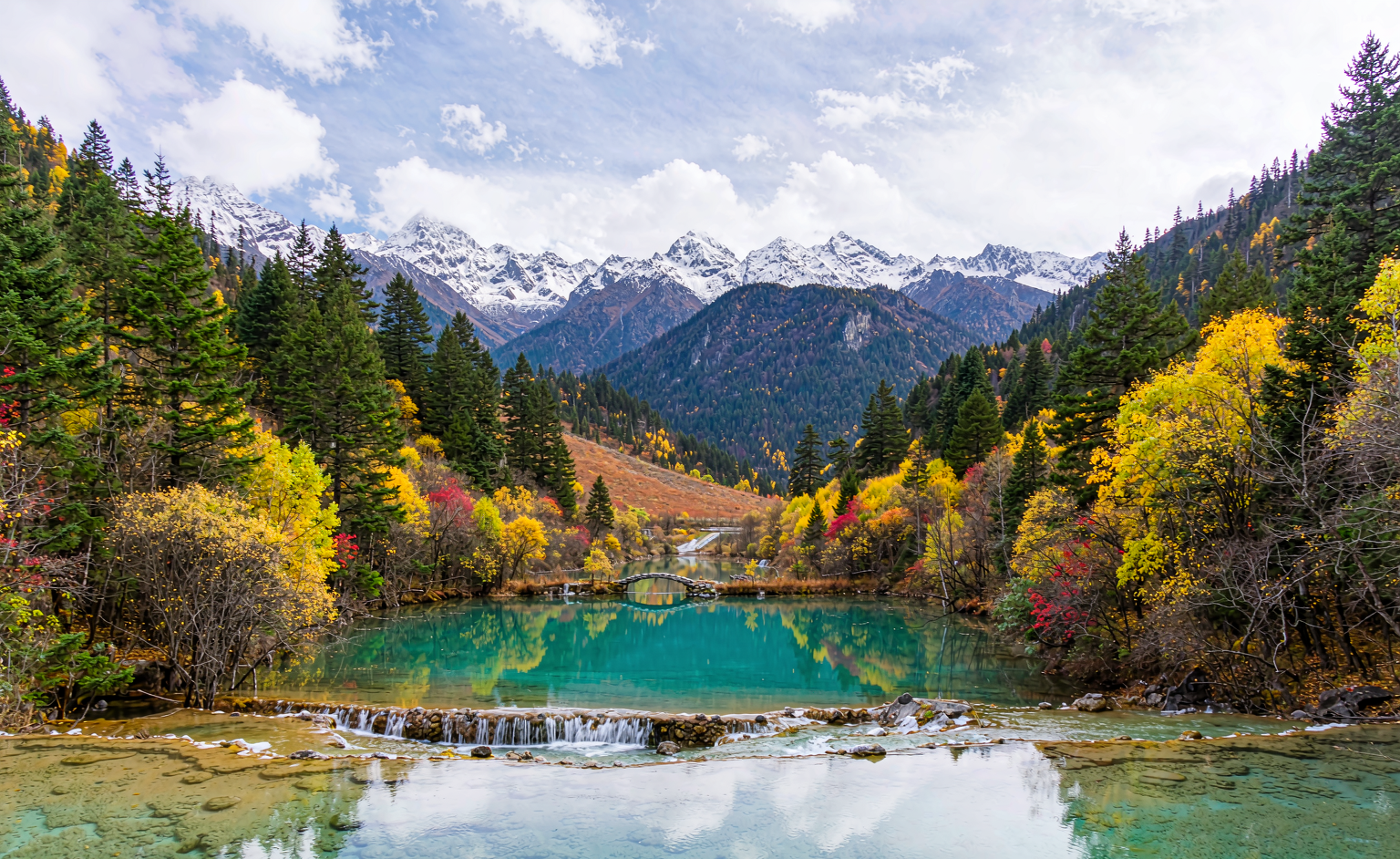
Luoyang to Jiuzhaigou, Huanglong and Songpan 5 Days 4 Nights
Five days from Luoyang. In early November the autumn forest at Jiuzhaigou is in its last bright week, the lakes stay deep blue, and a night inside Songpan lets you enter the.
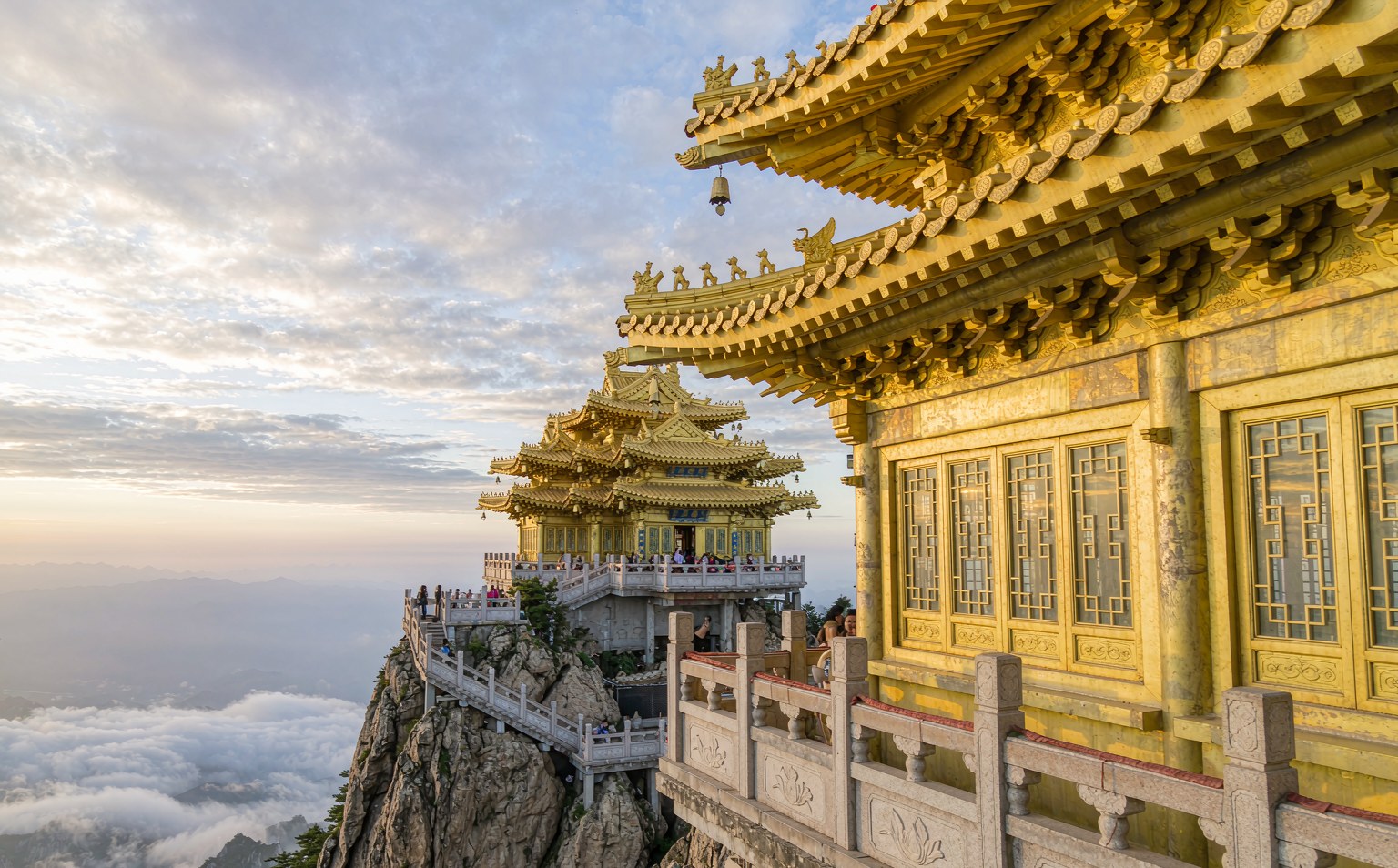
Luoyang 5-Day Tour: Leshan Giant Buddha
Five days from Luoyang. A night in Chengdu first, then the Leshan Buddha, then Emei Mountain. The summit sits above the cloud and the cable car takes minutes.
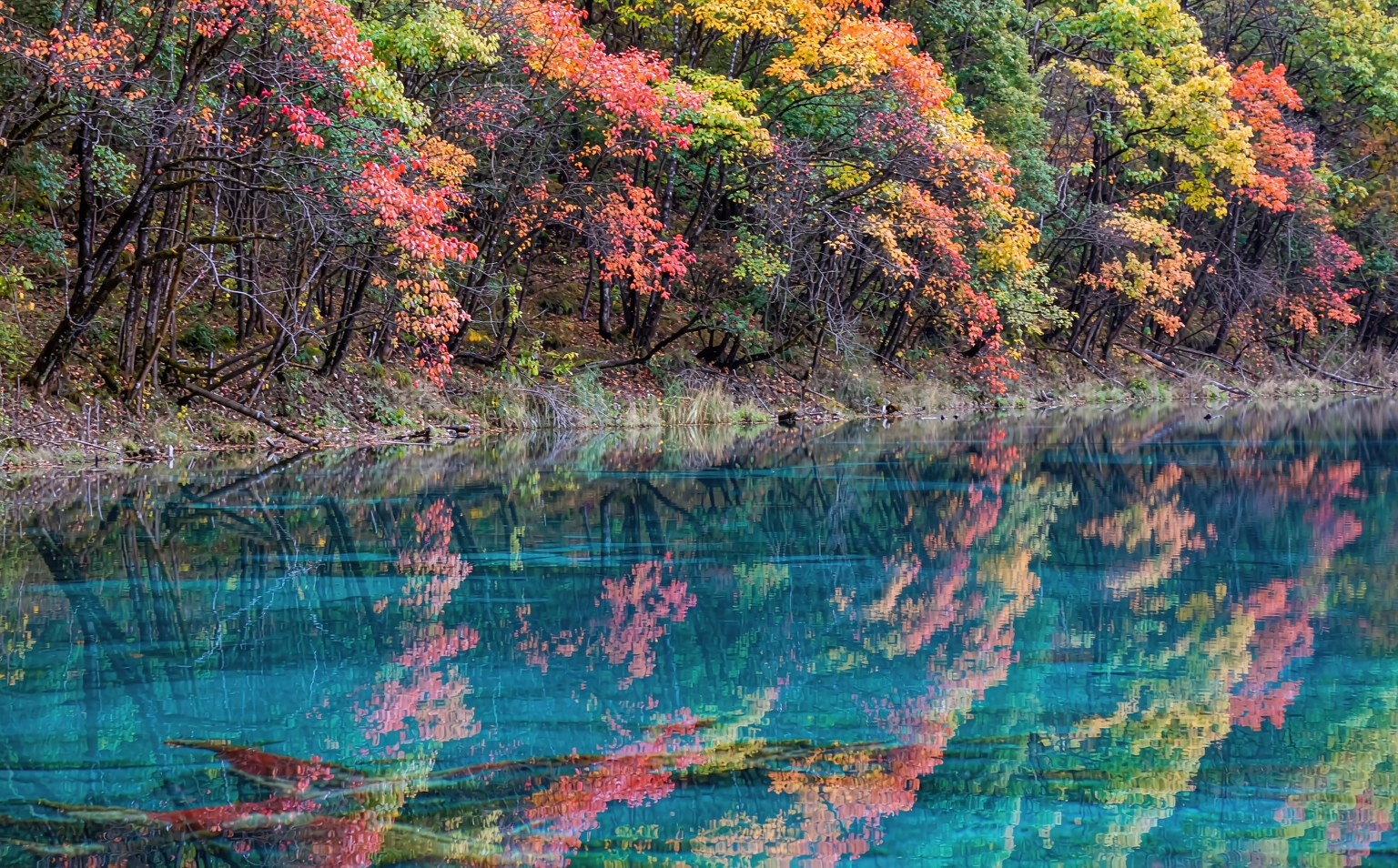
Luoyang 6-Day Autumn Foliage: Jiuzhaigou & Huanglong
Six days from Luoyang. The autumn foliage lasts about three weeks, so the dates are pinned to late October.