
Chengdu 6-Day Group Tour: Dujiangyan & Mount Qingcheng
Chengdu 6-day tour covering Dujiangyan and Mount Qingcheng and Jiuzhaigou. Sightseeing tickets and shuttle bus included.
Highlights
Day 1: Dujiangyan
Gather in the morning and set off for Dujiangyan. Follow the main route with the guide, visiting all the key spots one by one, leaving ample time for taking photos and resting; at noon, enjoy local specialty dishes. In the afternoon, continue exploring in depth, and arrive at the hotel in the evening to rest and recharge for the next day's itinerary. Follow the explanations along the main route, focusing on the stories behind the Dujiangyan collections or inscriptions, and don't miss the sessions explaining the treasures of the museum.
Attraction introduction: Today’s itinerary includes Dujiangyan attractions. Dujiangyan is a water conservancy project led by Li Bing and his son during the Warring States period. Structures like Yuzui, Feisha Weir, and Baopingkou still irrigate the Chengdu Plain and can be regarded as 'living heritage.' You can visit the Erwang Temple and walk across Anlan Suspension Bridge to understand the ancient wisdom of adapting to water, with Yuzui diversion dam, Feisha Weir, and Baopingkou being the highlights.
Tips: There will be a lot of walking, so a pair of comfortable shoes is key. Bring a light jacket in case of weather changes. Always carry your ID and other documents, follow the group, and remember the meeting times and places. Visitors have shared that the 2,000-year-old water management wisdom is astonishing and more impressive than expected. It's also worth noting that this can be combined with a visit to Mount Qingcheng on the same day, mainly on foot. Logically, it often pairs with Mount Qingcheng, complementing each other with mountain and water; the area is well-shaded and scenic, especially pleasant in the summer.
Day 2: Mount Qingcheng
Set off from the hotel early in the morning directly to Qingcheng Mountain. First, listen to the guide's introduction about its background and highlights, then enjoy a leisurely walk and take additional photos at spots of interest. After lunch, take a short rest, and return to the hotel in the evening to recharge for the next day. Early morning at Qingcheng Mountain is the most photogenic; leaving early helps avoid crowds and allows you to see the scenery still shrouded in mist.
Attraction Introduction: This trip deliberately includes a stop at Qingcheng Mountain, which is located in Sichuan. It is one of the birthplaces of Taoism in China and is known as "the most secluded place under heaven". The front mountains are dotted with temples, while the back mountains are renowned for their tranquil valleys. Together with nearby sites, it is listed as a UNESCO World Cultural Heritage.
Tips: The route mainly consists of mountain paths. The mountain climate is changeable, and it can be cool in the mornings and evenings, so it is recommended to wear a light jacket and non-slip sports shoes, and be careful on steps. Always carry your ID and other documents, stick with the group, and remember the meeting times and places. Most tourists give Qingcheng Mountain positive reviews, so it is recommended to follow the guide and take your time rather than rush to the next spot. Based on experience, the front mountains with temples and the back mountains with valleys each have their own focus; on rainy or foggy days, the "most secluded place under heaven" atmosphere is even stronger, so bring rain gear and non-slip shoes.
Day 3: Jiuzhaigou
Today, with Jiuzhaigou as the main theme, avoid peak crowds and enter the park during off-peak hours, following the recommended route for an in-depth tour; have local cuisine nearby for lunch, and in the afternoon, enjoy free activities or follow the guide for additional tours. In the evening, check into the hotel to rest. Jiuzhaigou has large temperature differences and strong winds at the summit, so bring an extra jacket and do not stay too long on the viewing platforms to keep warm.
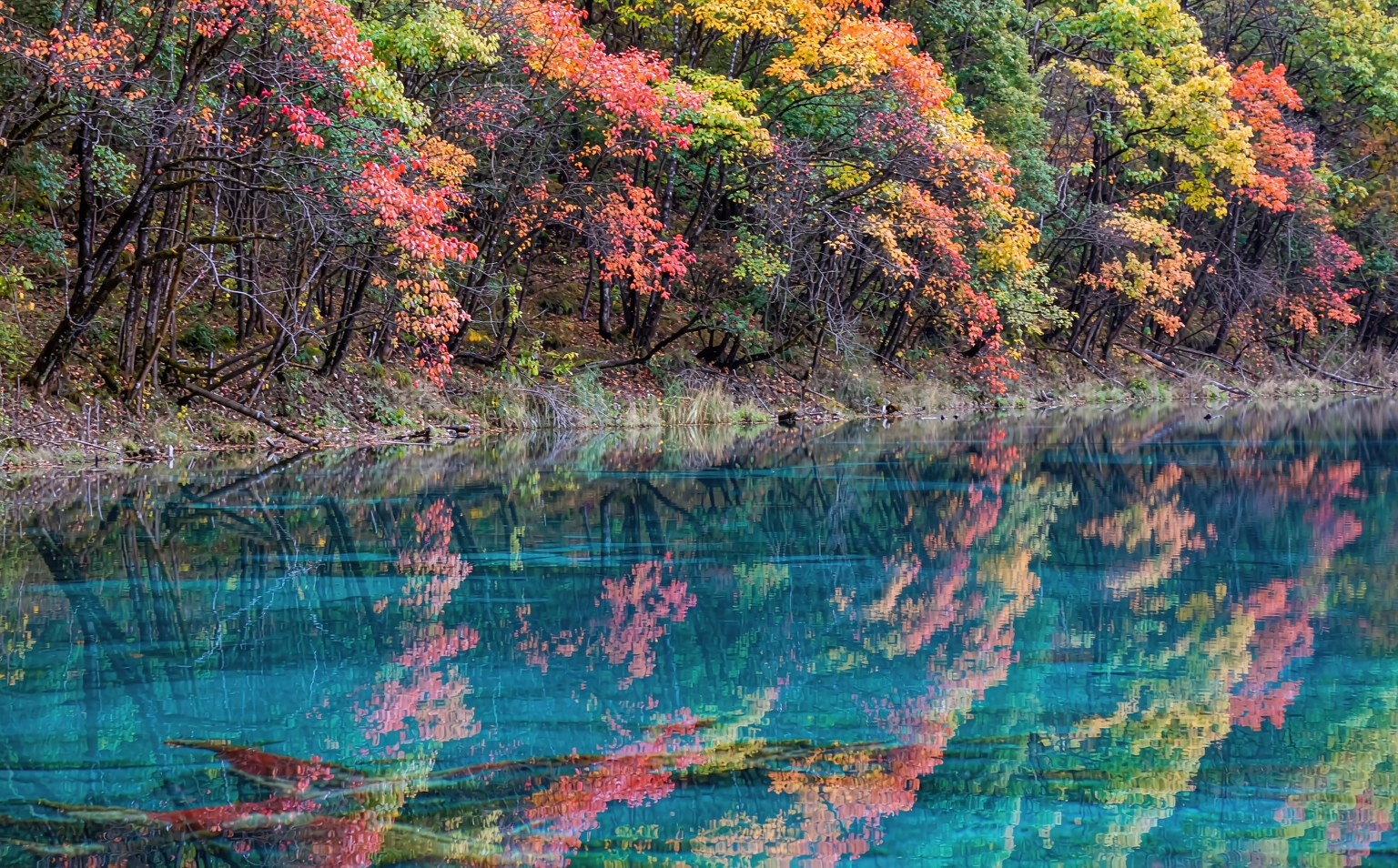
Attraction Introduction: Jiuzhaigou is a major highlight of this trip. Jiuzhaigou is located in Aba, Sichuan, famous for its multicolored lakes, tiered waterfalls, and primeval forest. 'After returning from Jiuzhaigou, other waters pale in comparison.' You can take the scenic shuttle bus to connect Changhai, Wuhua Lake, and Nuorilang; the reflection of autumn-colored forests in the lakes is particularly stunning, representing the best of highland travertine lakes. Among them, Wuhua Lake, Nuorilang Waterfall, and Changhai are the most worth seeing in detail.
Tips: This route has many mountain roads and steps; the temperature difference between the top and bottom is obvious, and there are many steps. It is recommended to bring a jacket and wear shoes with good grip. When going downhill, lower your center of gravity and watch your step; carry your ID and other valid documents, follow the guide at all times, and remember the meeting points. Experienced travelers generally recommend that the colored forests and lakes are regarded as a fairyland on earth, and visitors say they are suitable for all seasons. Note that there is a lot of walking in the scenic area, so walk slowly at high altitudes. From experience, Jiuzhaigou is famous for its autumn colors and lakes, and within the scenic area, you can only take environmental buses, so wear comfortable shoes and travel light.
Day 4: Huanglong
In the morning, gather and set off for Huanglong. Follow the main route with the guide to visit all the key spots, leaving ample time for taking photos and resting; at noon, enjoy the local specialty meal, and in the afternoon, continue exploring in depth. Check into the hotel in the evening to rest and recharge for the next day. Huanglong has a large temperature difference and strong winds at the top, so bring an extra jacket and do not stay too long on the viewing platforms to keep warm.
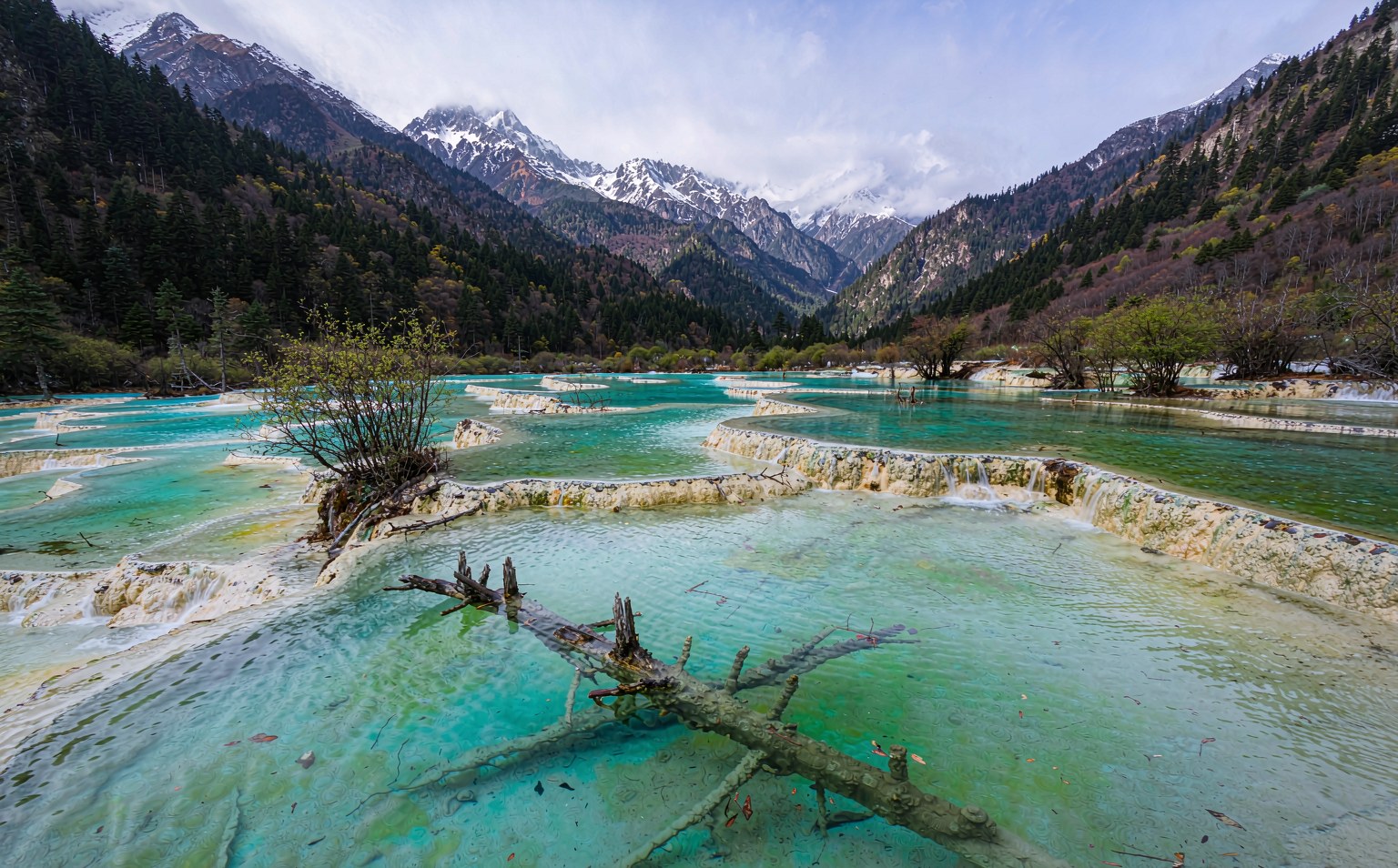
Scenic Spot Introduction: At this stop in Huanglong, it is famous for its terraced calcified pools, resembling a 'paradise on earth.' In autumn, the colors contrast with the snow-capped peaks, and walking on the boardwalk feels like being in a painting. It is a stunning highlight of the western Sichuan plateau. Among the spots, Five-Color Pool, Huanglong Temple, and Yingbin Pool are worth a closer look.
Tips: Mountain areas have concentrated scenic spots with quite a bit of walking. The mornings and evenings are cool, and there is a large temperature difference between areas, so it is recommended to wear non-slip sports shoes and bring an extra jacket. Slow down on the steps; always carry valid ID and other documents, follow the guide closely, and remember the meeting times and locations. For frequent travelers, the calcified pools look like terraced fairyland, but due to the high altitude, walking can be breath-taking; oxygen may be needed, and go at your own pace. Based on experience, restaurants at the main entrance often have long lines and average taste; if unsure, try a small amount first, and don't stock up too much at once.
Day 5: Sanxingdui
Set off from the hotel early in the morning straight to Sanxingdui, first listen to the tour guide explain the background and highlights, then explore freely at a leisurely pace and take additional photos according to your interests; after lunch, take a short rest, and return to the hotel in the evening to build up energy for the next day. It is recommended to first visit the permanent exhibition or the main hall, then explore the special exhibition areas; the essence of Sanxingdui is concentrated, so don't spend equal effort on everything.
Attraction Introduction: On this trip, you will visit Sanxingdui. Sanxingdui is located in Guanghan, Sichuan, and is an ancient Shu civilization site dating back approximately 4800–2600 years. A large number of rare artifacts have been unearthed, including bronze standing figures, slit-eye masks, gold scepters, and more. In 2021, the new round of excavations at the sacrificial pits once again caused a worldwide sensation.
Tips: Walking all day will take many steps, so it is recommended to wear comfortable sports shoes and carry a light jacket; always carry your ID, follow the guide closely, and remember the meeting times and locations. Visitors often say that the bronze civilization is shocking, and the new museum is worth a second visit; be reminded that ticket reservations are difficult, and the guided explanation is essential to truly understand it. Based on personal experience, bronze masks, gold scepters, and other treasures are the highlights of the museum, and you can only understand the ancient Shu civilization with explanations or a guided tour; do not use flash when taking photos inside the museum.
Day 6: Departure
Transfer to the station/airport per your departure, ending a pleasant journey.
Friendly tips: Pack the night before and keep ID, power bank and souvenirs together; allow extra time for the station/airport; bring your ID and stay with your guide, noting the meeting time and place. Traveler feedback — Return-day travelers remind: pack ID and souvenirs the night before; allow extra time. Practical note — Return-day tip: pack ID, power bank and souvenirs the night before; allow extra time—mountain roads are unpredictable.
Related Tours
Luoyang to Jiuzhaigou, Huanglong and Zoige 7 Days 6 Nights
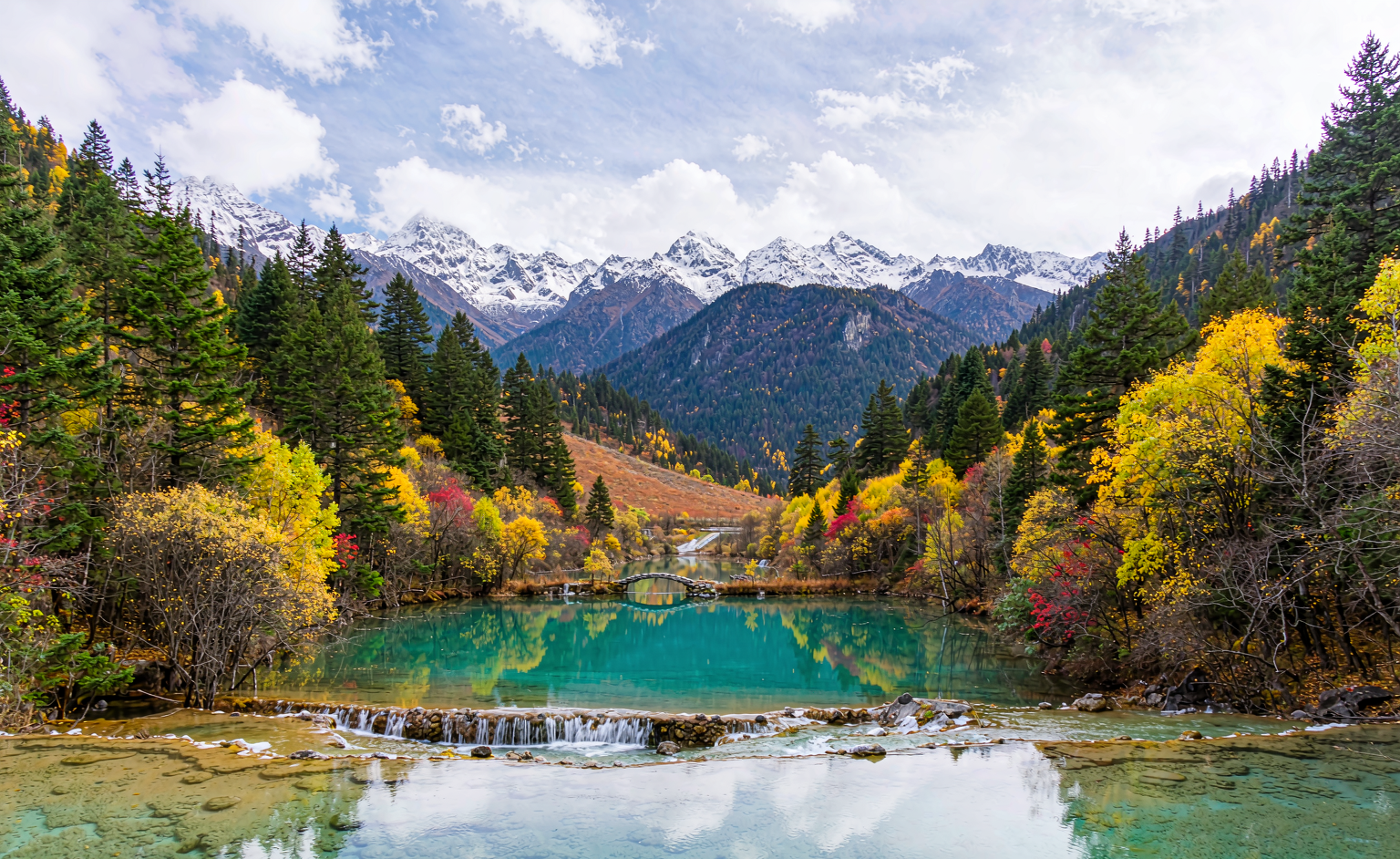
Seven days from Luoyang by rail into Sichuan: three valleys of Jiuzhaigou in one day, the travertine terraces of Huanglong, then a sunset over the Zoige grassland.
Luoyang to Jiuzhaigou, Huanglong and Songpan 5 Days 4 Nights
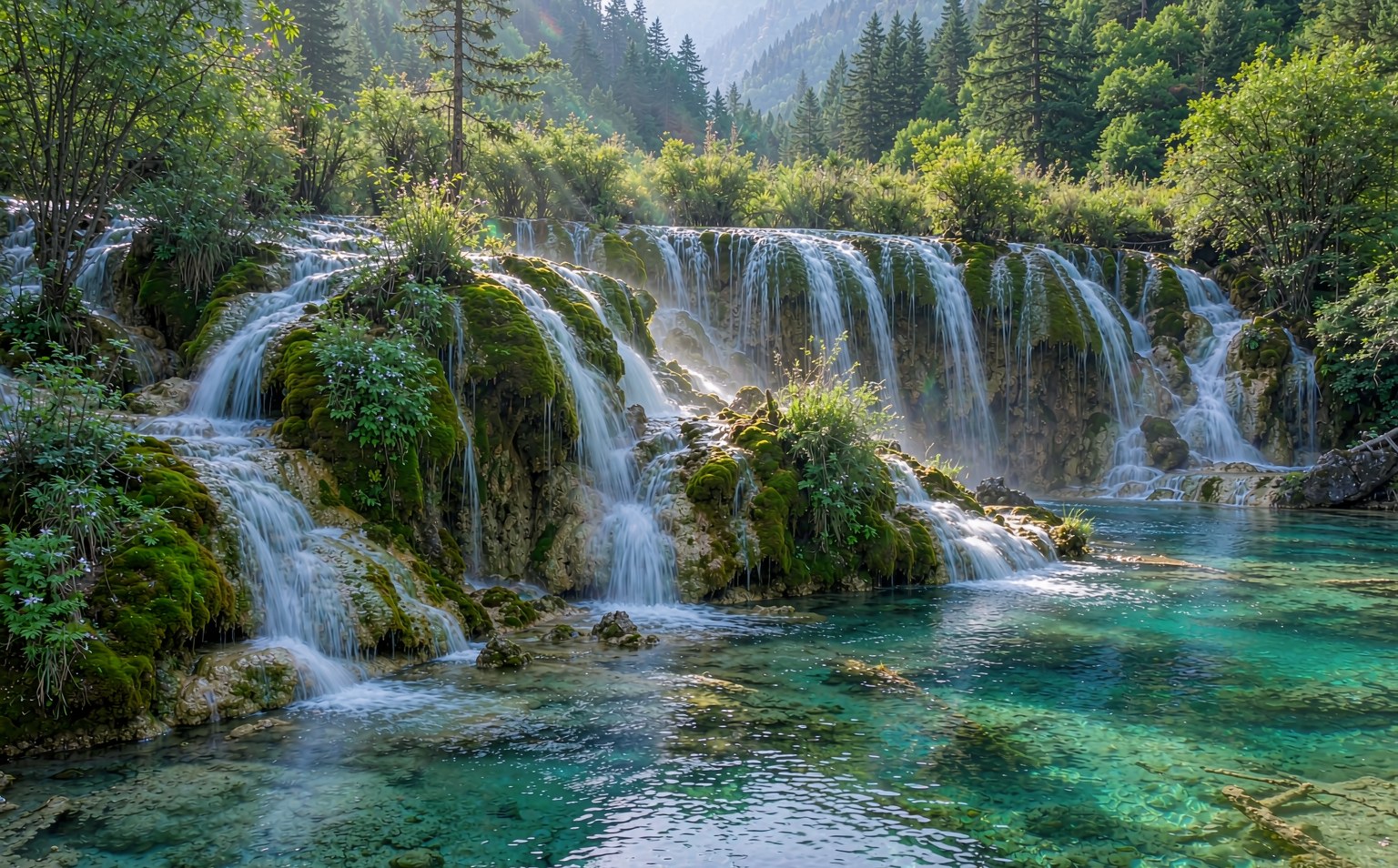
Five days from Luoyang. In early November the autumn forest at Jiuzhaigou is in its last bright week, the lakes stay deep blue, and a night inside Songpan lets you enter the.
Luoyang 5-Day Tour: Leshan Giant Buddha
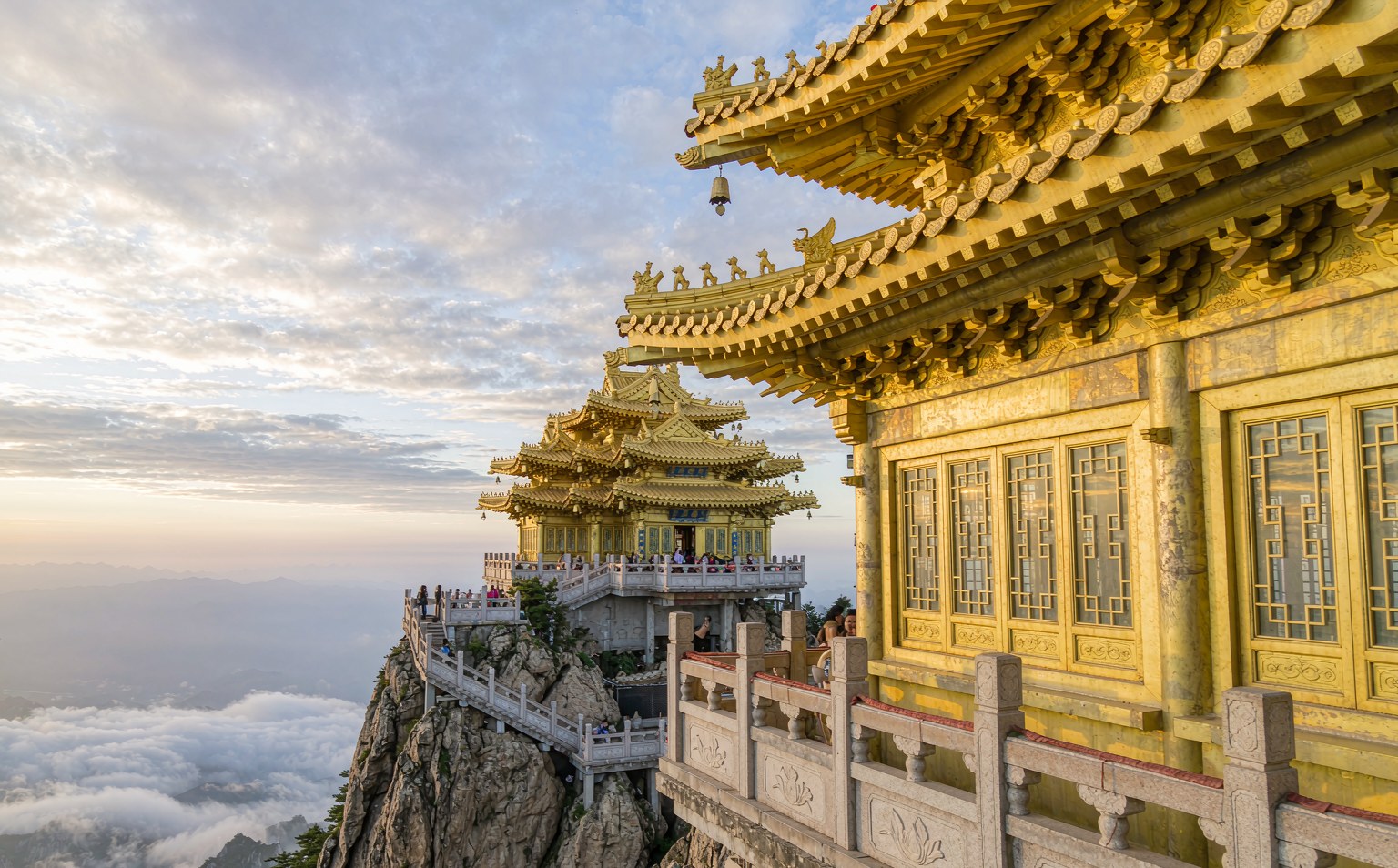
Five days from Luoyang. A night in Chengdu first, then the Leshan Buddha, then Emei Mountain. The summit sits above the cloud and the cable car takes minutes.
Luoyang 6-Day Autumn Foliage: Jiuzhaigou & Huanglong
Six days from Luoyang. The autumn foliage lasts about three weeks, so the dates are pinned to late October.