
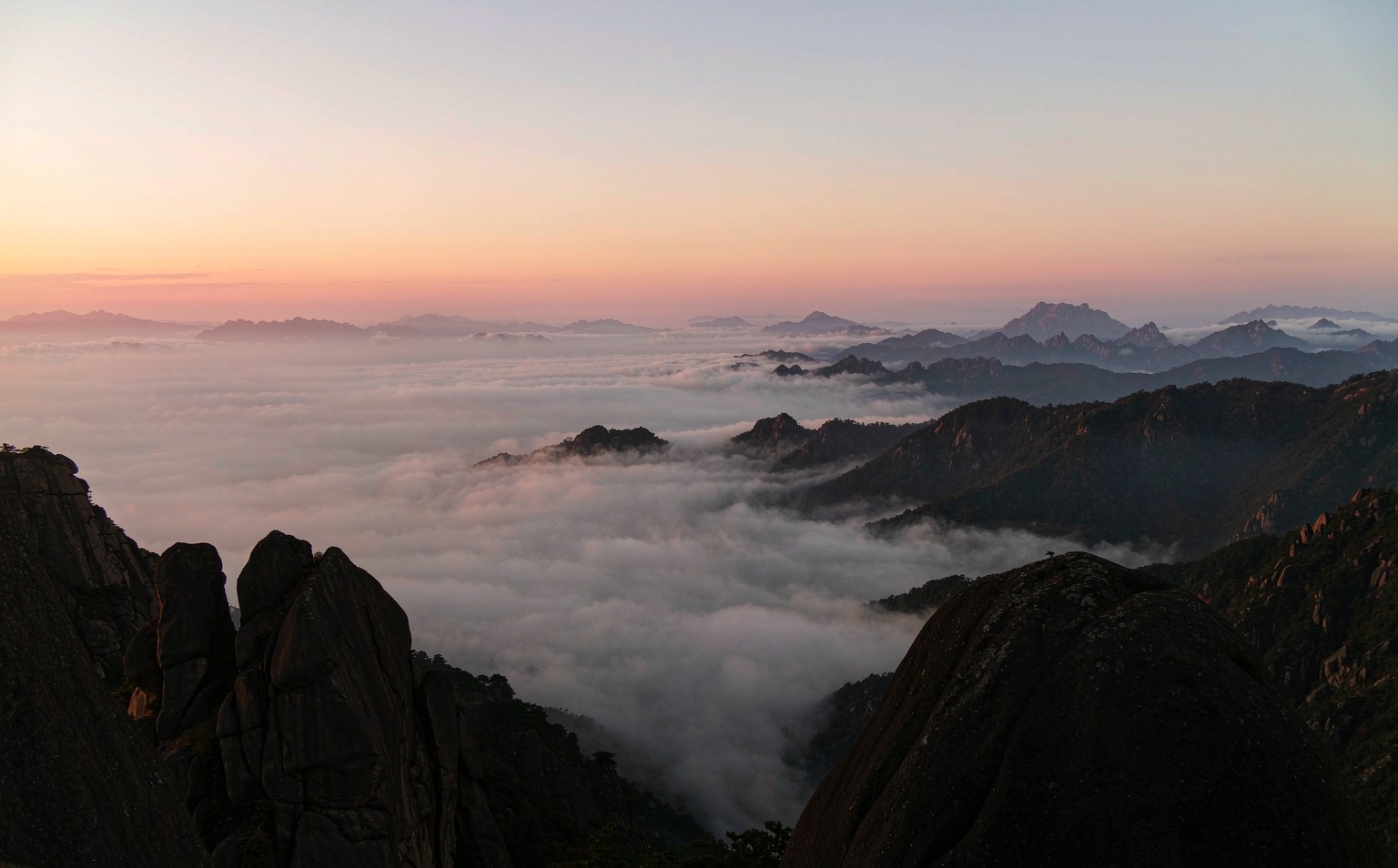
Luoyang 4-Day Dengfeng Shaolin Autumn Foliage Tour
Four days from Luoyang into the Dengfeng hills, timed for the autumn colour. Ta Lin and the main monastery in one stretch, the kung fu show on a schedule you can plan around, and a final day for two old courtyards.
Highlights
Day 1: Dengfeng and Shaolin Temple
Leave Luoyang at 7:30 in the morning. The drive to Dengfeng takes a little over an hour on the Zhengzhou–Shaozhou expressway, and the parking area sits just outside the mountain gate. Get there before eight and the first wave of cars is still manageable. Shaolin has three things worth the day: the Main Compound, Ta Lin and the kung fu show. The official guidance is two to three hours for all three together, so the order matters more than the pace. Ask about show times first, because those run to a fixed schedule — miss one and you wait for the next, and the whole rhythm of the day slips. Work backwards from the show: walk to the Main Compound in the gap, then head to Ta Lin. The Main Compound is the centre of the temple. From the mountain gate the central axis runs through the Hall of Heavenly Kings, the Mahavira Hall and the Dharma Hall, with side halls holding standing Buddhas and stele inscriptions worth a closer look. It is quiet in here — you can hear wind in the pines above the roofs, a long way from the noise outside the gate. Ta Lin sits on the western slope: some two hundred masonry pagodas holding the ashes of Chan monks, packed close together in rows. They date from Tang through Song, Yuan, Ming and Qing, and each era built a different form — square Tang towers, round Ming ones. Walking them in order reads the temple’s eight hundred years straight off the ground. On the exact number of pagodas, three official counts exist and they disagree, so ignore the figure you hear and look at the shapes instead. The kung fu show runs about thirty minutes in the martial arts hall on the eastern side. It is the main draw for families with children, which is most of the crowd. Between segments, walk the slope from the gate to the monastery, or take the shuttle. One practical note worth knowing before you go: inside the scenic area there are only two places that serve food — the Chan Residence hotel and the resort — and nothing at all on the mountain above. Eat in the town below before you go up, or bring your own food and water.
Day 2: Songshan Foliage and the Shaolin Ropeway
The second day is spent up on the mountain. Take the Shaolin ropeway up in the morning. It runs 70 yuan one way and 100 return, and shuts down around 16:00, so start early. Above the upper station the Shaoshi slopes are where the autumn colour concentrates — the ridge line turns in successive patches, and the shades are mixed rather than uniform: red running into yellow and into brown, changing as you climb. Sanhuang Village clings to the cliff on the northern side of the temple. The official timings are three to five hours for the full A route and about two hours for the northern highlights on the B route. Plan the day with that in mind. If you are up by cable car in the morning and need to be back down before dark, the B route is the sensible choice — you reach the main viewpoints and turn back, seeing a little less but without rushing. The A route needs the better part of a day, and the cliff path is awkward in wind. There are two ways down: the ropeway the way you came, or the walking trail. The trail is not much faster, but the valley view is entirely different, and it takes about forty minutes. With older people or children, keep it to an easy pace. What is left of the afternoon goes back down into the valley. Beyond the monastery there are a couple of old religious and academic sites within walking distance — the Songyang Academy and the Zhongyue Temple — and both are worth an unhurried hour if you have the time. In the colder months people gather around the braziers in the academy courtyard, and the stone steps hold the sun well into the afternoon. Stay in Dengfeng town tonight. It sits well below the mountain, so the nights are milder, and there are restaurants right outside the door.
Day 3: Songyang Academy and Zhongyue Temple
The third day is flat the whole way — no climbing. Start in the morning at Songyang Academy, a ten-minute drive or a bus ride from town. It is one of the four great academies of the Song dynasty, founded in 484 AD as Songyang Temple, renamed Tai Shi Academy under the Song, and given its present name when it was rebuilt in 1035. The philosopher Cheng Hao and his brother Cheng Yi taught here, founding the school of thought that became Neo-Confucianism — and the story of "standing in the snow at the gate of Master Cheng" comes from this courtyard. The first thing to see is the Great Tang Stele, formally the "Stele of the Divine Response and Felt Merit of the Great Tang at Songyang", carved in 744 AD, with the text by Chancellor Li Linfu and the calligraphy by Xu Hao. It stands eight or nine metres high and just over two metres wide, making it the largest surviving stele in Henan, and it is held upright by three timber posts — that support structure is itself original, not a modern addition. Of the Han dynasty "General" cypresses, two survive. The story goes that when Emperor Wu of Han visited in 110 BC and found the smaller tree first, he honoured it as "Great General", and the larger one could only be "Second General" — so mortified it burst its hollow trunk, large enough for several people to stand inside. Estimates of the age vary between two thousand and three thousand years, which reflects different ways of measuring rather than different trees. There is also a scholar-tree said to have been planted by the Cheng brothers themselves. More than twenty steles survive in the grounds, and one is worth the time: the Dengfeng County Map of 1593, which uses line drawing to record more than eighty sites and the roads and rivers of Songshan as they were in the Ming — at once an artefact, a map of the cultural sites and a period travel guide. Have lunch back in town. The afternoon is at Zhongyue Temple, four kilometres from town on the southern slope of Taishi, about eight kilometres from the academy. It is the largest and best-preserved group of ancient buildings among the Five Sacred Mountains, and the largest in Henan. Its predecessor was the Tai Shi Shrine of the Qin dynasty, built to worship the god of Taishi. Emperor Wu of Han raised its status in 110 BC, and in 730 AD Emperor Xuanzong rebuilt it at this site and named it Zhongyue Temple, placing it under Taoist administration. The name Dengfeng itself dates from 696 AD, when Wu Zetian climbed Songshan to enshrine the Zhongyue god and renamed Songyang County Dengfeng County. The temple is 650 metres long and 166 wide, covering 10.8 hectares, with eleven courtyards rising along the central axis — a walk of some 1.3 kilometres from gate to gate. What you see now is largely the result of a wholesale rebuilding under the Qianlong Emperor on the model of the Forbidden City, which is why it is called the "Little Forbidden City". The main hall, Junji Dian, is the largest temple hall among the Five Sacred Mountains and the largest surviving temple hall in Henan — nine bays wide and five deep, about 920 square metres, with a double-eaved hip roof in yellow glazed tile. Inside there is a coffered ceiling carved with a coiling dragon, and a five-metre statue of the Zhongyue god. According to the Songyue Temple History stele, the hall was rebuilt in 1013 under Emperor Zhenzong, and the smooth stone floor and the carved column bases inside are Song dynasty originals. Just inside the Junji Gate, the East, South, West and North peaks stand in a circle around the central one. In the five elements the earth is the centre and therefore sovereign, which is why Zhongyue is called the shrine of the earth god. Beside the Chongsheng Gate stand four cast-iron figures about 2.5 metres tall, said to be Taoist priests who gave themselves up fighting the Jin dynasty. Over three hundred ancient cypresses, some Han and some Song, line the courtyards, and they look their best against the autumn foliage. Both sites stop admitting visitors around half past four, so do not push the afternoon too late. Afterwards, have a bowl of lamb stew in town and pick up a couple of Dengfeng baked buns for the road.
Day 4: Return to Luoyang
No alarm. Sleep until you wake up, then check out. Checkout is at noon, so the morning is free — the old streets and a few food stalls are within walking distance of the hotels, and the local breakfast of baked buns, pepper soup and fried dough is close enough to Luoyang’s to taste familiar. If something slipped past you on the second day, this is the slot for it. The Songyang Academy and Zhongyue Temple are both ten minutes away by car, and without a fixed schedule the visit is far more relaxed. After lunch, head back to Luoyang — a little over an hour on the expressway, which gets you into the city early. The advantage of this itinerary is that the last day carries no fixed sightseeing, so nothing here can run late. Over four days you have the temple courtyards, the rows of pagodas at Ta Lin, the red ridge above the mountain, the Great Tang Stele and three hundred old cypresses, plus a bowl of hot soup in the town. Four days is not long, but every part of it has something real in it.
Related Tours
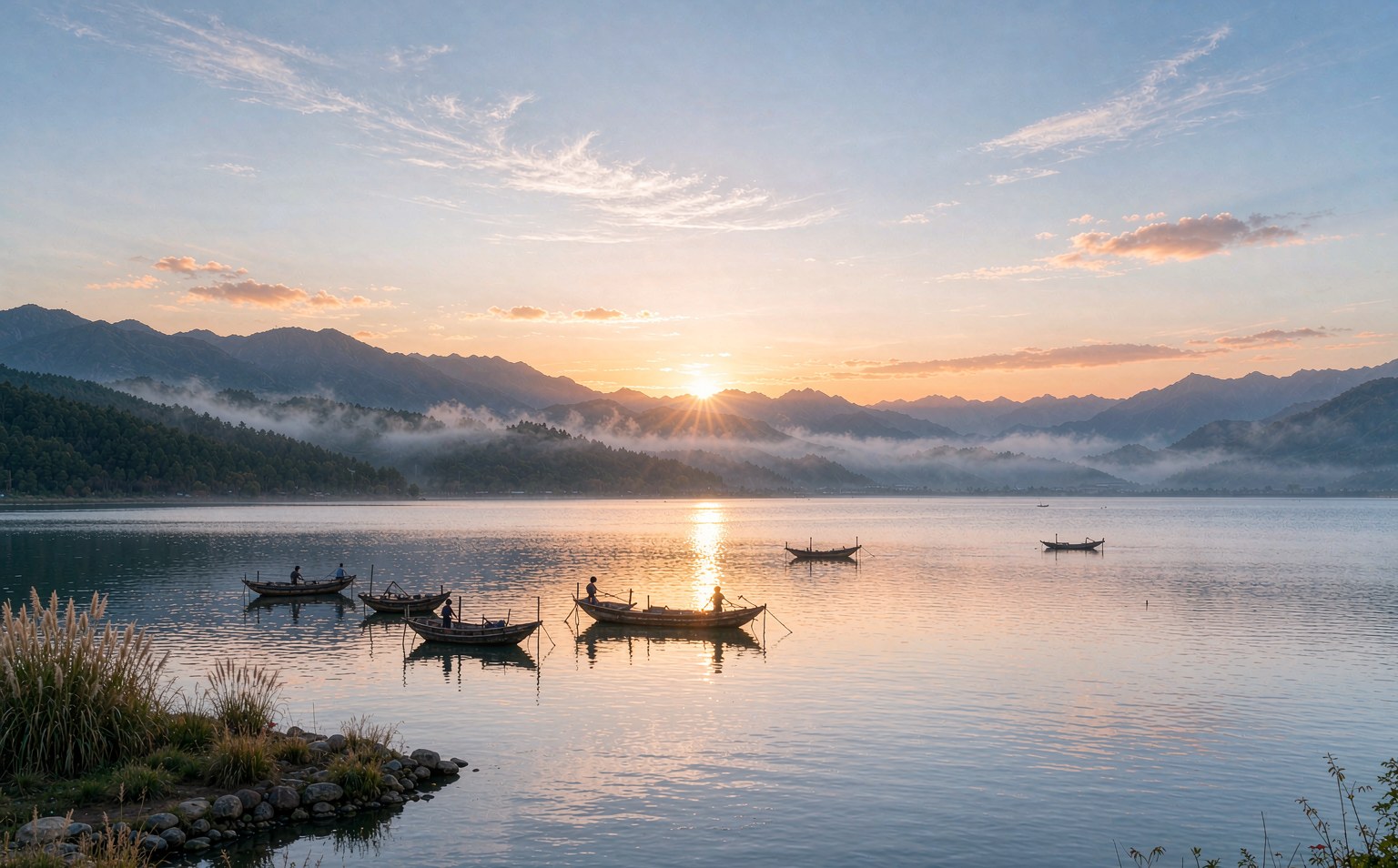
Luoyang 6-Day Dali, Lijiang and Erhai Autumn Tour
Six days in Yunnan in November, the best value window of the year. The autumn water of Erhai reflects the nineteen peaks of Cangshan, the clouds above Jade Dragon Snow Mountain are cleaner than in summer, and flights and hotels have halved in price since the National Day break.
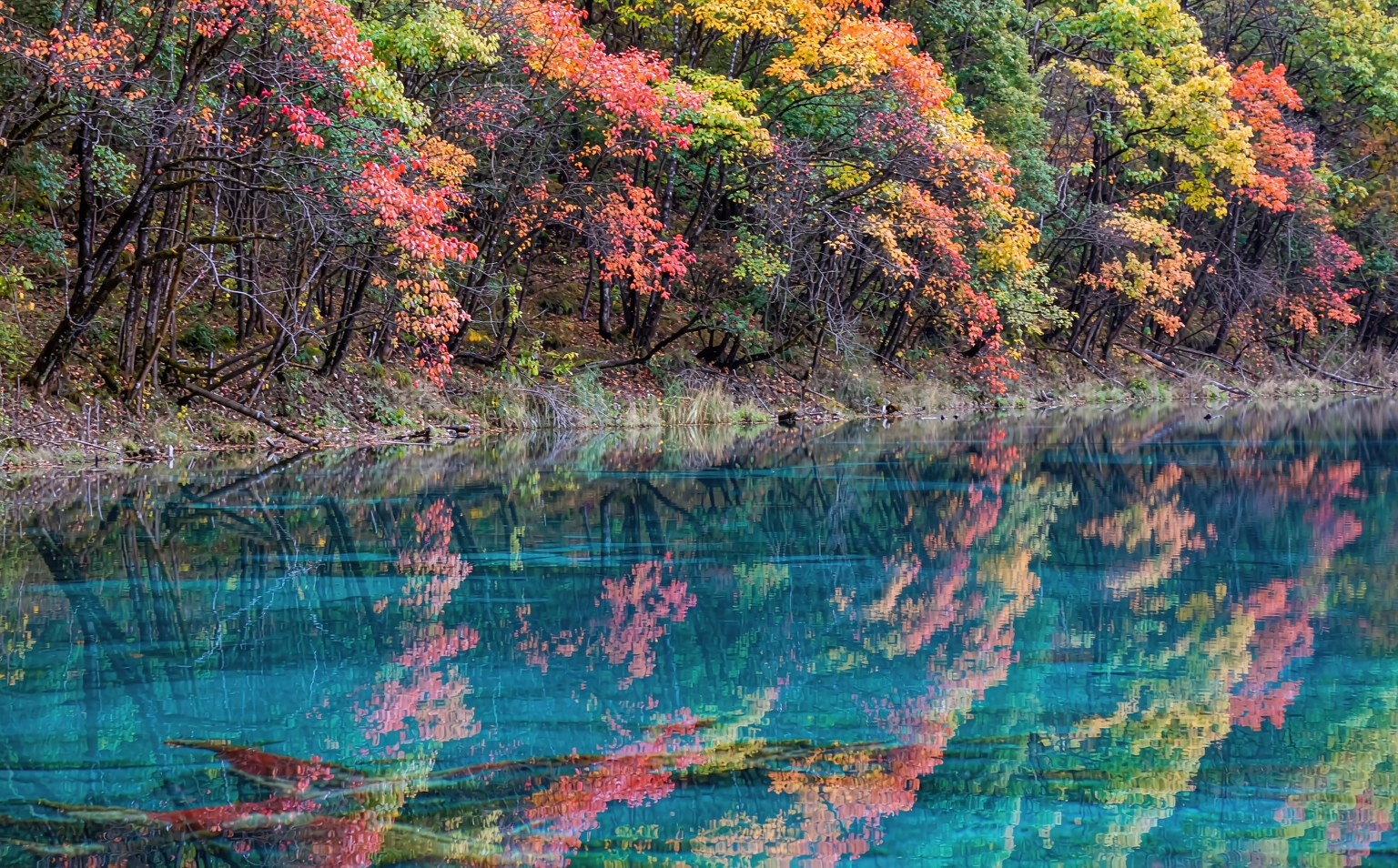
Luoyang 7-Day Jiuzhaigou, Huanglong and Dujiangyan Tour
Seven days from Luoyang, timed for the last fortnight of the autumn colour at Jiuzhaigou. The water at Five Flower Lake runs from pale yellow through to deep blue, the travertine pools at Huanglong step up the valley, and the trip ends at a two-thousand-year-old waterworks still running.
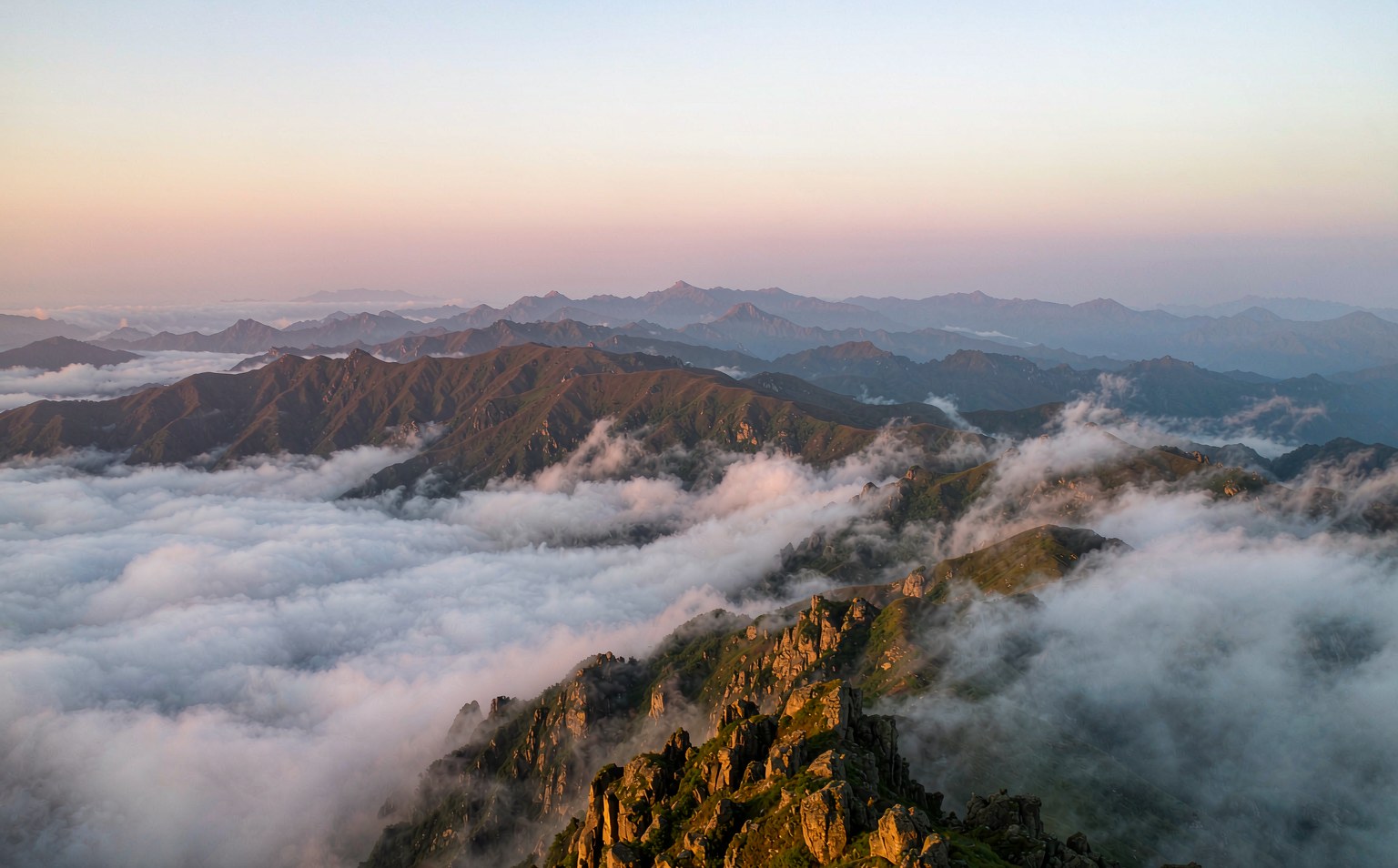
Luoyang 4-Day Yuntai Mountain Red Stone Gorge Autumn Tour
Four days from Luoyang into Yuntai Mountain. The Red Stone Gorge is widely considered the most photogenic stretch, the ropeway reaches Zhuyufeng in six minutes, and the fourth day adds the water of Quanpu Gorge.
Luoyang 4-Day Wanxianshan, Guoliang Village and Red Flag Canal Tour
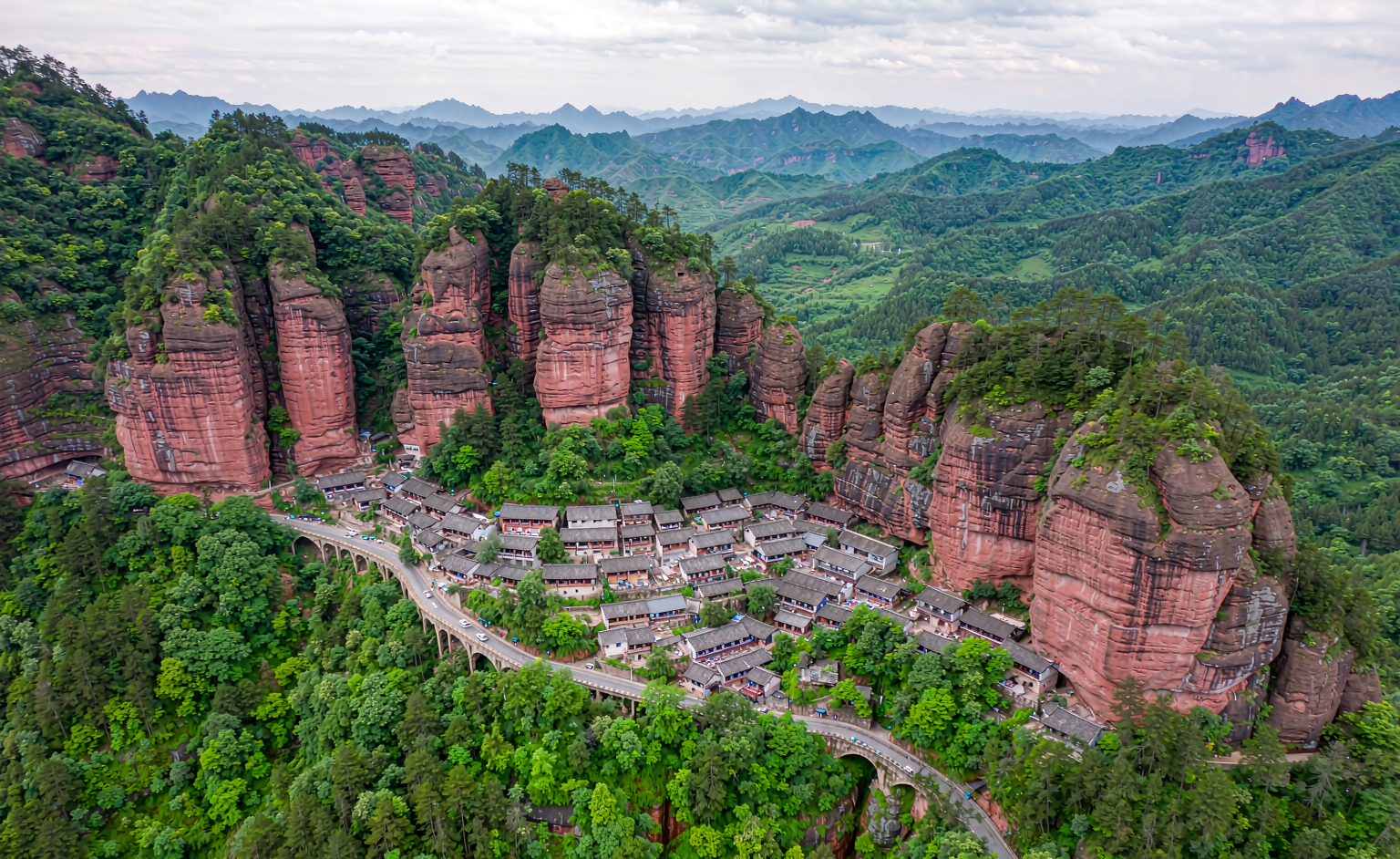
Four days north of Luoyang into the Taihang Mountains. Red rock cliffs with autumn yellow above them, a road cut into the cliff face by hand, and a canal that took a decade to carve along the same mountain.