
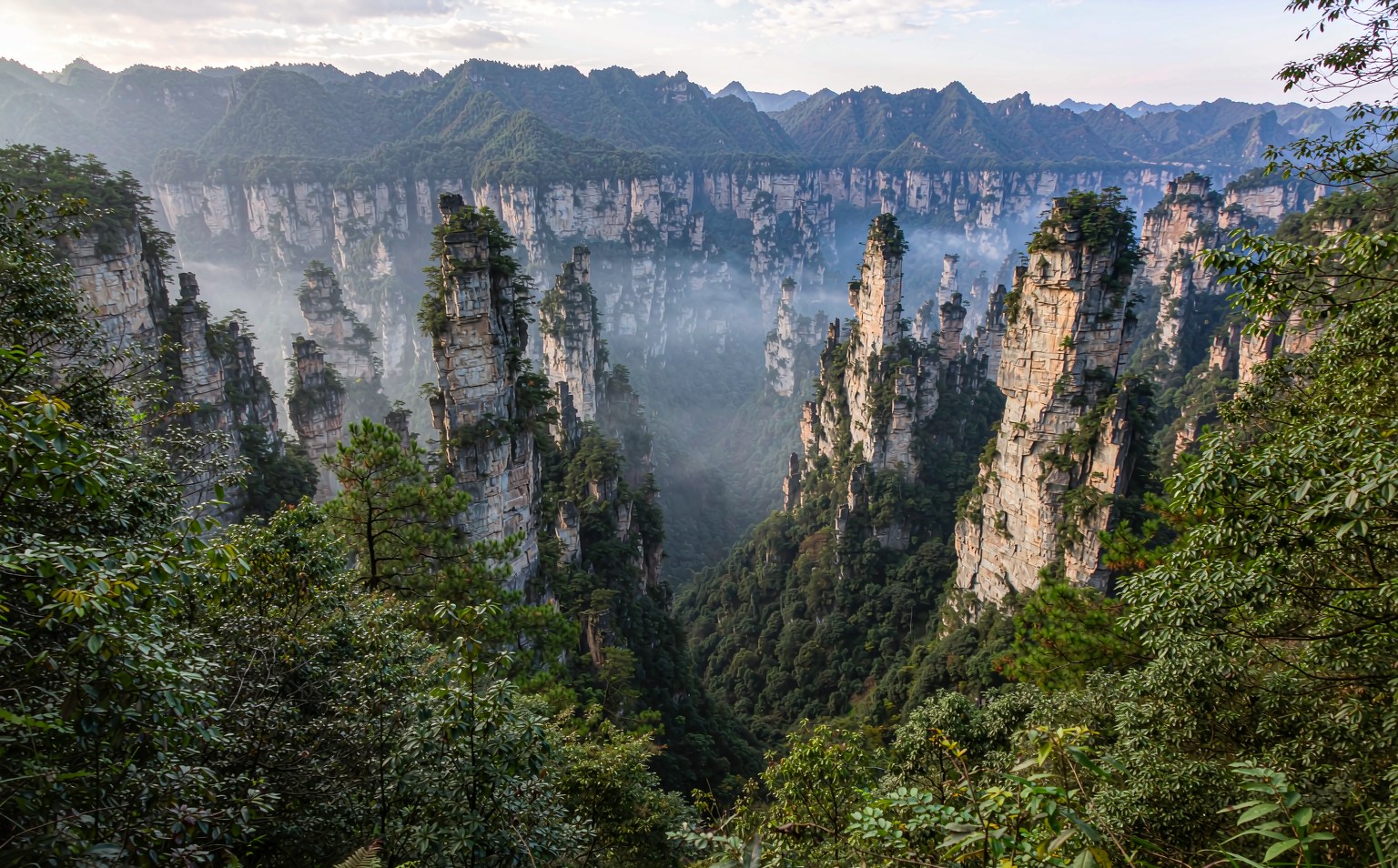
Luoyang Departure: Zhangjiajie, Yuanjiajie, Tianmen Mountain and Fenghuang, 6 Days 5 Nights
Six days from Luoyang. The Wulingyuan ticket runs four days, so nothing is rushed: walk Golden Whip Stream to the end, watch the stone pillars of Yuanjiajie rise out of cloud, climb the 999 steps into Heaven Gate. The last two days are Fenghuang, with a night in a stilt house on the Tuo River.
Highlights
Day 1: Luoyang to Zhangjiajie
Leave Luoyang in the morning by rail or air and reach Zhangjiajie city by afternoon. Do not go into the mountains yet; drop the bags and walk Xibu Street, where stalls selling kudzu powder and cured pork stand side by side. Dinner is sanxiaguo, a single pot of pork intestine, tripe and walnut meat, and the kitchen will reduce the chilli if asked. Sleep early, since tomorrow starts at half past six.
Attraction introduction: Zhangjiajie lies in northwestern Hunan on the upper Lishui, in the heart of the Wuling range. China’s first national forest park was established here in 1982, and Wulingyuan was inscribed as World Natural Heritage in 1992. The city was called Dayong until 1994.
Tips: The mountains are cooler than the city; November days sit in the low teens and the summits need another layer. Guests generally find the drive from town to the forest park gate takes about forty minutes. In practice, staying in town the first night gives better food, at the cost of half an hour in the morning.
Day 2: Golden Whip Stream, then Yuanjiajie
Enter the forest park gate at half past seven and walk Golden Whip Stream first. The route runs 7.5 kilometres on almost level ground, the stream on your left and sheer stone peaks on both banks. Monkeys are everywhere, so keep plastic bags out of sight. Lunch at Shuizaosi, then take the shuttle to the lower station of the Bailong elevator, which climbs the cliff face in a little over a minute. Yuanjiajie begins at the top: walk from Houhuayuan to Mihuntai as the pillars stand up out of the valley floor, one after another, with cloud moving between them.
Attraction introduction: Golden Whip Stream takes its name from the Jinbian rock beside it and is the gentlest path in Wulingyuan. Yuanjiajie lies in the northern part of the forest park at an average of 1,074 metres, facing Huangshizhai and Tianzi Mountain across the valley; the Qiankun Pillar that inspired the floating mountains of Avatar stands in this area.
Tips: The monkeys will snatch food, so do not rummage in your bag in front of them. Guests generally find that combining the stream with Yuanjiajie means twenty thousand steps in a day. In practice, the elevator queue can reach an hour in peak season, so we schedule it after two in the afternoon.
Day 3: Tianzi Mountain and the Ten-Mile Gallery
Enter by the Tianzi Mountain gate today and take the shuttle to Helong Park. From the platform the Xihai peaks spread out in layers, and when mist rises only a few summits show. Walk down past Yibunanxing and Xiannvsanhua, all of them viewpoints. Lunch on the summit, then descend by the Tianzi cable car, which hangs above the peaks with several hundred metres of air beneath. At the bottom, take the small train through the Ten-Mile Gallery, where the rock towers unfold like a scroll on both sides.
Attraction introduction: Tianzi Mountain is named for Xiang Dakun, a Tujia leader of the early Ming who styled himself a heavenly son. It is one of the four districts of Wulingyuan and is known for its peak forest, sea of cloud and winter snow. The Ten-Mile Gallery is a gorge about five kilometres long with a returning train.
Tips: The summit is five or six degrees colder than the valley and the wind is strong, so hats tend to leave. Guests generally find cloud less likely in the afternoon but the light clearer. In practice, if mist is forecast, move Tianzi Mountain to the morning; the difference for photography is substantial.
Day 4: Tianmen Mountain, glass walkway and 999 steps
Go to the lower cable station in the morning and ride up; the line runs more than seven kilometres from the city to the summit and crosses the ninety-nine bends of the road below. At the top walk the west-line glass walkway first, sixty metres long with a transparent floor above a vertical cliff. Continue on the Guigu plank road, built against the rock face with nothing on one side. In the afternoon take the escalators down to Heaven Gate, a natural arch 131 metres high, and stand beneath it as daylight falls through. Descend the 999 steps to the square; your legs will shake.
Attraction introduction: Tianmen Mountain rises south of Zhangjiajie city to 1,518 metres. Heaven Gate is a natural arch 131.5 metres high and 57 metres wide. The cableway is among the longest passenger ropeways in China, and the access road below it covers about eleven kilometres with tightly packed hairpins.
Tips: The glass walkway requires cloth covers; anyone uneasy with heights can take the cliff path alongside and reach the same place. Guests generally find the descent of the 999 steps harder on the knees than the climb. In practice, keep the whole day for Tianmen and be down by four to avoid the cable queue.
Day 5: On to Fenghuang, a night on the Tuo River
Leave in the morning for Fenghuang, three hours by road with one stop. Arrive in the afternoon and go straight to the riverside guesthouse; open the window and the Tuo is below. Walk the bank, where people queue to cross the stepping stones with the water running between them. Climb the Rainbow Bridge at dusk and watch the stilt houses light up one by one downstream. Dinner is blood duck, then walk to the North Gate wharf.
Attraction introduction: Fenghuang sits in Xiangxi, Hunan, with the Tuo River running through it. The Ming and Qing stilt houses line the banks and the town is home to Miao and Tujia communities. The former residence of Shen Congwen and the Rainbow Bridge, first built in the Ming, are inside the old town.
Tips: Most riverside guesthouses are timber and sound travels; singing on the water often runs to eleven. Guests generally find the stepping stones need queuing at busy times. In practice, the downstream end of the old town is quieter and only ten minutes on foot from the centre.
Day 6: Departure
The old town is still asleep at dawn, mist on the river and the stilt houses outlined inside it. Take a short boat from the North Gate wharf around seven, poled by hand, the water barely audible. Collect the bags at ten and transfer to Tongren Fenghuang airport or Huaihua South, then home to Luoyang.
Attraction introduction: Tongren Fenghuang airport is about thirty kilometres from the old town and flies to several provincial capitals. Huaihua South is the junction of the Shanghai-Kunming and Zhangjiajie-Jishou-Huaihua high-speed lines, about an hour from Fenghuang.
Tips: Seven in the morning is the quietest hour on the Tuo and worth the early start. Guests generally find the airport forty minutes away and Huaihua South about seventy. In practice, book a departure after two in the afternoon.
Related Tours
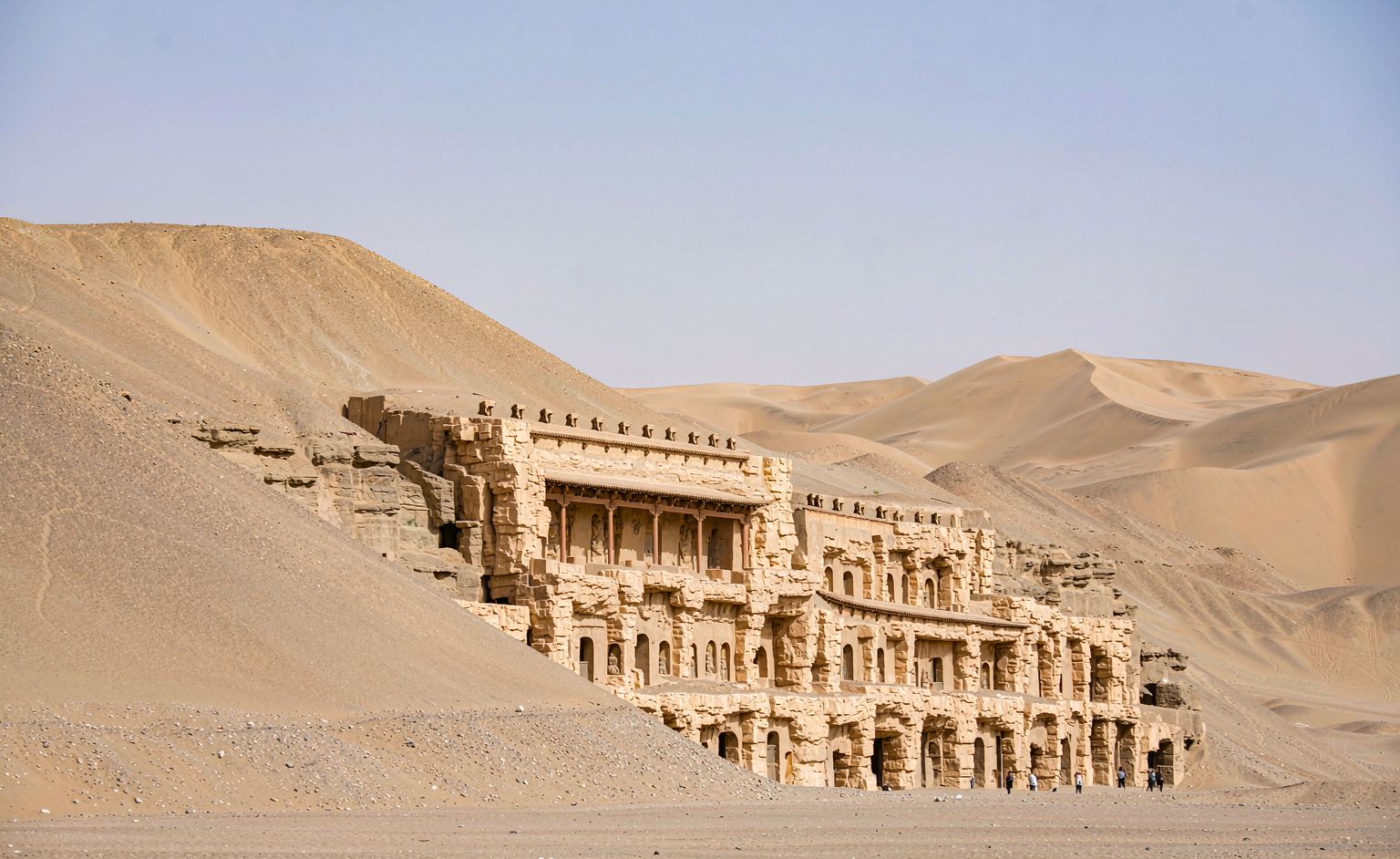
Luoyang Departure: Jiayuguan, Mogao Caves and Crescent Spring, 7 Days 6 Nights
Seven days from Luoyang. On the Hexi Corridor the riding matters more than the rushing: a while under the gate tower at Jiayuguan, the flying figures inside the Mogao caves, and one sunset waited out on the Singing Sand Dunes. November is low season, so the caves are quiet.
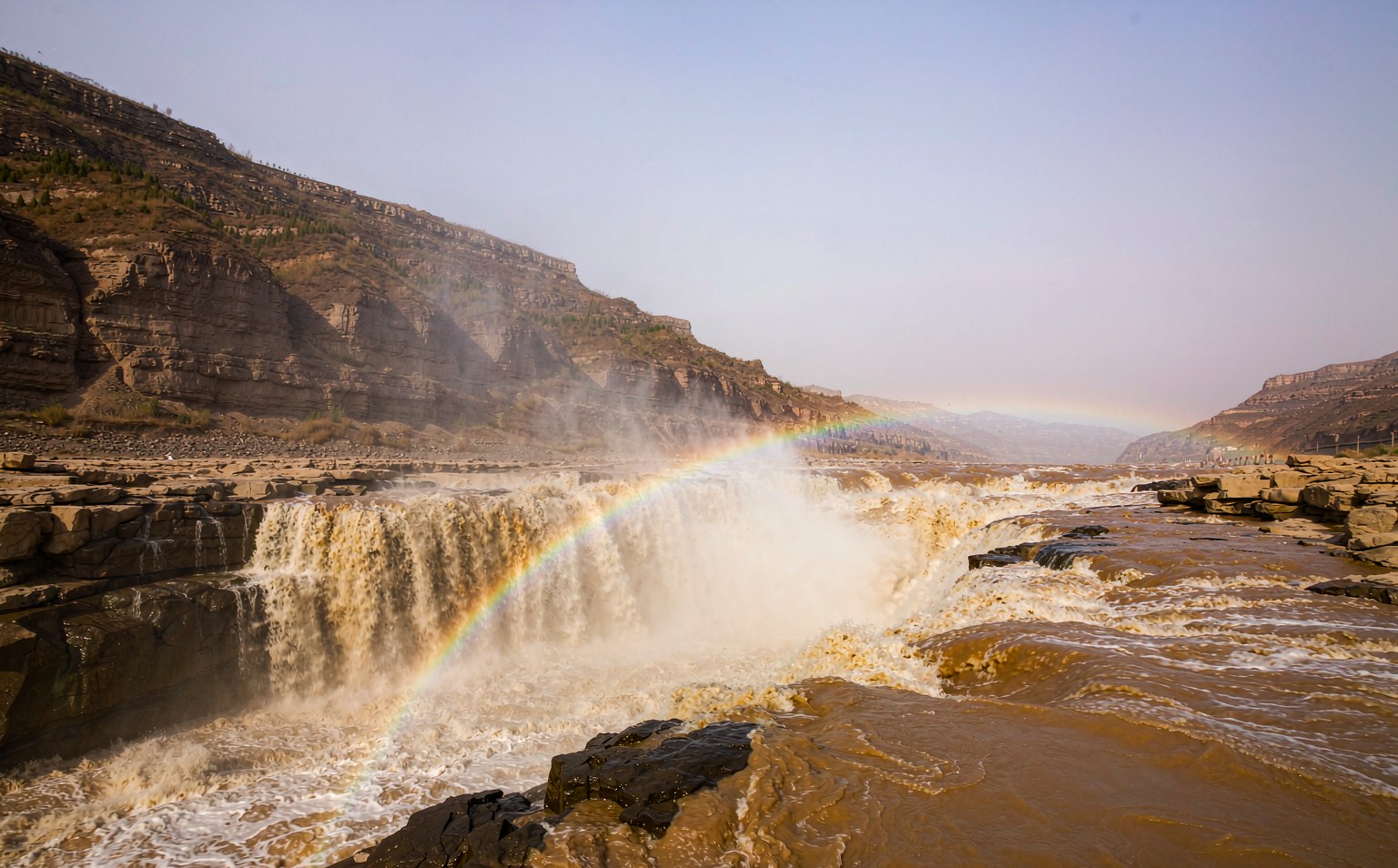
Luoyang Departure: Hukou Waterfall, Yanan and the Yellow Emperor Tomb, 6 Days 5 Nights
Six days from Luoyang. West first, where the Yellow River squeezes into a narrow gap at Hukou and the roar carries for miles, then north to Yanan with its cave dwellings and the pagoda hill, and south at the end to Huangling for a cypress said to be planted by the Yellow Emperor himself.
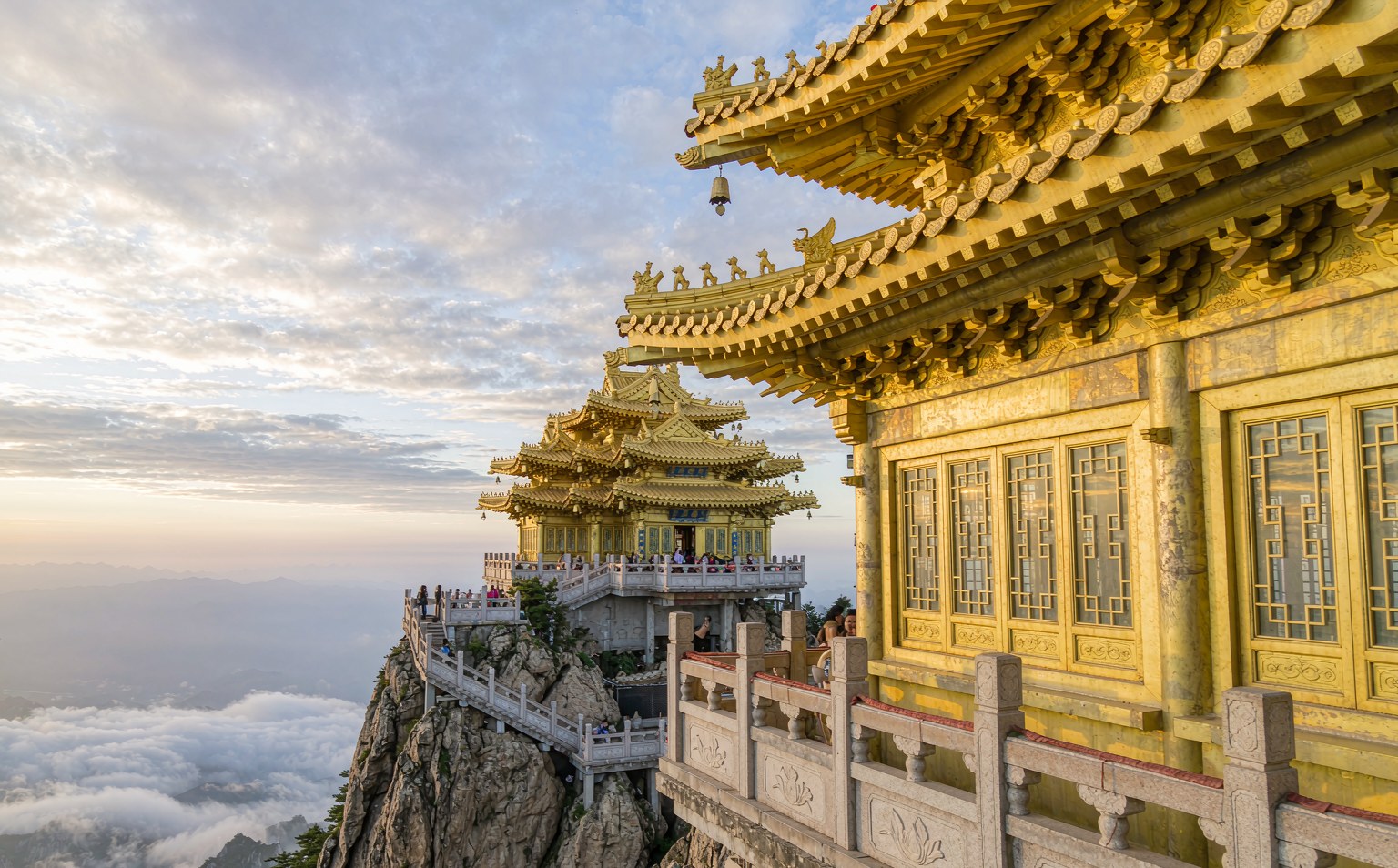
Luoyang Departure: Emei Summit, Leshan Buddha and Qingyin Pavilion, 5 Days 4 Nights
Five days from Luoyang. A night in Chengdu first, then the Leshan Buddha, then Emei Mountain. The summit sits above the cloud and the cable car takes minutes. The lower slopes are a different matter: the brick vault of Wannian Temple and the twin bridges at Qingyin.
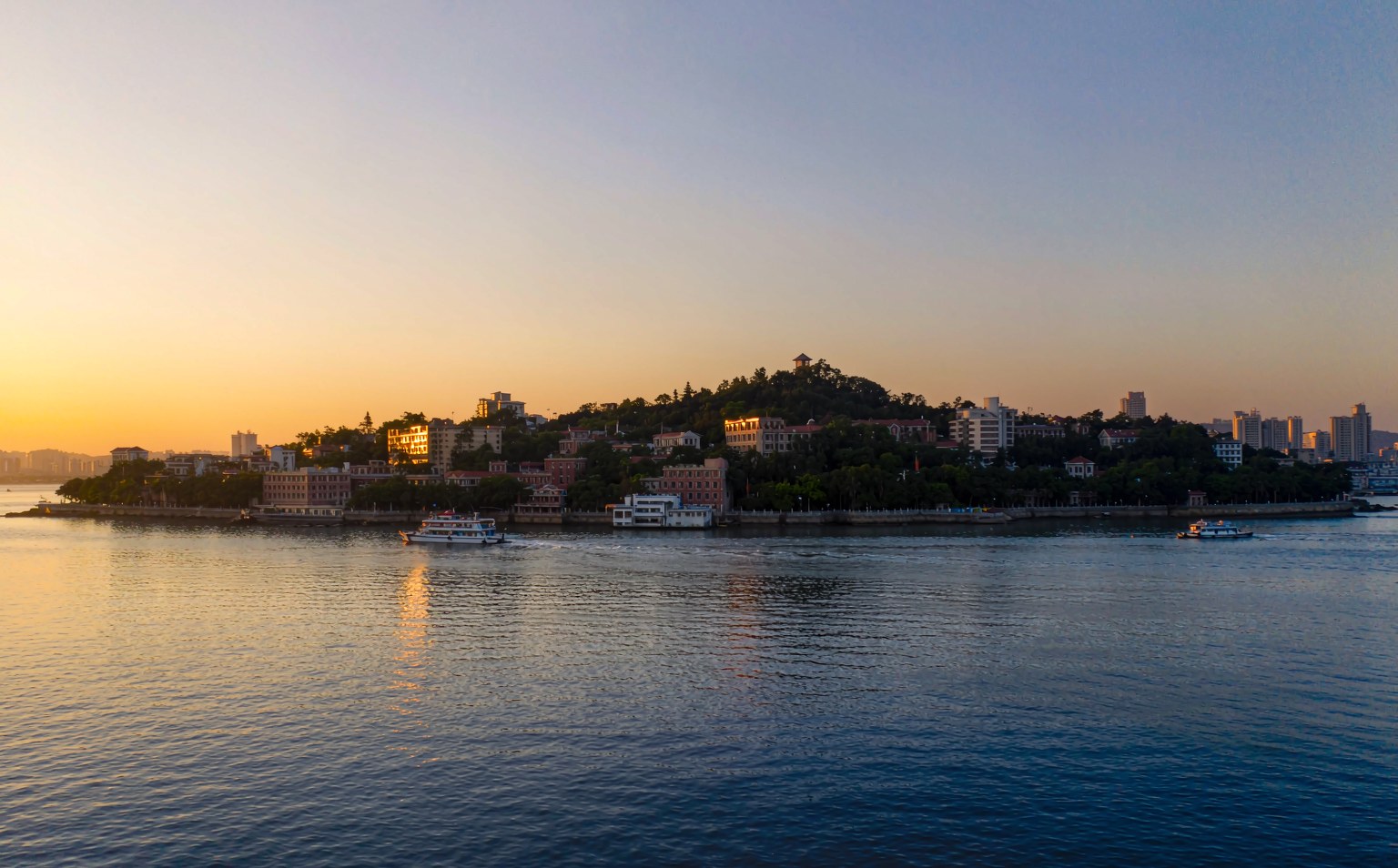
Luoyang Departure: Gulangyu, Sunlight Rock and Shuzhuang Garden, 5 Days 4 Nights
Five days from Luoyang. November is the good window: the sea wind is dry and the bougainvillea still out. The ferry is 35 yuan return and stays valid for 20 days, so nothing is rushed. One full day on the island, one for the temples and the coast, and a slow last morning in Jimei.