
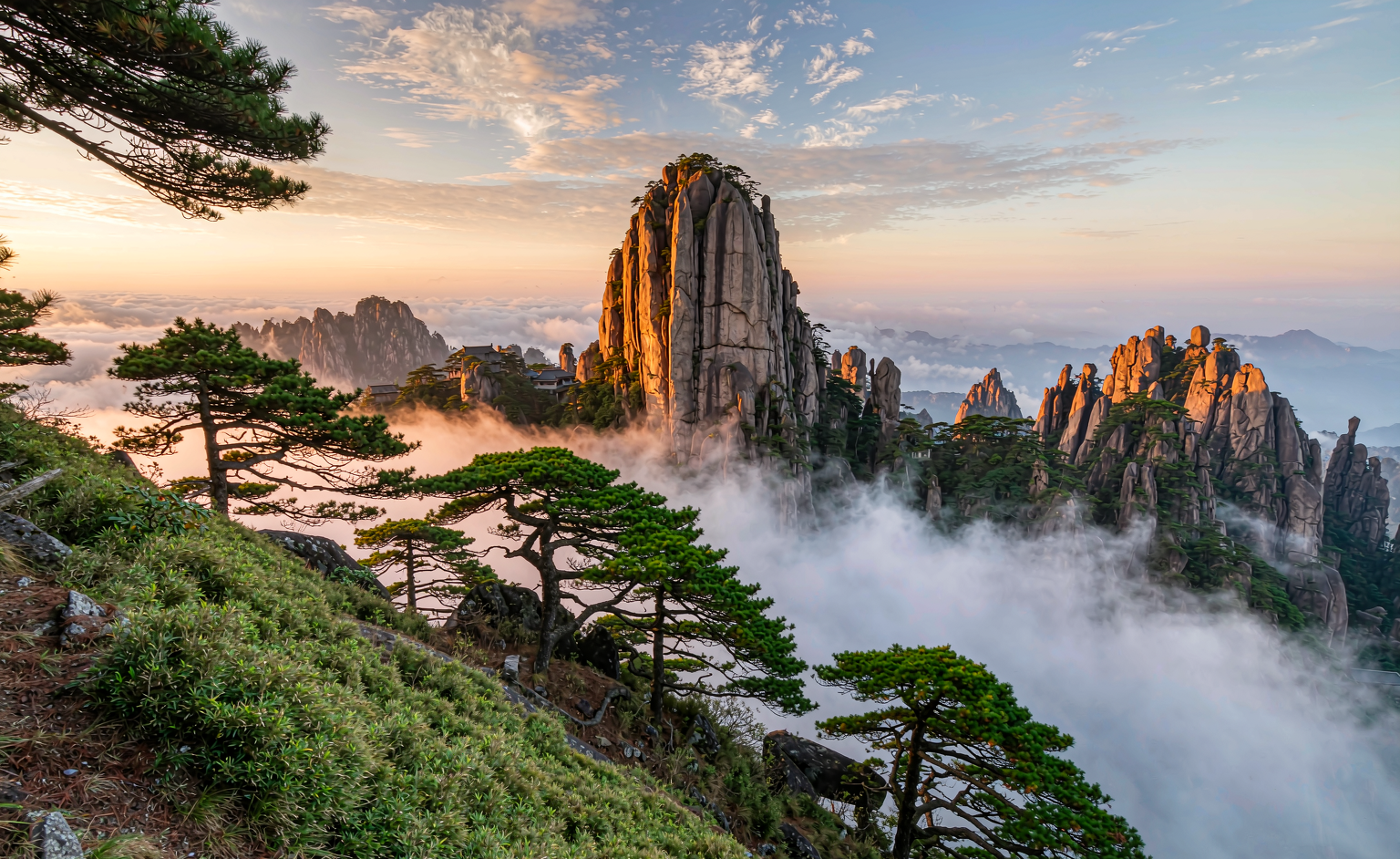
Luoyang Departure: Huangshan, West Sea Canyon, Hongcun and Tachuan, 5 Days 4 Nights
Five days from Luoyang. Two days on Huangshan with a night on the summit for sunrise, then down into Yixian: a night inside Hongcun, and Tachuan, whose tallow trees turn in mid November and hold their colour for barely three weeks.
Highlights
Day 1: Luoyang to Tangkou, at the foot of the mountain
We leave Luoyang Longmen in the morning, change at Zhengzhou East, and reach Huangshan North in the afternoon. A shuttle to Tangkou and we check in. In the evening we walk the main street and buy supplies for tomorrow, and that is the whole day.
Attraction introduction: Tangkou lies on the southern slope of Huangshan, low enough to be comfortable and placed exactly where the mountain road begins. Shuttles run from here to Yungu and Ciguang temples, feeding the two cable cars that serve the back and front of the massif. The stream through the village comes straight off the summit and stays cold enough to chill a melon.
Tips: Everything on the mountain costs more, so buy water and bread here. Guests generally find portions at dinner generous and order too much. In practice we sleep early and leave at six-thirty.
Day 2: Up by cable car, into the West Sea Canyon
A shuttle to Yungu temple and the cable car up. First Shixin Peak, where pines grow on the very edge with their branches pushed to one side by years of wind. Then Guangming Peak, where the view opens all at once. In the afternoon the West Sea Canyon, its boardwalk pinned to the cliff with nothing underneath. We sleep near Paiyun Pavilion.
Attraction introduction: The West Sea Canyon is the most exposed section of Huangshan, a deep cut between granite walls with the walkway chiselled out of the rock and carried across in stages. Shixin Peak is known for pines rooted in cracks rather than soil, shaped oddly by wind and frost. Guangming Peak is where people gather for sunrise and sunset.
Tips: There are many steps, and knee supports earn their place. Guests generally find the canyon easy to descend and hard to climb, and the little cable car saves a stretch. In practice we split by fitness and anyone tired waits at Paiyun.
Day 3: Sunrise, then down into Yixian
Up early for sunrise, either Guangming Peak or Lion Peak depending on the wind. After breakfast we walk towards Yuping Tower, where the Greeting Pine reaches one branch out over the path. In the afternoon the Yuping cable car down, then a drive to Hongcun in Yixian, where we sleep inside the village. Dinner there: stinky mandarin fish and hairy tofu are both worth trying.
Attraction introduction: The Greeting Pine stands east of Yuping Tower, several hundred years old, one lateral branch held out. Yuping sits between Lotus Peak and Tiandu Peak, the centre of the front mountain. Hongcun is laid out as an ox, water led in at the village head and run past every doorway, with Moon Pond as the stomach and South Lake as the belly.
Tips: Queues for the downhill cable car vary, so starting earlier is safer. Guests generally find a line forms for photographs at the Greeting Pine and half an hour earlier saves it. In practice we reach Hongcun late and eat in the village.
Day 4: Tachuan in the morning, Hongcun after
An early drive to Tachuan, two kilometres from Hongcun. The tallow trees at the village mouth move from yellow to red, and the rice has been cut, leaving stubble. We stand at the viewpoint while mist lifts off the fields. Lunch back in Hongcun, then the afternoon along South Lake and Moon Pond and inside Chengzhi Hall for the carved beams.
Attraction introduction: Tachuan is a hamlet of a few dozen households in Hongcun township, houses stepped up the slope. What reddens here is the tallow tree, not maple: leaves yellow first and then turn, so one tree can hold three colours at once. Chengzhi Hall in Hongcun belonged to a late Qing salt merchant, its beams carved in several layers with figures inside figures.
Tips: The Tachuan viewpoint is small and crowded in the morning. Guests generally find the leaves glow best against the light. In practice we go at first light and eat breakfast afterwards.
Day 5: Back to Luoyang
We leave Hongcun for Huangshan North in the morning, a little over an hour, then the train home with a change at Zhengzhou East, arriving at night. Buy a few baked sesame cakes in the village for the journey.
Attraction introduction: Yixian is one of Huizhou's old counties and keeps a good number of Ming and Qing villages, Xidi and Hongcun among them. Houses here are whitewashed with dark tiles and stepped horse-head gables, the walls built higher than the roof for fire, not for looks.
Tips: Book return tickets early; weekend seats are tight. Guests generally find entry at Huangshan North quicker than expected. In practice we arrive an hour before departure.
Related Tours
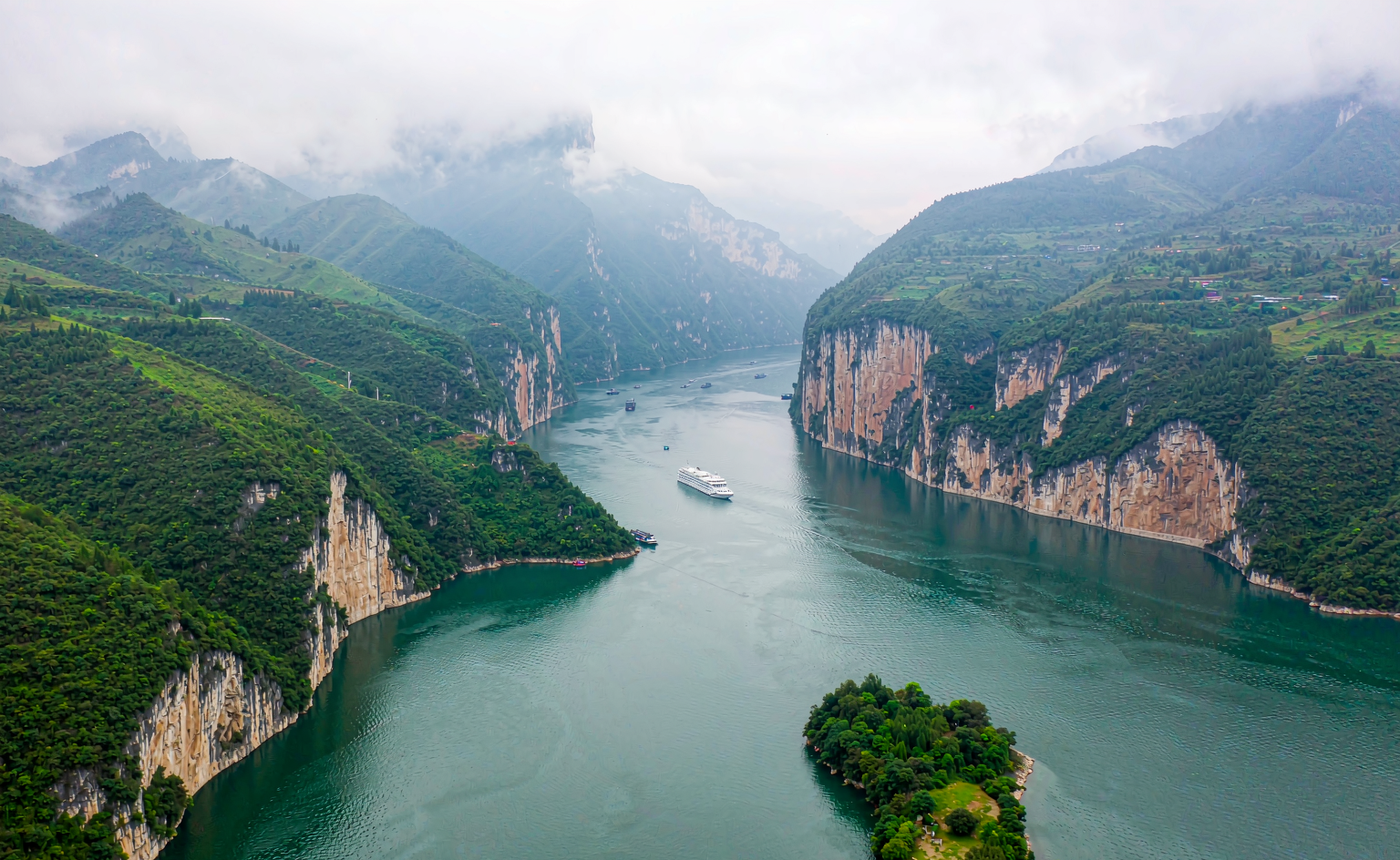
Luoyang Departure: Three Gorges, Wu Gorge and Baidi City, 5 Days 4 Nights
Five days from Luoyang. Board at Yichang and travel upstream, taking Xiling, Wu and Qutang gorges one after another. Three nights on the water, with a morning ashore at Baidi City and the river slapping the hull after dark.
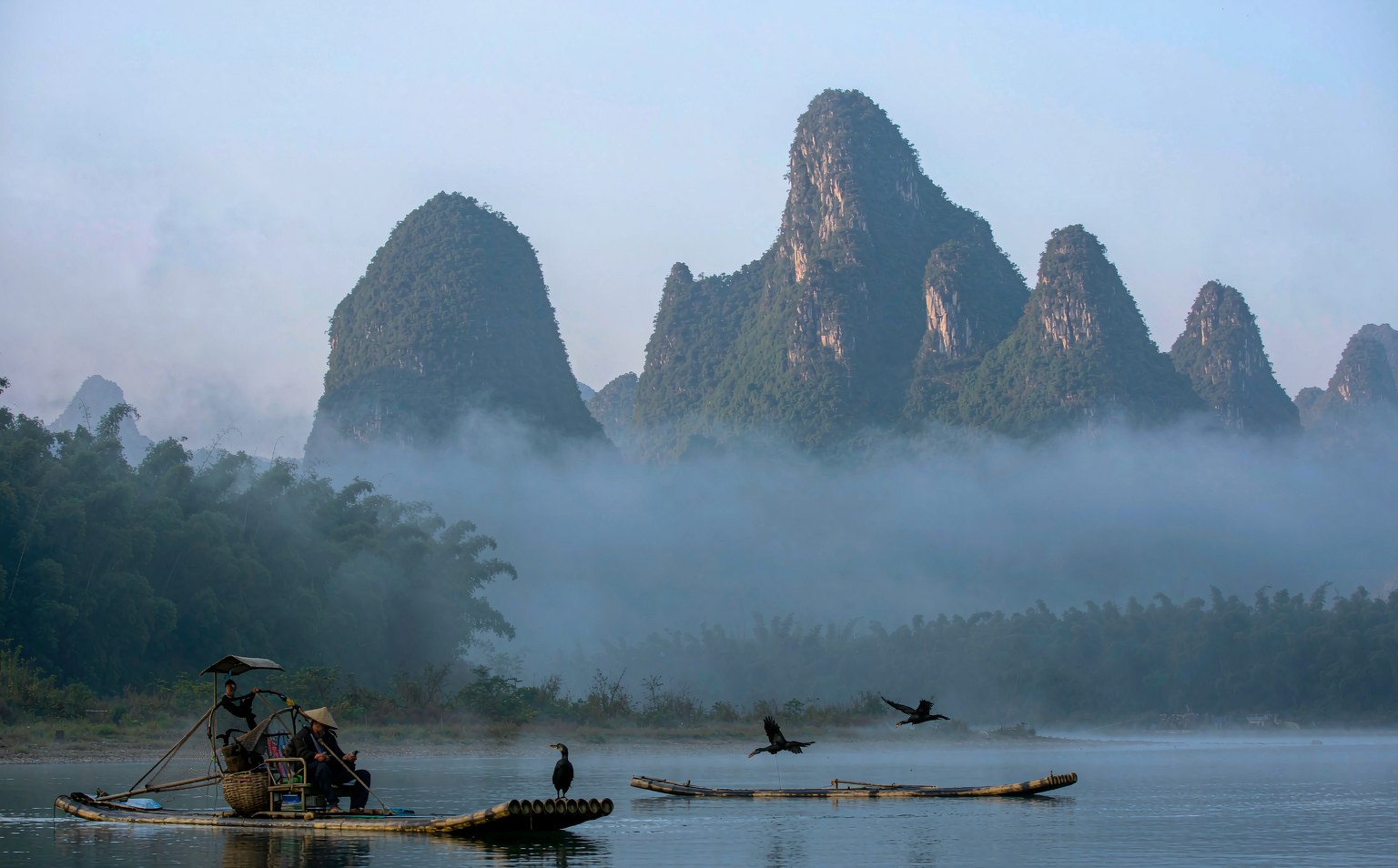
Luoyang Departure: Guilin, Li River and Longji Terraces, 5 Days 4 Nights of the Harvest
Five days from Luoyang. From late September to mid October the Longji rice turns from green to gold and the Li River carries morning mist. The terraces come first, then we run south, without doubling back.
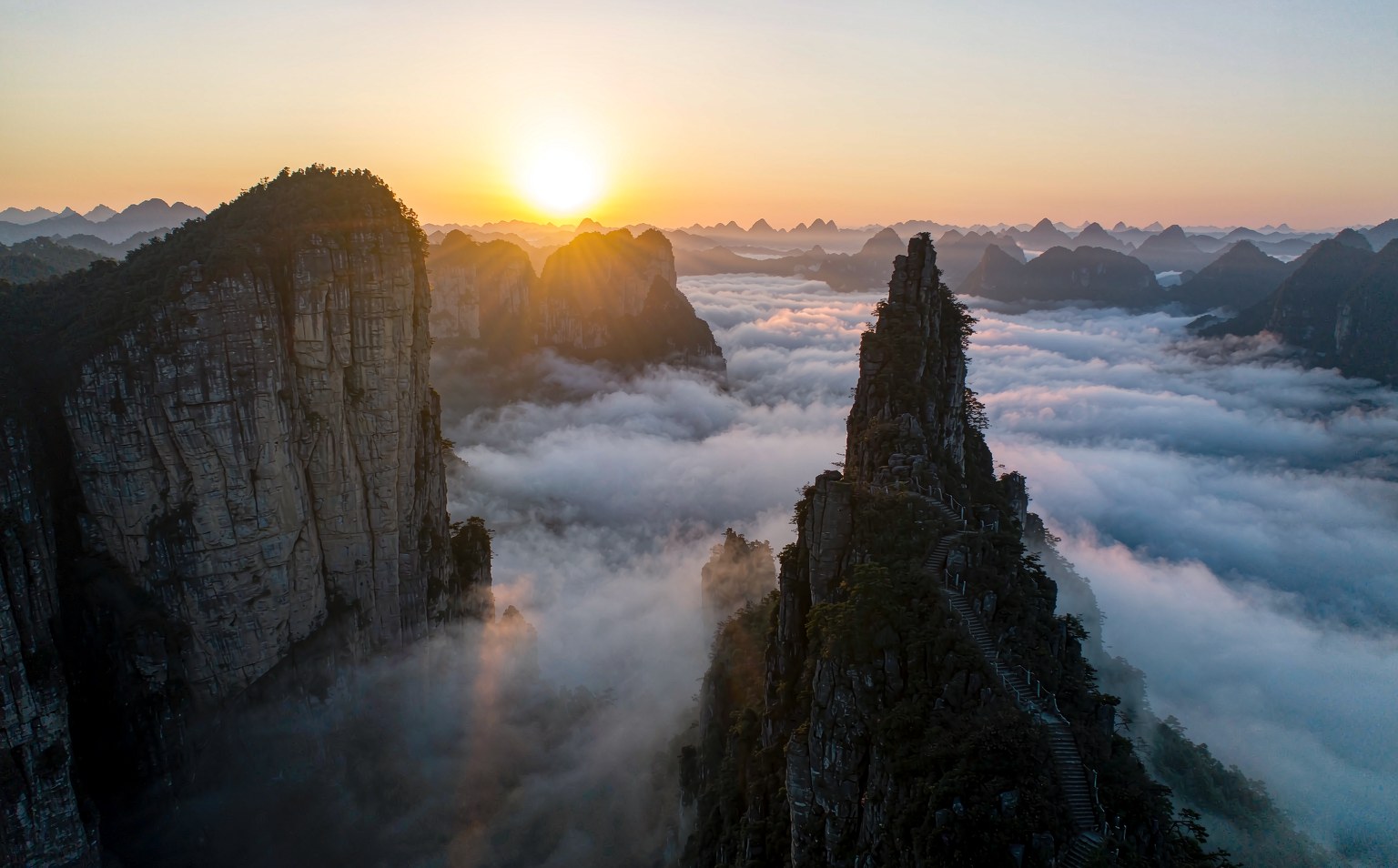
Luoyang Departure: Zhangjiajie, Tianzi Mountain and Baofeng Lake, 5 Days 4 Nights
Five days from Luoyang. The sandstone pillars of Wulingyuan grow clouds best after rain clears, so the itinerary leans on a four-day ticket: Yuanjiajie, Tianzi Mountain and Golden Whip Stream each get their own day, and the last half day goes to the lake among the peaks.
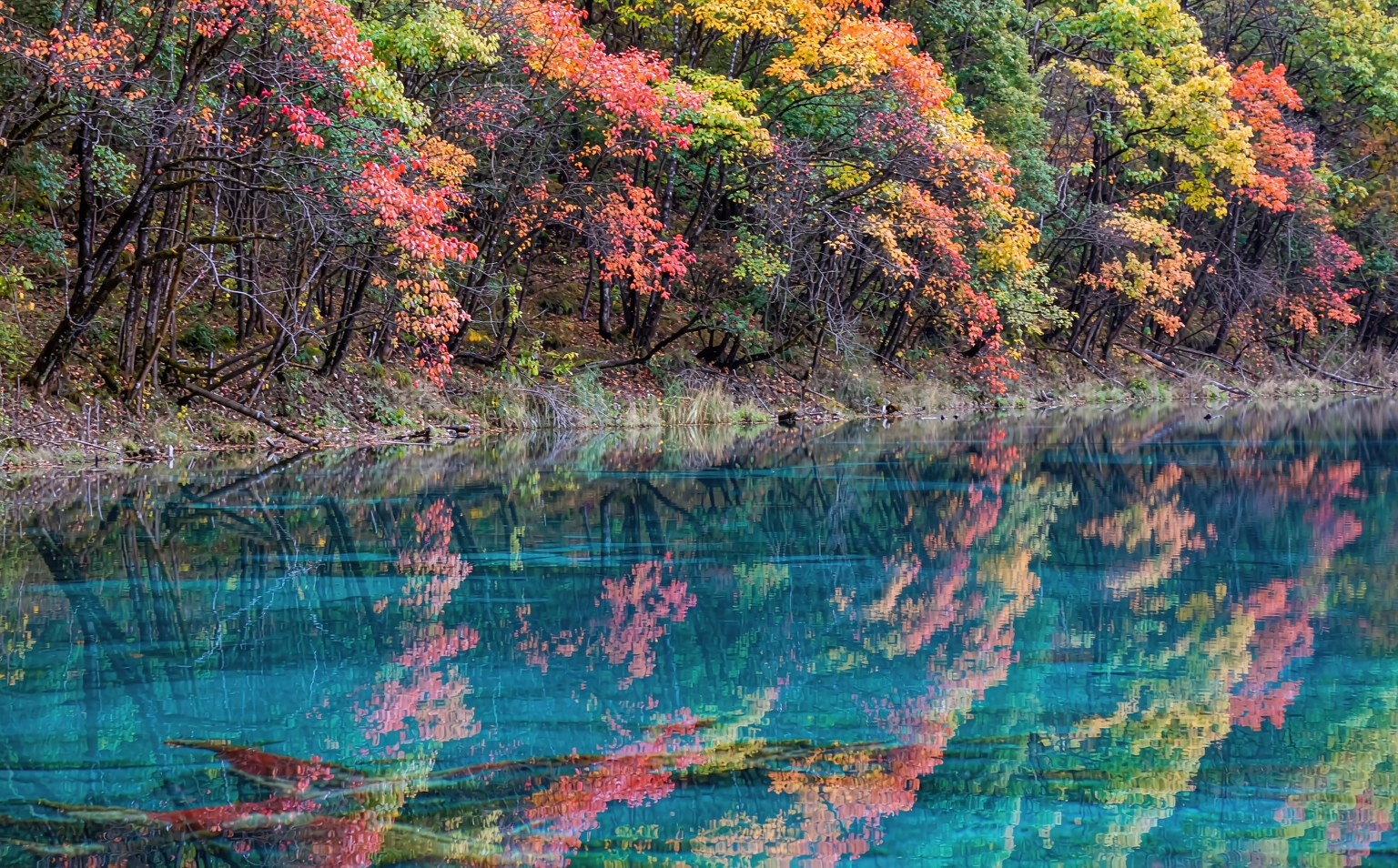
Luoyang Departure: Jiuzhaigou, Huanglong and Songpan, 6 Days 5 Nights of Autumn Colour
Six days from Luoyang. The autumn foliage lasts about three weeks, so the dates are pinned to late October. One full day covers all three valleys of Jiuzhaigou, half a day goes to the Huanglong terraces, and one night is spent inside the old walls of Songpan.