
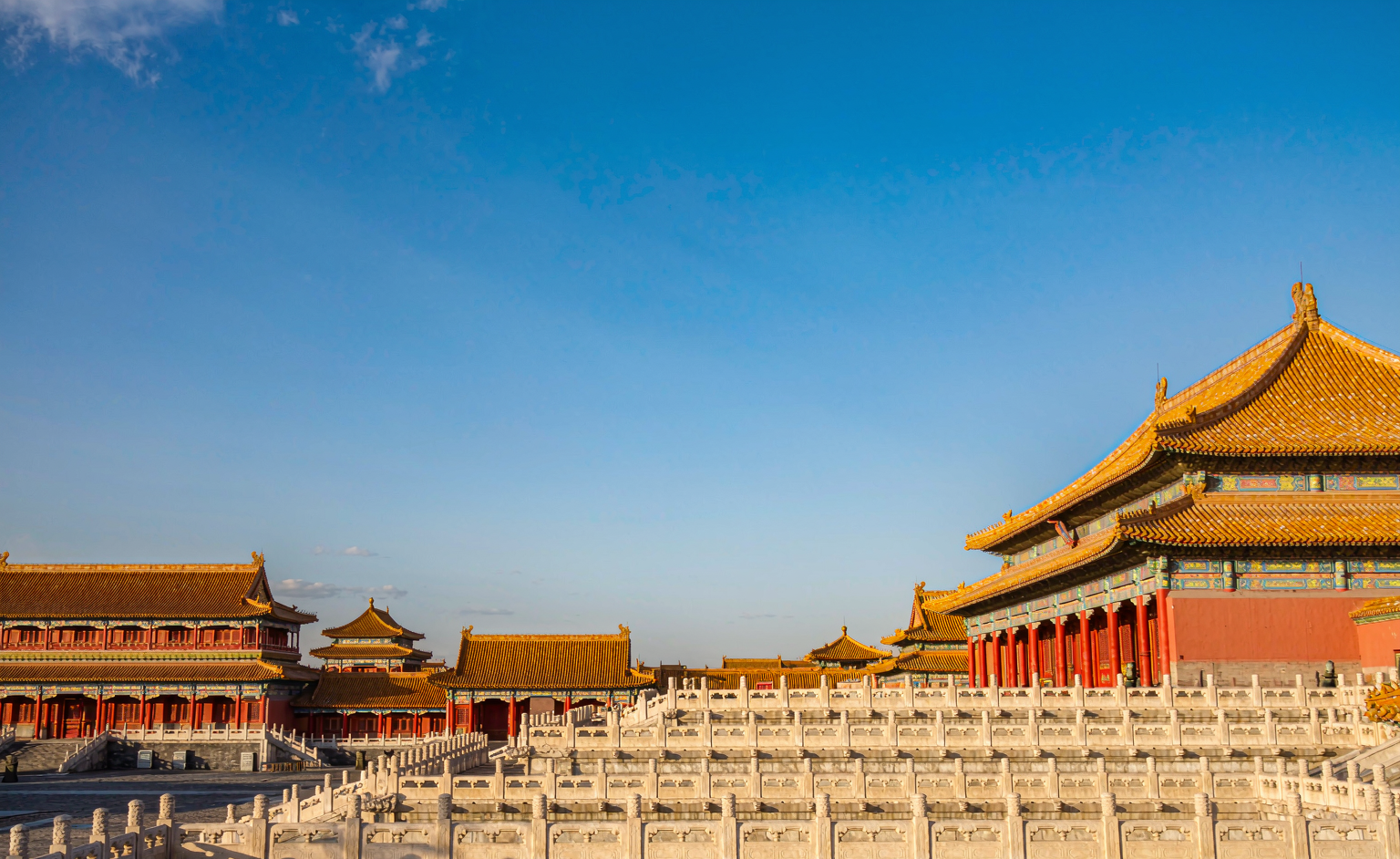
Luoyang to Beijing: Forbidden City, Mutianyu Great Wall and Shichahai, 5 Days
Five days from Luoyang. From November 1 the Forbidden City switches to its low-season ticket at 40 yuan, and the queues shorten. Enter at Meridian Gate, walk the central axis to the north gate, then climb Jingshan for the roofscape. Day three is Mutianyu, cable car up and toboggan down.
Highlights
Day 1: Train from Luoyang, evening at Shichahai
A morning departure from Luoyang Longmen puts you at Beijing West in a little over four hours. Drop the bags at the Qianmen hotel, then walk north. Shichahai needs no ticket: follow the west bank of Houhai, where retired men set up chess boards under the willows and a tripe stall unfolds two small tables. Climb Yinding Bridge before dark for the Western Hills on the horizon.
Attraction introduction: Shichahai is three linked lakes, Qianhai, Houhai and Xihai. In the Yuan dynasty this was the end of the Grand Canal grain route, and the docks at Jishuitan unloaded cargo here. The lanes around it keep their Ming and Qing layout.
Tips: The first day is mostly transport, so leave room for subway transfers. Guests generally find that staying near Qianmen saves the most walking, with the Forbidden City and Temple of Heaven both a short ride away. In practice, keep the evening short: day two involves four or five hours on your feet.
Day 2: A full day inside the Forbidden City
Reach Meridian Gate by 7:30, clear security once, and walk in when the doors open at 8:30. The low-season ticket is 40 yuan and the crowds are thinner than in October, so you can stand still in front of the Hall of Supreme Harmony. Follow the axis: Taihe Gate, Taihe Hall, Zhonghe Hall, Baohe Hall, then Qianqing Palace and Kunning Palace. After lunch, wander the six eastern and western palaces; the gold chime bells in the Treasure Gallery deserve a pause. Exit north and cross the road to Jingshan, where the Wanchun Pavilion looks down on a sea of golden roofs.
Attraction introduction: The palace was completed in 1428 and about 980 buildings survive. The three great halls sit on a three-tier marble terrace whose 1,142 dragon-head spouts drain the platform together in rain.
Tips: Entry is south only and exit north only, so backtracking costs two extra kilometres. Guests generally find that arriving before 9 am is calmest, while the central axis clogs after noon. In practice, the Treasure Gallery and Clock Gallery cost 10 yuan each and are optional.
Day 3: Mutianyu, cable car up and toboggan down
Leave at seven for Huairou, about ninety minutes. The 45 yuan ticket includes a postcard, and the shuttle drops you at the cable car base. The chairlift rises over a solid stand of cypress. Walk west from tower 14 to tower 20, where the wall follows the ridge line and the steps between towers are steep, with handrails added later. Lunch is a bowl of noodles on the mountain, then the toboggan down, a metal sled that swings through a dozen turns.
Attraction introduction: Mutianyu sits in Bohai township, Huairou district, built under general Xu Da in the early Ming. The wall runs 5,400 metres, with 2,250 metres open. Zhengguan Tower stacks three hollow watchtowers together, a rare arrangement.
Tips: Wind on the wall is strong, so bring a shell jacket in November; hats tend to fly. Guests generally find the cable car up and toboggan down the least tiring combination, with three hours enough for the open section. In practice, the stretch west of tower 20 is closed and fenced off.
Day 4: Temple of Heaven, then Yonghe Temple
Start at the Temple of Heaven south gate, stand on the centre stone of the Circular Mound, and try the Echo Wall. The three tiers of blue glazed tiles on the Hall of Prayer for Good Harvests rise behind the cypress grove, and its 28 pillars map the seasons and the months. Lunch is douzhi and fried rings near Ciqiaokou, or liver stew if the fermented mung bean drink is too much. In the afternoon, the Maitreya in Yonghe Temple is carved from a single white sandalwood trunk and forces you to look up.
Attraction introduction: The temple complex was built in 1420 for imperial sacrifices to heaven and covers 273 hectares, larger than the Forbidden City. The Hall of Prayer rises 38 metres in timber without a single iron nail. Yonghe was a prince estate before becoming a lama temple in 1744.
Tips: Park admission and the through ticket are separate, and the hall needs the through ticket. Guests generally find the park liveliest at seven or eight in the morning, when locals exercise. In practice, Yonghe stops admitting at 4 pm, so do not stack the two too tightly.
Day 5: Qianmen and Dashilan, afternoon train home
Walk north along Qianmen Street in the morning, passing under the Zhengyangmen gate tower while the Dashilan shops are still taking down their boards and the old silk counter looks unchanged. Buy pastries for the train, collect the luggage at 10:30, and head to Beijing West. Four hours later you are back in Luoyang by early evening.
Attraction introduction: Zhengyangmen was the south gate of the inner city, known as Qianmen. The barbican between tower and archery tower was destroyed in 1900 and never rebuilt. The street was the imperial road to the sacrifices at heaven.
Tips: Keep the last day free of ticketed sights, since checkout is usually at noon. Guests generally find security queues at Beijing West long, so an hour of buffer is safer. In practice, souvenirs cost more inside the station than in Dashilan.
Related Tours
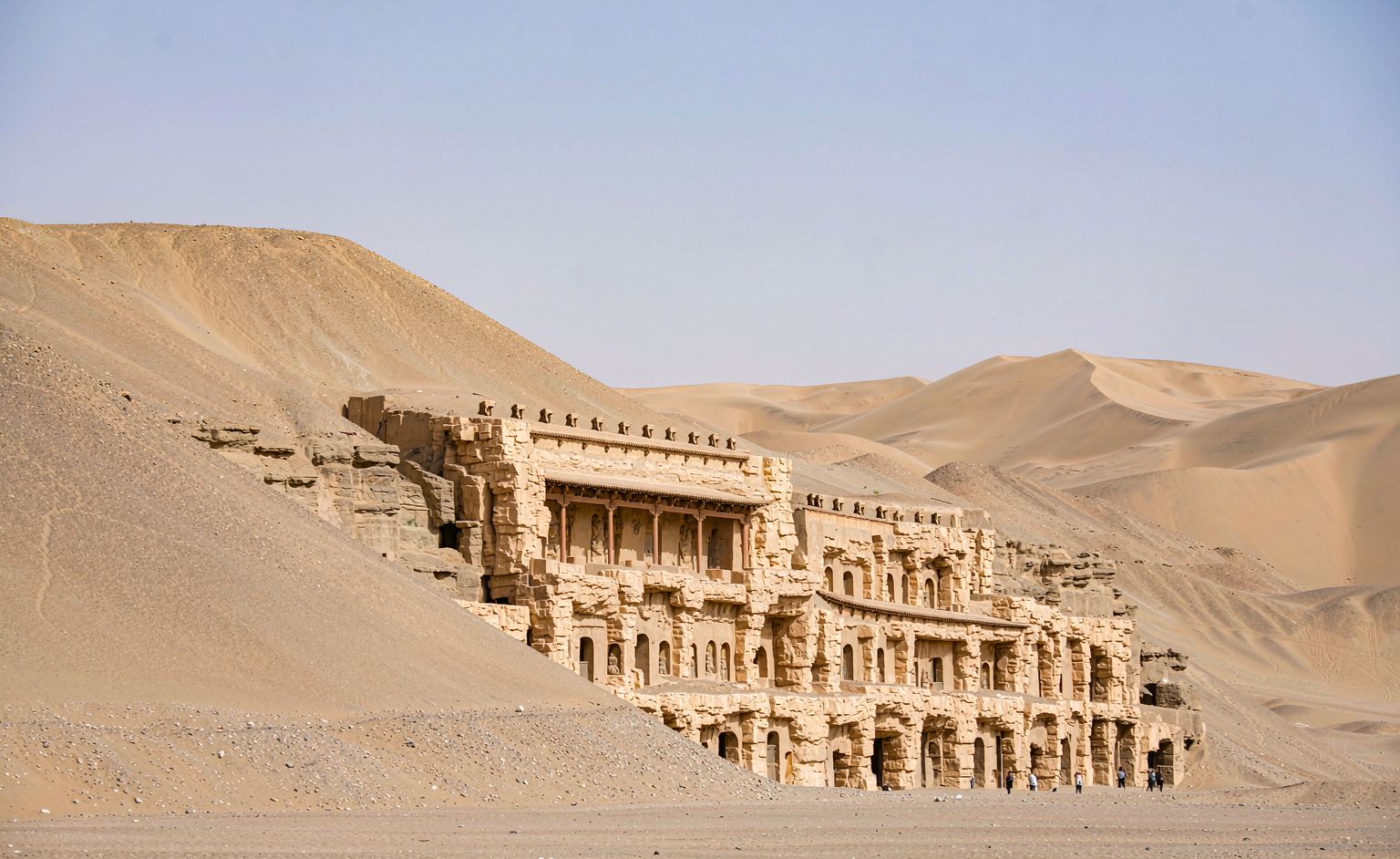
Luoyang Departure: Jiayuguan, Mogao Caves and Crescent Spring, 7 Days 6 Nights
Seven days from Luoyang. On the Hexi Corridor the riding matters more than the rushing: a while under the gate tower at Jiayuguan, the flying figures inside the Mogao caves, and one sunset waited out on the Singing Sand Dunes. November is low season, so the caves are quiet.
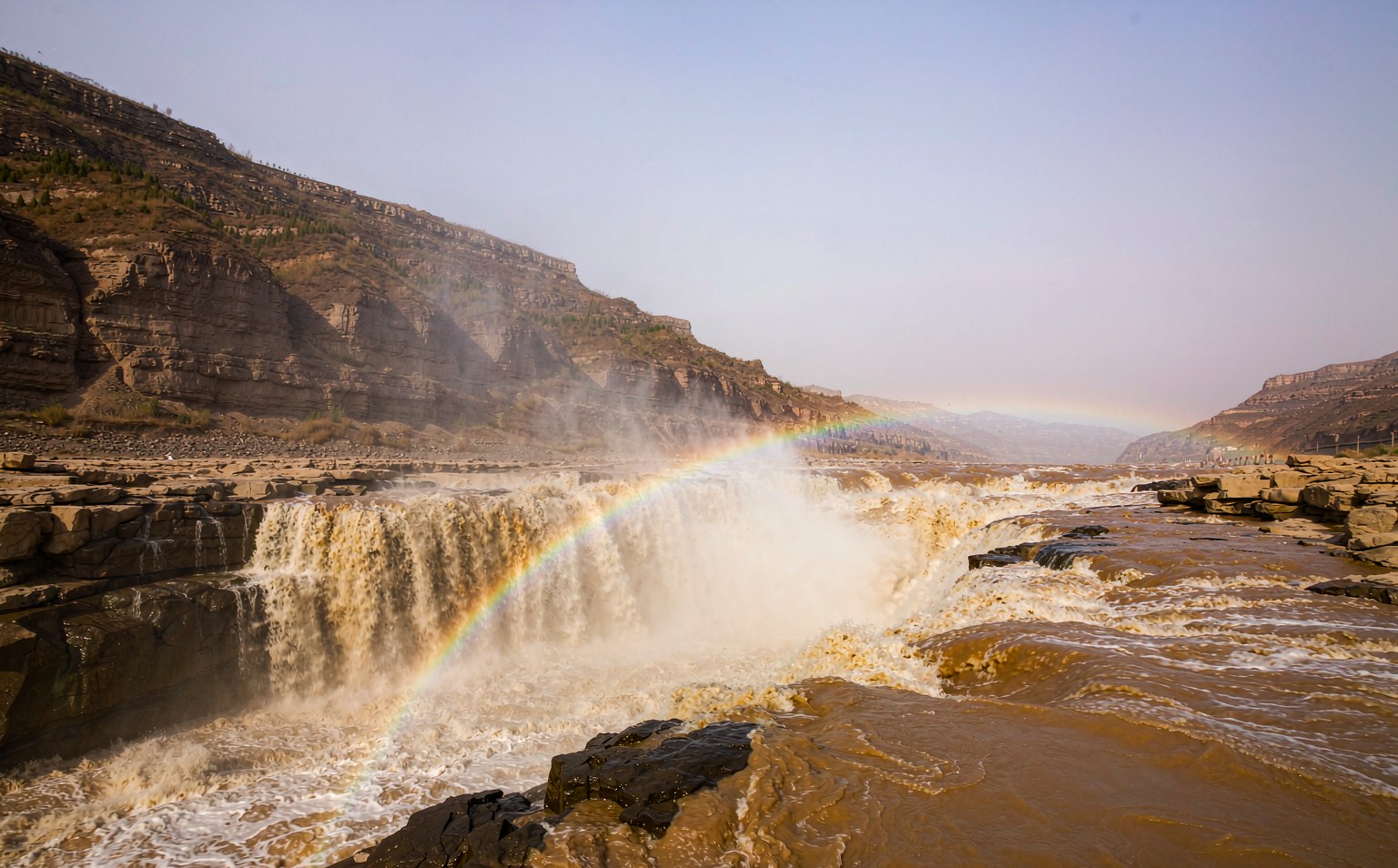
Luoyang Departure: Hukou Waterfall, Yanan and the Yellow Emperor Tomb, 6 Days 5 Nights
Six days from Luoyang. West first, where the Yellow River squeezes into a narrow gap at Hukou and the roar carries for miles, then north to Yanan with its cave dwellings and the pagoda hill, and south at the end to Huangling for a cypress said to be planted by the Yellow Emperor himself.
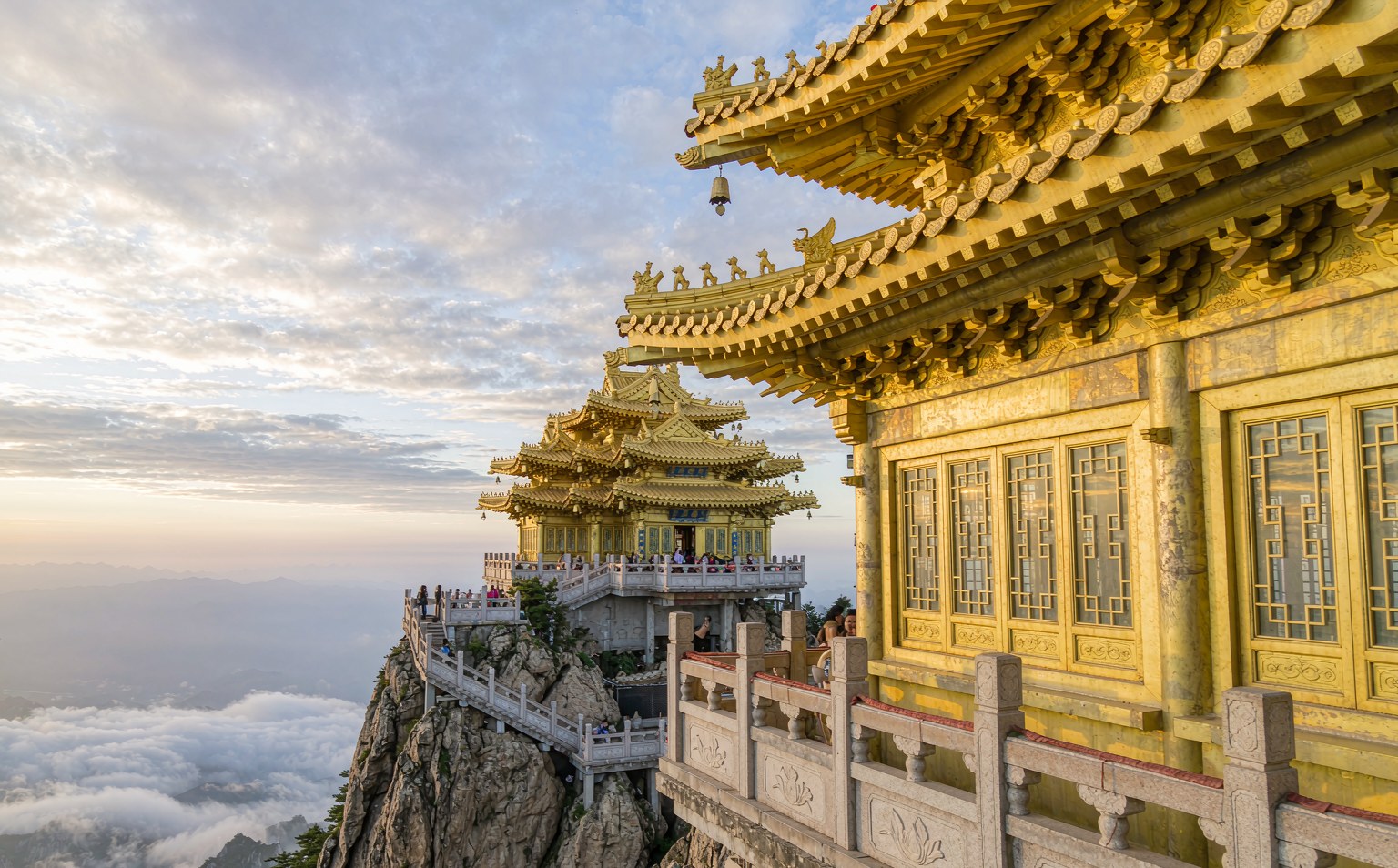
Luoyang Departure: Emei Summit, Leshan Buddha and Qingyin Pavilion, 5 Days 4 Nights
Five days from Luoyang. A night in Chengdu first, then the Leshan Buddha, then Emei Mountain. The summit sits above the cloud and the cable car takes minutes. The lower slopes are a different matter: the brick vault of Wannian Temple and the twin bridges at Qingyin.
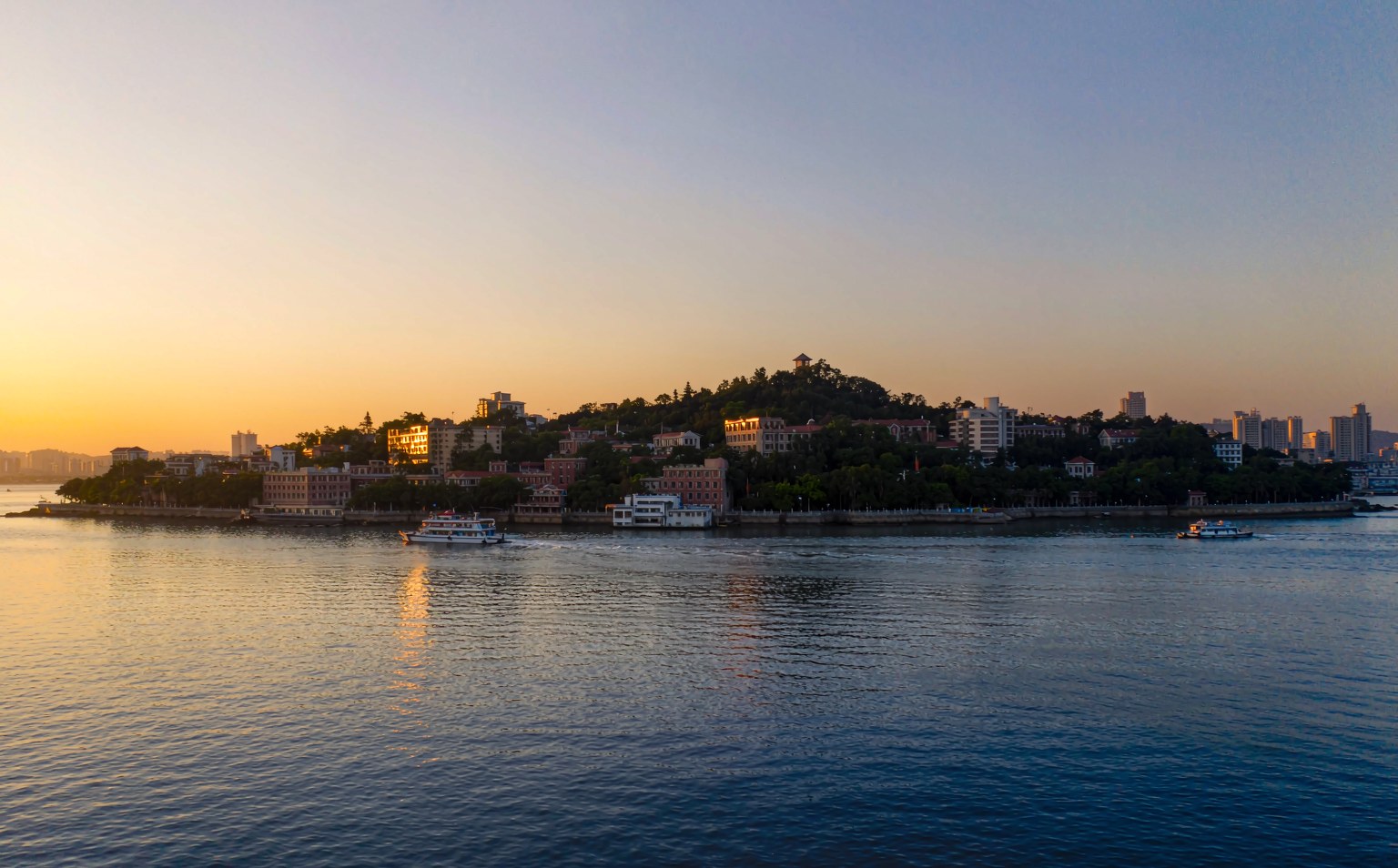
Luoyang Departure: Gulangyu, Sunlight Rock and Shuzhuang Garden, 5 Days 4 Nights
Five days from Luoyang. November is the good window: the sea wind is dry and the bougainvillea still out. The ferry is 35 yuan return and stays valid for 20 days, so nothing is rushed. One full day on the island, one for the temples and the coast, and a slow last morning in Jimei.