
Luoyang to Xian: Terracotta Army, City Wall and Big Wild Goose Pagoda, 4 Days
Four days from Luoyang, barely an hour by rail. Ride the city wall on day one, 13.74 kilometres around. Day two starts early for the Terracotta Army, where the battle formation of Pit One opens up in front of you. Day three is museums and the Giant Wild Goose Pagoda.
Highlights
Day 1: Train to Xian, a lap on the city wall
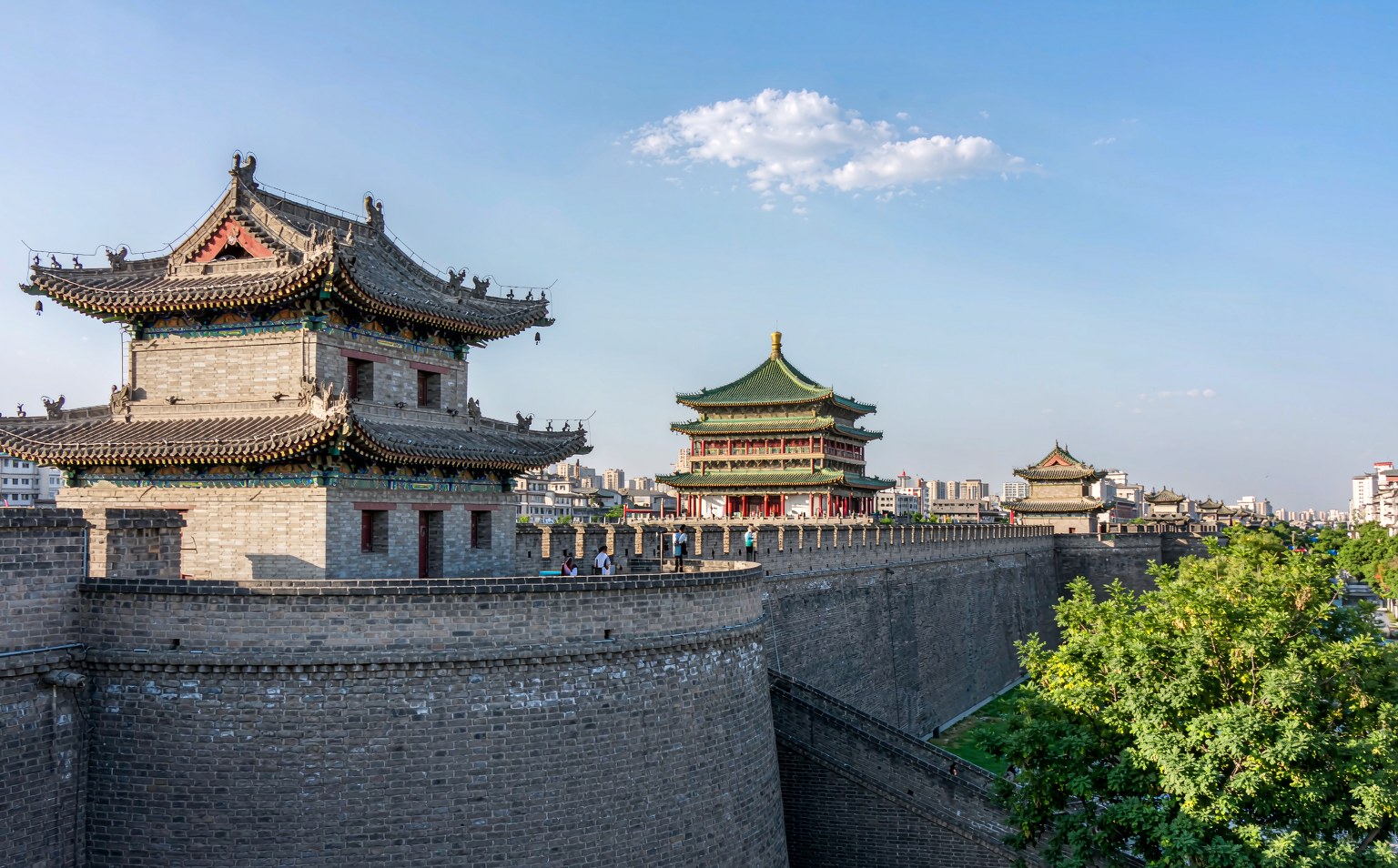
A midday train from Luoyang Longmen reaches Xian North in just over an hour. Take the metro to Yongningmen, drop the bags, and climb the wall. The 54 yuan ticket buys the whole circuit, and the brick paving is worn smooth, the top wide enough for two bicycles abreast. Rent a bike and ride west, descend at Hanguangmen to see the Tang dynasty wall section in cross-section, then loop north to the west gate. After dark the lanterns come on along the parapet, and a full lap takes about ninety minutes.
Attraction introduction: The wall was first laid out in 582 and extended in the Ming. At 13.74 kilometres it is the largest and best preserved ancient city rampart in China, twelve metres high and twelve to fourteen metres across the top.
Tips: Wind on the wall is strong and November evenings cool fast, so keep a jacket with you. Guests generally find cycling far easier than walking the full circuit, and the south gate has the biggest rental station. In practice, admission is free over 65 and half price for students at 27 yuan.
Day 2: The Terracotta Army, then Lishan Garden
Leave at 7:30 for Lintong, a little over an hour. The 120 yuan ticket includes Lishan Garden. Start with Pit One, where the figures stand in formation and the front three rows are crossbowmen. The kneeling archer in Pit Two is the best preserved, and Pit Three is the command post. Lunch in the museum canteen, then the free shuttle to Lishan Garden for the bronze chariots, their canopies thin as paper.
Attraction introduction: Pit One is the largest of the three, 230 metres long and 62 wide. The figures were fired at life size, generals close to 1.9 metres, with stitching carved into the soles of their shoes.
Tips: The first hour after opening is the quietest, and the east end of Pit One gives room to stand and look. Guests generally find the audio guide clearer than following a crowd. In practice, the shuttle between the two sites is free, so ignore the touts at the gate.
Day 3: Tang silver and gold, then the night street
Morning at the Shaanxi History Museum, where the Hejiacun hoard fills the ground floor and the agate cup with a beast head is the signature piece. Lunch is a bowl of hulutou near Xiaozhai. In the afternoon, the stone steles under the Giant Wild Goose Pagoda are Tang originals, and the tower tapers visibly as it rises. After dark, walk south to the Grand Tang mall, lit until late, with the longest queue around the swinging performer.
Attraction introduction: The museum opened in 1991 with over 1.7 million objects, arranged by dynasty from Zhou to Tang. The pagoda was built in 652 on the initiative of Xuanzang to house the scriptures he carried back, seven storeys and 64 metres tall.
Tips: Entry is free but needs a reservation, and slots vanish on release day. Guests generally find a chronological route through the galleries smoother than chasing individual cases. In practice, the night street is crowded, so carry your bag in front.
Day 4: Paomo in the Muslim Quarter, afternoon train
Morning in the Muslim Quarter, entering at Beiyuanmen, where the paomo bread is torn by hand and the finer the pieces the better the soak. Walk west to Dapiyuan, where the jinggao rice cake steamer has just come off the heat, dates pressed in thick. Back at the hotel by eleven to check out, then Xian North and a little over an hour to Luoyang.
Attraction introduction: The quarter covers Beiyuanmen, Dapiyuan and Xiyangshi. In the Tang dynasty this was palace ground inside the imperial city; from Ming and Qing times it became a Hui commercial district, mosques and old shops sharing the same lanes.
Tips: The main street charges tourist prices, and two hundred metres into the alleys the numbers change. Guests generally find paomo shops quiet before 10 am, though tearing the bread takes half an hour. In practice, forty minutes at the station is enough.
Related Tours
Luoyang Departure: Jiayuguan, Mogao Caves and Crescent Spring, 7 Days 6 Nights
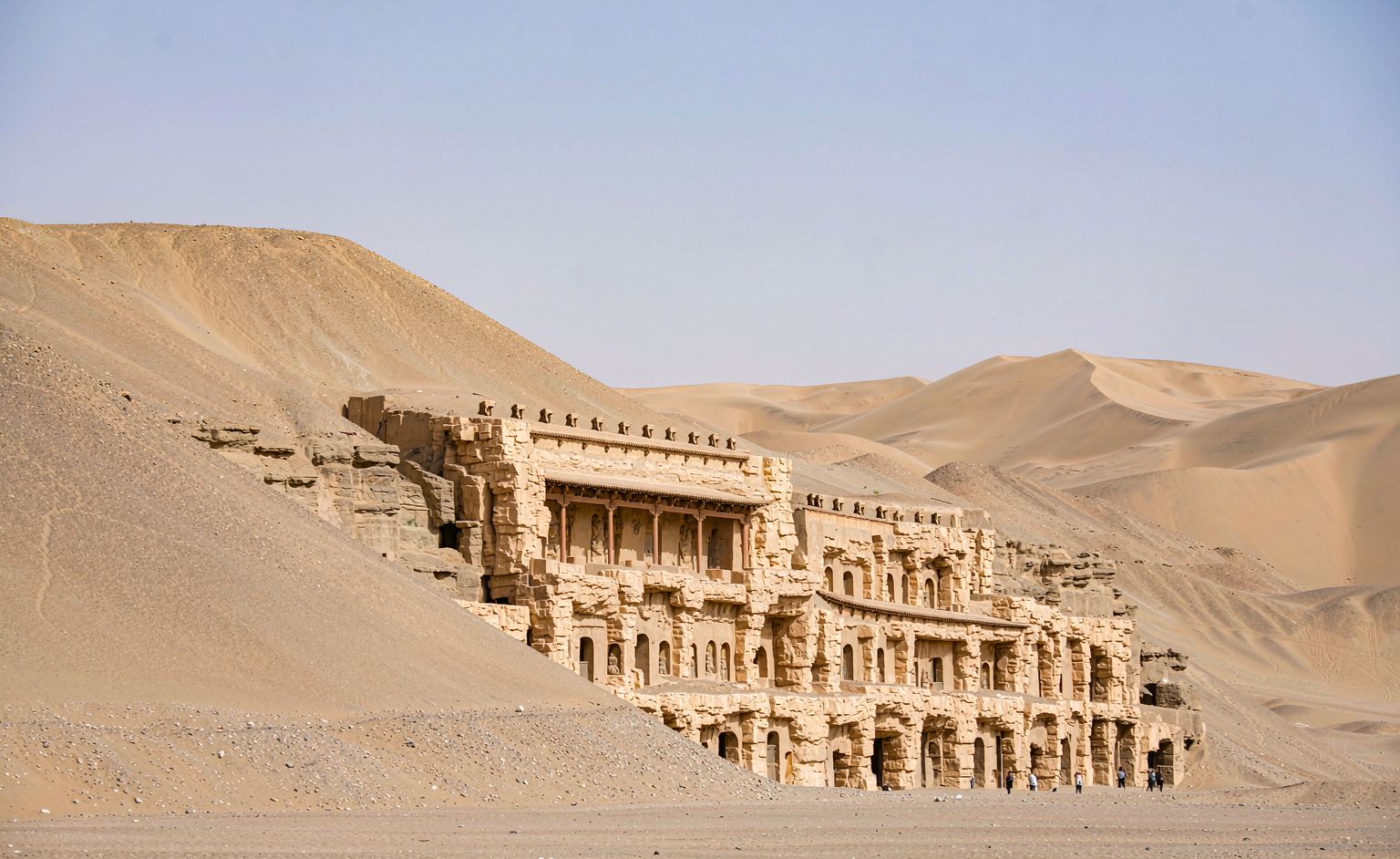
Seven days from Luoyang. On the Hexi Corridor the riding matters more than the rushing: a while under the gate tower at Jiayuguan, the flying figures inside the Mogao caves, and one sunset waited out on the Singing Sand Dunes. November is low season, so the caves are quiet.
Luoyang Departure: Hukou Waterfall, Yanan and the Yellow Emperor Tomb, 6 Days 5 Nights
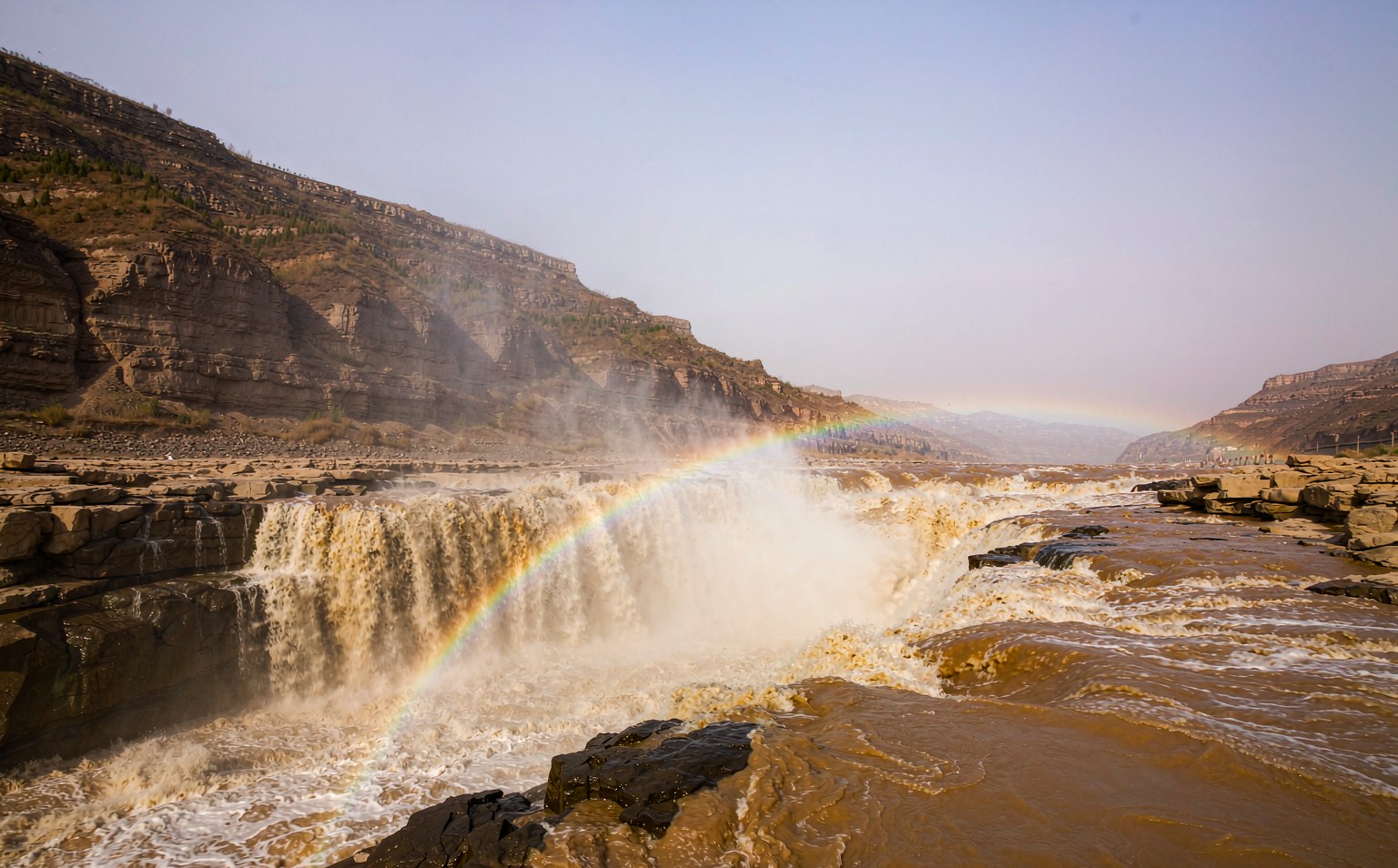
Six days from Luoyang. West first, where the Yellow River squeezes into a narrow gap at Hukou and the roar carries for miles, then north to Yanan with its cave dwellings and the pagoda hill, and south at the end to Huangling for a cypress said to be planted by the Yellow Emperor himself.
Luoyang Departure: Emei Summit, Leshan Buddha and Qingyin Pavilion, 5 Days 4 Nights
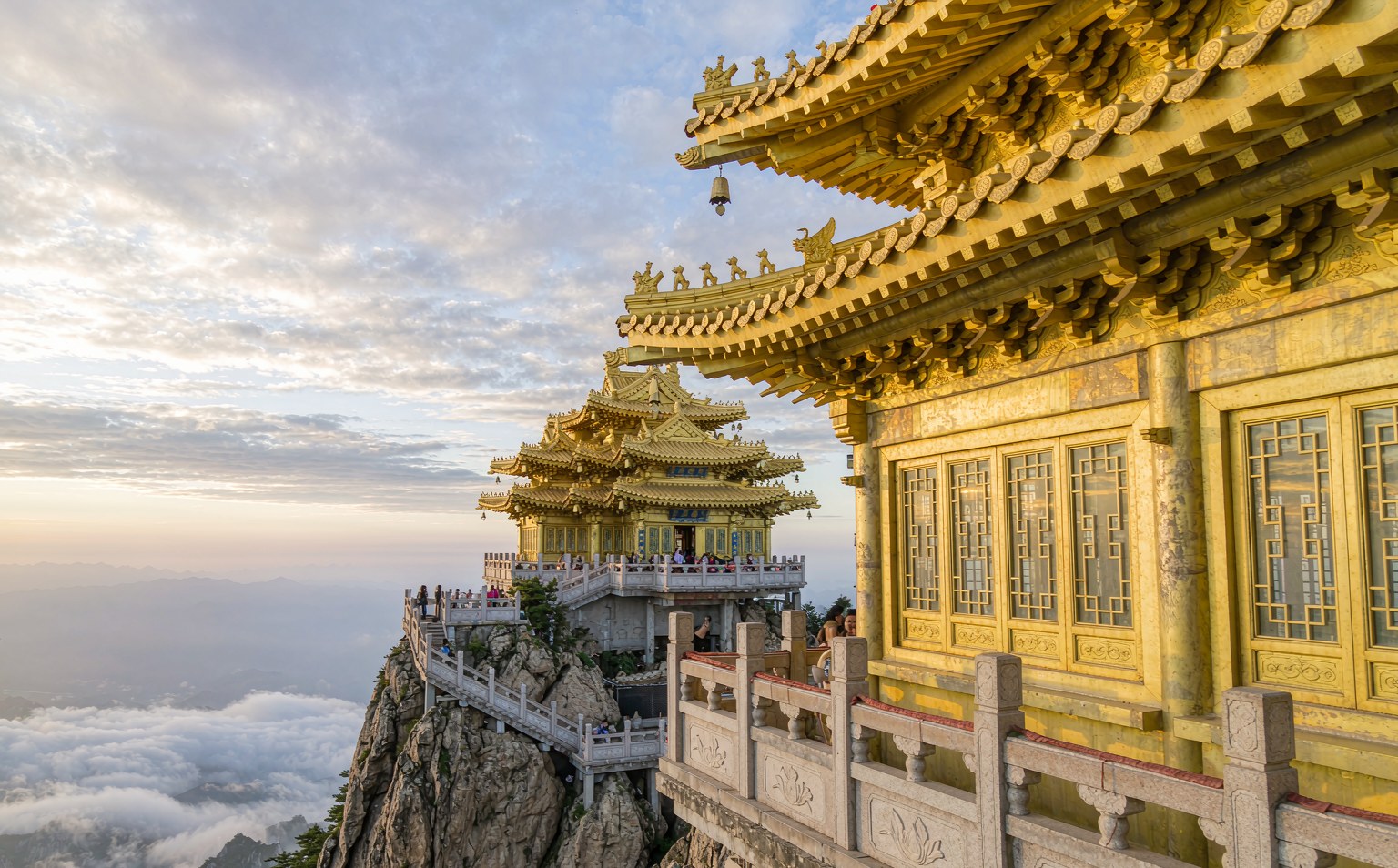
Five days from Luoyang. A night in Chengdu first, then the Leshan Buddha, then Emei Mountain. The summit sits above the cloud and the cable car takes minutes. The lower slopes are a different matter: the brick vault of Wannian Temple and the twin bridges at Qingyin.
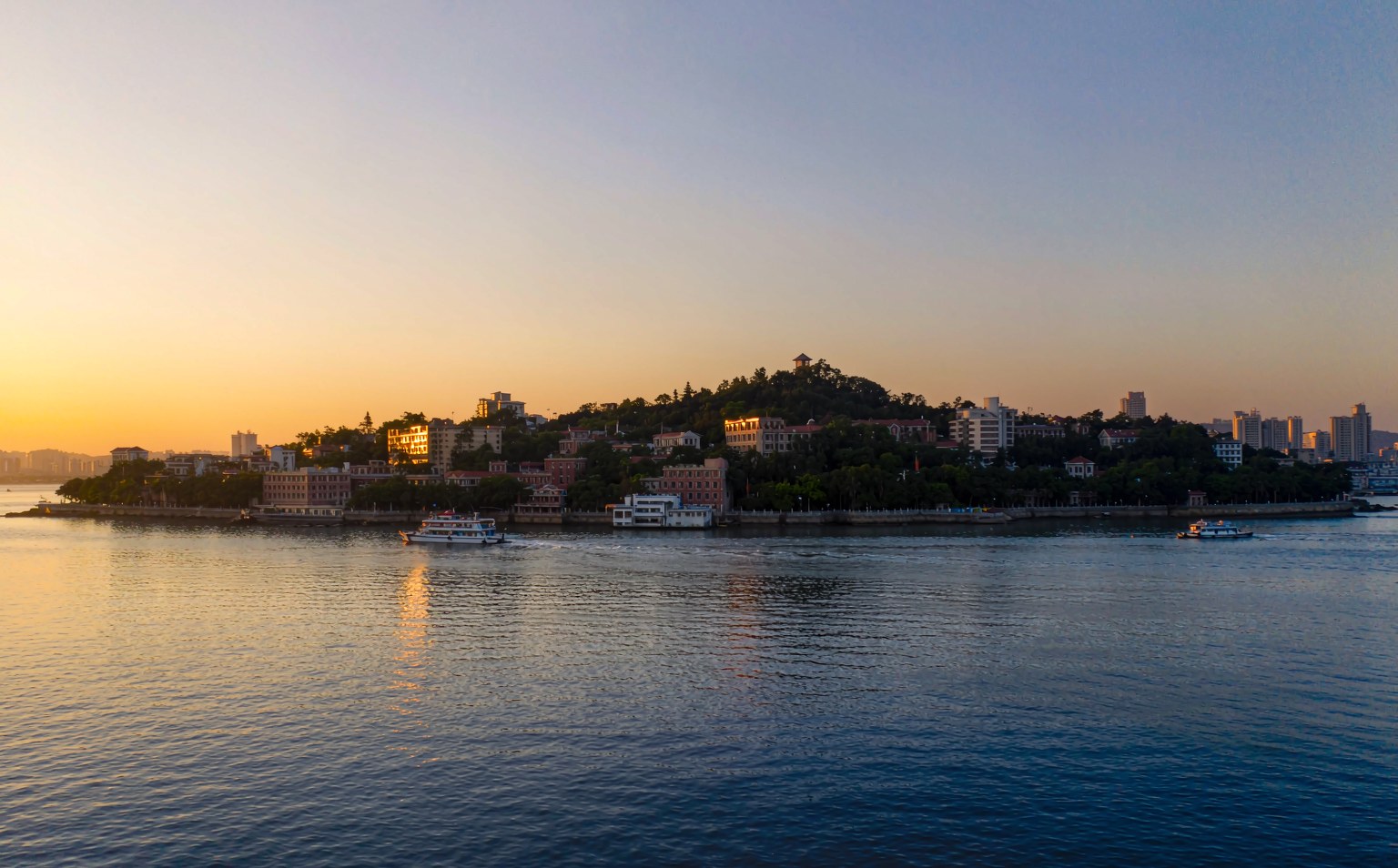
Luoyang Departure: Gulangyu, Sunlight Rock and Shuzhuang Garden, 5 Days 4 Nights
Five days from Luoyang. November is the good window: the sea wind is dry and the bougainvillea still out. The ferry is 35 yuan return and stays valid for 20 days, so nothing is rushed. One full day on the island, one for the temples and the coast, and a slow last morning in Jimei.