
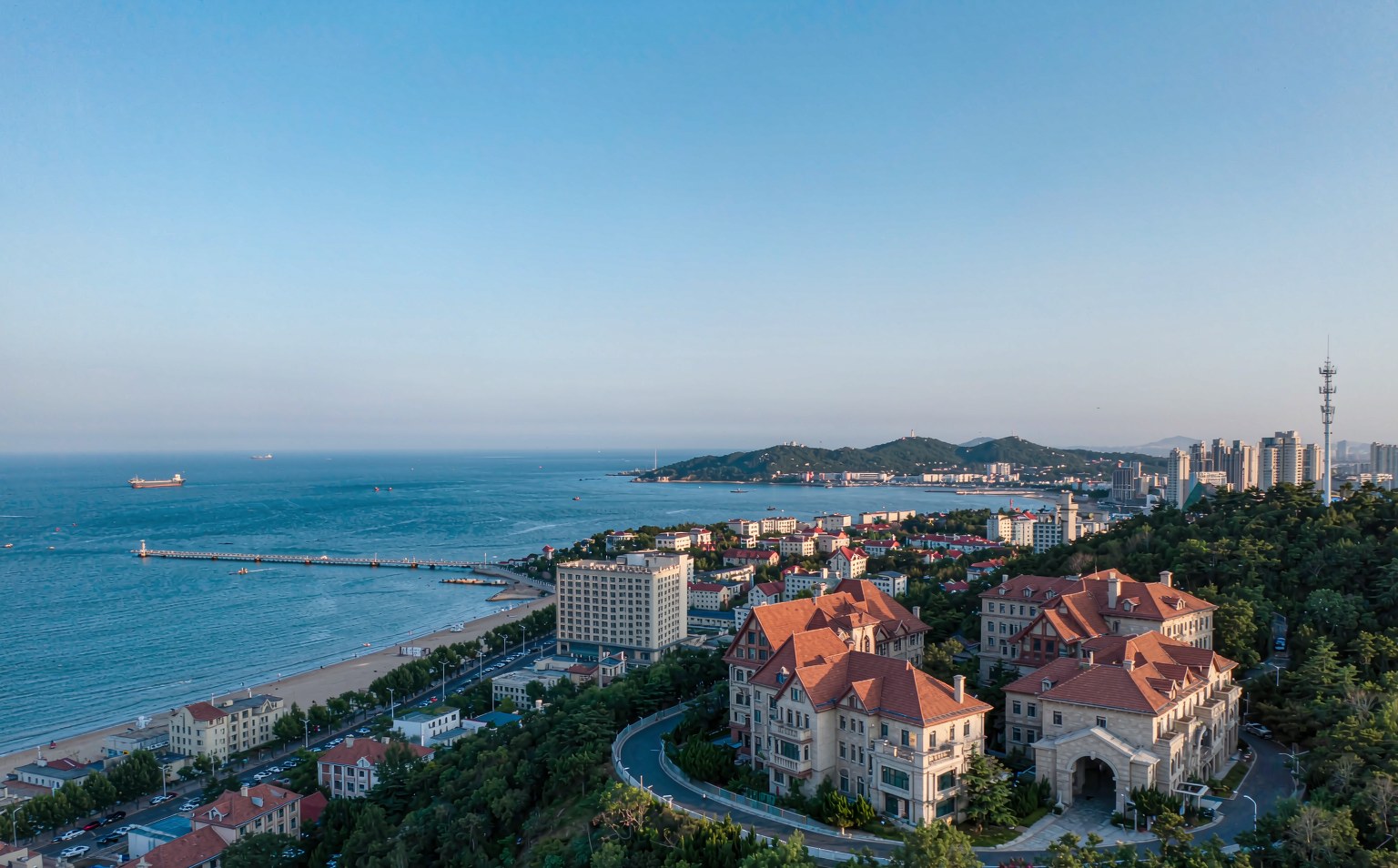
Luoyang to Qingdao: Zhanqiao Pier, Badaguan and Laoshan, 4 Days
Four days from Luoyang. From November 1 Laoshan Yangkou drops to its low-season ticket at 60 yuan, thirty less than peak. The beaches empty out while the seagulls arrive, and someone is always feeding them bread at the pier railing. Badaguan leaves are down and the pavements are yours.
Highlights
Day 1: Train to Qingdao, a stop at the pier
A midday departure reaches Qingdao in a little over four hours, and the sea is two hundred metres from the station exit. Zhanqiao needs no ticket: a 440 metre causeway runs into the bay and ends at Huilan Pavilion. November empties the shore while the gulls move in, and someone at the railing is always teasing them with fried dough. Walk up Zhongshan Road at dusk, where old shop signs still cling to the facades.
Attraction introduction: The pier was built in 1892 as a naval wharf for the Beiyang Fleet and extended after the German landing in 1897. The octagonal pavilion at the end was added in 1933, its double eaves under yellow glazed tiles.
Tips: Sea wind makes November feel several degrees colder than inland. Guests generally find the pier quietest before 9 am, when the gulls also come closest. In practice, the old town is walkable from the station, so skip the taxi.
Day 2: Laoshan Yangkou, the cable car over the sea
Leave at eight for Laoshan, ninety minutes to Yangkou. From November 1 the low-season ticket applies at 60 yuan, thirty less than peak. The cable car climbs with the sea below and the whole Yangkou bay opening up at mid-height. Mitian Cave has to be crossed bent double, and it emerges at Tianyuan. From Lion Peak the hills and water press together, fishing boats small as grains of rice.
Attraction introduction: Laoshan rises to 1,132.7 metres at Jufeng, the highest point on China coast. Yangkou sits on the northeast flank, and Taiping Temple, first built in the Song, is one of the main Taoist sites on the mountain.
Tips: Each Laoshan scenic area sells its own ticket, so Yangkou and Taiqing are separate. Guests generally find the cable car worth 60 yuan return, since walking up takes over an hour. In practice, admission is free over 60 and shuttle and cable car are half price.
Day 3: Fallen leaves at Badaguan, then the brewery
Morning in Badaguan, which needs no ticket: eight roads named after passes of the Great Wall, lined with villas built in the 1920s and 1930s in foreign styles. Huashi Villa is faced in granite, the Princess House is blue-green. Walk south to the second bathing beach, empty at this time of year. In the afternoon the beer museum costs 60 yuan, and the old fermentation cellars end with a glass of unfiltered draft.
Attraction introduction: More than three hundred buildings survive in Badaguan, in Russian, English, French and German styles among twenty countries. Huashi Villa was built in 1930 by a White Russian merchant and takes its name from alternating granite and talc courses.
Tips: Badaguan is an open neighbourhood, not a walled park, and two or three hours covers it. Guests generally find mid-November best, when plane and ginkgo leaves fall together. In practice, the museum quiets after 2 pm and the draft beer is best drunk on the spot.
Day 4: Signal Hill, then the afternoon train
Climb Signal Hill in the morning; the park is free and the rotating lookout on top charges separately. One turn takes in the red roofs and green trees, with the pier and Little Qingdao in view. Walk down through Daxue Road, where plane trees close over the street and the cafes are just opening. Check out at eleven for the station and the afternoon train to Luoyang.
Attraction introduction: Signal Hill rises 98 metres. In 1897 the Germans built a signal station on top to relay messages to ships entering Jiaozhou Bay, which gave the hill its name. The three red mushroom towers rotate through 360 degrees.
Tips: Keep the last day close to the station, which clears security quickly, so half an hour is enough. Guests generally find Daxue Road busiest with photographers in the morning light. In practice, dried seafood is cheaper in the wet market than near the sights.
Related Tours
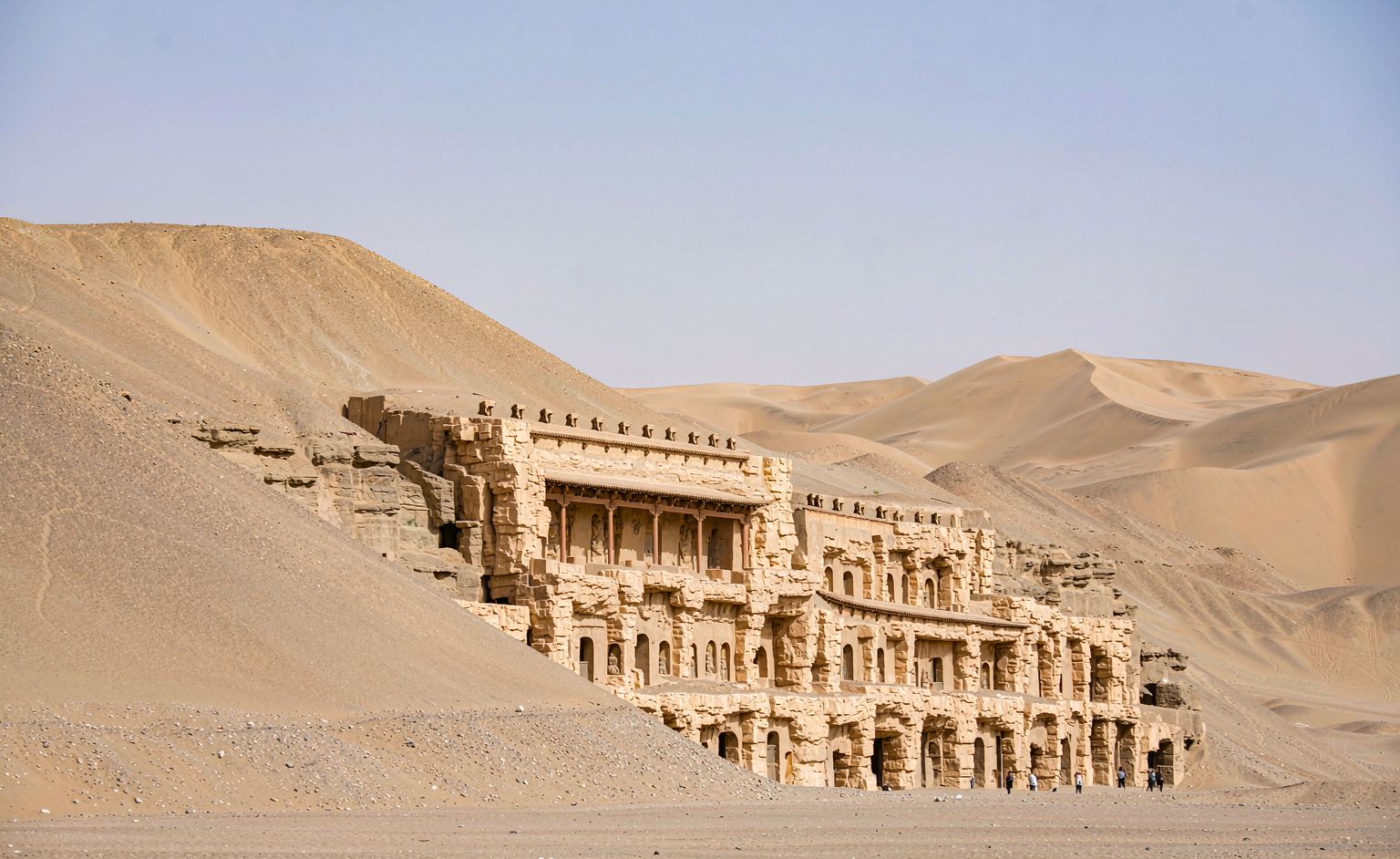
Luoyang Departure: Jiayuguan, Mogao Caves and Crescent Spring, 7 Days 6 Nights
Seven days from Luoyang. On the Hexi Corridor the riding matters more than the rushing: a while under the gate tower at Jiayuguan, the flying figures inside the Mogao caves, and one sunset waited out on the Singing Sand Dunes. November is low season, so the caves are quiet.
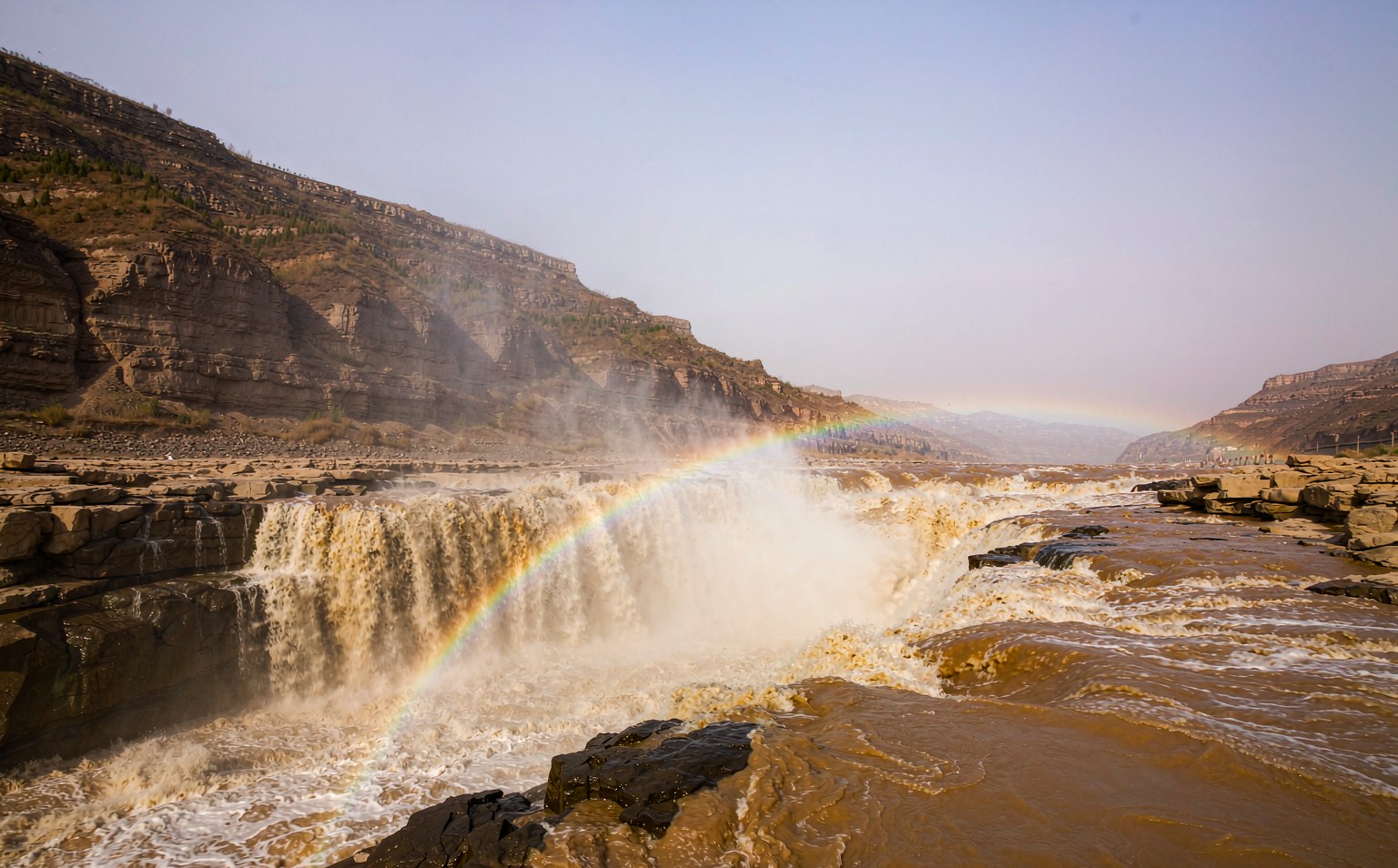
Luoyang Departure: Hukou Waterfall, Yanan and the Yellow Emperor Tomb, 6 Days 5 Nights
Six days from Luoyang. West first, where the Yellow River squeezes into a narrow gap at Hukou and the roar carries for miles, then north to Yanan with its cave dwellings and the pagoda hill, and south at the end to Huangling for a cypress said to be planted by the Yellow Emperor himself.
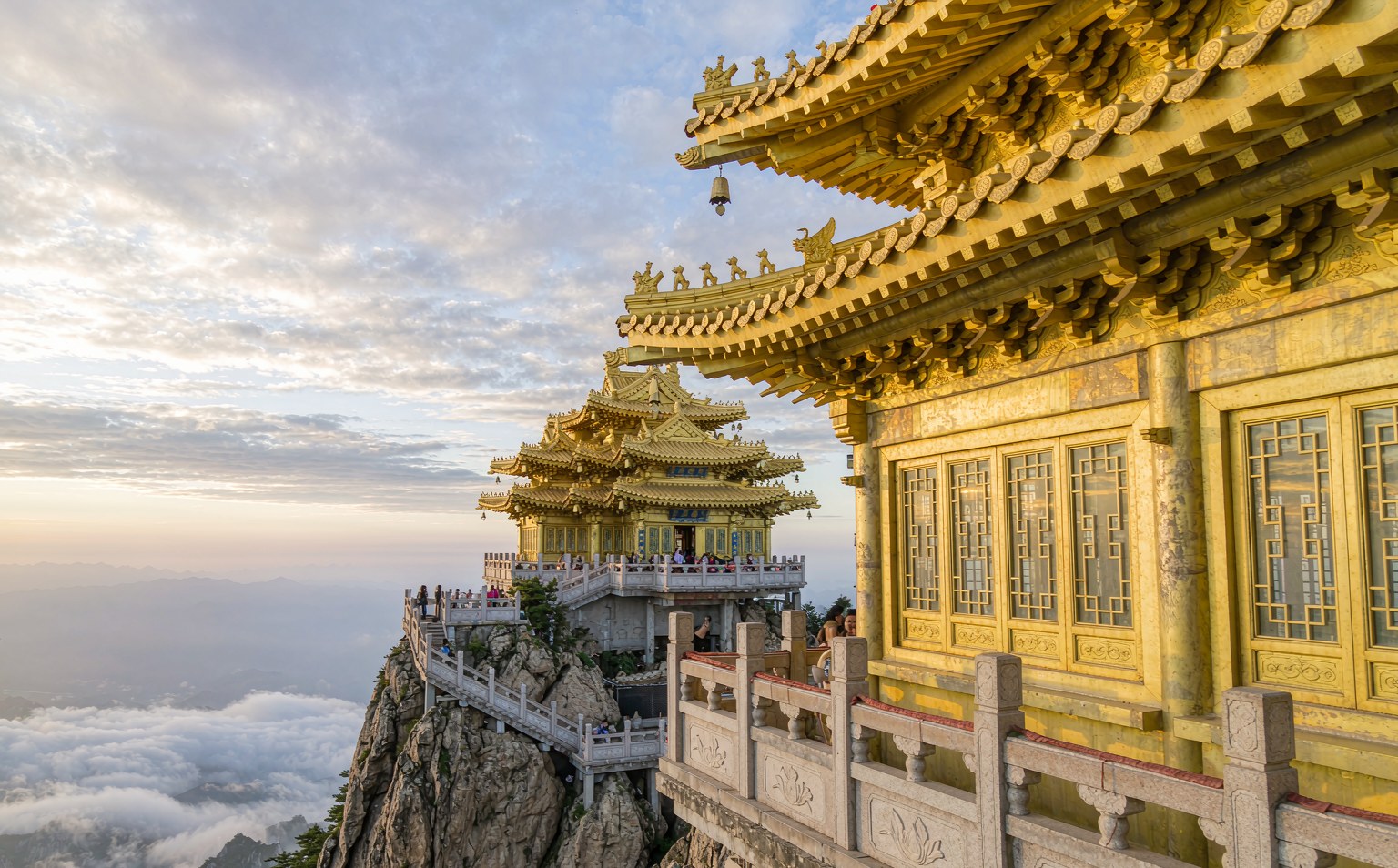
Luoyang Departure: Emei Summit, Leshan Buddha and Qingyin Pavilion, 5 Days 4 Nights
Five days from Luoyang. A night in Chengdu first, then the Leshan Buddha, then Emei Mountain. The summit sits above the cloud and the cable car takes minutes. The lower slopes are a different matter: the brick vault of Wannian Temple and the twin bridges at Qingyin.
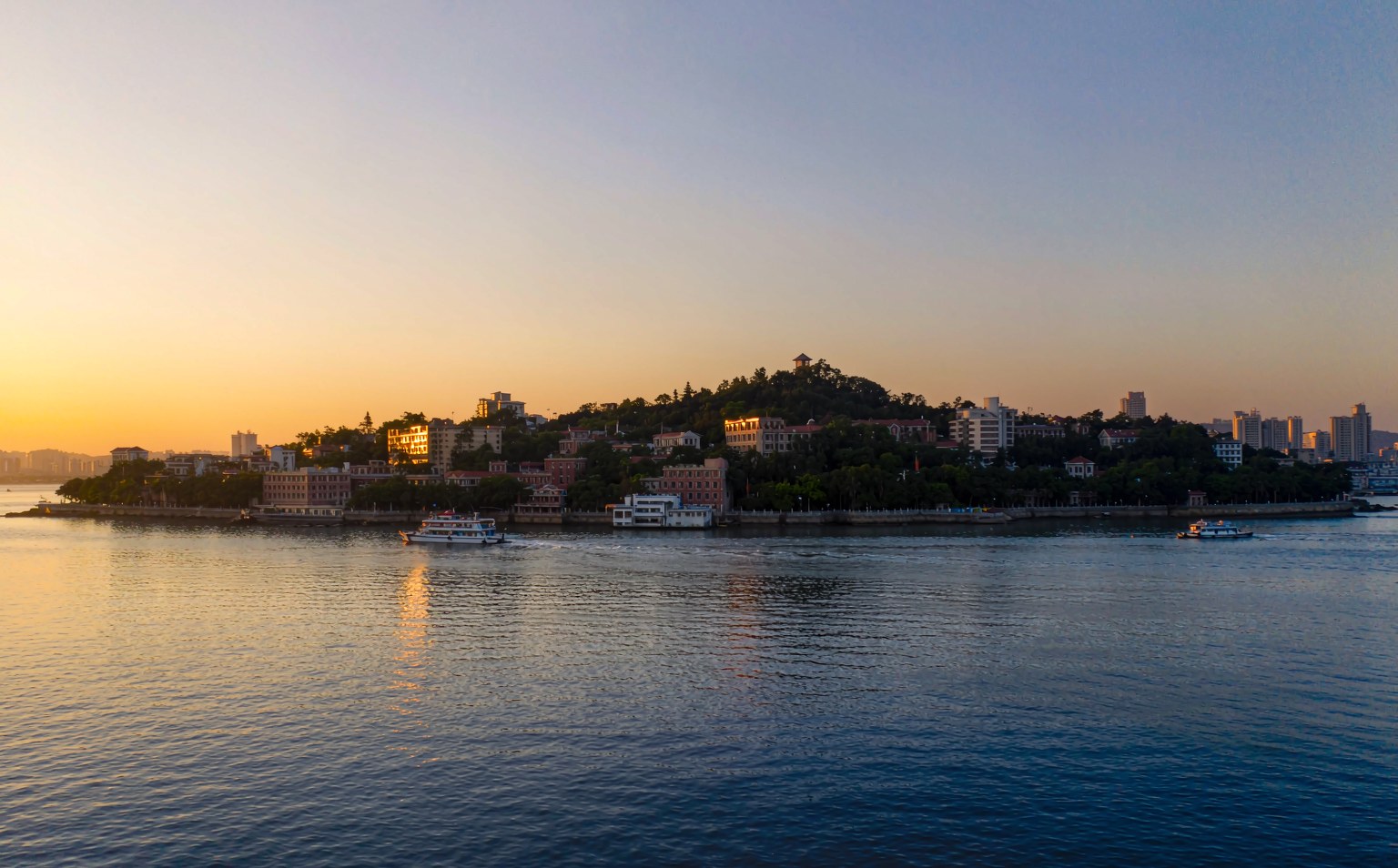
Luoyang Departure: Gulangyu, Sunlight Rock and Shuzhuang Garden, 5 Days 4 Nights
Five days from Luoyang. November is the good window: the sea wind is dry and the bougainvillea still out. The ferry is 35 yuan return and stays valid for 20 days, so nothing is rushed. One full day on the island, one for the temples and the coast, and a slow last morning in Jimei.