
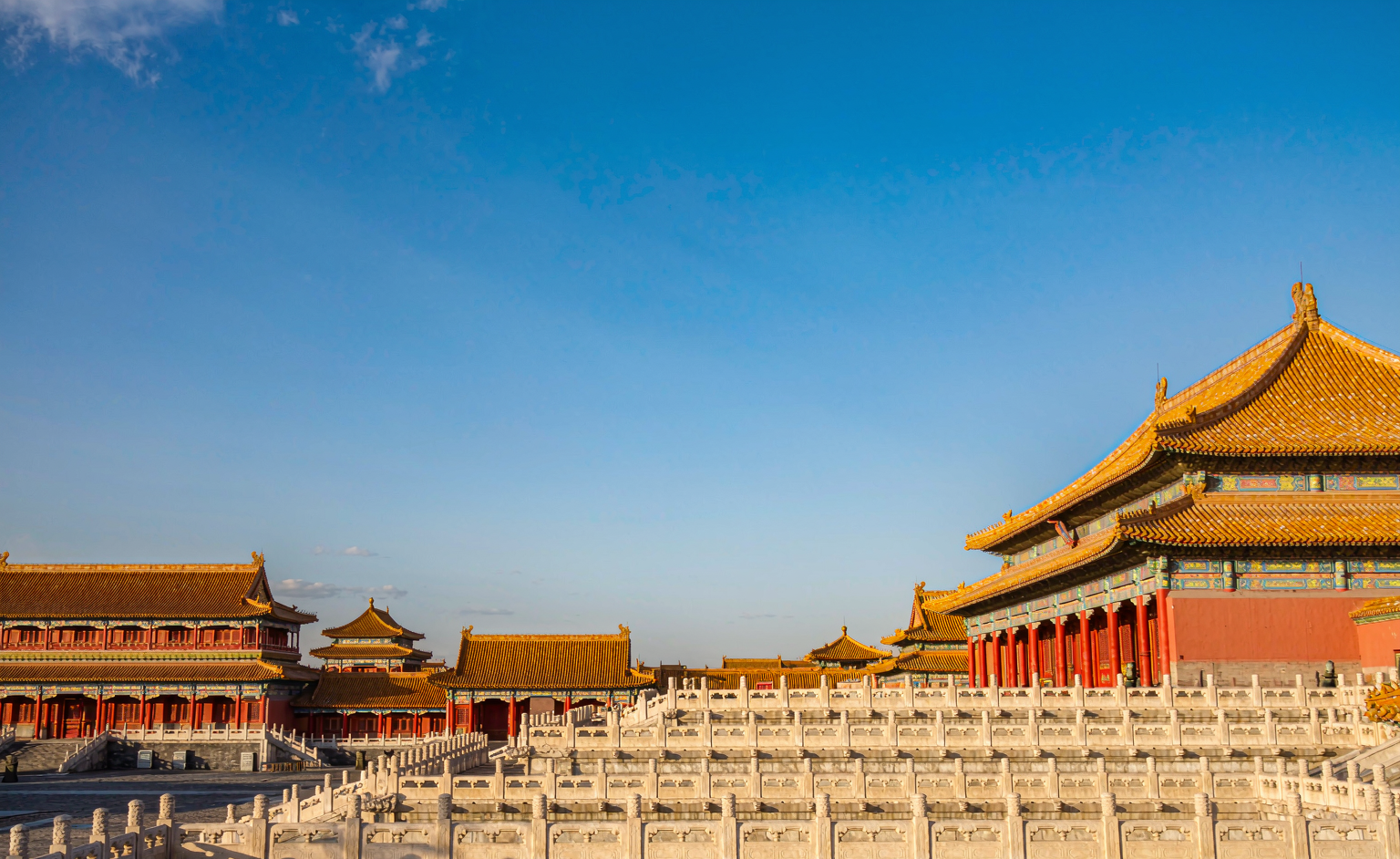
Beijing from Luoyang: Forbidden City, Great Wall and Summer Palace, 5 Days 4 Nights
Five days from Luoyang. From November 1 the Forbidden City drops to its low-season price of 40 yuan, Badaling to 35, the Summer Palace to 20 and the Temple of Heaven to 10. With fewer people, the square before Taihe Hall is finally somewhere you can stand still.
Highlights
Day 1: Rail from Luoyang, an evening around Shichahai
Board at Luoyang Longmen in the morning and reach Beijing West in a little over four hours. Drop the bags, then lunch on zhajiang noodles: shredded cucumber, bean sprouts and green soybeans on top, and you stir the bean paste through yourself. The afternoon holds no paid sight, so walk the rim of Shichahai and stand on Yinding Bridge, where the Western Hills show as a faint line on a clear day. Light goes flat by four. Dinner is copper-pot mutton, slices lifted out the moment they change colour.
Attraction introduction: Shichahai is three linked lakes, Qianhai, Houhai and Xihai, and it was the northern terminus of the Yuan dynasty grain canal. Courtyard mansions including the Prince Gong residence still face the water. Yinding Bridge dates from the Ming and is narrow enough for one cart.
Tips: The loop is about two kilometres of stone paving, so wear something with a firm sole. Guests generally find the lakeside wind makes November feel three or four degrees colder than downtown. In practice, a jacket in your daypack beats one left in the vehicle.
Day 2: A full day inside the Forbidden City
Enter at the Meridian Gate at half past eight. The courtyard before Taihe Hall is empty enough that footsteps carry, and the bronze cranes on the terrace shine in the sun. Follow the axis north: the marble ramp behind Baohe Hall is carved from a single block weighing over two hundred tonnes. Lunch at the ice cellar restaurant, then east to Wenhua Hall and back to Qianqing Palace to watch the shadow reach the marker on the sundial. By three you are in the imperial garden, where the twin cypresses have grown into one twisted trunk. Leave by the Gate of Divine Prowess and climb Jingshan opposite for the whole field of gold roofs.
Attraction introduction: The Forbidden City was completed in 1420 and covers 720,000 square metres, with some 980 buildings surviving. Taihe Hall has eleven bays under a double-eaved hip roof and floored with fired clay bricks. The imperial garden north of Kunning Palace keeps cypresses planted in the Ming.
Tips: Food inside is scarce and the ice cellar queue runs long at noon, so carry something. Guests generally find the central axis is packed before lunch while the six eastern and western palaces stay quiet. In practice, the Treasure Gallery fits best after two, when the groups have gone.
Day 3: Up to Beibalou on the Great Wall, back by evening
Leave at half past six on the Badaling expressway and reach the wall before eight. The first three watchtowers climb gently, then the fourth steepens and the risers stop matching, so you lift your knees. Beibalou, the eighth tower, is the high point at 888 metres, and wind pours through the crenels hard enough that you hold your hat. Look back and the wall folds down the ridge again and again, the hills brown by November. Lunch below the wall, then the drive back with a nap. After dinner, a stretch of Qianmen Street where the old shop banners still hang.
Attraction introduction: Badaling sits in Yanqing and served as the forward post of Juyong Pass; the gatehouse was built in 1505. The wall averages 7.8 metres high with a walkway around five metres wide. The northern stretch is the steep one, and the slope before Beibalou approaches forty degrees.
Tips: There is no shade up there and November sun still burns, so bring a hat and water. Guests generally find the fourth to sixth towers jam after ten, when coaches arrive together. In practice, entering with the first wave gets the summit done before eleven.
Day 4: The Summer Palace at an unhurried pace
In the morning, enter the Summer Palace at the East Palace Gate. The bronze dragons and phoenixes before Renshou Hall date from the Guangxu reign, and the courtyard is small; the grandeur is in the columns under the eaves. West to the Long Corridor, 273 bays, each beam painted with a different story, so walk a stretch and pick one out. Climb to the Tower of Buddhist Incense if you want the extra ticket, though the lake reads fine from the corridor. Lunch near Tingliguan, then the West Causeway, where the Jade Belt Bridge arches high enough to frame the hills in its opening. Find a stone bench and watch the boats.
Attraction introduction: The garden began in 1750 as Qingyi Yuan and was rebuilt in 1888 under its present name. Kunming Lake covers three quarters of the grounds, roughly 220 hectares. The Long Corridor runs from the Moon Inviting Gate to Shizhang Pavilion and entered the Guinness records in 1992. The West Causeway copies the Su Causeway in Hangzhou with six bridges of different shapes.
Tips: The grounds are too large to cover on foot in one day, and the East Palace Gate to the Marble Boat is enough. Guests generally find the West Causeway carries the fewest people and loses nothing in scenery. In practice, put the tiring half in the morning and keep two hours for sitting.
Day 5: The Temple of Heaven, then the train home
Enter the Temple of Heaven by the south gate in the morning. The Circular Mound is three round terraces, and a word spoken on the central stone comes back at you. North past the Imperial Vault, the Echo Wall is laid in smoothed brick, and two people standing far apart with an ear to it can talk. The Hall of Prayer for Good Harvests comes last, three tiers of blue tile on twenty-eight columns that stand for the seasons and the months. Lunch on lu zhu nearby, then to Beijing West for the afternoon train and four-odd hours back to Luoyang.
Attraction introduction: The temple was built in 1420 as the imperial altar for heaven and harvest, covering about 273 hectares. The Hall of Prayer rises 38 metres in timber without a ridge beam. The Echo Wall circles the Imperial Vault at a diameter of 61 metres, and its curve carries sound along the surface.
Tips: The park gate is 10 yuan, but the hall, wall and mound need the 28 yuan combined ticket. Guests generally find locals practising taiji and singing opera between seven and eight, which is the temple at its most ordinary. In practice, book the return train after three in the afternoon.
Related Tours
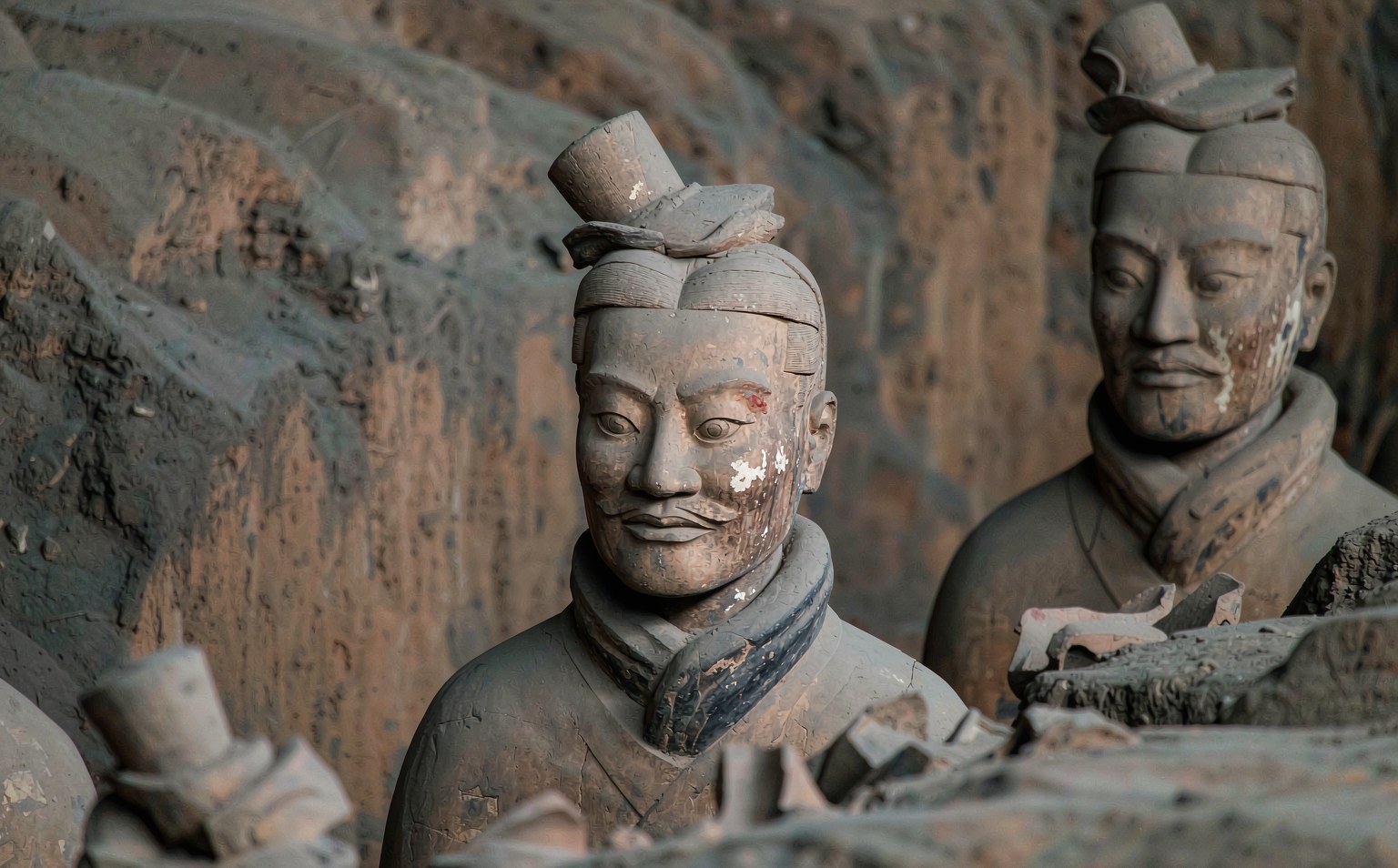
Xian and Mount Hua from Luoyang: Warriors and Peaks, 4 Days 3 Nights
Four days from Luoyang, ninety minutes by rail. Mount Hua still charges peak rates in November, 160 for the gate and 140 for the west cableway one way; the Terracotta Warriors 120 and the city wall 54. Cloud on the mountain, clay armies below, neither hurried.
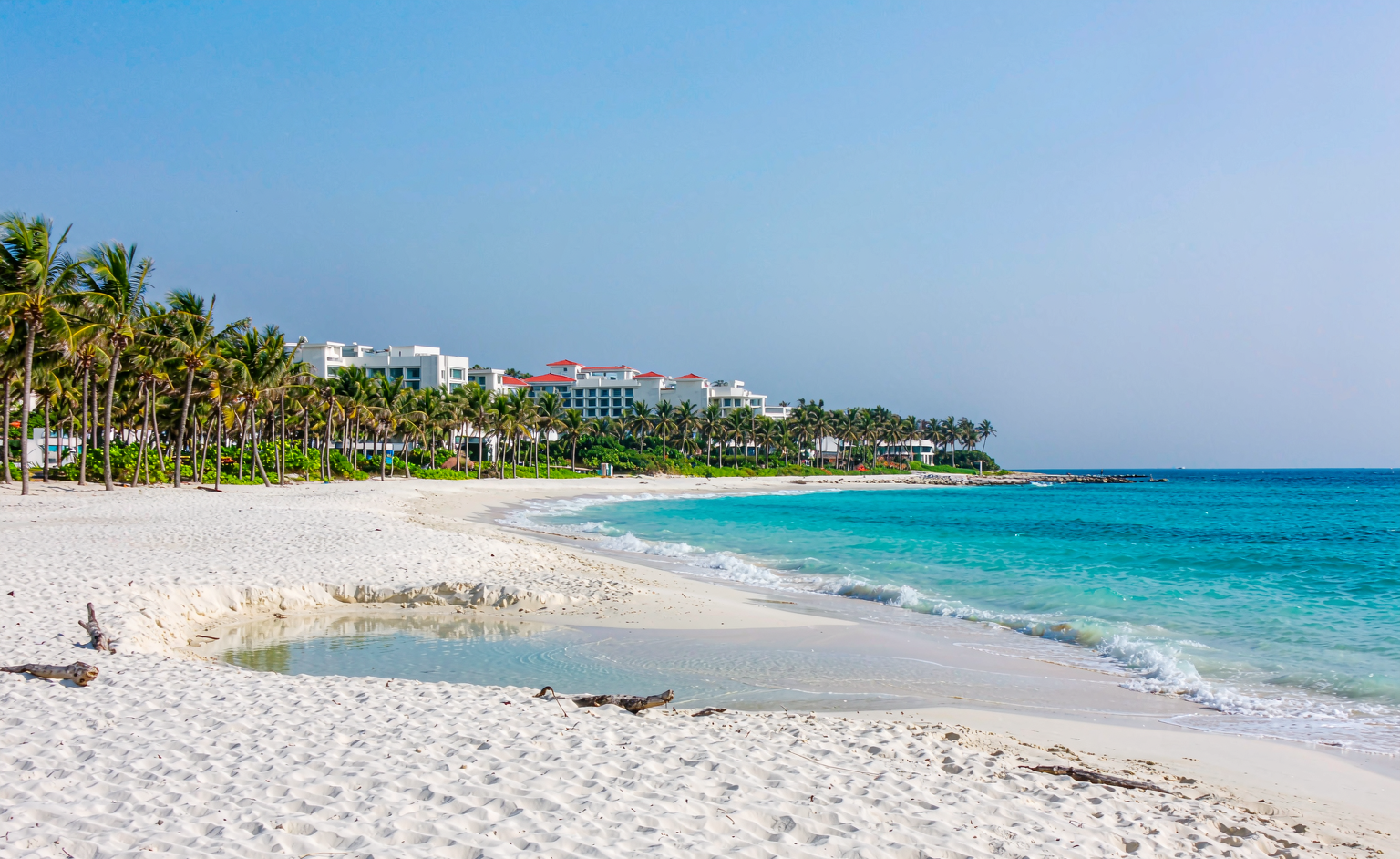
Sanya from Luoyang: Wuzhizhou Island and Nanshan, 5 Days 4 Nights
Five days from Luoyang. November in Sanya runs around thirty degrees and the sea is still warm. Wuzhizhou Island is 140 with the boat, Nanshan 108 plus a 25 yuan shuttle, and Tianya Haijiao charges no admission now. Two island trips only, the rest left to the beach.
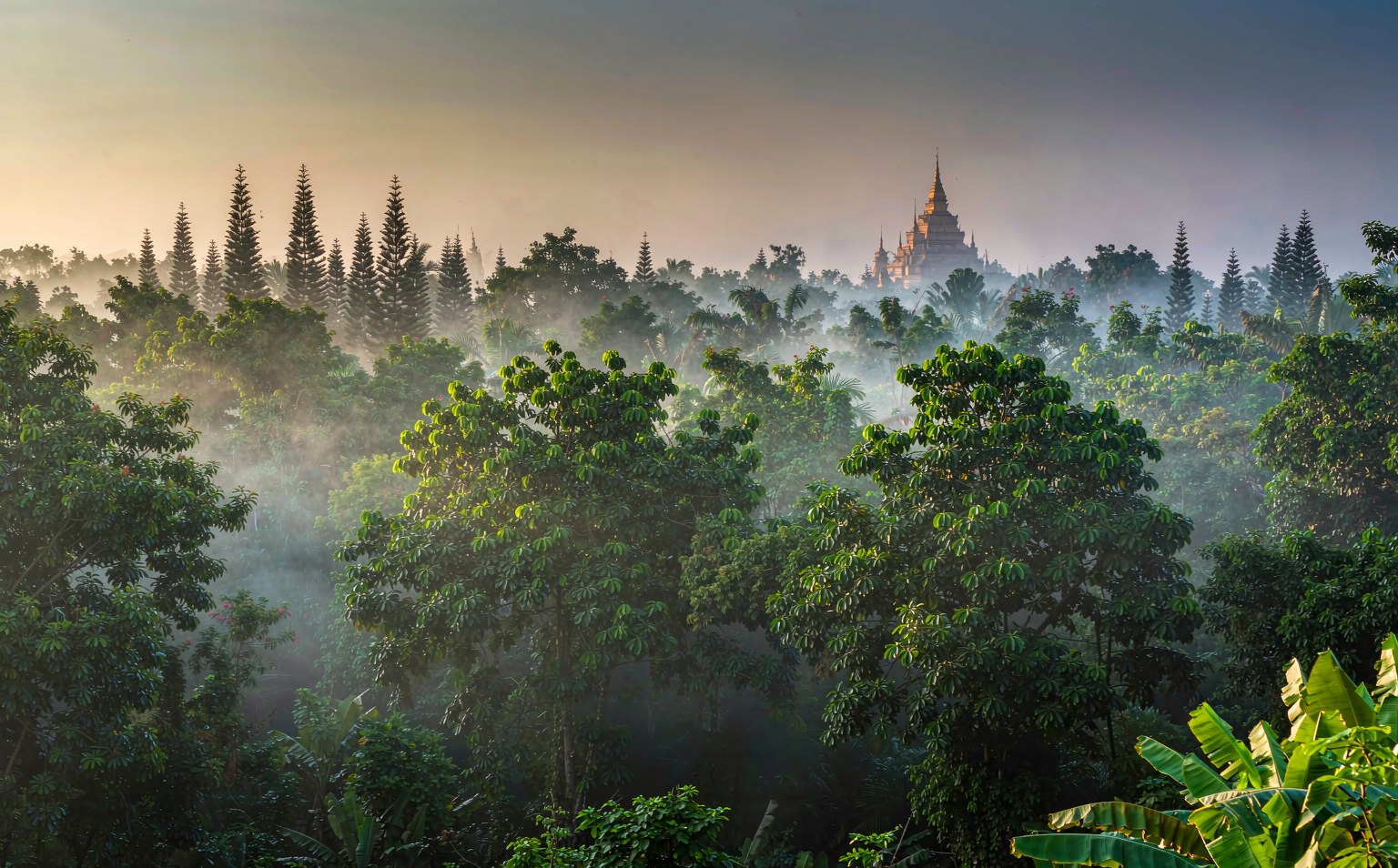
Xishuangbanna from Luoyang: Rainforest and a Warm Winter, 6 Days 5 Nights
Six days from Luoyang. In November the north is in padded coats while Jinghong still reads twenty-eight degrees by day. Botanical garden 80 plus a 50 yuan shuttle, Wild Elephant Valley 58, Manting Park 40. A walk in the rainforest leaves your shirt soaked, then dry again.
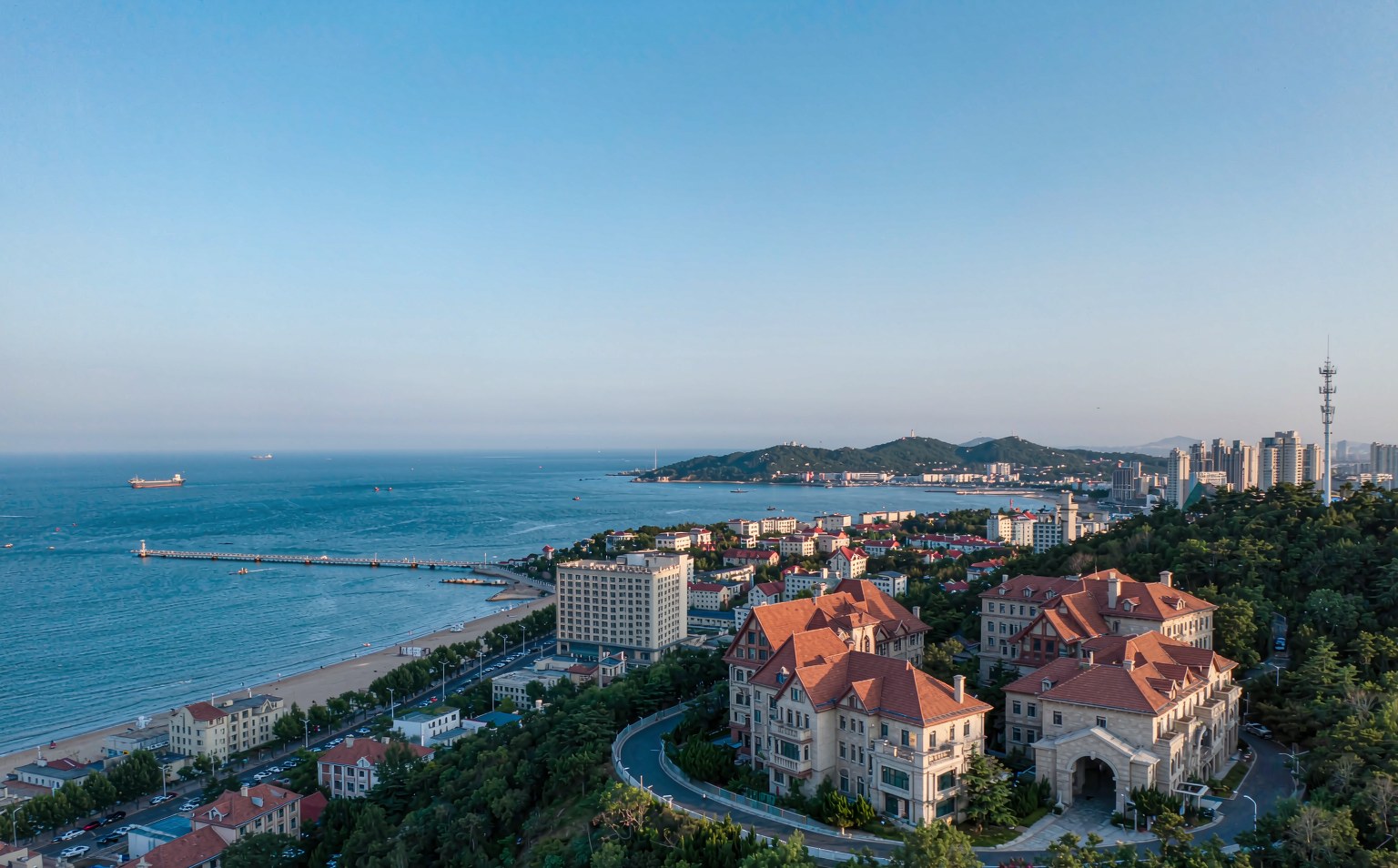
Qingdao from Luoyang: Laoshan, Badaguan and the Old Pier, 4 Days 3 Nights
Four days from Luoyang. By November the beaches have emptied and you can walk right up to the rail on the old pier. Laoshan south route is 90 yuan plus 40 for the shuttle, Taiping Palace 27 more. Plane leaves lie thick in Badaguan and crunch underfoot.