
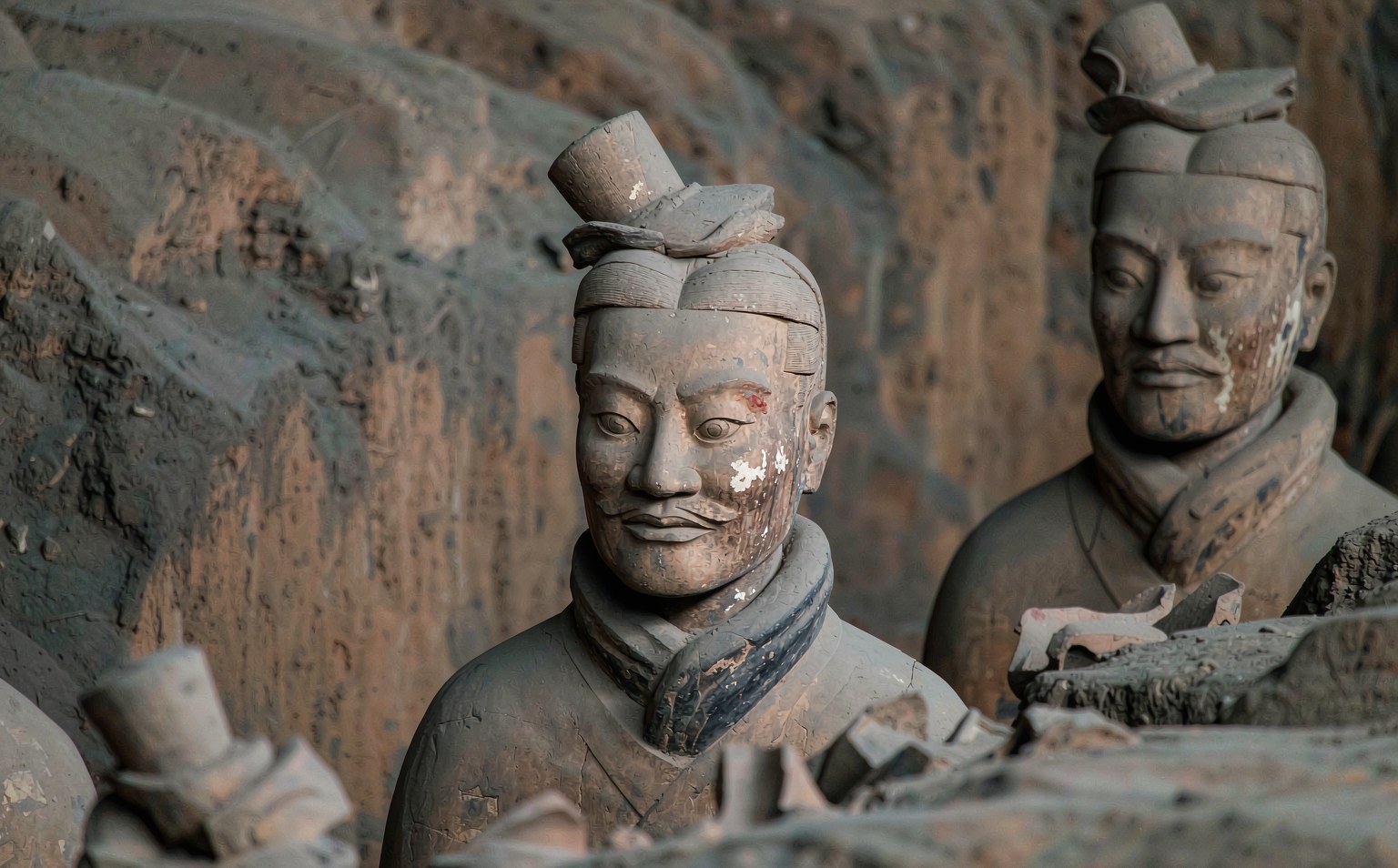
Xian and Mount Hua from Luoyang: Warriors and Peaks, 4 Days 3 Nights
Four days from Luoyang, ninety minutes by rail. Mount Hua still charges peak rates in November, 160 for the gate and 140 for the west cableway one way; the Terracotta Warriors 120 and the city wall 54. Cloud on the mountain, clay armies below, neither hurried.
Highlights
Day 1: Rail to Xian, the wall at dusk
Board at Luoyang Longmen in the morning and reach Xian North ninety minutes later. Lunch is paomo, and you break the bread yourself, down to the size of a soybean so it soaks properly. Check in, then go to the South Gate towards evening and climb the wall. The top is wide enough to drive along; rent a bicycle and ride from the South Gate to the West Gate in forty minutes as the sun slips behind the corner towers. When the lamps come on they light the crenels one by one in a line. Finish in the Muslim Quarter.
Attraction introduction: The city wall was extended in the Ming Hongwu period on the Tang imperial foundation and runs 13.74 kilometres, the largest and best preserved ancient city wall in China. It stands twelve metres high with a walkway of twelve to fourteen metres and corner towers at each angle.
Tips: Bicycles run 45 yuan for two hours single and 90 for a tandem, against a deposit and your ID. Guests generally find the light is best after six but the wind picks up. In practice, turn back at the West Gate rather than pushing on, and keep the rest of the evening for the illuminated wall.
Day 2: Mount Hua, up the west and down the north
Leave at half past six and take the train to Huashan North, half an hour. A shuttle to the lower station of the west cableway, then twenty minutes climbing close to nine hundred metres through the middle of the cliff face, vertical stone grain passing the window. On the west peak, look first at the boulder split in the old legend. Follow the ridge to the south peak at 2154 metres, the highest of the five sacred mountains, where the wind makes standing awkward. Lunch from your own bag on the mountain. Afternoon across the east and centre peaks to the north peak and the cableway down in eight minutes. Xian is dark by the time you return.
Attraction introduction: Mount Hua gathers five peaks around a granite massif. The west cableway opened in 2013 and runs 4211 metres with a vertical rise of 894. The south peak at 2154 metres is the highest of the five sacred mountains and holds a small sky pool at its top.
Tips: The temperature gap is wide, teens in the valley and possibly freezing on the summit, so do not leave the down jacket in the vehicle. Guests generally find the steps from west to south peak drain the legs most. In practice, keep the plank walk for last and skip it if time runs short.
Day 3: Three hours with the warriors, Huaqing after
Leave at eight for Lintong. Pit One first: under the hangar roof six hundred figures stand in battle order, three ranks out front and wings on either side. From the railing each face differs, some with lips pressed, some frowning. Pit Two mixes archers, cavalry and chariots, Pit Three holds the command. Lunch outside the site. Then Lishan Park for the bronze chariots, two of them at half scale. By four, Huaqing Palace, where the Tang bathing pools survive: the Haitang pool for the concubine, the Lotus pool for the emperor.
Attraction introduction: The warriors are a burial pit of the First Emperor, found by farmers digging a well in 1974. Pit One measures 230 by 62 metres and is the largest of the three. The bronze chariots came from west of the tomb mound and are counted among the finest bronzes in China. Huaqing was a Tang imperial hot spring palace, and five pools were excavated in 1990.
Tips: Flash is barred inside the pits and tripods must be left at the desk. Guests generally find the railing at Pit One is packed after ten when the coaches arrive. In practice, enter at half past eight and come back for the details once the aisle clears.
Day 4: The goose pagoda and the museum, then home
Morning at Daciensi, where Xuanzang translated the scriptures he carried back and where the pagoda he built rises seven storeys and can be climbed. The fountain in the square below runs on the hour. Then the Shaanxi History Museum, where the Hejiacun silver sits in the second gallery, including a ewer shaped as a dancing horse with a ribbon at its neck. Lunch on a roujiamo and cold noodles. Afterwards to Xian North and ninety minutes back to Luoyang.
Attraction introduction: Daciensi was founded in 648 and Xuanzang served as its first abbot; the pagoda was raised to hold the sutras he brought from India, five storeys at first and seven now, standing 64 metres. The museum opened in 1991 and holds over 1.7 million objects, with the Hejiacun hoard unearthed south of Xian in 1970.
Tips: The museum is free but needs a booking, and slots for popular hours vanish in minutes. Guests generally find the galleries queue once the day fills. In practice, enter at nine and head straight for the second gallery.
Related Tours
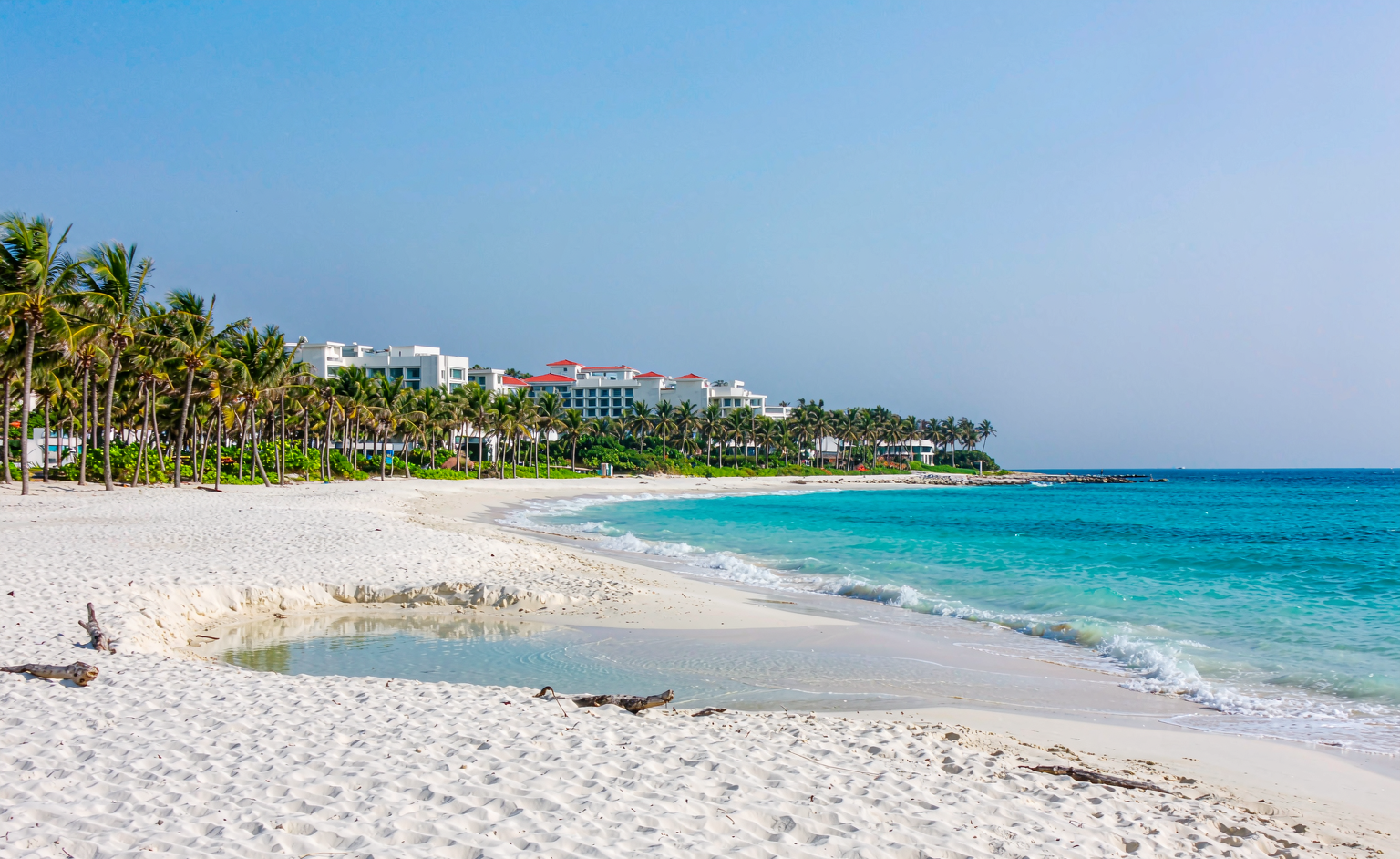
Sanya from Luoyang: Wuzhizhou Island and Nanshan, 5 Days 4 Nights
Five days from Luoyang. November in Sanya runs around thirty degrees and the sea is still warm. Wuzhizhou Island is 140 with the boat, Nanshan 108 plus a 25 yuan shuttle, and Tianya Haijiao charges no admission now. Two island trips only, the rest left to the beach.
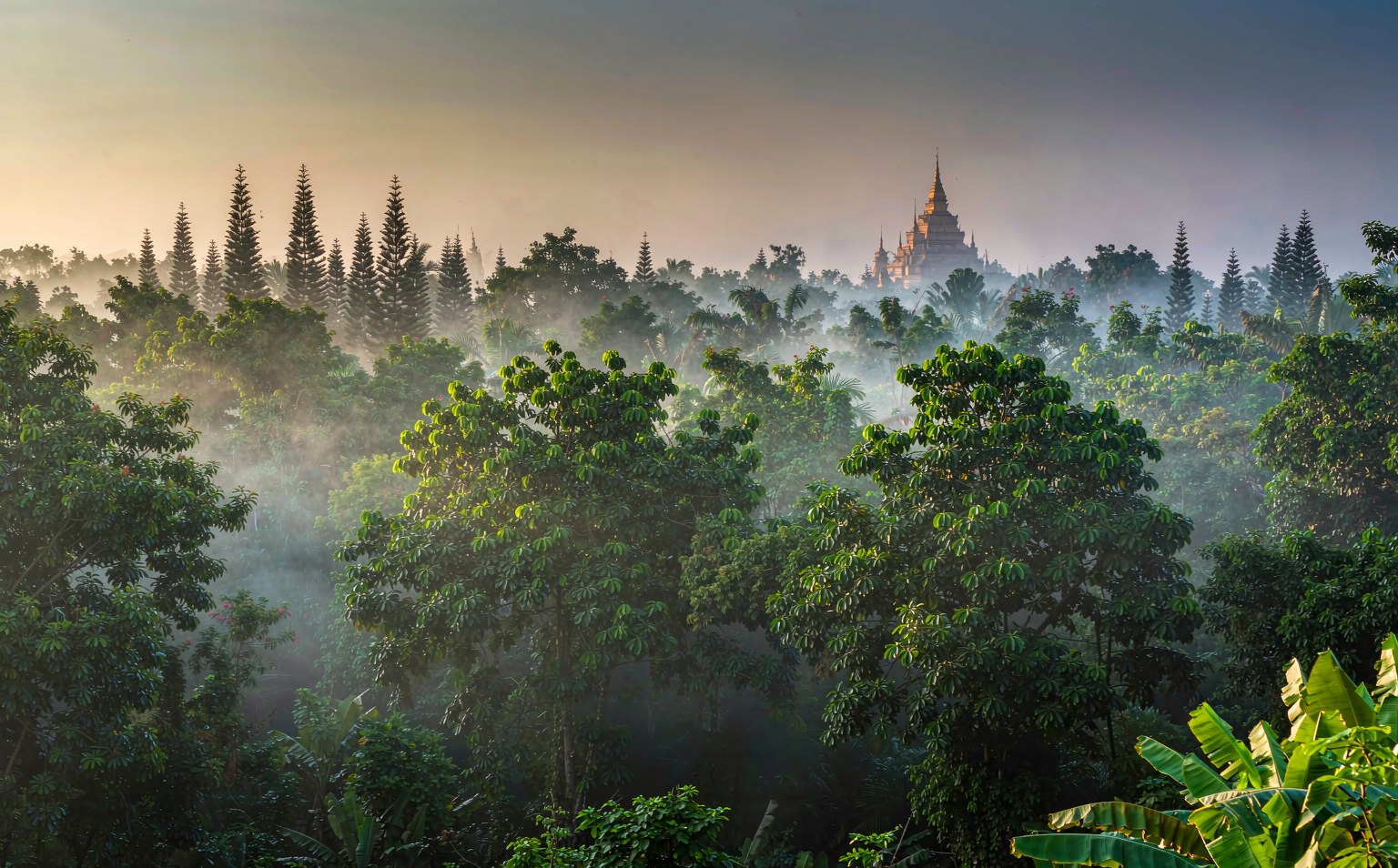
Xishuangbanna from Luoyang: Rainforest and a Warm Winter, 6 Days 5 Nights
Six days from Luoyang. In November the north is in padded coats while Jinghong still reads twenty-eight degrees by day. Botanical garden 80 plus a 50 yuan shuttle, Wild Elephant Valley 58, Manting Park 40. A walk in the rainforest leaves your shirt soaked, then dry again.
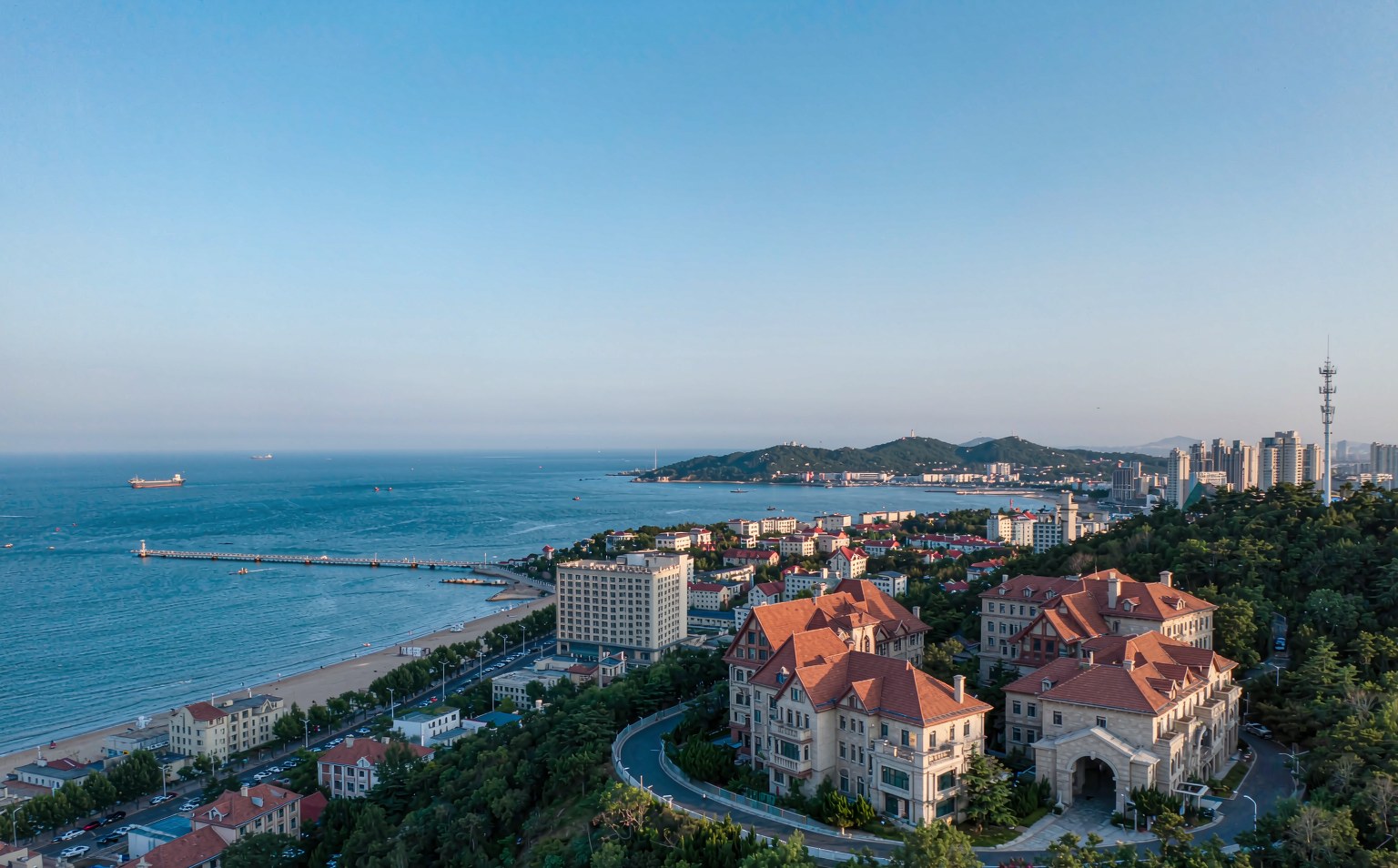
Qingdao from Luoyang: Laoshan, Badaguan and the Old Pier, 4 Days 3 Nights
Four days from Luoyang. By November the beaches have emptied and you can walk right up to the rail on the old pier. Laoshan south route is 90 yuan plus 40 for the shuttle, Taiping Palace 27 more. Plane leaves lie thick in Badaguan and crunch underfoot.
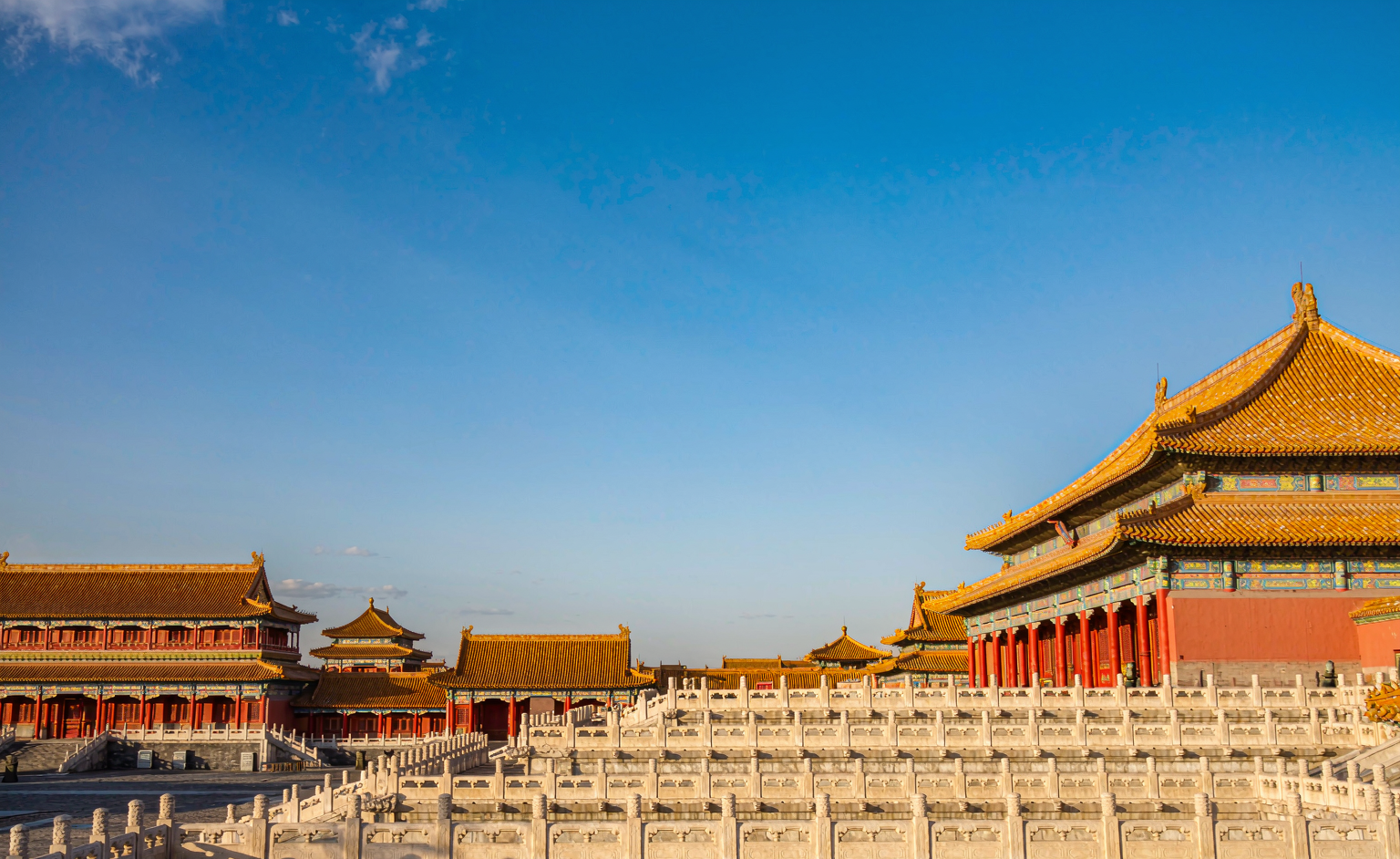
Beijing from Luoyang: Forbidden City, Great Wall and Summer Palace, 5 Days 4 Nights
Five days from Luoyang. From November 1 the Forbidden City drops to its low-season price of 40 yuan, Badaling to 35, the Summer Palace to 20 and the Temple of Heaven to 10. With fewer people, the square before Taihe Hall is finally somewhere you can stand still.