
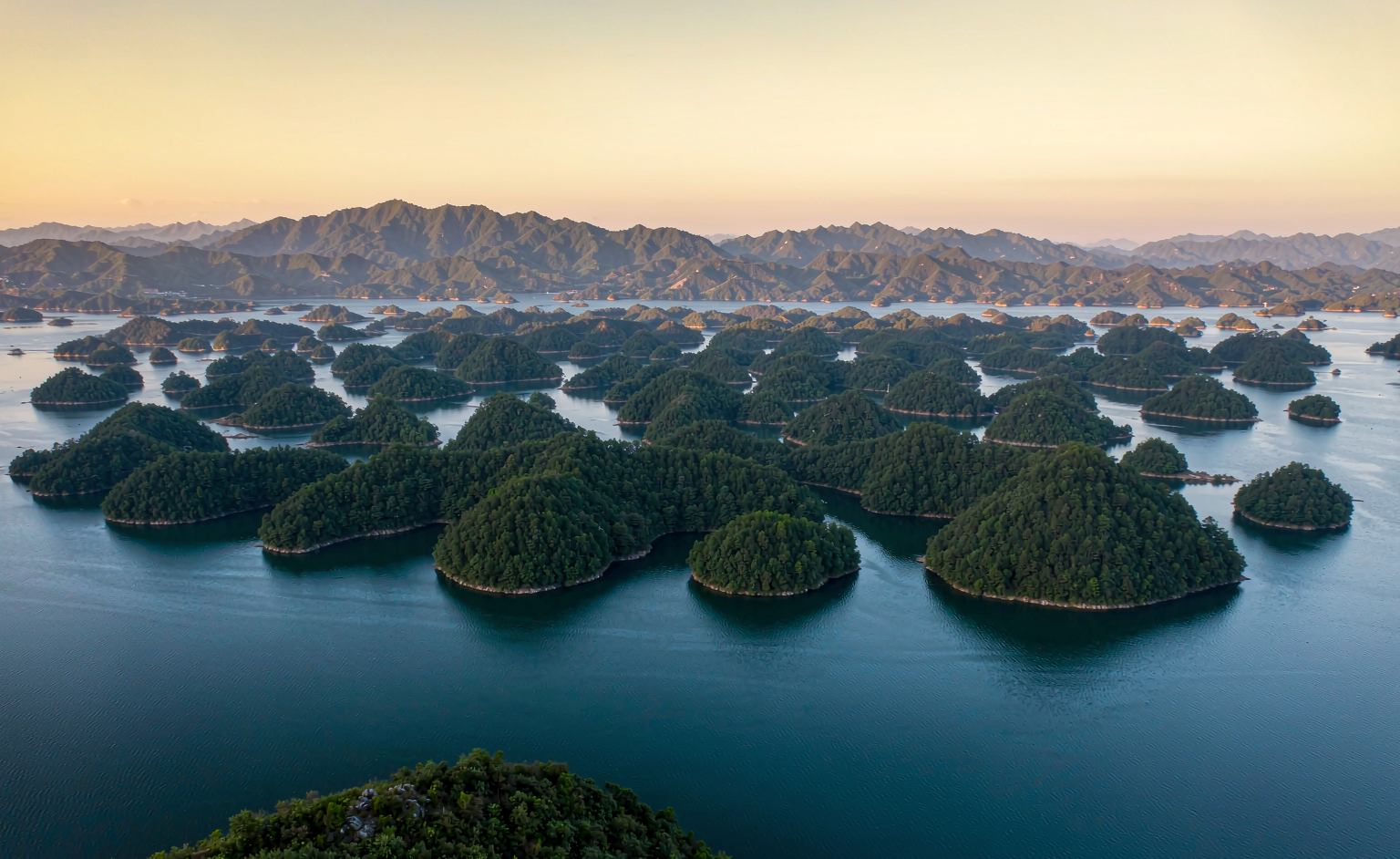
Qiandao Lake, Hangzhou and Wuzhen from Luoyang, 5 days
Five days from Luoyang. An afternoon on the water at Qiandao Lake, a stretch of West Lake in Hangzhou, and a night inside the West Scenic Zone of Wuzhen, where the lamps come on over the canal.
Highlights
Day 1: Luoyang to Hangzhou, a first walk by West Lake
We leave Luoyang Longmen in the morning, pass through Zhengzhou East and Nanjing South, and reach Hangzhou East by mid afternoon. The hotel sits east of the lake, so we drop our bags and walk down to the water. From Broken Bridge to Pinghu Qiuyue there is no ticket, the plane trees are half yellow, and rowing boats drift past.
Attraction introduction: West Lake lies west of the city and is ringed by hills, with the Su and Bai causeways dividing the surface into several basins. Broken Bridge stands at the eastern end of the Bai Causeway and is famous for snow, though November brings faded lotus and turning leaves.
Tips: Only a short stretch of the shore is walked on day one. Guests generally find taxis slower than walking around the lake, and the loop bus jams as well. In practice we eat by the water and walk back along Nanshan Road, which settles dinner nicely.
Day 2: High speed to Qiandao Lake and a cruise
A forty five minute train from Hangzhou East brings us to Qiandao Lake station. A local bus reaches the central lake pier in time for the morning sailing. Islands surface one after another as the boat moves, each covered in pine and scrub, the water a green that keeps sinking away from you. We climb Meifeng Island for the panorama.
Attraction introduction: Qiandao Lake was formed when the Xin an River was dammed, flooding two old towns; the hilltops that stayed above water became the islands. Meifeng is the high point of the central lake, and on a clear day the layered ridges of islands can be counted off one by one.
Tips: Sailings keep a fixed timetable, so the early boat is worth chasing. Guests generally find seats on the lower deck are first come, while the upper deck costs extra and depends on weather. In practice we take the nine o clock sailing, eat on board, and are back at the pier by two.
Day 3: Back to Hangzhou, Lingyin and the west shore
We return to Hangzhou by train, leave the bags, and head for Lingyin. The carvings at Feilai Peak cling to the cliff, and the passage called Single Thread of Sky requires turning sideways. Incense burns steadily inside the temple, where a pair of stone pagodas survive from the Five Dynasties. After lunch we walk the west shore, quieter than the rest.
Attraction introduction: Lingyin Temple sits below Feilai Peak and was founded in the Eastern Jin by an Indian monk. The peak itself is limestone, its cliffs cut with Buddhist figures from the Five Dynasties through the Song and Yuan. The Yanggong Causeway dates from the Ming and carries six bridges.
Tips: Lingyin requires two separate tickets, one for the peak and one for the temple incense. Guests generally find the climb quiet before ten, with groups arriving around midday. In practice we reach the gate at half past eight and only then drift west toward the causeway.
Day 4: Into Wuzhen and a night inside the West Zone
A ninety minute drive brings us to Wuzhen. We deliver the luggage to the guesthouse inside the West Scenic Zone and go first to the East Zone, where wooden shopfronts stand open, indigo cloth dries on bamboo poles, and the wine workshop smells of fermenting rice. By three we are back in the west, walking in as everyone else walks out.
Attraction introduction: Wuzhen sits on the old Grand Canal in Tongxiang. The East Zone keeps its lanes and workshops, including the former home of the writer Mao Dun, while the West Zone is a restored quarter of narrow waterways, stone bridges and the Baita pagoda above the canal.
Tips: The combined ticket costs 190 yuan and is valid for one day only, so a second entry means paying again. Guests generally find the West Zone far better after dark and worth a night inside. In practice we lodge within the zone, which allows a walk before the gates open.
Day 5: An empty Wuzhen morning, then home
We are up at half past six. The lanes are still empty, the flagstones damp, a thin mist sitting on the canal. We follow the West Market River as shopkeepers lift their door boards and the teahouse puts the first kettle on. Breakfast at the guesthouse, bags out by ten, then a bus to Tongxiang station and the train north.
Attraction introduction: The West Market River runs between water pavilions, houses whose front halves stand on stilts above the canal. The Baita pagoda marks the northern end, close to the old course of the Grand Canal, and the humpbacked stone bridges carry carved dates back to the Ming.
Tips: This early hour is what staying inside the zone buys you, and it is quietest between half past six and half past seven. Guests generally find no queues for photographs and no one to step around. In practice we book an afternoon train home so this stretch is never rushed.
Related Tours
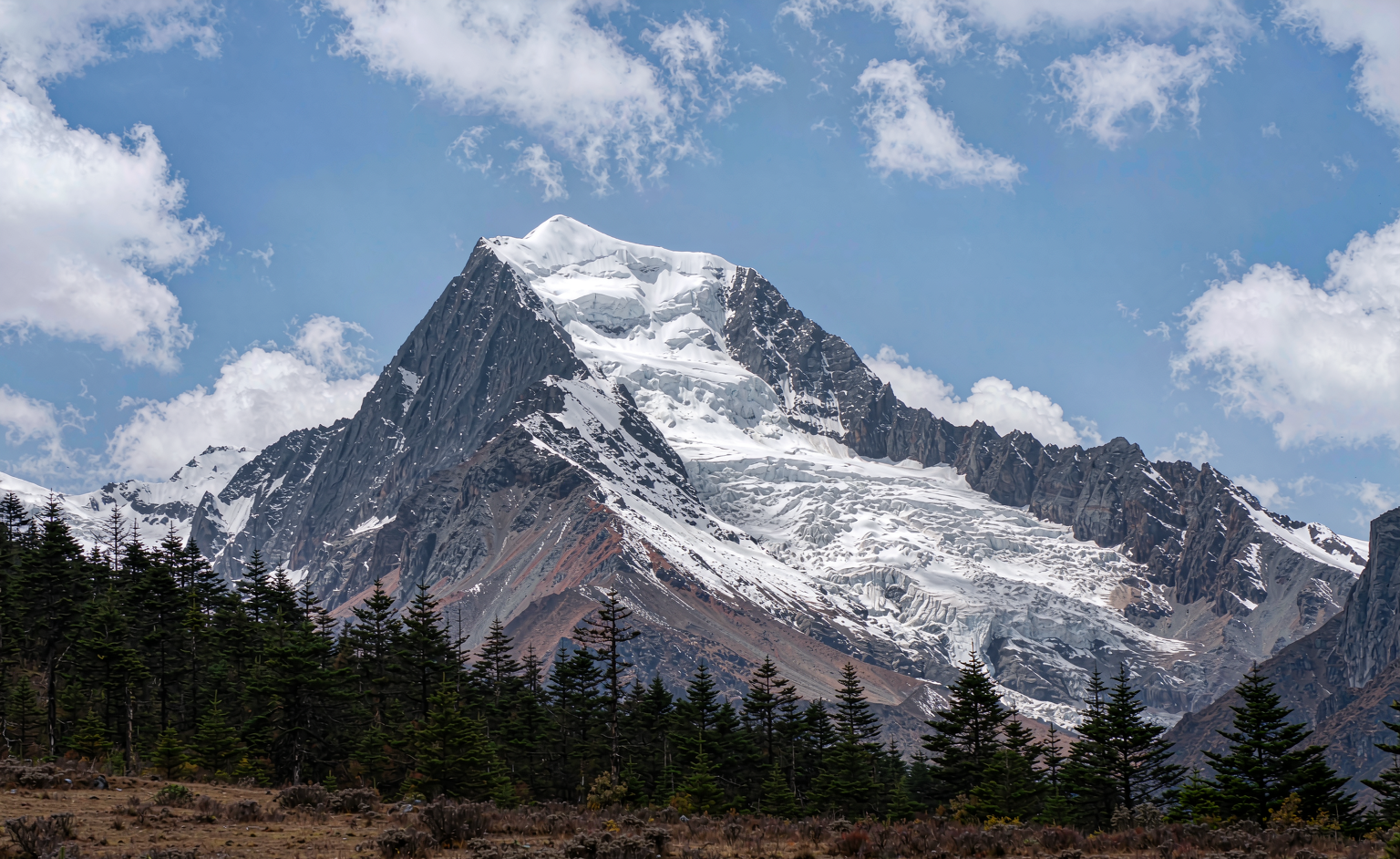
Lijiang, Jade Dragon Snow Mountain and Shuhe, 5 days
Five days from Luoyang. Early November is the dry season in Lijiang, when the summit catches gold before sunrise. Park admission plus the shuttle is 120 yuan, the big cable car needs booking, and the old towns charge nothing.
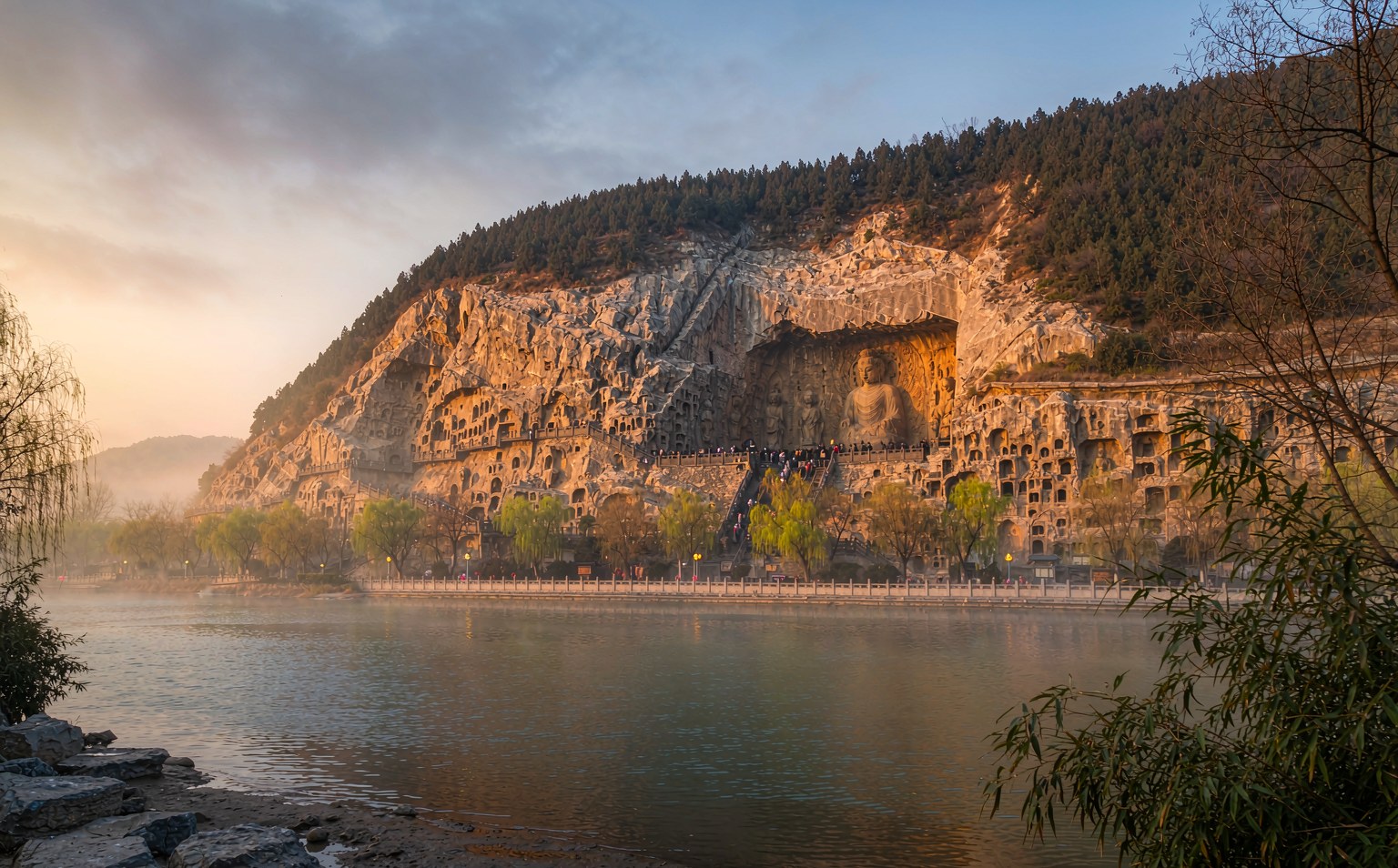
Yungang Caves, Xuankong Temple and Yingxian Pagoda, 4 days
Four days from Luoyang. From 1 November the Yungang caves move to low season prices and the crowds thin out. The Hanging Temple needs a climbing ticket booked ahead, and the timber pagoda at Yingxian opens its ground floor only.
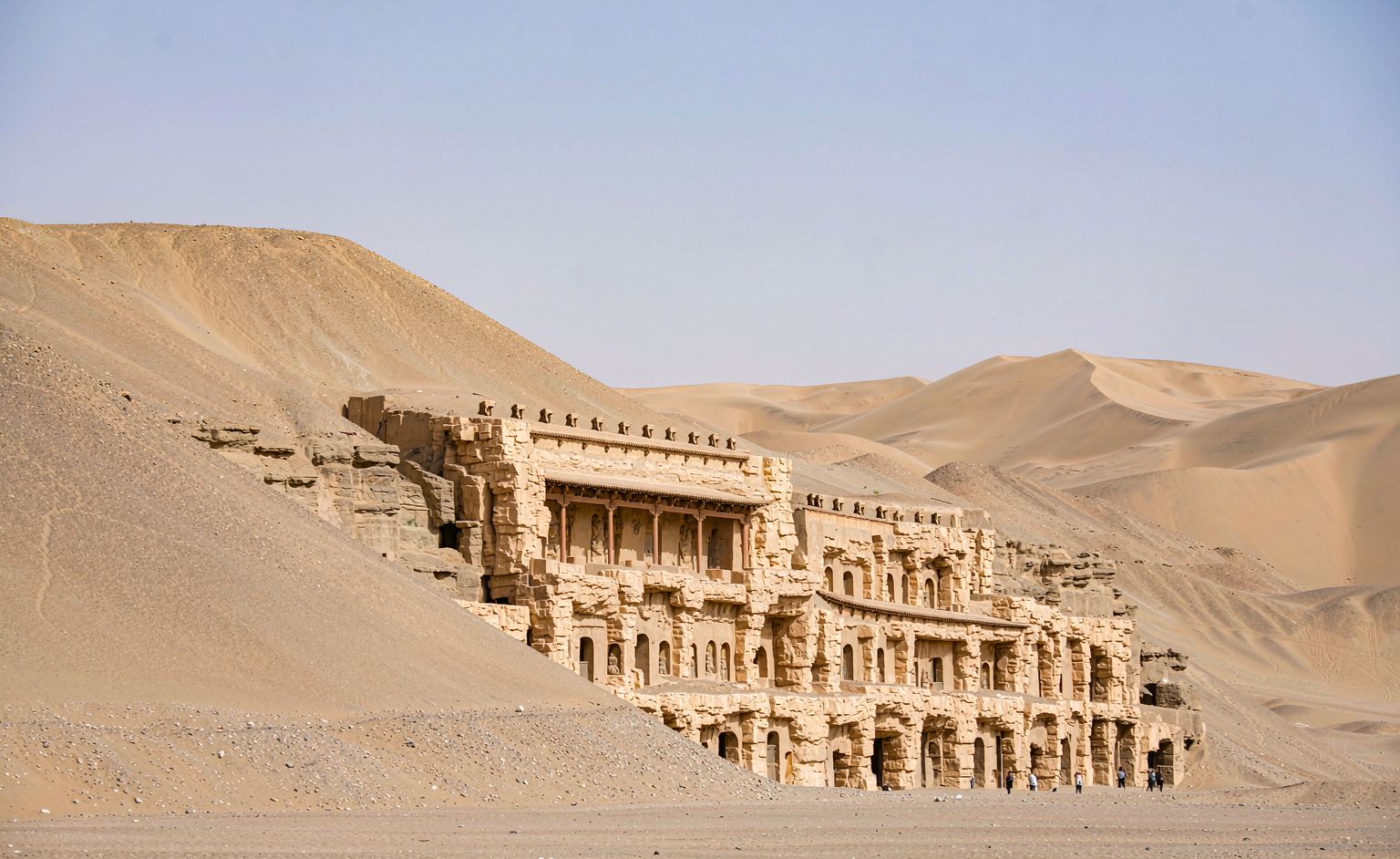
Dunhuang, Jiayuguan and Zhangye from Luoyang, 7 days
Seven days from Luoyang. The Hexi Corridor drops into low season in November: Mingsha Mountain is half price and the Mogao caves are quiet. We head east from Dunhuang past the pass at Jiayuguan to the coloured hills of Zhangye.
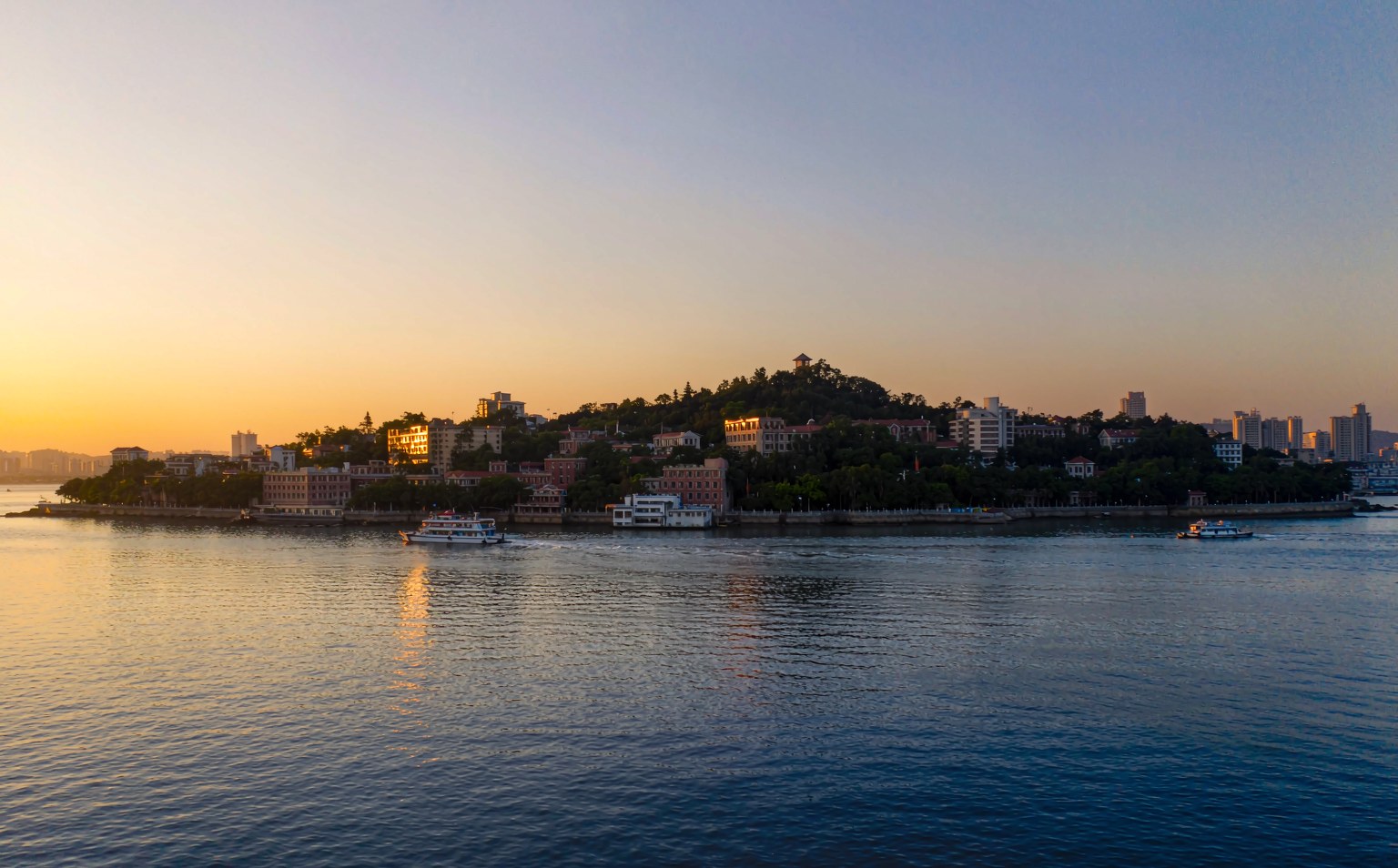
Xiamen, Gulangyu and Quanzhou from Luoyang, 6 days
Six days from Luoyang. November in southern Fujian is mild, around twenty degrees by day. We sleep one night on Gulangyu and keep Quanzhou for the last two days, so the old town and the twin stone pagodas get a slower look.