
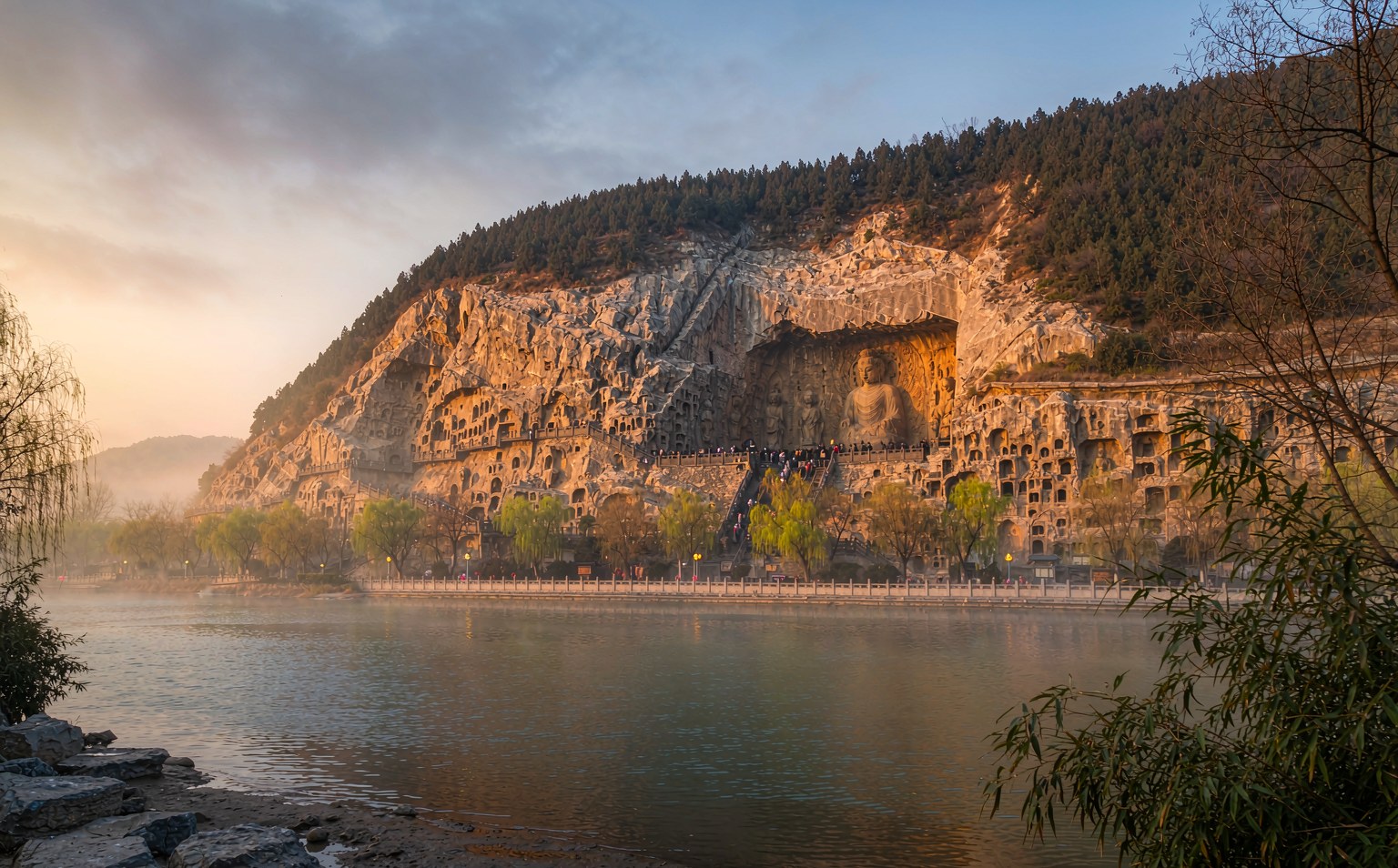
Yungang Caves, Xuankong Temple and Yingxian Pagoda, 4 days
Four days from Luoyang. From 1 November the Yungang caves move to low season prices and the crowds thin out. The Hanging Temple needs a climbing ticket booked ahead, and the timber pagoda at Yingxian opens its ground floor only.
Highlights
Day 1: Luoyang to Datong, wind on the city wall
We leave Luoyang Longmen in the morning, change at Taiyuan South, and arrive at Datong South after lunch. We drop the bags and go to Huayan Temple, where a bodhisattva in the sutra hall smiles with visible teeth and the brackets outside are improbably large. At dusk we climb the south gate of the city wall.
Attraction introduction: Huayan Temple was founded under the Liao and its main hall ranks among the largest in China; the smiling bodhisattva in the Bojia storehouse is a Liao masterpiece. The Ming city wall was restored on its old lines and runs more than seven kilometres around.
Tips: The first afternoon stays inside the old city. Guests generally find the wind on the wall two grades stronger than below, so hold on to hats. In practice we climb before sunset, watch the lamps come on, and walk a few steps to dinner.
Day 2: A full day at the Yungang caves
We enter at half past eight and start with cave five, where the seated Buddha stands seventeen metres and a person could stand on his knee. Cave six wraps a central pillar in carved scenes of the life of the Buddha. Further west the Five Flower caves hold the densest painted clay, then cave twenty, where the great Buddha sits in the open with his shoulders worn smooth.
Attraction introduction: The caves were cut into sandstone below the Wuzhou mountain from the mid fifth century under imperial patronage, leaving forty five major caves and more than fifty one thousand figures. Cave twenty lost its front wall long ago, which is why its Buddha stands in daylight.
Tips: Low season admission is 100 yuan, 60 for students, and the ticket allows repeat entry across three days. Guests generally find the interiors too dark for phone cameras and prefer to simply look. In practice we break for lunch in town and return, since the ticket does not expire.
Day 3: The Hanging Temple, then the pagoda at Yingxian
We drive to Hunyuan in the morning and reach the foot of Mount Heng in ninety minutes. The temple clings to the cliff, a few dozen timber posts propping up the halls, and looks as though it might let go at any moment. The climbing walkway takes one person at a time with a drop of tens of metres below. After lunch we go on to Yingxian.
Attraction introduction: The Hanging Temple was built in the late Northern Wei on the western side of the Jinlong gorge, and its Three Religions Hall holds Buddhist, Daoist and Confucian figures together. The Yingxian pagoda, formally the Sakyamuni Pagoda of Fogong Temple, dates from 1056 and is the tallest surviving timber pagoda.
Tips: Two tickets are needed, 15 yuan to enter and 100 yuan to climb, and the climbing tickets are capped each day. Guests generally find they are gone by mid morning, leaving only the view from below. In practice we leave at half past seven to catch the first group up.
Day 4: Hunyuan back to Datong, then home
We return to Datong in the morning with the ridge of Mount Heng behind us. In the city we stop at the Nine Dragon Screen, where nine glazed dragons turn across a wall more than forty metres long, their colours deeper than expected. Lunch is a bowl of knife cut noodles, then the afternoon train south.
Attraction introduction: The Nine Dragon Screen was built in the early Ming as the spirit wall of a princely residence and assembled from some four hundred glazed pieces, the largest of its kind still standing in China. Datong knife cut noodles are thick at the spine and thin at the edge, served with a braised sauce.
Tips: Nothing major is scheduled on the last day, leaving room for the station. Guests generally find Datong South twenty minutes from the old city with little traffic but no time to waste. In practice the screen comes first at nine, then lunch, then the train.
Related Tours
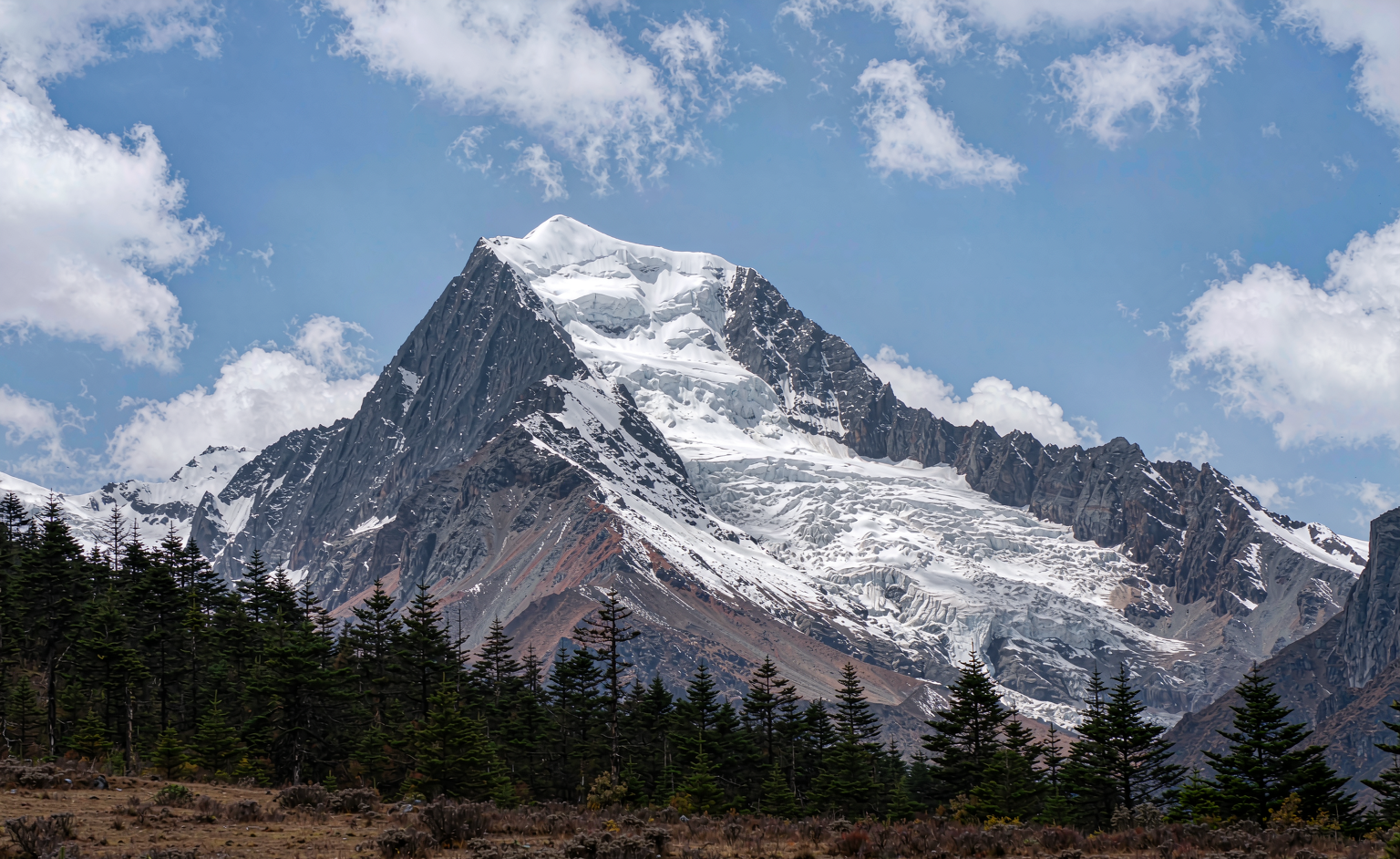
Lijiang, Jade Dragon Snow Mountain and Shuhe, 5 days
Five days from Luoyang. Early November is the dry season in Lijiang, when the summit catches gold before sunrise. Park admission plus the shuttle is 120 yuan, the big cable car needs booking, and the old towns charge nothing.
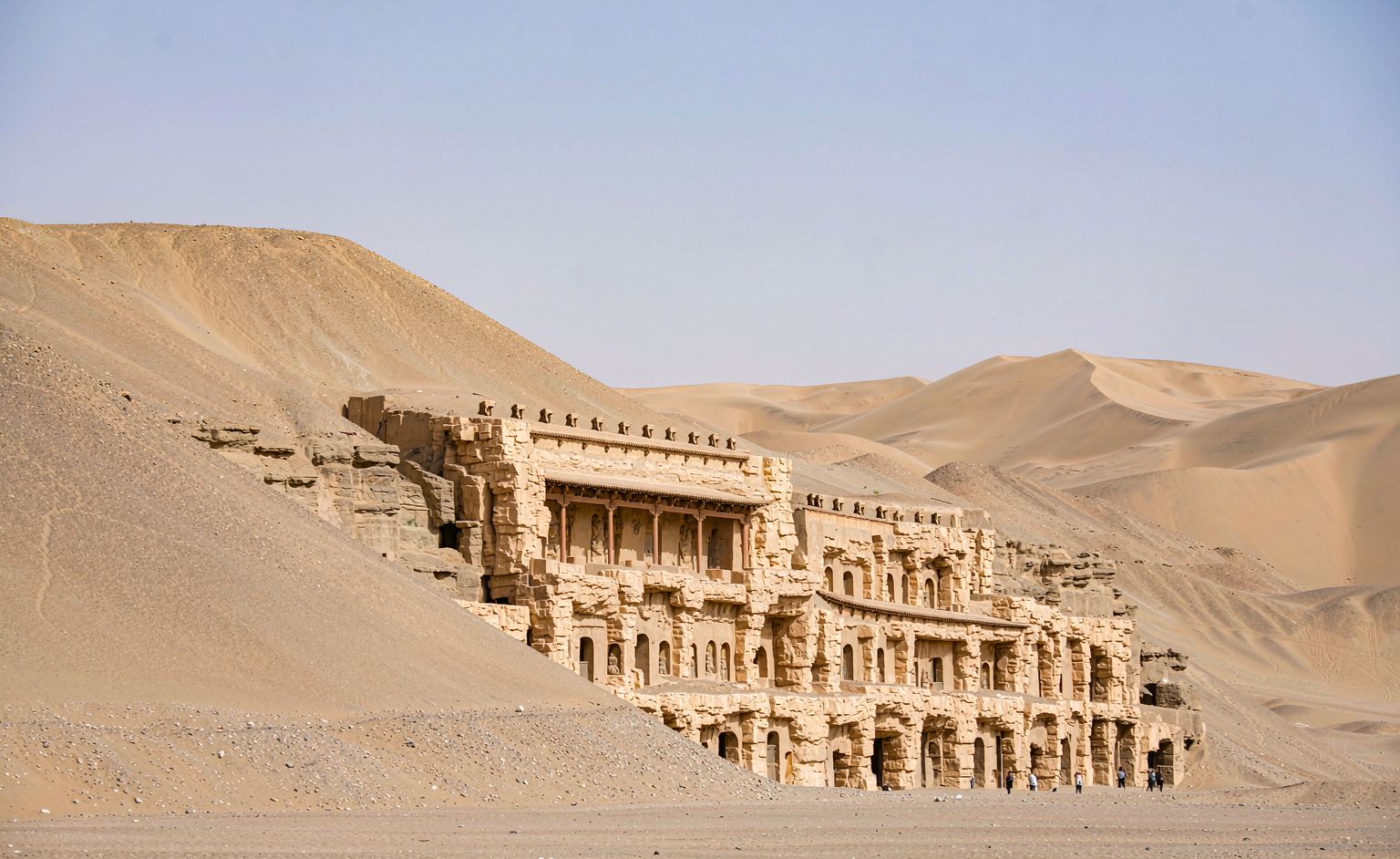
Dunhuang, Jiayuguan and Zhangye from Luoyang, 7 days
Seven days from Luoyang. The Hexi Corridor drops into low season in November: Mingsha Mountain is half price and the Mogao caves are quiet. We head east from Dunhuang past the pass at Jiayuguan to the coloured hills of Zhangye.
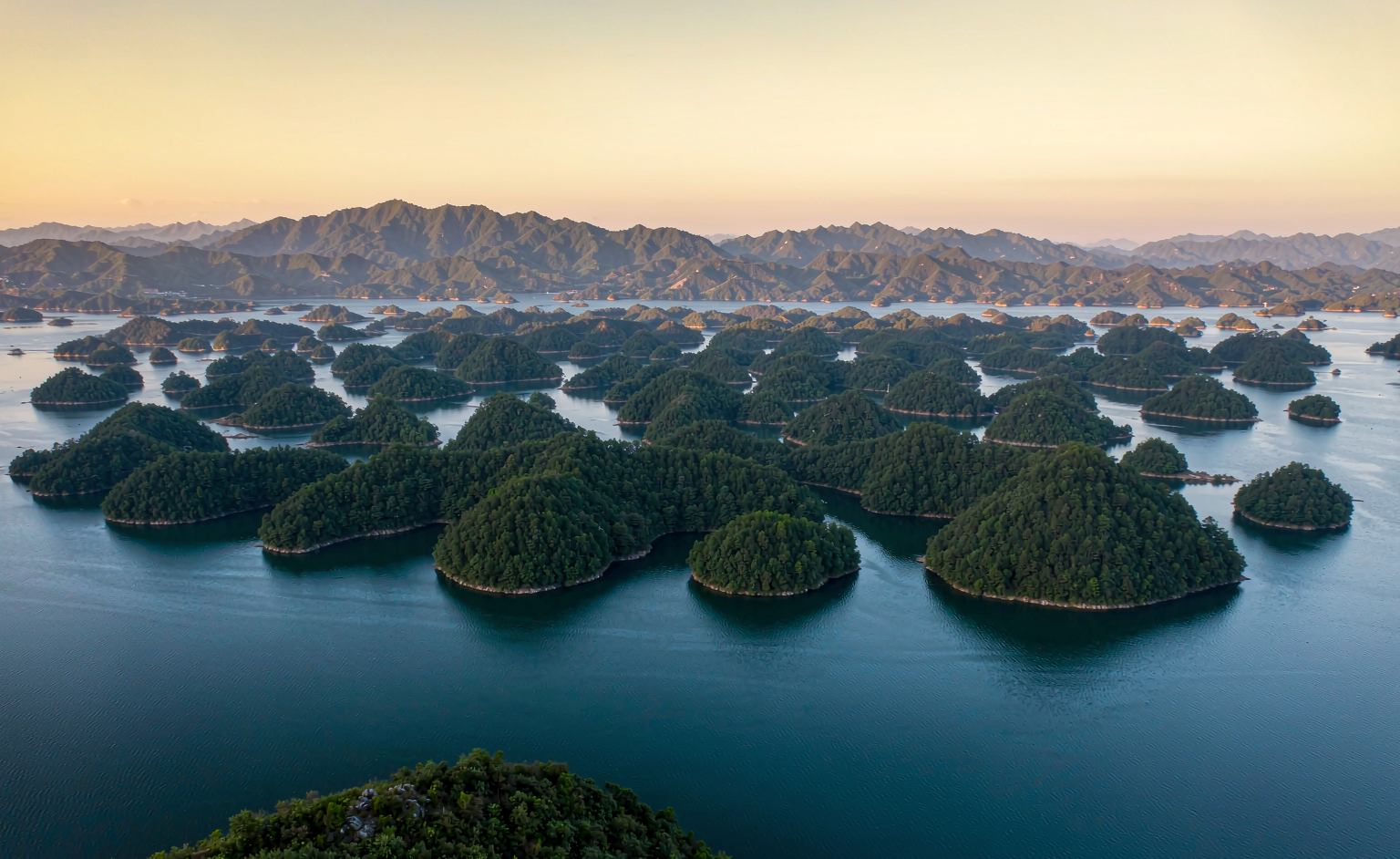
Qiandao Lake, Hangzhou and Wuzhen from Luoyang, 5 days
Five days from Luoyang. An afternoon on the water at Qiandao Lake, a stretch of West Lake in Hangzhou, and a night inside the West Scenic Zone of Wuzhen, where the lamps come on over the canal.
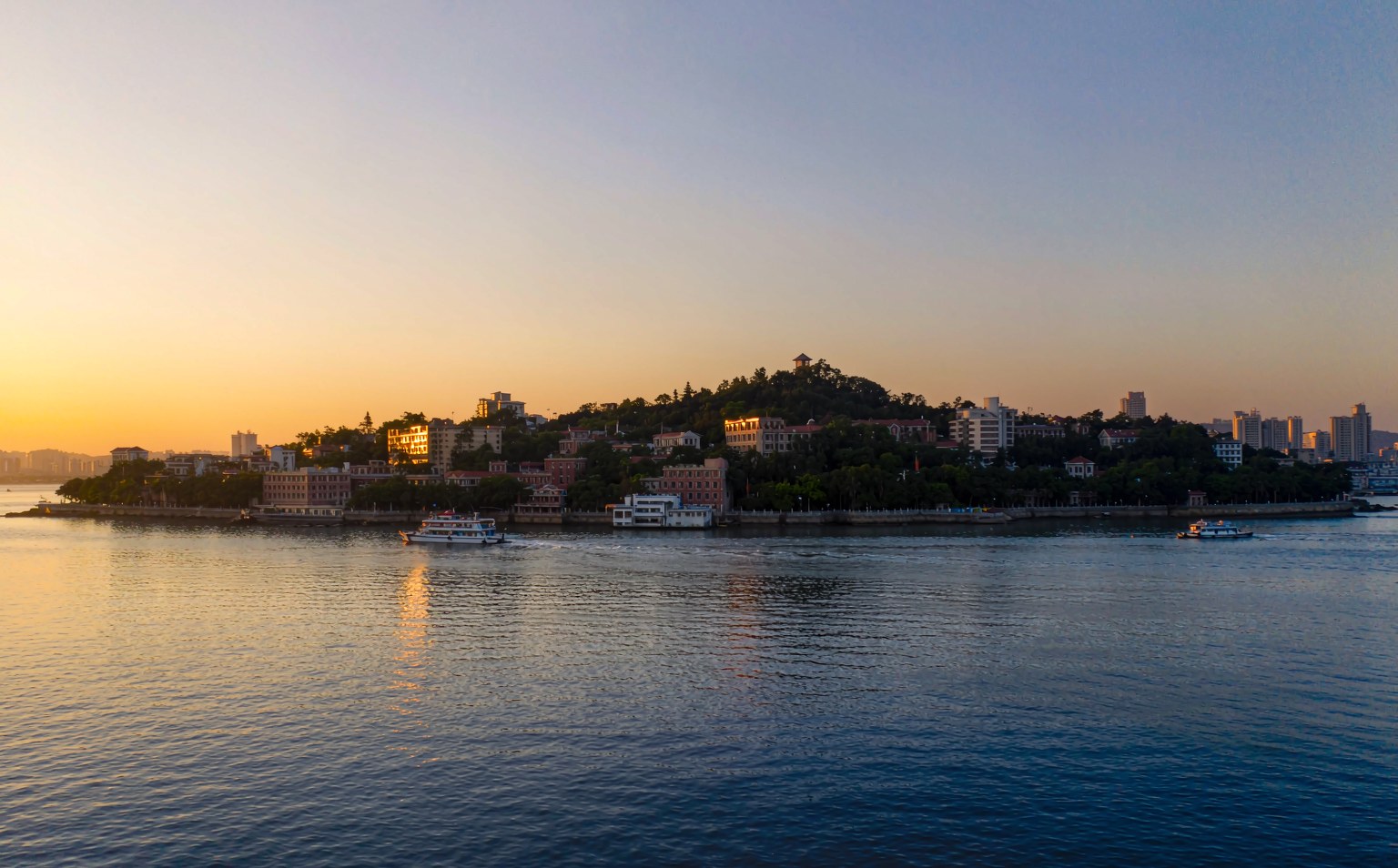
Xiamen, Gulangyu and Quanzhou from Luoyang, 6 days
Six days from Luoyang. November in southern Fujian is mild, around twenty degrees by day. We sleep one night on Gulangyu and keep Quanzhou for the last two days, so the old town and the twin stone pagodas get a slower look.