
Luoyang 5-Day Tour: Fenghuang Ancient Town & Furong Town
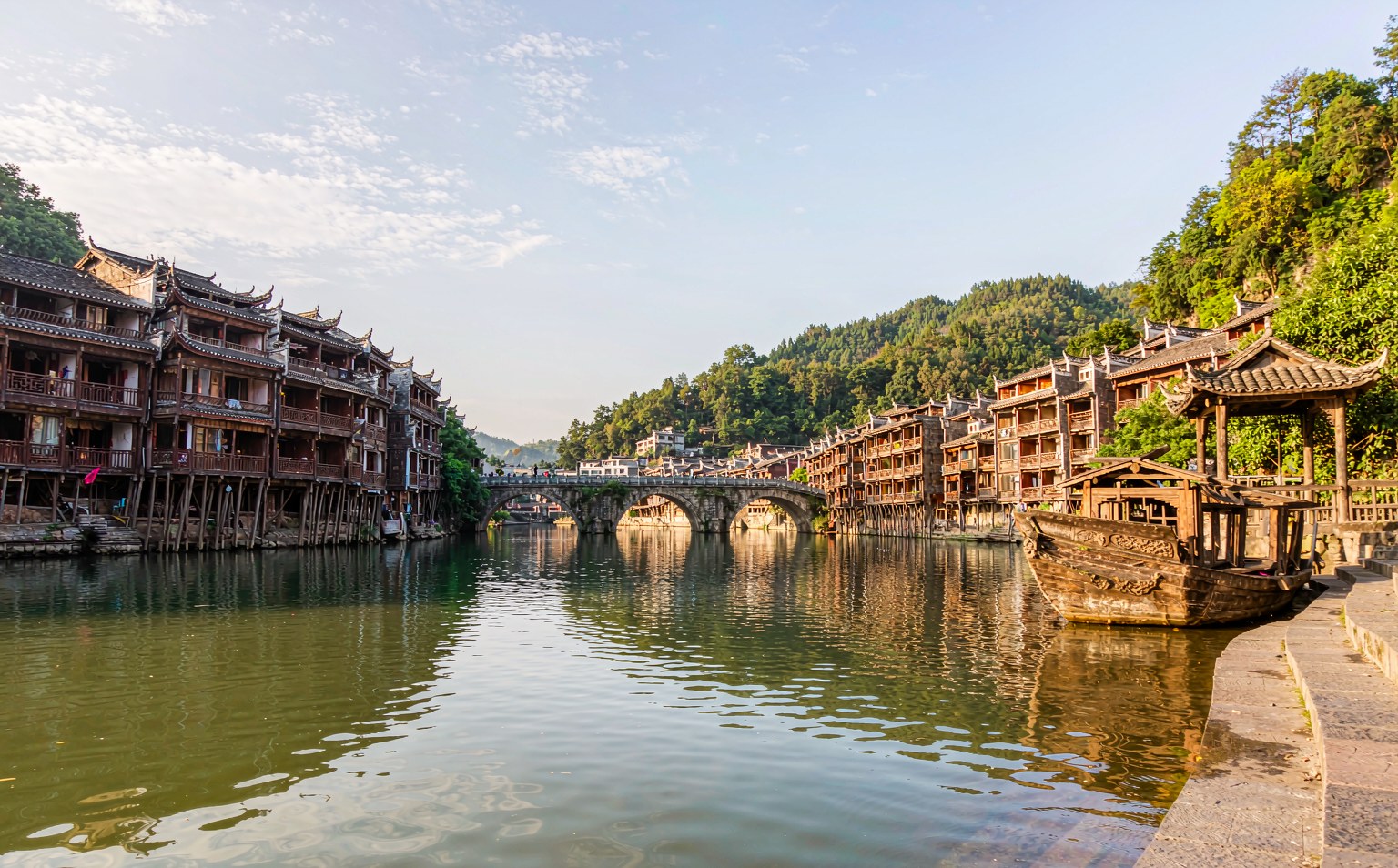
The Tuo runs under the town wall and half of each stilt house stands in the water.
Highlights
Day 1: High-speed rail into western Hunan, an evening by the river
Take a morning train from Luoyang Longmen, change at Huaihua South and arrive at Fenghuang Ancient Town station, still twenty minutes from the old town by road. Leave the bags at the guesthouse and walk downstream instead of sightseeing. The stone steps at the North Gate dock are polished by water, and the stepping stones are a row of square blocks with one gap that has to be stepped over. After dark both banks light up and the stilt houses double in the river.
Attraction introduction: Fenghuang sits on both banks of the Tuo in Fenghuang County, known in Miao as Zhengan. The wall was first built in the Ming, and under the Qing the town hosted a regional military office, which is why it holds a full set of yamen, Confucian temple and clan halls. The stilt houses answer the problem of building on a riverbank slope: the front half cantilevers out on timber posts set into the bedrock, so the posts stand in floodwater without failing.
Tips: The flagstones are uneven and a wheeled suitcase will rattle the whole way, so a backpack is kinder. Guests generally find riverside rooms noisy, with the bar street only quiet after midnight. In practice we book upstream at Huilongge, ten minutes from the crowds and quiet at night.
Day 2: Mist at dawn, then the nine sites
Up at six and down to the stepping stones. A layer of white mist sits on the river and only the upper half of the stilt houses shows through it, while someone beats laundry on the steps and the sound carries a long way. Breakfast at eight, then the nine sites from nine: the birthplace of Shen Congwen in a narrow lane with the pomegranate tree still in the yard, the Yang clan hall where the stage faces the courtyard and the carvings are worn smooth by hands, and the East Gate tower with a straight flagstone street below it. Board the river boat at four.
Attraction introduction: The nine sites are the former homes of Shen Congwen and Xiong Xiling, the Yang clan hall, the East Gate tower, the river cruise, Wanshou Palace, Chongde Hall, the town museum and the Rainbow Bridge, scattered across about 1.8 square kilometres and taking three to four hours on foot. Shen Congwen was born in the courtyard house, and the display cases hold his early desk and manuscript copies.
Tips: The dawn mist is worth the alarm, but the riverside steps carry dew and need grippy soles. Guests generally find the two former residences and the clan hall the strongest of the nine, with some exhibition rooms thin on content. In practice we follow the natural order and let anyone tired walk back to rest, since the pass is valid for two days.
Day 3: On to Furong Town and the lit waterfall
Leave Fenghuang in the morning for Yongshun, two hours of mountain road. Reach Wangcun by noon, drop bags at the guesthouse inside the town, and enter the scenic area after three when the tour groups have moved on. Pass the Tuwang Bridge and follow the five-li flagstone street downhill, timber shopfronts on both sides and rice-tofu stalls at the doors with chilli oil and pickled radish. At the viewing deck two tiers of water drop through the middle of the town. Claim a spot on the second floor before dark.
Attraction introduction: Furong Town lies in Yongshun County and was called Wangcun in older records, growing rich on shipping along the Youshui as a Tujia river port. The settlement sits on a terrace with the Yingpan stream cutting through it and falling at the town edge in two tiers, the combined drop measured in dozens of metres, with houses stepped along both banks of the fall.
Tips: The walkway behind the waterfall sprays, and a raincoat works better than an umbrella. Guests generally find the rice tofu best made to order, since it toughens as it cools. In practice we enter late in the day to miss the midday coaches, and stay inside the town so nobody drives a mountain road at night.
Day 4: Aizhai Bridge, the cliff walkway and Dehang gorge
Head toward Jishou in the morning and reach Aizhai in ninety minutes. Start with the cliff walkway, cut horizontally into the rock face, planks underfoot and glass on the outer edge, looking down on the thirteen hairpins of the old Aizhai road coiling around the slope. At the far end the red steel truss of the bridge crosses the gorge, anchored into tunnel mouths at both ends. Lunch in Aizhai town, then into Dehang gorge in the afternoon, following the stream inland to where Liusha waterfall scatters off a cliff and the wind turns it to spray.
Attraction introduction: Aizhai Bridge crosses above Aizhai town in Jishou with a main span of over a kilometre, a steel truss suspension bridge whose deck sits more than three hundred metres above the valley floor and which opened in 2012. The old road beneath was built during the war against Japan, six kilometres carrying thirteen sharp bends as the only link between Hunan and Sichuan. Dehang means beautiful gorge in Miao.
Tips: It is windy on the walkway, so hold hats and phones, and do not run on the glass. Guests generally find the gorge cooler than the town even in summer. In practice the walkway and the bridge have separate entrances and we take the walkway first, which keeps the side light on the truss instead of shooting into it.
Day 5: Back from Jishou on a midday train
No sights today. Eat a bowl of sour-soup noodles in Jishou, the broth built on tomato and fermented chilli, with a plate of fried rice cakes alongside. Check out at half past nine for Jishou East station and take a train back through Huaihua South, six or seven hours to Luoyang, home by late afternoon. If ginger candy or cured pork went into the bag, check it rather than carrying it on, because the pork bleeds oil.
Attraction introduction: Jishou is the seat of the Xiangxi Tujia and Miao Autonomous Prefecture, where the Dong and Wanrong rivers meet, the old town in the bend and the new town climbing the slopes. Miao and Tujia households live side by side here, both languages are heard in the street, and sour is the local taste: sour soup, sour fish, pickled radish.
Tips: Return trains cluster between ten and two, and anything later means a night train. Guests generally find Jishou East a fair distance from the centre and allow twenty minutes by taxi. In practice we set the departure at half past nine to leave room for traffic.
Related Tours
Zhangjiajie from Luoyang: Wulingyuan, Tianmen Mountain and Fenghuang, 7 Days
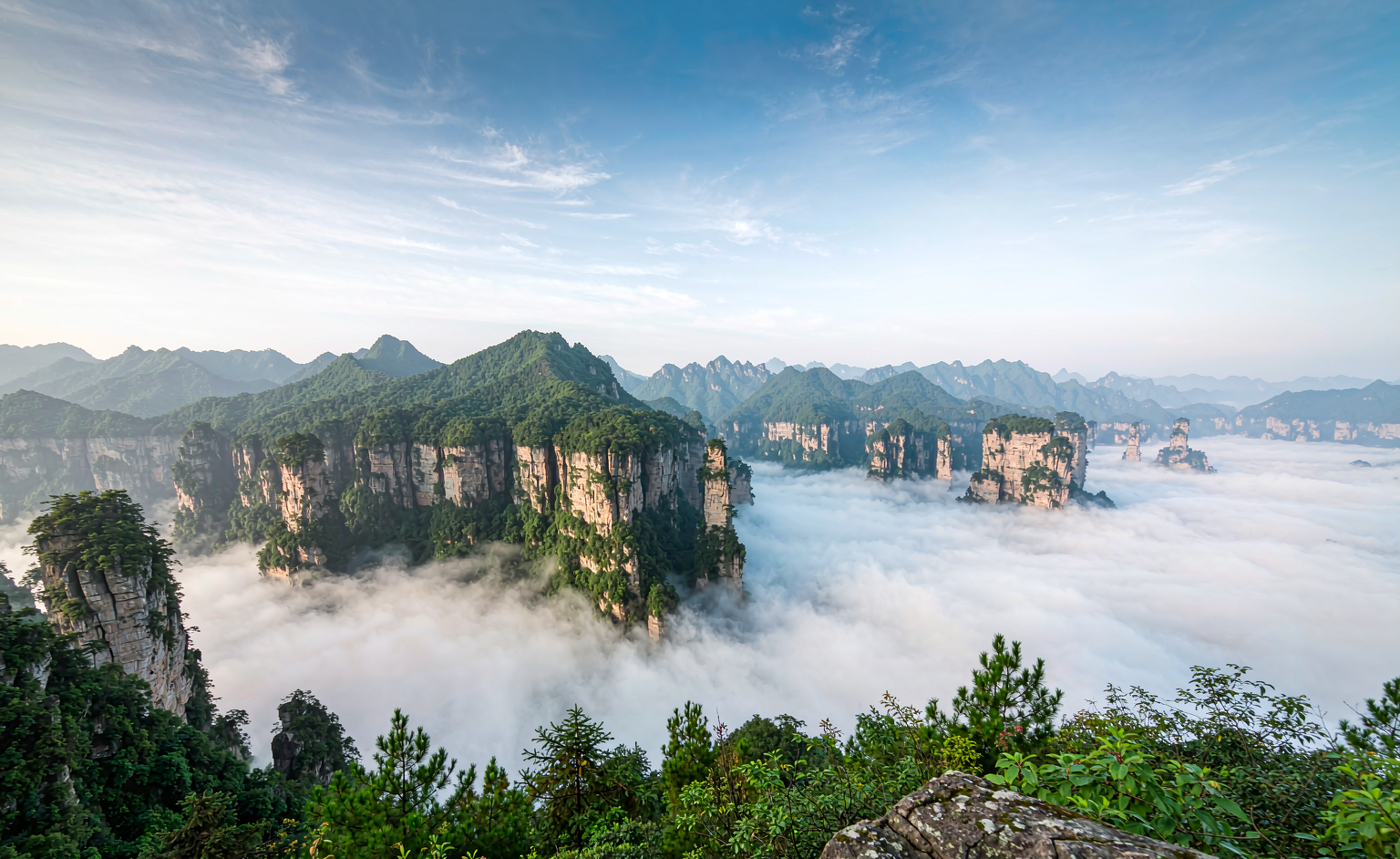
Seven days give Zhangjiajie four, and Fenghuang a day and a half. November mist lifts slowly, so the stone pillars at Tianzi and Yuanjiajie sit half buried in cloud until the wind moves, and that is better than a clear blue sky.
Xian from Luoyang: Terracotta Warriors, Famen Temple, Qianling and the City Wall, 6 Days
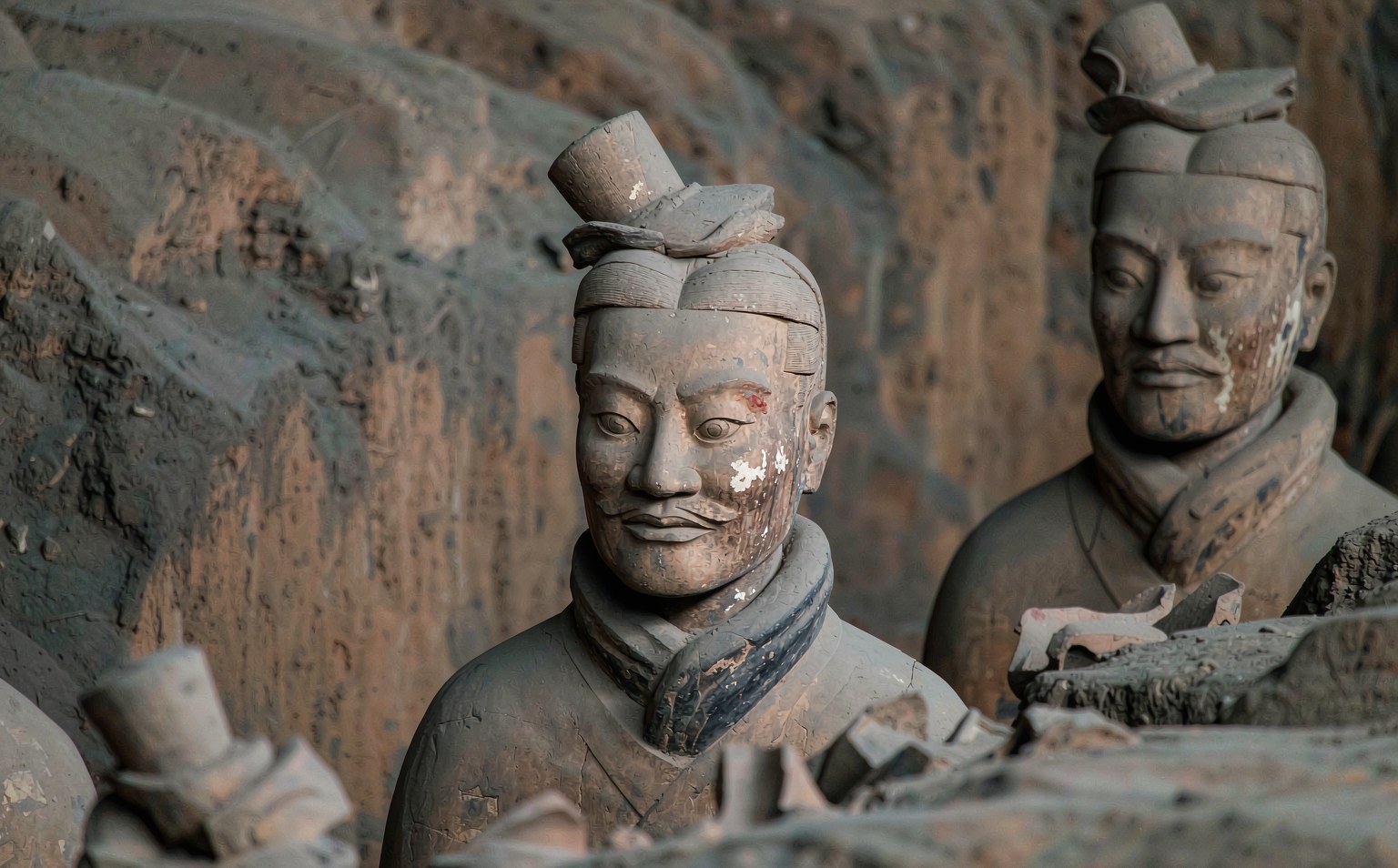
Six days split Xian into three parts: the east for Qin and Tang, the west for imperial tombs and a Buddha relic, and the old city for museums, the wall and steles. Ninety minutes by rail from Luoyang, no airport involved.
Qinghai from Luoyang: Qinghai Lake, Chaka, Guide and Kumbum, 6 Days
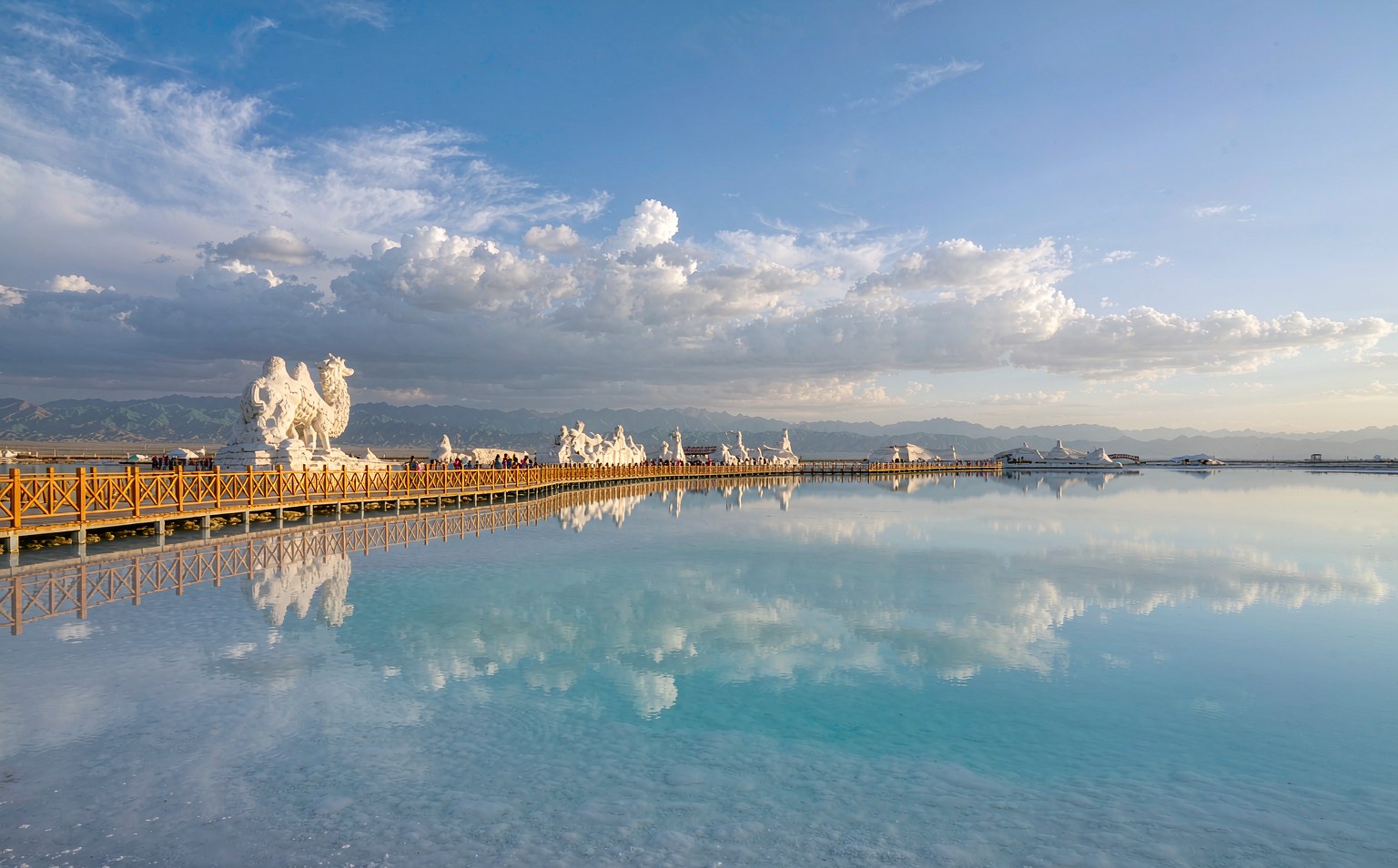
November is the quietest month in Qinghai. The butter sculptures still glow at Kumbum Monastery, the Yellow River runs clear at Guide, the lake shore is empty, and the little train at Chaka carries only a handful of people.
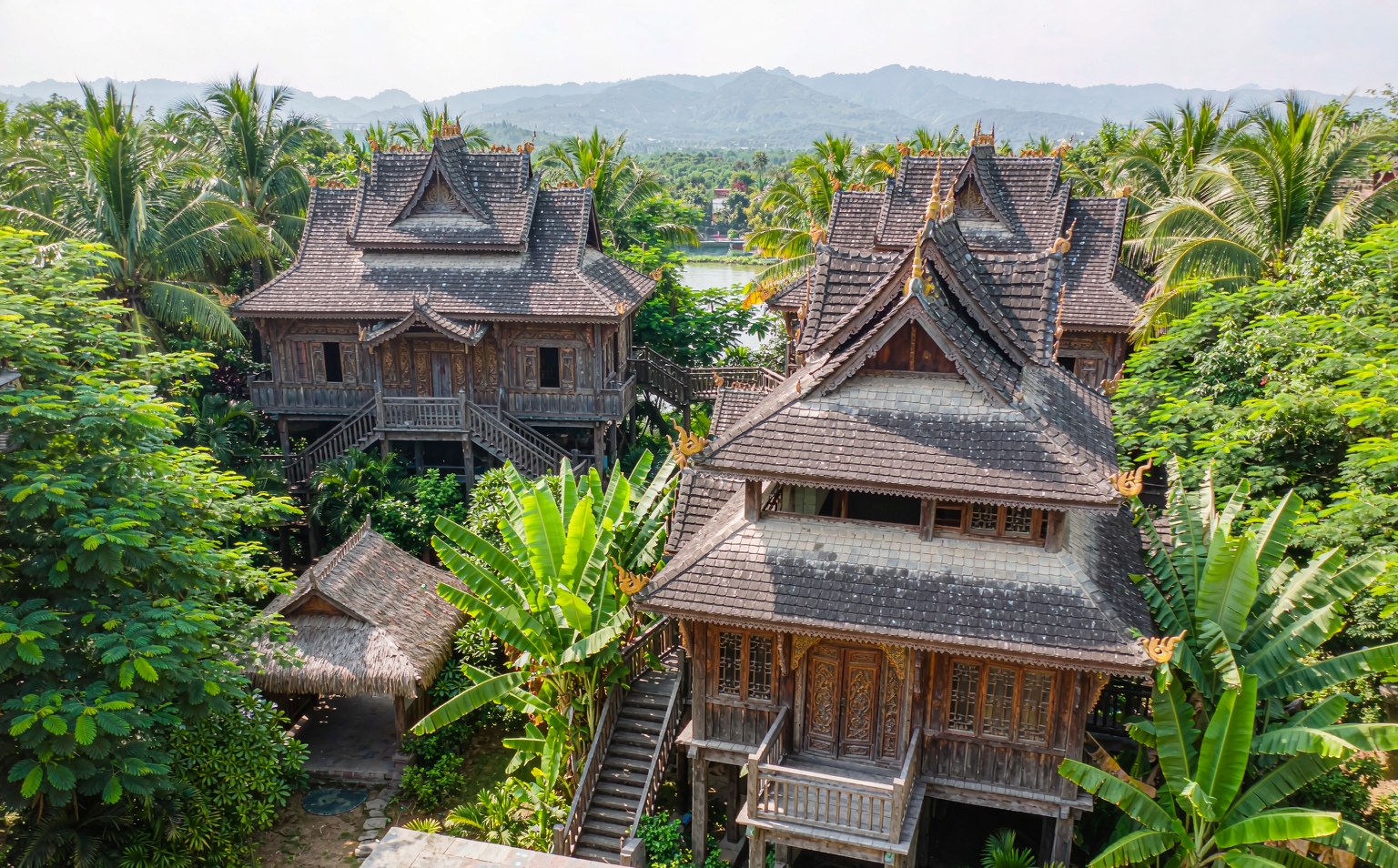
Xishuangbanna from Luoyang: Botanical Garden, Dai Villages and Gaozhuang, 5 Days
While the north is already in padded coats, Xishuangbanna still sits above twenty degrees by day. Five days give two to rainforest and botanical garden, one to the canopy walkway at Wild Elephant Valley, and the rest to Dai villages and the night market at Gaozhuang.