
Luoyang 6-Day Tour: Guilin & Li River
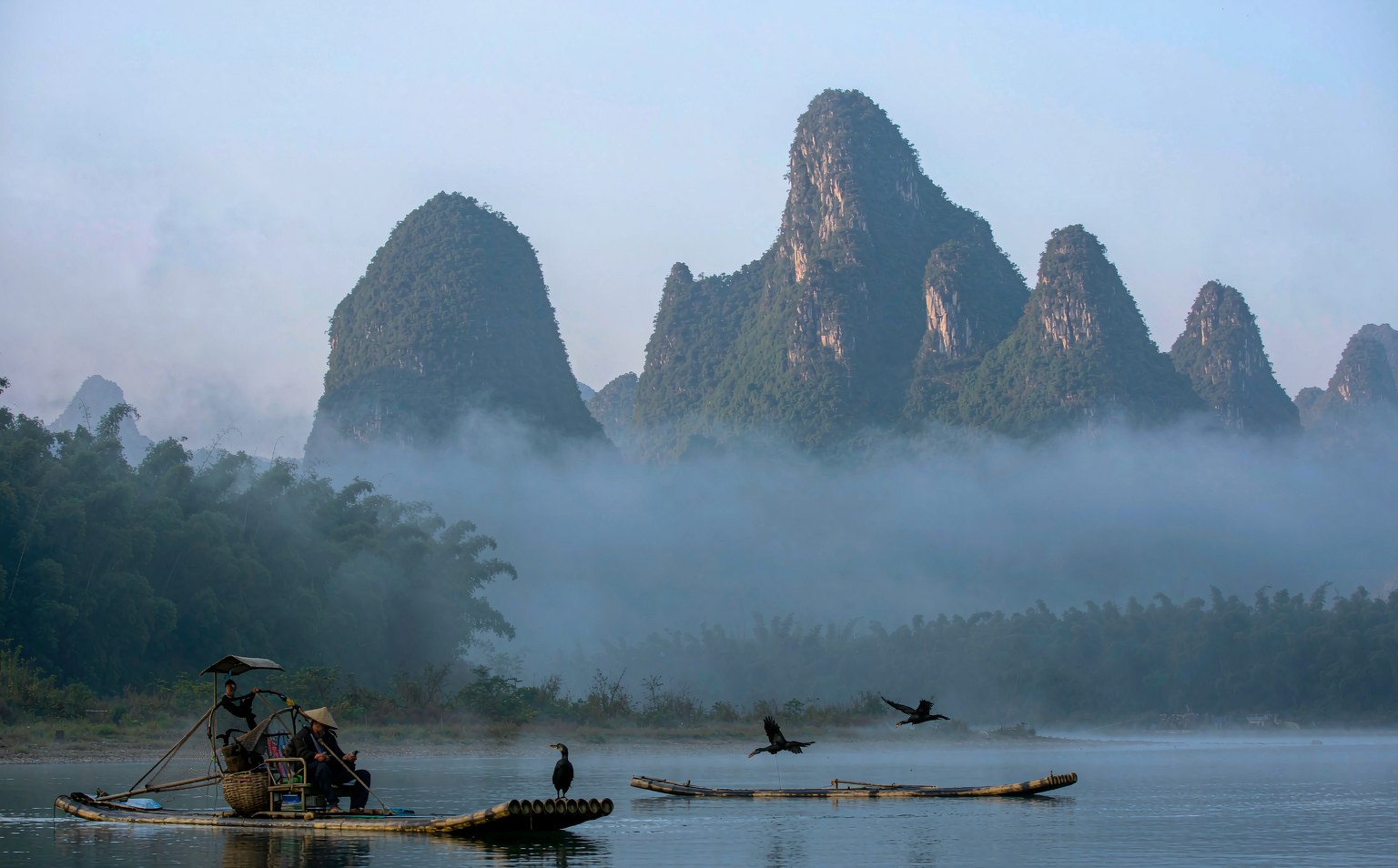
The Li runs clearest in November. A four-star boat leaves Zhujiang pier and reaches Yangshuo in four hours.
Highlights
Day 1: South by rail, the two rivers and four lakes at night
Take the morning train from Luoyang Longmen to Zhengzhou East and change to a southbound service; past Wuhan and Changsha, Guilin North comes up at five. A car takes you to the Binjiang Road area, and you walk to the river with the bags dropped. The banks of the two rivers and four lakes are open, no ticket needed: the Sun and Moon pagodas stand in Shan Lake and their lights come on at seven. Dinner is a bowl of Guilin rice noodles on Zhengyang walking street, the braised stock mixed in dry first, the crisp pork skin crackling.
Attraction introduction: Guilin sits where the Li meets the Taohua, walled in the Song, with four lakes inside the city, Shan, Rong, Gui and Mulong, linked as the two rivers and four lakes. The Sun and Moon pagodas stand in Shan Lake, one copper and one glazed, joined by a submerged passage.
Tips: The day is transport, arriving at dusk, so keep the evening light. Guests generally find the noodles should be tossed dry before stock is added, since the broth dilutes the sauce. In practice the hotel is on Binjiang Road, ten minutes from the lake.
Day 2: Four hours on the Li to Yangshuo
Leave the hotel at half past seven for Zhujiang pier and board at half past eight. The four-star cabin is on the upper deck, seats facing the windows, with an open deck above. Soon after departure the peaks begin rising one by one, sparse at first and dense after Yangdi: at Nine Horses the cliff carries a pale streak of stone, and at Yellow Cloth the water lies flat as a mirror. Lunch is served on board and four hours pass quickly. Yangshuo at one, then straight to Xingping, where the view printed on the twenty yuan note is two hundred metres north of the pier.
Attraction introduction: The Li between Guilin and Yangshuo runs eighty-three kilometres, its banks a limestone karst of cone-shaped peaks with the river winding at their feet. Nine Horses is a cliff whose stone markings are read as nine animals. Xingping, on the west bank, is the old landing, and the note view lies just north of the town.
Tips: Cabins differ in deck, and the upper deck is windy, so bring a jacket. Guests generally find the finest stretch runs from Yangdi to Xingping and the first hour can be spent sitting. In practice seats are kept on the right, closer to the Yangshuo bank.
Day 3: A bamboo raft on the Yulong, then cycling the Ten Mile Gallery
At eight reach Jinlong Bridge pier, where the rafts are poled by hand, two passengers to a raft, the boatman standing aft and pushing off with one stroke. The river is narrow here, bamboo and rice on both banks, and at each weir the raft drops a step and throws water over your feet. Ninety minutes to Jiuxian, then lunch ashore. In the afternoon rent bicycles in town and ride south along the Ten Mile Gallery, the Moon Hill arch beside the road, turning back at Gongnong Bridge after a dozen kilometres with no lorries on the lane.
Attraction introduction: The Yulong is a tributary of the Li, rising in Lingui and joining it at Yangshuo, narrow and shallow, nowhere deeper than two metres, with karst peaks and paddy along both banks. The Ten Mile Gallery is the road south of Yangshuo, some ten kilometres with peaks ranged along it, and Moon Hill carries a circular opening right through its upper slope.
Tips: Weirs soak your shoes, so wear quick-drying footwear or sandals. Guests generally find the Yulong quietest early, with groups arriving after nine. In practice we take the first raft while the water is still empty.
Day 4: North from Yangshuo into Longsheng, sleeping on the terraces
Leave Yangshuo in the morning and drive north on the expressway, two and a half hours to Longsheng, then forty minutes further up to Pingan village. The car stops at the foot of the hill and a park shuttle takes over, the road narrow with tight bends. Drop the bags and walk twenty minutes of stone steps to the Seven Stars with Moon viewpoint: the terraces coil from the valley floor to mid-slope, the rice already cut, stubble and water catching the light. Dinner in the village is rice cooked in bamboo and cured pork, over a wood fire.
Attraction introduction: The Longji terraces lie in Longsheng county, climbing from three hundred to eleven hundred metres, cut by Zhuang and Yao farmers into plots rarely larger than a mu. At Pingan, Seven Stars with Moon is a ring of seven small hills around one flooded field; the Jinkeng terraces are steeper still.
Tips: Guesthouses have no lifts, so bags go up the steps by hand. Guests generally find Longji cold at night and the November quilts need an extra layer. In practice the big cases stay in the vehicle at Guilin with one night of kit carried up.
Day 5: Cableway to Jinfo Peak, back to Guilin
Up at half past six with the village still in mist. At eight take the cableway to Jinfo Peak, the terraces falling away beneath as the car climbs, and at the top the whole Jinkeng basin opens like a fan across the slope. Down at ten and across to Dazhai for a stretch of field paths, water in the paddies holding the sky, cattle grazing the bank. Lunch in the village, then board at two for Guilin, in the city by four; in the evening walk Dongxi lane, blue-brick walls on both sides and the gate of the Prince Jing residence at the far end.
Attraction introduction: Jinkeng Dazhai lies in the northeast of Longji and is a Red Yao village, its terraces over forty degrees of slope with more than three hundred steps from foot to top. Jinfo Peak is one of the high points, reached directly by cableway with nearly five hundred metres of climb.
Tips: Cableway tickets are sold one way or return, so walk down if you prefer. Guests generally find the mist slow to clear at Jinfo and the full view only after nine. In practice we ride up at eight and wait for it to open, then walk down through the fields.
Day 6: Elephant Trunk Hill early, home in the afternoon
Check out and go to Elephant Trunk Hill. Entry is free with a booking, an ID card opens the gate, and two hundred metres from gate one the platform shows the trunk reaching into the Li, a round opening between trunk and leg with water running through. Out by half past nine and next door to the Prince Jing residence, its wall Ming, Solitary Beauty Peak inside. Lunch is beer fish, best with jian-gu fish for its few bones. Then Guilin North for the train to Zhengzhou.
Attraction introduction: Elephant Trunk Hill stands where the Li meets the Taohua, its shape that of an elephant standing in the water, the opening dissolved by groundwater and half drowned when the river rises. The Prince Jing residence was built in the Ming Hongwu years, its wall about a kilometre and a half round, with Solitary Beauty Peak behind it.
Tips: Morning slots at the hill are the easiest, with no queue before eight. Guests generally find beer fish best with jian-gu, firm and nearly boneless. In practice the return train is after four, leaving time for a proper meal.
Related Tours
Zhangjiajie from Luoyang: Wulingyuan, Tianmen Mountain and Fenghuang, 7 Days
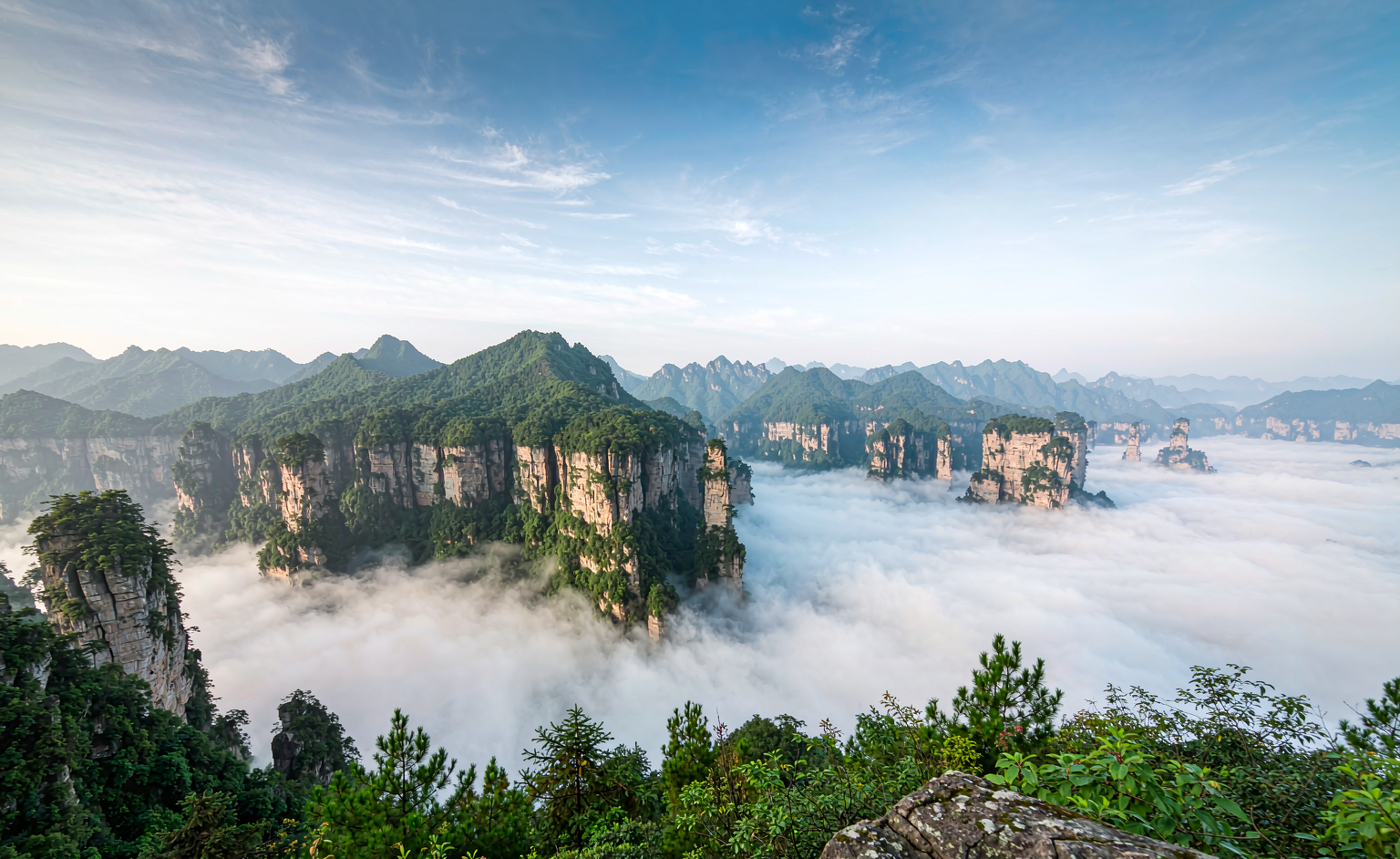
Seven days give Zhangjiajie four, and Fenghuang a day and a half. November mist lifts slowly, so the stone pillars at Tianzi and Yuanjiajie sit half buried in cloud until the wind moves, and that is better than a clear blue sky.
Xian from Luoyang: Terracotta Warriors, Famen Temple, Qianling and the City Wall, 6 Days
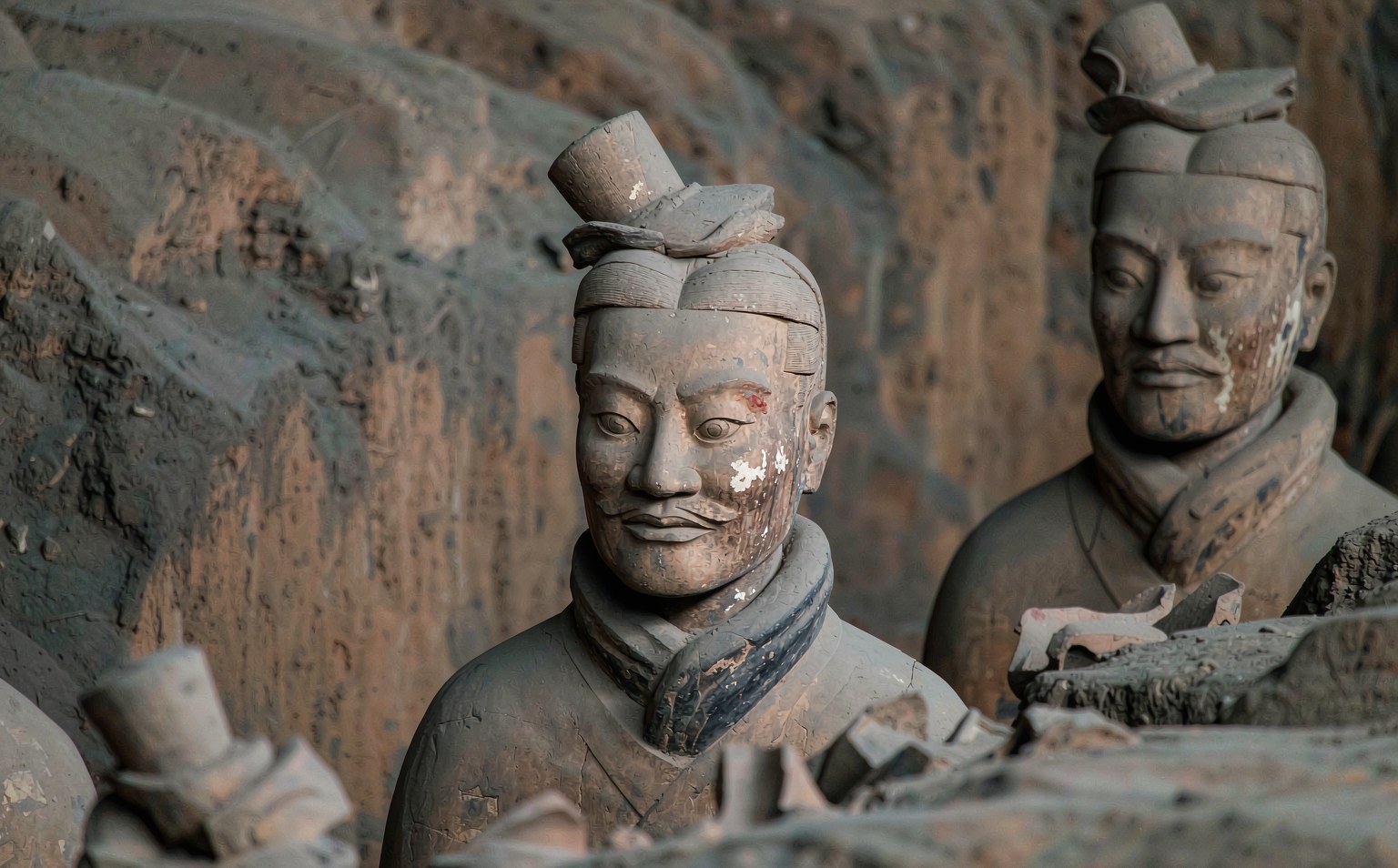
Six days split Xian into three parts: the east for Qin and Tang, the west for imperial tombs and a Buddha relic, and the old city for museums, the wall and steles. Ninety minutes by rail from Luoyang, no airport involved.
Qinghai from Luoyang: Qinghai Lake, Chaka, Guide and Kumbum, 6 Days
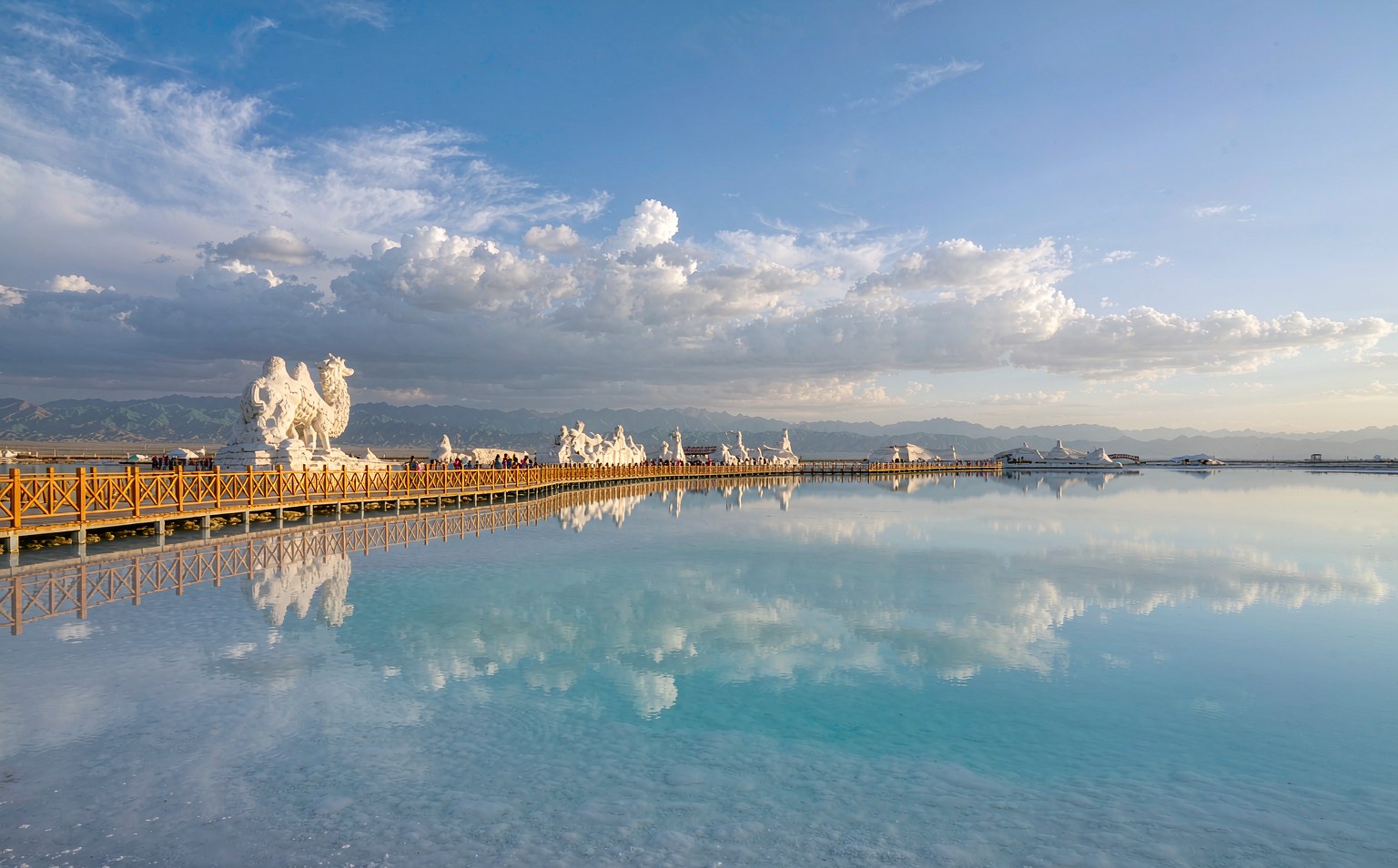
November is the quietest month in Qinghai. The butter sculptures still glow at Kumbum Monastery, the Yellow River runs clear at Guide, the lake shore is empty, and the little train at Chaka carries only a handful of people.
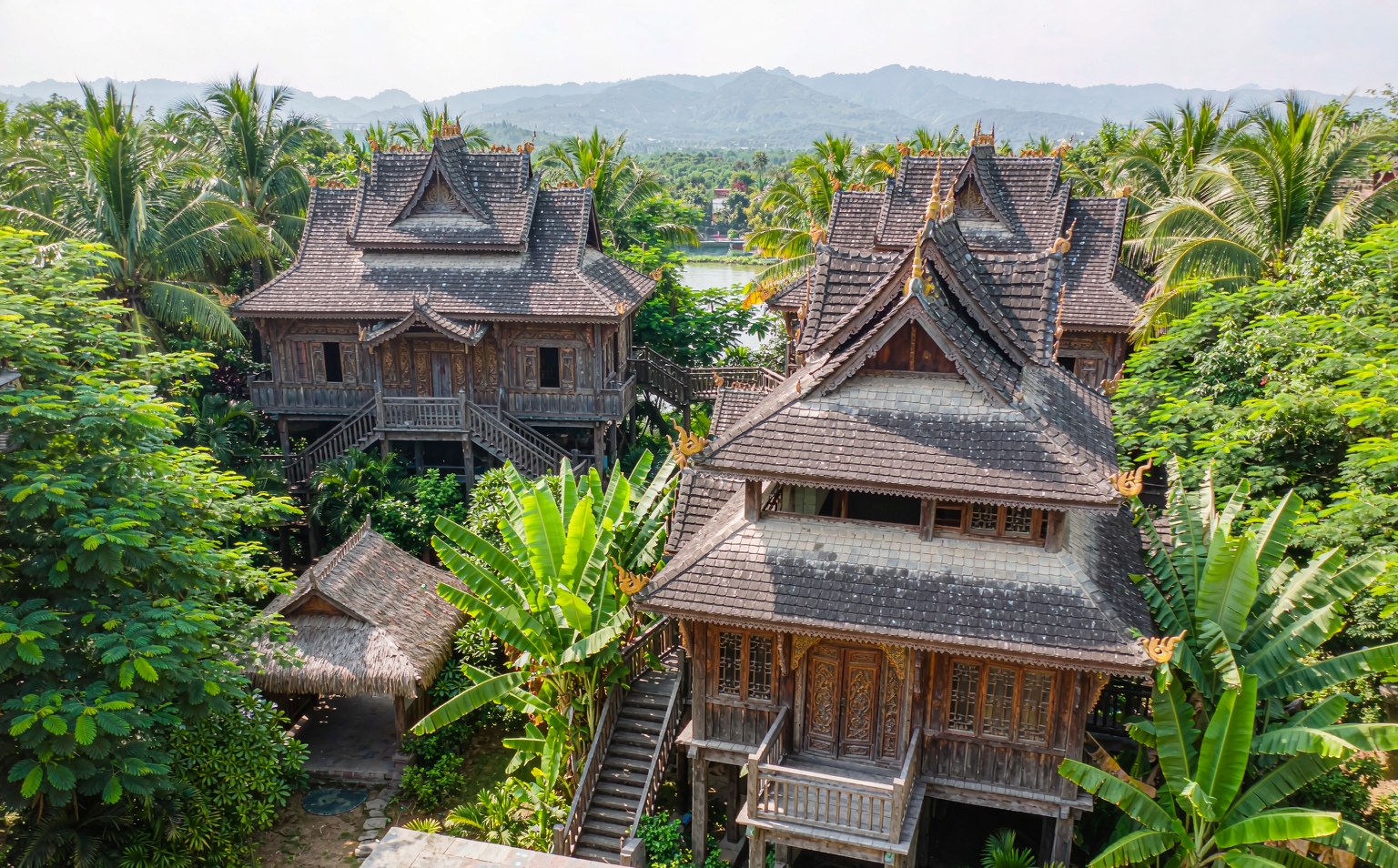
Xishuangbanna from Luoyang: Botanical Garden, Dai Villages and Gaozhuang, 5 Days
While the north is already in padded coats, Xishuangbanna still sits above twenty degrees by day. Five days give two to rainforest and botanical garden, one to the canopy walkway at Wild Elephant Valley, and the rest to Dai villages and the night market at Gaozhuang.